
Dark Niva’s The Third Hour
When Time Breaks, Faith Answers
October 31, 2025
Article
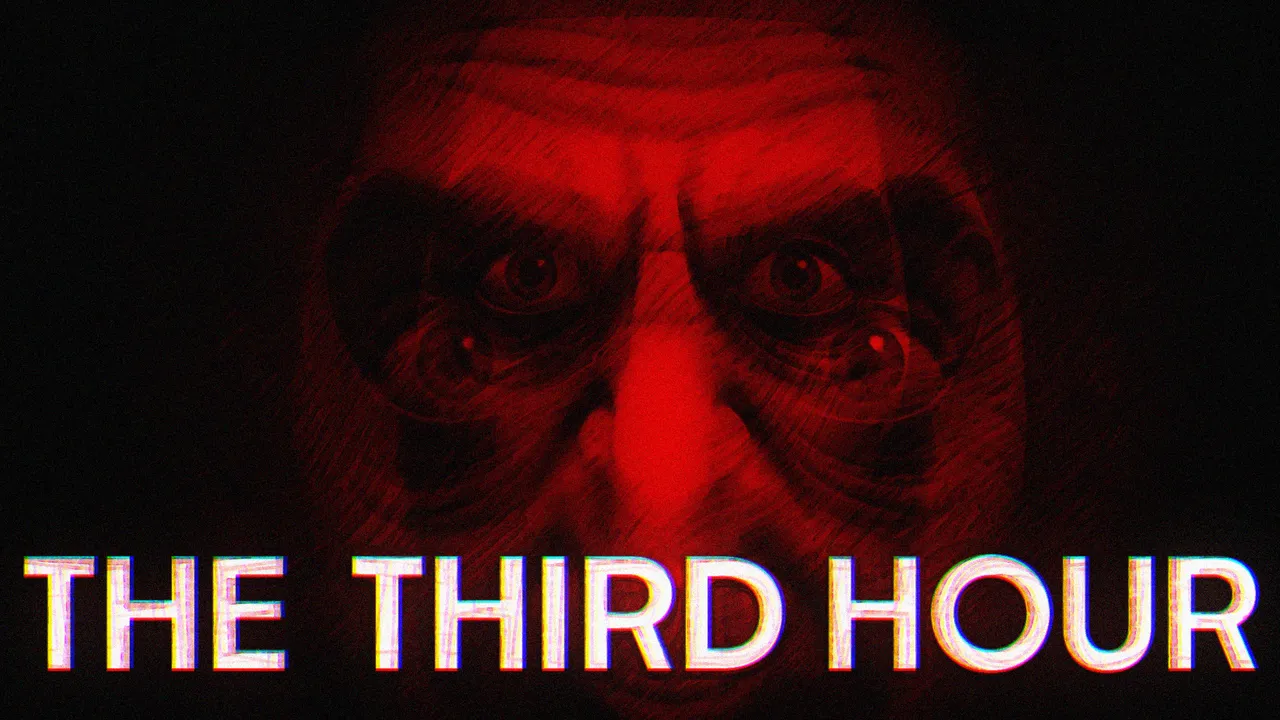
Dark Niva’s The Third Hour is a haunting metaphysical thriller exploring time, guilt, and salvation. A fusion of dreamlike horror and spiritual introspection — now streaming on Get Abyss.
There are moments when time itself seems to hesitate — when the ticking of a clock feels like judgment. In Dark Niva’s The Third Hour, that moment becomes the heart of an unforgettable metaphysical thriller. At once intimate and apocalyptic, the film follows a man trapped in a strange temporal loop inside an abandoned church, where the boundaries between memory, sin, and redemption dissolve.
The title refers to the biblical “third hour,” the time of crucifixion in Christian tradition — but in Dark Niva’s world, it’s also the hour when reality fractures. The film opens in silence: a lone figure stumbles into a decaying chapel, his clothes torn, his watch stopped at exactly 3:00. The air is heavy with candle smoke and whispers of distant chanting. As he searches for a way out, he discovers he’s not alone — though whether the presence he senses is divine, demonic, or a reflection of his own conscience remains uncertain.
The Architecture of Penance
From its opening frame, The Third Hour establishes itself as a meditation on guilt and recurrence. Dark Niva’s direction is hypnotic, using shadow and sound to create an atmosphere that feels suspended outside time. The church is both setting and symbol — its broken stained glass scattering fragments of light like shards of forgotten grace. Every corridor, every echo, carries the weight of confession. The protagonist, unnamed and possibly already dead, moves through the ruins as if retracing his own sins.
As he journeys deeper into the church, he encounters symbols that seem to respond to him — statues that turn, bells that toll without wind, prayers whispered backward. The effect is not traditional horror but spiritual dread: the sense that time has become conscience itself. The film’s structure mirrors this circularity, looping scenes and dialogue in subtle variations until meaning becomes inseparable from repetition.
A Visual Liturgy
Dark Niva’s aesthetic is one of controlled decay. The cinematography fuses candlelit chiaroscuro with digital manipulation, creating an uncanny texture that feels halfway between painting and nightmare. Each frame looks aged, as though filmed on deteriorating film stock — a visual metaphor for the erosion of faith. The sound design reinforces the experience: distant Gregorian chants bleed into static, while heartbeats echo like drums of ritual.
Despite its supernatural premise, The Third Hour is grounded in emotion. The central performance (deliberately understated) conveys the torment of a man confronting the full weight of his past. His silence becomes its own language — one of exhaustion, regret, and reluctant awe. When he finally speaks, it’s to ask not for forgiveness, but for release.
Themes of Judgment and Grace
At its core, The Third Hour is a parable about perception and punishment. Dark Niva doesn’t depict heaven or hell — he evokes the liminal space between them, where meaning itself is in question. The film suggests that damnation isn’t inflicted by divine will but by memory: an endless return to the moment of failure. Yet within that repetition lies a possibility — that through understanding, even a single second can become eternal.
As the narrative closes, the church begins to collapse, and with it, the illusion of linear time. The protagonist kneels as the clock strikes three once more. This time, the sound doesn’t mark crucifixion, but completion — an acceptance of what was, and what must be.
Abyssal Cinema
The Third Hour finds its natural home on Get Abyss, a platform that celebrates films which challenge not just storytelling, but perception itself. Dark Niva’s work embodies the spirit of the avant-garde — where narrative becomes ritual and cinema becomes prayer. It’s a film that doesn’t demand belief; it evokes it, unsettlingly and sincerely.
Through its looping structure, its metaphysical imagery, and its breathtaking restraint, The Third Hour transcends genre. It is not merely horror or drama — it’s revelation.
Dark Niva reminds us that time may move forward, but redemption waits in the stillness between seconds.
Watch Dark Niva’s The Third Hour on Get Abyss, where independent filmmakers turn eternity into story — and story into salvation.