
Gossip Goblin’s The Moon
A Myth Reimagined in Digital Light
October 31, 2025
Article
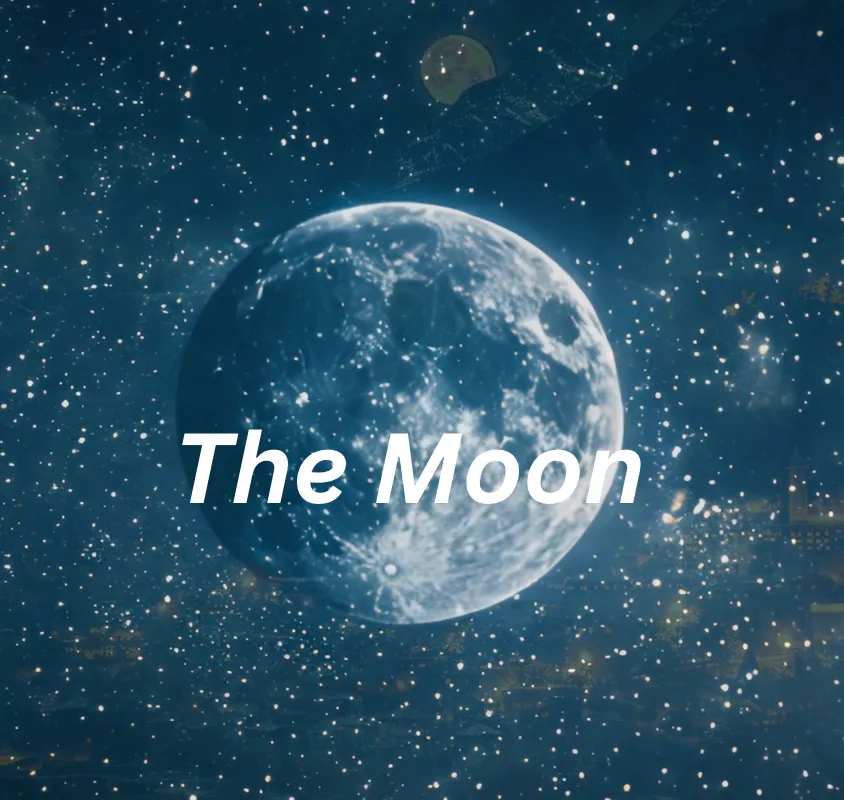
A cosmic fable about loss, creation, and the fragile magic that holds the universe together.
In a cinematic landscape often dominated by noise and spectacle, Gossip Goblin’s The Moon feels like a whisper — a soft, radiant echo from another realm. Told through eight short, luminous episodes, this fantasy series reimagines cosmic creation not as divine decree, but as an act of compassion, curiosity, and art.
At its heart is Fredvog, a dreamer, tinkerer, and reluctant hero who embarks on a strange mission: to recover the light of the Universe. When an old wizard tasks him with rebuilding the Moon, Fredvog is thrust into a journey that feels both mythic and deeply human. His quest leads him through a world plunged into darkness — where the tides have stopped, the animals mourn, and even hope has lost its rhythm.
From the opening episode, “An Old Wizard,” Gossip Goblin establishes a world of gentle surrealism. The tone recalls early stop-motion fantasy classics — tactile, poetic, and slightly melancholic — yet there’s a distinctly modern pulse to it. Through AI animation and digital artistry, The Moon feels handcrafted and ethereal at once. The imagery glows like a bedtime story written in pixels: floating lights, wandering creatures, and landscapes that shimmer between dream and code.
Each episode unfolds like a stanza in a cosmic poem. In “Stuart”, an old roommate notices the Moon is missing — a moment both absurd and profound, symbolizing how easily we overlook the forces that hold our world together. In “A Journey” and “Darkness,” Fredvog sets off across shadowed lands, encountering echoes of a civilization that has forgotten the value of light. The beauty of The Moon lies not in grand action, but in quiet realization: that illumination — literal or emotional — must be tended, rebuilt, and shared.
Gossip Goblin’s strength as a filmmaker lies in the tone of wonder he sustains throughout. His storytelling operates at the intersection of folklore and science fiction, where metaphysical ideas feel accessible and deeply moving. The world of The Moon is populated with troglodytes, glowing flocks, and lost friends, but the series never loses its emotional throughline — Fredvog’s longing to mend what was broken. The result is an odyssey less about power than restoration.
In episode six, “The Belly of the Earth,” Fredvog journeys underground and discovers a community of troglodytes living in perpetual twilight. Their world is beautiful but stifling — a reflection of what happens when darkness becomes comfortable. It’s in this moment that The Moon transcends fantasy and becomes allegory. The missing moonlight isn’t just cosmic; it’s emotional. It represents creativity, connection, and the fragile thread of meaning that holds beings — human or otherwise — together.
Gossip Goblin’s artistic signature shines in the rhythm of his editing and the musicality of his visuals. Every scene feels alive with texture: shadows ripple like silk, light flickers like memory, and characters move with a handcrafted tenderness reminiscent of early Studio Ghibli. His use of AI tools doesn’t replace artistry — it amplifies it, turning digital storytelling into a new kind of puppetry.
Within the Get Abyss community, The Moon has resonated as a masterclass in emotional worldbuilding. Rather than leaning on spectacle, Gossip Goblin invites audiences — and fellow creators — to slow down, breathe, and rediscover the beauty in subtlety. The series has inspired a wave of reinterpretations within the platform: remix projects, music videos, and short poetic films expanding on Fredvog’s world. Like the Moon itself, this story reflects light — it illuminates those who engage with it.
By the time The Moon reaches its closing chapter, “Alber Moonshine,” Fredvog finds himself not in triumph, but in reunion. His mission isn’t about restoring a celestial body — it’s about rekindling connection, both cosmic and personal. In a time where storytelling often rushes toward resolution, Gossip Goblin dares to end with stillness.
Ultimately, The Moon is a meditation on light as love — fragile, fleeting, but endlessly worth protecting. Through his digital craft, Gossip Goblin reminds us that even in an age of artificial creation, wonder remains the most human force in the universe.