
Hilario Abad’s ID
Faith, Science, and Madness in the Fire of Renaissance Florence
October 31, 2025
Article
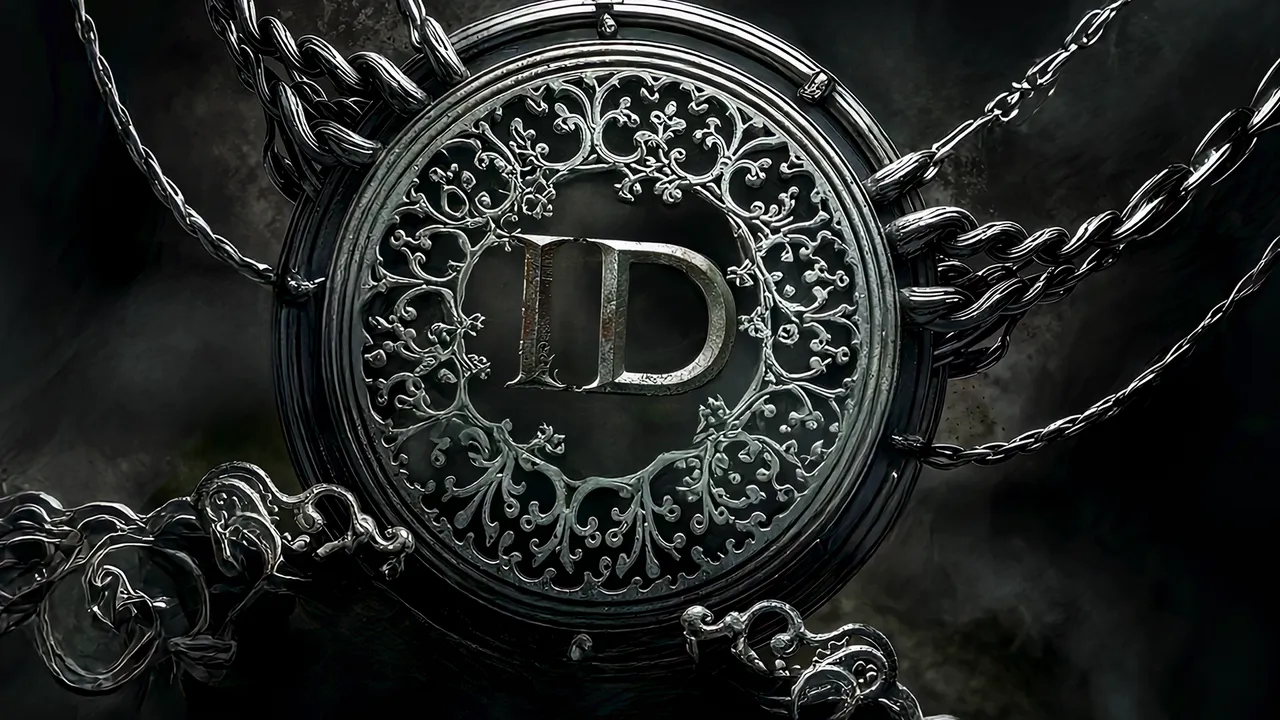
Set in 1495 Florence during the Bonfire of the Vanities, Hilario Abad’s ID is a historical thriller blending alchemy, religion, and surreal horror — generated entirely with AI tools. Streaming now on Get Abyss.
Florence, 1495. The city burns with devotion. Under the shadow of Girolamo Savonarola, art and heresy alike are fed to the flames. In this crucible of fanaticism, Hilario Abad’s ID emerges as a stunning, unsettling reimagining of the Renaissance — a historical thriller told through the eyes of an outsider who must confront both the corruption of faith and the dangers of knowledge.
At once painterly and disorienting, ID combines the textures of oil-painted frescoes with the eerie precision of AI-generated imagery. The result is a world that feels both familiar and alien — a digital hallucination of history. Told in two episodes, ID follows Lorenzo, an Andalusian alchemist and battlefield medic summoned to Florence to investigate a brutal murder inside a convent. What begins as a forensic inquiry quickly unravels into something far more dangerous: a descent into a secret war between science and religion, love and manipulation, salvation and control.
Episode 1: The Old World
The first chapter opens on the eve of the Bonfire of the Vanities. As Florence burns its own culture — mirrors, manuscripts, paintings — Lorenzo watches in silence. His foreignness defines him; his gaze is that of both scientist and exile. Through him, we see a city tearing itself apart in the name of purity. Abad stages the scenes with painterly symmetry, the chaos of the crowd offset by Lorenzo’s stillness. His silence becomes a form of resistance, a refusal to join the hysteria. This episode doesn’t just set the stage for a mystery — it captures the death of an age, when humanism gives way to fanaticism.
Episode 2: The Proving
The second episode shifts tone from observation to confrontation. When Lorenzo’s life’s work — his alchemical research — is seized by Savonarola’s zealots, he must venture into the heart of the regime: the San Marco convent. The setting transforms from open firelight to claustrophobic candlelight, from chaos to suspicion. Every corridor becomes a test, every whisper a potential accusation. To retrieve his stolen knowledge, Lorenzo must navigate a labyrinth of faith, deception, and desire. Abad’s visual storytelling tightens, drawing the viewer into a fever dream of guilt and revelation.
AI as Medium and Metaphor
Perhaps ID’s most daring quality is that it was generated entirely with AI tools. Rather than using the technology for novelty, Abad wields it as commentary. The distorted faces, shifting architecture, and uncanny details evoke both Renaissance art and the instability of perception. In this sense, the film’s title — ID — becomes double-edged: the Latin idem (“the same”) and the Freudian id, the primitive force beneath consciousness. Both meanings haunt the film. As reality dissolves into artifice, identity itself becomes suspect.
A New Kind of Historical Cinema
Abad’s achievement is not simply in storytelling, but in synthesis. He merges historical research, surreal horror, and cutting-edge AI imagery into a form of cinema that feels like rediscovered myth. The film’s atmosphere recalls the paintings of Bosch and Bruegel, yet it’s filtered through the digital uncanny of our time. The result is neither documentary nor fantasy — it’s a haunted reconstruction of a world that mirrors our own struggles with truth, ideology, and creation.
On Get Abyss, ID stands out as a singular experiment in narrative innovation. It transforms history into dream, theology into paranoia, and technology into confession. More than a period piece, it’s a meditation on how belief — whether religious or algorithmic — can consume the very souls it claims to save.
Hilario Abad has created something extraordinary: a work that doesn’t just depict the Renaissance, but resurrects its contradictions. In ID, faith becomes fire, knowledge becomes sin, and the human image — warped through both paint and pixel — asks one eternal question:
What part of ourselves must burn for truth to survive?