

LeoVal98’s Archivista
Preserving the Future by Remembering the Past
October 31, 2025
Interview
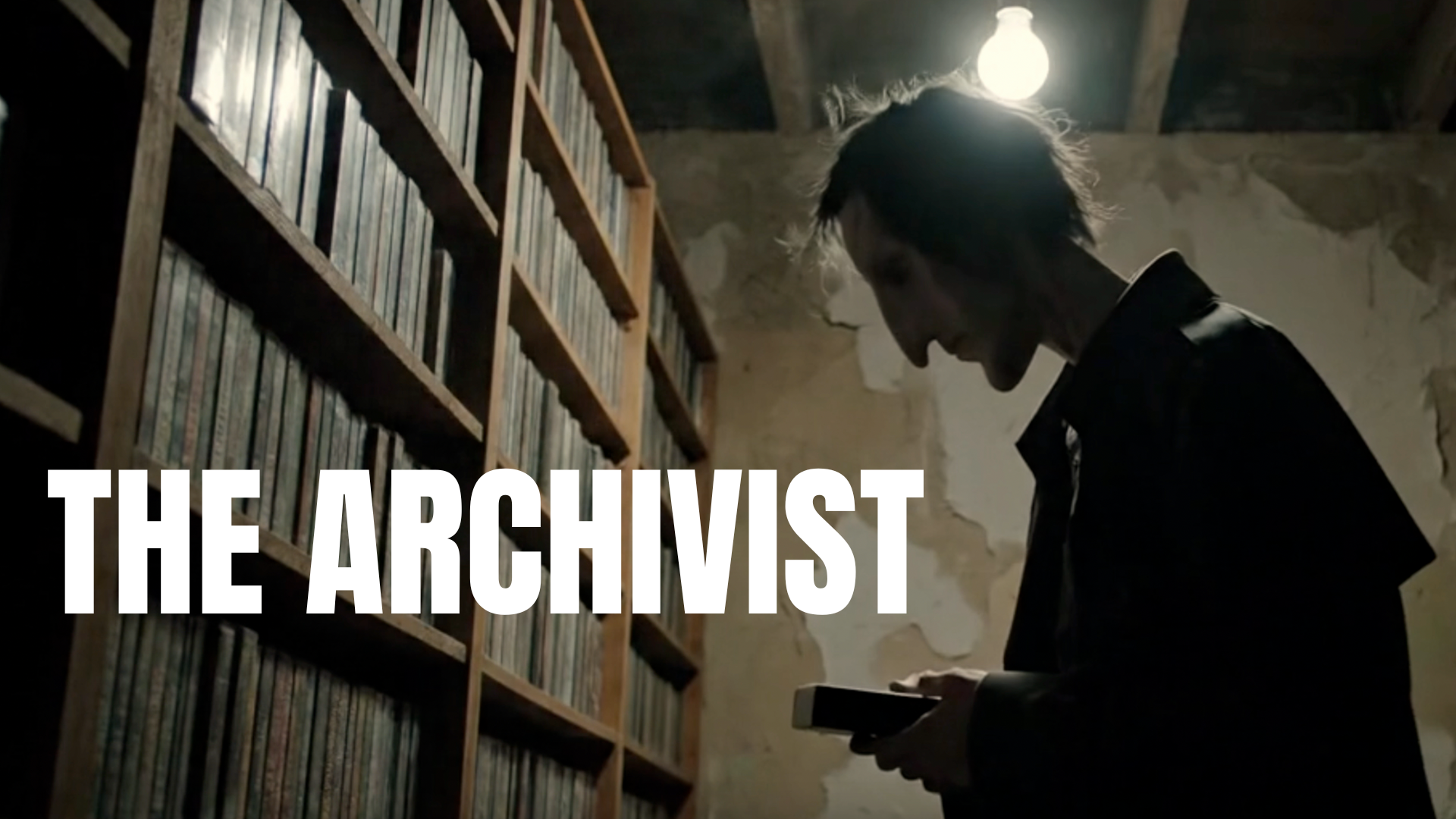
Memory used to be something that lived within us — fragile, unreliable, beautifully human. In Archivista, filmmaker LeoVal98 imagines a world where that fragility has been replaced by something colder and far more permanent. The result is a deeply introspective science fiction short that explores how we remember, what we choose to forget, and the cost of turning our histories into code.
Set in a sterile future where human consciousness can be archived like data, Archivista follows a quiet technician responsible for maintaining a digital library of souls. The film’s world is one of clinical precision — endless corridors of glowing servers, whispers of static, the hum of machinery preserving what used to be emotion. Yet beneath that technological surface pulses something heartbreakingly organic: nostalgia. Each stored memory represents a life once lived, a moment once felt. The technician’s job is to protect them — until one corrupted file begins to remember him back.
What makes Archivista exceptional is its restraint. LeoVal98 doesn’t rely on spectacle or heavy exposition to build his universe. Instead, he uses light, silence, and gesture to suggest a civilization that has conquered mortality at the expense of meaning. His camera lingers on flickering monitors and hollow expressions, transforming familiar technology into something uncanny. The sterile visuals contrast with the warmth of the film’s emotional core — an unspoken question that lingers over every scene: if we never forget, can we ever forgive?
Tonally, Archivista feels like a bridge between the philosophical weight of Blade Runner 2049 and the emotional minimalism of Her. But where those films explore identity, LeoVal98’s short delves into a quieter crisis — the erosion of empathy in the pursuit of permanence. The filmmaker’s command of pacing is remarkable; every frame feels intentional, deliberate, designed to make viewers inhabit the stillness. The score, a haunting blend of digital hums and fading piano notes, gives the impression of a machine mourning the loss of humanity.
At its midpoint, Archivista shifts subtly from sci-fi to tragedy. The technician’s encounter with a corrupted archive — one that knows his name — begins to blur the line between observer and participant. As fragments of his own past surface within the system, the story becomes both external and internal. We realize that the archive doesn’t just preserve the past — it consumes it. Every attempt to control memory erases the act of living it. By the film’s end, the boundary between machine and man has dissolved into a kind of digital afterlife: one that feels less like immortality and more like exile.
What gives Archivista its staying power is its emotional honesty. LeoVal98 uses science fiction not as escape, but as mirror. Beneath the futuristic setting lies a timeless human anxiety — the fear of losing meaning in our search for perfection. It’s a quiet warning against confusing memory with presence, or storage with understanding.
On Get Abyss, Archivista resonates as both narrative and artifact. It embodies the spirit of the platform: cinematic experimentation that asks real questions and trusts audiences to find their own answers. In a competitive space where viewers shape the story’s fate, Archivista invites reflection rather than reaction — a rare kind of film that slows time instead of filling it.
To watch Archivista is to stand at the edge of the digital abyss and ask what’s left of us on the other side.
Experience LeoVal98’s Archivista now on Get Abyss, where independent filmmakers turn the act of remembering into a revolution — one story, one fragment, one frame at a time.