
Terrorrking and the Cosmic Depths of XIBALBÁ Y LOS GEMELOS DIVINOS
October 31, 2025
Article
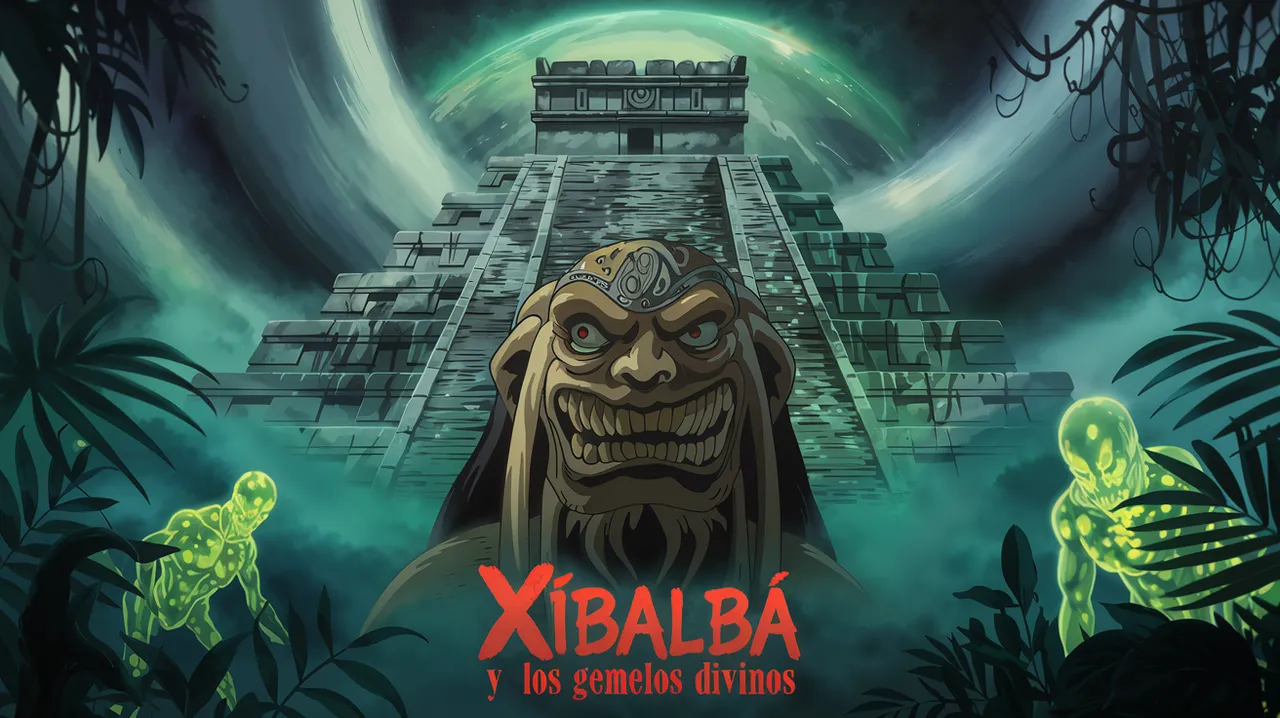
Reimagining myth, power, and destiny through the lens of independent animation.
In a cinematic landscape dominated by formulaic reboots and recycled mythologies, Terrorrking stands out as a filmmaker unafraid to confront the ancient and the unknown. His work, XIBALBÁ Y LOS GEMELOS DIVINOS, is not just a film—it’s a resurrection of a forgotten world. Drawing inspiration from Mayan mythology, Terrorrking breathes new life into the story of the Hero Twins, Hunahpú and Xbalanqué, weaving a visually haunting and emotionally charged tale that bridges ancestral myth with the existential questions of the modern age.
At its core, XIBALBÁ Y LOS GEMELOS DIVINOS is a descent into the underworld—Xibalbá, a place where gods and humans clash in an eternal struggle for balance. Yet Terrorrking’s interpretation defies the simple binaries of good and evil. His film thrives in the tension between light and darkness, creation and decay. Through intricate visuals, rhythmic pacing, and an almost hypnotic atmosphere, he transforms myth into an immersive psychological experience.
Terrorrking’s filmmaking style is both fearless and distinct. His use of color and movement reflects an artist who thinks like a painter and feels like a storyteller. The imagery oscillates between sacred symbolism and raw emotion—one frame might recall an ancient mural, while the next bursts with digital surrealism. It’s this fusion of tradition and technology that makes Terrorrking’s voice so vital to the independent film scene and to getabyss.com, a platform dedicated to bold experimentation.
In XIBALBÁ, the Hero Twins’ journey becomes a metaphor for artistic creation itself. Each challenge they face in the underworld mirrors the creative battles every filmmaker must endure—self-doubt, sacrifice, transformation. Terrorrking treats myth not as static lore but as a living force, adaptable and personal. The twins’ victory over darkness becomes symbolic of the filmmaker’s own triumph over creative fear. It’s mythology reborn for an age of anxiety and reinvention.
Part of what makes Terrorrking’s work so captivating is his attention to rhythm—not just in editing or pacing, but in storytelling itself. His films move like incantations, guided by beats of tension and release. Sound plays a crucial role too: guttural echoes, ancestral chants, and deep ambient tones form a sonic landscape that feels almost ritualistic. Watching XIBALBÁ Y LOS GEMELOS DIVINOS isn’t just seeing a film—it’s participating in a mythic rite.
That immersive quality is what aligns Terrorrking perfectly with the Abyss mission: empowering filmmakers to experiment beyond traditional formats and inviting audiences to engage, rate, and remix stories that challenge them. Within the getabyss.com community, Terrorrking’s film stands as a prime example of how independent creators can use myth to explore the self, culture, and collective memory.
But beyond the visual spectacle and cultural resonance lies a deeply personal touch. Terrorrking’s work suggests an artist wrestling with his own dualities—the rational and the mystical, the creator and the destroyer. Just as the Hero Twins must face the Lords of Death, the filmmaker must face his own limitations, his own shadows. XIBALBÁ becomes not just a retelling of myth, but a reflection of the artist’s inner world—a confrontation with the idea of mortality, legacy, and transcendence.
This emotional undercurrent is what transforms XIBALBÁ Y LOS GEMELOS DIVINOS from a mythic reimagining into a piece of introspective art cinema. It’s not meant to be consumed quickly—it’s meant to linger, to be interpreted and felt differently with every viewing. In Terrorrking’s universe, every frame is a prayer, every shadow a question, every spark of light a small act of defiance against oblivion.
For audiences discovering him on getabyss.com, Terrorrking offers something rare: a cinematic experience that dares to be spiritual without being dogmatic, mythic without being archaic. His storytelling invites us to look backward to move forward—to remember that every filmmaker, like every hero, must descend before they can rise.