
The Mechanical Heart of JUNKER
the Art of Broken Worlds
October 31, 2025
Article
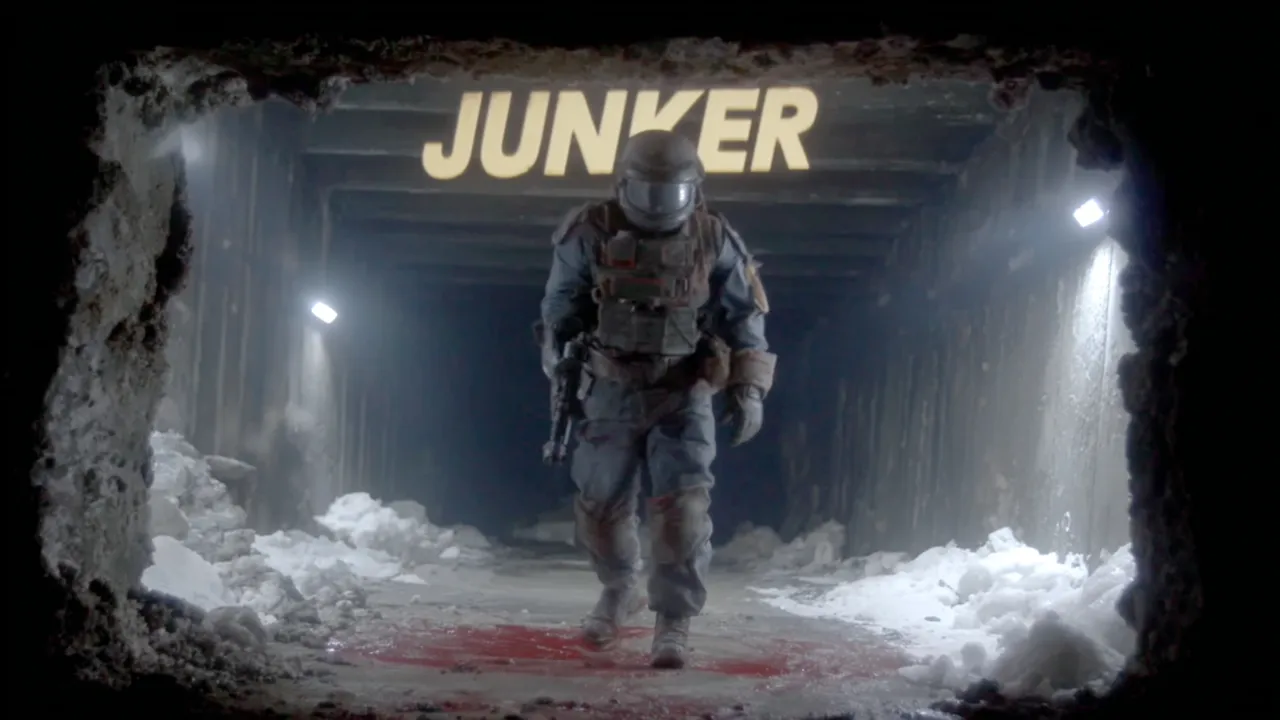
Inside the gritty beauty of an independent creator who finds poetry in the rust of the future.
In a cinematic landscape obsessed with sleek dystopias and polished sci-fi, Junker takes the opposite route—into the scrapyard. His film JUNKER isn’t just a story set in a decaying world; it’s a meditation on survival, identity, and the fragile pulse that keeps humanity alive amid the wreckage. Through haunting visuals and a tactile sense of texture, Junker invites viewers to breathe in the dust and feel the gears turning in a universe that has long since forgotten its makers.
At first glance, JUNKER appears to fit the mold of post-apocalyptic science fiction: barren cities, broken machines, and lonely survivors scavenging for meaning. But Junker isn’t interested in spectacle—he’s interested in what’s left behind. His camera lingers not on explosions or battles, but on small, intimate details: a rusted watch ticking under debris, a robot’s hesitant movement, a human voice echoing through static. In his hands, decay becomes a form of storytelling, and silence a form of emotion.
Junker’s visual style is both raw and deliberate. Every frame feels assembled from found parts—corroded metal, faded light, and forgotten code. This aesthetic is not merely design; it’s philosophy. It reflects his belief that creation is an act of repair. Like his protagonist—an unnamed scavenger piecing together a life from the ruins—Junker himself constructs meaning from fragments. In this sense, JUNKER is more than a film. It’s a statement about what it means to be a creator in a world that’s already collapsing.
His approach to filmmaking echoes the DIY ethos of getabyss.com, where independent filmmakers forge art from constraint. With limited resources but unlimited imagination, Junker builds cinematic worlds from scratch—sometimes literally from scraps. His backgrounds pulse with texture, his color palette leans into tarnished greens and burnt oranges, and his sound design hums with mechanical melancholy. It’s a world that feels used, lived in, and heartbreakingly human.
Yet beneath the grit and grime, JUNKER carries a quiet tenderness. Junker’s work is deeply empathetic toward machines, often portraying them as mirrors of human emotion. His androids hesitate, yearn, remember. His human characters, in contrast, seem lost—disconnected from purpose, haunted by the ghosts of their own inventions. This reversal of empathy forms the emotional core of his storytelling. The line between creator and creation blurs until it becomes impossible to tell which side is more alive.
Philosophically, JUNKER sits somewhere between existential sci-fi and visual poetry. Its pacing is slow and deliberate, designed to make viewers feel the weight of time. In this decayed world, moments stretch, and silence speaks louder than dialogue. Junker trusts his audience to find meaning in ambiguity—a rare trait in a genre often defined by explanation. That artistic confidence aligns perfectly with Abyss’s mission: to showcase filmmakers who experiment boldly and invite their audiences to think differently.
What also sets Junker apart is his sense of scale. Though his films may unfold in miniature—confined rooms, isolated characters, and fragments of dialogue—they resonate with cosmic significance. Every sound of metal against metal feels like an echo of a dying civilization. Every spark of light, no matter how faint, suggests the stubborn persistence of hope. It’s this juxtaposition—between entropy and endurance—that gives JUNKER its emotional gravity.
Through his work, Junker seems to ask: What happens when creation becomes the only act of faith left? Can art be a form of resurrection? In a world obsessed with perfection, Junker finds beauty in what’s bent, corroded, or incomplete. His cinema is a scrapyard symphony—an ode to imperfection, resilience, and the quiet hum of forgotten dreams.
In the getabyss.com universe, where filmmakers are not only storytellers but world-builders, Junker stands as a symbol of the creative will to endure. His name, once a label for discarded metal, has become a signature of renewal. In his world of rust and ruin, creation is not about building something new—it’s about remembering what’s worth saving.