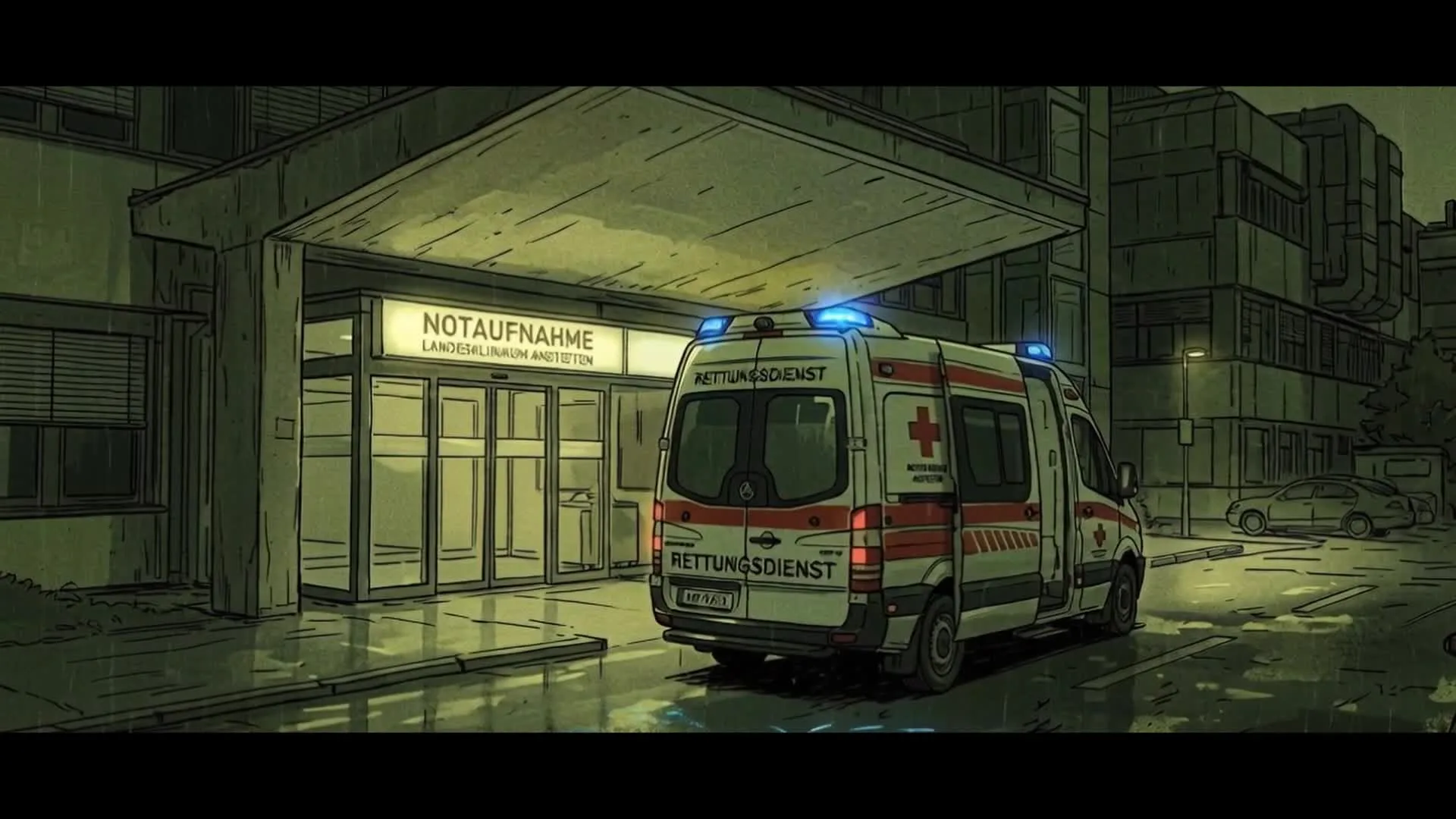
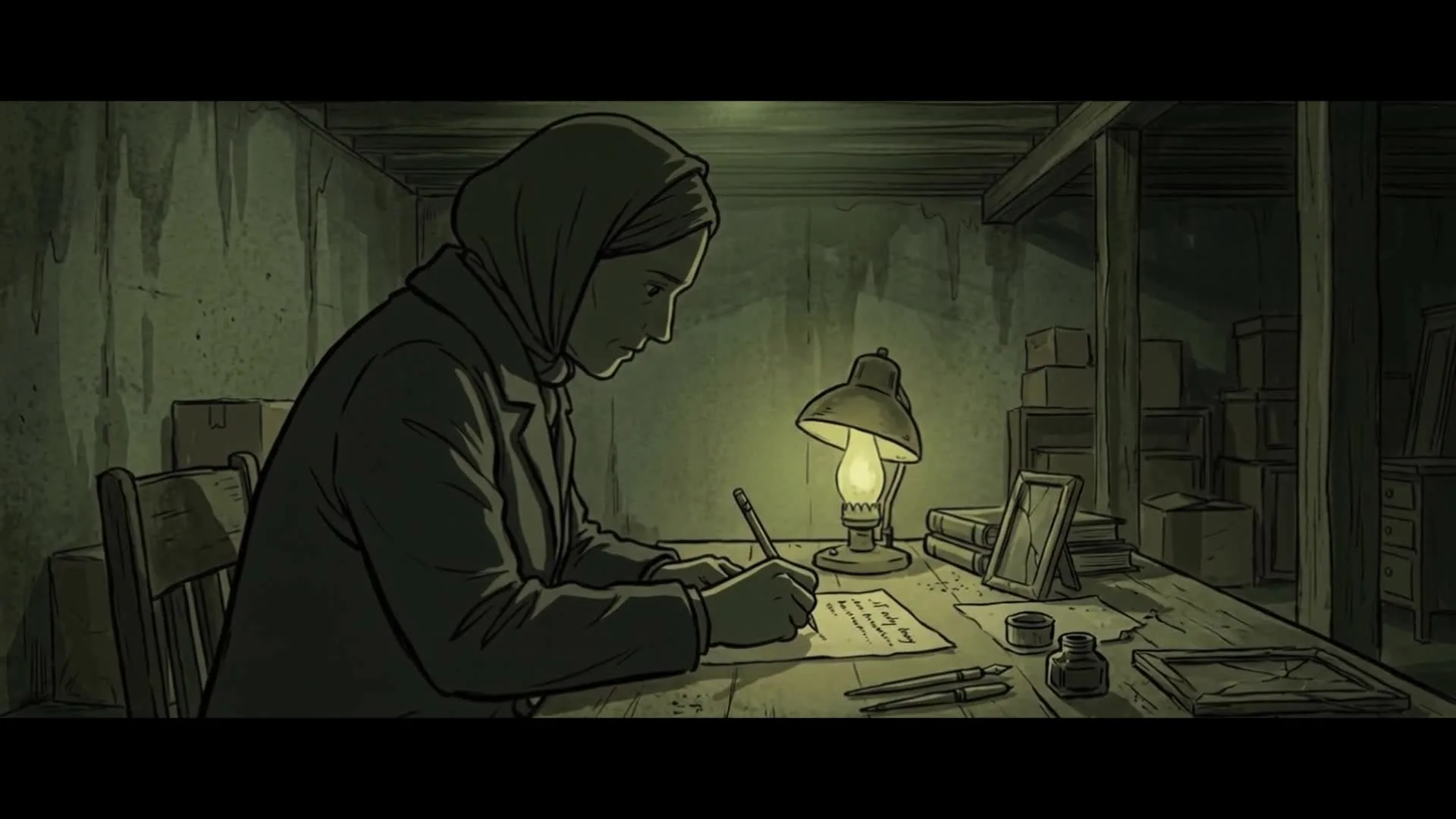
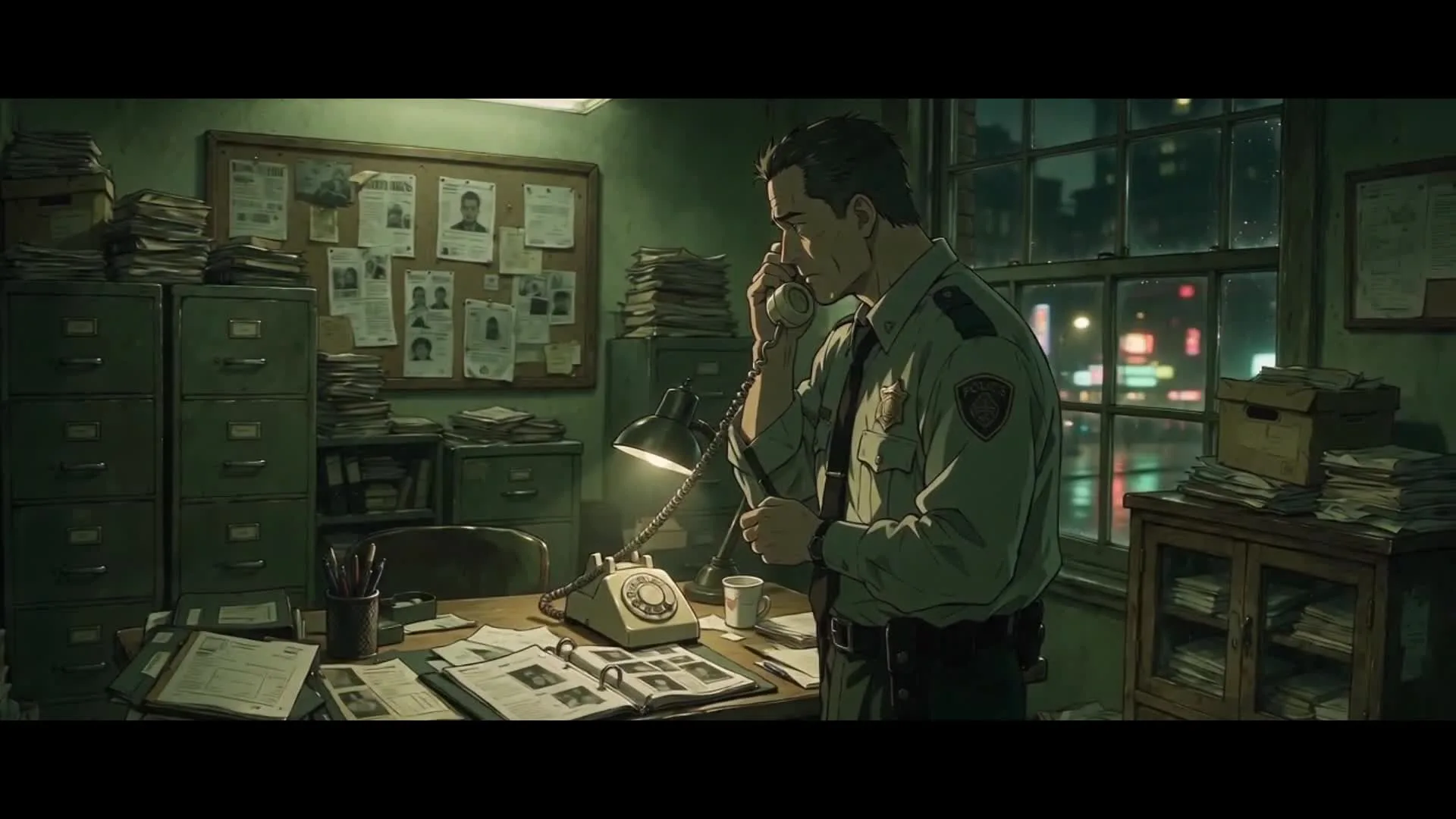
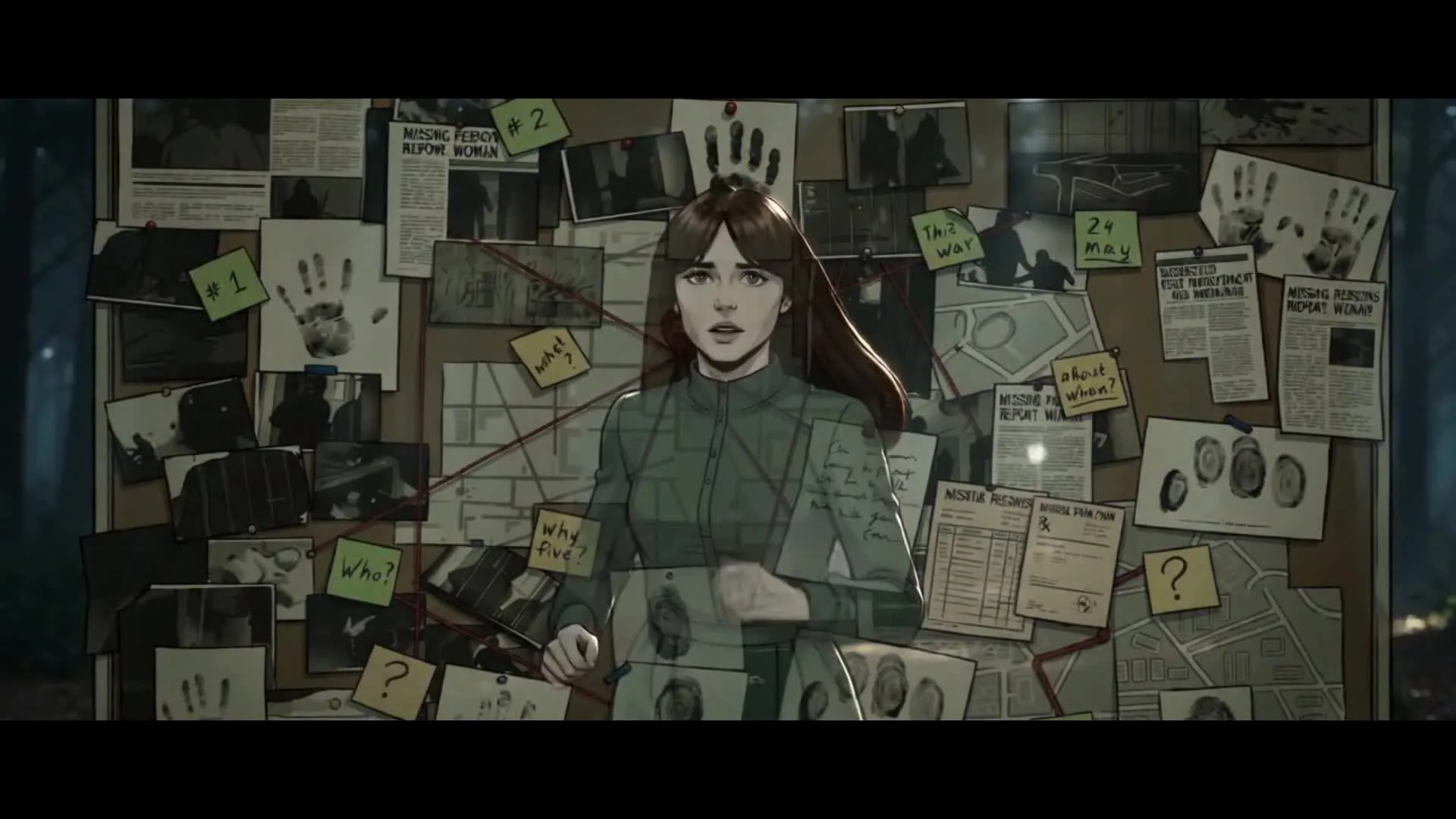
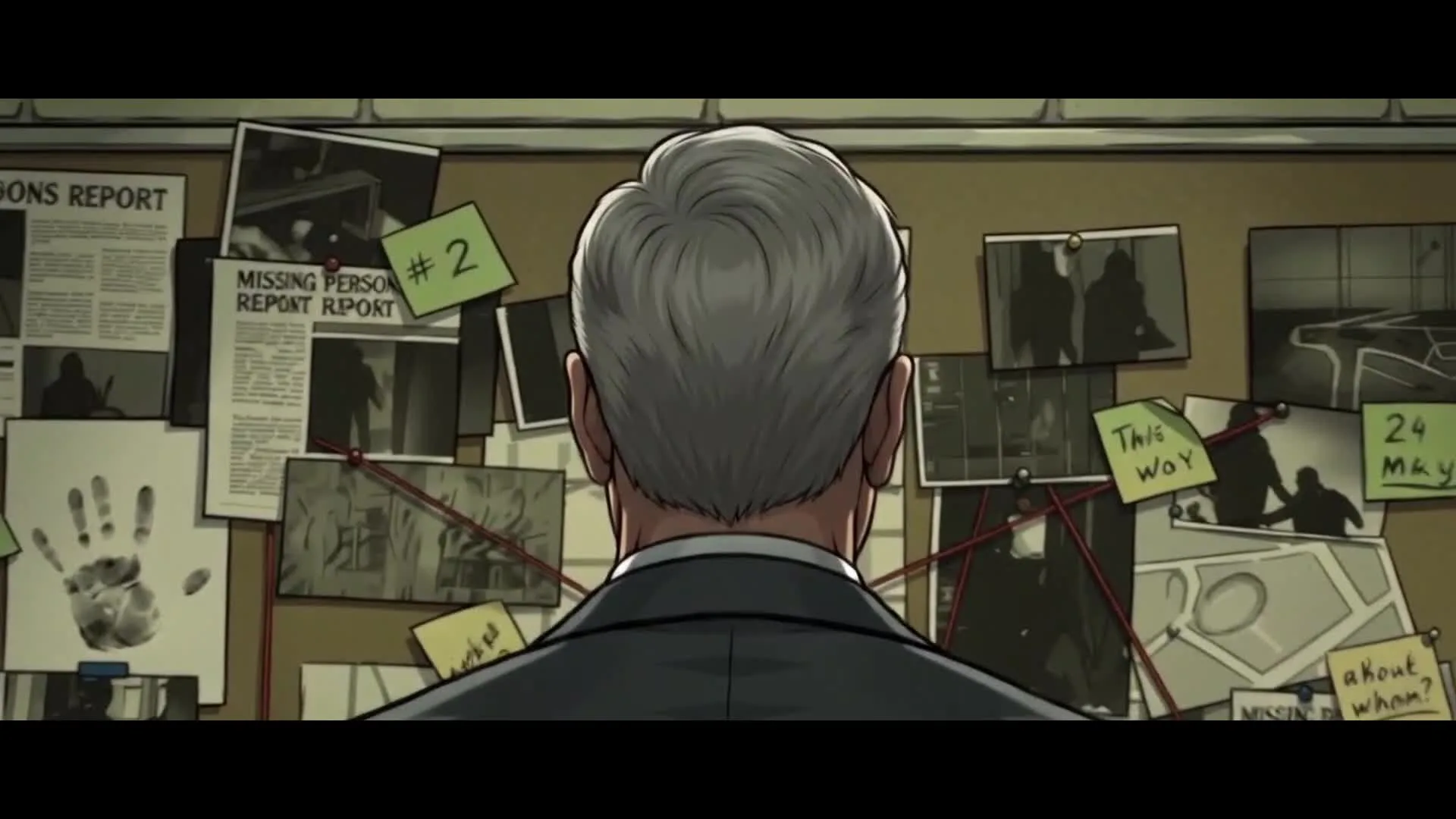
Summer and autumn 2008. Public Prosecutor's Office, St. Pölten. Senior prosecutor Christiane Burkheiser is assigned to lead the case. Her office spends the following months assembling an indictment that would not require the survivors to appear in court. Recorded testimony is taken from the mother, under witness protection, across many sessions at a pace the witness controls. The 1984 letters are re-examined by investigators — their language, their timing, their consistency all now understood as coerced. Rosemarie Fritzl, the wife, gives her own statement to police; her account describes a woman who had, like the country, believed the cult story for twenty-four years. The three children who had been raised above ground — presented to her as foundlings — she had raised as her own. In Linz, court-appointed forensic psychiatrist Dr Adelheid Kastner conducts her assessment of the defendant across the autumn. Her report — more than 130 pages — establishes his competence to stand trial. On 13 November 2008, the indictment is filed at the St. Pölten Regional Court. The charges include the most serious offences in the Austrian criminal code. Trial is set for the following March. For seven months after the arrest, the investigation had moved out of the news and into the file room. When it came back into public view, it would come back only once — in a courtroom, over four days, in a town called St. Pölten.