
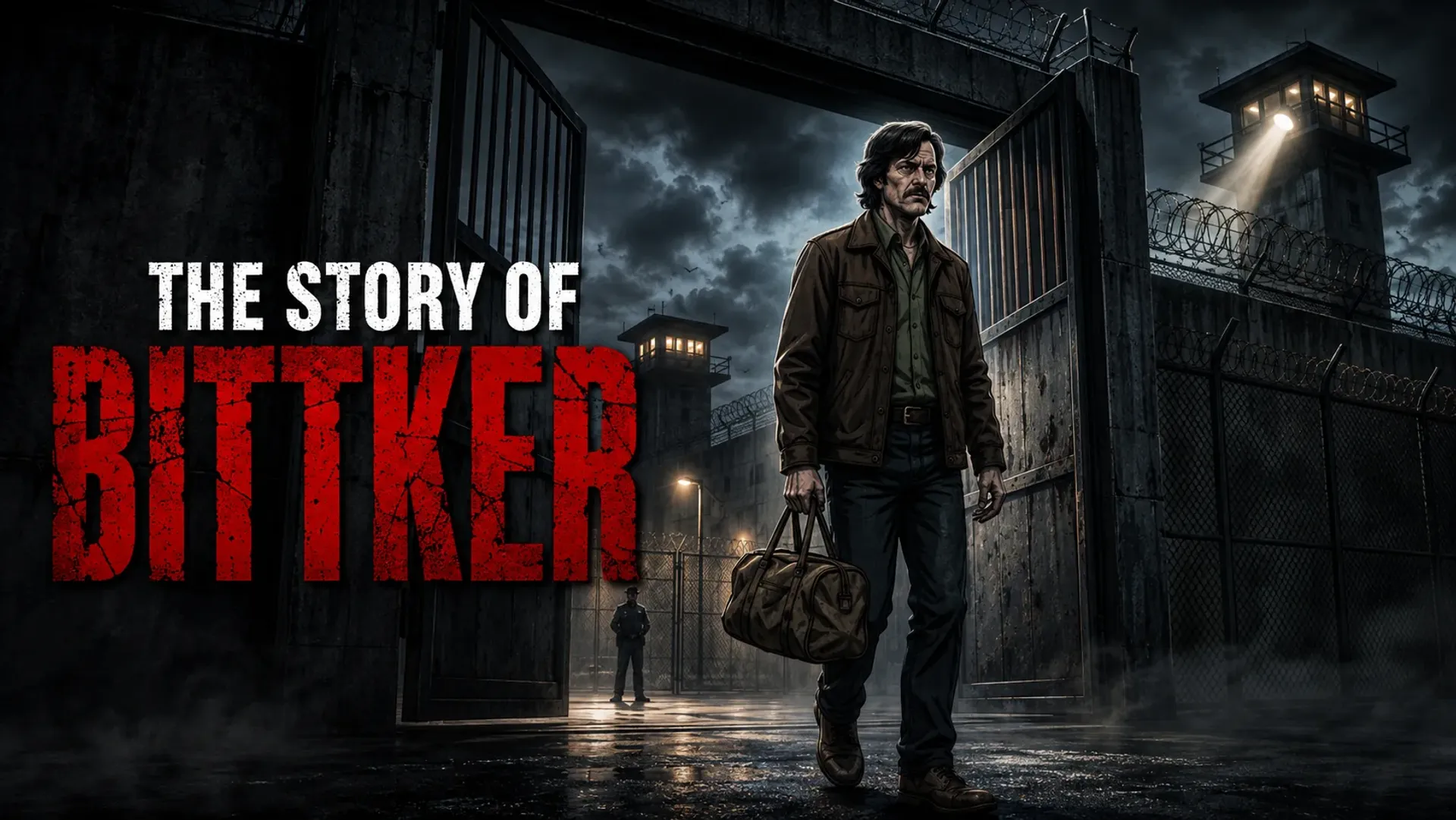
Bittaker
20 episodes
jollybusyperch
- True Crime
Lawrence Bittaker, un ex-convicto de inteligencia excepcional, conoció a Roy Norris en prisión en 1977 y juntos planearon secuestrar y asesinar adolescentes. Entre junio y noviembre de 1979, usando una van modificada como "cámara de tortura", secuestraron, torturaron y asesinaron a cinco chicas en las montañas de Los Ángeles, dejando además una sobreviviente. Fueron atrapados gracias a un soplo de un conocido de Norris y a la identificación de la sobreviviente. Norris hizo un acuerdo de culpabilidad y testificó contra Bittaker, quien fue condenado a muerte en 1981 pero murió en el corredor de la muerte en 2019 sin mostrar arrepentimiento. Dos de las víctimas nunca fueron encontradas, y el caso dejó una huella profunda en el perfilamiento criminal del FBI.
Lawrence Bittaker, un ex-convicto de inteligencia excepcional, conoció a Roy Norris en prisión en 1977 y juntos planearon secuestrar y asesinar adolescentes. Entre junio y noviembre de 1979, usando una van modificada como "cámara de tortura", secuestraron, torturaron y asesinaron a cinco chicas en las montañas de Los Ángeles, dejando además una sobreviviente. Fueron atrapados gracias a un soplo de un conocido de Norris y a la identificación de la sobreviviente. Norris hizo un acuerdo de culpabilidad y testificó contra Bittaker, quien fue condenado a muerte en 1981 pero murió en el corredor de la muerte en 2019 sin mostrar arrepentimiento. Dos de las víctimas nunca fueron encontradas, y el caso dejó una huella profunda en el perfilamiento criminal del FBI.
All episodes
20 episodes
"The Boy from Pittsburgh"
1:04
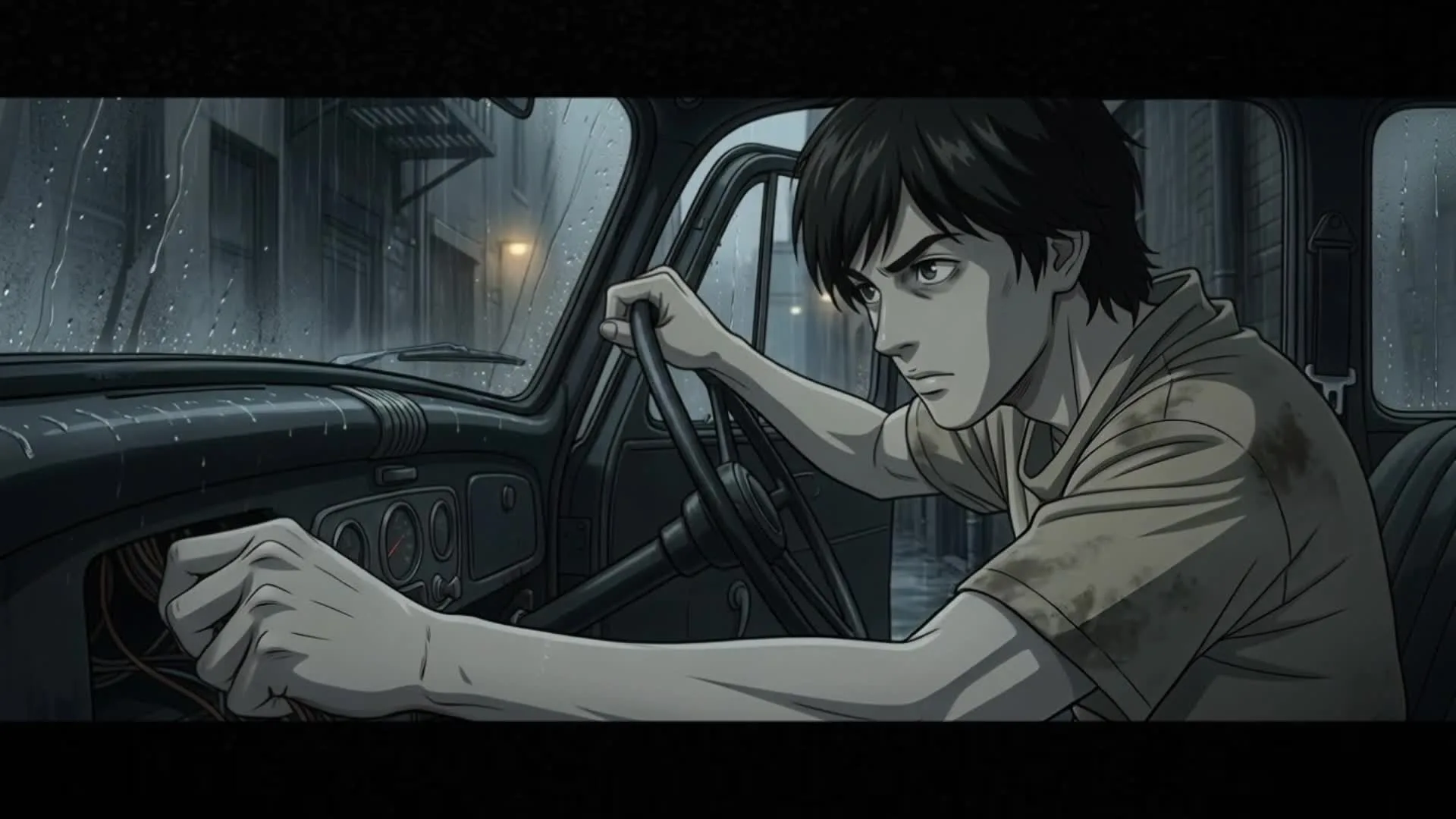
"The Boy from Pittsburgh"Born in Pittsburgh on September 27, 1940 and surrendered to an adoption agency the day he was born, Lawrence Sigmund Bittaker was raised by a working-class Catholic couple who moved constantly across the country. School reports described a polite, withdrawn, exceptionally intelligent boy who was also a habitual liar. He was shoplifting by eight, stealing cars by twelve, and by seventeen was serving his first sentence after a hit-and-run in a stolen vehicle. Over the next twenty-one years he cycled through California state and federal prisons on charges of robbery, auto theft, assault, kidnapping, and attempted murder, testing at a genius-level IQ of 138 and filling his time with engineering manuals, anatomy, and crime fiction.
"The Cellmate"
0:52
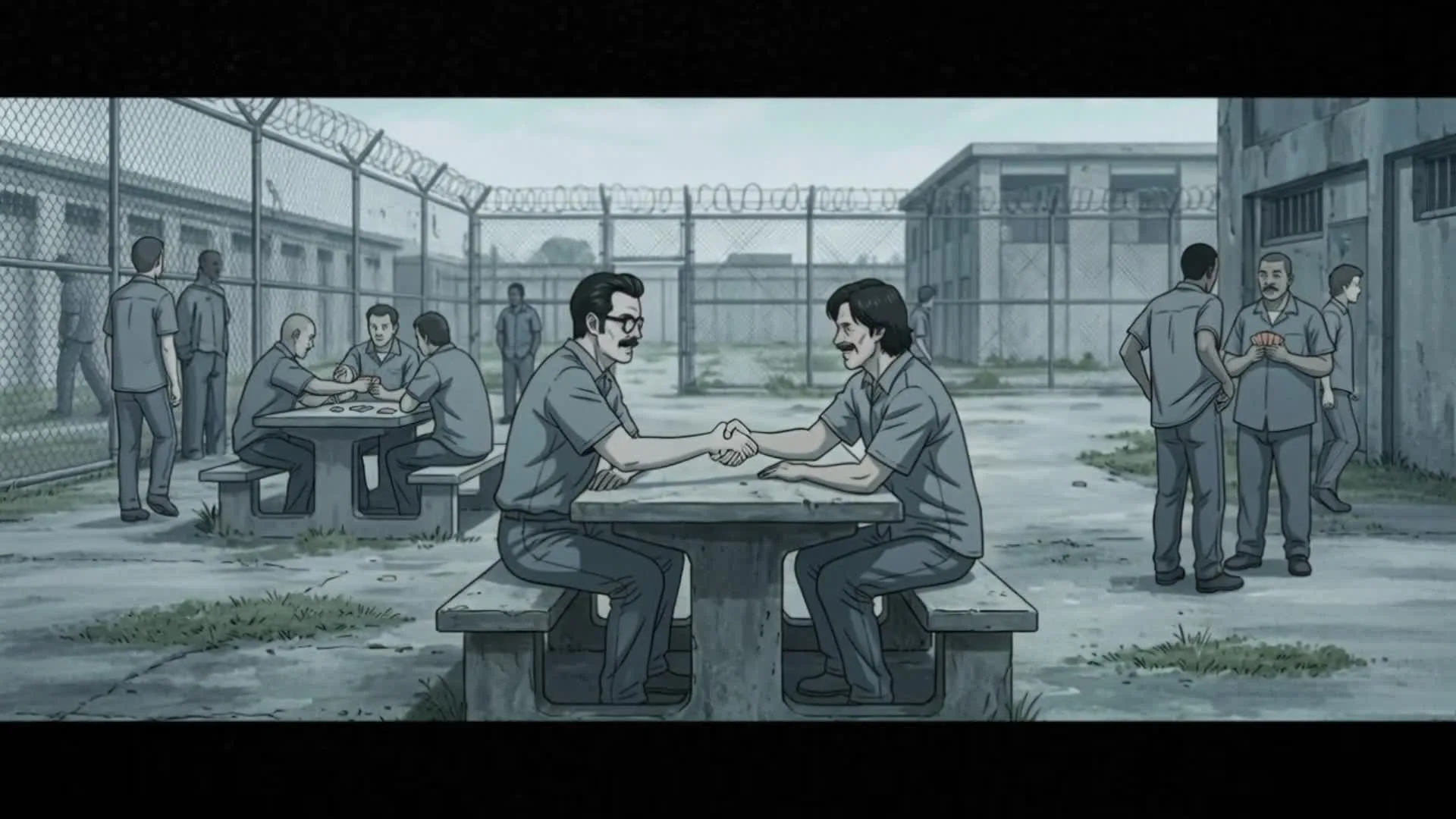
"The Cellmate"In 1977 at the California Men's Colony in San Luis Obispo, the articulate, well-read Bittaker met Roy Lewis Norris, a lower-functioning convicted rapist seven years his junior. In the recreation yard they discovered they shared a single overlapping fantasy of kidnapping, raping, torturing, and murdering teenage girls. Unlike most offenders who keep such fantasies hidden, the two talked about it openly and every day for nearly two years, designing the perfect vehicle, victim selection, and dump site. They even calculated that to evade capture they would abduct one girl from each year of age between thirteen and nineteen — a complete set of seven. Bittaker was paroled in November 1978 and Norris in June 1979, and they reconnected within days.
"Murder Mac"
0:58
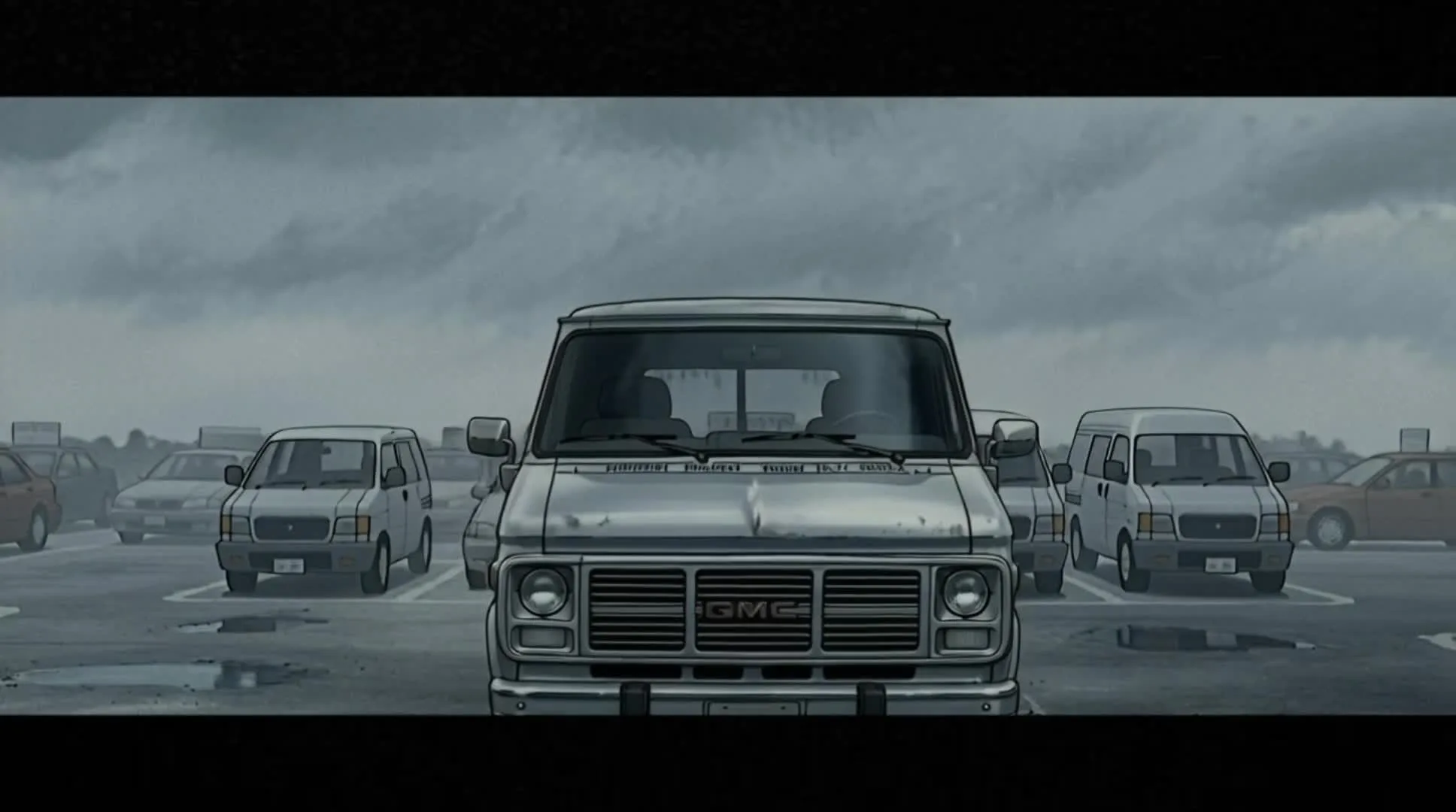
"Murder Mac"In February 1979, freshly paroled, Bittaker paid cash for a silver-grey 1977 GMC Vandura cargo van and spent six weeks modifying it by hand into a mobile torture chamber. He lined the cargo bay with soundproofing, wired in a police-band radar detector, removed the interior door handles so the doors could only open from outside, fitted a foam mattress in the rear, and bolted a custom wooden toolbox to the floor filled with hammers, pliers, ice picks, vice grips, and a sledgehammer. He privately nicknamed it 'Murder Mac.' Once Norris was released that June, the two spent five months rehearsing the lure along Pacific Coast Highway, picking up female hitchhikers and dropping them off safely — until the dry runs ended on June 24, 1979.
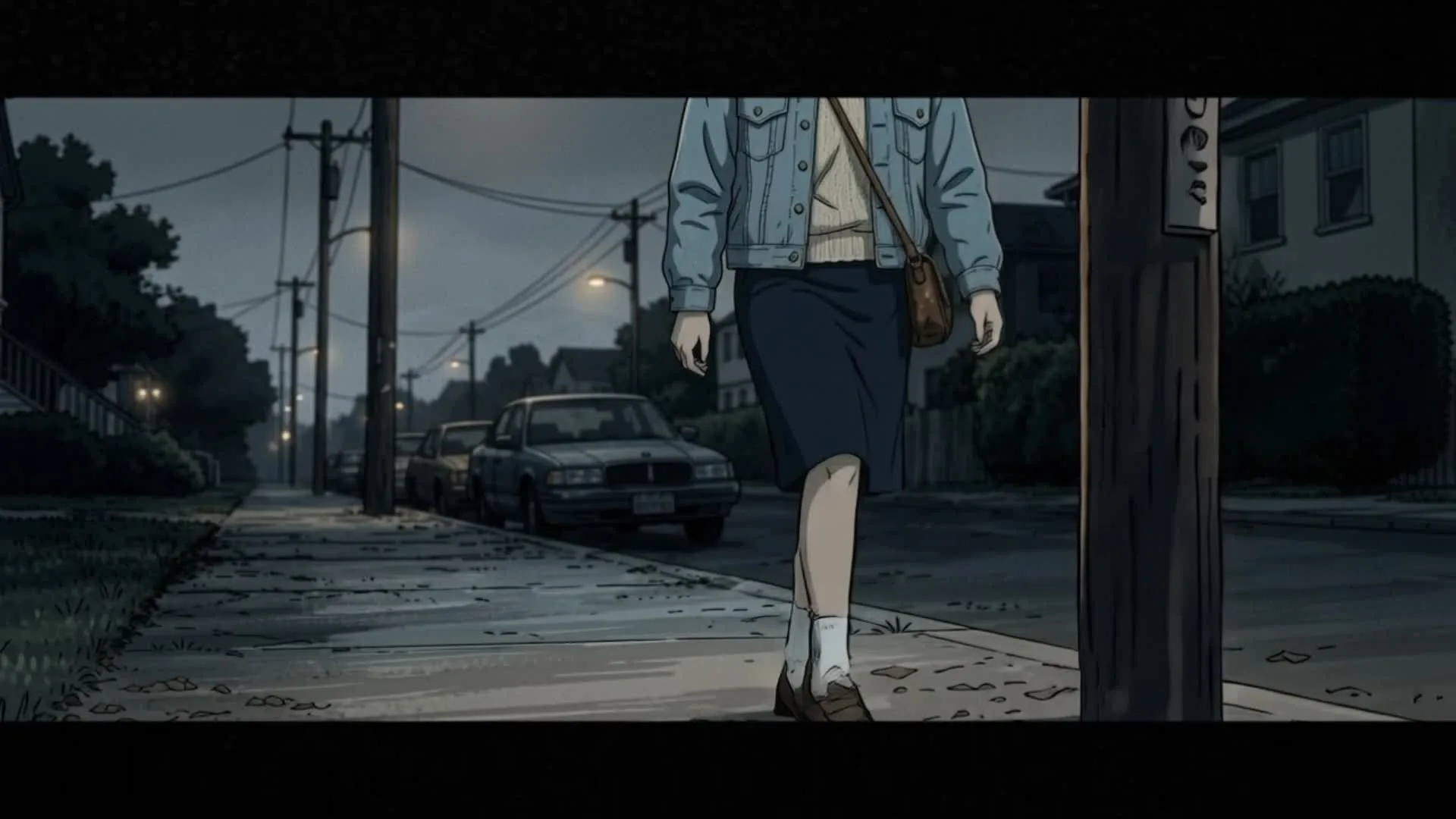
"Cindy Schaefer"
0:54
"Cindy Schaefer"On the night of June 24, 1979, sixteen-year-old honor student Lucinda 'Cindy' Schaefer, the daughter of a Lutheran minister, was walking home from a church youth meeting in Manhattan Beach when the silver van pulled alongside her. Bittaker offered her a ride and she politely refused, but Norris slid open the side door and pulled her into the cargo bay in under three seconds. The empty street held no witnesses, no van description, and no physical evidence, leaving Manhattan Beach Police with nothing to investigate. Driven up Glendora Mountain Road, she was held for hours, photographed, and killed before sunrise. Cindy Schaefer's body has never been recovered.
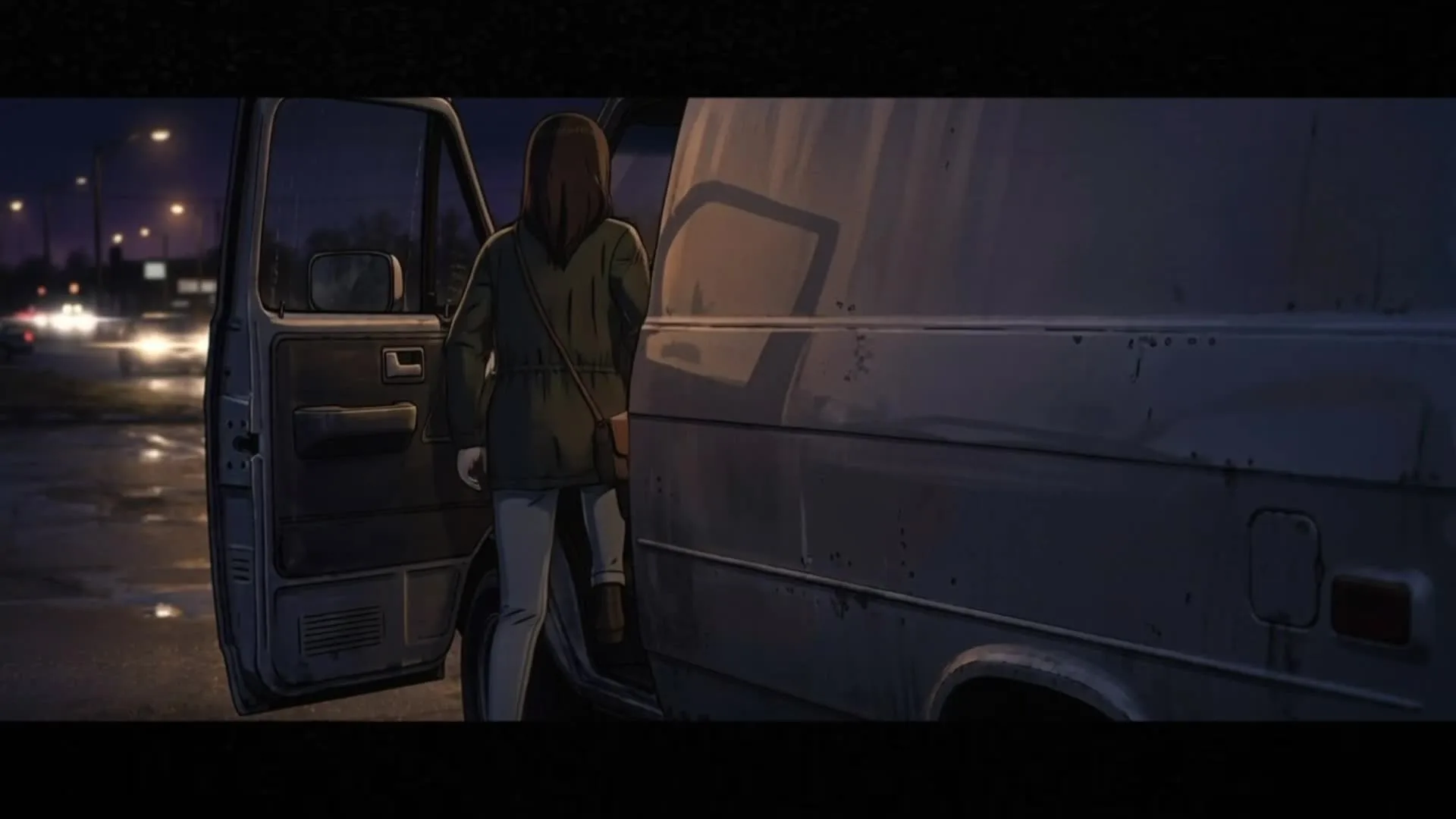
"Andrea Hall"
1:00
"Andrea Hall"Two weeks later, on July 8, 1979, eighteen-year-old aspiring model Andrea Joy Hall was hitchhiking home along Pacific Coast Highway in Redondo Beach after a beach party. Bittaker, the only person visible inside the van, offered her a Coke and a ride while Norris hid behind a curtain in the cargo bay. Once on the freeway Norris emerged, and though Andrea fought them for several minutes — a struggle other drivers reportedly saw through the windshield — no one called police. She was taken to Glendora Mountain Road, held for hours, photographed in Polaroids, and killed. Her body has never been recovered, making her the second missing South Bay teenager within fifteen days and prompting police to suspect a serial offender they could not yet identify.
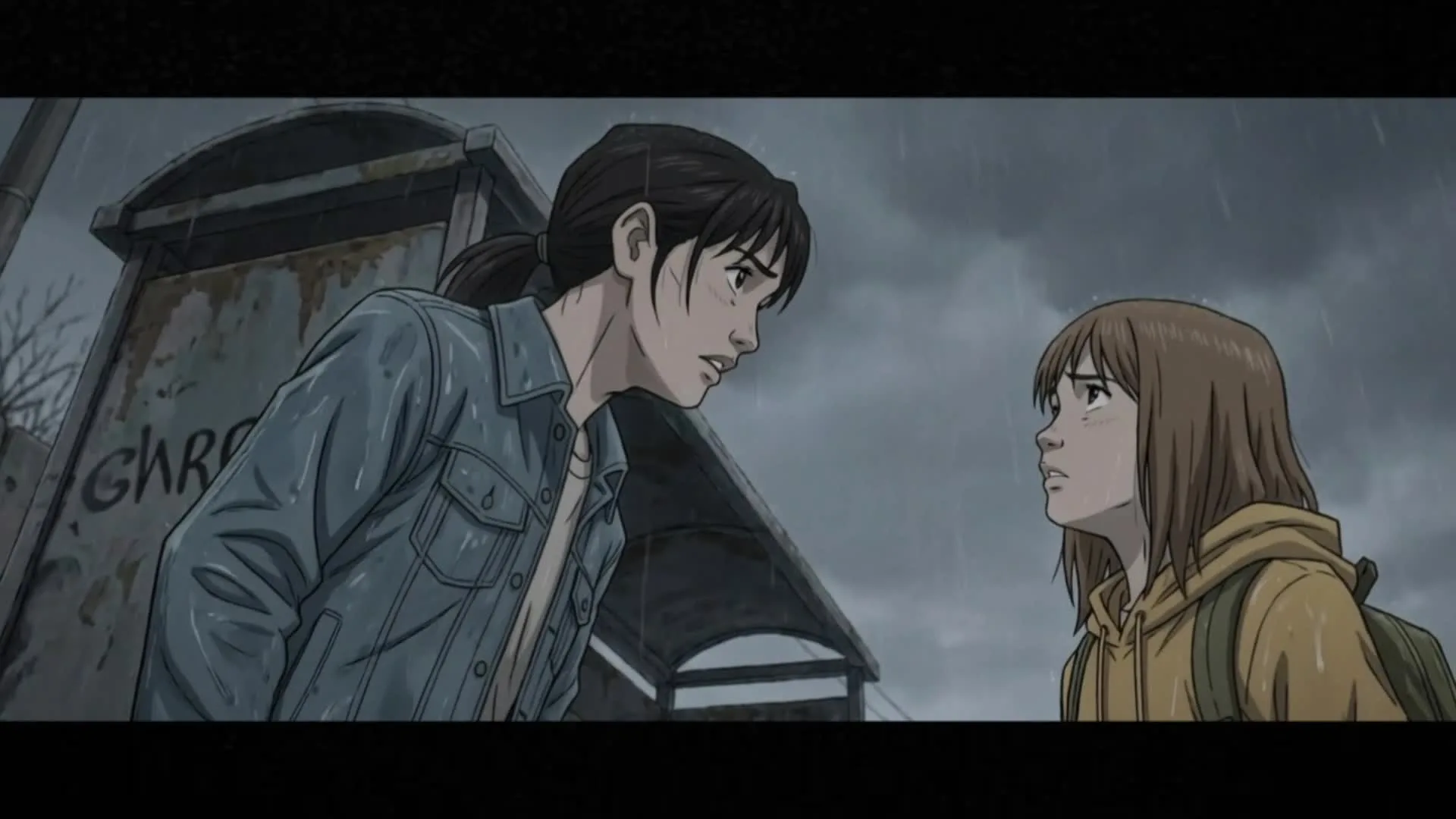
"The Double Abduction"
0:57
"The Double Abduction"On September 3, 1979, best friends Jacqueline Doris Gilliam, fifteen, and Jacqueline Leah Lamp, thirteen, had spent the day at the beach, missed the last bus home, and were hitchhiking at a Redondo Beach bus stop when the silver van pulled over at 6:30 p.m. Bittaker offered them a ride to Hermosa Beach and both climbed into the cargo bay, but the van instead turned north onto the 405. Realizing something was wrong within minutes, the girls tried and failed to open the sealed cargo doors. They were held in the van and at San Gabriel Mountain dump sites for fifty-eight hours, photographed and recorded, before being killed on September 5. Their partial skeletal remains were finally found in a remote ravine off Glendora Mountain Road in February 1980.
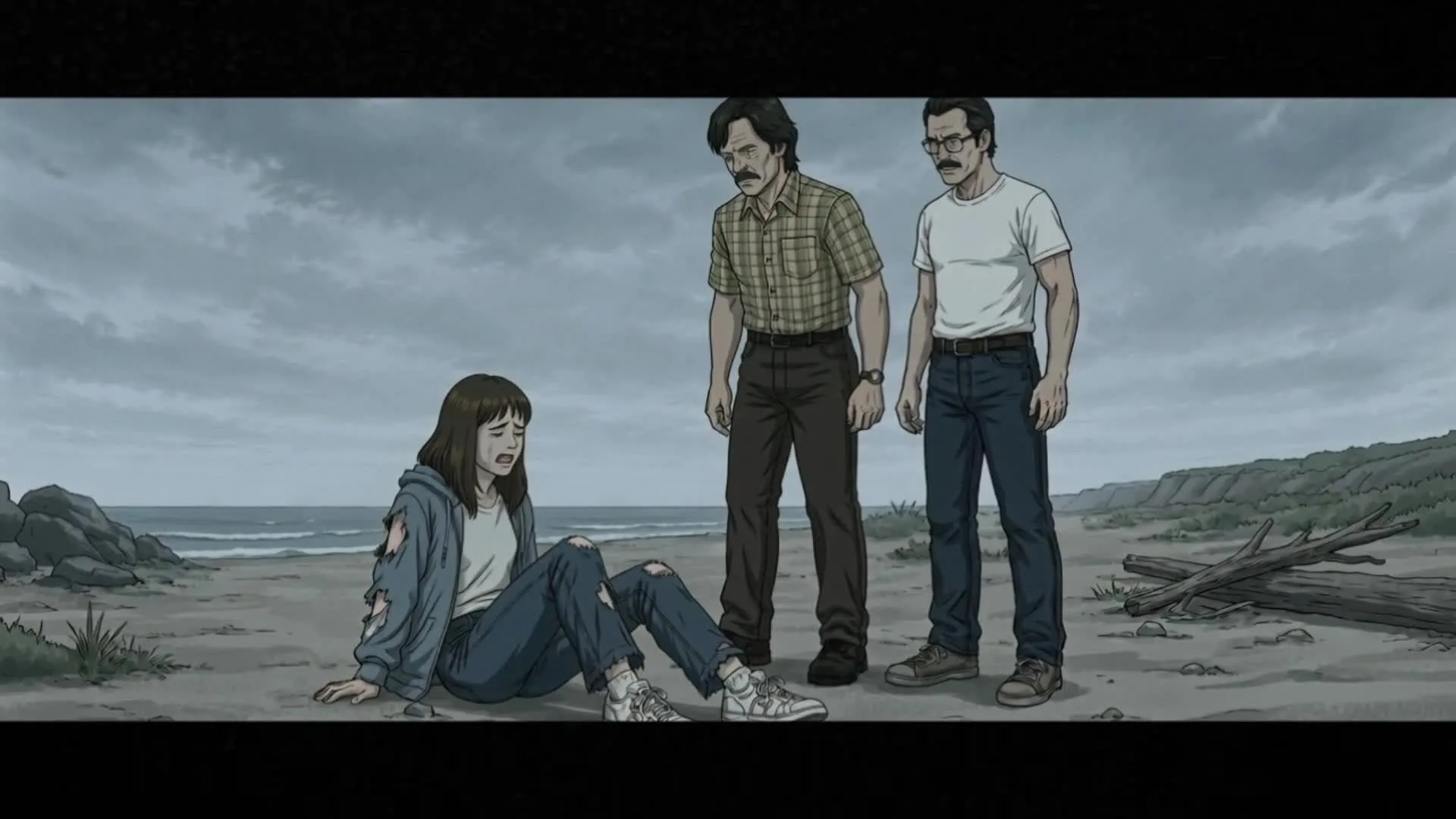
"The Survivor"
1:01
"The Survivor"In September 1979, fifteen-year-old Robin Robeck was walking home from a friend's house in Hermosa Beach when Bittaker offered her a ride and she accepted. She was driven toward the San Gabriel Mountains and raped in the cargo bay over several hours — and then, for reasons Bittaker never adequately explained, the two men released her, dropping her at a quiet corner and threatening her family if she went to police. In shock, she waited several weeks before reporting the assault, giving Hermosa Beach Police a clear description of both men and the van but no license plate or names. Her report sat in a Hermosa Beach evidence file for two months, never cross-referenced with the Manhattan Beach missing-persons cases because they sat in different jurisdictions. She remains the only known living survivor of the Tool Box Killers.
"Halloween Night"
0:59
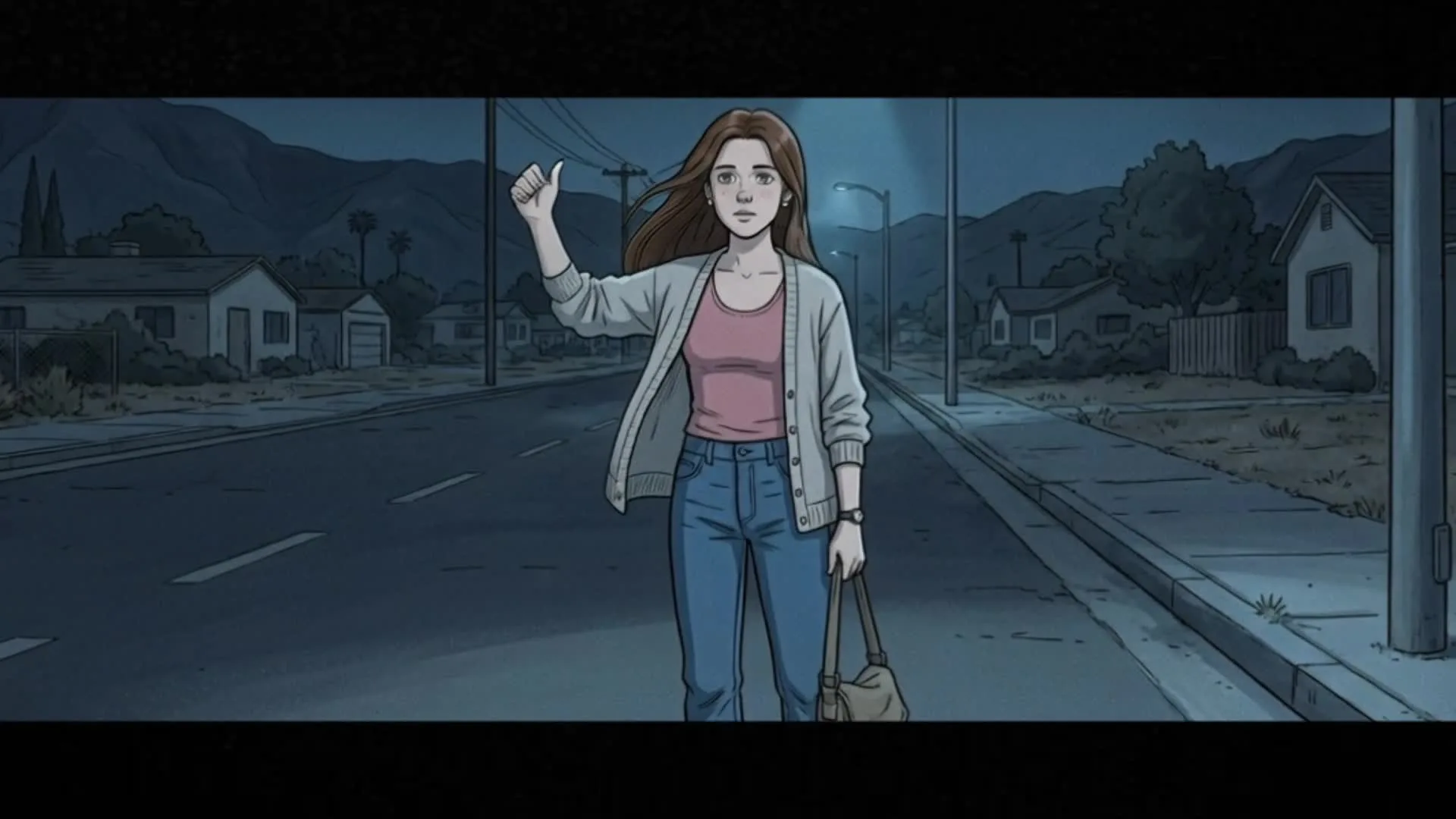
"Halloween Night"On Halloween night, October 31, 1979, sixteen-year-old waitress Shirley Lynette Ledford left a party around 11 p.m. and hitchhiked home from Sunland-Tujunga, wearing a pink tank top, jeans, and a sweater. Bittaker and Norris spotted her thumbing a ride at the corner of Foothill and Wheatland and pulled the silver van over. As the van climbed the Angeles Crest Highway into the San Gabriel Mountains, Bittaker reached into the bolted-down toolbox, pulled out a small Sony cassette recorder, and pressed Record. Shirley Ledford was alive for the next seventeen minutes of audio tape — a recording that would, two years later, be played in open court and described by FBI analysts as the most disturbing piece of physical evidence ever entered into an American courtroom.
"The Body in the Yard"
0:57
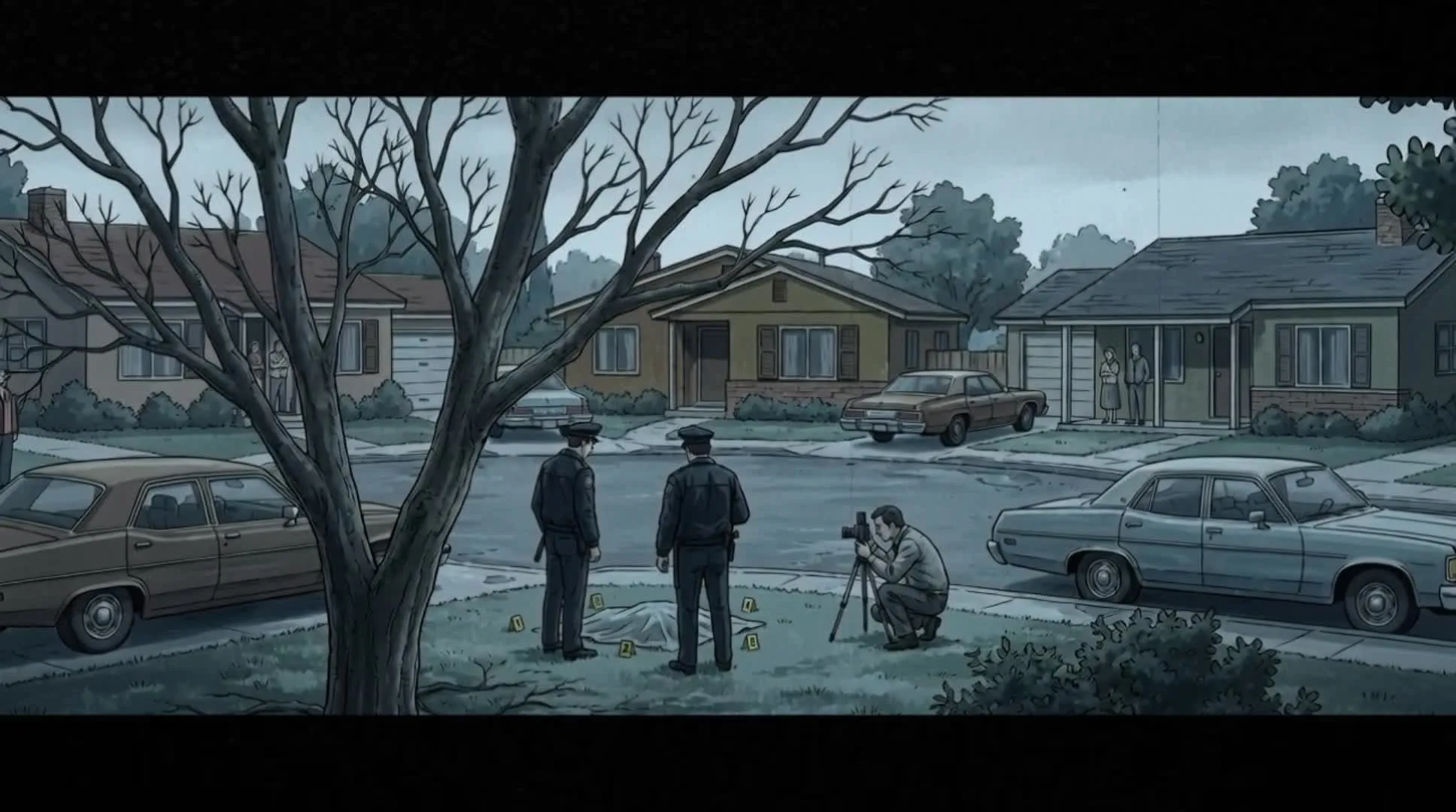
"The Body in the Yard"At 7 a.m. on November 1, 1979, a resident of a quiet Sunland-Tujunga cul-de-sac walked out for his newspaper and found Shirley Ledford's body deliberately placed on a neighbor's front lawn. Los Angeles Sheriff's deputies arrived within minutes and identified her that morning. She was the first body recovered in what investigators would come to realize was a five-month series of abductions. Bittaker and Norris had chosen to dump her in plain view because, by Bittaker's own trial testimony, he wanted the city to know what he was doing and to get 'the credit.' Yet police still had no van, no suspect, and no evidence linking her to the four missing girls — and the case stalled for three weeks until an ex-convict named Joseph Jackson made a phone call.
"The Tip"
0:58
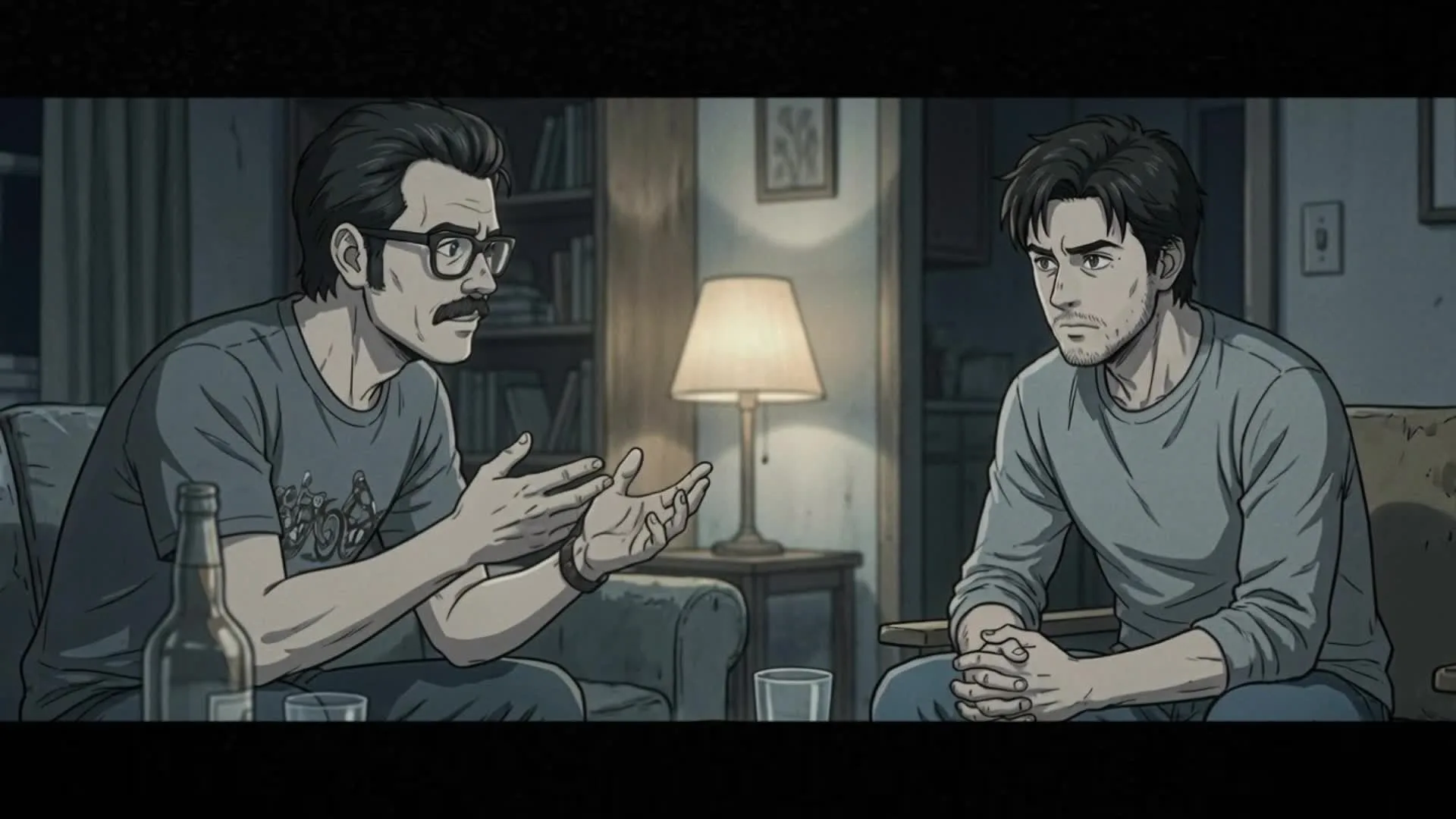
"The Tip"In early November 1979, thirty-five-year-old ex-convict Joseph Jackson, recently released and trying to live straight, had reconnected with his old California Men's Colony friend Roy Norris. Over drinks across several nights, Norris began bragging that he and a man named Lawrence had been killing teenage girls in the South Bay since June, describing the van, the toolbox, and specific abductions. Jackson initially assumed Norris was lying — until November 1, when he saw Shirley Ledford's body on the front page of the Los Angeles Times and the location, description, and timing all matched. On his attorney's advice, Jackson gave a formal statement to LAPD homicide detectives around November 15, and investigators quickly matched his account to Robin Robeck's earlier Hermosa Beach rape report, which described the same van, the same two men, and the same method.
"The Stakeout"
0:54
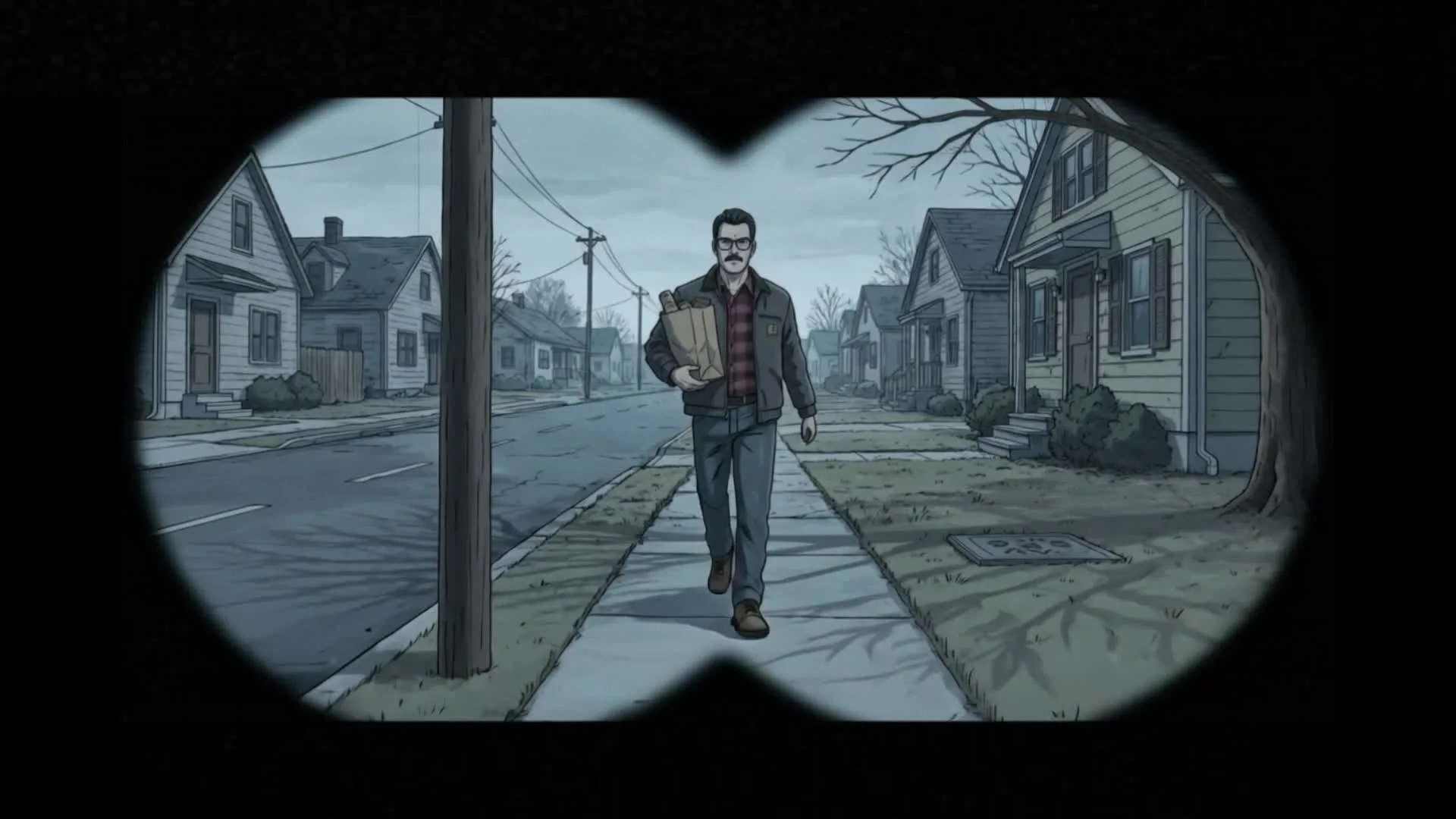
"The Stakeout"With Jackson's statement and the Robeck report in hand, LAPD detectives Paul Bynum and Frank Salerno coordinated with the Sheriff's Department to place Roy Norris under round-the-clock surveillance from rotating twelve-hour unmarked teams. Norris did nothing unusual for three days, but on the fourth he was seen selling marijuana on a street corner, and on the fifth a narcotics detective arranged an undercover buy. The drug sale gave police enough to arrest Norris on a narcotics and parole-violation charge — a minor hold that let them move on Bittaker's Burbank motel room with a search warrant. But before the warrant could be executed, Norris asked to make a phone call, and used it to warn Bittaker that police were coming. Bittaker had just enough time to pull one Polaroid off the bathroom mirror and flush several others before detectives arrived four minutes later.
"The Arrest"
0:55
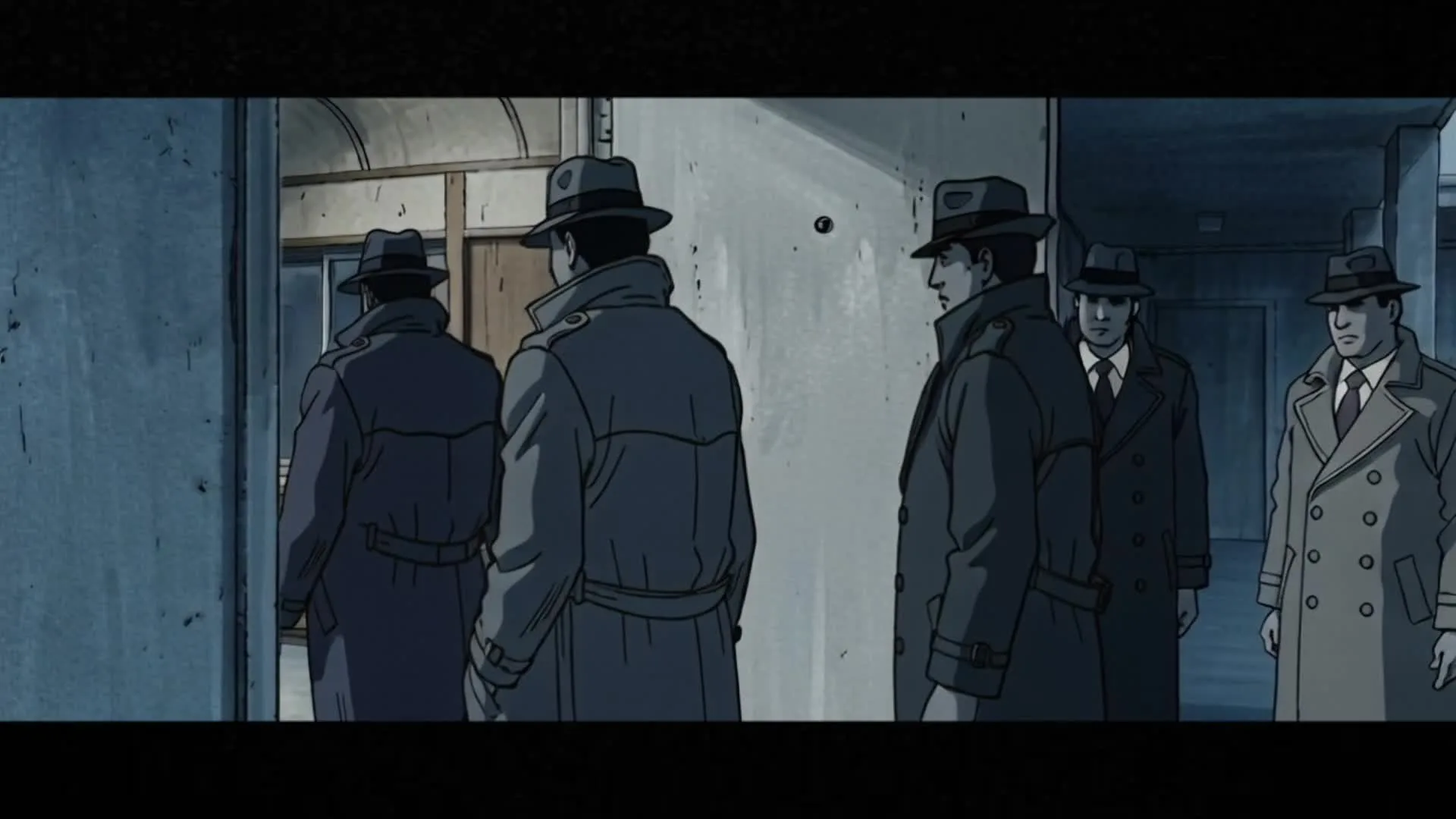
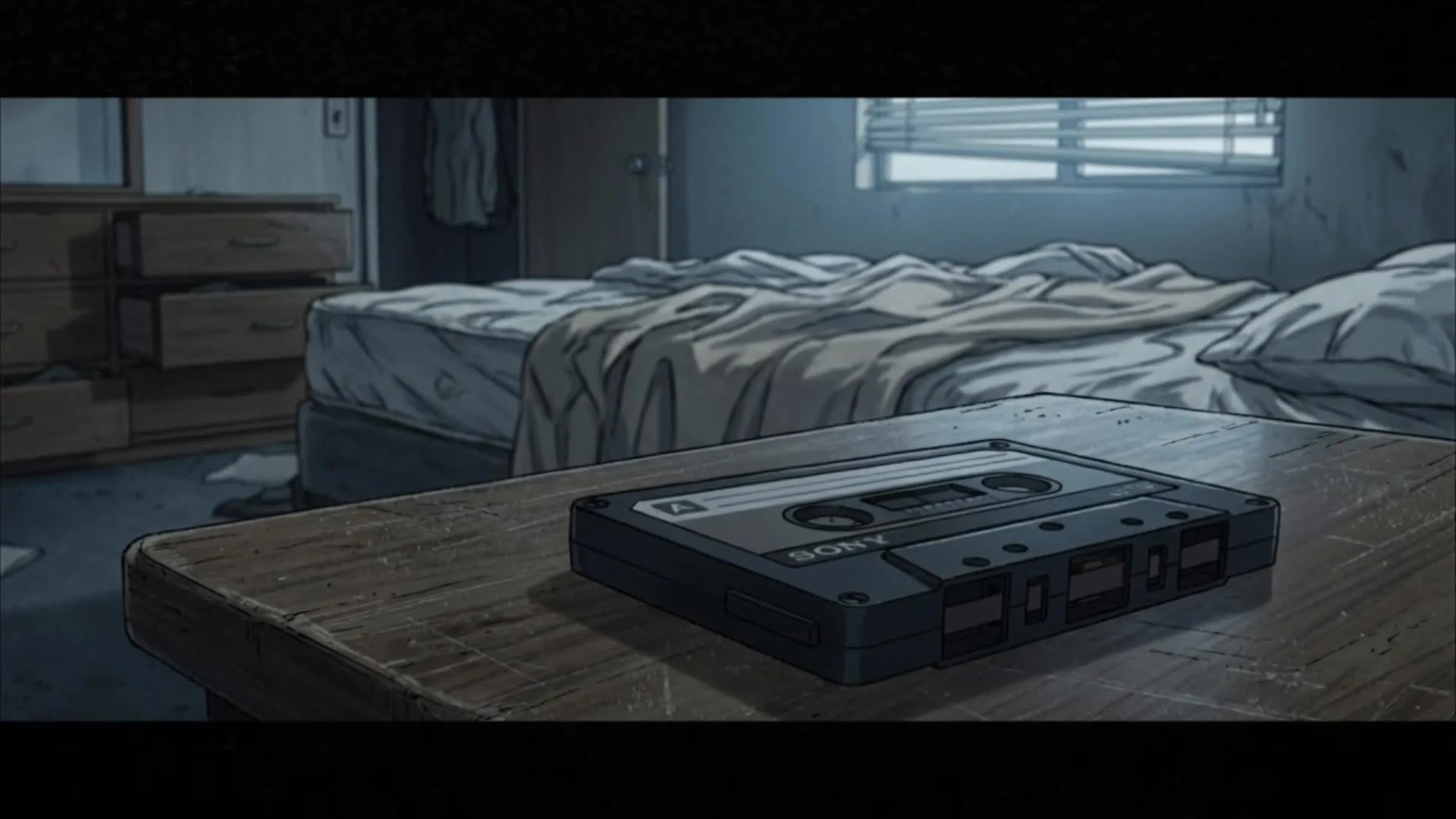
"The Arrest"At 6 p.m. on November 20, 1979, LAPD detectives, Sheriff's deputies, and Burbank police surrounded the Scott Motel where Bittaker had been living in a $30-a-night room. When Detective Paul Bynum knocked, Bittaker opened the door within seconds — neatly dressed, holding a paperback novel, and completely calm — and offered no resistance when told he was under arrest for the kidnapping and rape of Robin Robeck. The search of his room turned up a stack of Polaroids showing five bound and distressed women, a duffel bag under the bed containing pliers, vice grips, and a hair-covered sledgehammer, and a single unlabeled Sony cassette tape on the nightstand. Bynum pocketed the tape. At the same hour, Norris was formally charged with five counts of capital murder, and the impounded silver van still held the bolted-down toolbox with biological material on every implement.
"The Tape"
1:05
"The Tape"In December 1979 at LAPD's Parker Center, homicide detectives played the unlabeled Sony cassette for the first time. The seventeen-minute recording, made inside the van on Halloween night, documented the final minutes of Shirley Ledford's life; two of the four detectives walked out before it ended and one was sick in the hallway. Copies went to the District Attorney and to the FBI Behavioral Science Unit at Quantico, where founding agent Roy Hazelwood listened three times and wrote a twelve-page analysis that entered the federal profiler training curriculum, calling Bittaker the most sophisticated and remorseless sexual sadist he had encountered in twenty years. Played once at the 1981 trial, the tape left jurors weeping and prosecutor Stephen Kay warning that those who did not know what hell was like were about to find out. Norris, offered a plea, took the deal.
"The Deal"
0:57
"The Deal"In March 1980, Roy Norris's attorney negotiated a plea bargain with the Los Angeles County District Attorney. Norris agreed to plead guilty to four counts of first-degree murder plus one of second-degree murder, rape, and robbery, to testify against Bittaker, and to provide a full confession including the locations of the missing victims' remains — all in exchange for the death penalty being taken off the table and a sentence of forty-five years to life. Beginning in April 1980 he walked detectives, deputies, and FBI agents up Glendora Mountain Road, pointing out where the girls had been taken; the partial remains of Gilliam and Lamp were recovered that February, but Schaefer and Hall were never found. Norris testified across multiple days in early 1981, breaking down in tears on the stand, and spent the next forty years in prison, dying of natural causes on February 24, 2020 — seventy-three days after Bittaker.
EP 15 — "The Trial"
1:02
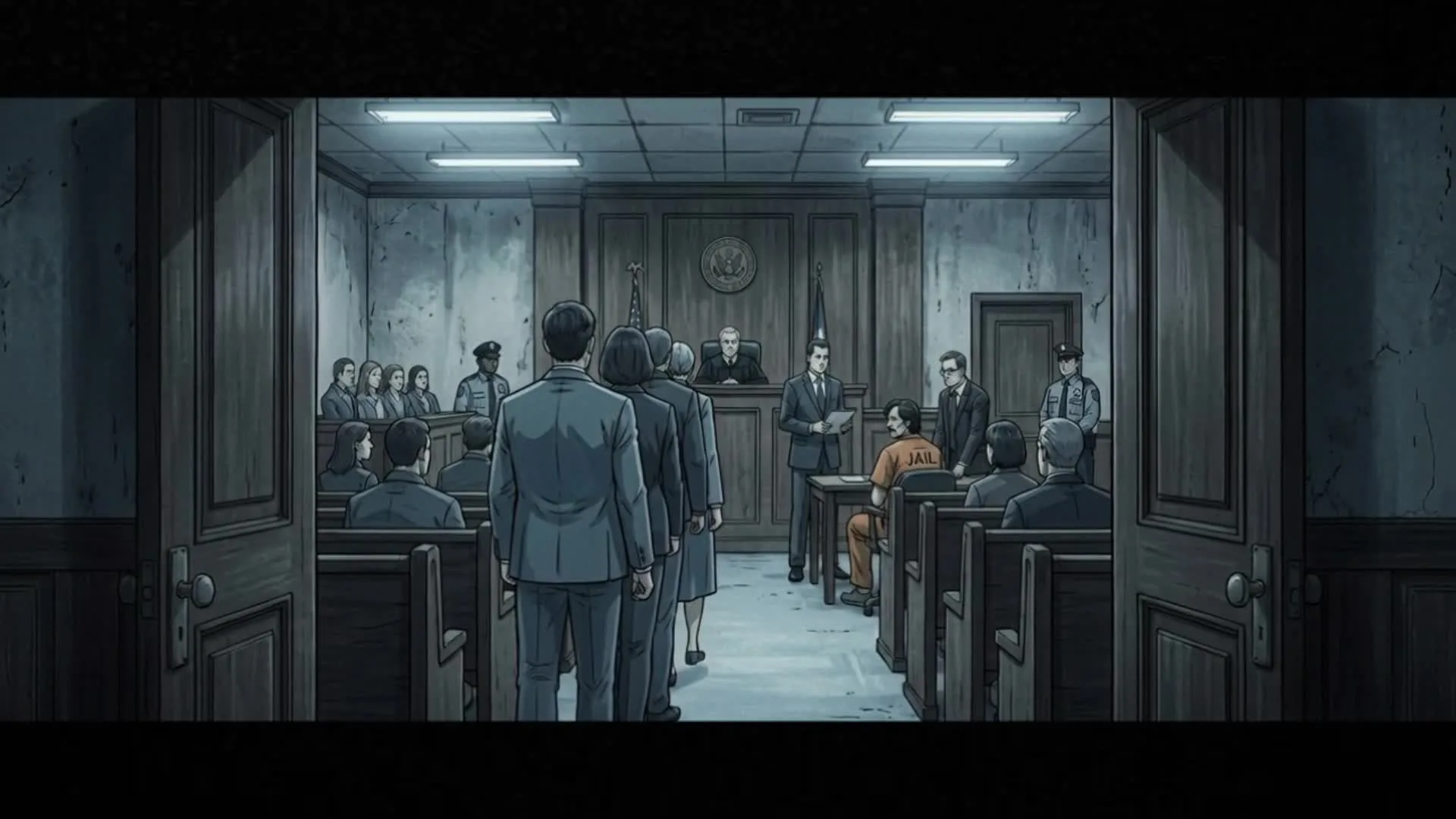
EP 15 — "The Trial"The People of the State of California v. Lawrence Sigmund Bittaker ran in Los Angeles County Superior Court from jury selection in late October 1980 through February 1981, with Stephen R. Kay prosecuting. The state presented Robin Robeck's identification, the motel Polaroids, and the tools from the van, and Roy Norris testified across three full days. When the seventeen-minute Sony cassette was played on January 27, 1981, jurors cried, two had to leave, the court reporter wept, and the judge called a recess. The defense rested without calling a single witness and Bittaker never took the stand. After closing arguments on February 16, the jury deliberated less than ninety minutes before convicting him on all counts on February 17 — five counts of first-degree murder plus kidnapping, rape, and conspiracy — and he was sentenced to death by gas chamber on March 24, 1981.
"Death Row"
0:52
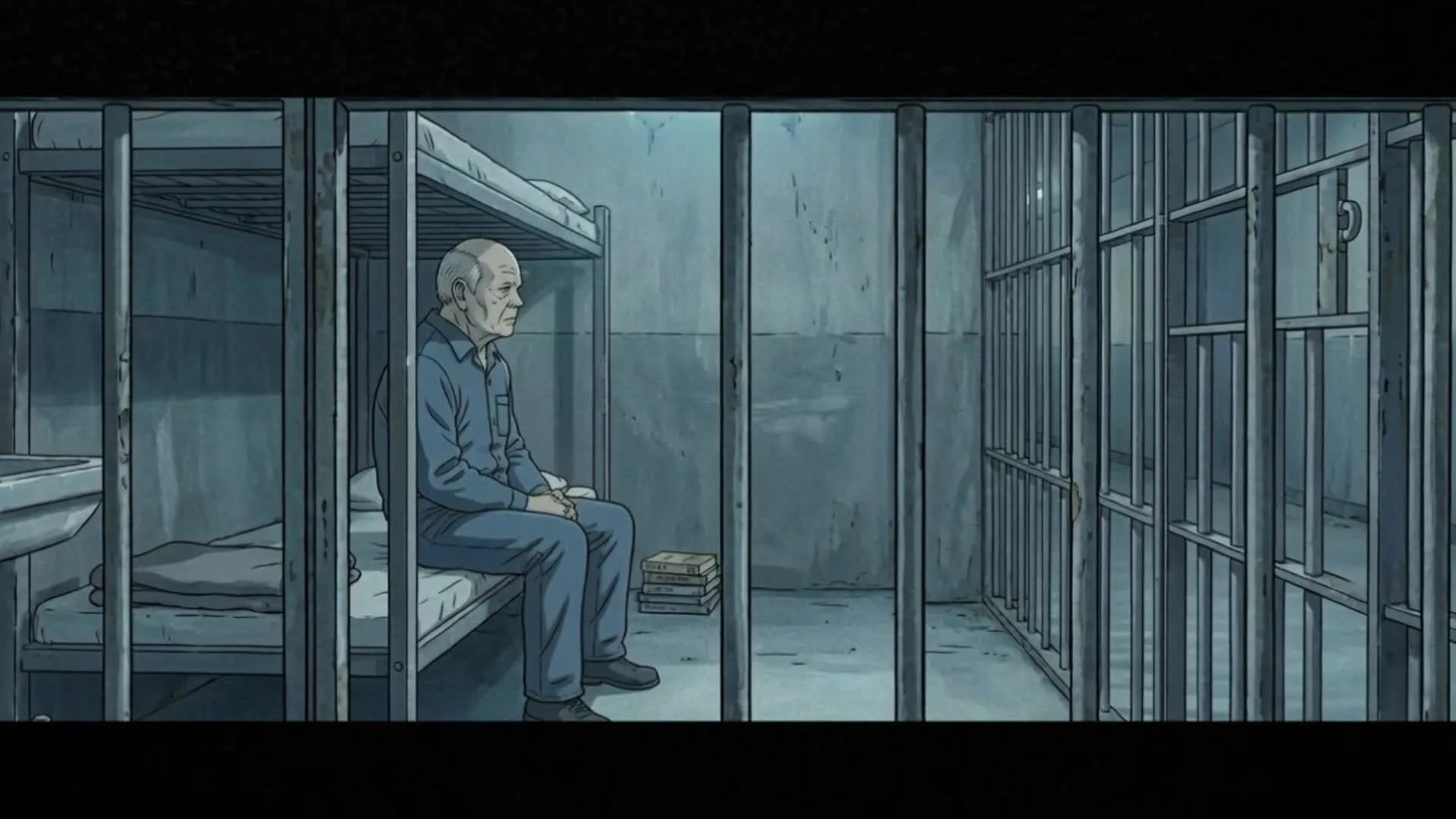
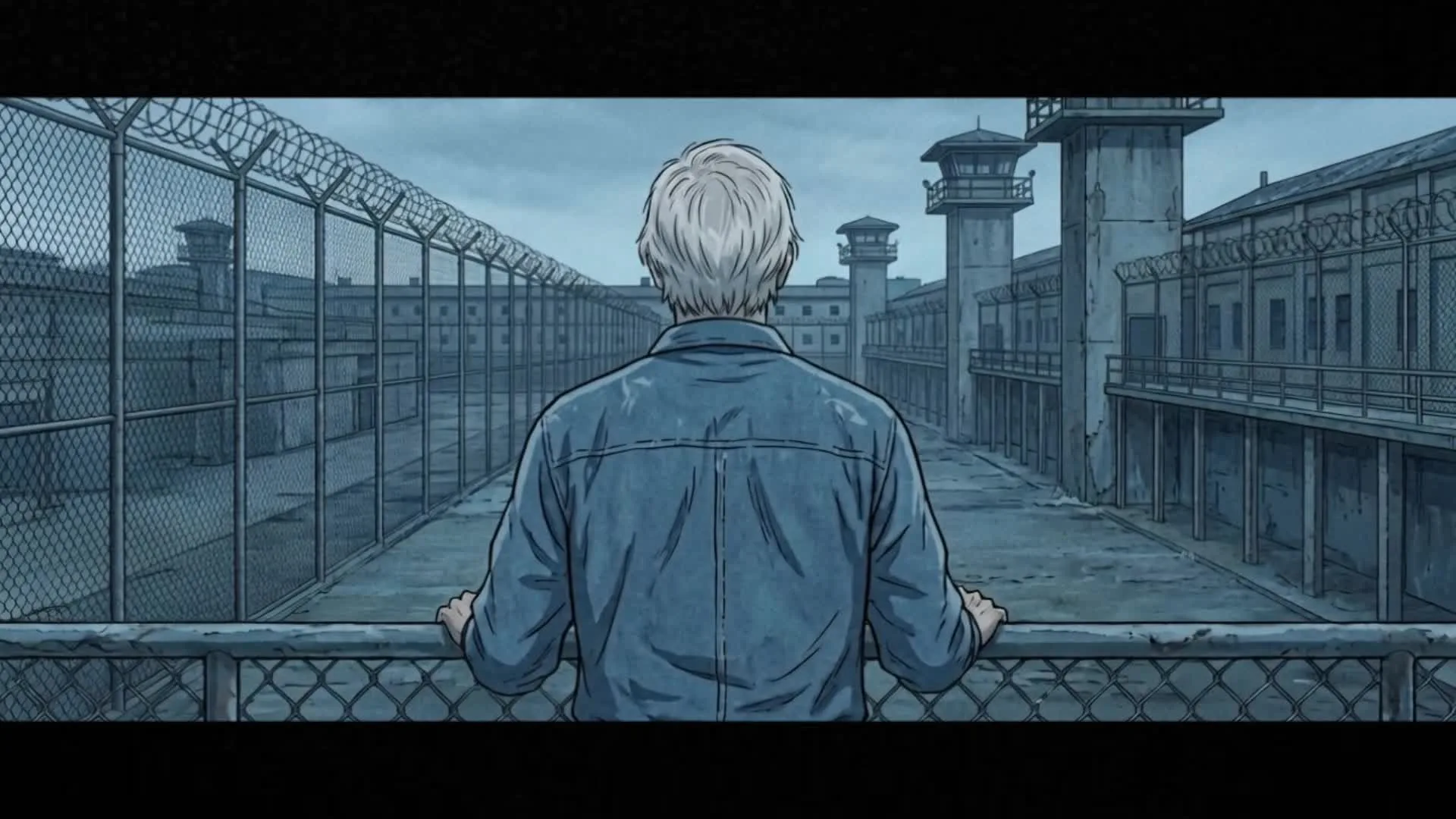
"Death Row"From 1981 to 2019, Bittaker lived in a four-by-nine-foot cell on San Quentin's death row, filing appeal after appeal, every one denied. California's rare use of the death penalty and its full pause on executions in 2006 meant he was never put to death. He spent his days reading, writing letters, and selling drawings and autographed Polaroids to true-crime collectors for twenty dollars a signature, corresponding with hundreds of admirers across America and Europe and laughing in some documentary interviews. He never once expressed remorse in any recorded interview; asked by the Los Angeles Times in 1989 whether he would do it again if released, he answered, 'Probably. Yes.' He developed cancer in early 2019, was moved to the prison medical unit, and died on December 13, 2019, at seventy-nine.
"The Survivor's Family"
0:58
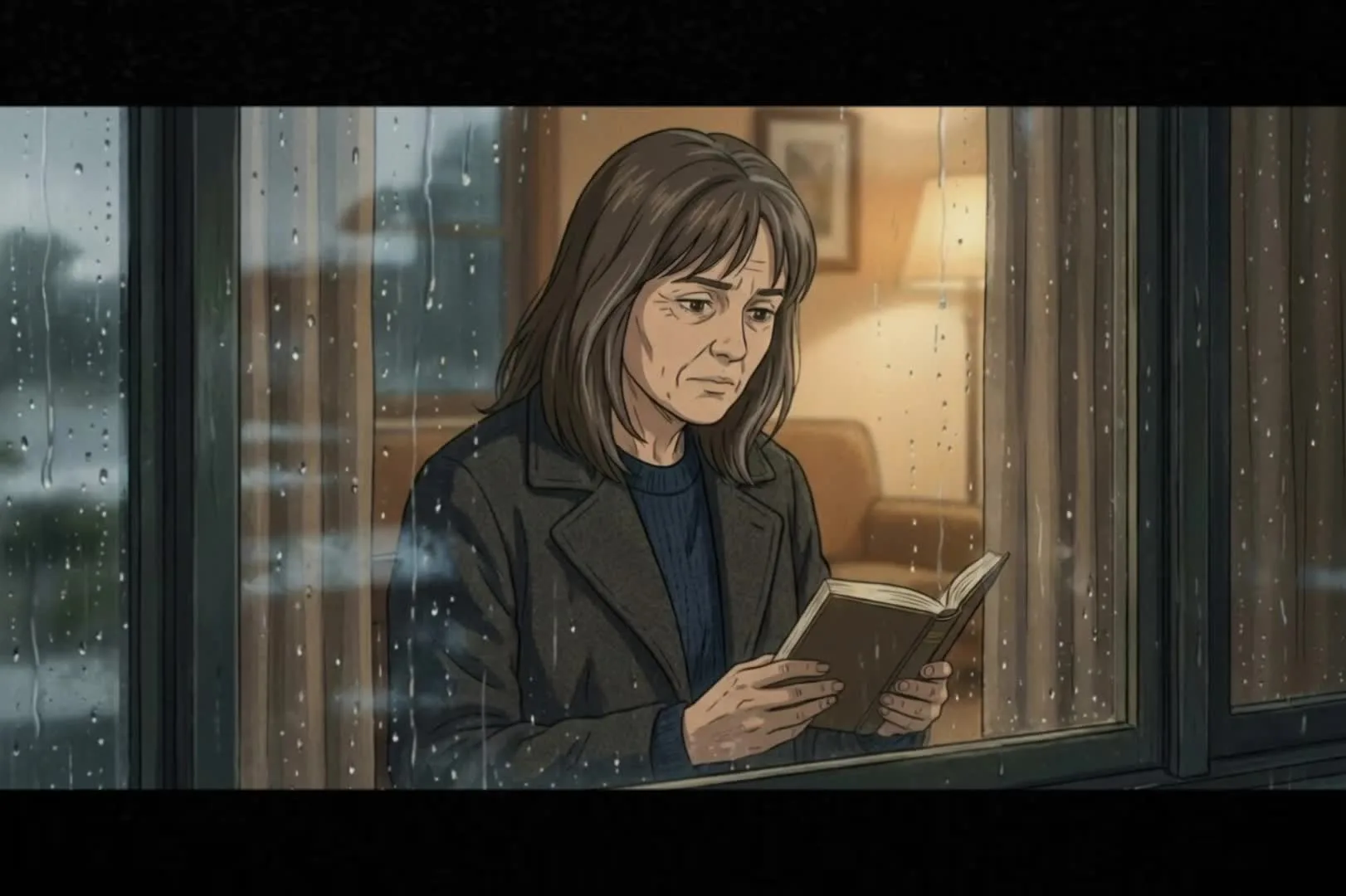
"The Survivor's Family"Robin Robeck, fifteen at the time of her assault, provided the eyewitness identification that confirmed Bittaker as the van's driver, picking his mug shot from a photo array on November 18, 1979 and testifying at his trial the following November. Her account of the van's interior, the tools, the route, and the moment of her release corroborated nearly every detail of Norris's later confession. Afterward she changed her name and, in the four decades since, has given no interviews, appeared in no documentaries or podcasts, and lived under court-ordered protection. She remains the only known person to enter Bittaker's van and walk back out. The five girls who did not — the Schaefers, Halls, Gilliams, Lamps, and Ledfords — left grieving families, two of whom held funerals over empty caskets. Cindy's mother Sherry Schaefer attended every Bittaker parole hearing until her death in 2014.
"The FBI Tape"
0:56
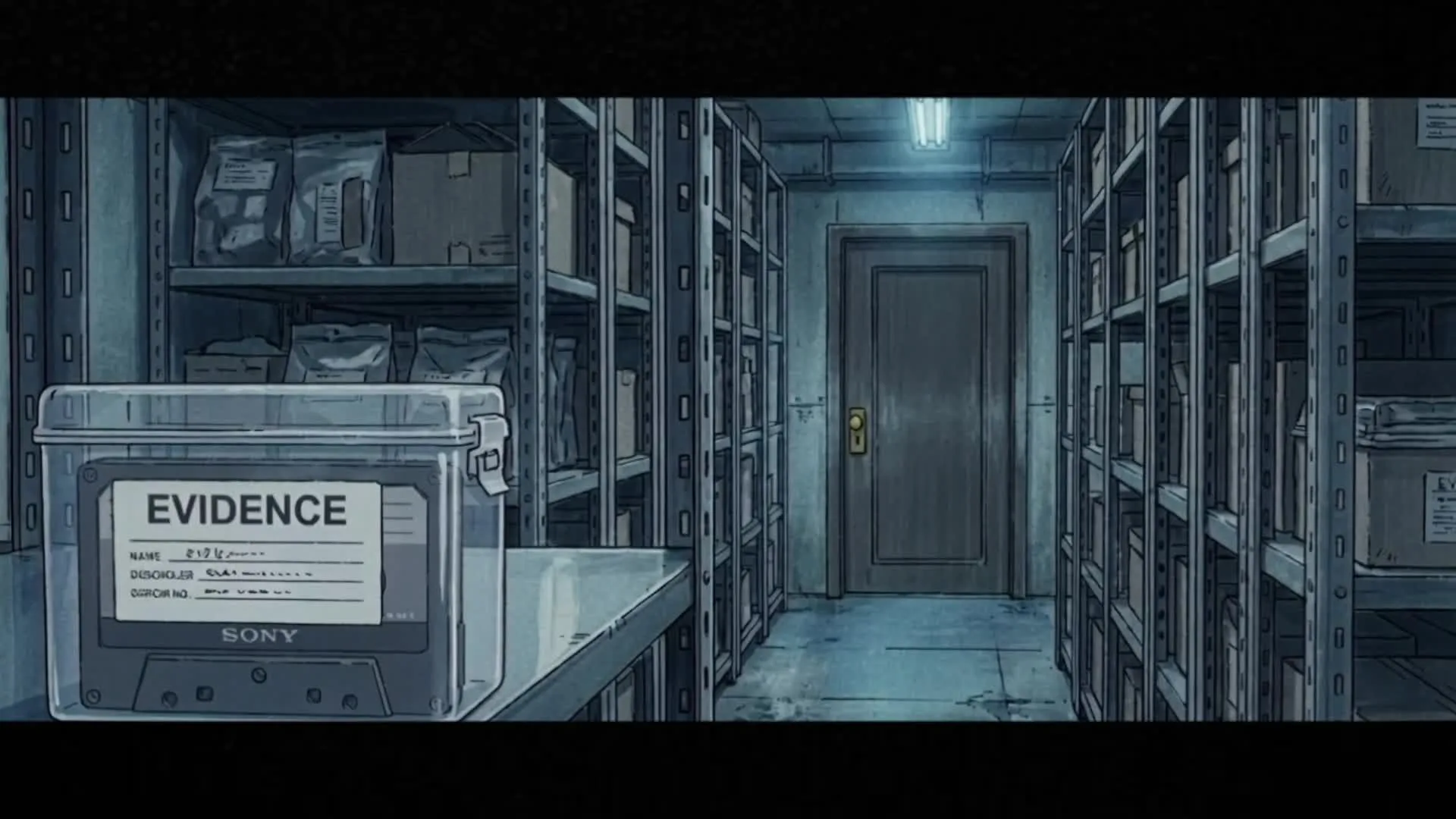
"The FBI Tape"For decades the seventeen-minute Halloween cassette has been held in a sealed LAPD evidence vault in downtown Los Angeles, its influence extending far beyond the case. FBI Behavioral Science Unit founder Roy Hazelwood listened to it three times during the investigation and wrote a twelve-page analysis that became foundational training material on sexual sadism. Fragments — never the full recording, and played without context — are used to train new profilers entering the BSU; most ask to leave the room within ninety seconds, and several have abandoned the profiler career path after hearing it. Hazelwood wrote in his 2001 memoir that he had heard worse evidence on paper but never worse on tape. The full recording has never been publicly released; leaked online copies from the 2000s are mostly misattributed audio, and the LAPD has honored the Ledford family's request never to release it.
"The Two Bodies Still Missing"
1:01
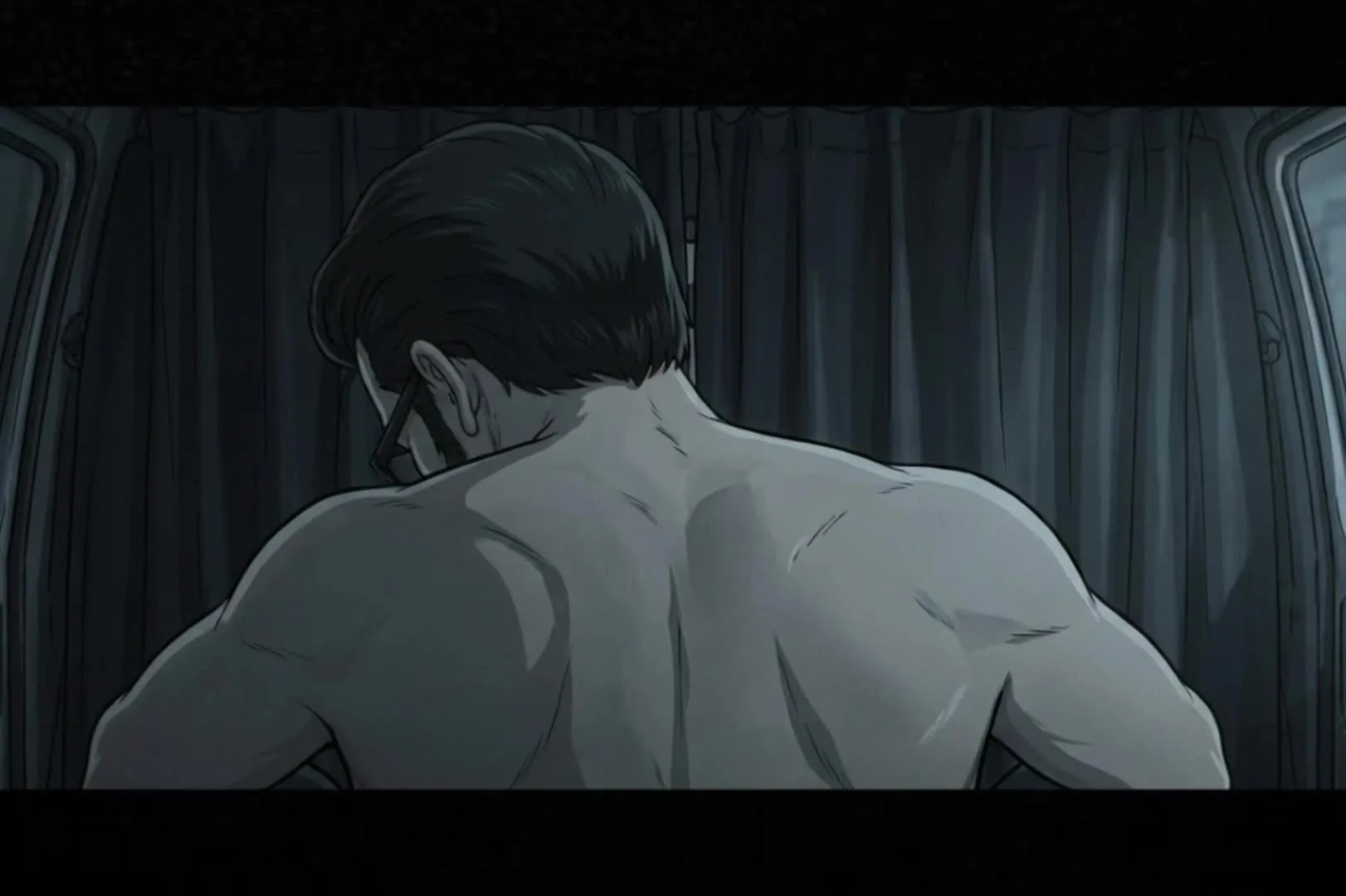
"The Two Bodies Still Missing"Cindy Schaefer, sixteen, and Andrea Joy Hall, eighteen, were Bittaker and Norris's first two victims, killed in late June and early July 1979, and their bodies have never been recovered. Though Norris identified the general dump locations during his cooperation and search teams walked the slopes of Glendora Mountain Road for weeks in 1980 — finding the remains of Gilliam and Lamp that February — nothing of Schaefer or Hall was ever located. The killers had used multiple sites along the road over five months, some since buried by landslides or built over. Both families filed civil declarations of death in 1980; Cindy's mother Sherry attended every parole hearing until her death in 2014, and Andrea's mother Janice died in 2008, both without ever bringing their daughters home. The mountain still holds them.
"The End"
1:04
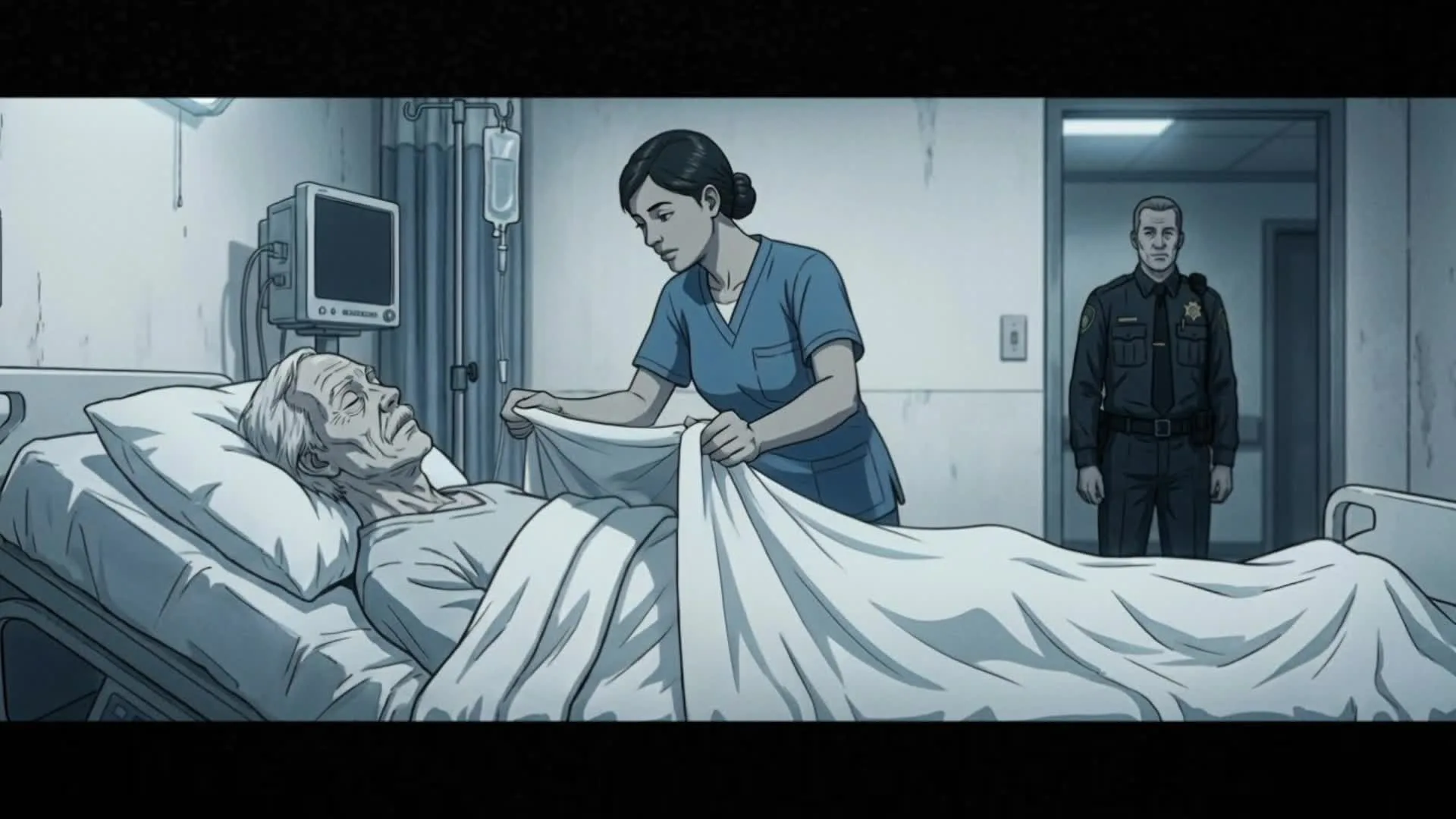
"The End"On December 13, 2019, Lawrence Sigmund Bittaker died of cancer at 4:30 p.m. in the San Quentin death row medical unit at seventy-nine, having spent thirty-eight years on death row, never executed, and, in his final interview earlier that year, still without remorse for any of the five killings. He was cremated, his ashes unclaimed by any family. Seventy-three days later, on February 24, 2020, Roy Lewis Norris died of natural causes at seventy-two at the California Medical Facility in Vacaville. The two men who had met at the California Men's Colony in 1977 and planned their hunt across two years of prison conversations died in different California prisons three months apart — leaving behind five names: Cindy Schaefer, Andrea Joy Hall, Jacqueline Gilliam, Jacqueline Lamp, and Shirley Ledford.