


20 Episodes
.SIP
A narrator-driven true-crime biography of Theodore Robert Bundy — the law student, volunteer, and boyfriend who murdered at least thirty young women across seven states in the 1970s. Told in chronological order, the series traces his life from a childhood built on a family lie, through the college heartbreak that fixed his lethal 'type,' into a five-year killing spree, two daring prison escapes, the Florida sorority massacre, his televised trials, and his execution in the electric chair. Each episode is a self-contained micro-drama with a hook, a body, and a cliffhanger that pulls the viewer into the next, building toward the question that outlived him: how many were there, and how many are still nameless
20 Episodes
1 min. 6 sec.
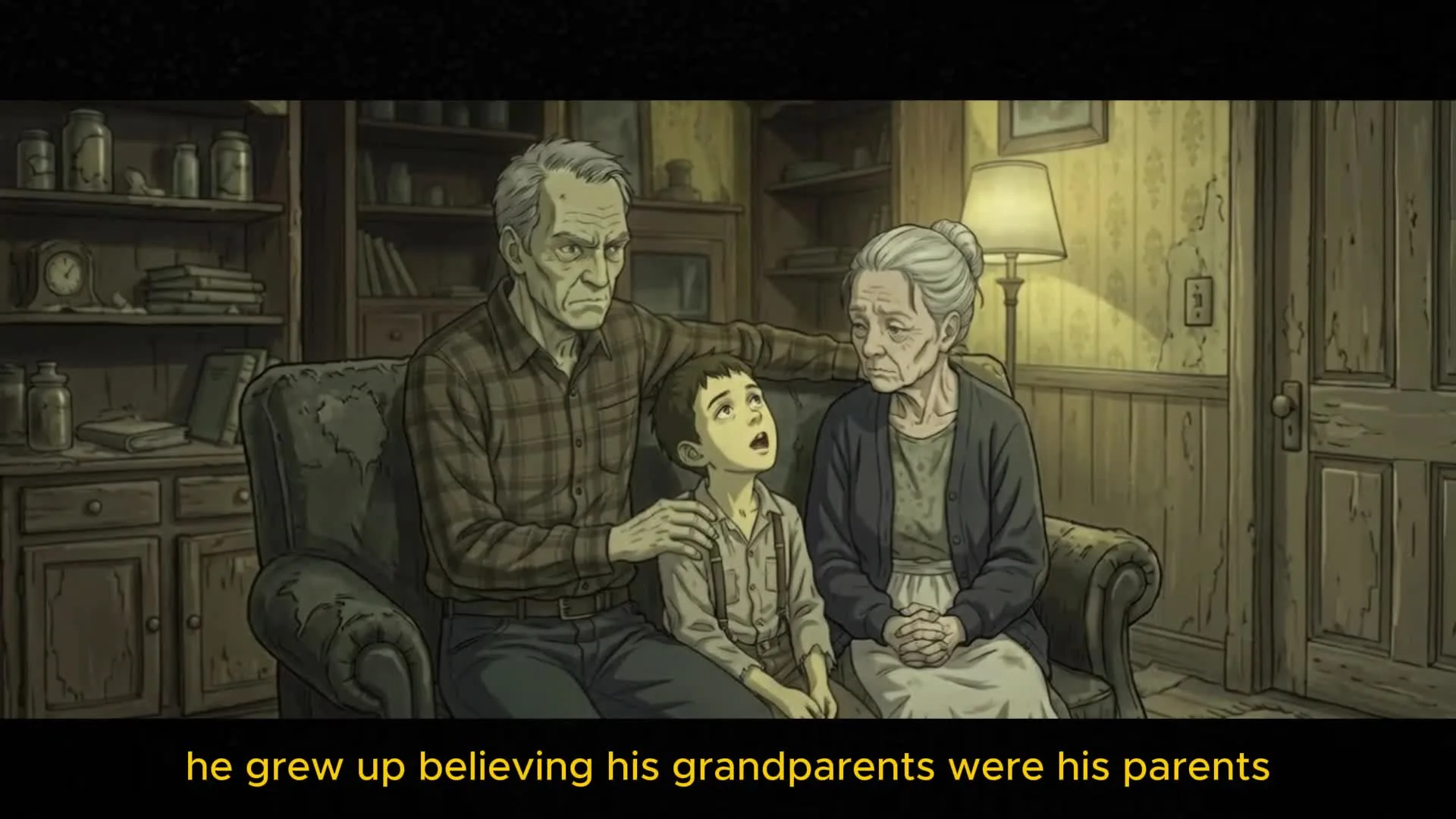
Burlington, 1946: an unmarried woman gives birth to Ted at a Catholic home and raises him inside a family lie — grandparents as parents, mother as sister. He idolizes his violent grandfather Samuel. As a teenager he finds his own birth certificate and learns the truth, and the polite honour student stops trusting anyone, including himself.
1 min. 2 sec.
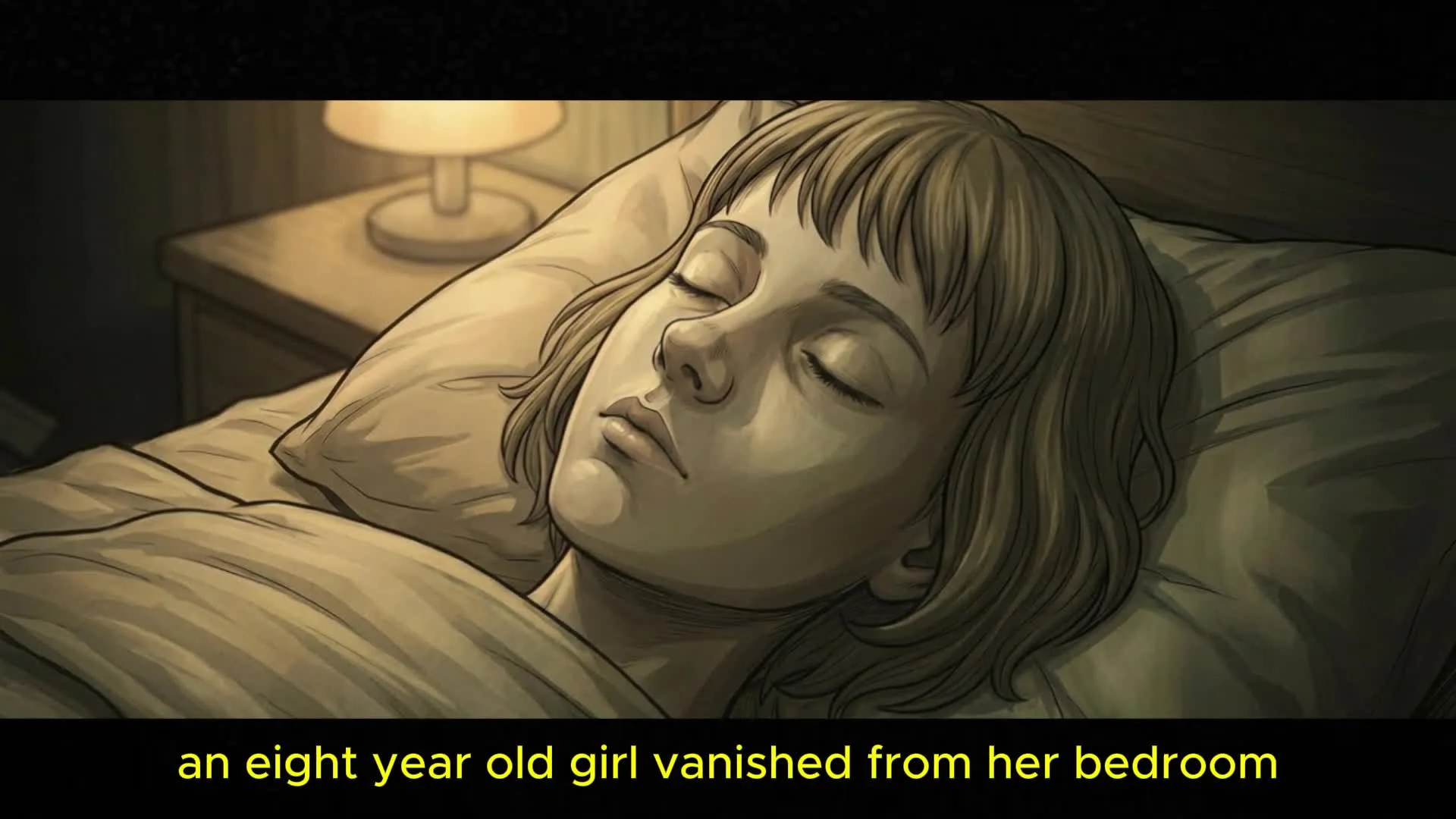
Tacoma, 1961: 8-year-old Ann Marie Burr vanishes from her bed, a small footprint left outside the window. Fourteen-year-old Ted is the family's paperboy, already prowling neighbourhood windows at night. He denies involvement to the day he dies — yet most criminologists believe Ann Marie was his first murder.

1 min. 1 sec.
University of Washington, 1967: Ted falls completely for Stephanie Brooks — wealthy, sophisticated, long brown hair parted down the middle. She tolerates him a year, then graduates and ends it. The rejection fixes his lethal 'type'; every future victim will, in some way, be her. He spends six years rebuilding himself to win her back.
1 min. 3 sec.
Three weeks after he discarded Stephanie Brooks, in the early morning of January 4, 1974, Ted Bundy broke into the basement apartment of a UW student named Karen Sparks and beat her into a coma with a metal bedframe. Karen survived. The next girl did not.
1 min. 3 sec.
February 1974: Lynda Ann Healy vanishes from her bed, the room carefully cleaned after. Over six months eight more young women disappear across the Pacific Northwest — all white, late teens to early twenties, long brown hair parted in the middle. Witnesses describe a handsome man with an arm sling asking for help. His name is Ted.
1 min. 4 sec.
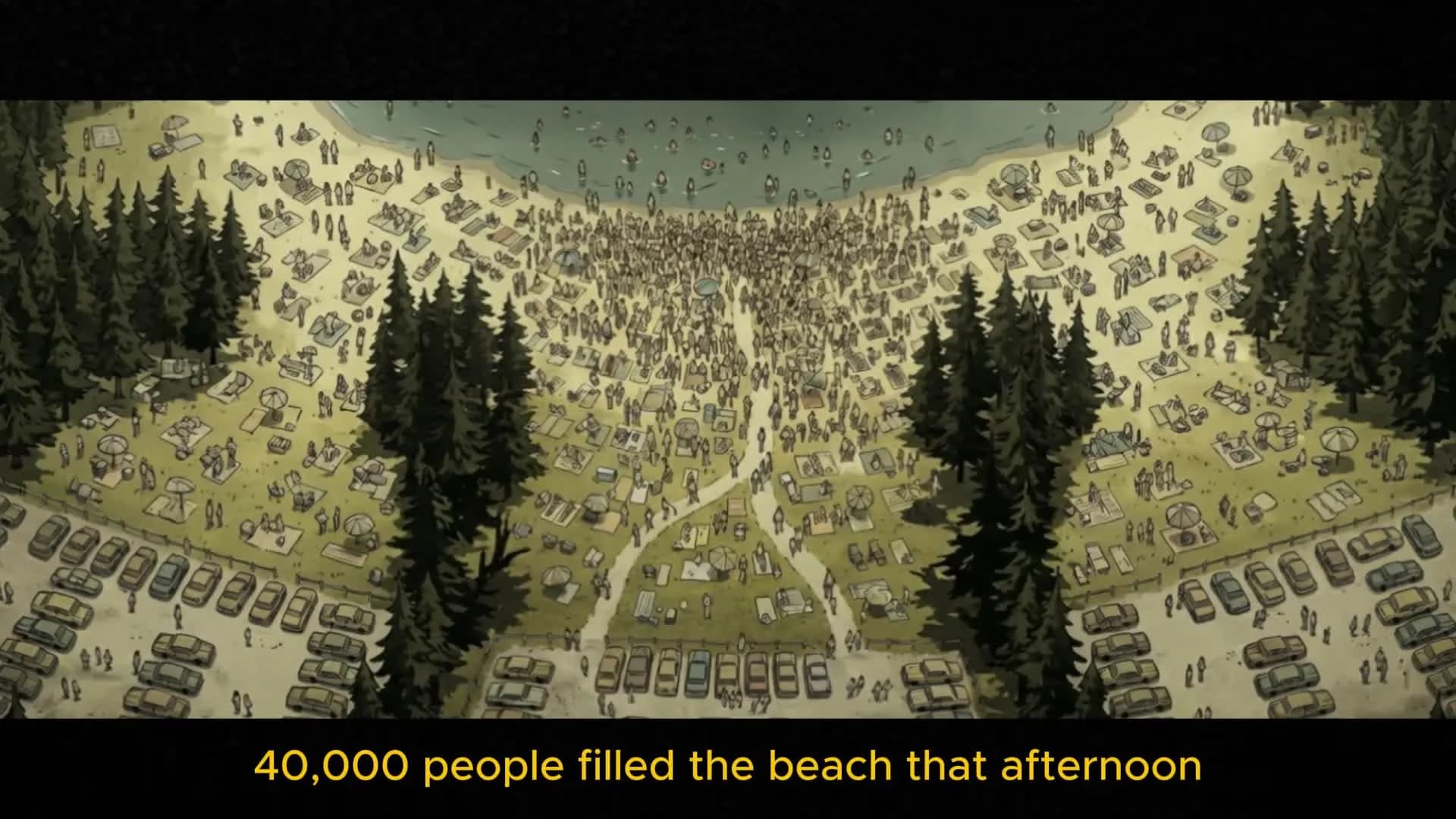
July 14, 1974: on the hottest day of the year, before forty thousand beachgoers, Bundy works the crowd in tennis whites and a fake sling, asking women to help unload a sailboat. Janice Ott and Denise Naslund both say yes; neither returns. Tips flood in — four callers, including Liz Kloepfer, name Ted Bundy. Detectives dismiss all four.
1 min. 4 sec.
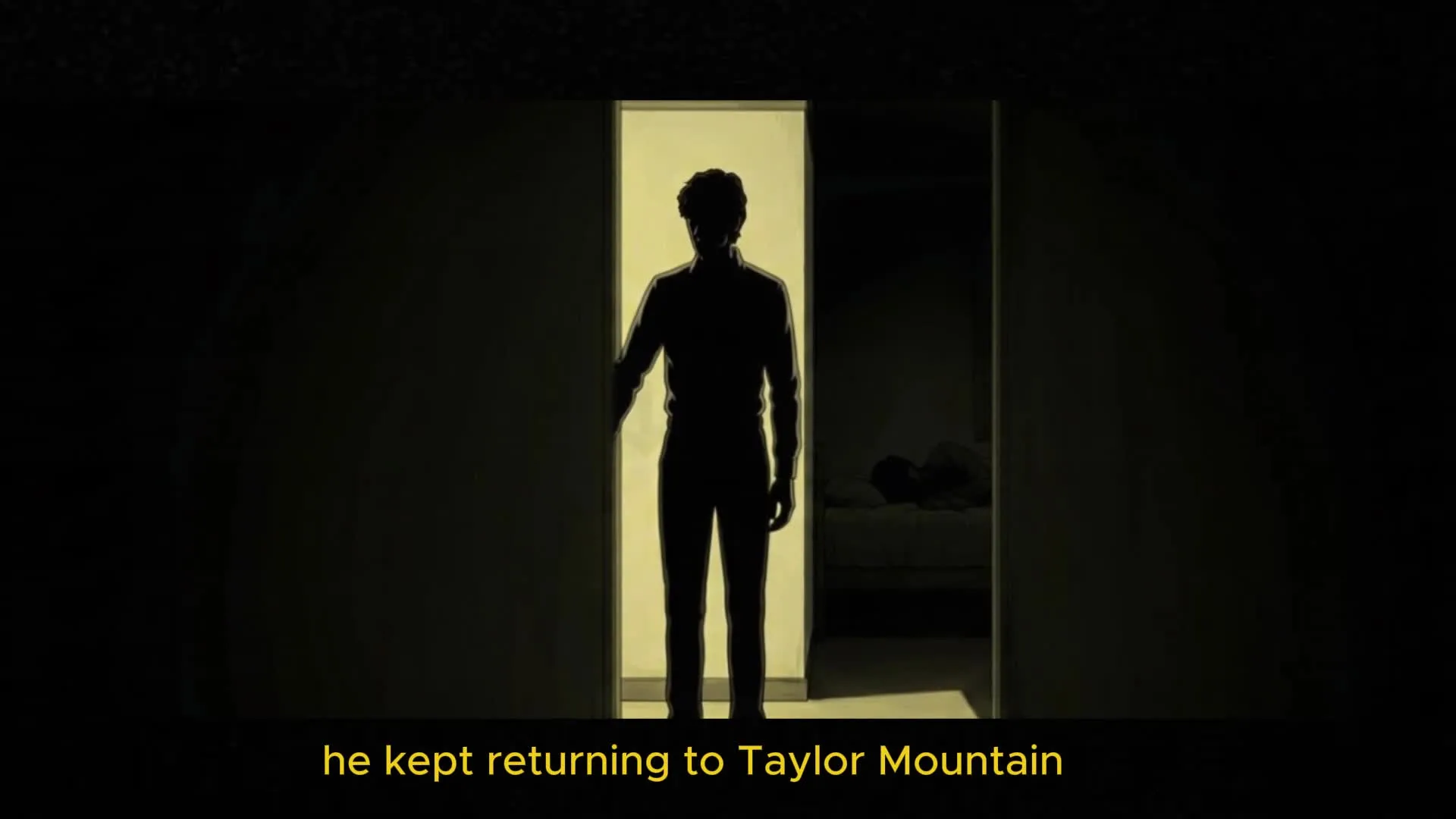
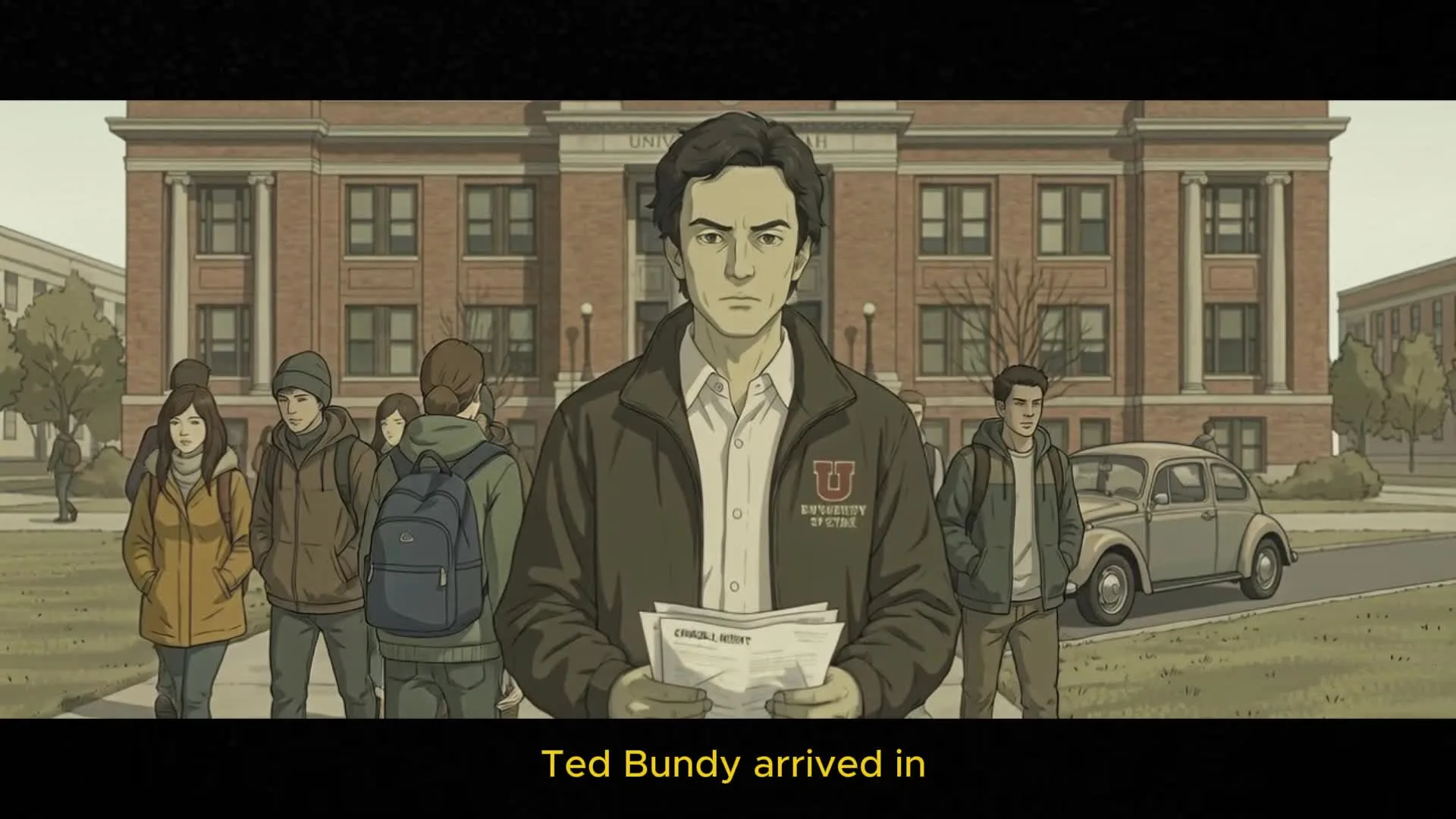
Throughout 1974 Bundy returns again and again to his Taylor Mountain dump site, grooming and posing the bodies, keeping some — and several heads — in his apartment. In March 1975 forestry students find four skulls: Healy, Rancourt, Parks, Ball. But Bundy is already gone, accepted to law school in Utah, where women begin to vanish.
1 min. 2 sec.
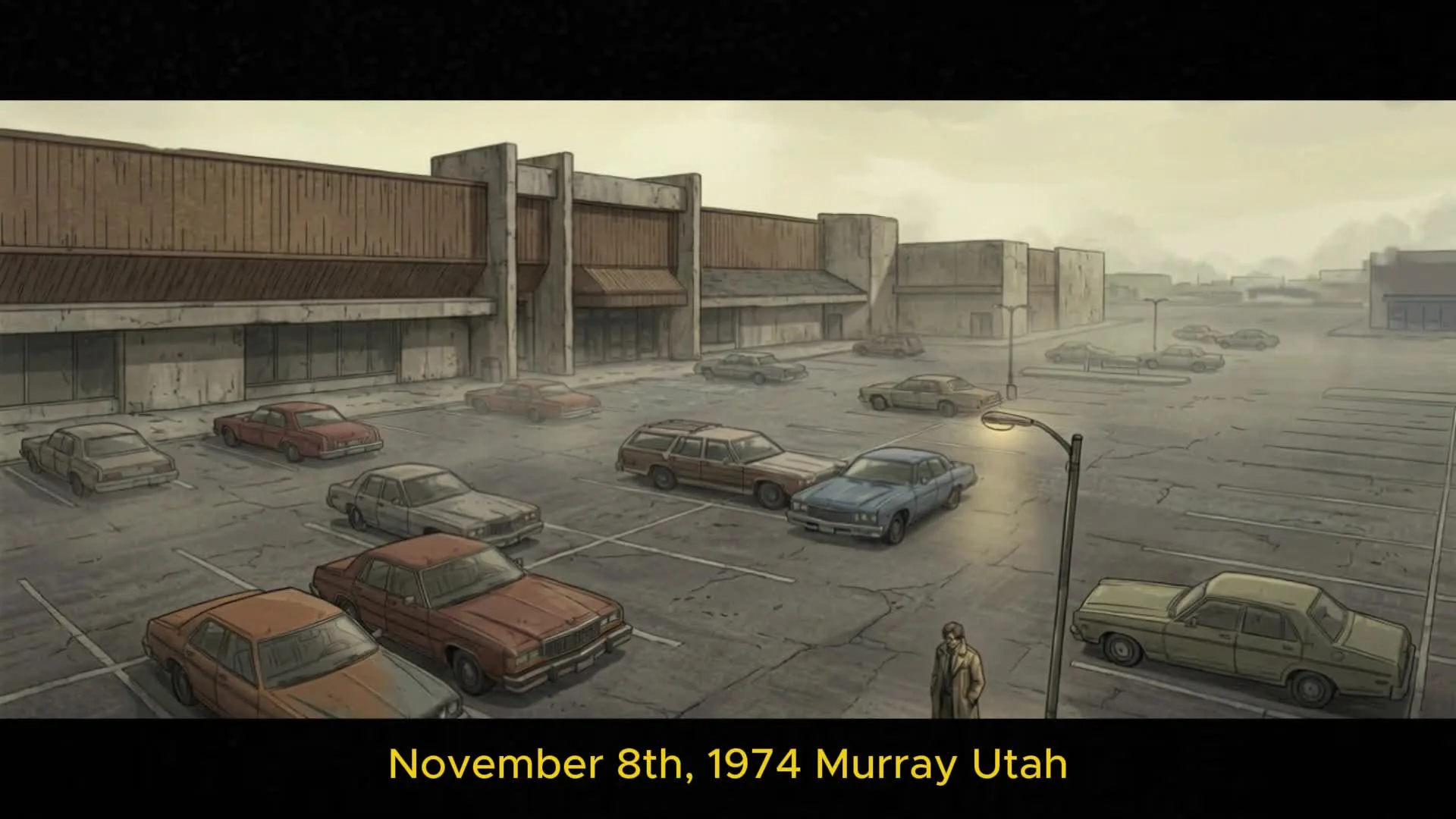
He tries to put the handcuffs on her wrong. Both cuffs go on the same wrist. Carol DaRonch jumps from the moving car. She runs into the night. She is the first victim in 30 attacks who lived to give a description.
1 min. 9 sec.
The bungled abduction in full: posing as Officer Roseland, Bundy gets DaRonch into his Beetle, then drives the wrong way and clamps both cuffs on one wrist. She fights free, rolls onto the pavement, and flags down a passing couple. Her description of the man, the car, and a torn vinyl seat becomes the case that finally catches him.
1 min. 10 sec.
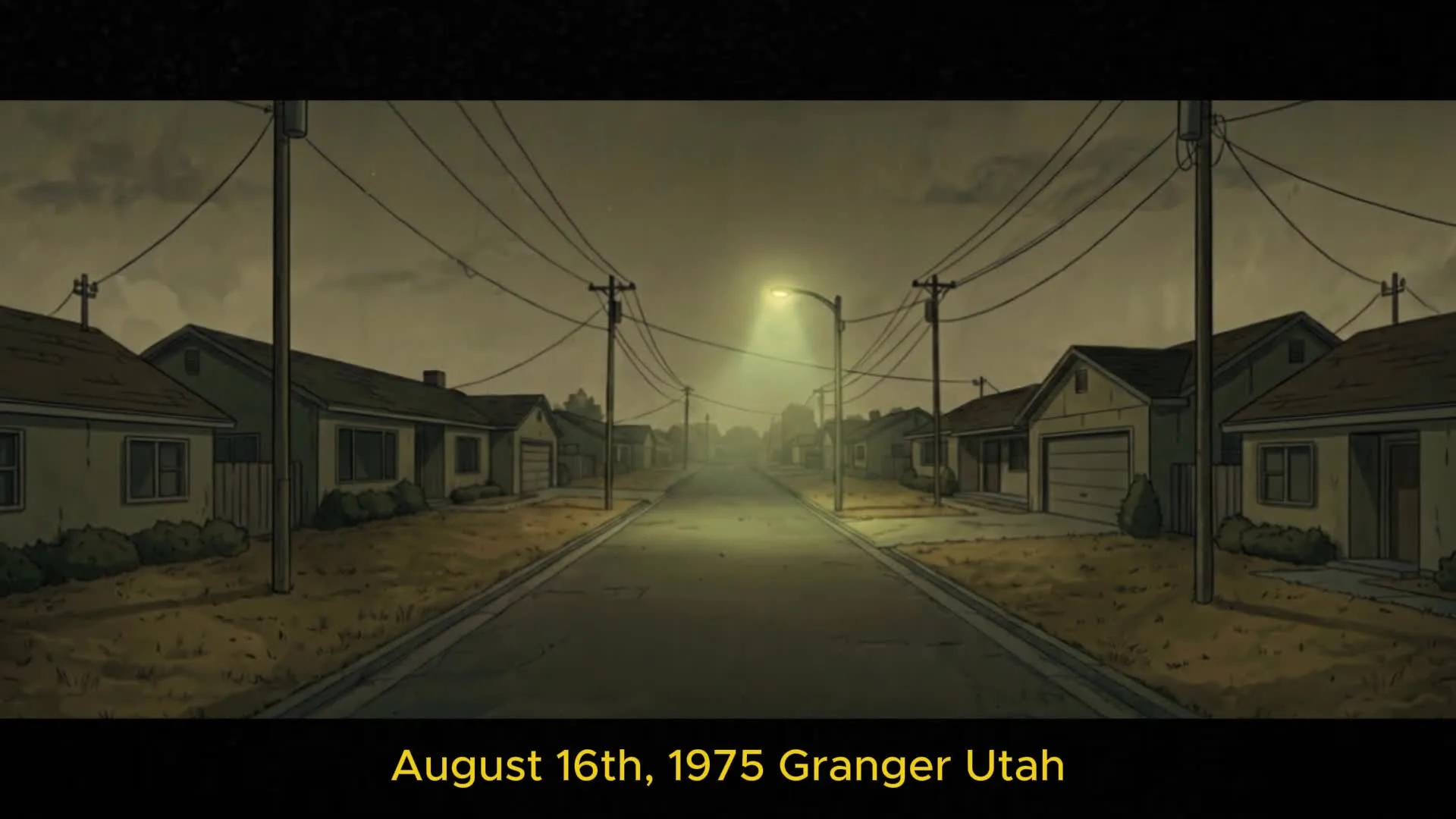
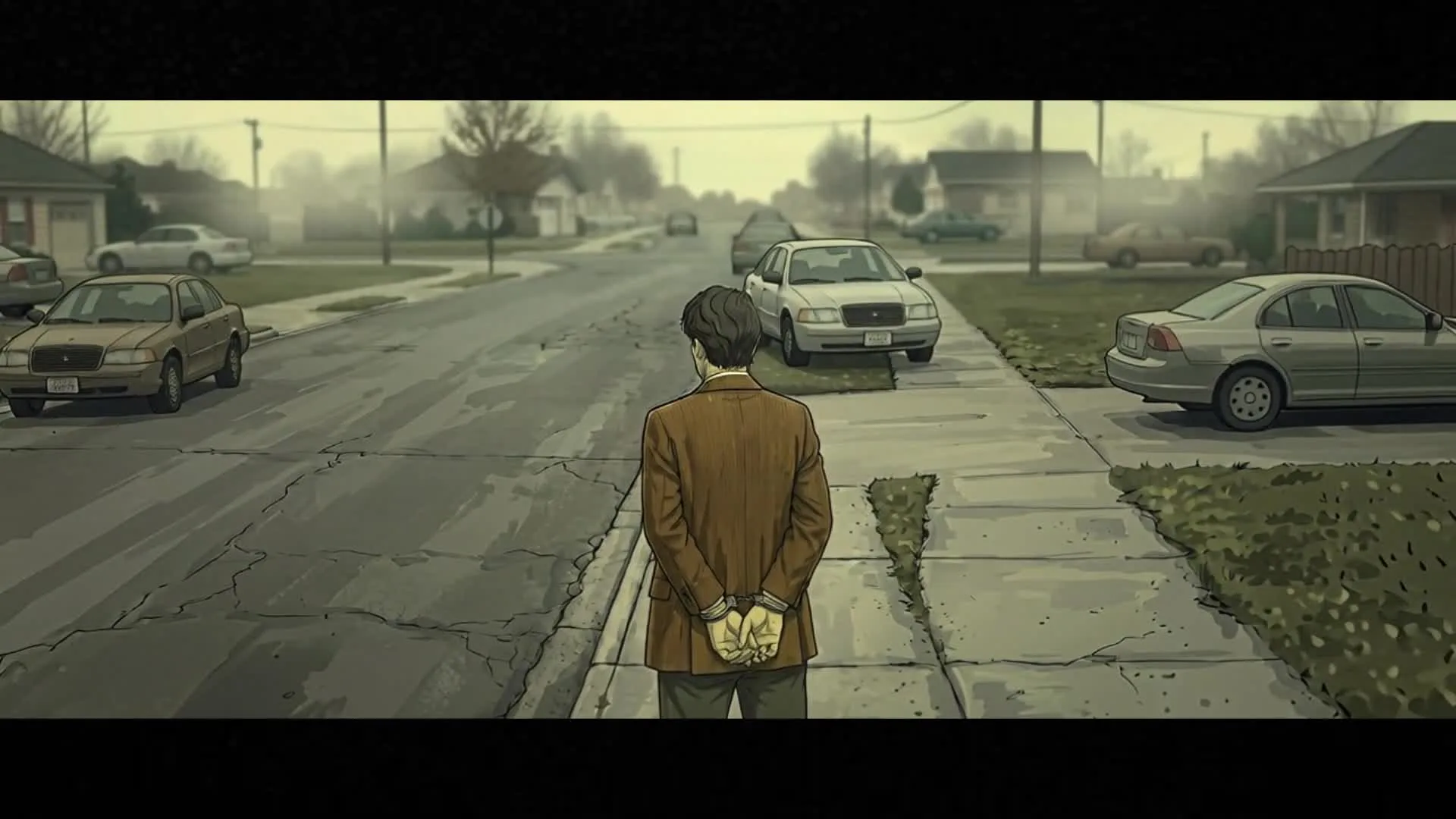
August 1975: a Utah patrolman stops a Volkswagen cruising a dark suburb. The driver — polite law student Ted Bundy — consents to a trunk search revealing a ski mask, a pantyhose mask, a taped crowbar, handcuffs, rope, an ice pick, and torn sheets. Arrested for evading, his name now sits in the state file as a suspicious person.
1 min. 5 sec.
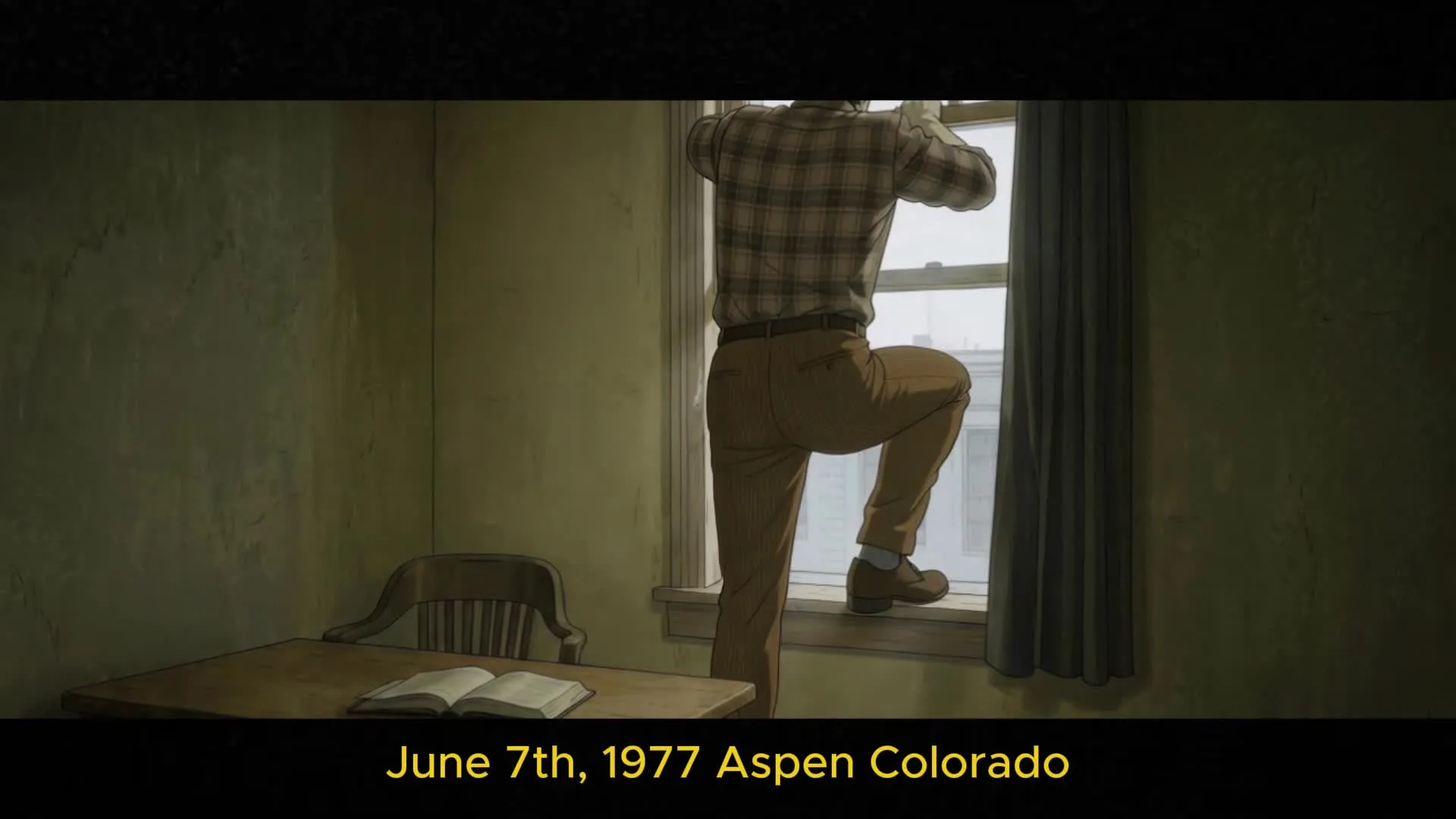
He sits at a desk. He opens a book. He walks to the window. He opens it. He jumps.
1 min. 4 sec.
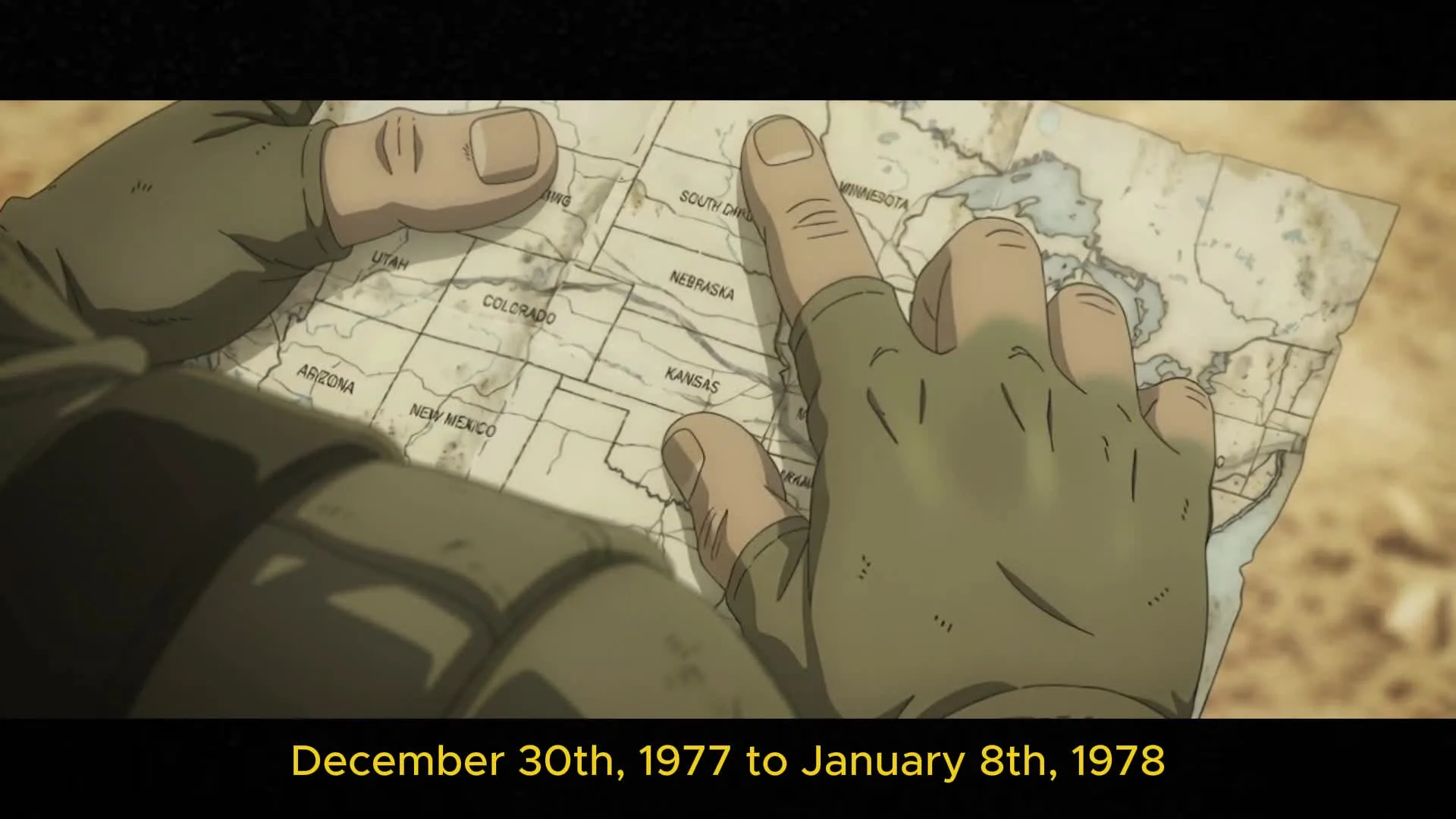
He has lost so much weight by then that he can fit through a small hole in the ceiling of his Glenwood Springs cell. He saws through it with a hacksaw blade. He drops down into an empty closet. He walks out the front door of the jail. By the time guards realise he is gone — he is 30 hours into a 1,800-mile road trip.
1 min. 1 sec.
Free and untracked for over a week, Bundy hitchhikes and rides cross-country to Tallahassee, landing three blocks from Florida State University under the alias Chris Hagen. For seven nights he prowls the campus, watching sorority and dorm windows and picking targets. On the eighth night, he stops watching — and walks toward Chi Omega.

1 min. 3 sec.
January 15, 1978, 3 a.m.: in fifteen minutes Bundy attacks five sleeping women across two houses, killing Margaret Bowman and Lisa Levy and savagely injuring three others. He flees when disturbed — but leaves behind a clear bite mark on Lisa Levy's body from a chipped front tooth, the evidence that will one day send him to the chair.
1 min. 8 sec.
February 9, 1978: 12-year-old Kimberly Leach, long brown hair parted in the middle, is led into a white van during a three-minute walk back to class. She is his youngest victim, found two months later. The fibre evidence from her case will help convict him — and six days after she vanishes, Bundy is finally caught in Pensacola.
1 min. 1 sec.
Officer David Lee stops a stolen Volkswagen running dark through Pensacola. The polite driver gives a false name, then attacks and flees; after a struggle and two pistol-whips, Lee cuffs him. 'I wish you had just killed me,' Bundy says. Two days later he gives his real name — and Florida realizes it holds the FBI's tenth most wanted fugitive.
1 min. 8 sec.
June 1979, Miami: at America's first nationally televised murder trial, Bundy fires his lawyers and represents himself. The prosecution projects the bite mark from Lisa Levy beside a cast of Bundy's teeth — a precise match including his chipped incisor. Convicted on all counts and sentenced to death, he later marries Carole Boone in open court.
1 min. 2 sec.
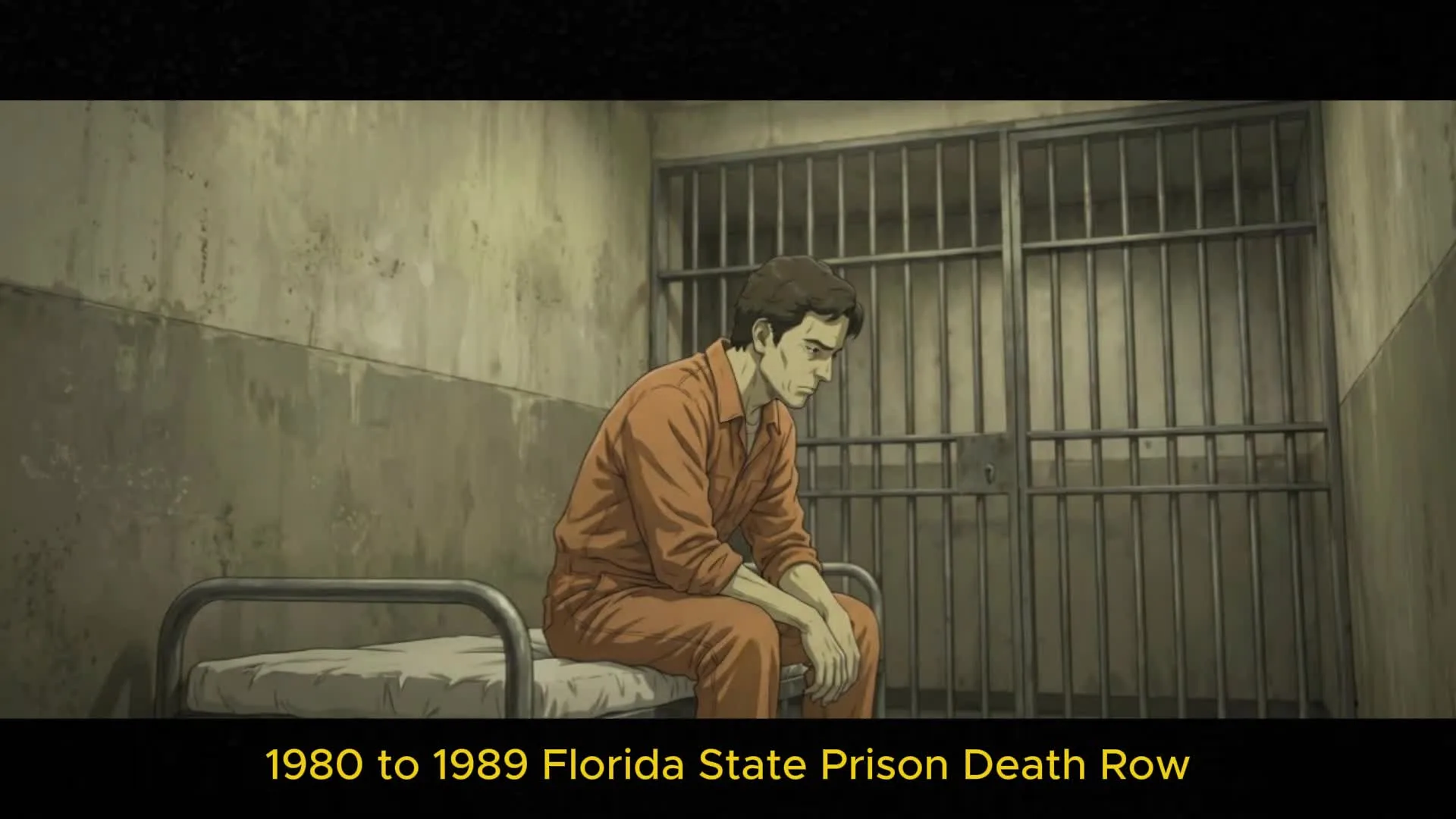
1980–1989: Bundy files endless appeals, fathers a daughter through smuggled prison visits, and trades insight to detectives by profiling the still-uncaught Green River Killer. He confesses in pieces to murders in five states, blaming everything but himself. The night before he dies, he admits to thirty killings — authorities suspect far more.
1 min. 2 sec.
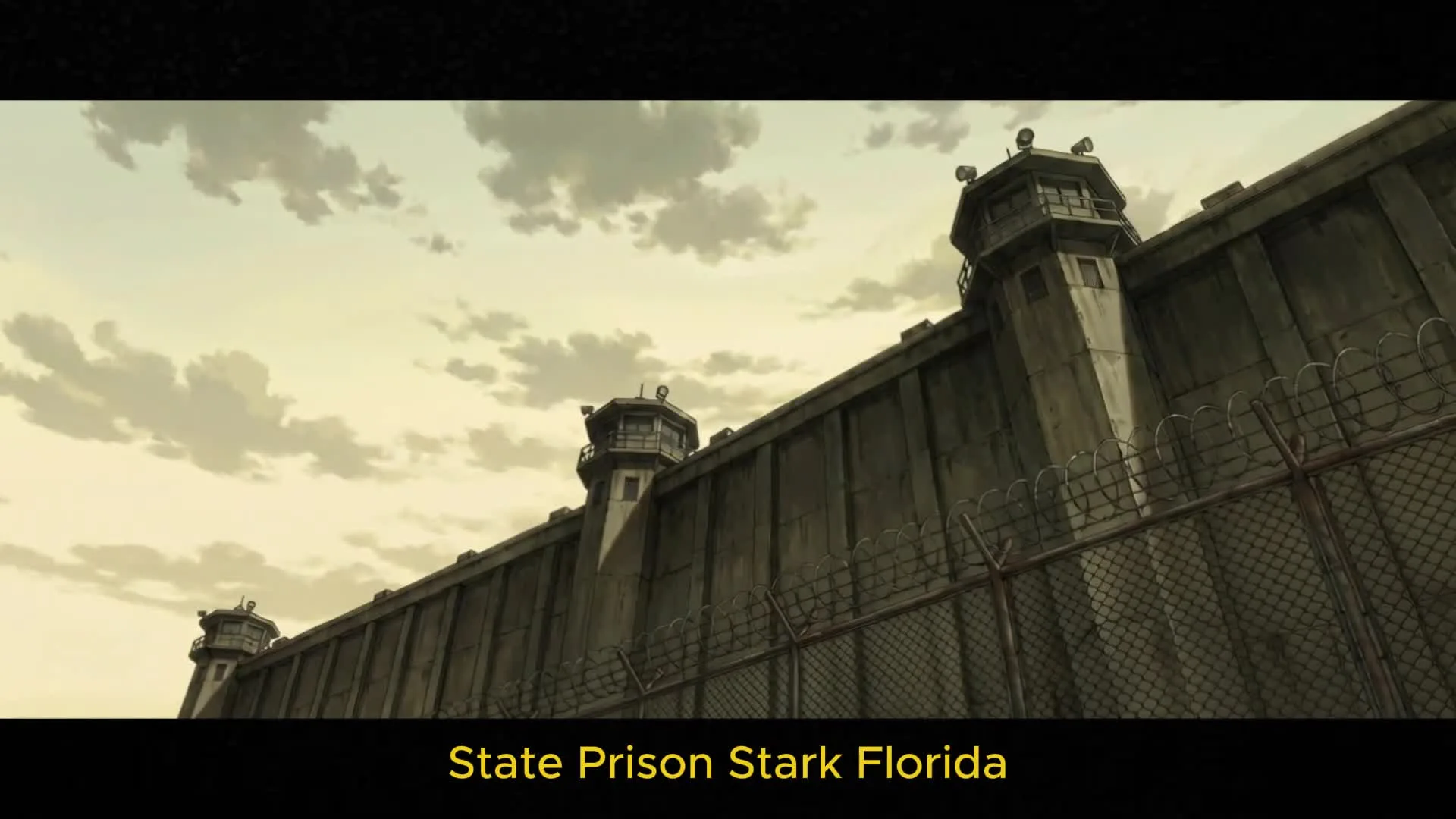
January 24, 1989, 7:06 a.m.: gaunt and shaved at the crown, Bundy gives his final words and is executed in the electric chair, pronounced dead at 7:16. Outside, more than 200 people cheer, bang frying pans, and set off fireworks — the only U.S. execution publicly celebrated in the streets. His ashes are scattered over his Washington dump sites.
1 min. 7 sec.
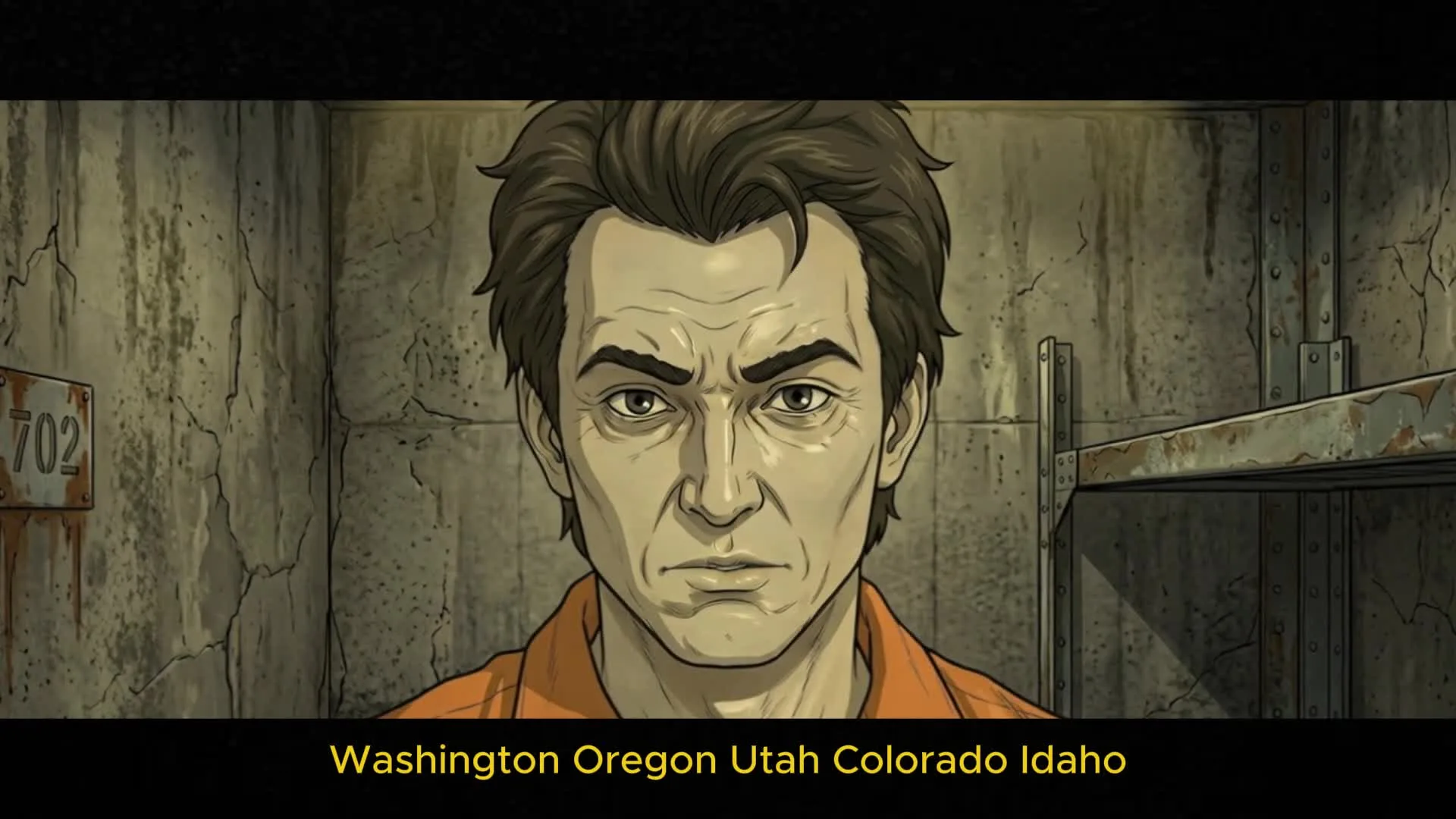
The reckoning: Bundy confessed to murders across seven states, with estimates running to eighty or a hundred. The twenty named victims are listed alongside ten more he described but never identified — women whose families still don't know they're gone. His legacy reshaped the FBI, missing-persons databases, and the very phrase 'serial killer.'