
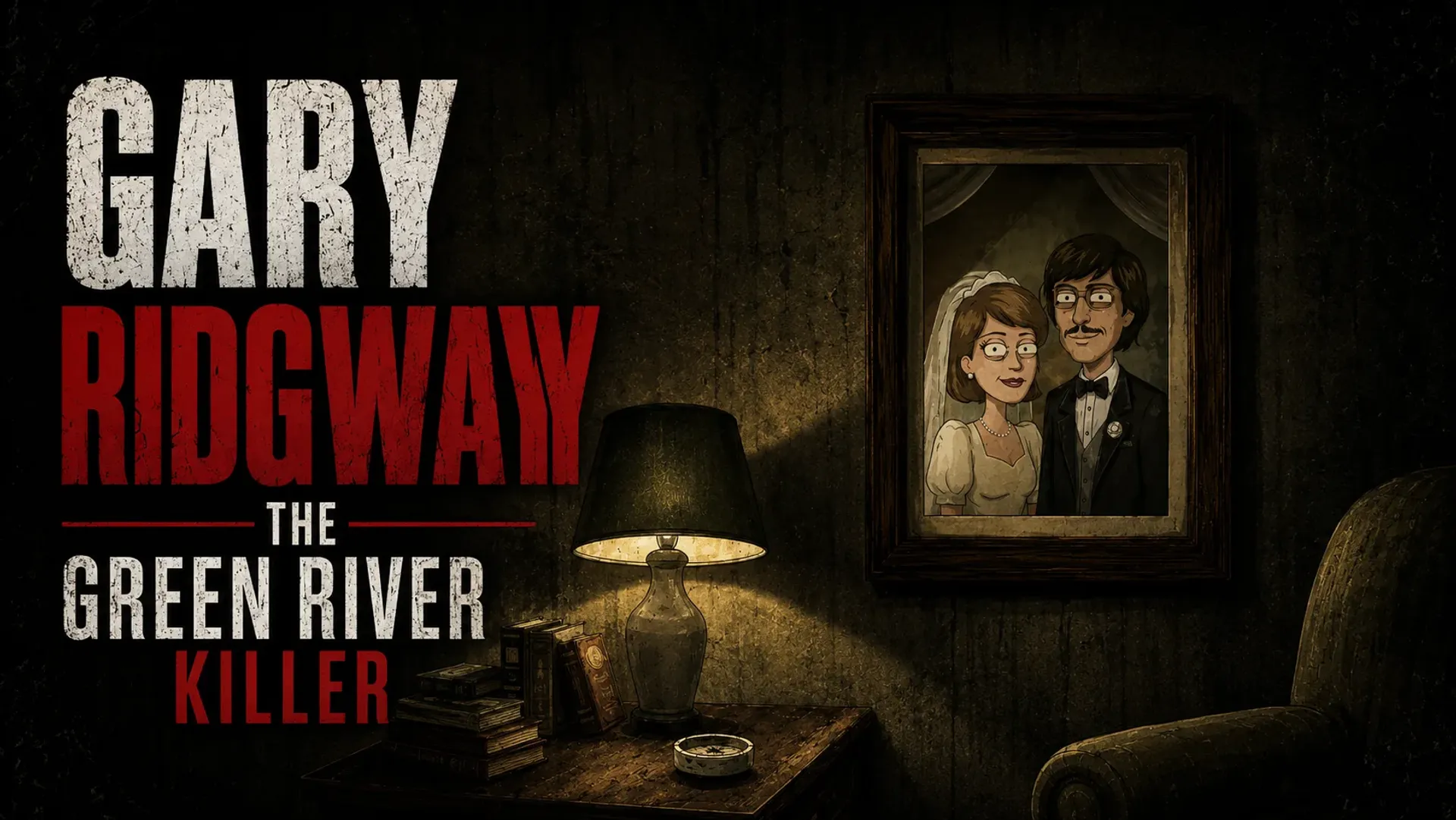
20 episodes
.SIP
Gary Leon Ridgway's birth in Salt Lake City in 1949, his family's move to the working-class SeaTac suburb of McMicken Heights when he was nine, and the early shaping forces — a domineering mother who publicly humiliated him over chronic bedwetting, an IQ tested at 82, and a quiet outward personality that masked unusual sexual and emotional confusion. Closes on the family geography that would never change. Ridgway would live within fifteen miles of this house for the rest of his life.
20 episodes
1:23
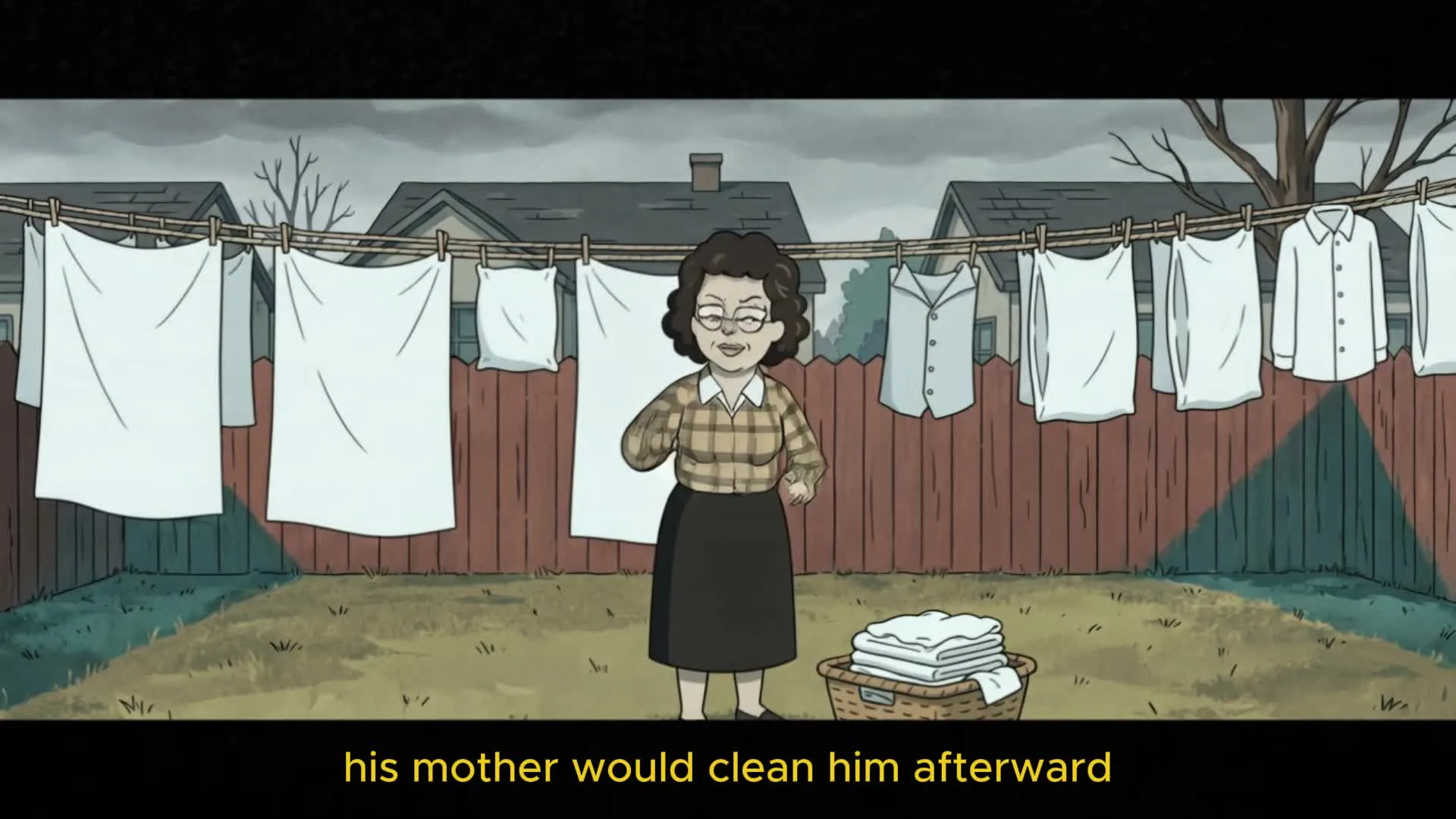
Gary Leon Ridgway's birth in Salt Lake City in 1949, his family's move to the working-class SeaTac suburb of McMicken Heights when he was nine, and the early shaping forces — a domineering mother who publicly humiliated him over chronic bedwetting, an IQ tested at 82, and a quiet outward personality that masked unusual sexual and emotional confusion. Closes on the family geography that would never change. Ridgway would live within fifteen miles of this house for the rest of his life.
1:18
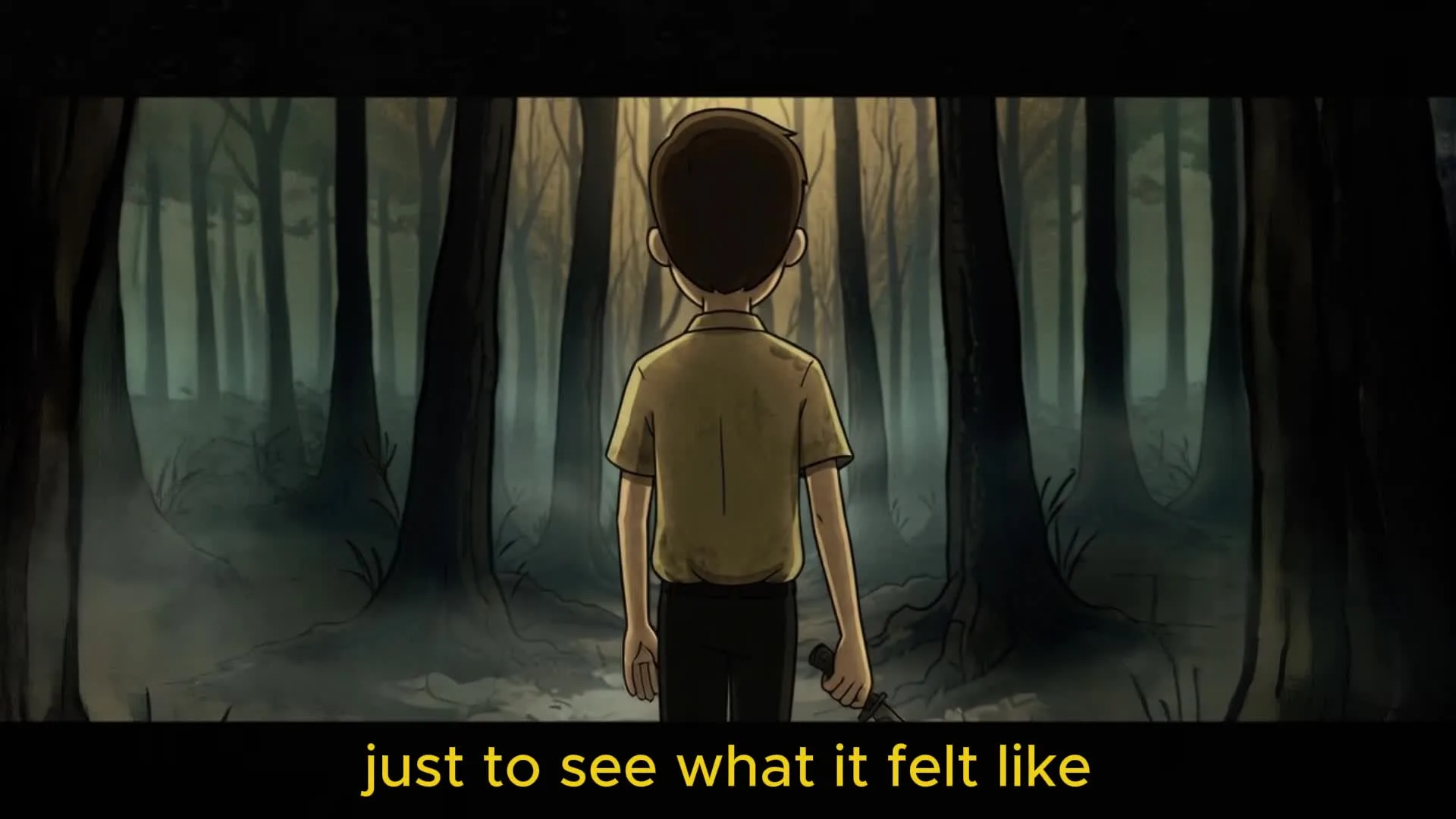
1965. At age 16, Gary Ridgway led a six-year-old neighbourhood boy into a wooded lot and stabbed him through the kidney. The boy survived. When asked by police why he had done it, Gary said — 'I wondered what it would feel like to kill someone.' He was a juvenile. He was not charged. The episode closes on the unanswered question that would define everything that followed, and the local Sheriff's office that filed the incident away without a referral.
1:17
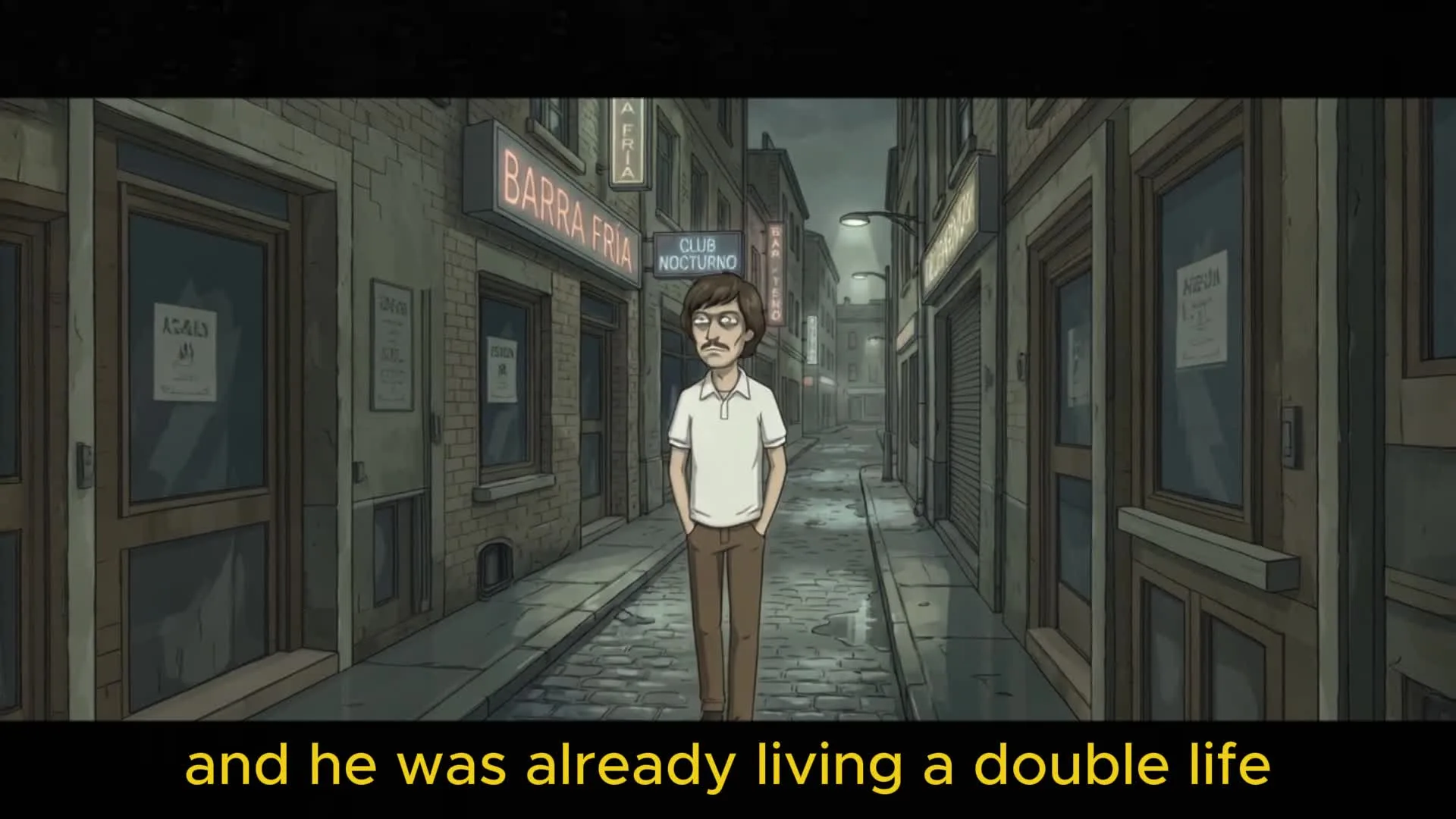
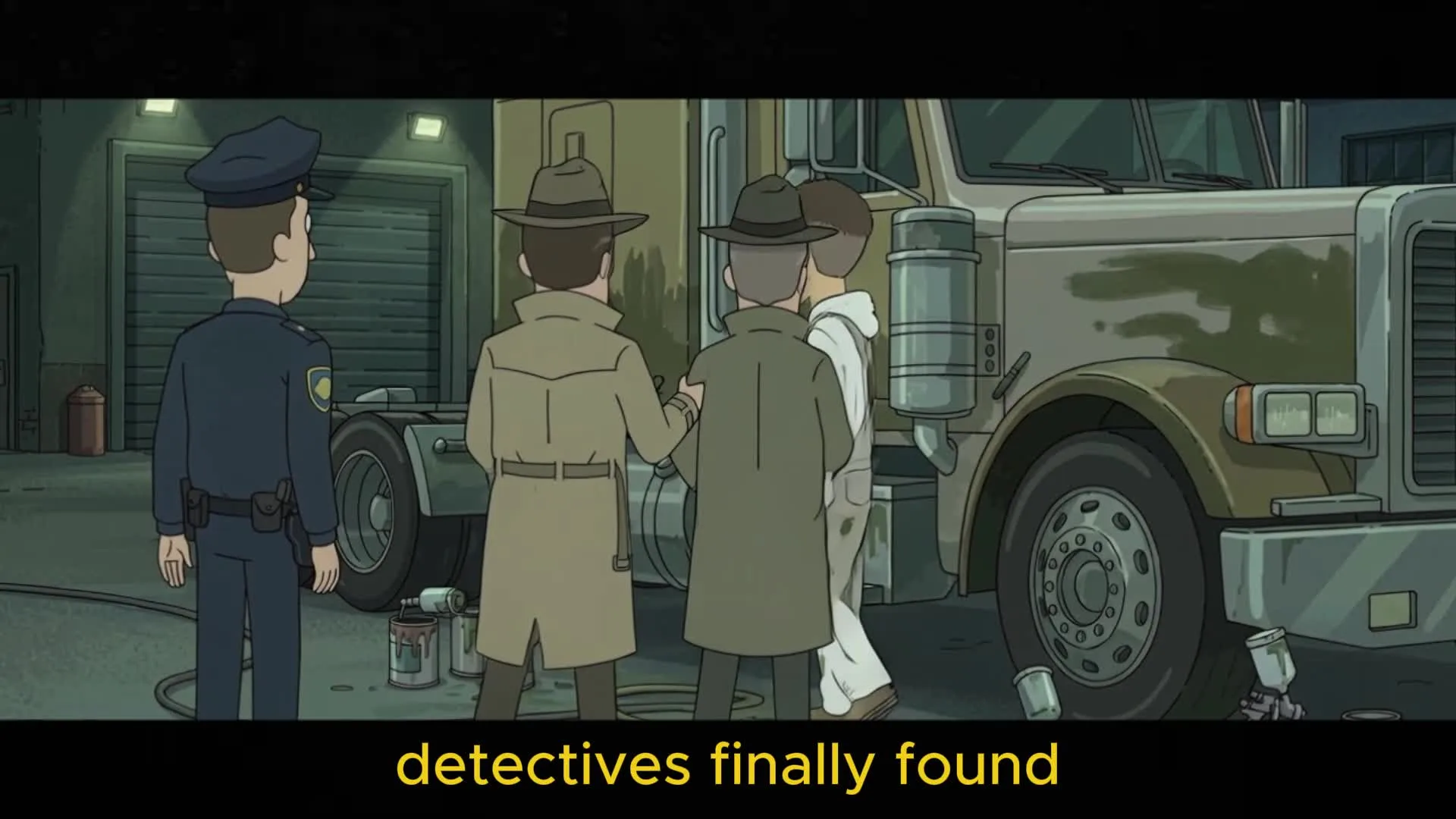
Ridgway's two-year Navy deployment aboard the USS Continental Divide during the Vietnam War. Shore-leave visits to commercial brothels in the Philippines, Vietnam, and Thailand. Two cases of gonorrhea. The crystallisation of a lifelong hatred of prostitutes that he would later cite, directly, as his entire motive for the killings. His honourable discharge in 1971, return to Washington, and immediate hiring as a truck painter at the Kenworth Trucking plant in Renton.
1:21
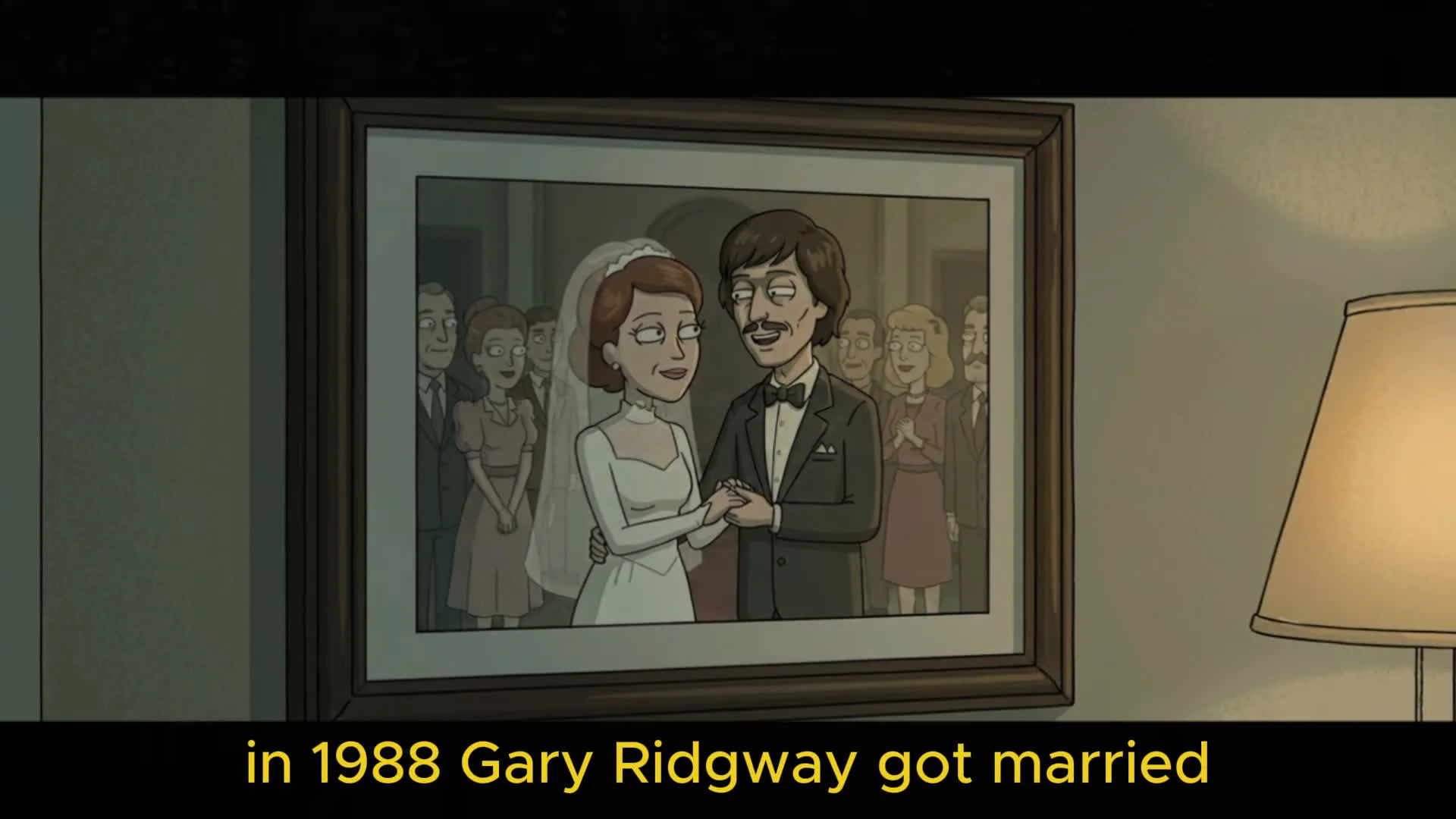
1973 to 1981. Ridgway's conversion to Pentecostal Christianity, the door-knocking, the public preaching against pornography and prostitution. His second marriage to Marcia Brown, the birth of his only son Matthew in 1975, and the photograph of Matthew he began carrying in his wallet — the photograph he would later use to disarm victims. The collapse of the second marriage, the move to Auburn, and his third marriage to Judith Lynch. The dual life that nobody in his church, his workplace, or his family ever suspected.
1:09
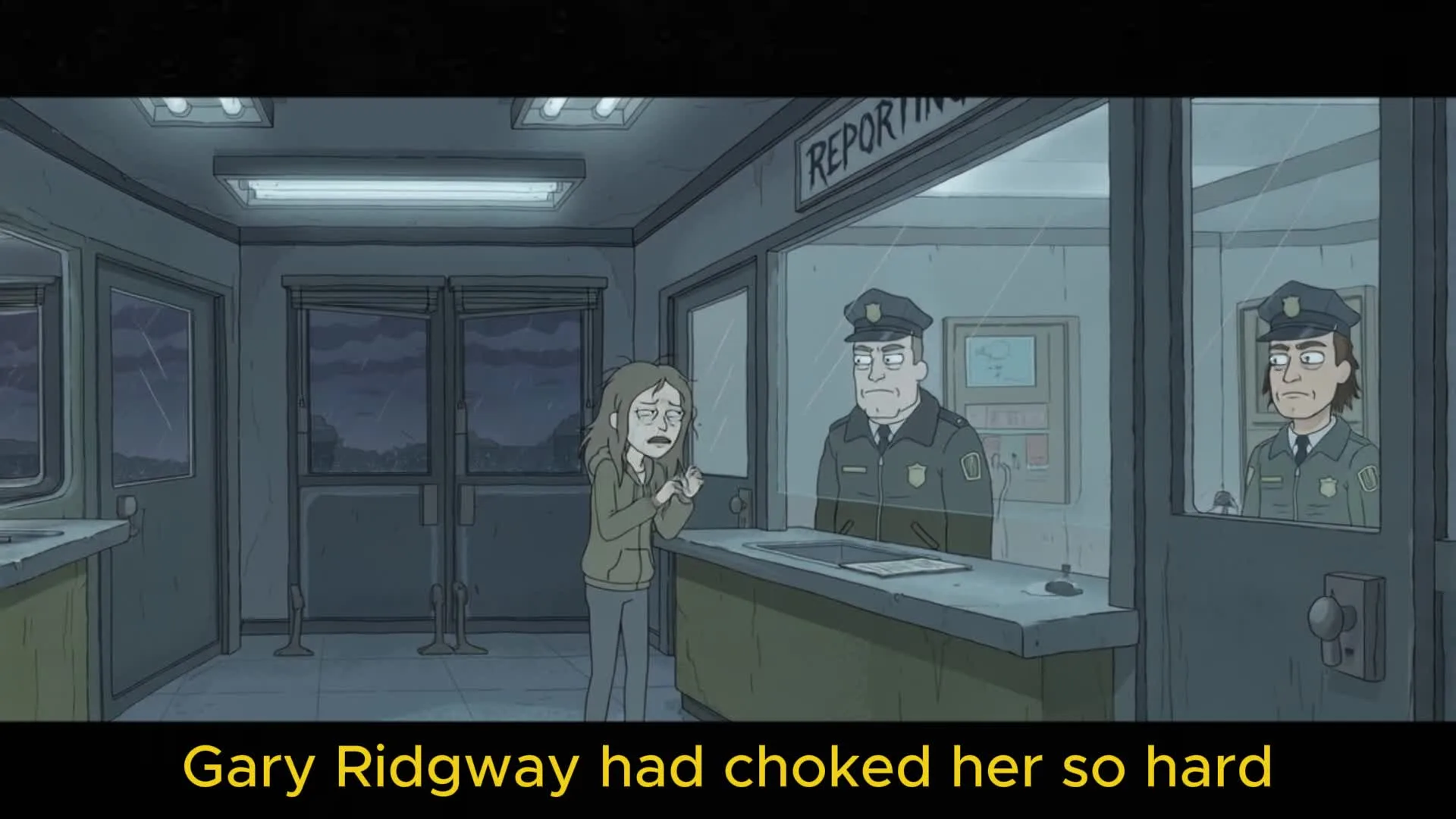
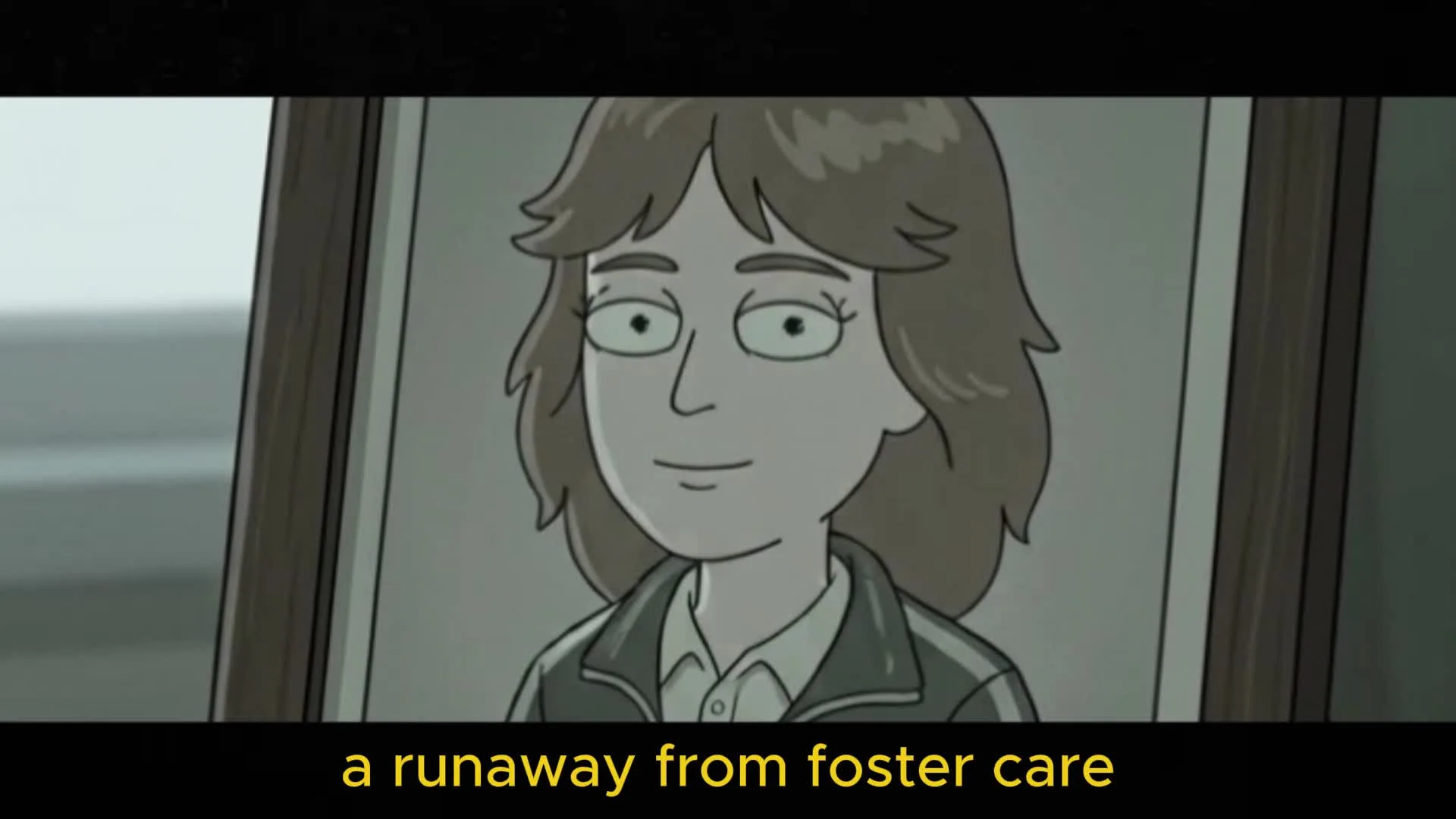
July 15, 1982. Two boys riding their bicycles across a bridge over the Green River near Kent, Washington look down and see a body in the water. The first known Green River victim — Wendy Lee Coffield, 16-year-old runaway. The arrival of a young King County detective named Dave Reichert at his first major homicide scene. The initial classification of the case as an isolated sex-worker murder. The Seattle Times publishing the first article. The case had its name, but not yet its shape.
1:14
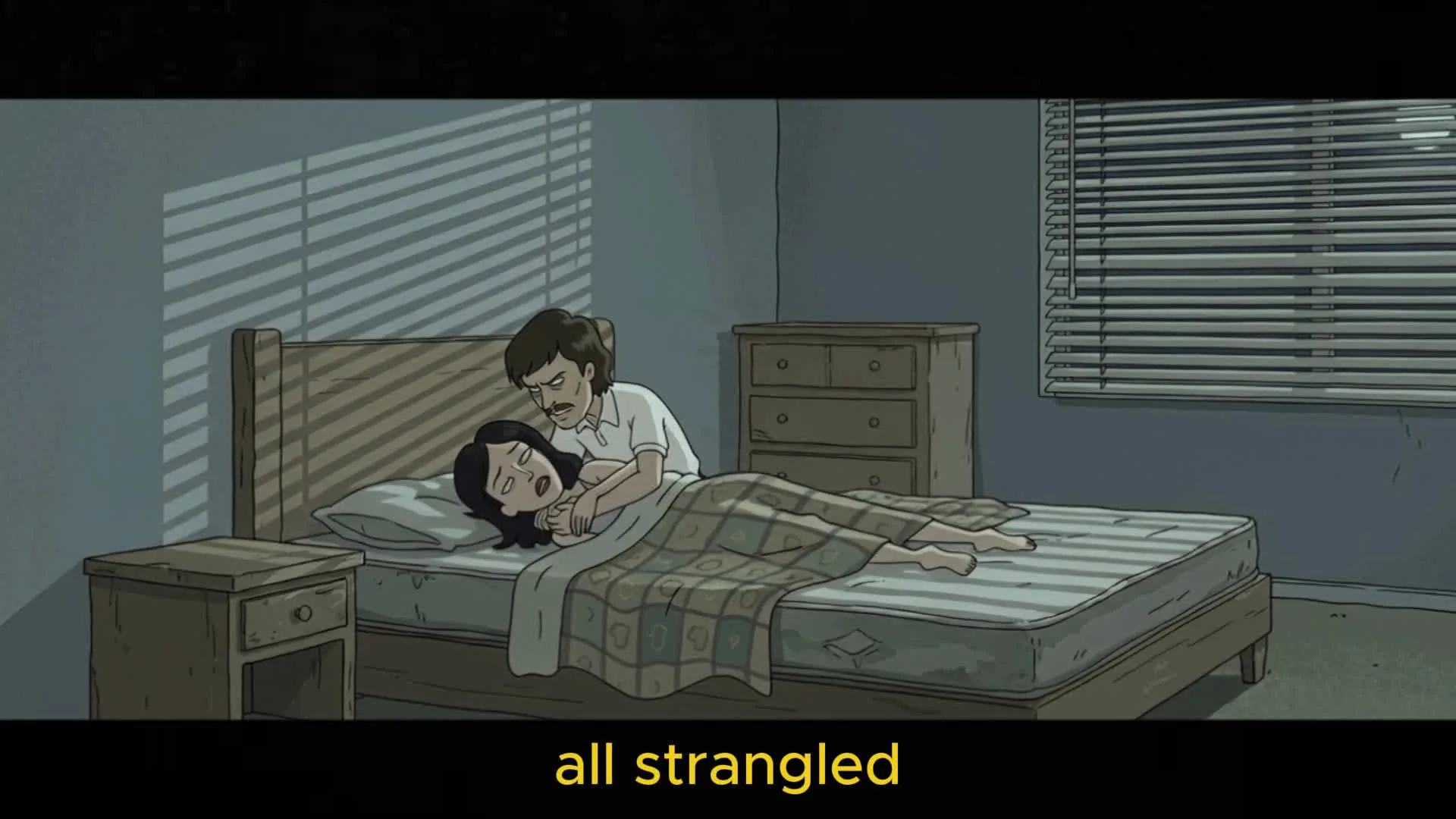
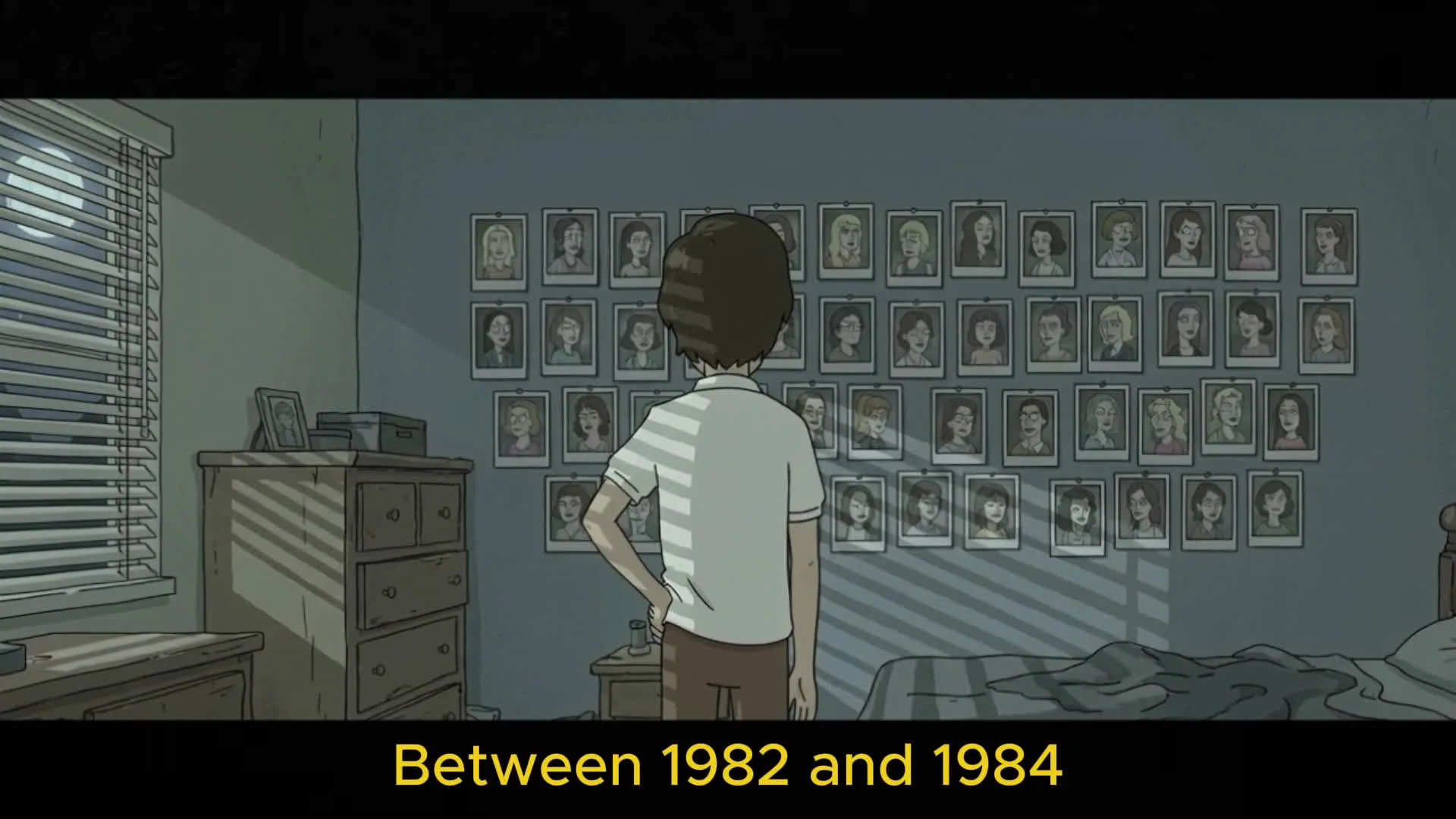
August 12 to 15, 1982. Four more bodies in 72 hours, all in the same six-mile stretch of the Green River — Marcia Chapman, Cynthia Hinds, Opal Mills, and Debra Bonner. The King County Sheriff's recognition that they have a serial offender. Reporter Carlton Smith of the Seattle Times coining the name 'The Green River Killer' on the August 16 front page. The formal launch of what would become the largest serial-murder investigation in Pacific Northwest history.
1:29
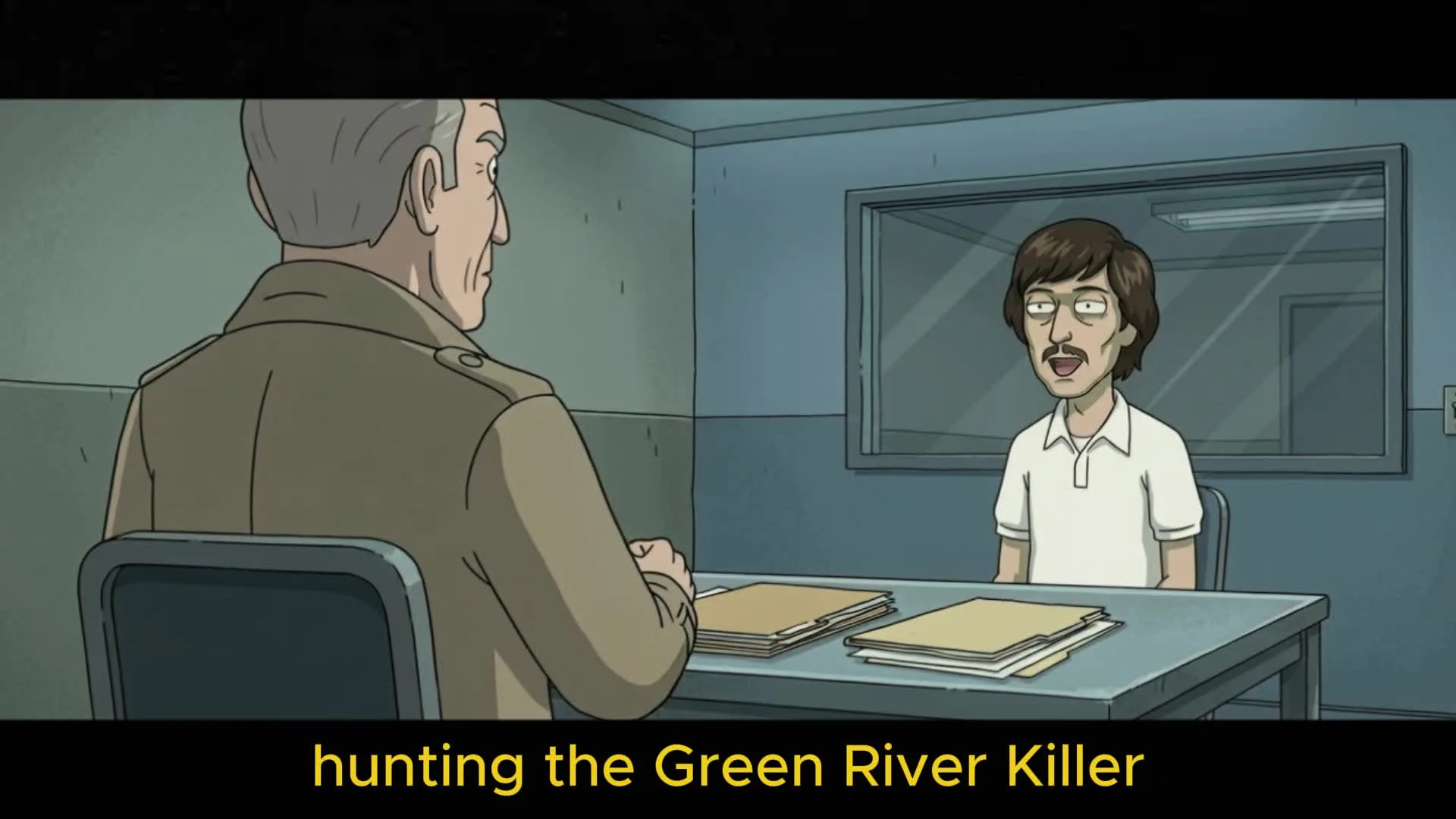
1984 to 1988. The expansion of the Green River Task Force to over 50 full-time detectives under lead investigator Dave Reichert and consulting detective Robert Keppel (who had worked the original Bundy case in 1974). The interview of Gary Ridgway as a person of interest in 1983 and 1984. His successful passing of a polygraph in May 1984. His removal from the active suspect list. Keppel's later observation that Ridgway 'fit the profile so perfectly that the profile itself failed.'
0:59
November 1984. Detective Robert Keppel receives a typed letter from Florida State Prison. Ted Bundy — five years into his death-row stay — is offering to consult on the Green River case. Keppel and Reichert fly to Florida and meet with Bundy three times across the next four years. Bundy invents a name for the unknown killer — 'the Riverman.' He suggests dump-site stake-outs. He produces no breakthrough. He is executed in January 1989. Ridgway, the real Riverman, is at that moment painting trucks at Kenworth in Renton.
0:53
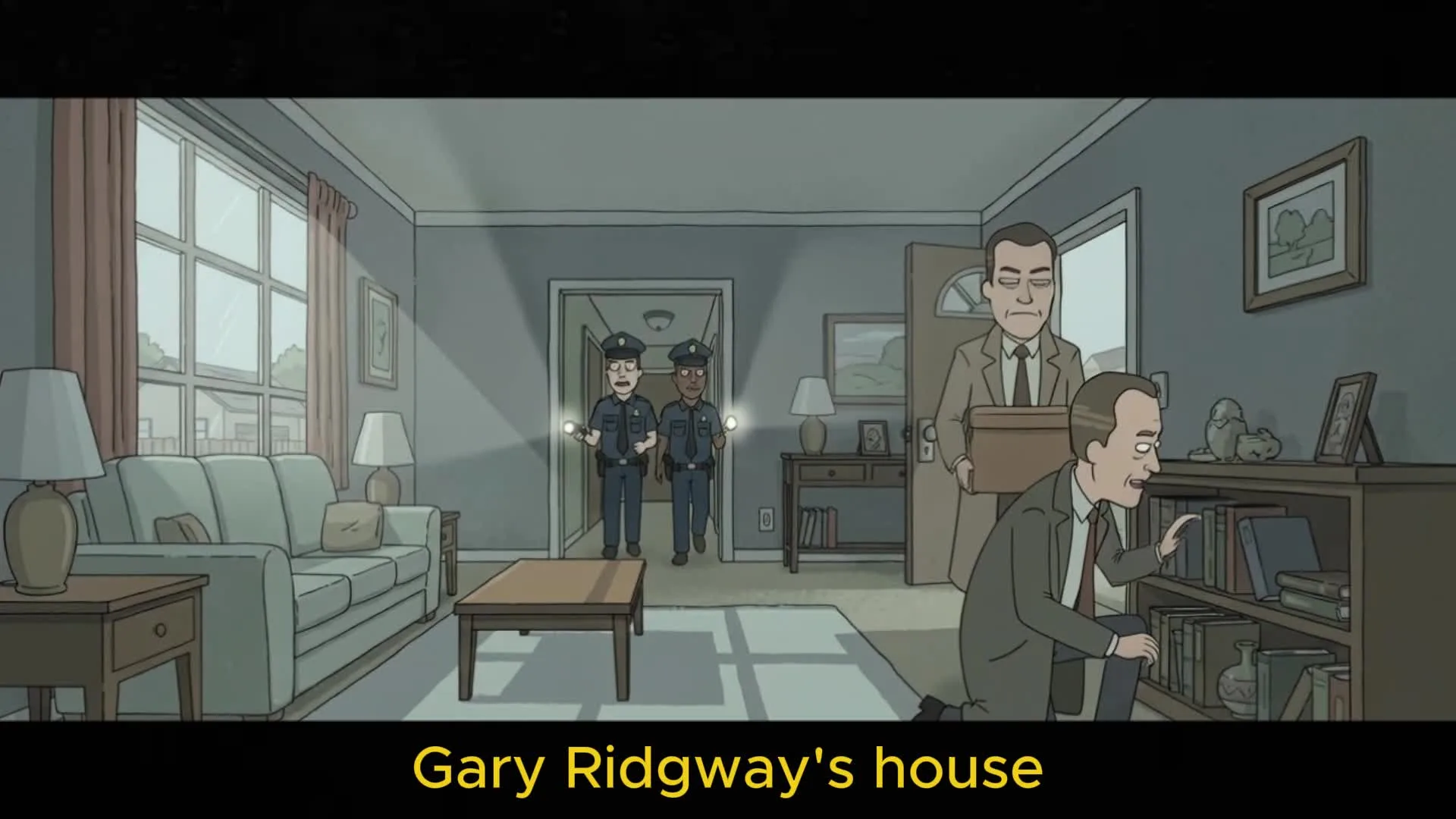
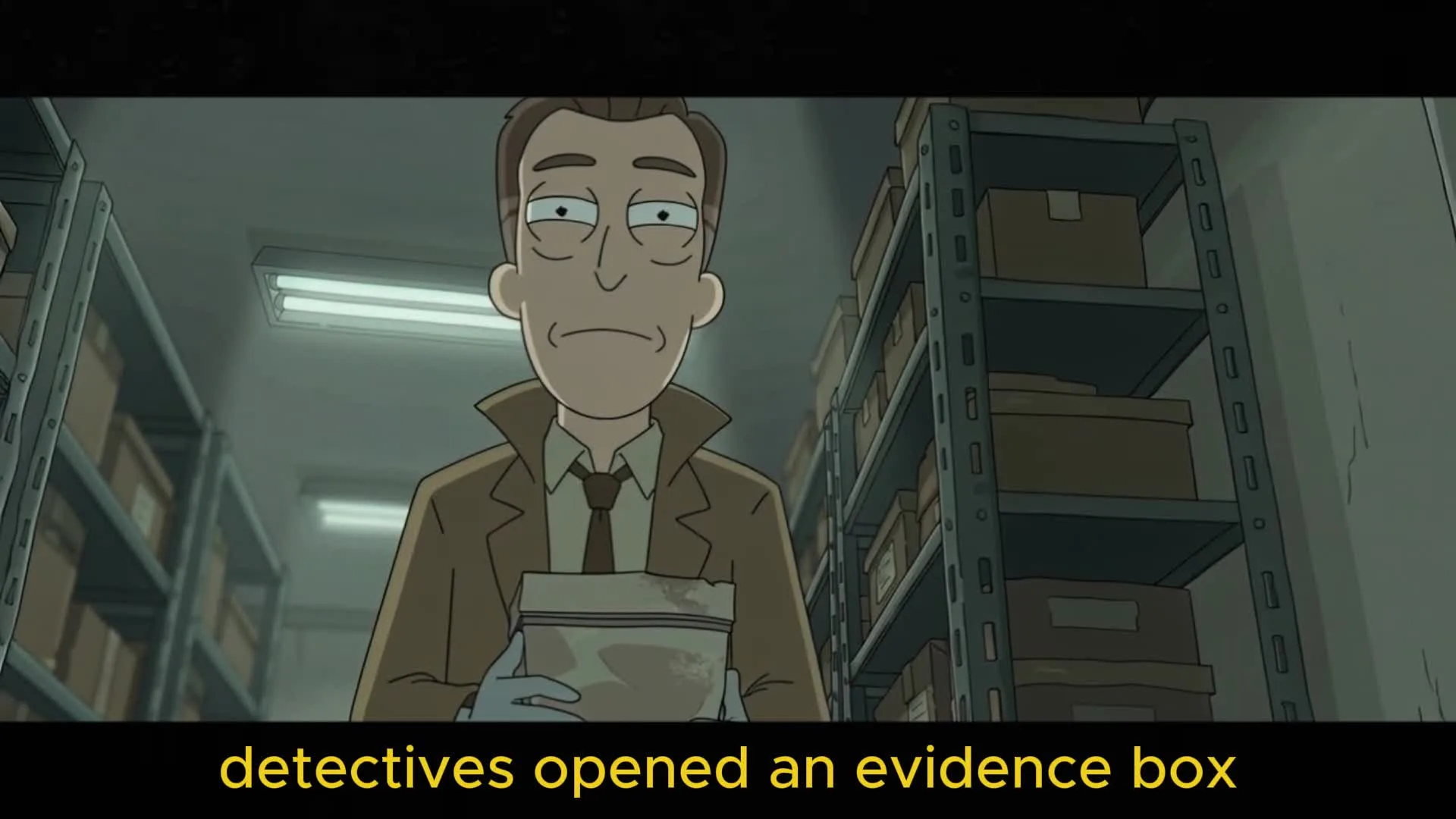
April 8, 1987. King County detectives execute a search warrant on Gary Ridgway's house. They collect a saliva sample from him with his consent, log it as evidence Item GR-87-014, and place it in storage. The DNA technology to match the sample to small biological traces from 1982 crime scenes does not yet exist. The sample will sit in a tagged plastic envelope on a King County evidence shelf for the next fourteen years. He continues to kill the entire time.
1:06
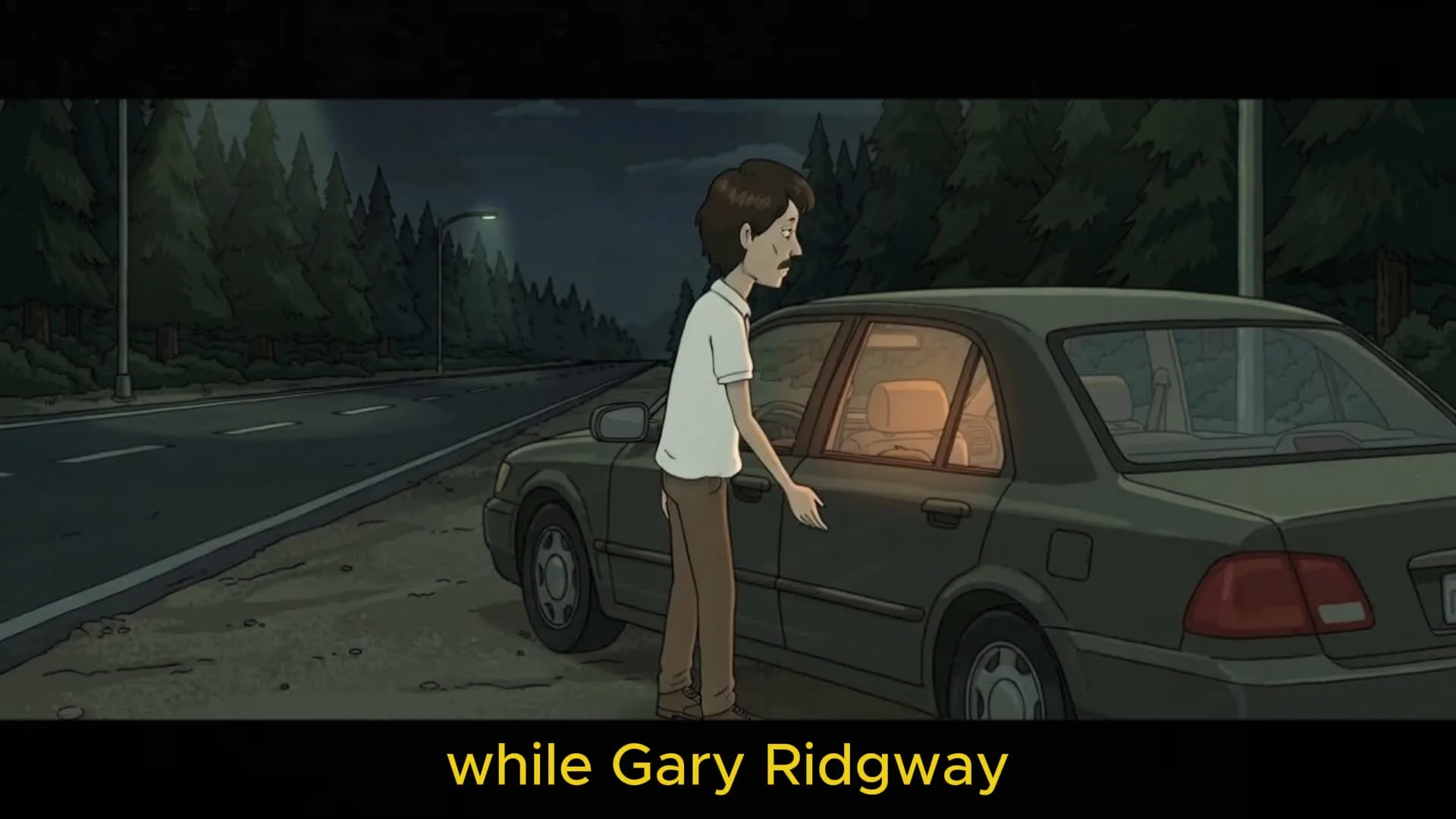
1988 to 1997. The years in which the Green River killings appeared, publicly, to have stopped — but in reality continued at a reduced and more carefully concealed pace. The Task Force is gradually scaled down from 50 detectives to 3. Ridgway kills approximately 14 additional victims in this period, including Wendy Stephens, Rebecca Marrero, and Lori Anne Razpotnik — none of whom would be identified until decades later. The dump sites become more remote. The bodies stop appearing in the river.
1:00
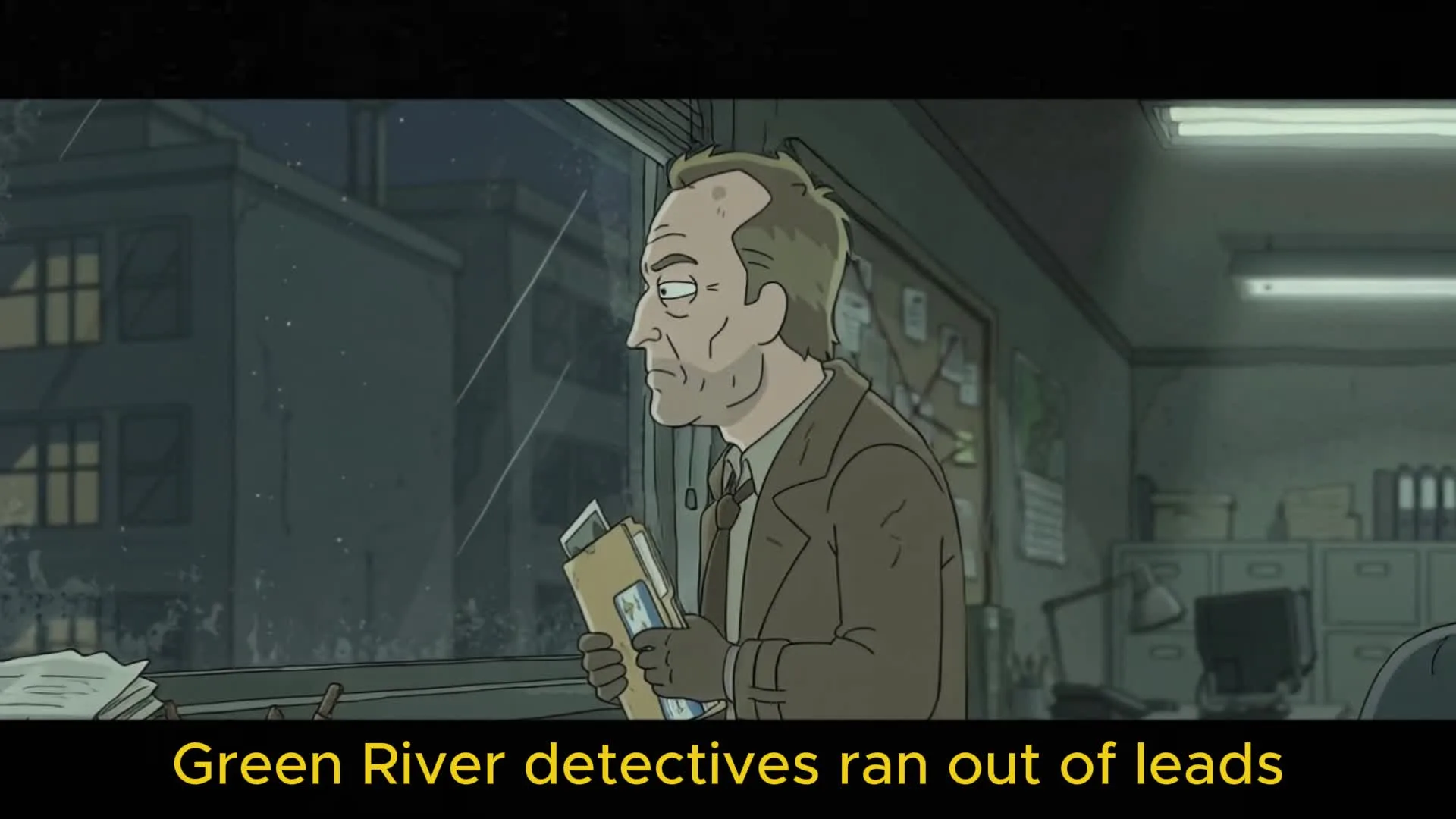
1997 to March 2001. Dave Reichert is elected King County Sheriff and immediately reopens the Green River cold case. Detectives Tom Jensen and Sue Peters lead a small cold-case unit re-inventorying every piece of biological evidence preserved from the 1980s scenes. The arrival of STR-PCR DNA analysis in 2000. Forensic scientist Beverly Himick of the Washington State Patrol Crime Lab applies the new technique to preserved 1982 semen samples — and obtains complete DNA profiles for the first time.
1:10
November 30, 2001. King County detectives Tom Jensen, Sue Peters, and Randy Mullinax wait in the Kenworth Trucking parking lot. At 3:02 p.m., Gary Ridgway walks out the south door carrying his lunch bucket and his rolled-up green coveralls. Detective Mullinax intercepts him. Ridgway is told he is under arrest for four murders. He says — 'OK.' He hands over his lunch bucket and extends his hands. Within hours, his mugshot is on the front page of every American newspaper.
0:53
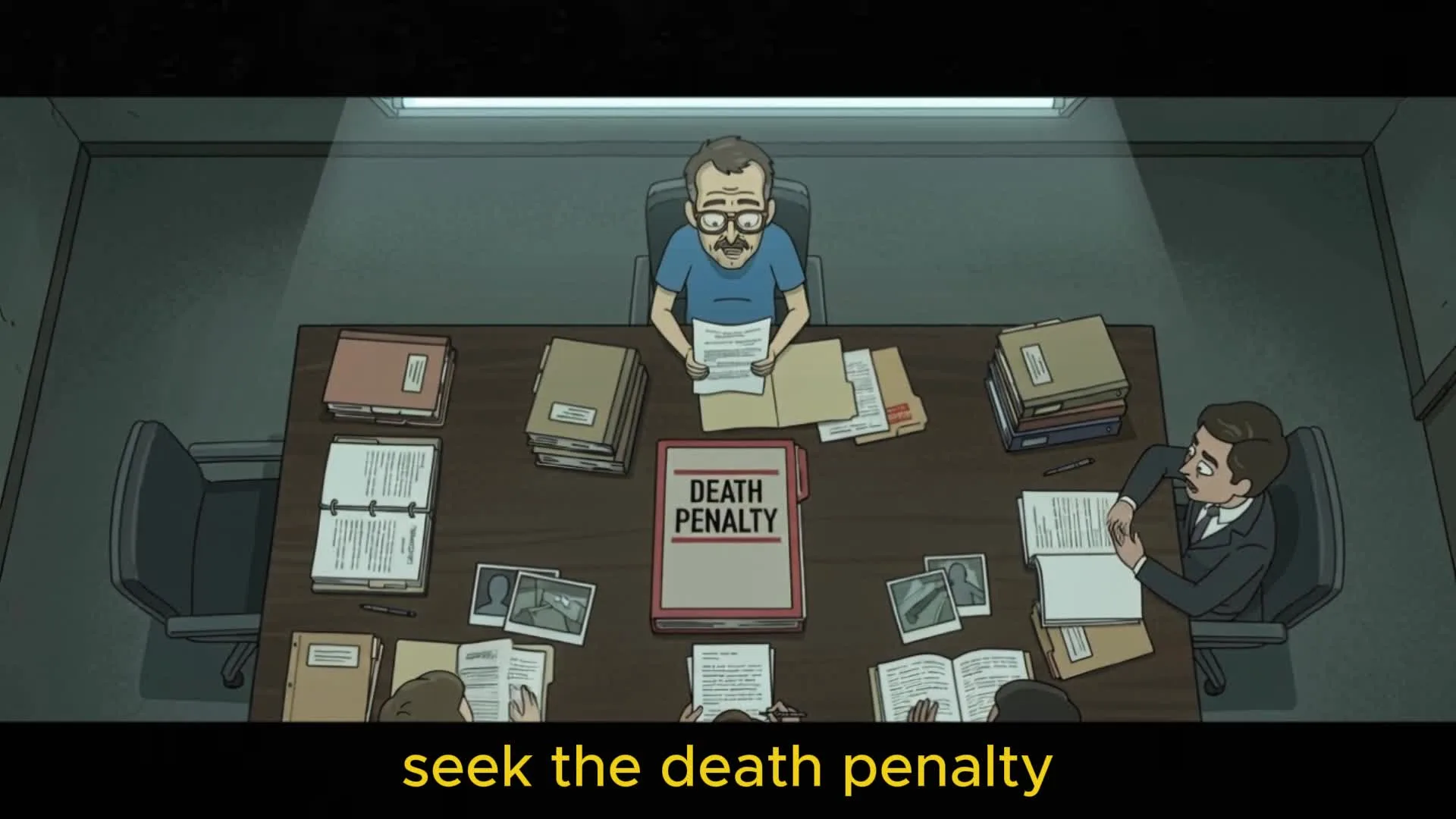
December 2001 to June 2003. King County Prosecutor Norm Maleng faces the decision of his career — push for the death penalty on the four DNA-confirmed murders and risk Ridgway taking everything else to his grave, or offer him life in prison in exchange for full cooperation on every Green River killing. Maleng chooses the deal. The controversial public announcement on June 30, 2003. The split reaction from victims' families. Sheriff Reichert's defence of the decision in two words — 'We need to know.'
1:08
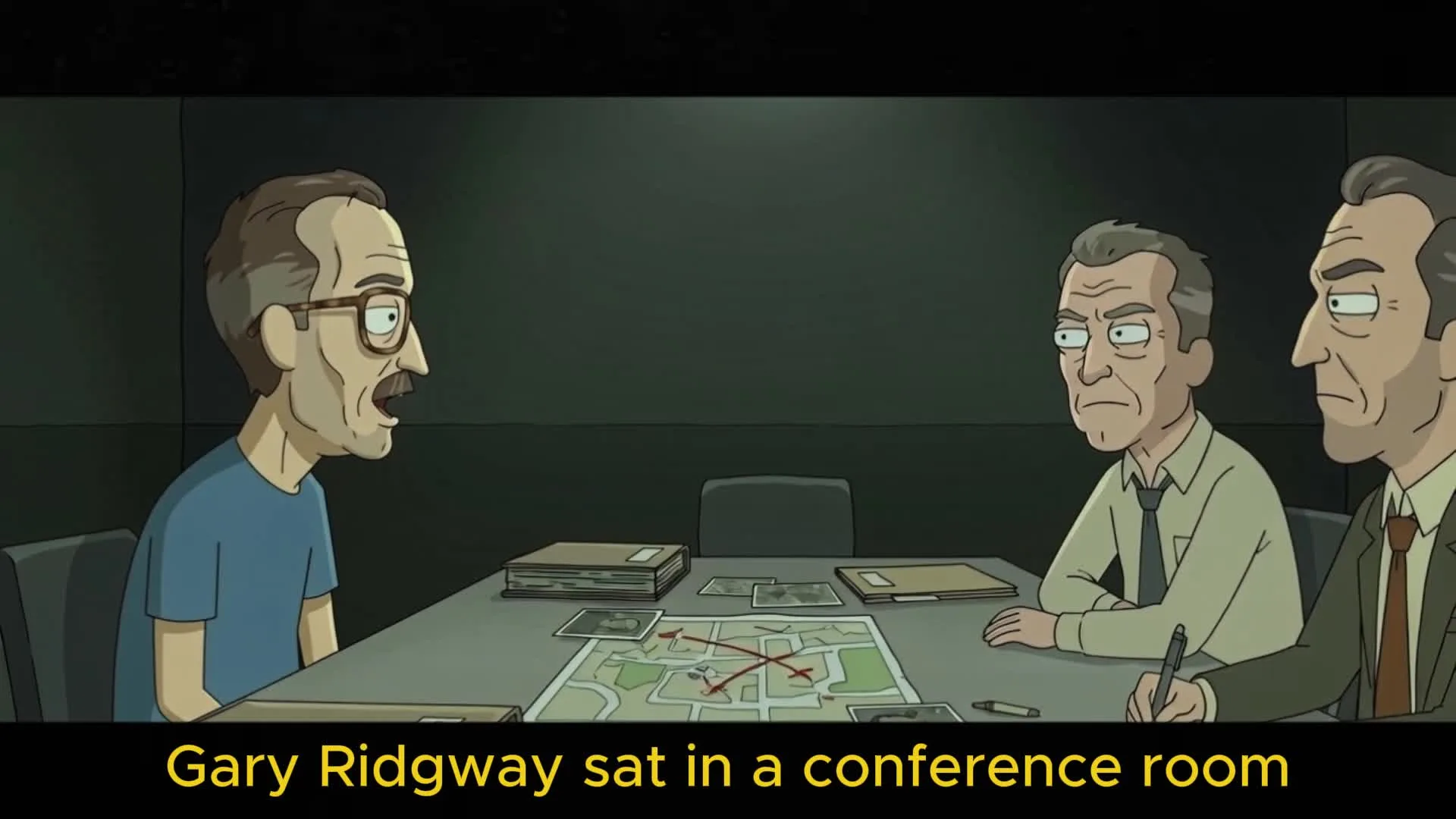
June to November 2003. Six months in which Gary Ridgway is brought daily from the King County Jail to a sheriff's interview room and spends six hours a day with Detectives Tom Jensen and Sue Peters. He confesses to 48 murders. He draws maps. He leads detectives in field trips to remote dump sites and recovers four sets of previously unknown remains. His most famous statement on the record — 'I killed so many women I have a hard time keeping them straight.' His motive in his own words — 'I hated most of them.'
1:01
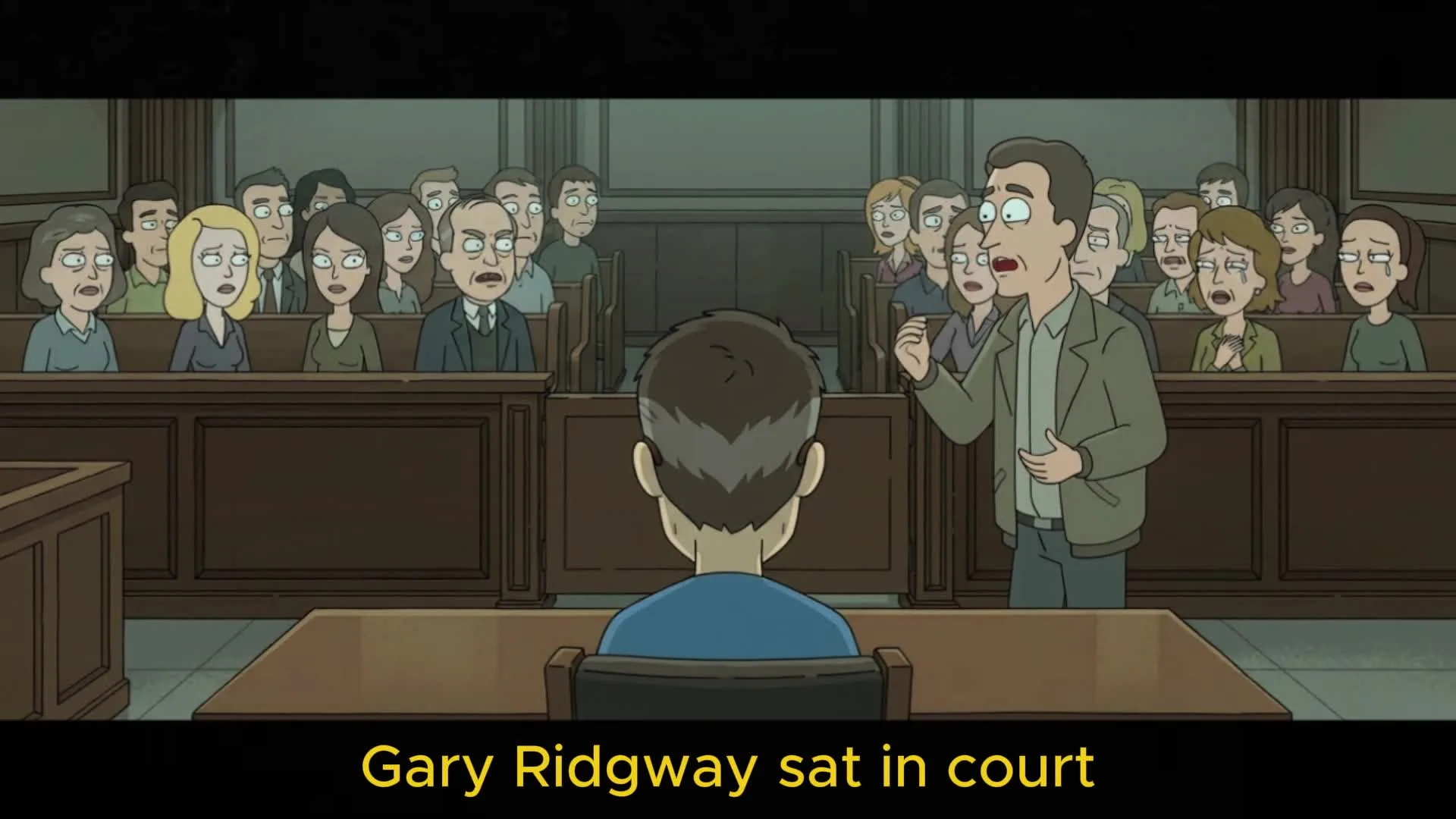
December 18, 2003. The four-hour sentencing hearing at King County Superior Court. The families of 48 victims given an opportunity to address Ridgway directly. The screaming, the weeping, the rage. Then the moment that defines the case for many — Robert Rule, 60 years old, the father of victim Linda Rule, walking to the podium and telling Ridgway, quietly, 'You are forgiven, sir.' Ridgway looks up for the first time all day. He cries openly. It is the only time in his criminal record he is ever documented crying.
0:58
December 2003 to present. Ridgway's life at the Washington State Penitentiary. 23-hour-a-day cell confinement. Painting. Reading. His refusal of media interviews. His occasional meetings with retired Sheriff Dave Reichert. The pattern that emerges across those meetings — Ridgway admitting to additional killings but withholding names and dump-site locations as a personal form of leverage. His refusal to fully cooperate beyond the 2003 plea agreement. His son Matthew's adult-life decision to have no public contact with him.
1:07
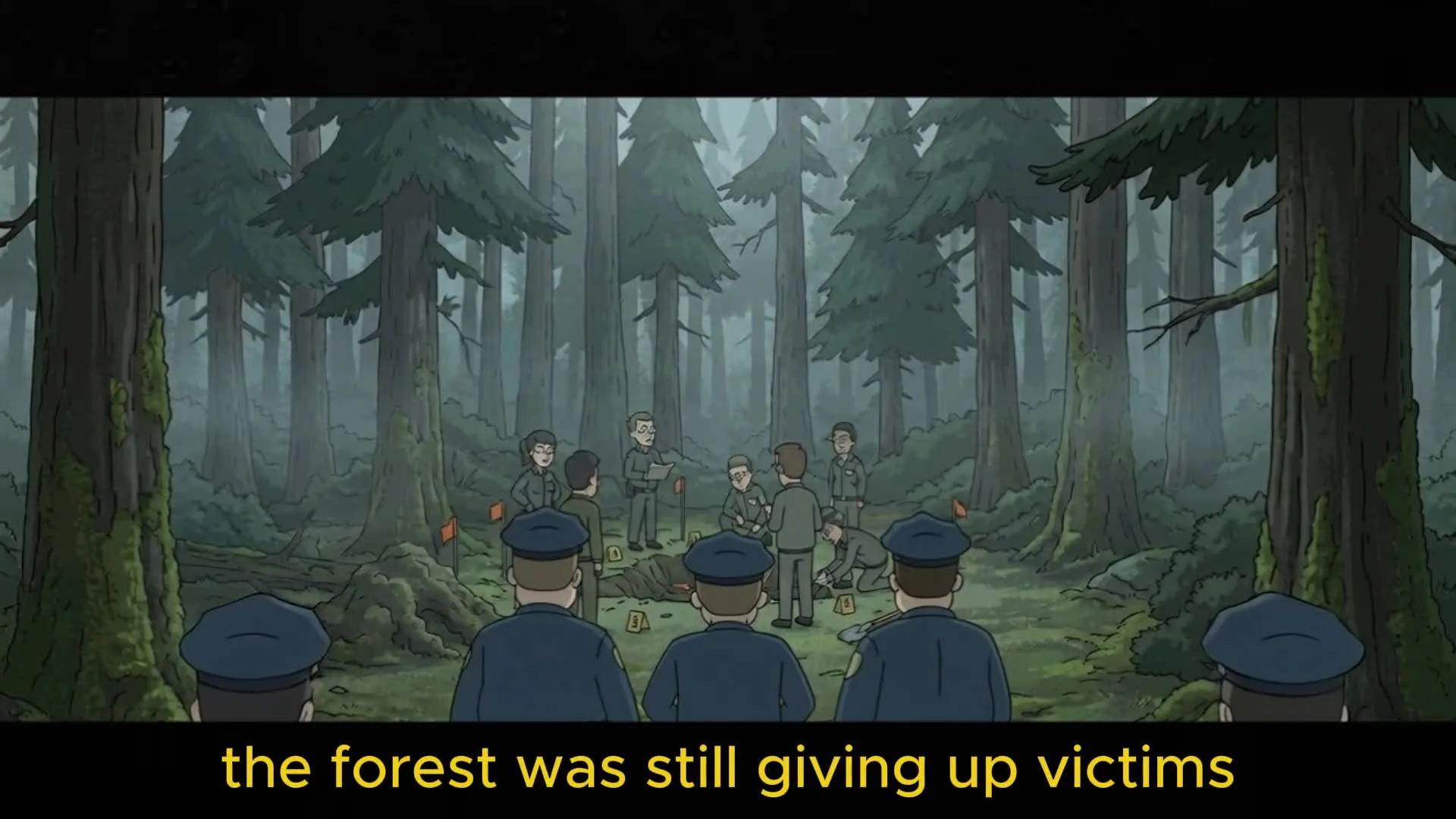
December 21, 2010. Hikers in a remote ravine in Auburn, Washington — three miles from the Mountain View Cemetery dump site Ridgway had used multiple times in the 1980s — discover human skeletal remains. Forensic identification confirms them as Rebecca Marrero, 20 years old, killed in December 1982. Ridgway is charged in early 2011 with a 49th murder. He pleads guilty in King County Superior Court on February 18, 2011. He receives an additional consecutive life sentence. Marrero is finally returned to her family.
1:00
2020 to present. Modern DNA technology continues to identify previously unnamed Ridgway victims. September 2020 — Wendy Stephens, 14, runaway from Denver, killed August 1983, identified through familial DNA matching. December 2023 — Lori Anne Razpotnik, 15, runaway from Lewis County, killed 1982. The continuing work of the small King County cold-case team. The notifications to surviving families decades after they had stopped looking. Wendy Stephens's father died in 2014 — six years before her identification. Her siblings received the answer in his absence.
0:59
The accounting. Officially convicted on 49 counts of aggravated first-degree murder. Privately claimed responsibility for as many as 71. FBI behavioural analysts estimate the true total at between 65 and 90. The deliberate uncertainty Ridgway has maintained, by his own admission, as a form of control. His status as the most prolific convicted serial murderer in modern American history. The truck painter who preached against pornography from a folding table on the Kenworth loading dock — and never missed a Sunday at his SeaTac Pentecostal church.

1:02
The closing accounting. Ridgway at 76, in declining health at Walla Walla. The detectives — Reichert now a former U.S. Congressman, Keppel deceased in 2023, Jensen and Peters both retired. Prosecutor Norm Maleng dead of a heart attack in 2007. Robert Rule, the father who forgave him in open court, dead in 2012, never having received a response from Ridgway and never having needed one. The final image — one six-mile stretch of cracked asphalt running past an airport in Washington state, and one overlooked man who knew, for nineteen years, that the police would not look hard enough.