
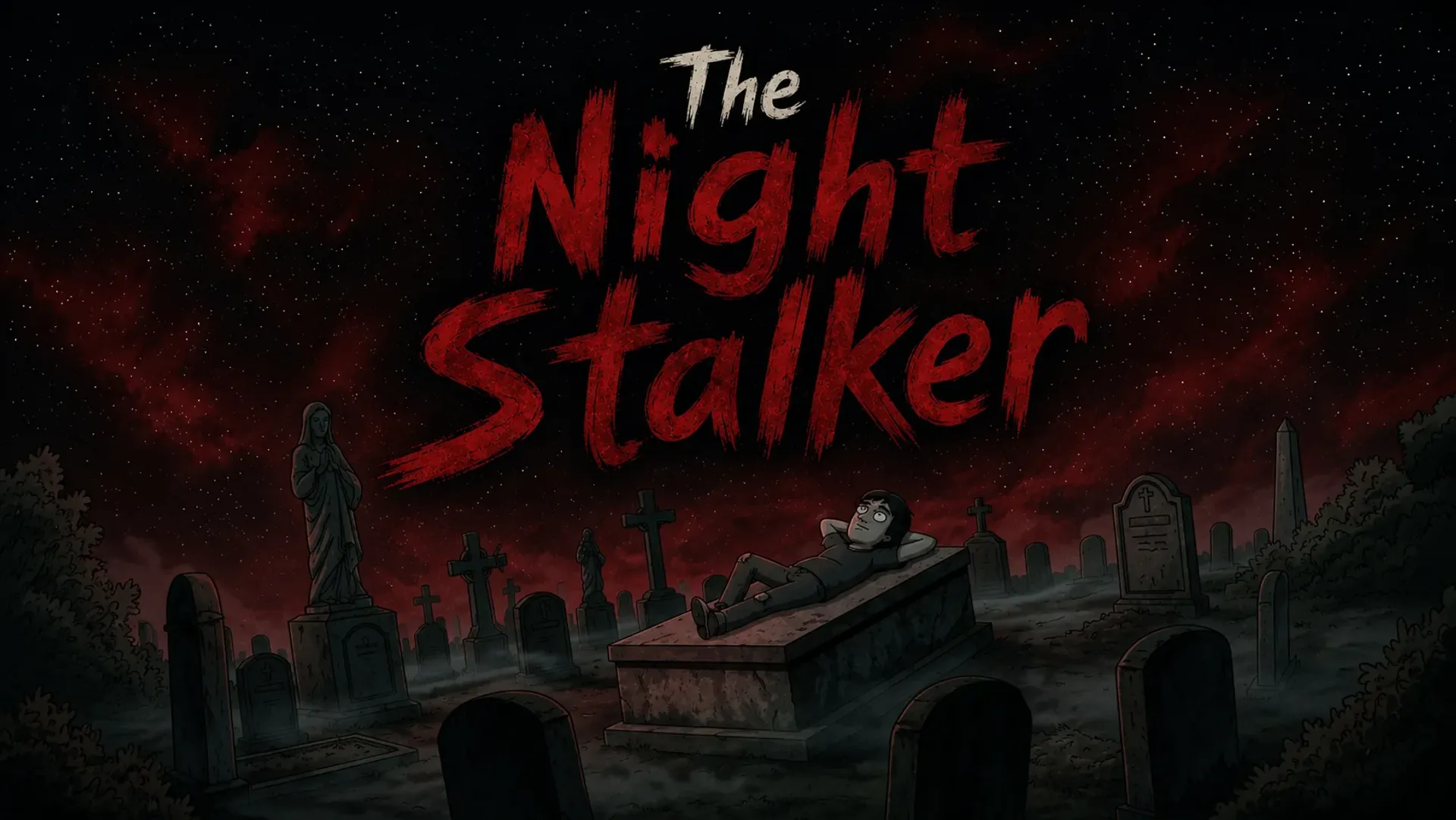
The Night Stalker
20 episodes
jollybusyperch
- True Crime
Seventeen dead. Dozens of survivors. A city in panic. And a 13-year-old boy with a notebook who changed everything. Richard Ramirez: The Night Stalker traces the most terrifying eight months in Los Angeles history — a disorganised, cocaine-fuelled rampage through the suburbs and bedrooms of Southern California that left no pattern, no victim type, and no warning except the pentagram drawn on the wall afterward. Told entirely through narration across twenty episodes, this micro-drama series follows Ramirez from his leap-day birth in a violent El Paso household, through a childhood shaped by head injuries, a cemetery, a Green Beret cousin's Polaroids, and a brother-in-law who taught him to move silently across rooftops — to the Cecil Hotel, the Night Stalker spree, the Avia sneaker print, the computerised fingerprint database that had been live for ten days, and the angry East Los Angeles mob that beat him unconscious with a fence post before police could arrive. Unlike the organised, methodical killers in this series, Ramirez had no plan, no type, and no off switch. He drove until he found an open window. He killed men, women, and children. He believed — not as performance, but as conviction — that he was an instrument of the devil. He was caught not by a task force or a forensic breakthrough, but by the neighbourhood he tried to carjack. He died in a hospital bed waiting for California to execute him. He never apologised for any of it.
Seventeen dead. Dozens of survivors. A city in panic. And a 13-year-old boy with a notebook who changed everything. Richard Ramirez: The Night Stalker traces the most terrifying eight months in Los Angeles history — a disorganised, cocaine-fuelled rampage through the suburbs and bedrooms of Southern California that left no pattern, no victim type, and no warning except the pentagram drawn on the wall afterward. Told entirely through narration across twenty episodes, this micro-drama series follows Ramirez from his leap-day birth in a violent El Paso household, through a childhood shaped by head injuries, a cemetery, a Green Beret cousin's Polaroids, and a brother-in-law who taught him to move silently across rooftops — to the Cecil Hotel, the Night Stalker spree, the Avia sneaker print, the computerised fingerprint database that had been live for ten days, and the angry East Los Angeles mob that beat him unconscious with a fence post before police could arrive. Unlike the organised, methodical killers in this series, Ramirez had no plan, no type, and no off switch. He drove until he found an open window. He killed men, women, and children. He believed — not as performance, but as conviction — that he was an instrument of the devil. He was caught not by a task force or a forensic breakthrough, but by the neighbourhood he tried to carjack. He died in a hospital bed waiting for California to execute him. He never apologised for any of it.
All episodes
20 episodes
Episode 01 — “The Boy Born on Leap Day”
1:32
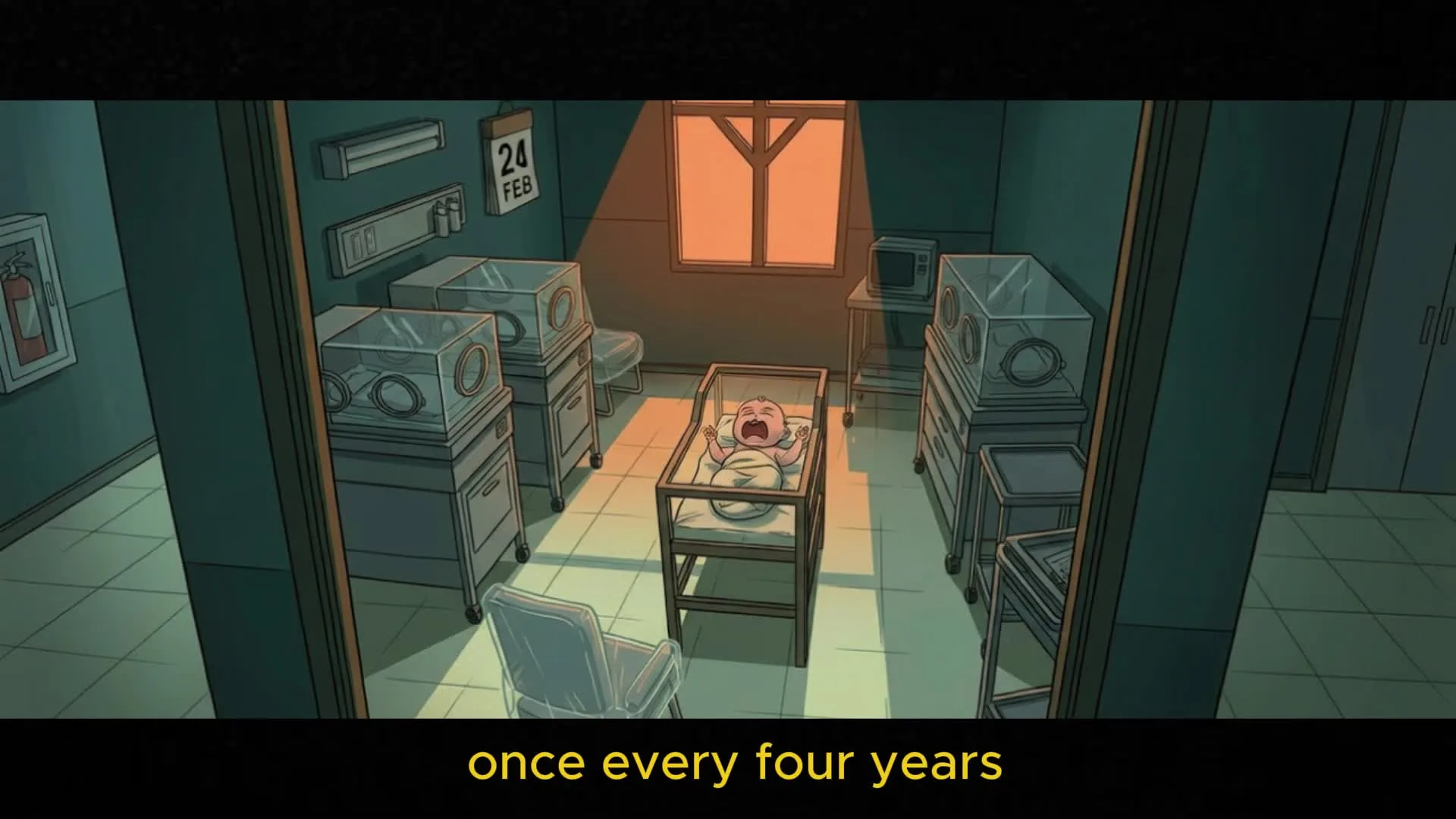
Episode 01 — “The Boy Born on Leap Day”February 29, 1960. El Paso, Texas. Ricardo Leyva Muñoz Ramírez is born — a leap-day baby and the fifth child of Mexican immigrant parents. His father Julian, a former Mexican police officer turned railway labourer, beats his sons regularly with fists, belts, and whatever is nearby. At age five, Richard is knocked unconscious by a playground swing. Doctors find brain damage. Epileptic fits begin. By age ten he is smoking cannabis daily. By age twelve he is sleeping in the local Catholic cemetery to escape his father, lying on the gravestones at night with a sleeping bag. The dead never hit him. They are the best company he has ever known.
Episode 02 — “Cousin Miguel”
1:14
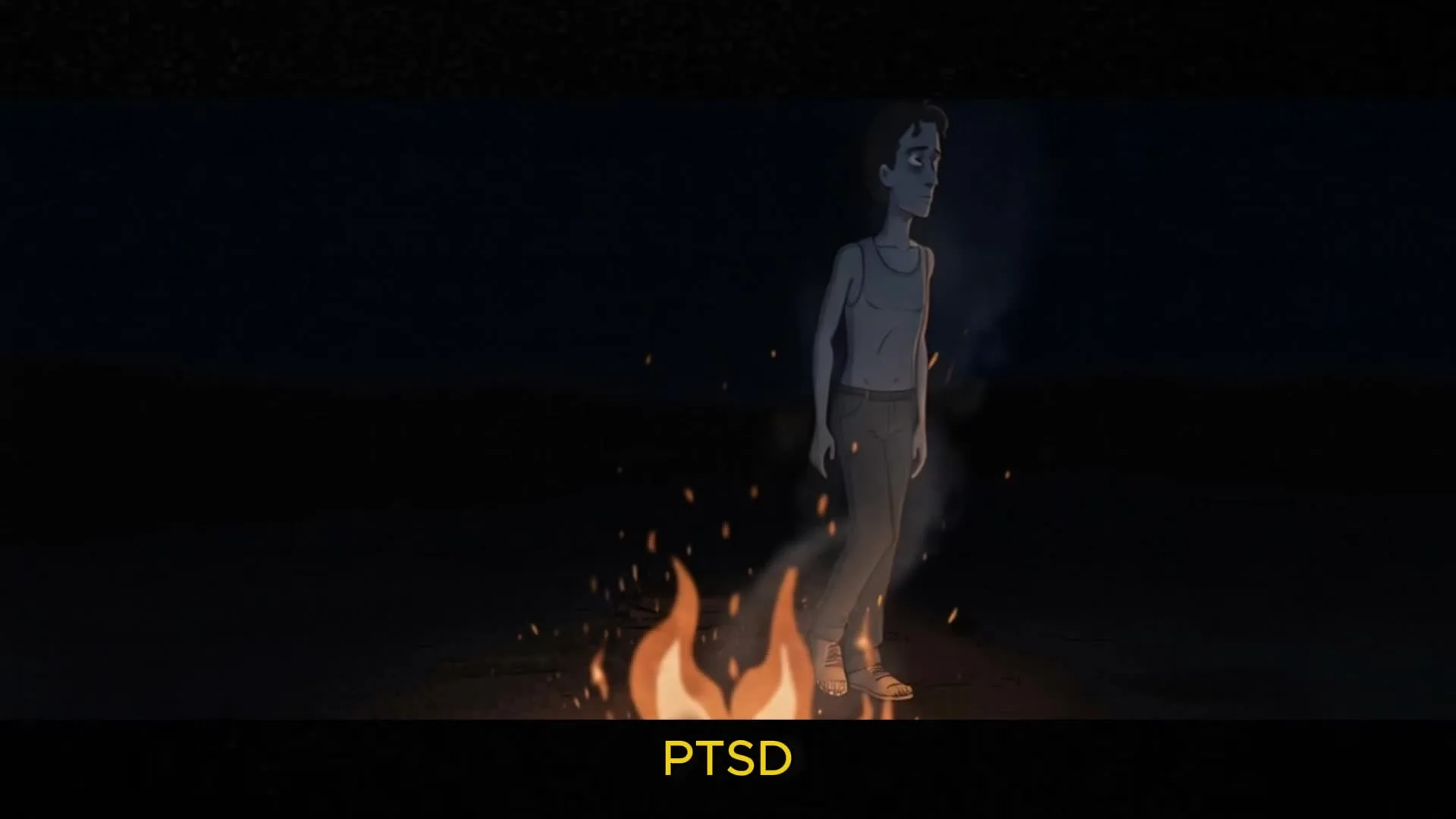
Episode 02 — “Cousin Miguel”1972. Older cousin Miguel Ramírez returns from Vietnam — a decorated Green Beret with undiagnosed schizophrenia, untreated PTSD, and a shoebox of Polaroid photographs under his bed. He spends his afternoons on the porch in El Paso, smoking and drinking with his twelve-year-old cousin Richard. He shows Richard the Polaroids: Vietnamese women he raped, decapitated, and posed with as personal souvenirs of his service. He teaches Richard to move silently, to enter a house without sound, framing it as military skills. By his own confession decades later, Richard was fascinated rather than horrified. Miguel was installing the wiring.
Episode 03 — “The Murder He Watched”
1:14
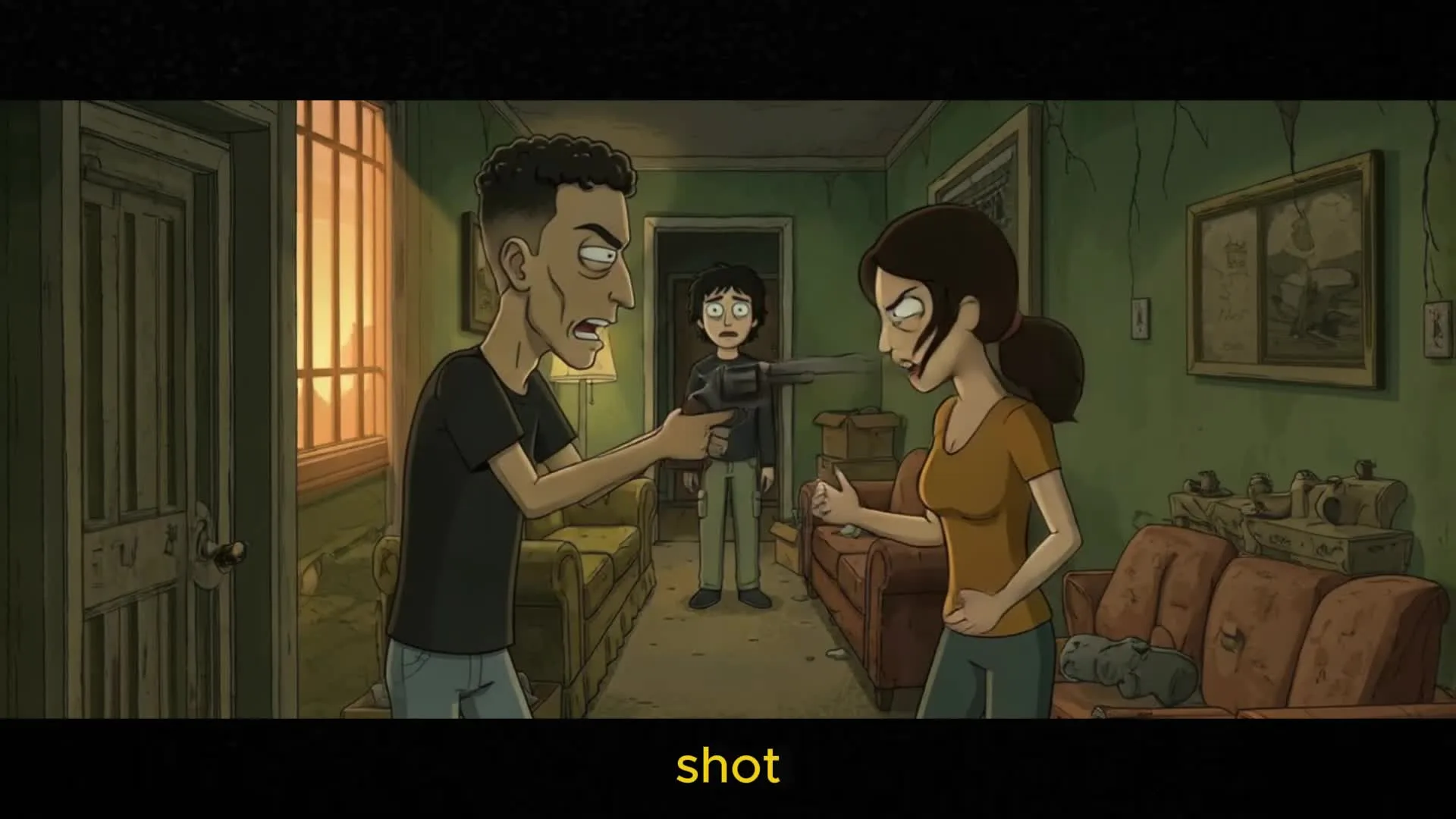
Episode 03 — “The Murder He Watched”May 4, 1973. Richard, now 13, is in the living room when Miguel and his wife Jessie begin arguing in the kitchen. A single gunshot. Richard walks in. Jessie is on the floor, bleeding from a .38 caliber wound to her face. Miguel calmly tells Richard to wait for police. Richard waits. Jessie dies en route to hospital. Miguel pleads not guilty by reason of insanity, citing combat-related schizophrenia and untreated PTSD. The court accepts the plea. He is sent to Texas State Mental Hospital and released after four years. Richard, having watched his cousin shoot his cousin's wife in the face, has already moved out of the house.
Episode 04 — “Roberto and the Rooftops”
1:14
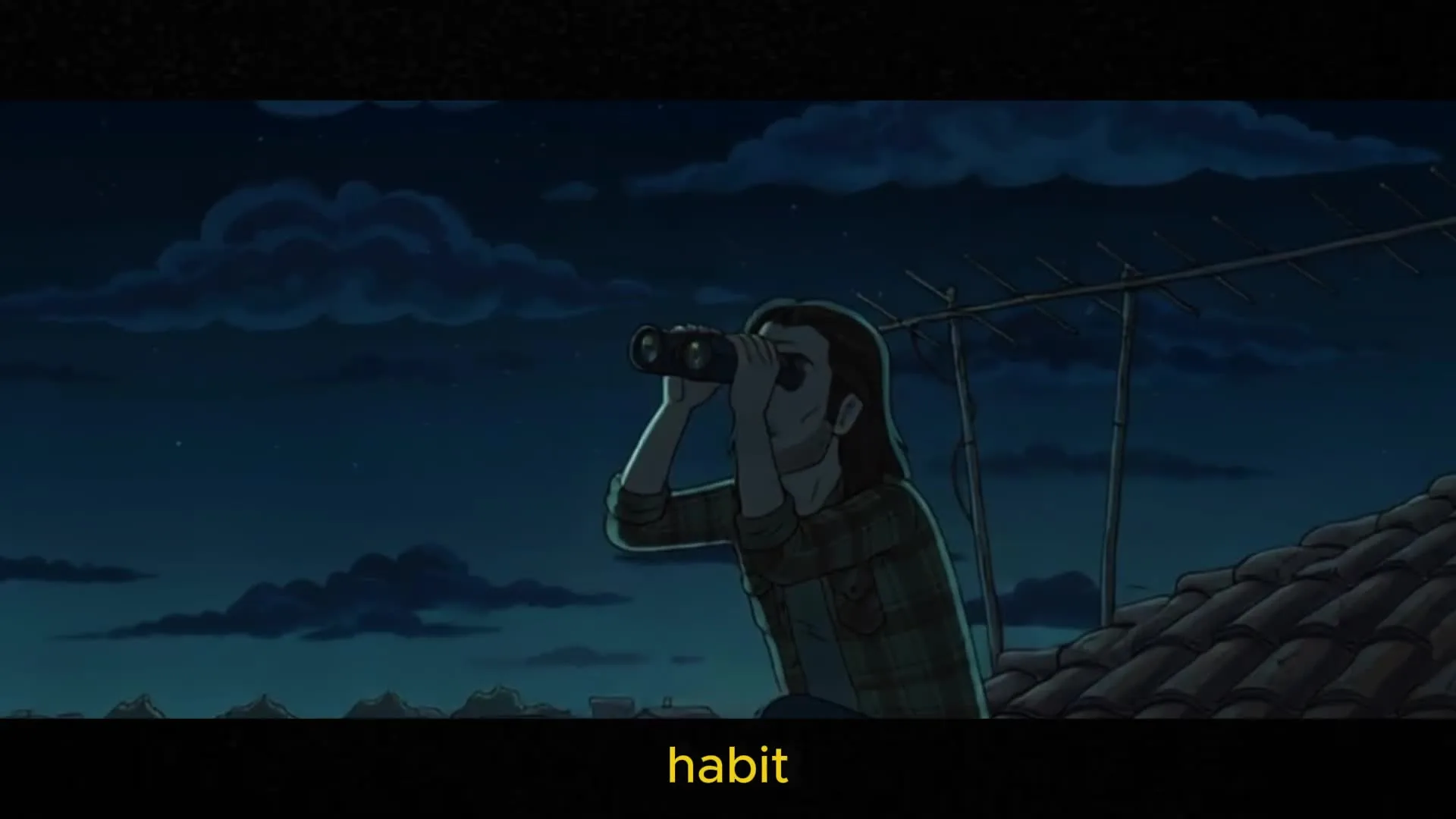
Episode 04 — “Roberto and the Rooftops”Late 1973. Richard moves in with his older sister Ruth and her husband Roberto. Roberto is a serial voyeur — climbing neighbourhood rooftops at night to watch women through their bedroom windows. He takes his teenage brother-in-law along as an apprentice. Richard learns to move silently across rooftops, to watch without being seen, to select houses with unlocked windows, and to enter a home without being noticed. By age fourteen he knows how to choose which house and when. Roberto thinks he is sharing a harmless hobby. He is handing Richard Ramirez the entire operational skill set he will use for the rest of his life.

Episode 05 — “AC/DC and the Devil”
1:26
Episode 05 — “AC/DC and the Devil”Late 1970s. El Paso. Richard Ramirez is a high-school dropout with a night job, a growing cocaine habit, and Anton LaVey's Satanic Bible read cover to cover. He has tattooed a pentagram onto his own palm. He wears black constantly and stops bathing. He plays one album more than any other — AC/DC's Highway to Hell — and his favourite track is 'Night Prowler,' a song about a figure who slips through bedroom windows after dark. He plays it until he has every word memorised. He decides, without irony or metaphor, that the song is about him. By his early twenties he believes himself to be, in some literal sense, an instrument of the devil. In 1982 he buys a one-way Greyhound ticket to Los Angeles.
Episode 06 — “The First One Was a Child”
1:05
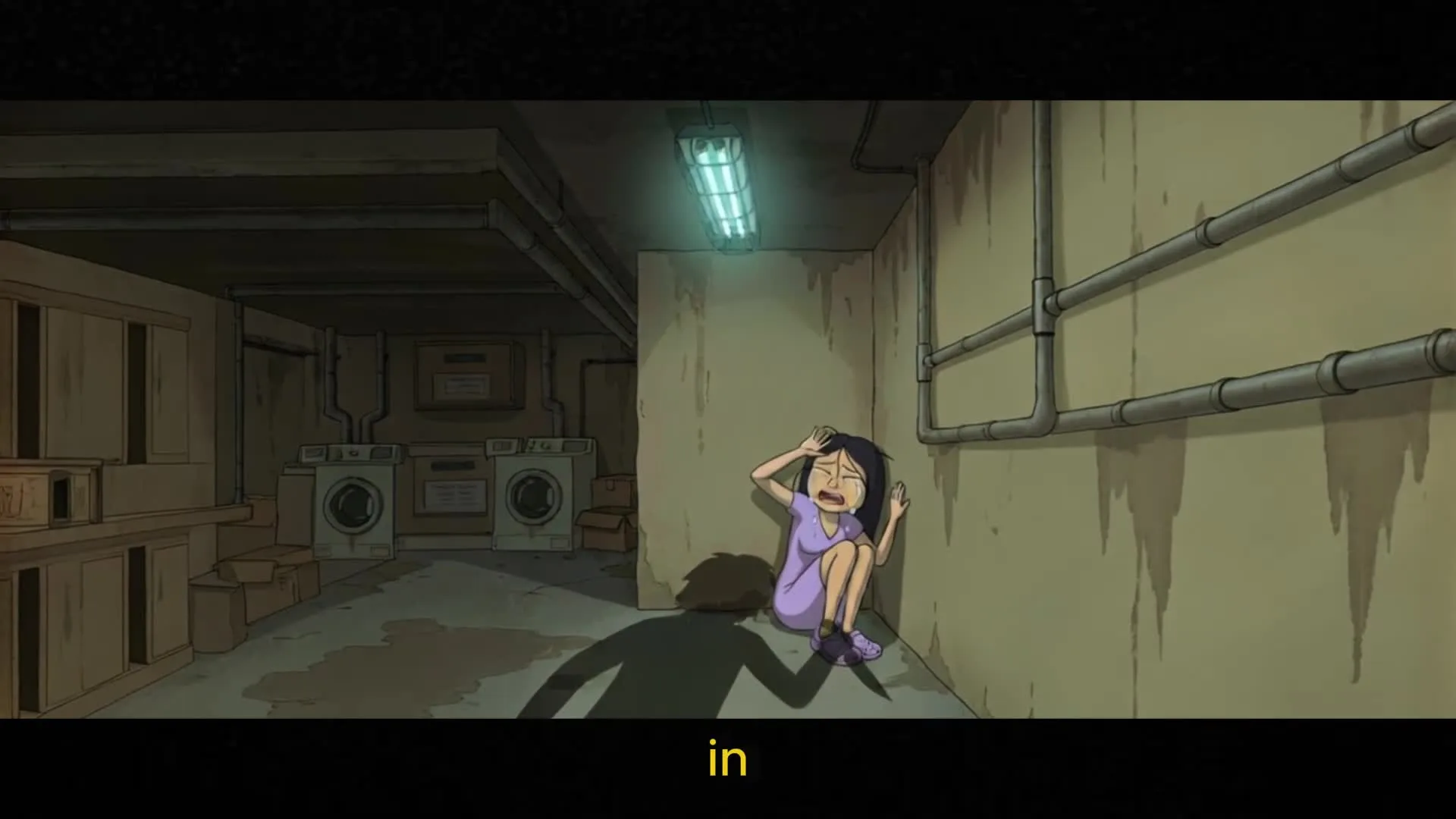
Episode 06 — “The First One Was a Child”April 10, 1984. The Cecil Hotel, downtown Los Angeles. Nine-year-old Mei Leung comes down to the basement laundry room with her brother to retrieve a dollar bill. She is alone for less than five minutes. Her brother finds her hanging from a water pipe — sexually assaulted, strangled, her body hung to slow discovery. Police find no fingerprints, no witnesses, no suspect. The case goes cold. Twenty-five years later, in 2009, modern DNA analysis matches semen from Mei Leung's body to Richard Ramirez — by then on death row at San Quentin. She was nine years old. She was murdered in the basement of the hotel where he was living. She was his first known victim.
Episode 07 — “Jennie Vincow”
1:20
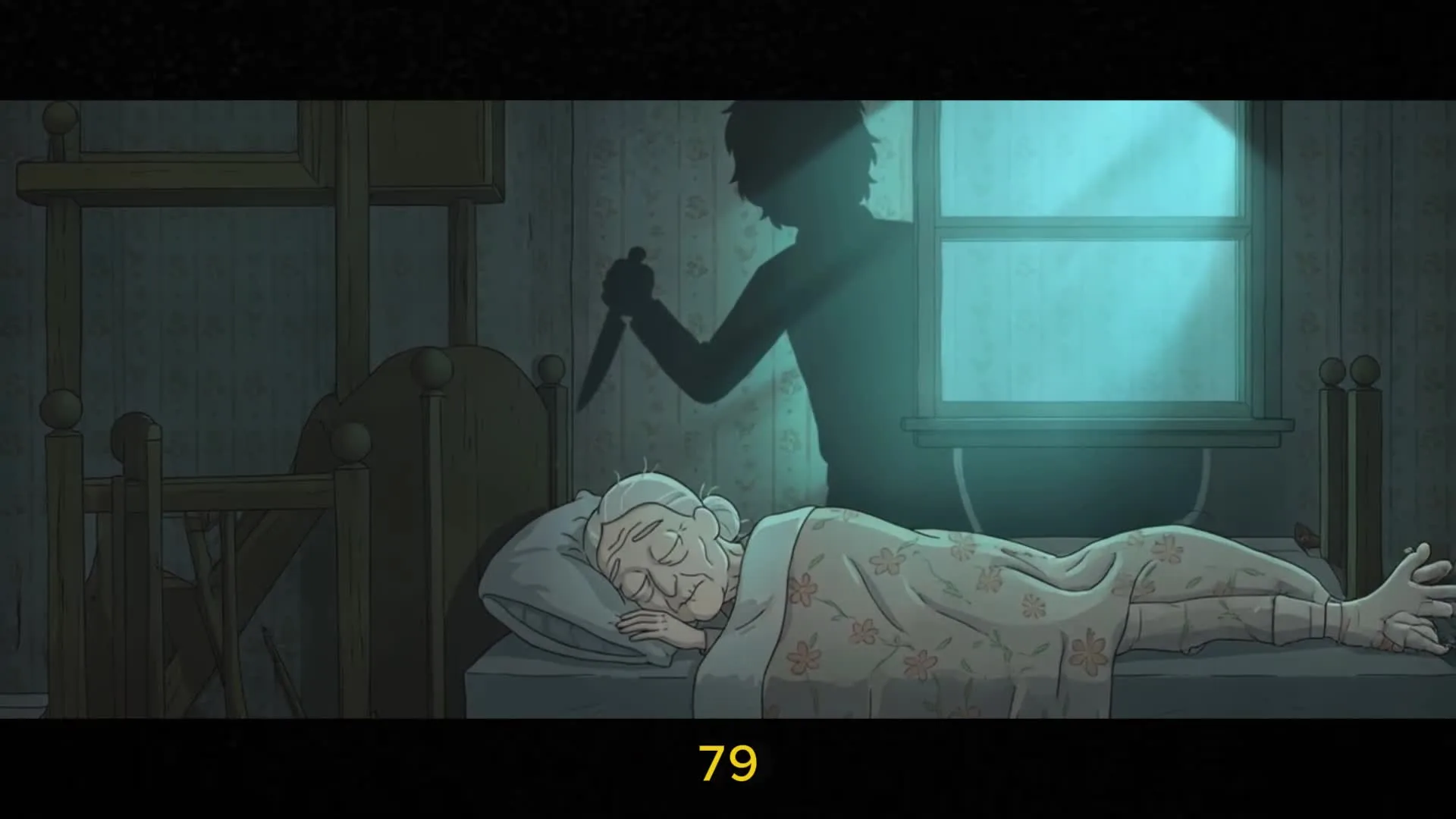
Episode 07 — “Jennie Vincow”June 28, 1984. Glassell Park, northeast Los Angeles. Jennie Vincow, 79, lives alone in a ground-floor apartment on a hot summer night, her bedroom window open against the heat. Ramirez removes the screen and climbs in. He stabs her repeatedly in the head, neck, and chest while she is still in bed, slashing her throat so deeply that the medical examiner later reports she was nearly decapitated. He sexually assaults her, takes a small radio, and walks out the front door. Her son Jack finds her the next morning. Detectives recover a partial fingerprint from the window screen. They have no system in 1984 capable of comparing it to anyone. They file it. It will become evidence again fourteen months later.
Episode 08 — “The Spree Begins”
1:24
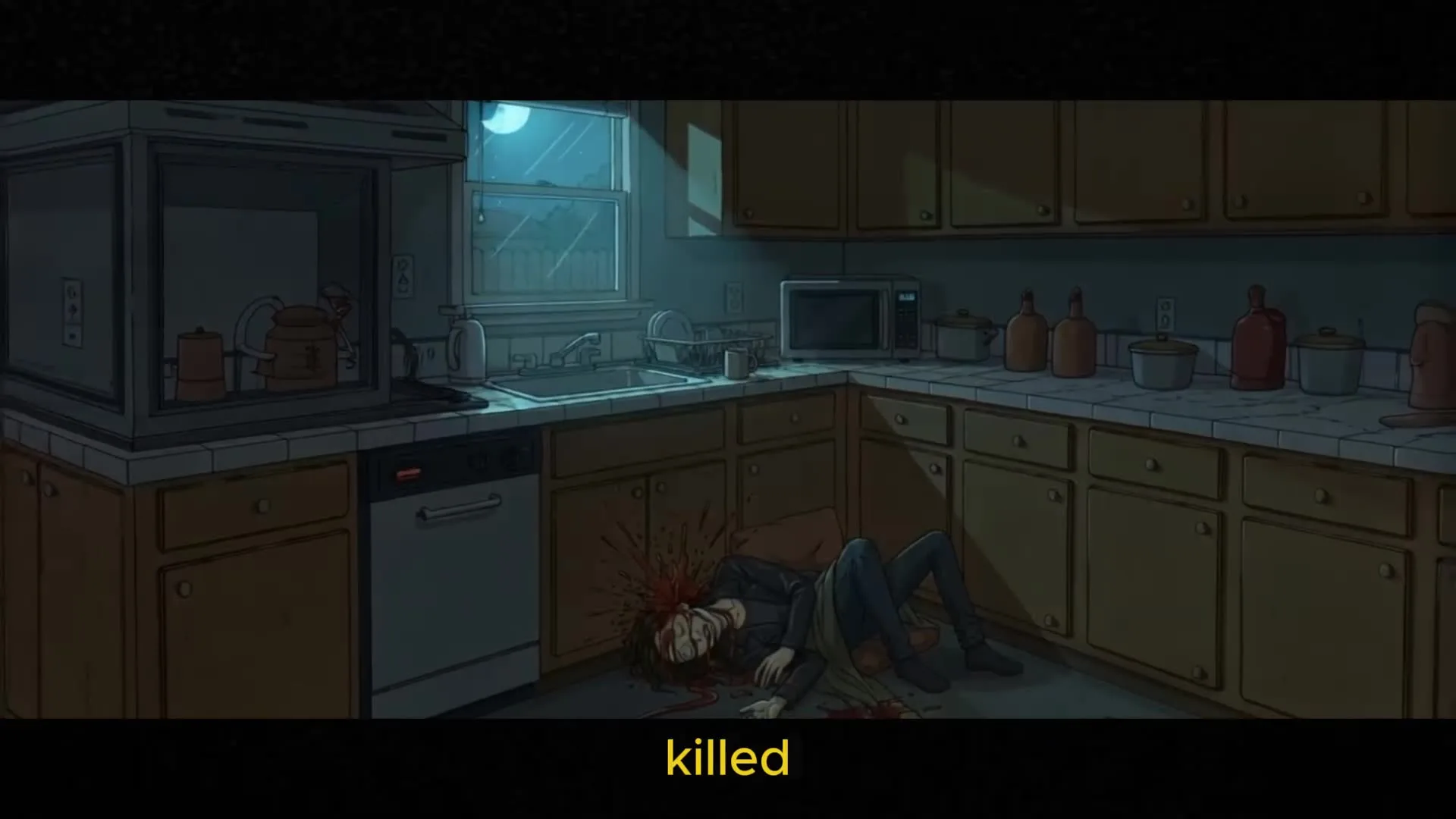
Episode 08 — “The Spree Begins”March 17, 1985. Rosemead, California. After nine months of silence, Ramirez kills two women in less than two hours. He shoots Maria Hernandez in the face as she exits her car — the bullet deflects off her keys and she survives. He enters the house and shoots her roommate Dayle Okazaki in the head. She dies instantly. An hour later in nearby Monterey Park, he pulls 30-year-old Tsai-Lian Yu from her car at a red light and shoots her four times with the same .22 pistol. Two murders in ninety minutes. Same weapon, same neighbourhood, same night. Ten days later he enters the home of Vincent and Maxine Zazzara in Whittier. The press now has a name: the Night Stalker.
Episode 09 — “The Zazzara Eyes”
1:22
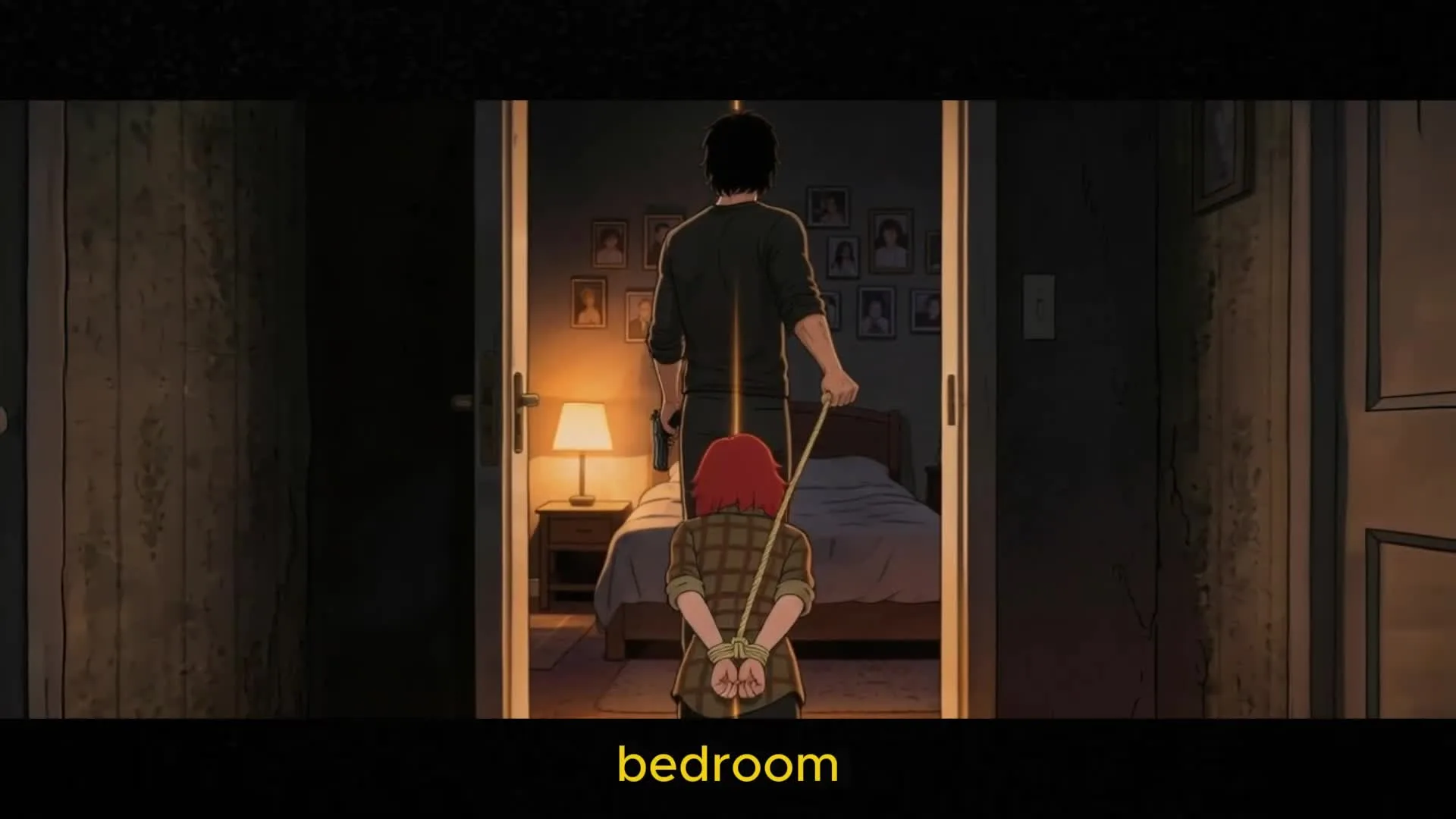
Episode 09 — “The Zazzara Eyes”March 27, 1985. Whittier, California. Ramirez climbs through a glass door at 2 a.m. and shoots Vincent Zazzara, 64, once in the head while he watches television on the sofa. He goes upstairs, pulls Maxine Zazzara from bed, and stabs her over thirty times. Then, using a serrated knife, he gouges out both her eyes and cuts a five-pointed star into the skin of her chest. He puts her eyes in a jewellery box and takes them with him. He never explains the eyes — not at trial, not in interviews, not in his final years. In a 1991 prison interview, when asked about Maxine Zazzara, Ramirez says only: 'I wanted to see what she saw last.' The Whittier scene also yields the first physical clue: a clear Avia sneaker print in the dirt outside the back door.
Episode 10 — “The Method”
1:30
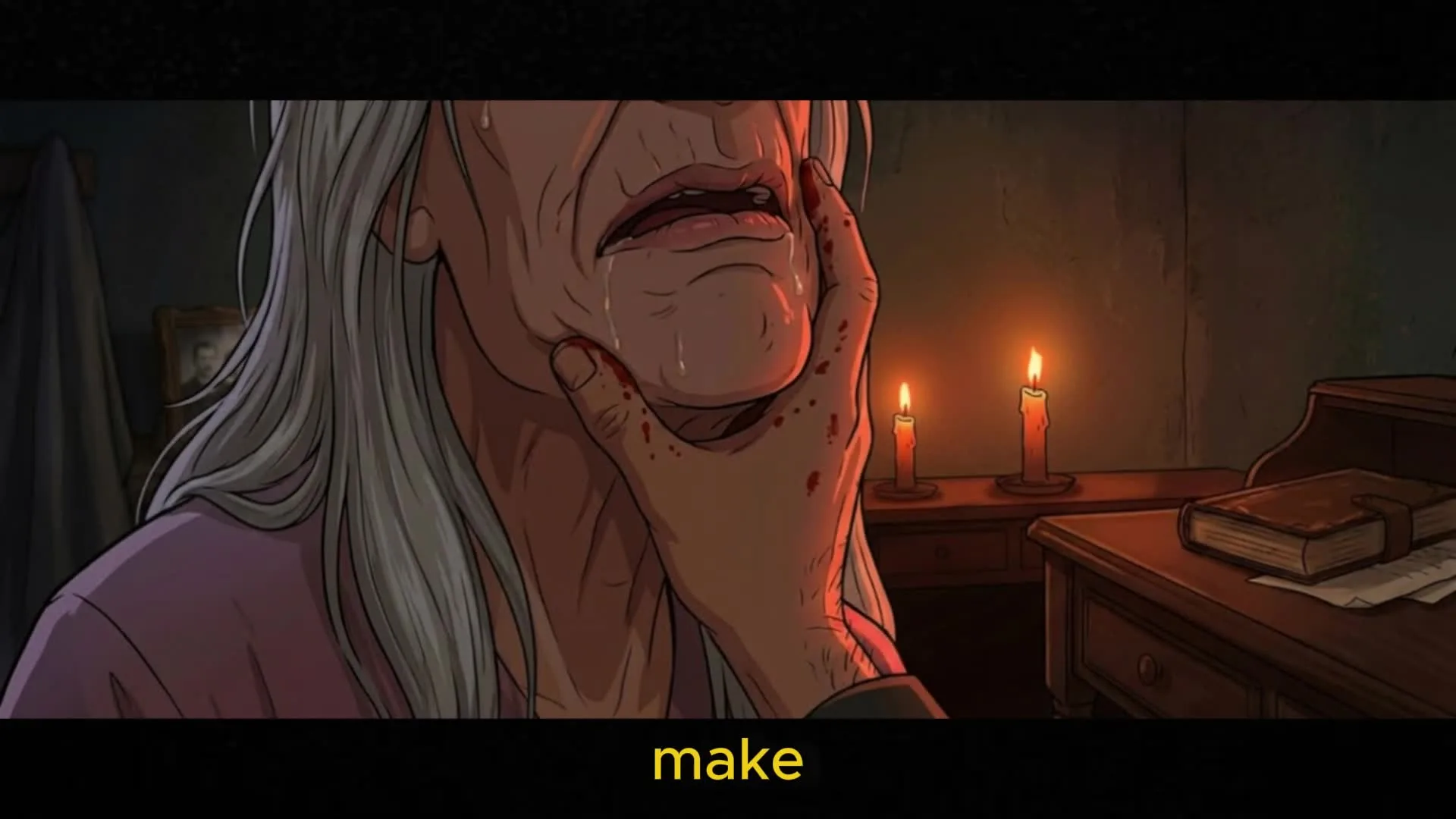
Episode 10 — “The Method”By April 1985, investigators have identified the pattern. Select a house at random — open window, unlocked door, porch light off. Enter after midnight, silent. Shoot any adult male in the head while he sleeps. Restrain any adult female; rape her; demand jewellery and cash; force her to swear she loves Satan. Draw a pentagram — on the wall, on her thigh, on her chest — in lipstick or blood. Leave. Sometimes letting the woman live. Sometimes not. Then walk out into a Los Angeles suburb at 3 a.m. and disappear into a city of ten million people. No fingerprints. No usable surveillance footage. No witness who saw his face long enough to remember it. He has no victim type. He has no geographic pattern. He has no schedule. He has only the open window.
Episode 11 — “The Hammer”
1:16
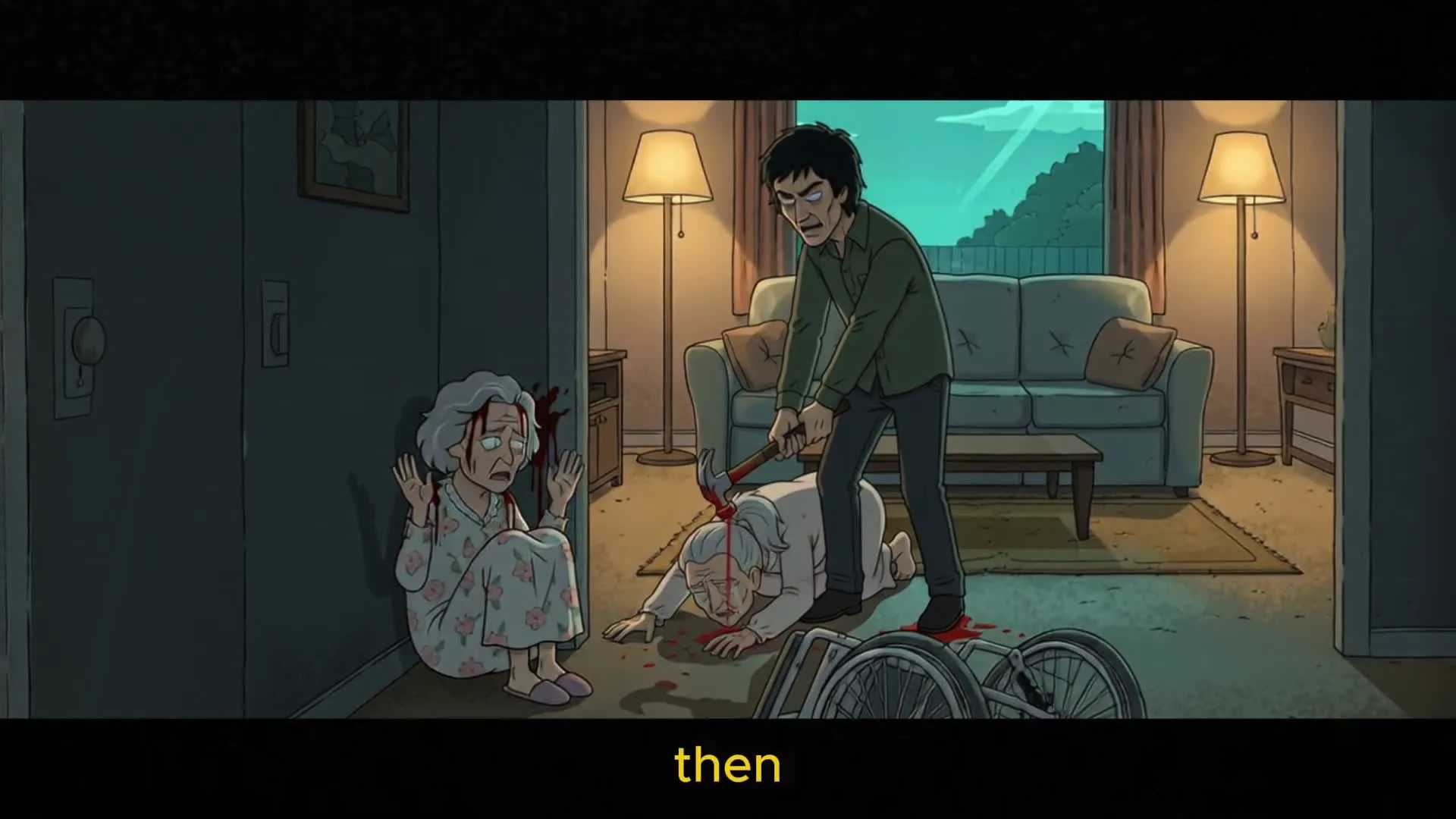
Episode 11 — “The Hammer”May 29, 1985. Monrovia, California. Mabel Bell, 83, and her sister Florence Lang, 81, share a small house in a quiet suburb. Ramirez climbs in through a window after midnight. He attacks Mabel with a claw hammer, beating her until the wooden handle cracks. He moves to Florence's room and uses the broken hammer there, then sexually assaults her. He takes Florence's lipstick from the dresser and draws a pentagram on her inner thigh and another on the bedroom wall. He applies a live electrical cord to Mabel. Florence survives. Mabel dies in hospital two days later. Across Southern California, mothers begin barricading their windows. Gun store sales in Los Angeles County double in the following six weeks.
Episode 12 — “The Children”
1:26
Episode 12 — “The Children”Throughout the spring and summer of 1985, a parallel set of attacks runs alongside the murder spree — one the press does not initially report. Multiple children, most under ten, are abducted from front yards and streets across Los Angeles County, sexually assaulted, and left alive at roadsides or in alleys. Six-year-old Anastasia Hronas is taken from her own bedroom in Montebello. Boys and girls are taken from neighbourhood streets in Glassell Park, Monterey Park, and the San Gabriel Valley. He rapes them, drives them somewhere different, releases them with instructions never to tell anyone. Most of them tell someone anyway. By the time of his arrest, Ramirez is suspected of approximately a dozen child sexual assaults. He targets them because they are available. His crimes have no rules. That is the point.
Episode 13 — “The Worst Month”
1:34
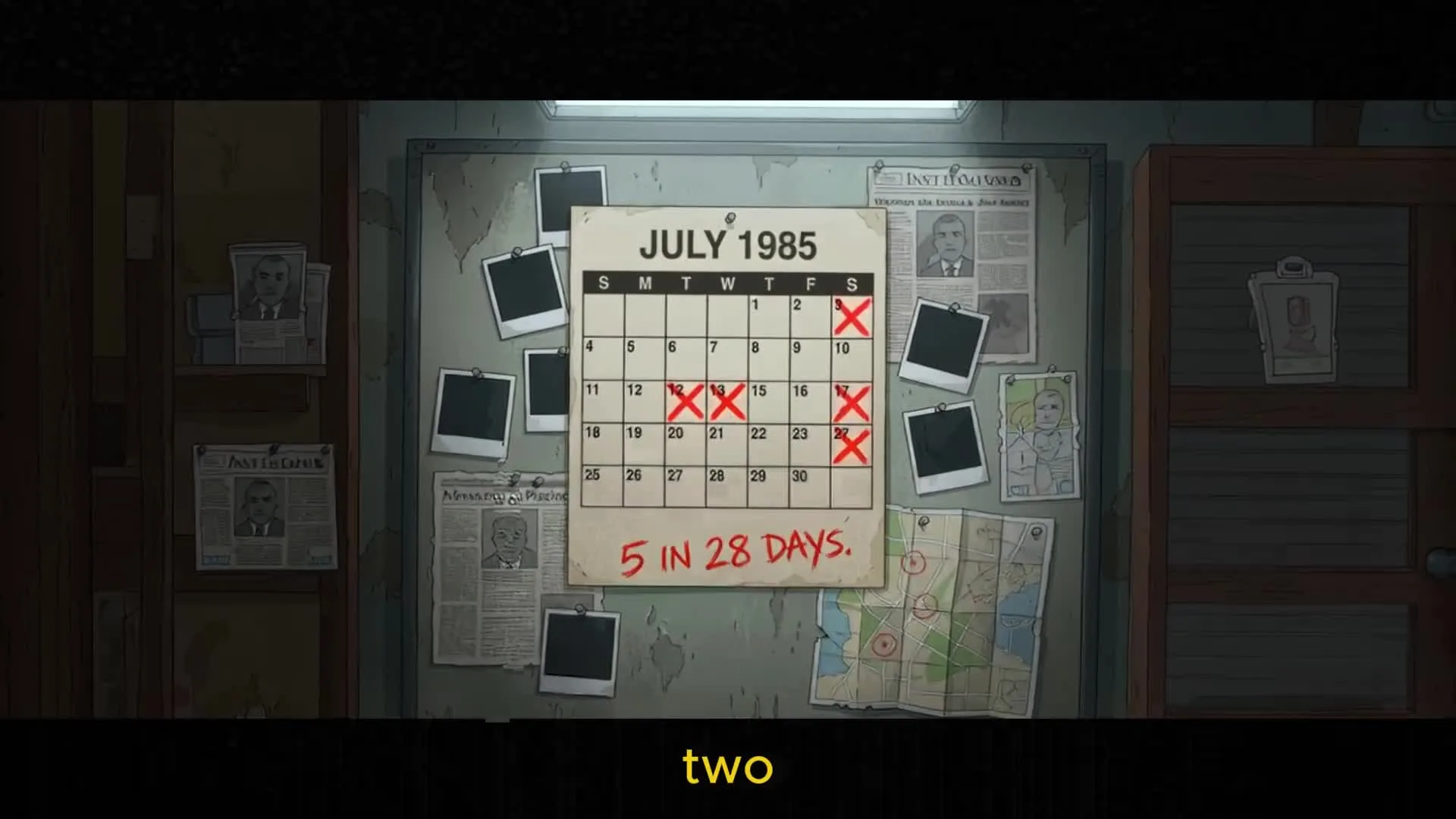
Episode 13 — “The Worst Month”July 1985. Five murders in 28 days, two of them on the same night. Mary Louise Cannon, 75, bludgeoned in Arcadia. Joyce Lucille Nelson, 60, stomped in Monterey Park — the Avia sneaker print this time on her face. Chainarong Khovananth, 32, shot in Sun Valley while he slept, his wife raped and forced to swear on Satan. Max and Lela Kneiding shot in Glendale. Then, on the same night, Chitat Assawahem shot in Sun Valley while his wife and eight-year-old son survived in the next room. Two murders, same night, different neighbourhoods. The Los Angeles Times breaks a body-count record with front-page coverage. Gun store owners run out of inventory. Civilian armed patrols begin walking suburban streets at night with shotguns.
Episode 14 — “Two Cities”
1:29
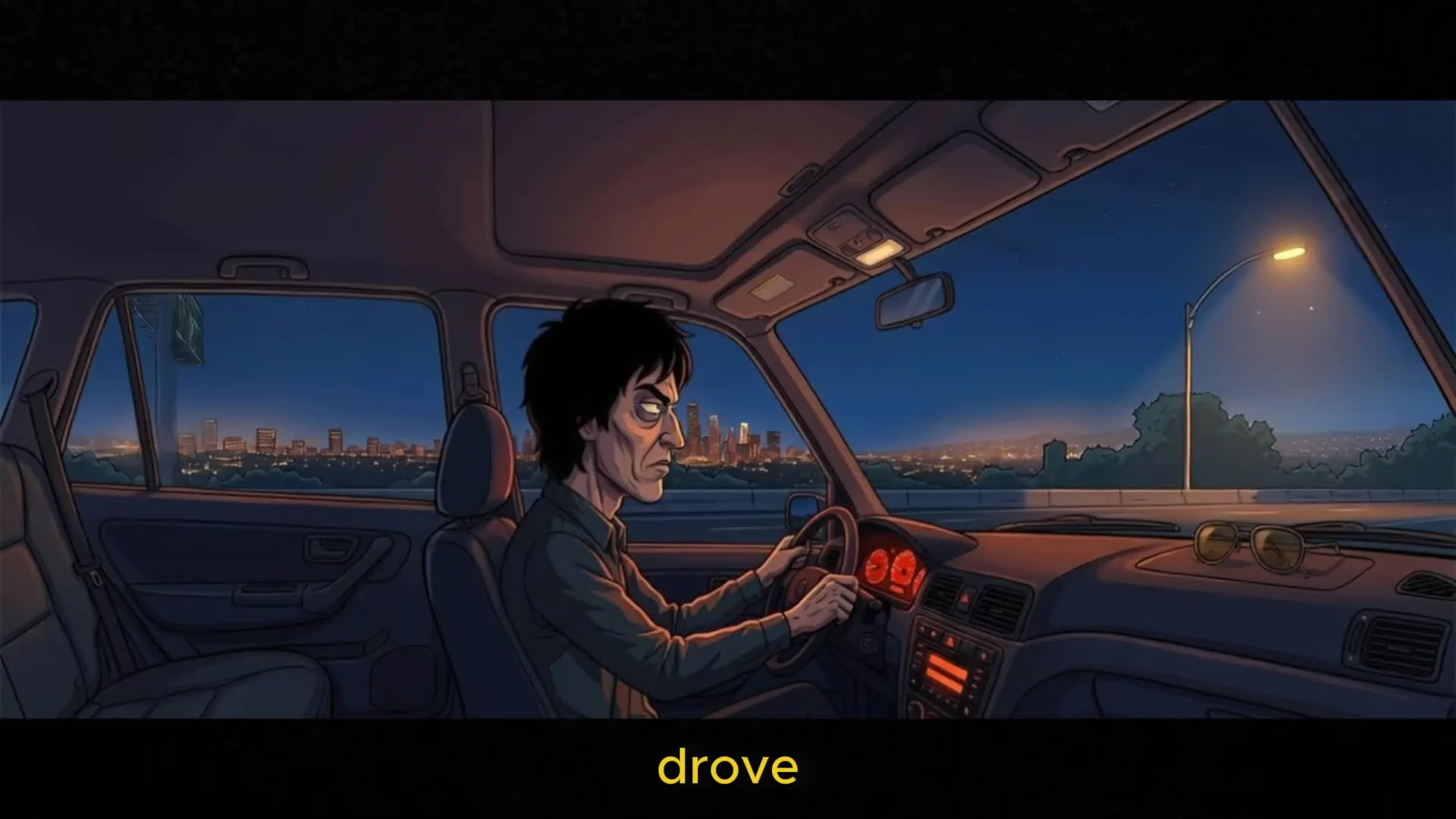
Episode 14 — “Two Cities”August 18, 1985. Lake Merced, San Francisco. Ramirez drives 350 miles north and shoots Peter Pan, 66, and his wife Barbara, 64, in their bedroom. He draws a pentagram on the wall and scrawls misspelled AC/DC lyrics beside it in lipstick. The .22 caliber bullets match the Los Angeles spree. Now two cities are hunting the same man. San Francisco Mayor Dianne Feinstein holds a press conference and — in a critical error — publicly discloses that police are tracking the killer through specific ballistics and a specific brand of sneaker. Ramirez sees the news that night. He drives to the Golden Gate Bridge and throws his .22 and his Avia sneakers into the bay.
Episode 15 — “The Last Attack”
1:31
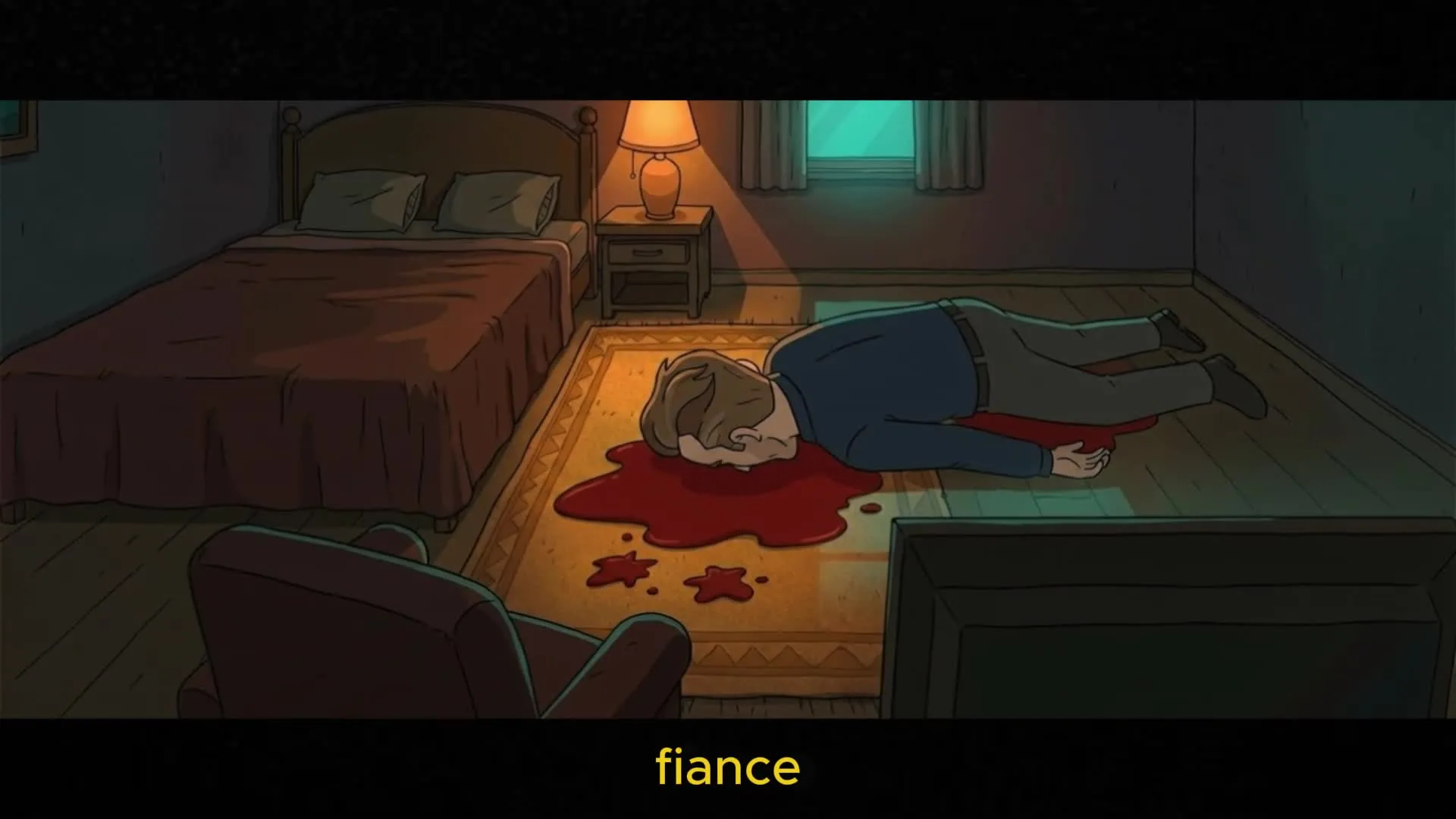
Episode 15 — “The Last Attack”August 24, 1985. Mission Viejo, California. Bill Carns, 30, is shot three times in the head. His fiancée Inez Erickson, 29, is raped, bound with neckties, and forced repeatedly to swear she loves Satan. His parting line: 'Tell them the Night Stalker was here.' He steals their orange Toyota station wagon. Bill and Inez both survive. What Ramirez doesn't know is that three houses down, thirteen-year-old James Romero III is awake at midnight and has been hearing strange engine sounds for the past hour. He looks out his window, sees an orange Toyota driven by a tall, thin man with long black hair, and copies the make, model, colour, and partial licence plate into the inside cover of a school notebook.
Episode 16 — “The Fingerprint”
1:44
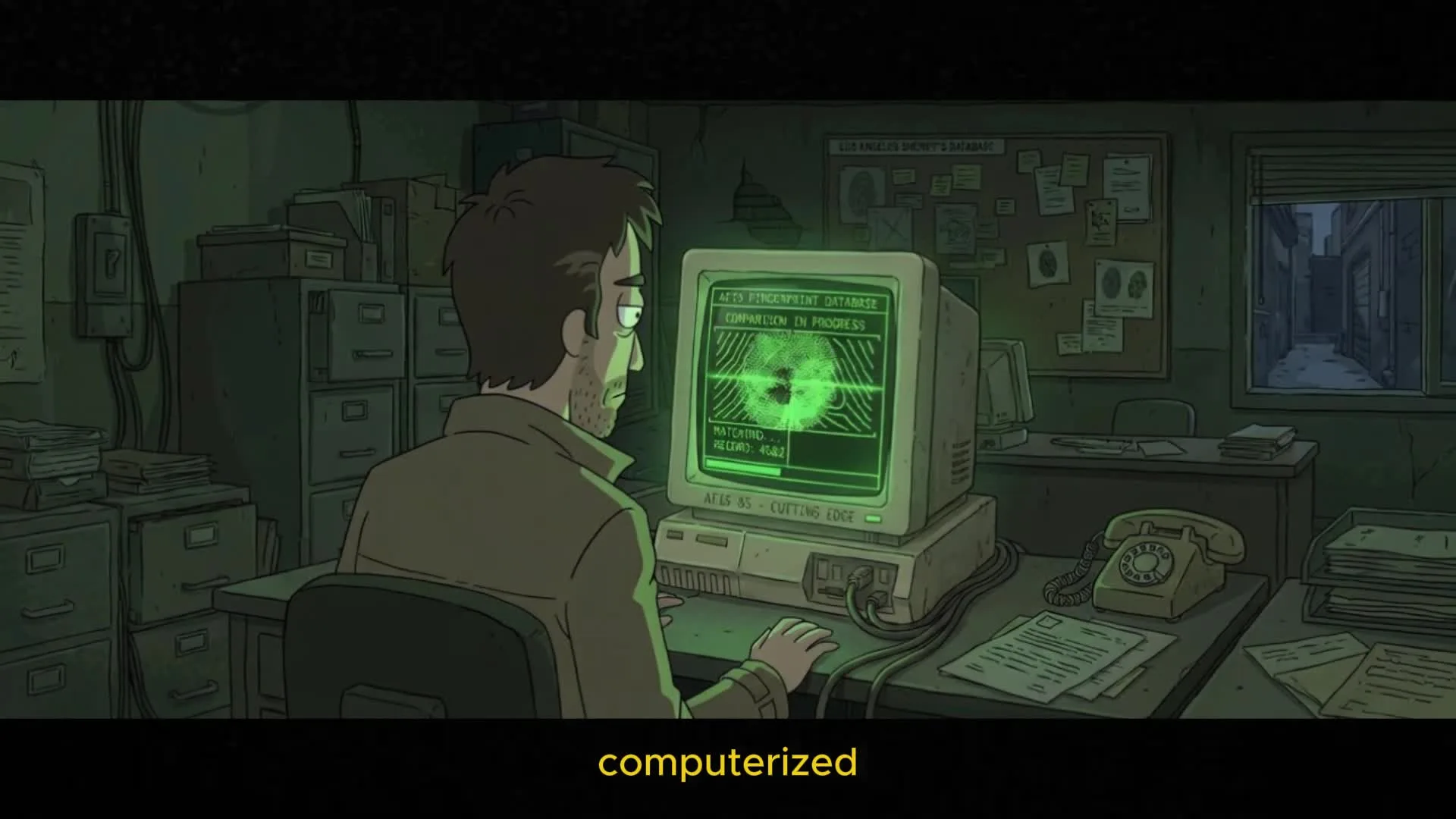
Episode 16 — “The Fingerprint”August 27, 1985. A single partial fingerprint, lifted from the rearview mirror of the abandoned orange Toyota, is fed into the Cal-ID Automated Fingerprint Identification System — California's first computerised AFIS database, operational for ten days. The match returns in under three minutes: Richard Leyva Muñoz Ramírez, born February 29, 1960, auto theft conviction, 1984. Investigators pull the mugshot. Survivors identify him. On August 29, the Los Angeles Sheriff's Department releases his name and photograph at a press conference. Sheriff Sherman Block looks into the cameras and says: 'We know who you are now. And soon everyone else will. There will be no place you can hide.' Ramirez is already on a Greyhound bus to Tucson.

Episode 17 — “The Newsstand”
1:15
Episode 17 — “The Newsstand”August 31, 1985. East Los Angeles. 8:15 a.m. Ramirez walks off a Greyhound from Tucson, having cut his hair, and passes two LAPD officers staking out the bus terminal without being recognised. He walks five blocks to a convenience store, picks up a Pepsi, and glances at the newspaper rack. His face stares back at him from the front page of La Opinión under the headline 'Invasor Nocturno' — Night Invader. He freezes. Behind him, a group of elderly Hispanic women have also noticed the newspaper — and then noticed his face. He hears one whisper: 'Es el matador.' He drops the Pepsi and runs.
Episode 18 — “The Mob”
1:38
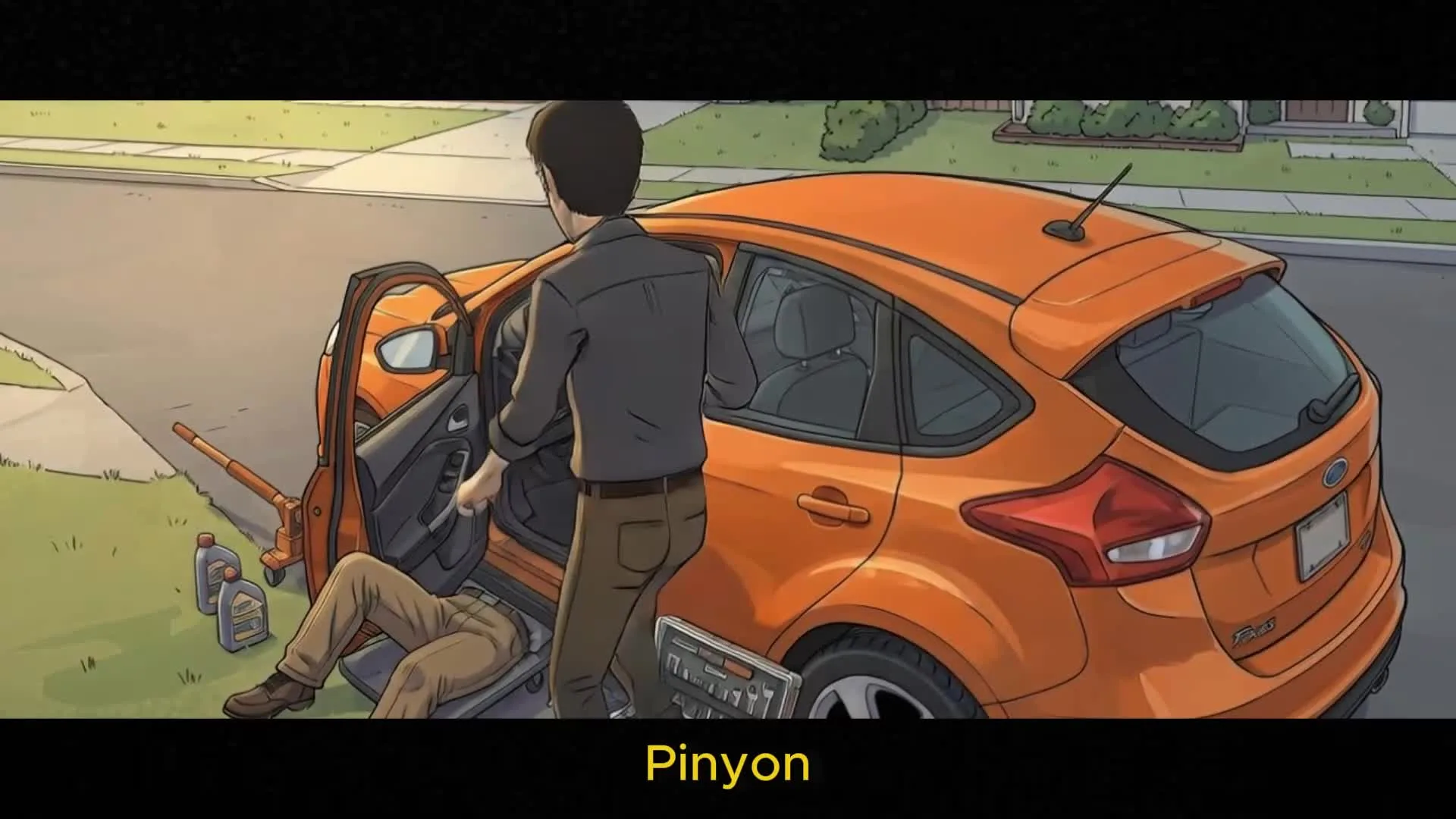
Episode 18 — “The Mob”August 31, 1985. Boyle Heights, East Los Angeles. Running from the convenience store, Ramirez spots an orange Ford in a driveway with keys in the ignition and jumps in. The owner, Faustino Pinon, 56, is under the car doing maintenance. He drags Ramirez out by the shirt. Pinon's wife screams. Ramirez breaks free and runs three blocks, attempting to carjack Angelina De La Torre. Her husband Manuel comes out of the house with a steel fence post and hits Ramirez in the head. Neighbours pour out of houses up and down the block. They recognise his face from the morning news. They surround him, throw rocks, and hold him while Manuel continues to swing the fence post. When LAPD patrol cars finally arrive, the most prolific spree killer in California history is lying in the gutter, bleeding and conscious. He looks up at the responding officer and says: 'Thank God you came. They were going to kill me.'
Episode 19 — “Hail Satan”
1:49
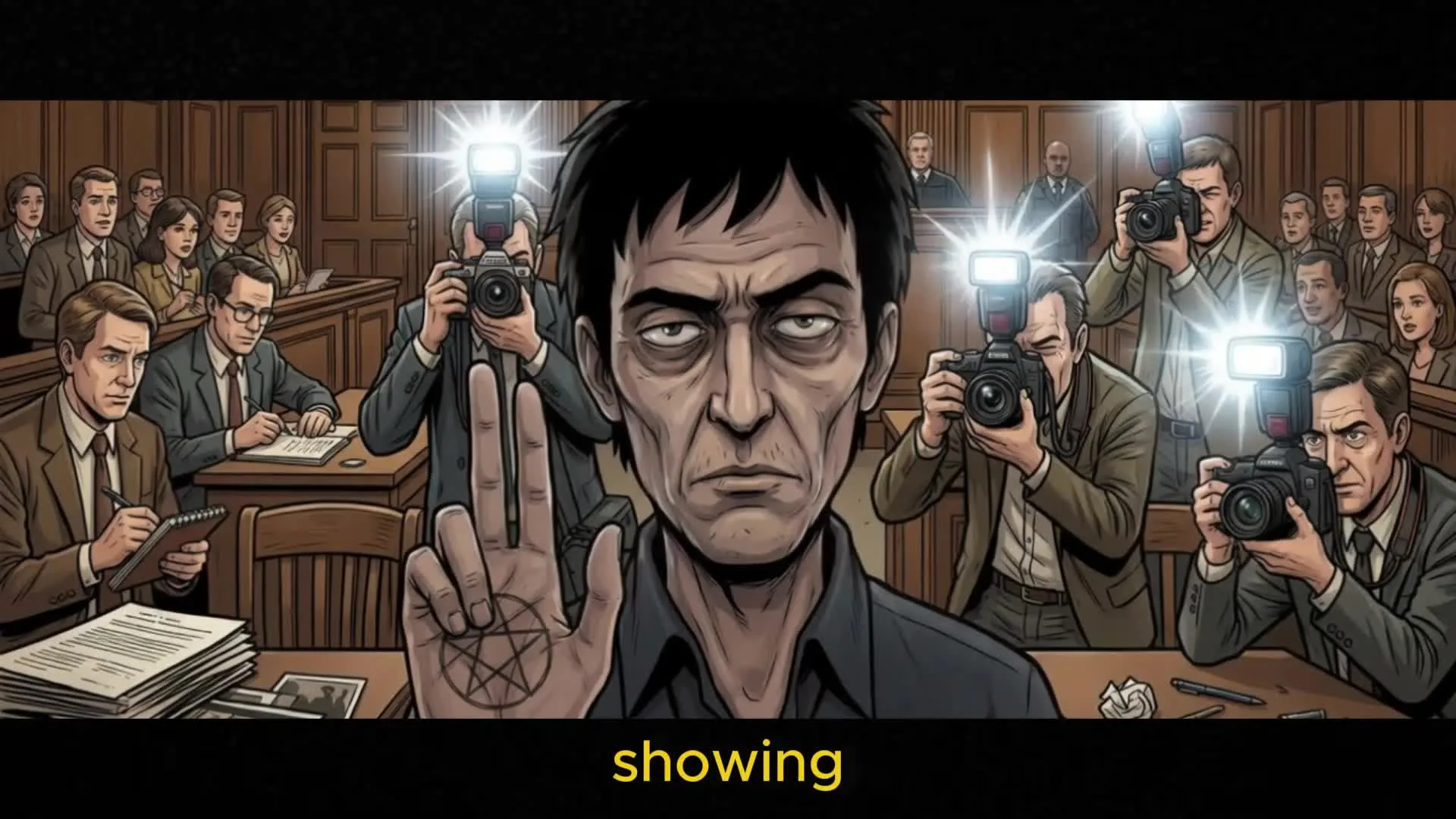
Episode 19 — “Hail Satan”1985 to 1989. The People of the State of California vs Richard Leyva Ramírez. The trial costs Los Angeles County over 1.8 million dollars. Ramirez plays to the cameras every day — dark sunglasses, black clothes, grinning through survivor testimony, laughing at autopsy photographs. He draws pentagrams on his palms before court appearances and flashes them at cameras. A following of black-clad young women attends every session, writing him love letters and sending photographs. One of them, 32-year-old magazine editor Doreen Lioy, will eventually marry him. The jury returns guilty on all counts: 13 murders, 5 attempted murders, 11 sexual assaults, 14 burglaries. At sentencing, Ramirez looks at the judge and says: 'Big deal. Death always went with the territory. See you in Disneyland.'
Episode 20 — “Death by Cancer”
2:10
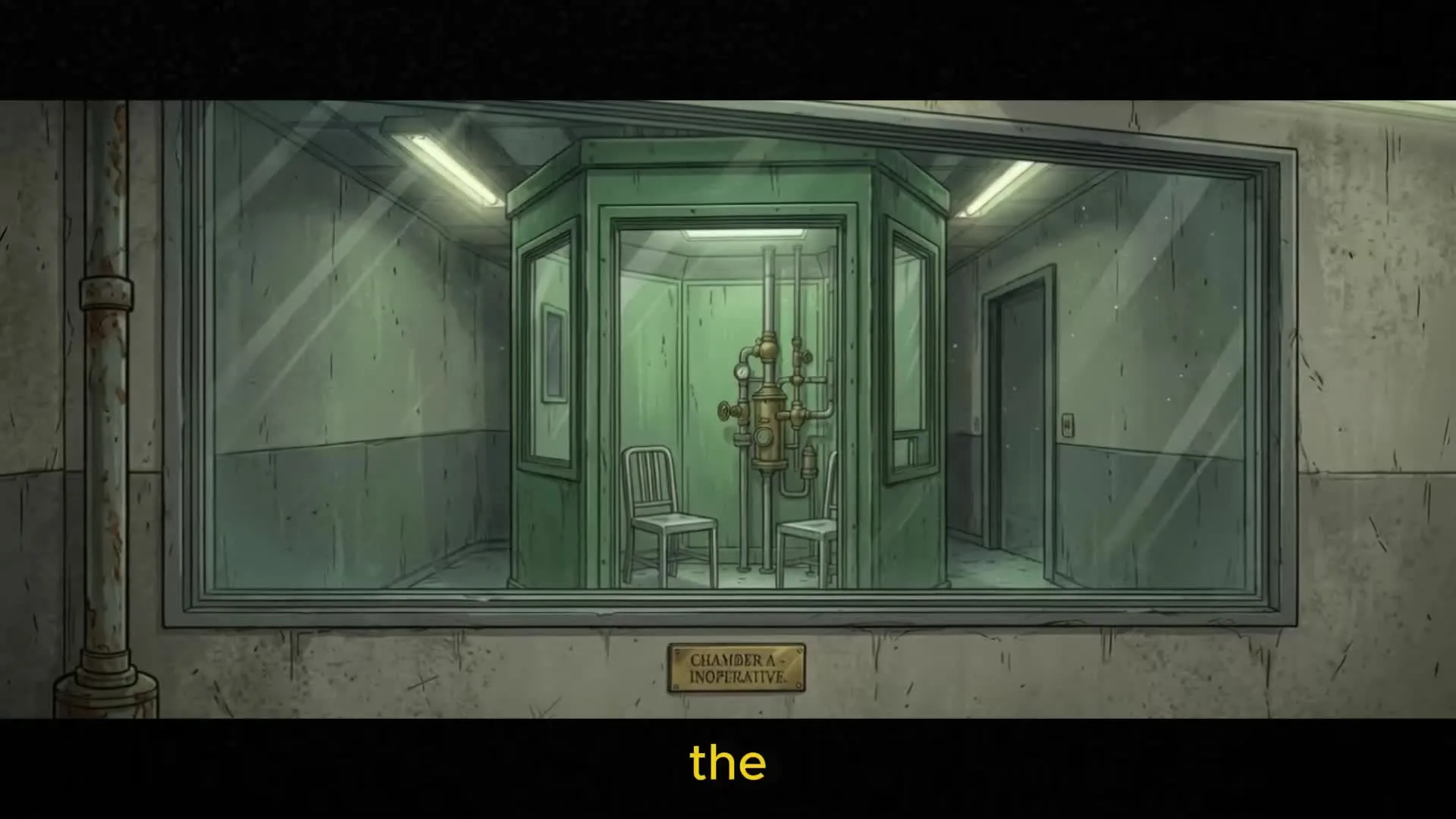
Episode 20 — “Death by Cancer”November 1989 to June 7, 2013. San Quentin State Prison, Death Row. Ramirez reads, draws pentagrams, and receives thousands of fan letters from women worldwide. He marries Doreen Lioy in a prison ceremony in October 1996. His appeal is rejected by the California Supreme Court in 2006. In 2009, DNA finally connects him to the 1984 rape and murder of nine-year-old Mei Leung; Doreen Lioy disappears from public view. He continues to brag in prison interviews: 'I have killed more than twenty.' In early 2013 he is diagnosed with B-cell lymphoma and develops complications from chronic cocaine abuse, hepatitis C, and kidney failure. On June 7, 2013, under prison guard at Marin General Hospital, Richard Leyva Muñoz Ramírez dies of cancer at age 53. He never apologised. He never explained Maxine Zazzara's eyes. California never set an execution date. He died waiting for them to kill him.