

20 episodes
jollybusyperch
Between February 1968 and October 1969, three young women were murdered in Glasgow after nights out at the Barrowland Ballroom. All three were married mothers. All three were strangled with their own stockings. All three had, per the coroner, been menstruating. The killer was seen — properly seen — only once, by the sister of his final victim. She sat next to him in a taxi for over half an hour. She listened to him quote scripture. Her description built one of the most famous police sketches in British history. And in more than 55 years since, that sketch has never been matched to a name. .
20 episodes
1:36
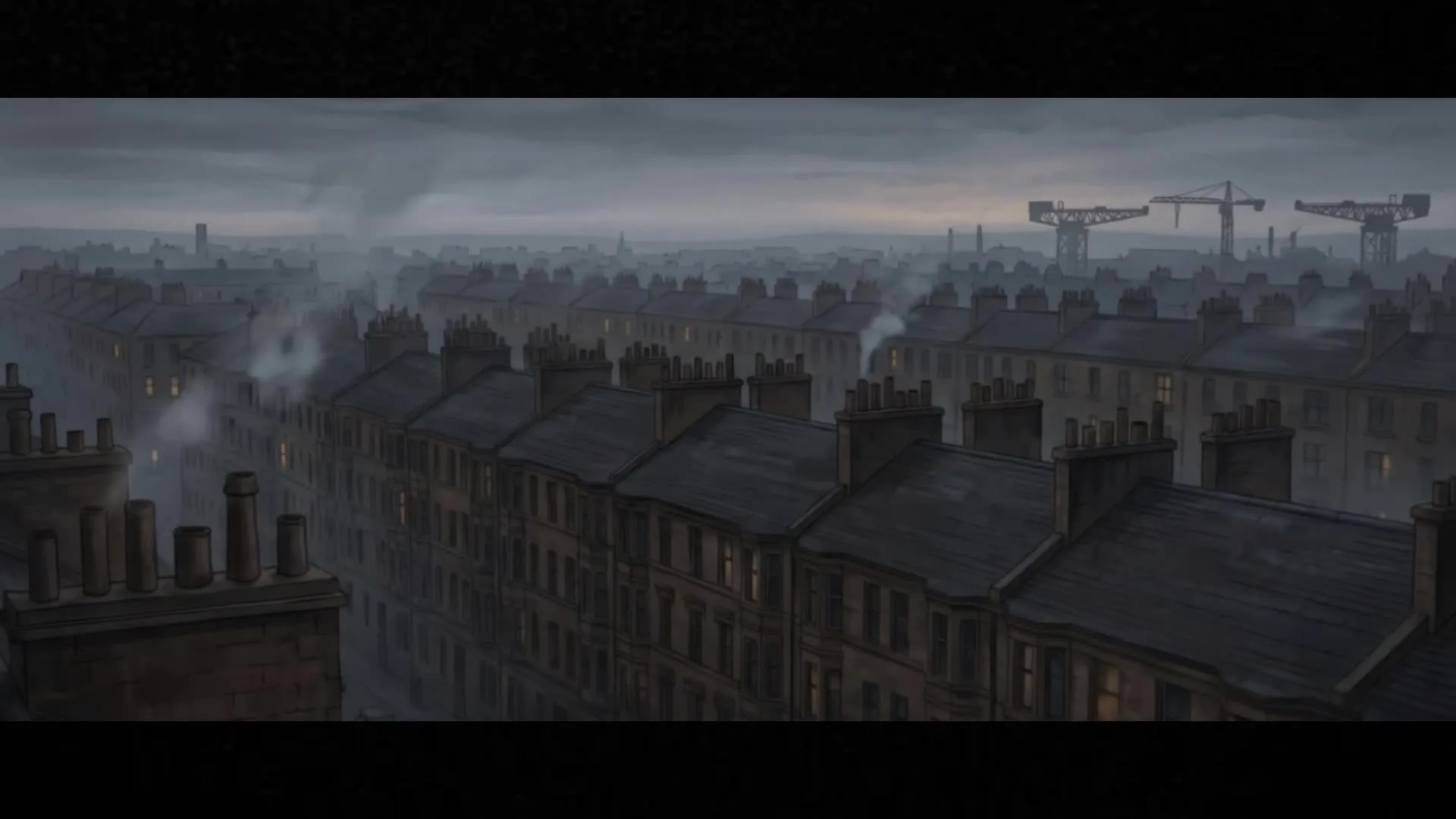
Glasgow in the late 1960s was Scotland's largest city, its industrial capital, and its most densely populated urban centre. Population approximately 950,000. Shipbuilding on the Clyde had, across the preceding decade, entered its long decline, but the yards at Govan and Scotstoun still employed tens of thousands. The city's working-class communities in the East End — Bridgeton, Calton, Dennistoun, the Gallowgate — were the heart of Glasgow's social life. Dance halls, working men's clubs, and public houses were the specific gathering places of Glasgow's under-thirties. Foremost among the dance halls was a specific establishment on the Gallowgate in the East End — the Barrowland Ballroom. It was the largest, the most popular, and the most-attended dance venue in Scotland. On three specific nights between February 1968 and October 1969, three young women were murdered after meeting the same man there. He has never been identified. Glasgow, and Scotland, called him Bible John — from the specific fact of his repeated quoting of Old Testament scripture during the evenings he spent with the women he killed.
1:35
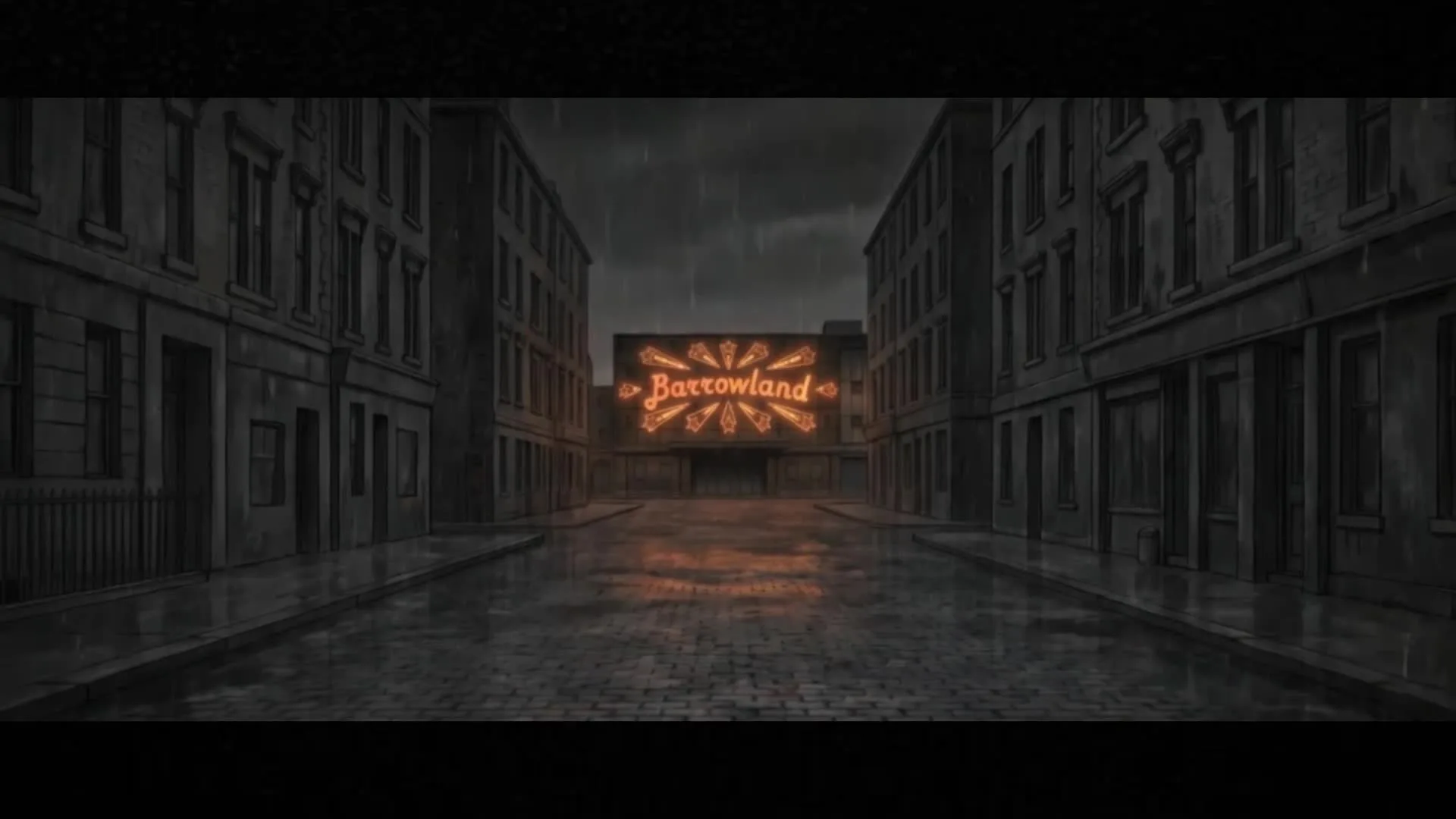
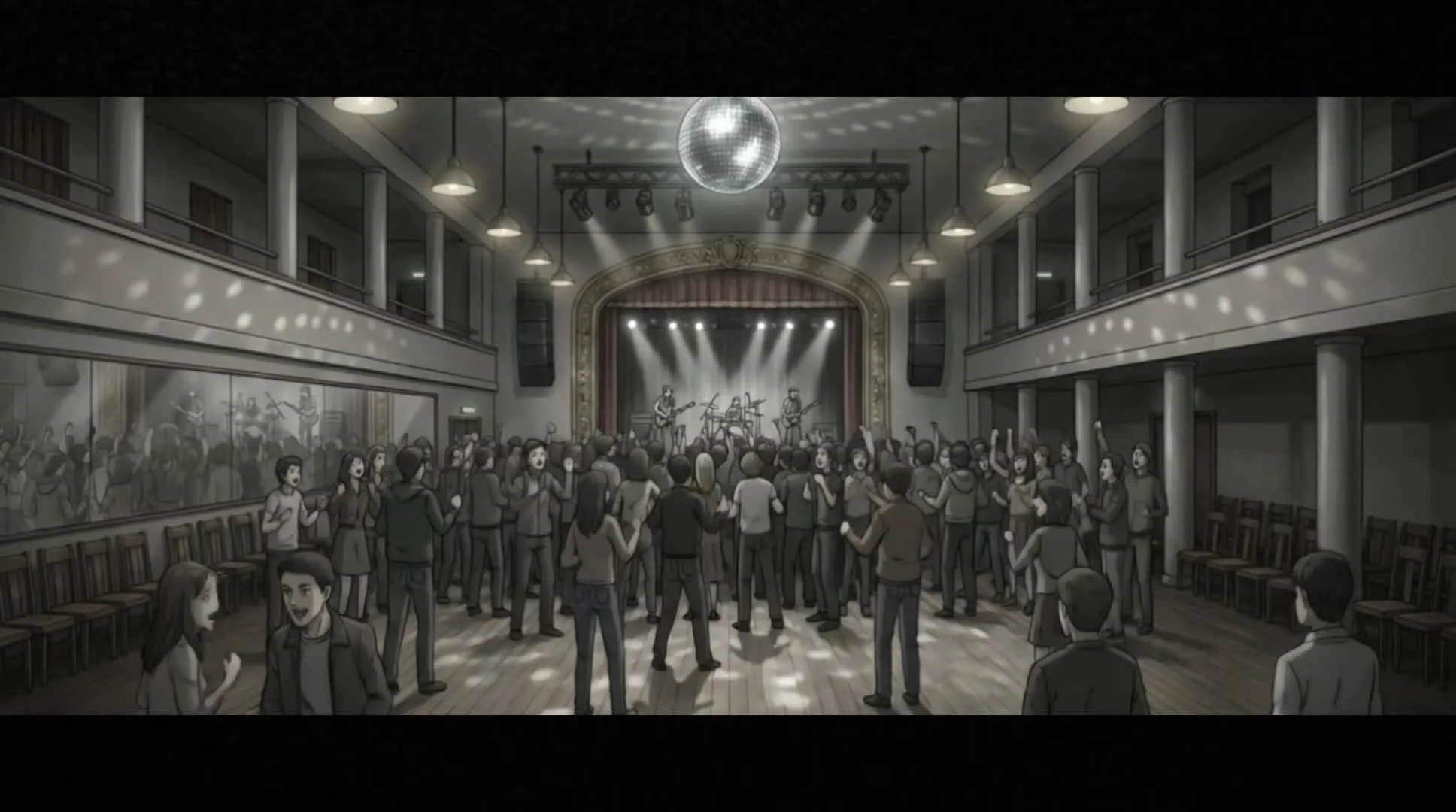
The Barrowland Ballroom, Gallowgate, Glasgow East End. Opened in 1934. A two-storey brick building with a distinctive neon sign — a large arrow pointing to the entrance — that had, by 1968, become one of the visual icons of the city. Its Thursday-evening 'Over-25s' nights were the specific event at which each of the three subsequent victims met her killer. Attendance on a typical Thursday: between 1,500 and 2,000 people. The clientele was overwhelmingly Glasgow working-class — factory workers, shipyard workers, shop assistants, nurses, hospital ancillary staff. The floor was open. The music was live. And the specific social contract of the Barrowland — that women went to meet men, that men asked women to dance, and that a couple who left together at the end of the evening was, in the specific Glasgow parlance of the era, a 'lumber' — was the specific social mechanism through which Bible John operated. He met his victims on the dance floor. He danced with them. He took them home.
1:52
Patricia Docker. Age 25. A nursing auxiliary at Mearnskirk Hospital in Newton Mearns, on the southern outskirts of Glasgow. Separated from her husband, mother to a young son who lived with her parents at 29 Langside Place, Battlefield. On the evening of Thursday, 22 February 1968, Patricia left her parents' home telling them she was going out dancing. She went, per subsequent police reconstruction, to the Barrowland Ballroom. At approximately 12:20 a.m. on the morning of Friday, 23 February 1968, she left the Ballroom with a man, per subsequent witness accounts. She was not seen alive again. Her body was found at approximately 7:00 a.m. on the morning of 23 February in a lane behind Carmichael Place in Battlefield — approximately 200 yards from her parents' home. She had been strangled. Her clothing was disarranged. Her handbag, coat, and shoes were missing and were never recovered. Patricia Docker was the first of the three.
1:38
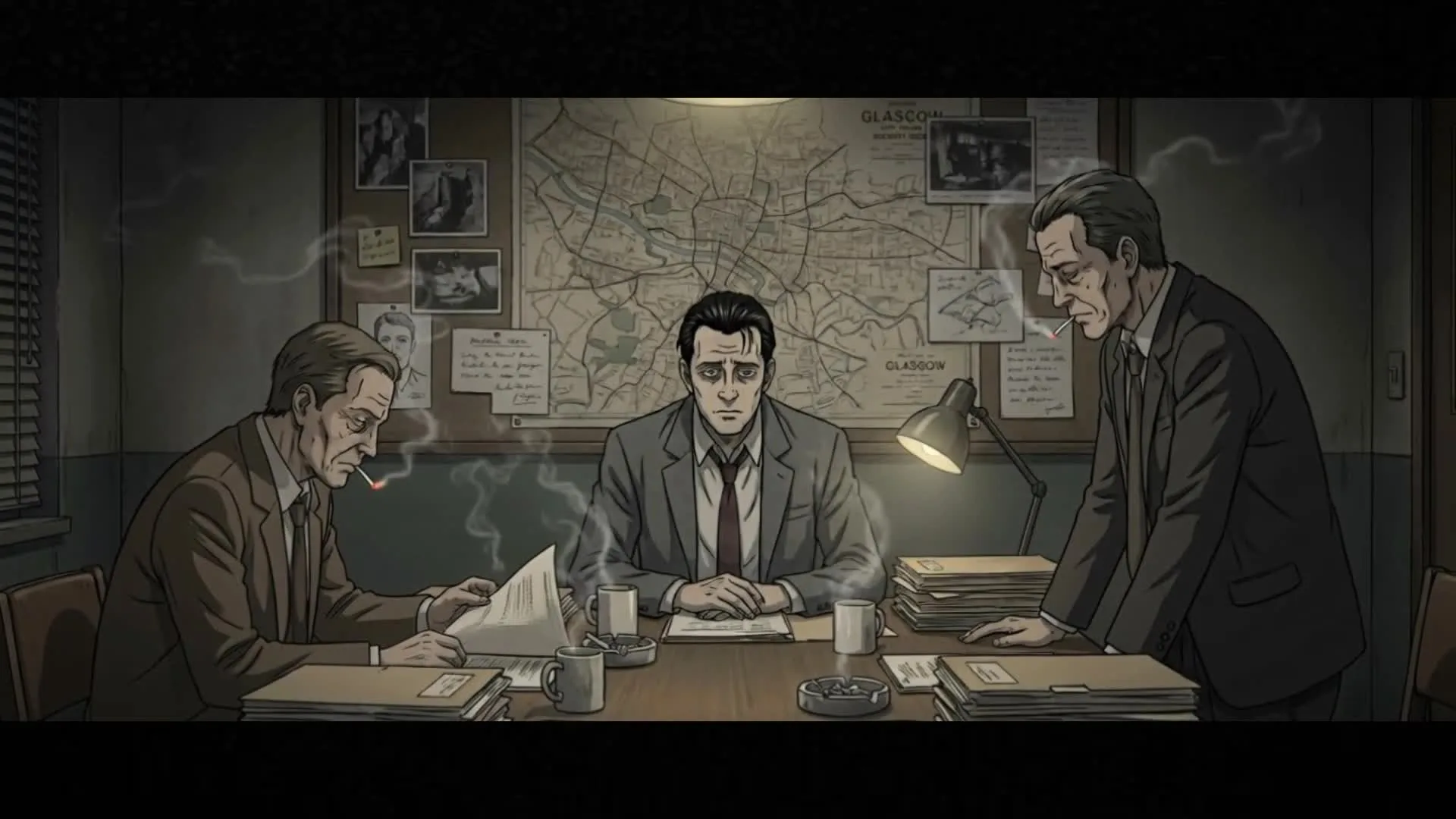
The initial Glasgow City Police investigation into Patricia Docker's murder ran from late February 1968 through the following months. Detective Chief Superintendent James Binnie of Glasgow CID took command. The investigation followed the standard patterns of a 1968 Scottish homicide inquiry — door-to-door canvassing across Battlefield and Mearnskirk, extensive interviews with Patricia's friends and colleagues, and, critically, one significant error. The investigation was told by family that Patricia had gone to a specific different dance hall — the Majestic Ballroom on Hope Street — on the night of 22 February. Officers focused their inquiries there. The specific fact that Patricia had actually gone to the Barrowland Ballroom that evening was not established until several weeks into the inquiry. The delay materially damaged the initial witness canvass. By the time officers began interviewing Barrowland regulars about a man seen with Patricia on the night of her death, several months had passed and specific memory of the specific man had substantially degraded. The Patricia Docker inquiry ran cold within a year. It would be reopened only when a second woman was murdered.
1:44
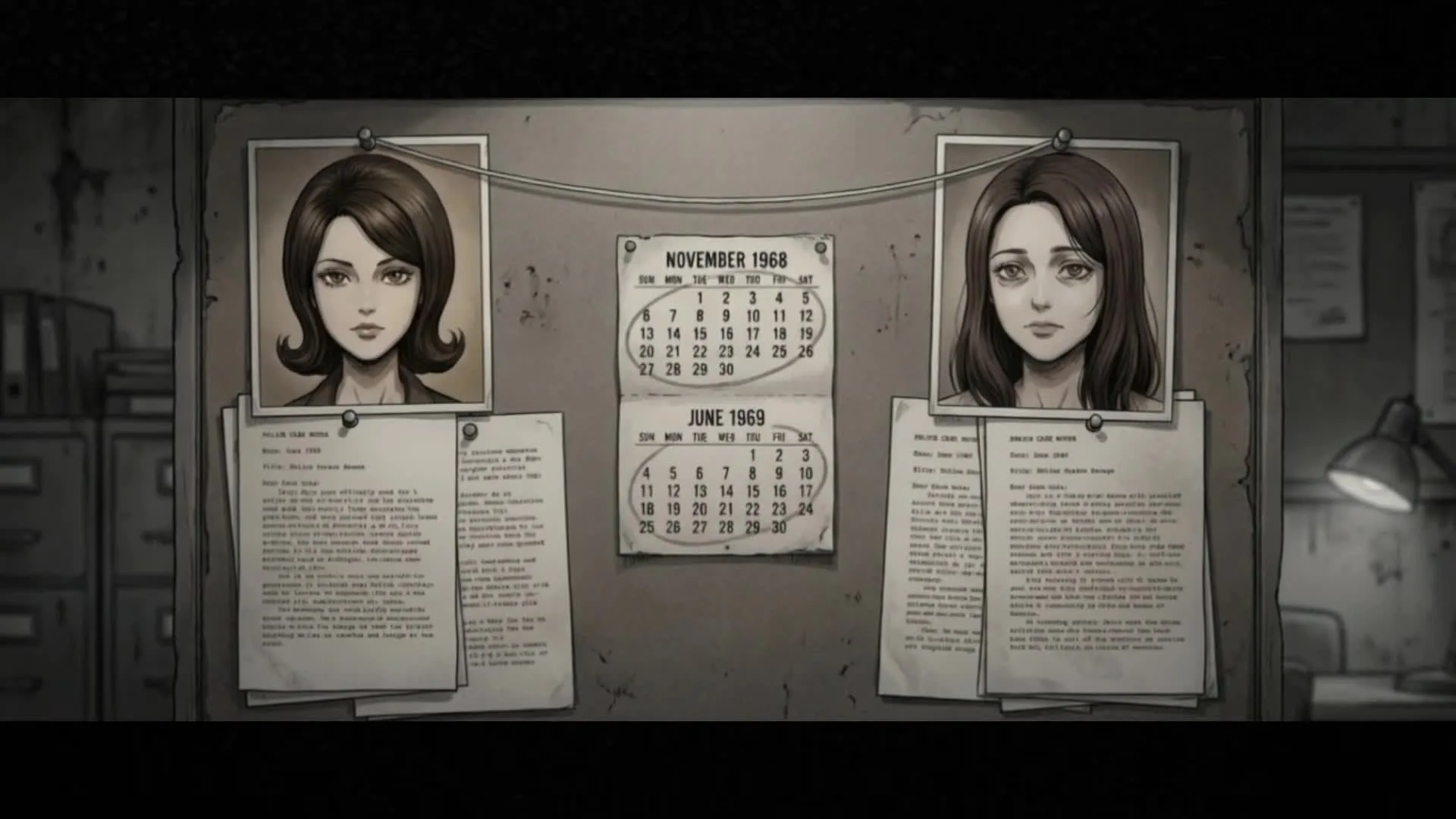
Jemima MacDonald. Age 32. A resident of Mackeith Street in Bridgeton, Glasgow East End. Unmarried, with three young children. On the evening of Saturday, 16 August 1969 — eighteen months after Patricia Docker — Jemima left her children with a family member and went to the Barrowland Ballroom. Multiple witnesses subsequently established that she had been seen dancing with a specific man throughout the evening, and had left the Ballroom with him at approximately midnight. She was not seen alive again. On the morning of Monday, 18 August 1969, her body was found by children playing in a derelict building at 23 Mackeith Street — approximately 100 yards from her home. She had been strangled. Her clothing had been rearranged. As with Patricia Docker, specific items of her personal property, including her handbag, were missing from the scene. The Glasgow City Police investigation, now under the operational leadership of Detective Superintendent Elphinstone Dalglish, immediately connected the two deaths. Both women had been at the Barrowland. Both women had been strangled. Both women had left with a man who was, per witness accounts, well-dressed, well-spoken, and in his mid-twenties.
1:55
The specific pattern that Glasgow City Police established across the summer and autumn of 1969, working the Patricia Docker and Jemima MacDonald cases in parallel. First: both victims were young working-class women who had gone unaccompanied to the Barrowland Ballroom on a Thursday or Saturday evening. Second: both had been menstruating at the time of their deaths — a specific and unusual pattern that would prove critical to the third case. Third: both had met and danced with a man who was tall, slim, of medium build, with reddish-fair hair worn short at the back and sides, well-dressed in a suit and tie, and speaking with a specific Glasgow accent that witnesses described as 'not rough' — that is, from one of the more genteel Glasgow districts rather than from the East End. Fourth: both had left the Ballroom with the same man at approximately the same hour of the evening. Fifth: both had been strangled at or near their own homes. Sixth: neither killing had produced any recovered forensic material identifying the killer. By late October 1969, Glasgow CID knew, in specific terms, that a serial killer was operating out of the Barrowland Ballroom. What they did not yet know was that he was, at that specific moment, planning a third.
2:06
Helen Puttock, née Gowans. Age 29. Married to Corporal George Puttock of the British Army, then serving in Northern Ireland. Mother of two young boys. Resident at Earl Street in Scotstoun, Glasgow West End. Jean Puttock — later Jean McLachlan — Helen's older sister, then in her early thirties. On the evening of Thursday, 30 October 1969, Helen and Jean went out together to the Barrowland Ballroom for a Thursday-night dance. The specific decision to go together — sisters, together, watching for each other — was the specific factor that made the third case, in the specific investigative sense, entirely different from the first two. Helen was murdered that night. Jean survived. Jean spent, in Helen's company, several hours in the direct presence of Bible John — in the Ballroom, in a shared taxi from the Ballroom to Scotstoun, and in the taxi's back seat during the specific journey during which Helen's killer had every operational reason to want no living witness to his face. Jean walked away from that taxi at approximately 1:30 a.m. on the morning of 31 October 1969. And she remembered the man she had spent the evening with in extraordinary detail.
1:49
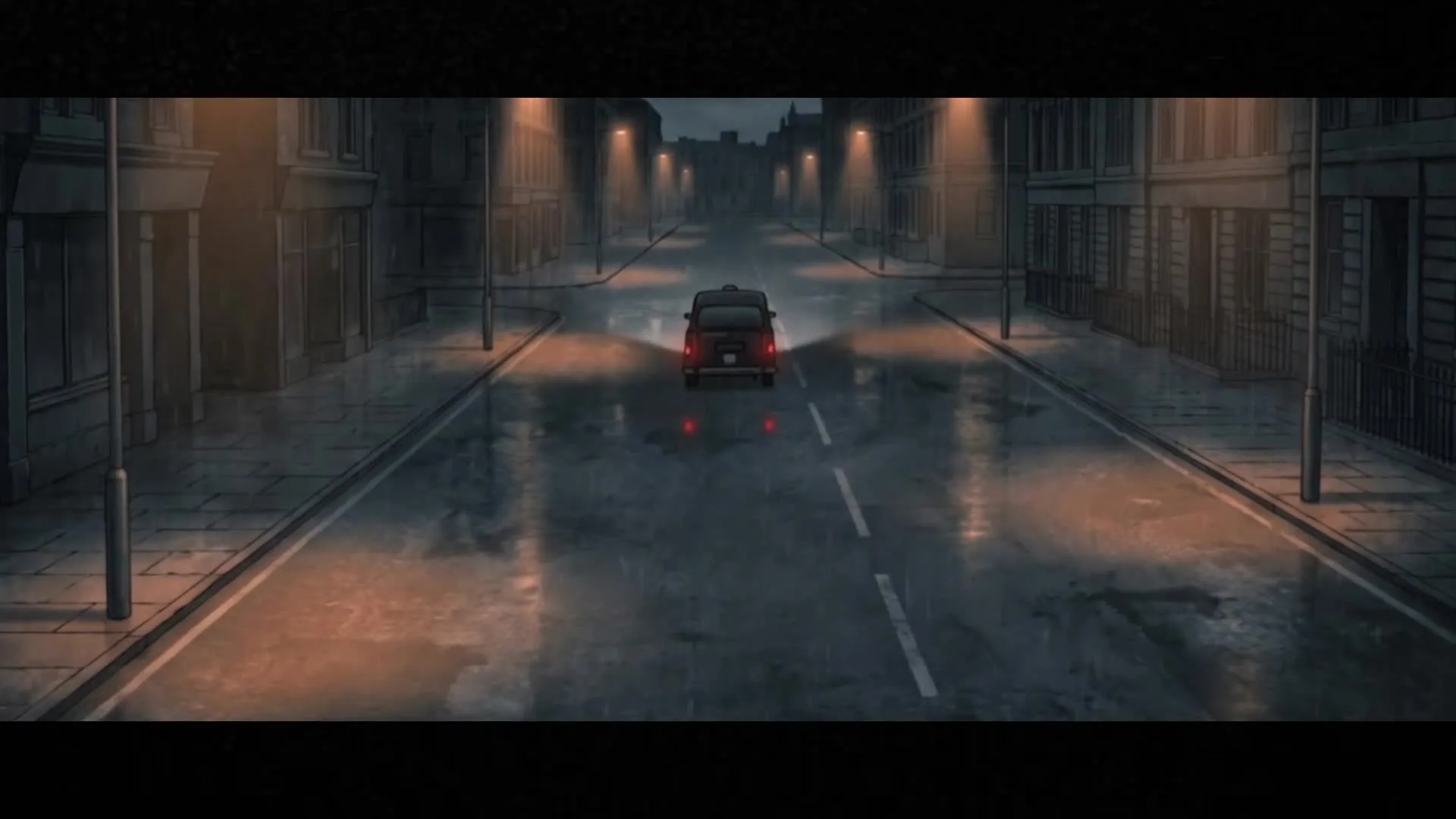
The specific shared taxi journey from the Barrowland Ballroom, Gallowgate, to Earl Street, Scotstoun, in the early morning hours of 31 October 1969. Approximately five miles across Glasgow, west to east, in the specific hour after the Ballroom's closing. The taxi contained four people. The driver — subsequently identified by the police as a specific Glasgow taxi operator and interviewed extensively across the following weeks. In the back, three passengers. Helen Puttock, at one window. Jean McLachlan, at the opposite window. And, in the middle, a well-dressed young man in a blue suit who had spent the evening with the two sisters and who had, in the course of the evening, given his name as 'John.' The taxi journey lasted approximately 30 to 40 minutes through a Glasgow of empty early-morning streets. During that journey, per Jean McLachlan's subsequent detailed statements to police, the man in the middle of the back seat talked at length. He quoted the Bible. He referred to Moses and to the 'adulterous woman.' He spoke of a strict Protestant upbringing. He gave, per Jean's account, an entire self-portrait — voluble, controlled, and, in a specific and disturbing sense, sincere. The taxi arrived at Scotstoun. Jean was dropped first at her own address in Knightswood. Helen and the man in the blue suit continued on to Earl Street. That was the last time anyone but the killer saw Helen Puttock alive.
1:58
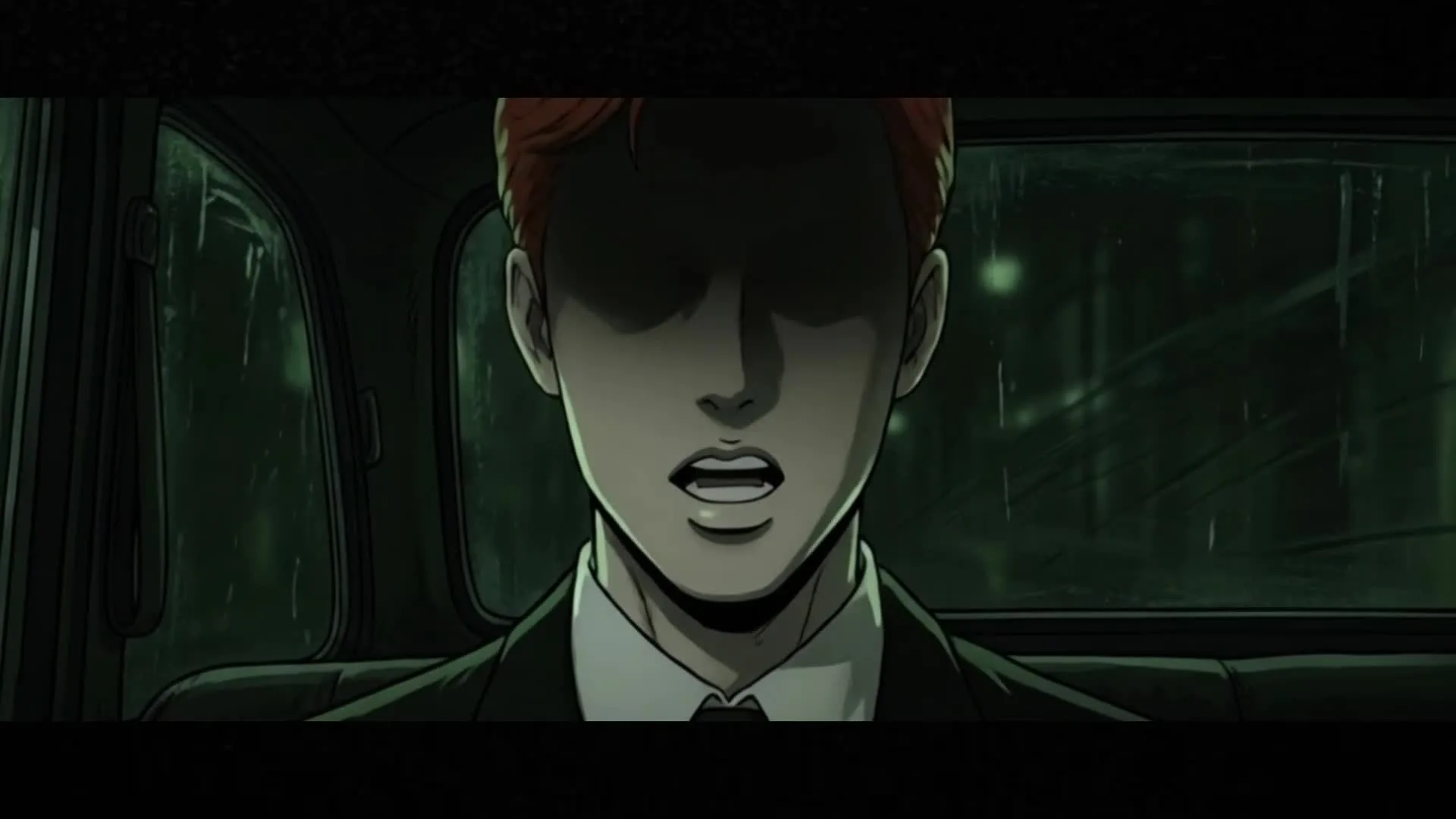
The specific detail of the taxi conversation, as reconstructed by Glasgow CID from Jean McLachlan's subsequent statements. The man in the back seat had introduced himself as 'John Templeton' or 'Sempleton' — the surname was, per Jean's account, indistinct. He had said he came from the Castlemilk area in the south of Glasgow. He had said he did not drink because his religion did not permit it. He had said he had a strict Protestant upbringing at the hands of a particular relative. He had, at length and repeatedly, quoted the Old Testament. He had used the specific phrase, when asked about religious observance, 'I don't drink at Hogmanay — I pray.' It was the specific detail — the pairing of the Bible-quoting with the abstinence and the Hogmanay reference — that would, within days, give the killer the name by which he has been known in Scotland ever since. He was, per the Scottish tabloid press of November 1969, 'Bible John.' The specific vividness of Jean McLachlan's memory of him — his height, his slim build, his reddish-fair hair worn 'short at the back and long over the ears,' his blue suit, his overcoat, his specific mannerisms, his teeth, his gait — would produce the most detailed police composite sketch of a serial killer in Scottish history. It would not, across the following 55 years, identify him.
1:58
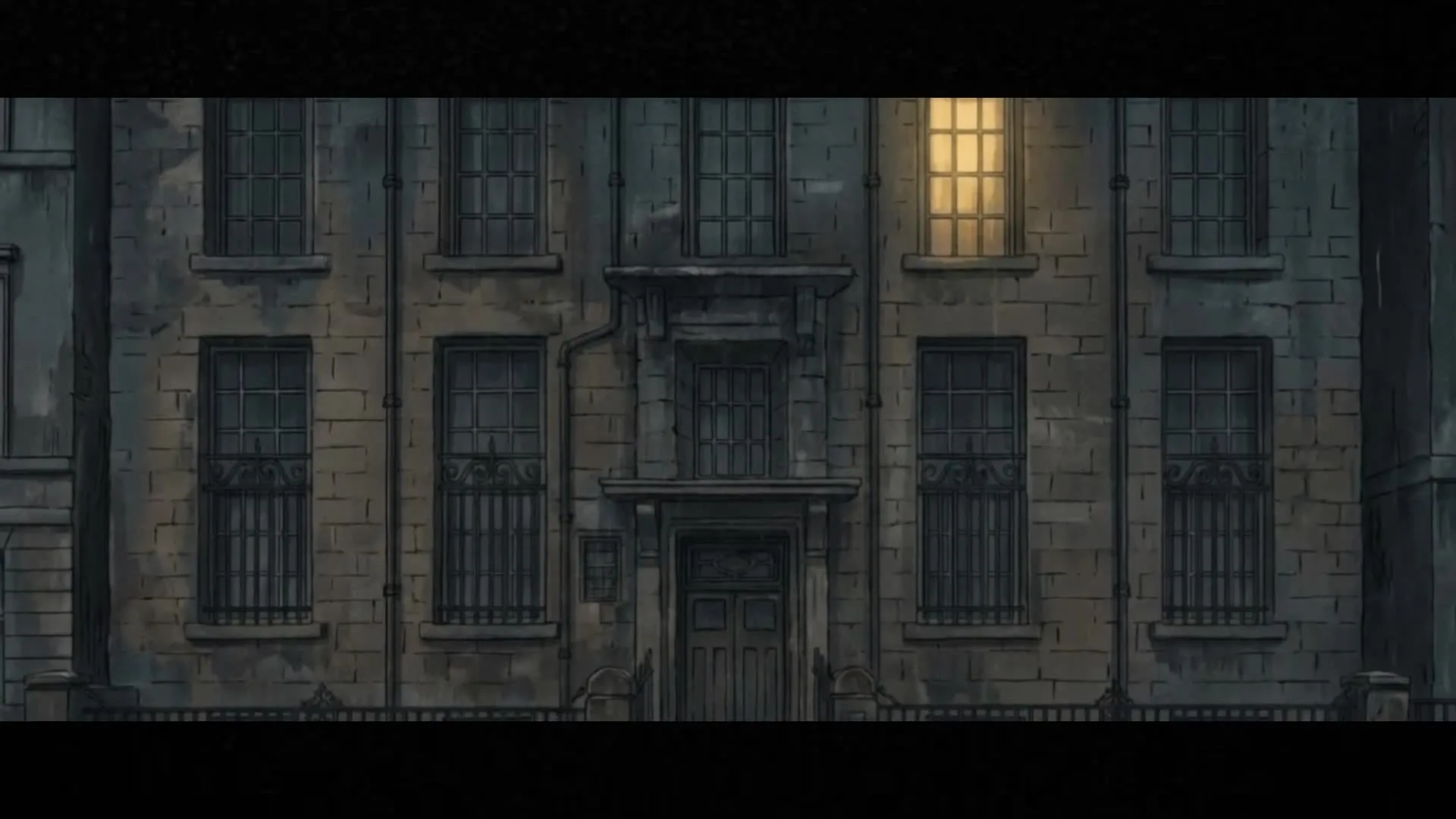
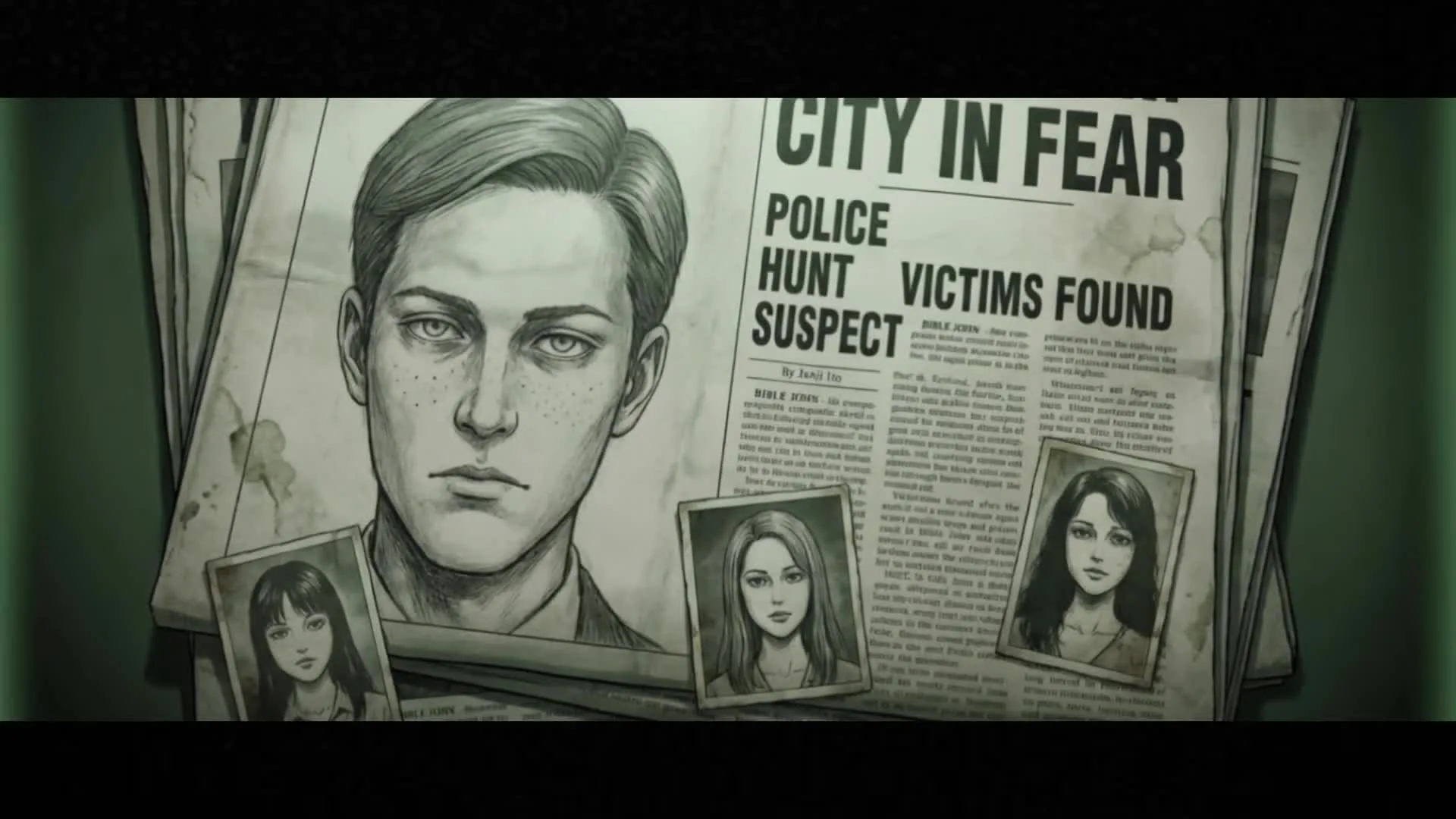
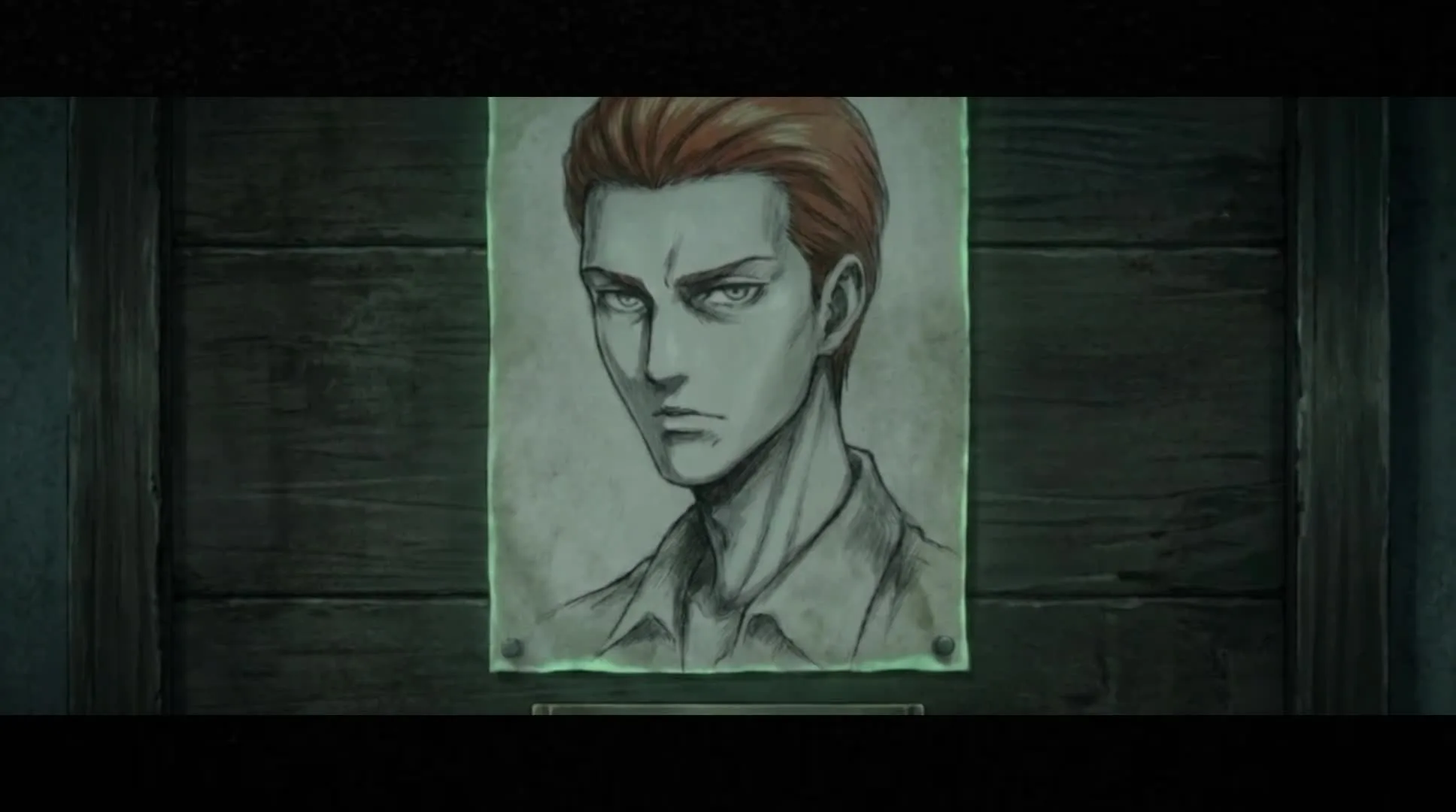
The Bible John composite sketch. Produced by police artist Lennox Paterson of the Glasgow School of Art in the specific week following Helen Puttock's murder. Drawn from Jean McLachlan's detailed description in a specific series of interviews at Marine Division Headquarters. The sketch depicted a young man, approximately 25 to 30 years of age, tall — around 6 feet — slim, with reddish-fair or ginger hair worn short at the back and sides but with a distinctive longer fringe over the ears. Even features. A neat suit and tie. A specific expression that has, in the years since, been the subject of an entire subgenre of Scottish crime commentary — the calm, contained expression of the man Jean McLachlan had spent the last hours of Helen's life sitting next to. The sketch was published on the front pages of every Scottish newspaper in the first week of November 1969. It was reprinted, repeatedly, across the following months. It generated, per the Glasgow City Police subsequent tallies, over 5,000 individual public tips regarding possible matches. It has, in the fifty-five years since, become one of the most-reproduced police composite images in British criminal history. It has never identified anyone.
1:48
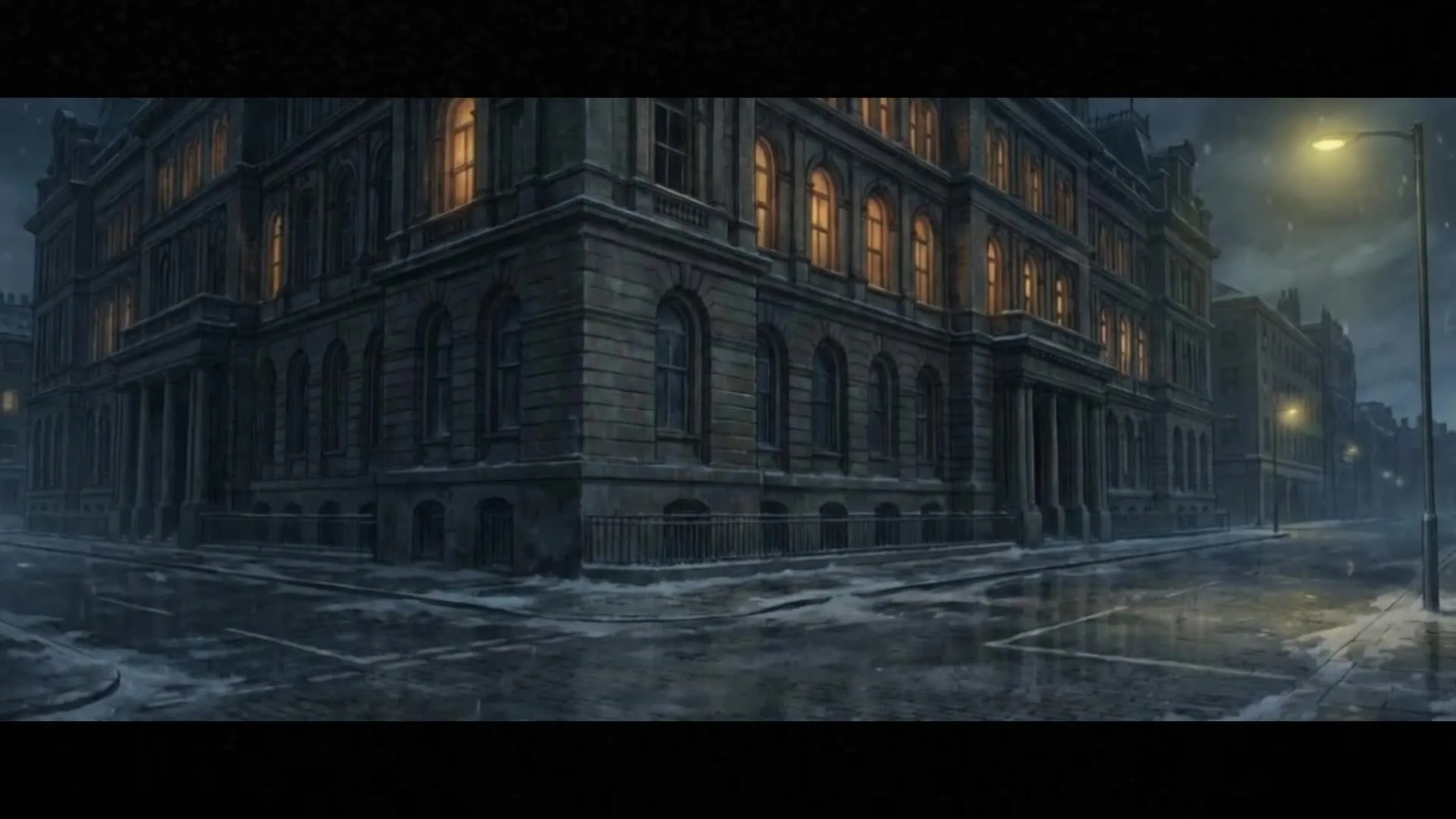
The Glasgow City Police manhunt for Bible John. Operational lead: Detective Superintendent Elphinstone Dalglish. Lead officer for the day-to-day investigation: Detective Superintendent Joe Beattie. Duration of active investigation: approximately three years from November 1969 to early 1973. Approximately 100 officers assigned at peak. Over 50,000 individual interviews conducted across Glasgow and central Scotland. Every Barrowland regular. Every taxi driver in the city. Every hairdresser — on the theory that Bible John's distinctive haircut had been done by a specific one. Every Scottish dentist — on the theory that the specific overlapping upper teeth Jean McLachlan had noted might match a dental record. Every religious congregation of a strict Protestant character — on the theory that the Bible-quoting had reflected genuine background. Every hotel and boarding-house register. Every man of the approximate physical description on the Scottish Register of Electors. It was, per subsequent police historians, the largest single-case investigation in Scottish police history to that point. It produced not one arrest that led to a charge. The manhunt was, without formal announcement, effectively wound down in 1973.
2:01
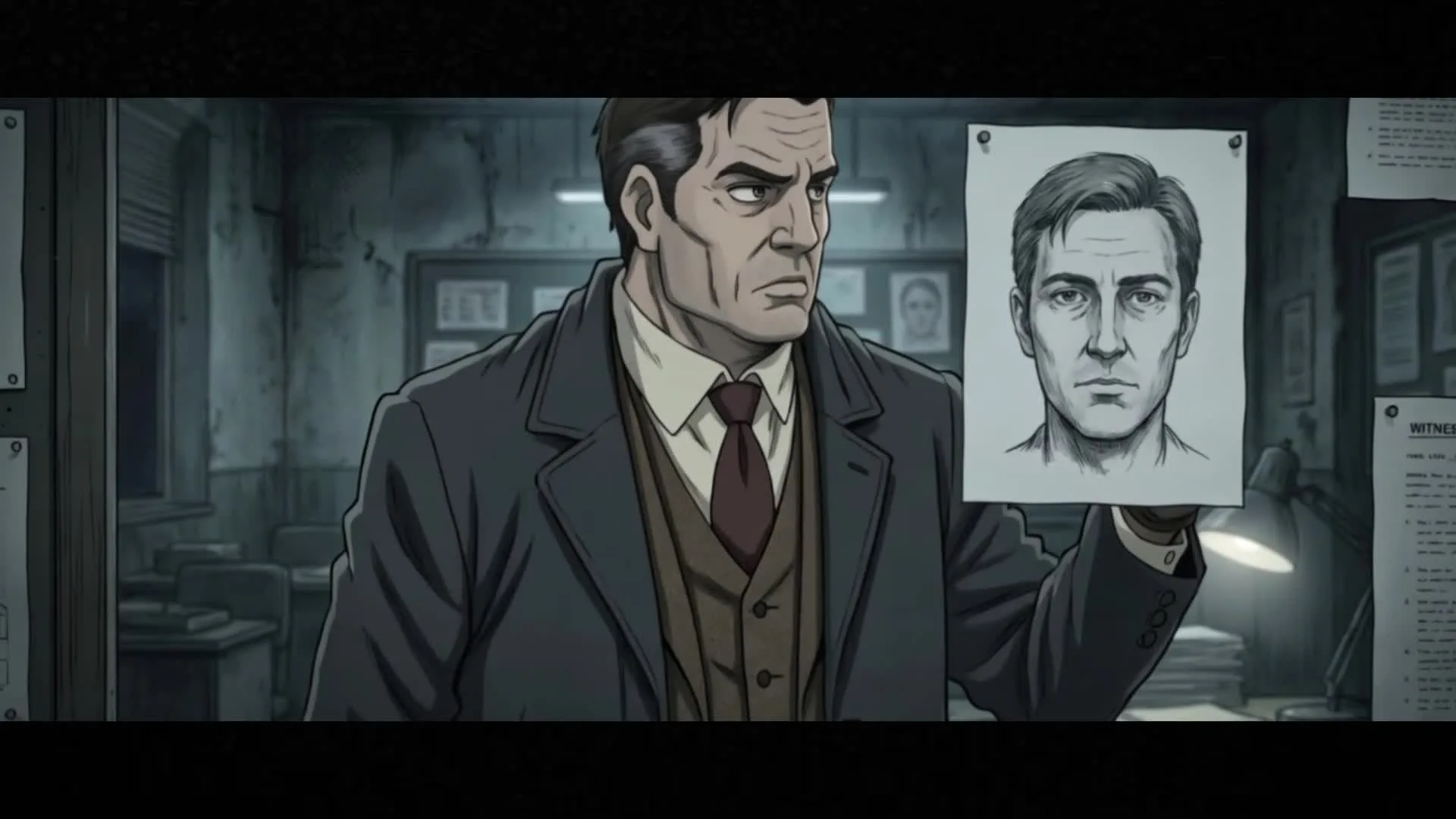
Detective Superintendent Joe Beattie. Glasgow CID. Born in Glasgow, career police officer, appointed to lead the Bible John day-to-day investigation from November 1969. Beattie became, in the specific way that a small number of British detectives across history have become, personally identified with a single case. He worked the Bible John file from 1969 until his retirement from the Glasgow CID in 1980. He interviewed Jean McLachlan on more than 300 separate occasions across those eleven years. He interviewed thousands of potential witnesses. He personally reviewed every submitted public tip. He carried the case file — literally, on a Friday evening across his own dining table at home — every weekend of his career. He kept photographs of the three victims in his personal effects for the remainder of his life. Beattie retired in 1980 without an identification. He continued to work the case as a private matter until his death in 2000. He was, per every subsequent account of his colleagues, absolutely convinced across those thirty-one years that Bible John had been, at some specific moment, in a specific room in front of him — and that Beattie had, for a specific reason he had never subsequently been able to identify, not recognised him.
2:15
Patricia Docker. Jemima MacDonald. Helen Puttock. For fifty-five years, in every popular account of the case, they have been characterised primarily by the specific circumstances of their deaths — as women who went alone to a dance hall, who met a stranger, who left with him, and who died as a result. The specific characterisation has, in the years of contemporary reassessment of historic Scottish criminal cases, been substantially challenged by historians, journalists, and the families of the three women. Patricia Docker was a mother. Jemima MacDonald was a mother of three. Helen Puttock was a mother of two young boys and a soldier's wife whose husband was serving in Northern Ireland during the height of the Troubles. All three women were exercising, on the specific evenings of their deaths, the specific and entirely ordinary Glasgow social entitlement to an evening's dancing. They were not, in any meaningful moral sense, careless. They were not, in any meaningful sense, doing anything that hundreds of thousands of other Glasgow women did every weekend. They were, in the specific circumstances that mattered, unlucky. And they were killed by a man who has, across the intervening fifty-five years, been substantially better remembered than they have.
2:12
John Irvine McInnes. Born in Stonehouse, Lanarkshire, in 1938. Died by suicide in 1980, aged 41. A Scottish soldier and subsequently a labourer and cabinet-maker. Married with children. A regular attender at the Barrowland Ballroom during the specific 1968–69 period of the Bible John killings. He had been, at the time of the original investigation, an early candidate in the Glasgow CID inquiry. He had been interviewed by Joe Beattie. He had been shown to Jean McLachlan in a face-to-face confrontation. Jean McLachlan had not, at the specific moment of that confrontation, identified him. In 1996, following the specific development of forensic DNA analysis, Strathclyde Police obtained authority to exhume McInnes's body from his mother's grave at Stonehouse Cemetery in Lanarkshire. DNA analysis was conducted on the exhumed remains. The results were compared against a specific semen sample recovered from Helen Puttock's tights in October 1969 and preserved by the Glasgow police laboratory. The result: inconclusive. A partial match at some markers, no match at others. The specific interpretation of the inconclusive result has been contested across the intervening decades. McInnes was formally cleared as Bible John by Strathclyde Police in 2007.
2:09
Peter Britton Tobin. Born in Johnstone, Renfrewshire, in 1946. Died in prison in Edinburgh in 2022. Convicted of the murders of three women — Angelika Kluk in Glasgow in 2006, and Vicky Hamilton and Dinah McNicol, both killed in 1991 and 1990 respectively, whose bodies were recovered from Tobin's former garden in Margate, Kent, in 2007. Tobin was, in every publicly documented respect, an operating serial killer of women in the United Kingdom across four decades. He had, in the specific 1968–69 period, been resident in Glasgow. He had been the correct approximate age. He bore, per some contemporary observers, a specific resemblance to the Bible John composite sketch. Subsequent journalist and police interest in Tobin as a potential candidate for Bible John — including the private investigation of former Lothian and Borders Detective Inspector David Swindle and the specific 'Operation Anagram' inquiry — was substantial from 2007 onward. No formal charges in the Bible John case were ever brought against Tobin. He denied involvement across the entirety of his subsequent incarceration. He died in prison in October 2022 without ever having been publicly identified by any Scottish police force as the confirmed Bible John.
2:14
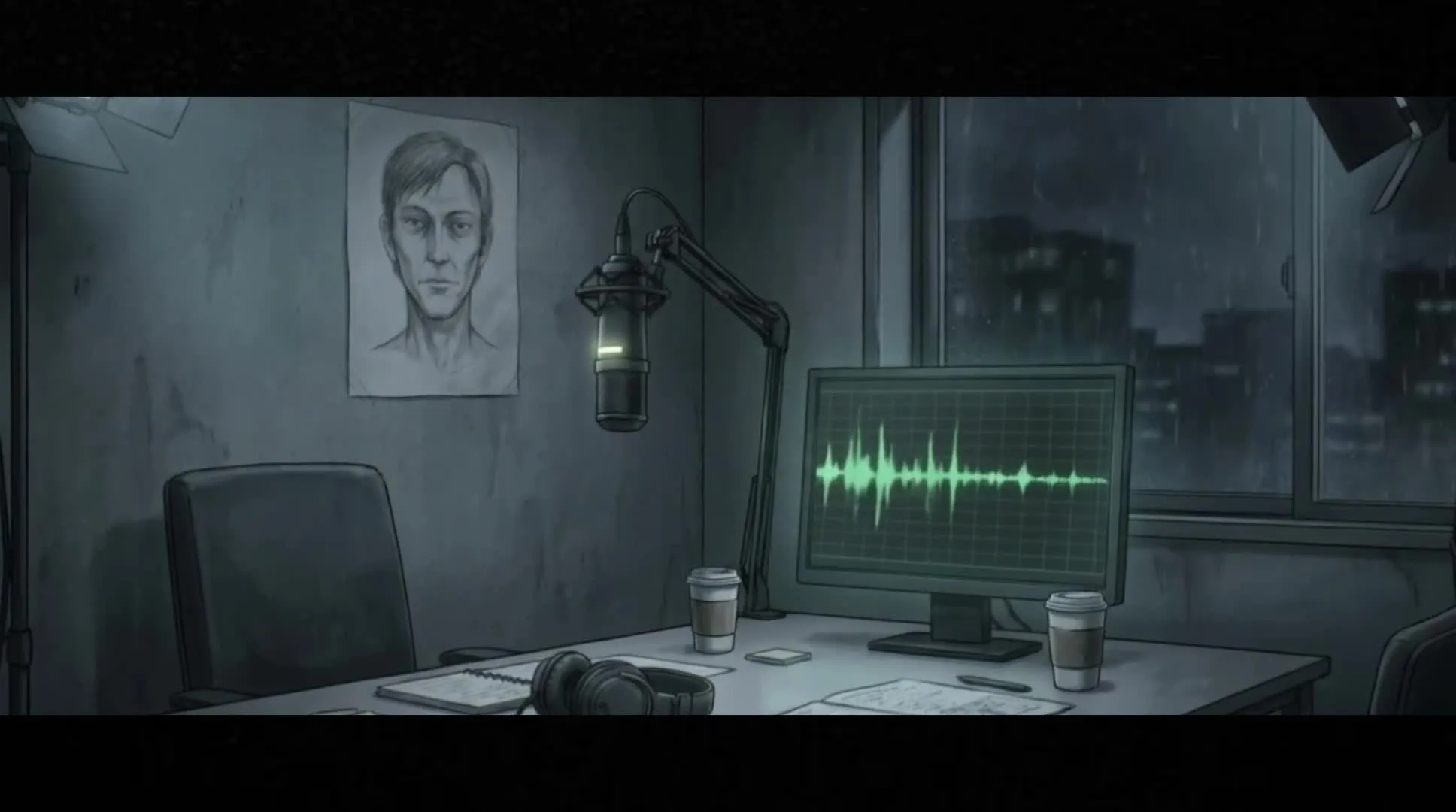
October 2022. BBC Sounds and BBC Radio Scotland. Publication of the podcast series 'Bible John: Creation of a Serial Killer,' presented by journalist Audrey Gillan. Gillan's investigation, developed over multiple years in cooperation with the families of the three victims, advanced a specific and substantially different reading of the case. Her central argument: the specific 'serial killer at the Barrowland' narrative constructed by the Glasgow tabloid press across late 1969 and 1970 — the theatrical figure of the Bible-quoting stranger — had been substantially misleading. It had, per Gillan's argument, been the specific product of Jean McLachlan's very particular and possibly unrepresentative memory, of the Glasgow police's specific investigative choices, and of the specific media dynamics of the era. It had displaced from public memory the specific human individuality of the three murdered women. It had elevated the killer to the status of Scottish folklore. And it had, in the specific investigative sense, contributed to the case remaining unsolved. The podcast was widely acclaimed. It provoked substantial subsequent public discussion of the case's fifty-five-year handling.
2:09
The persistent Scottish rumour, from the early 1970s to the present day, that the specific reason the Bible John case was never solved was that the identity of the killer had been known to Glasgow police from an early point in the investigation and had been protected from formal identification for specific reasons of social or institutional standing. Various versions of the rumour have circulated. That the killer had been a serving police officer. That he had been a member of a specific Glasgow Masonic lodge. That he had been the son of a specific senior Glasgow public figure. That he had been a specific individual whose identification would have caused significant political embarrassment. None of these specific rumours have, across five decades, been supported by any documentary evidence that has withstood serious journalistic scrutiny. The specific institutional culture of the 1970s Glasgow City Police was, per subsequent published histories, in some respects poor by contemporary standards. There is, however, no specific documented evidence of the specific Bible John cover-up alleged. What has been documented is the specific damage that the persistent unproven rumour has done to the credibility of the Scottish police response in the eyes of the victims' families.
2:00
The Barrowland Ballroom, 244 Gallowgate, Glasgow. As of 2026, still operating. Still standing on its original 1934 site. Still hosting live music nights and dance events. The distinctive neon arrow sign, restored across multiple renovations, still points to the same front entrance the three victims used on the last evenings of their lives. The Ballroom has, across the intervening decades, become one of the most-photographed music venues in the United Kingdom. It has hosted, since 1983, some of the most significant popular music performances in Scottish cultural history. In 1983, the songwriter Elvis Costello named his album 'Punch the Clock' partially in reference to Glasgow and to the Barrowland. In the 1980s the Ballroom became a national music venue. The specific memory of the three 1968–69 murders is not, in the Ballroom's contemporary public presence, publicly emphasised. It is not commemorated on the site. Local residents of the East End have, across generations, continued to attend the venue as their parents and grandparents did before them. The specific building where Bible John met all three of his victims has, in the specific sense that mattered most to the killer, entirely outlived him.
2:02
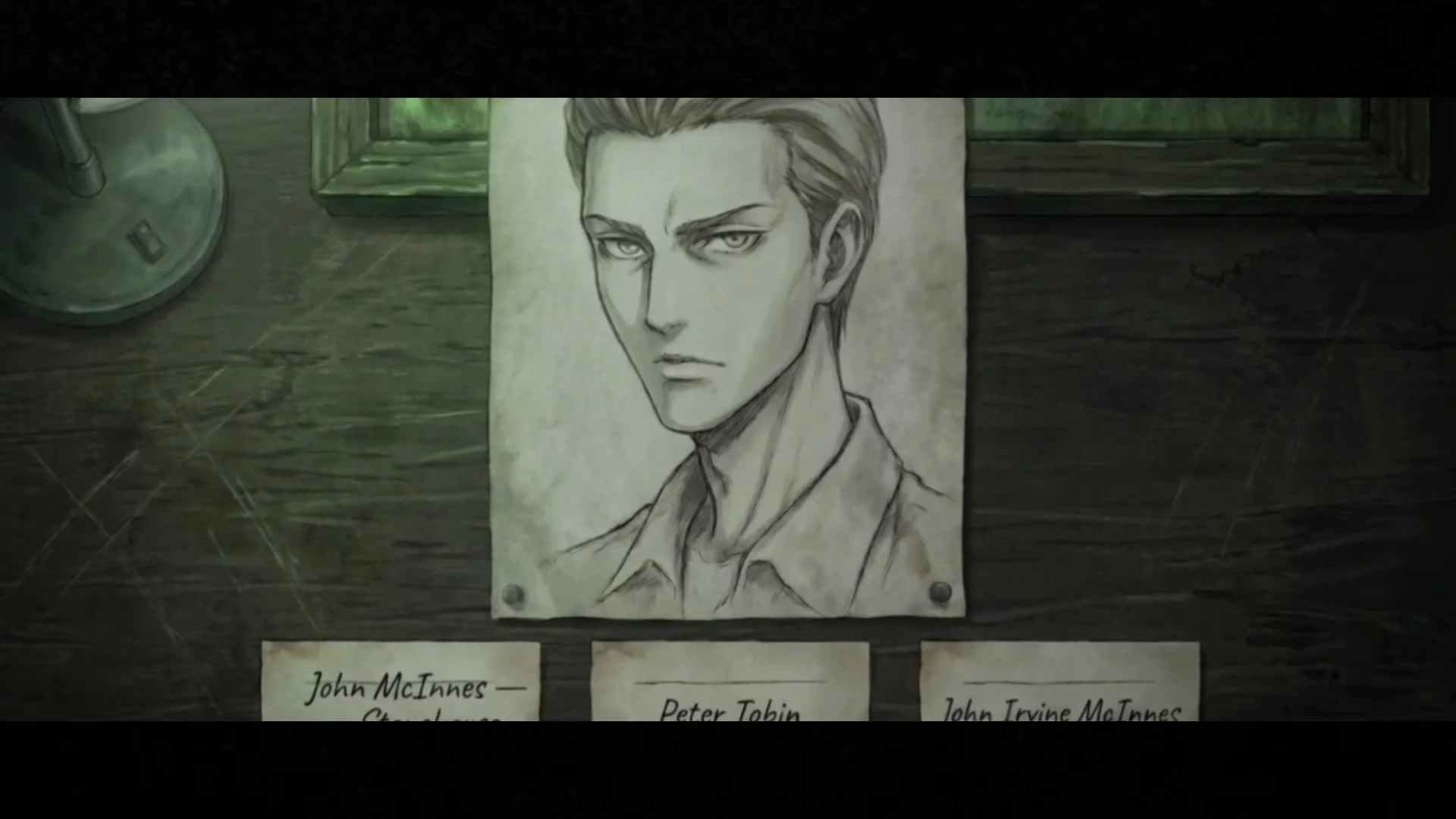
The specific individuals investigated as suspects in the Bible John case across five decades. Peter Tobin — investigated formally from 2007. Cleared without charge. John Irvine McInnes — investigated from 1969, exhumed 1996, formally cleared 2007. John Templeton — a specific Glasgow individual of the correct age matching the surname the killer had given to Jean McLachlan, interviewed extensively in 1969–70, cleared. Numerous other Glasgow-area men of the correct approximate description, interviewed in 1969–70 and subsequently, none charged. In 1996, a private investigator working with the families of the three victims claimed to have identified a specific named individual then living in Glasgow as the confirmed Bible John. The named individual — never publicly identified in the mainstream press — subsequently sued for defamation and won. In 2020, journalist Stephen Wilkie of the Scottish tabloid press claimed to have identified an alternative candidate. No formal charges followed. Every single specific name publicly advanced across five decades as the confirmed Bible John has, on specific documentary examination, either failed to withstand scrutiny or has, per subsequent forensic examination, been forensically excluded. Bible John, in the specific evidentiary sense that would matter to a Scottish court, is still an unidentified man.
2:06
Present day. Police Scotland — the unified Scottish police service formed in 2013 from the eight predecessor forces including Strathclyde Police, which had itself succeeded the Glasgow City Police in 1975. The Bible John case files remain, on the specific administrative record, open. The specific case numbers assigned to the deaths of Patricia Docker, Jemima MacDonald, and Helen Puttock in 1968–69 remain live on the Police Scotland Major Investigation database. Police Scotland's Cold Case Unit conducts periodic review of the files. New forensic techniques — including advances in DNA analysis, in genealogical DNA matching, and in the re-examination of preserved 1969 physical evidence — have been applied at successive intervals. As of 2026, the specific semen sample recovered from Helen Puttock's tights on the morning of 31 October 1969 — the single most important surviving piece of physical evidence in the case — has, per publicly available Police Scotland statements, not yet produced a definitive identification. The specific killer's genetic profile remains, in the specific forensic sense, in the database. The specific match to a named individual has not yet been established. Bible John, in the specific and terrible sense that matters to Patricia Docker's son, to Jemima MacDonald's three children, and to Helen Puttock's two boys, has never been arrested. The file is still open.