
20 episodes
jollybusyperch
On the night of April 11, 1981, a mother and three children were killed in a small rented cabin at the edge of a Sierra Nevada resort town in Northern California. Two of the family's younger children survived in an adjoining room. The mother's twelve-year-old daughter was taken from the scene; her remains would not be found for three years. The case fell to a rural sheriff's department. The two men now believed responsible were interviewed within 48 hours, questioned, released, and never charged. Both died before the case was reopened. This is the story of that family, of the investigation that failed them, and of the two Plumas County officers who — thirty-two years later — quietly began working the case again.
20 episodes

1:00
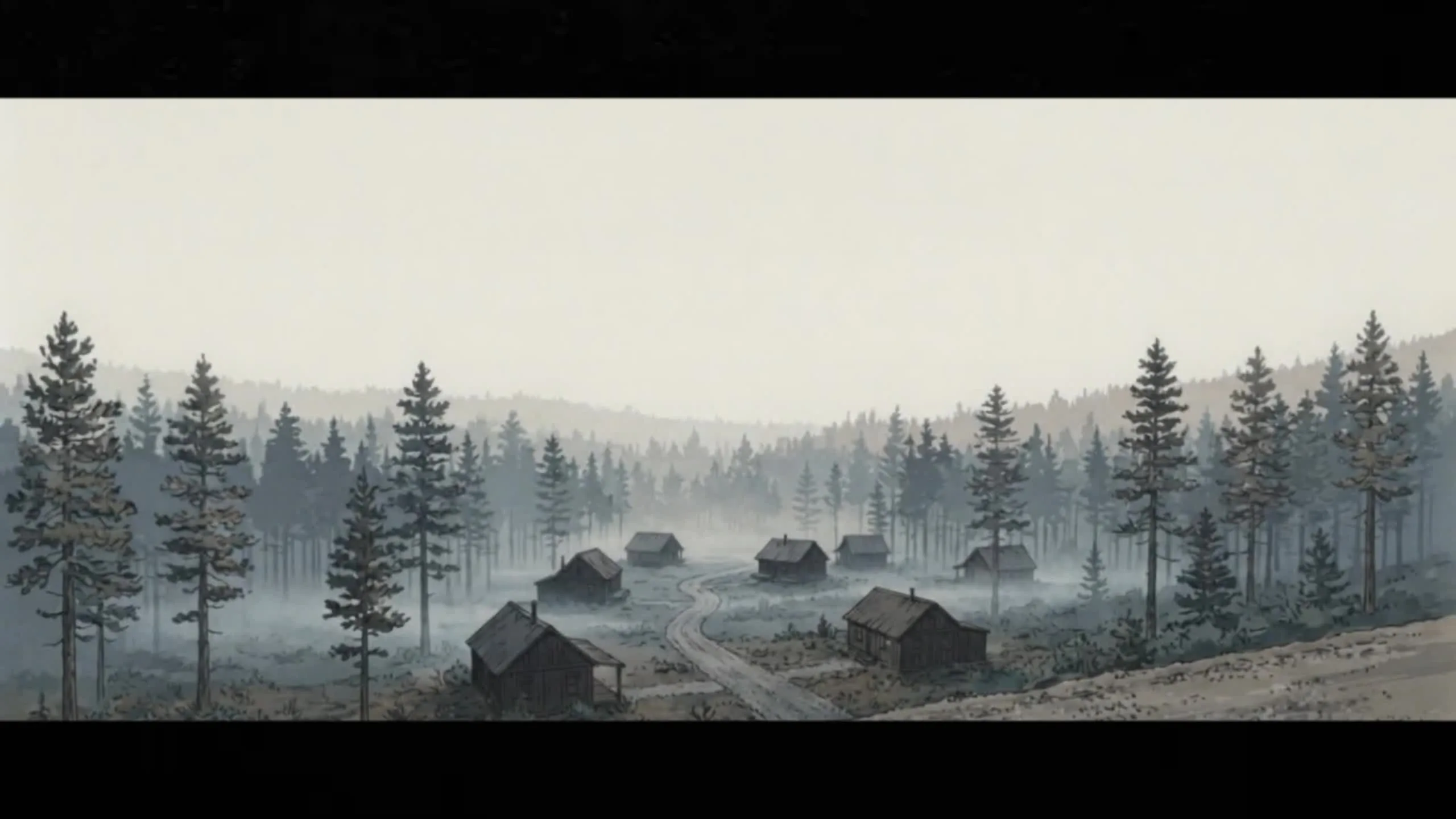
Keddie in April 1981 was a small unincorporated community in Plumas County in the northern Sierra Nevada of California, approximately six miles west of the county seat at Quincy. Population fewer than 100 permanent residents. The town had grown up around the Western Pacific Railroad's Keddie Wye — a Y-shaped junction where the railway split toward Salt Lake City and Portland — and around the Keddie Resort, a cluster of approximately thirty small wooden cabins built in the 1910s and 1920s that had, by 1981, been converted from tourist accommodation to permanent low-rent housing. Most tenants were working-class families — loggers, railway workers, small-town service workers. The community was policed by the Plumas County Sheriff's Office out of Quincy. Reported serious crime in the village in the years preceding 1981 had been minimal; there had been no homicides in the immediate community in the preceding decade. The Sharp family — a divorced mother and her five children — had moved into Cabin 28 in November 1980. Five months later, on the night of 11 April 1981, four of them would die there. The case that opened at 8:05 the following morning has never been formally closed.
0:59
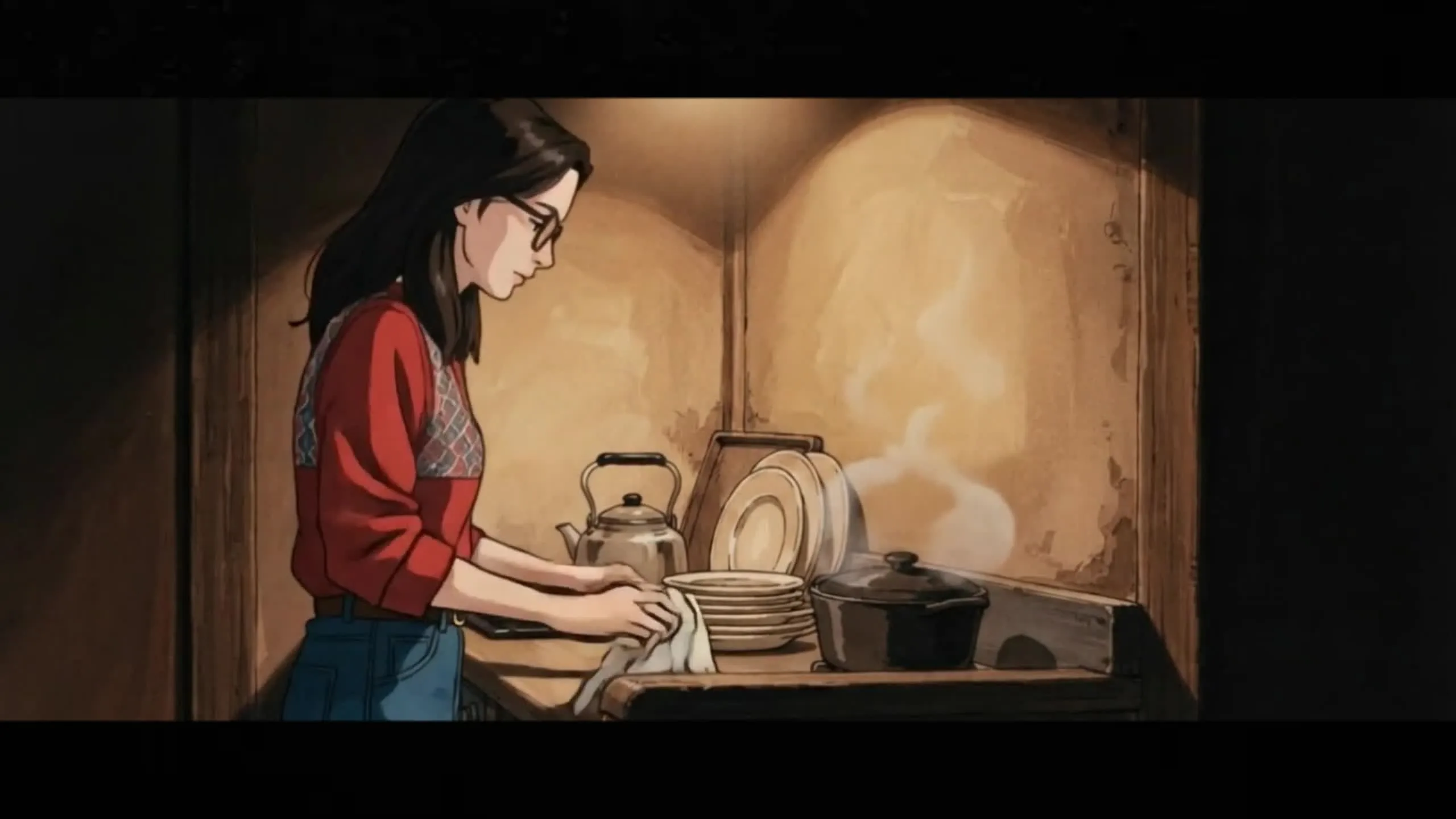
Glenna Susan Sharp. Born 29 March 1945. Married to James Sharp, a US Air Force veteran, in her early twenties. Five children born to the marriage between 1965 and 1975. The marriage was, per family accounts, troubled by her husband's alcohol dependency. Sue initiated divorce proceedings in the late 1970s and separated from James. In 1980, she moved her five children from Connecticut to northern California to be closer to her brother, who lived in Quincy. The family lived initially in a trailer. In November 1980, Sue moved them into Cabin 28 at the Keddie Resort — a small three-bedroom cabin that represented a substantial improvement on their previous accommodation. She found work locally and was, per every subsequent family and community account, an attentive and protective mother. Per subsequent police interviews with Keddie residents, she was disliked by the immediate next-door Smartt family — specifically by Marty Smartt, who reportedly resented her influence on his wife Marilyn. On the evening of Saturday, 11 April 1981, Sue Sharp was 36 years old and at home in Cabin 28 with her four eldest children. It was, per every subsequent reconstruction of the case, an entirely ordinary spring evening in Keddie.
0:56
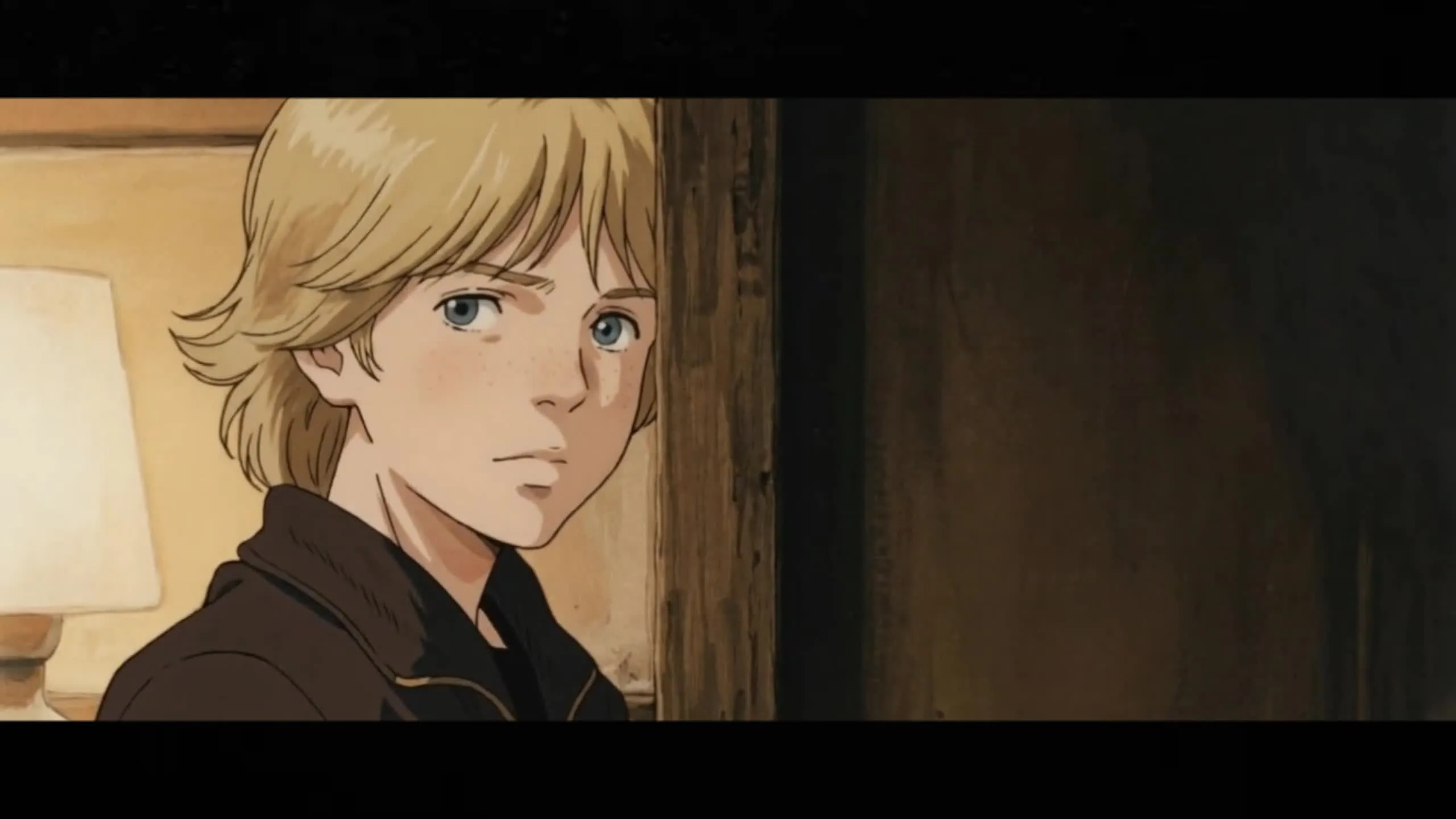
The five Sharp children as of April 1981. John Steven Sharp — age 15, born 16 November 1965, eldest child, a student at Quincy High School. Sheila Gay Sharp — age 14, second child, attended the same school. Tina Louise Sharp — age 12, born 22 July 1968, Sue's youngest daughter. Rick Sharp — age 10, Sue's second-youngest son. Greg Sharp — age 5, the youngest of the family. On the evening of Saturday 11 April 1981, John was at home in Cabin 28 and had invited his 17-year-old high school friend Dana Wingate over for the evening; Sheila had gone to the neighbouring Cabin 27 for an overnight sleepover with the Seabolt family's children; Tina had returned home from a play date with friends at another Keddie cabin; and Rick and Greg were in the cabin's spare bedroom with their 12-year-old neighbourhood friend Justin Smartt, Marty Smartt's stepson, who had come over for a sleepover. Seven young people, all under 18, in two adjacent cabins, in a resort community where nothing bad had ever happened. By the following morning, the survivors' lives had been permanently divided into a before and an after.
0:51
The reconstructed timeline of the evening of Saturday, 11 April 1981 at the Keddie Resort. Approximately 6:00 p.m.: Sue Sharp prepared an early supper for her family at Cabin 28. 6:30 p.m.: John Sharp and his friend Dana Wingate left the cabin to hitchhike into Quincy for the evening. 7:00 p.m.: Sheila Sharp walked next door to Cabin 27 to begin her sleepover with the Seabolt children. 7:30 p.m.: Tina Sharp returned home to Cabin 28 from a play date with a friend at another Keddie cabin. 8:00 p.m.: Marty Smartt, his wife Marilyn, and their houseguest Bo Boubede left their own cabin to go to the Backdoor Bar in Keddie for drinks. 9:00 p.m.: per Marty's own subsequent police statement, he telephoned Sue Sharp from the bar to invite her to join them; she declined. 10:00 p.m.: Marty, Marilyn, and Bo returned home; Marilyn went to bed. 10:00 p.m.: John Sharp and Dana Wingate returned to Cabin 28 from Quincy. 10:30 p.m.: Marty and Bo, per Marty's account, returned to the Backdoor Bar for further drinks. 1:15 a.m. Sunday: Marty and Bo, per Marty's account, returned home to the Smartt cabin. Sometime between 10:00 p.m. Saturday and 8:00 a.m. Sunday, in a window that has never been precisely established, someone entered Cabin 28.

1:07
Sunday morning, 12 April 1981. Approximately 8:00 a.m. Sheila Sharp — 14 years old — left the Seabolt family cabin at Cabin 27 after her overnight sleepover and walked the short distance to her own family's cabin at Cabin 28. She intended to change her clothes and prepare for church. She opened the front door. She saw, in the living room of her own home, the bodies of her mother, her elder brother John, and her brother's friend Dana Wingate. Sheila ran, screaming, back to the Seabolt cabin. The Seabolt cabin did not have a telephone. Zonita Seabolt and her son Jamie ran to the resort's main lodge to raise the alarm. At 8:05 a.m., the Plumas County Sheriff's Office dispatch received a phone call from Jan Albin, the resort's co-owner, reporting a possible homicide at Cabin 28. Rick, Greg, and Justin Smartt — who had been in the spare bedroom throughout the night and had slept through the entire event — were helped out of the cabin through a side bedroom window by Sheila and Jamie Seabolt to spare them the sight of the living room. Sheila, at 14, had discovered the scene by herself. She would spend the rest of her life defined, publicly and privately, by that single moment on a Sunday morning in April 1981.
0:57
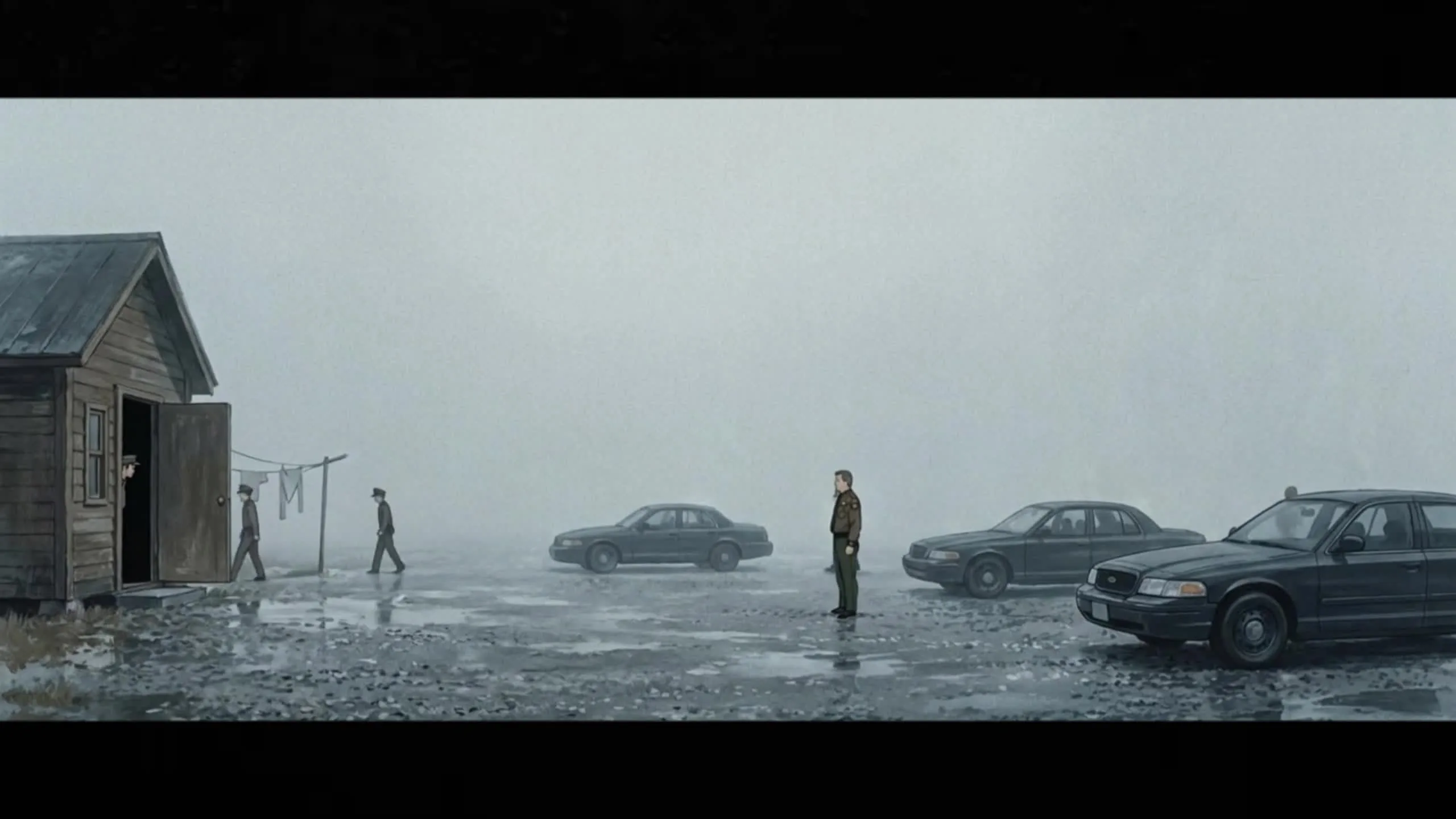
The initial Plumas County Sheriff's Office response to Cabin 28 on the morning of 12 April 1981. Deputies arrived on scene shortly after the 8:05 a.m. dispatch call. They found the bodies of Sue Sharp, John Sharp, and Dana Wingate in the cabin's living room. Rick Sharp (10), Greg Sharp (5), and Justin Smartt (12) were safe and unharmed at the resort's main lodge, having been helped out of the cabin by Sheila and Jamie Seabolt. Tina Sharp, age 12, was not accounted for at any location in the cabin. Deputies searched the immediate cabin and its surrounds. Tina was not found. The wider Keddie Resort was searched. Tina was not found. Missing-person alerts were issued to law enforcement across northern California within the following 24 hours. Tina's photograph was circulated in the Feather River Bulletin and in regional newspapers. The Plumas County investigation, from the earliest hours, worked on the assumption that Tina had been abducted from the scene. She would remain a missing person for the next three years and eleven days. Every subsequent analysis of the case has agreed on one specific point: whoever killed the three in the living room chose to leave them there; they did not choose to leave Tina there.
0:49
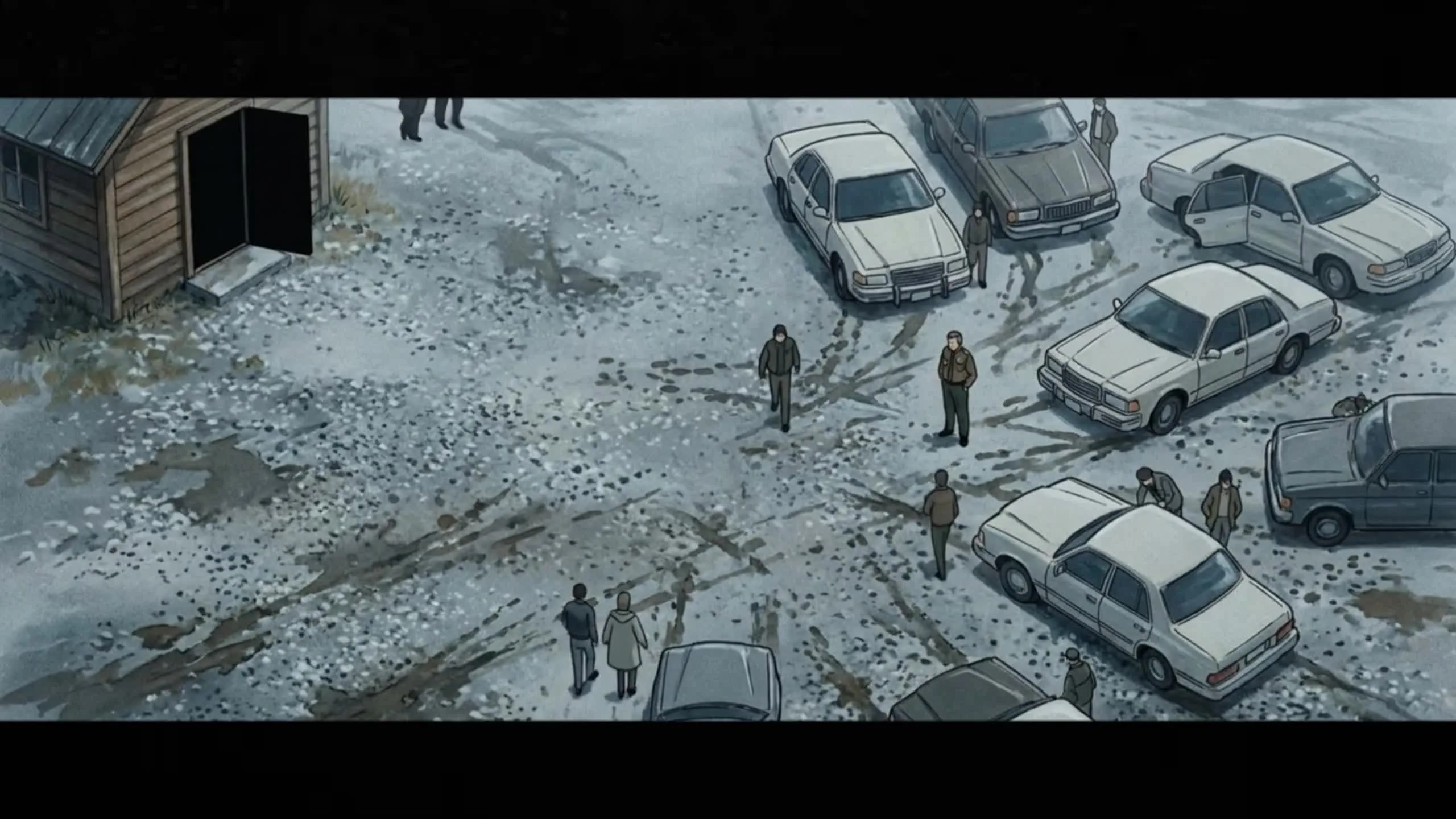
The forensic response at Cabin 28 through the later hours of 12 April 1981. California Department of Justice special agents Crim and Bradley were dispatched from Sacramento to assist Plumas County. Fingerprint expert Spiro Vasos and evidence expert Bruce Palmer accompanied them. The team catalogued extensive physical evidence. Two weapons believed to have been used in the killings were recovered from a small kitchen table adjacent to the crime scene: a hammer and a knife. A second knife — bent, apparently from use — was also on the table. A pellet gun was also present. Fingerprints recovered from the scene were, per subsequent analysis, entirely those of the Sharp family and Dana Wingate; no foreign fingerprints were located. The year 1981 predated widespread forensic DNA analysis, and serological work was limited. Photographs of the scene were extensive but many, per subsequent internal Plumas County review, were misfiled, mislabelled, or lost in the years following the initial investigation. Physical evidence, including recovered biological samples, was — per later cold-case investigators — poorly preserved. The initial forensic response was, per subsequent reviews, insufficient to the scale of the case. It was not corrupt; it was under-resourced. A rural sheriff's department in 1981 was not equipped to handle the largest homicide case in its county's history.
0:53
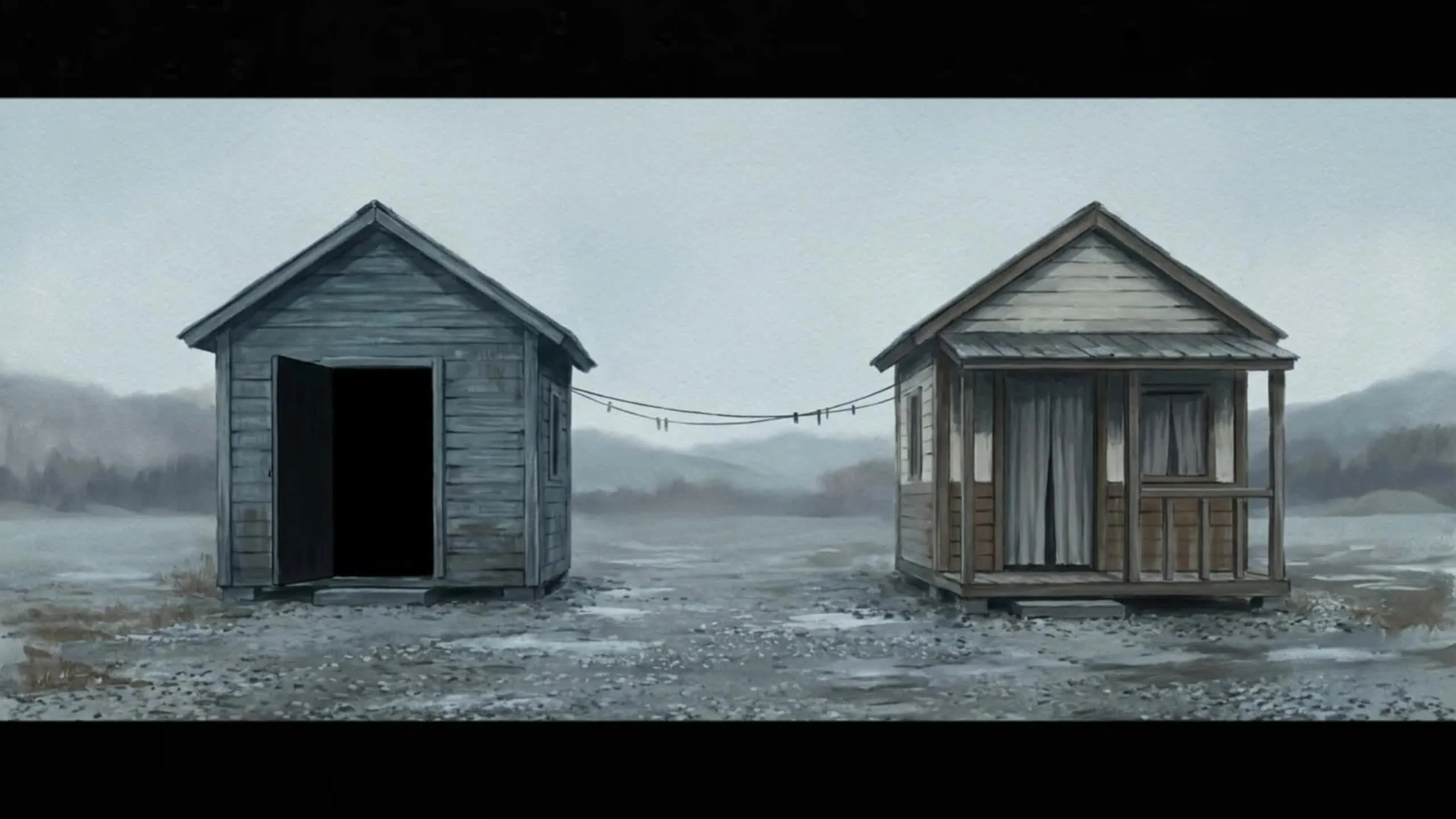
The two men who lived immediately next door to the Sharp family at the Keddie Resort and who would, three-and-a-half decades later, be publicly named as the prime suspects in the case. Martin 'Marty' Smartt: a US Army veteran, then in his mid-30s, resident with his wife Marilyn Smartt and her son Justin at a Keddie Resort cabin adjacent to the Sharp family. John 'Bo' Boubede: also a US Army veteran, then in his 50s, a Chicago-area resident with documented prior associations to organised-crime figures in Chicago, who was visiting the Smartts at Keddie on the weekend of the murders. Both men had been present in Keddie on the evening of 11 April 1981; both had been at the Backdoor Bar with Marilyn earlier in the evening; and both had, per Marty's own subsequent statement, returned to the bar together for additional drinks after Marilyn went to bed. Marty was interviewed by Plumas County deputies on 13 April 1981, the day after the discovery of the scene. He was cooperative during the interview. He mentioned during the interview that a hammer he had recently owned had 'gone missing.' The hammer recovered from the crime scene was, per subsequent forensic comparison, consistent in specification with the type Marty had described. Neither Marty nor Bo was arrested. Bo Boubede left Keddie two days after the murders and returned to the Chicago area. Marilyn Smartt separated from her husband within days of the murders and took Justin with her.
0:53
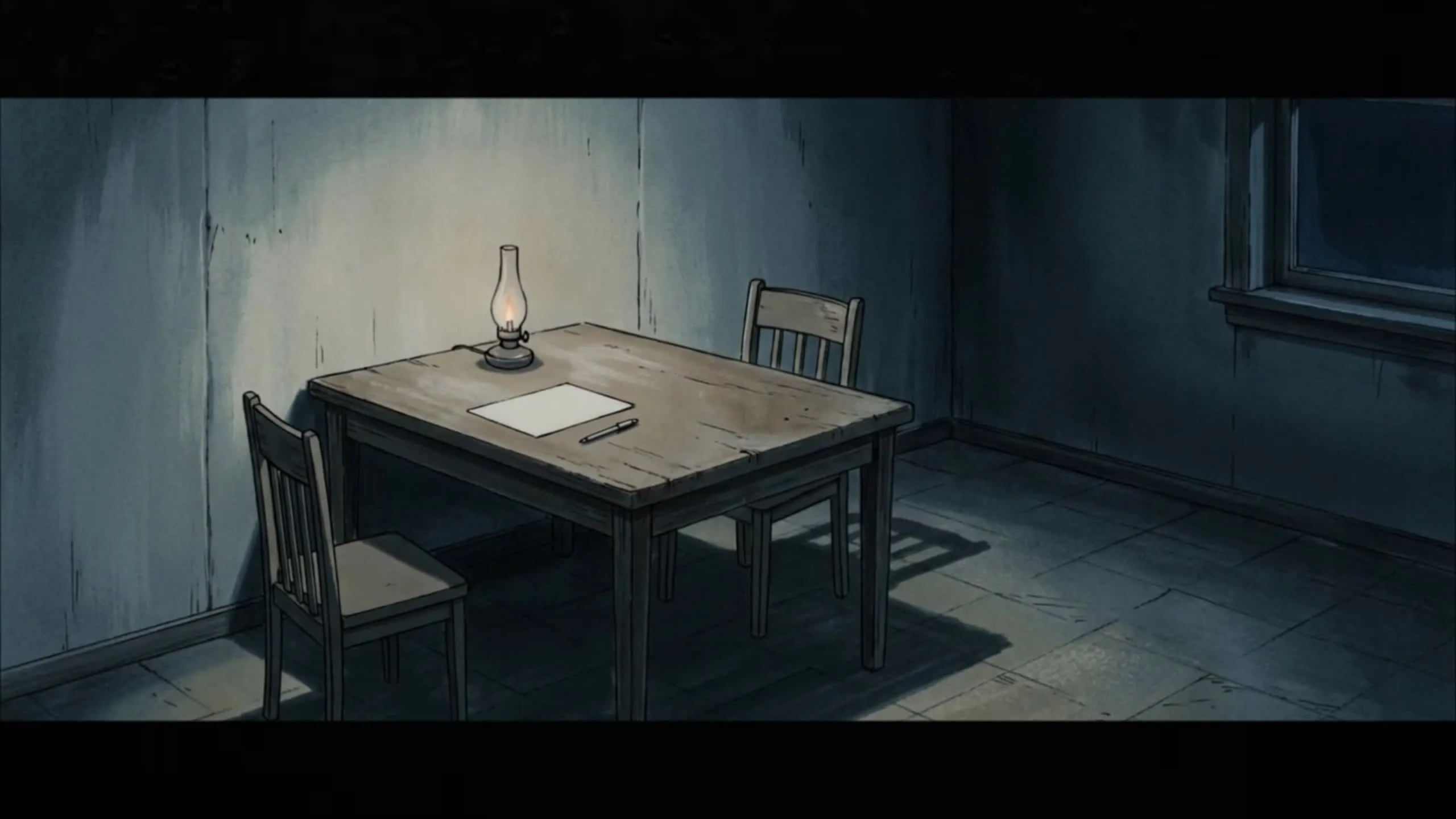
The specific piece of evidence, dating to approximately mid-April 1981, that became decades later one of the most consequential elements of the case. After Marilyn Smartt left her husband in mid-April 1981, Marty wrote her a letter attempting to persuade her to return. The letter contained, among other content, the following handwritten sentence: 'I've paid the price of your love & now that I've bought it with four people's lives, you tell me we are through. Great! What else do you want?' Marilyn Smartt subsequently provided this letter to Plumas County Sheriff's Office investigators. The specific reference to 'four people's lives' — written within days of a quadruple homicide in which only three people were then known to be dead — was noted by the investigators who received it. The letter was placed in the case file. It was not, in 1981, treated as a confession. It was not, in 1981, followed up on as investigative material. It sat, largely unremarked upon, in the Plumas County Sheriff's Office case file for approximately thirty-two years. It would be re-examined in 2013 when the case was reopened, at which point one fact about it became impossible to ignore: Tina Sharp's remains had not been publicly identified until April 1984, three years after Marty wrote his letter. He had already, in his own handwriting, counted a fourth.
1:06
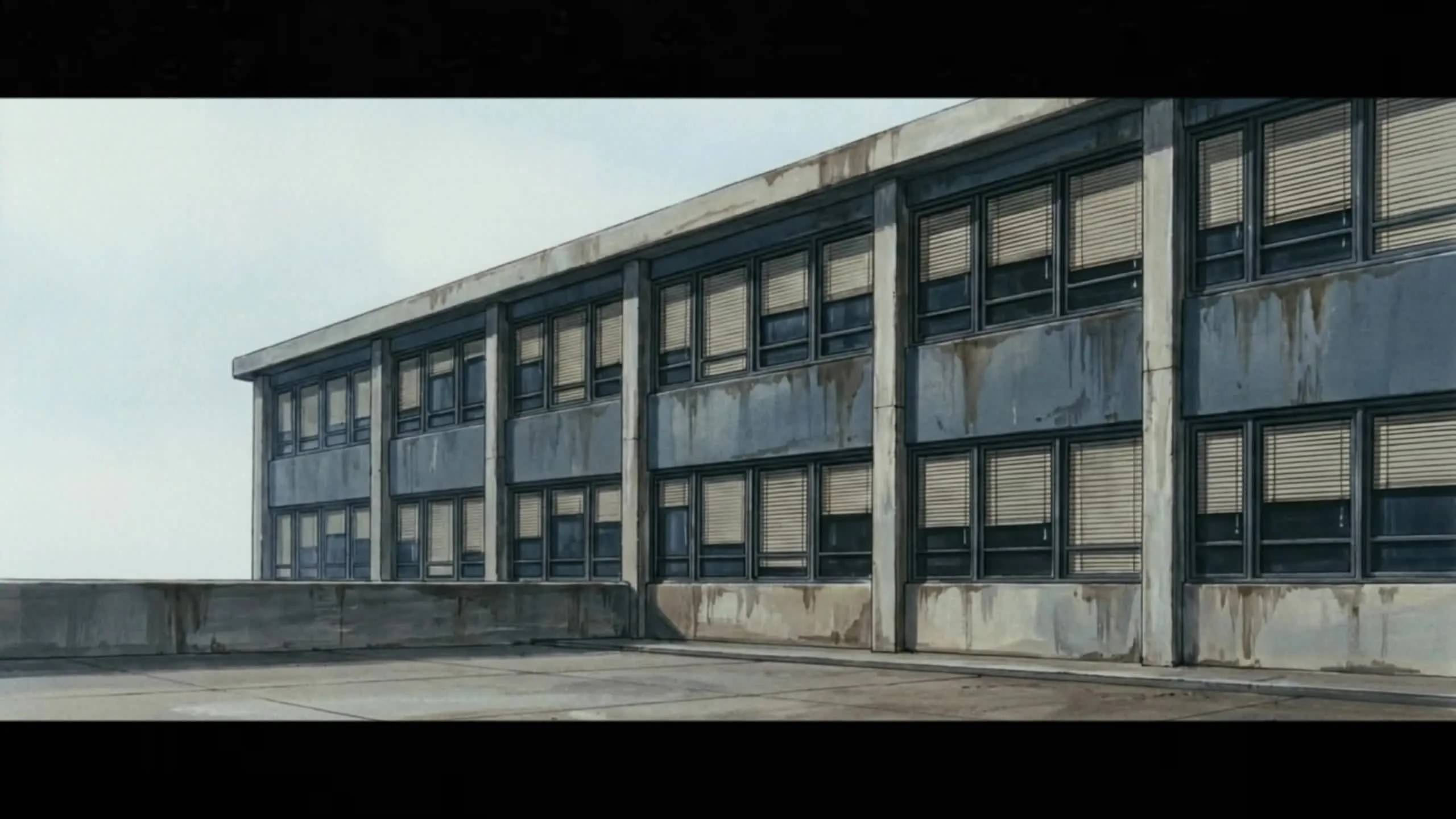
Approximately one month after the murders. Veterans Affairs Hospital, Reno, Nevada. Martin Smartt had begun regular counselling sessions at the VA facility for treatment of PTSD, stress, and anger-management concerns following his separation from Marilyn. During Marty's seventh counselling session, per the counsellor's subsequent 2016 public account, Marty made a specific admission. He stated, per the counsellor's recollection, that he had killed 'the woman and her daughter' — Sue and Tina Sharp. He stated that he had 'nothing to do with' the killing of the two boys — John Sharp and Dana Wingate. The counsellor was, per their own account, aware that confidentiality did not extend to a confession of murder. The counsellor stated in 2016 that they had reported the confession to Plumas County authorities in the weeks following the disclosure in 1981, and that no substantive follow-up investigation was conducted at the time. The specific record of any 1981 report from the Reno VA counsellor to Plumas County has not, in subsequent public statements, been located in the original case file. If the counsellor's account is accurate, and if the report to Plumas County was made in 1981 as they have stated, then the Plumas County Sheriff's Office was in possession of a specific confession within weeks of the murders. It did not act on it.
1:01
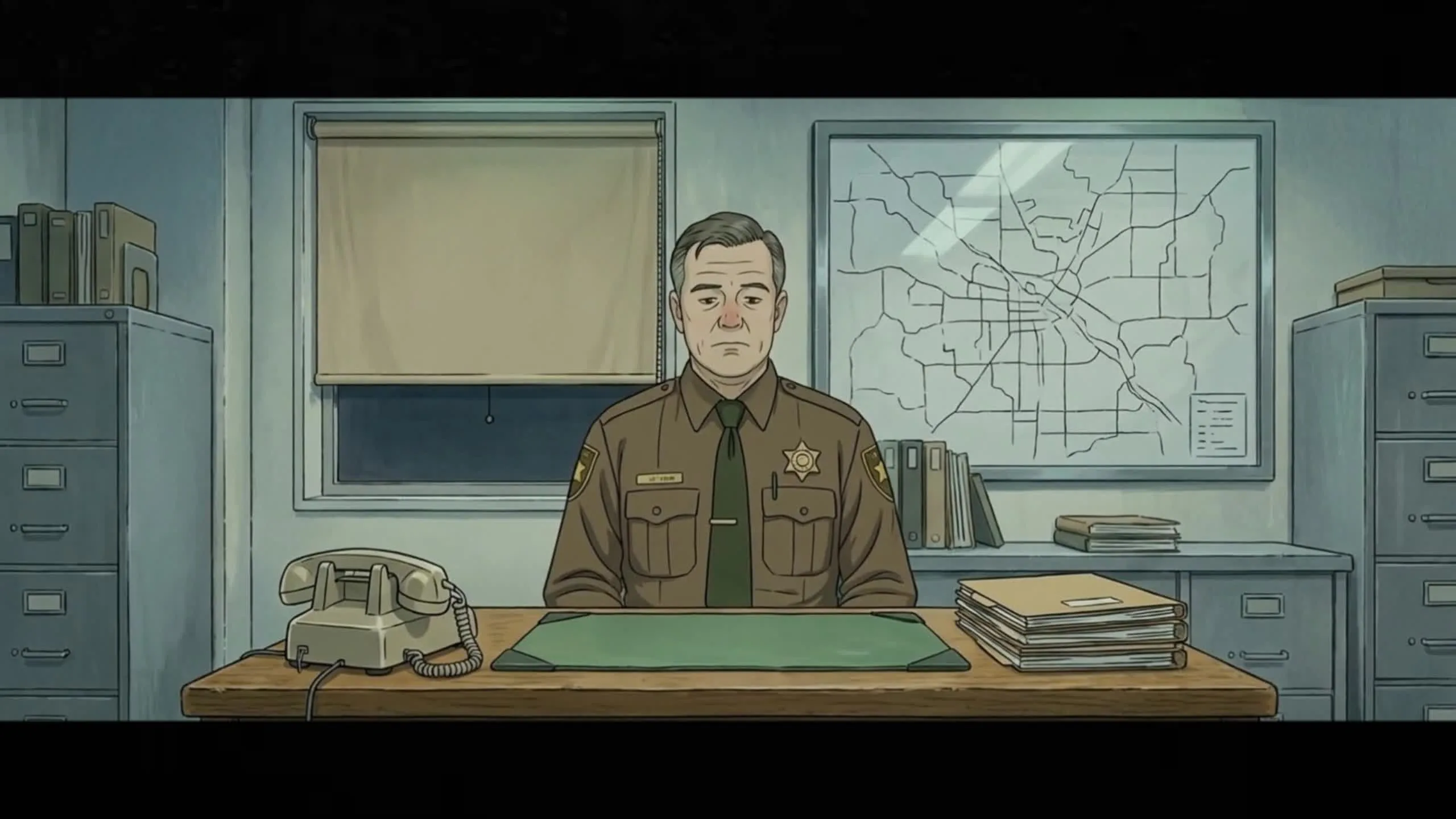
July 1981. Approximately three months into the Keddie investigation. Plumas County Sheriff Doug Thomas stepped away from active leadership on the case. He subsequently accepted a position at the California Department of Justice, based in Sacramento. The reasons for his departure have not been publicly and definitively established. In the years following, Sheila Sharp — and other family members — have publicly criticised the handling of the initial investigation. In a 2016 interview with CBS Sacramento, Sheila Sharp stated: 'I was told the suspects were told to get out of town, so to me, that means it was covered up.' Whether her account represents a formal finding of misconduct, or a family member's interpretation of what appeared to be inaction, has never been publicly resolved. Investigator Mike Gamberg, working the reopened case from 2013 onward, has publicly noted that the original case file contains gaps and inconsistencies. Some early evidence was, per subsequent internal Plumas County review, either lost, misfiled, or destroyed. Whether the specific gaps in the original investigation were the result of incompetence, of under-resourcing, or of something more deliberate, has never been publicly established. What is established is that the case's operational leadership was replaced three months in, and that the family who lost the most in April 1981 have spent the whole of the intervening period believing that the investigators who took the case did not take it seriously enough.
1:02
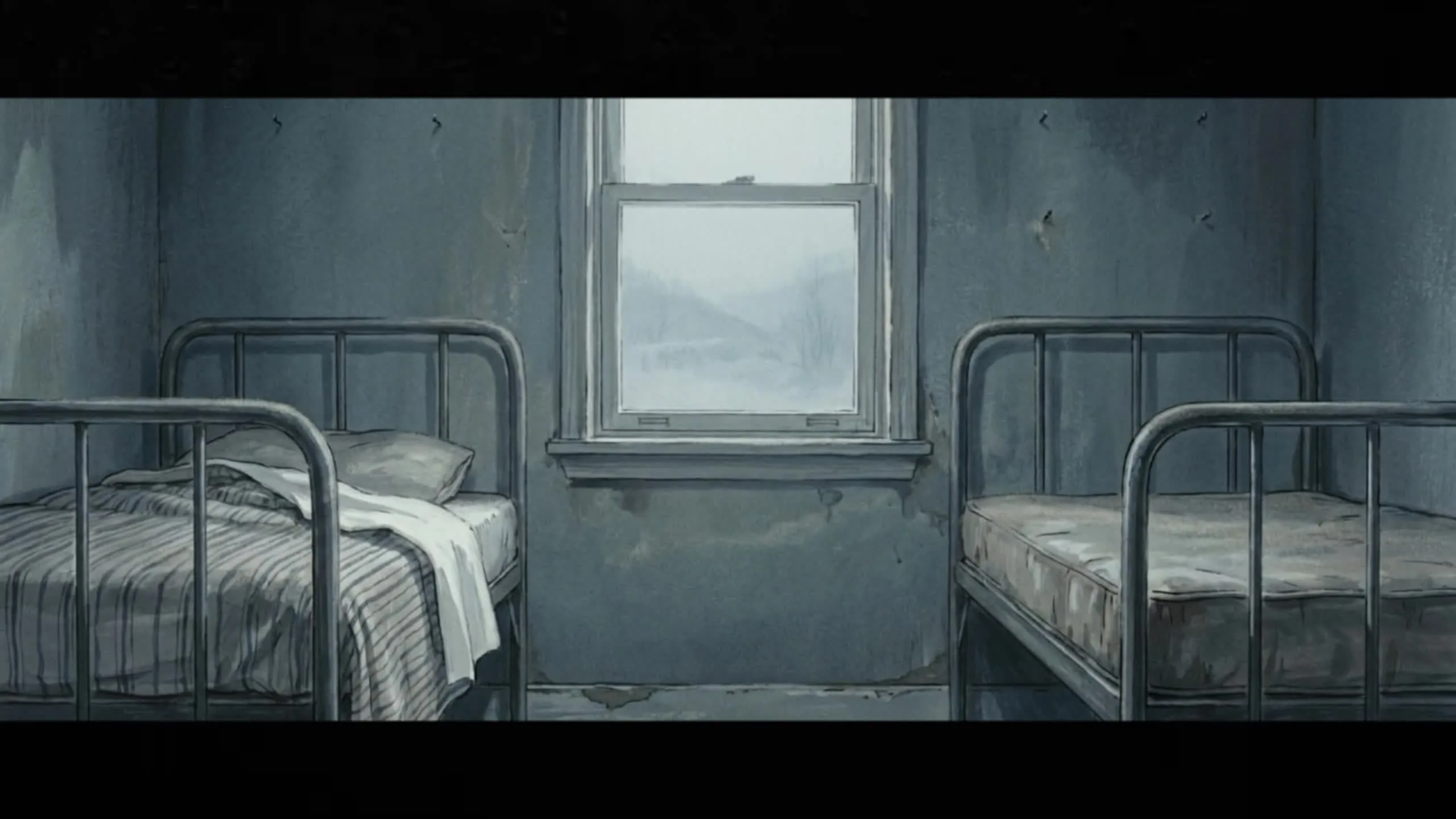
From April 1981 to April 1984. Three years and eleven days. During those three years, Tina Sharp was, on the record, a missing person. Her photograph was distributed to every California and adjoining-state law-enforcement agency. It was published in the Feather River Bulletin, the Plumas County Sentinel, and every regional newspaper. Her family — her surviving siblings, her aunt, her uncle — continued to hope for years that Tina had been taken alive and might yet be recovered. There were no confirmed sightings of Tina after the night of 11 April 1981. There were no ransom communications. There were no communications of any kind from the person or persons who had taken her. Sheila Sharp turned 15 in the weeks after her mother's death. Then 16. Then 17. During those years she carried, per her later accounts, the ordinary hopes of an older sister — that her younger sister was still alive somewhere. The five surviving Sharp children were separated in the years following the murders — some to relatives in California, some to relatives in Connecticut. The two youngest — Rick and Greg — grew up in a family that no longer had a mother, an older brother, or a middle sister.
0:55
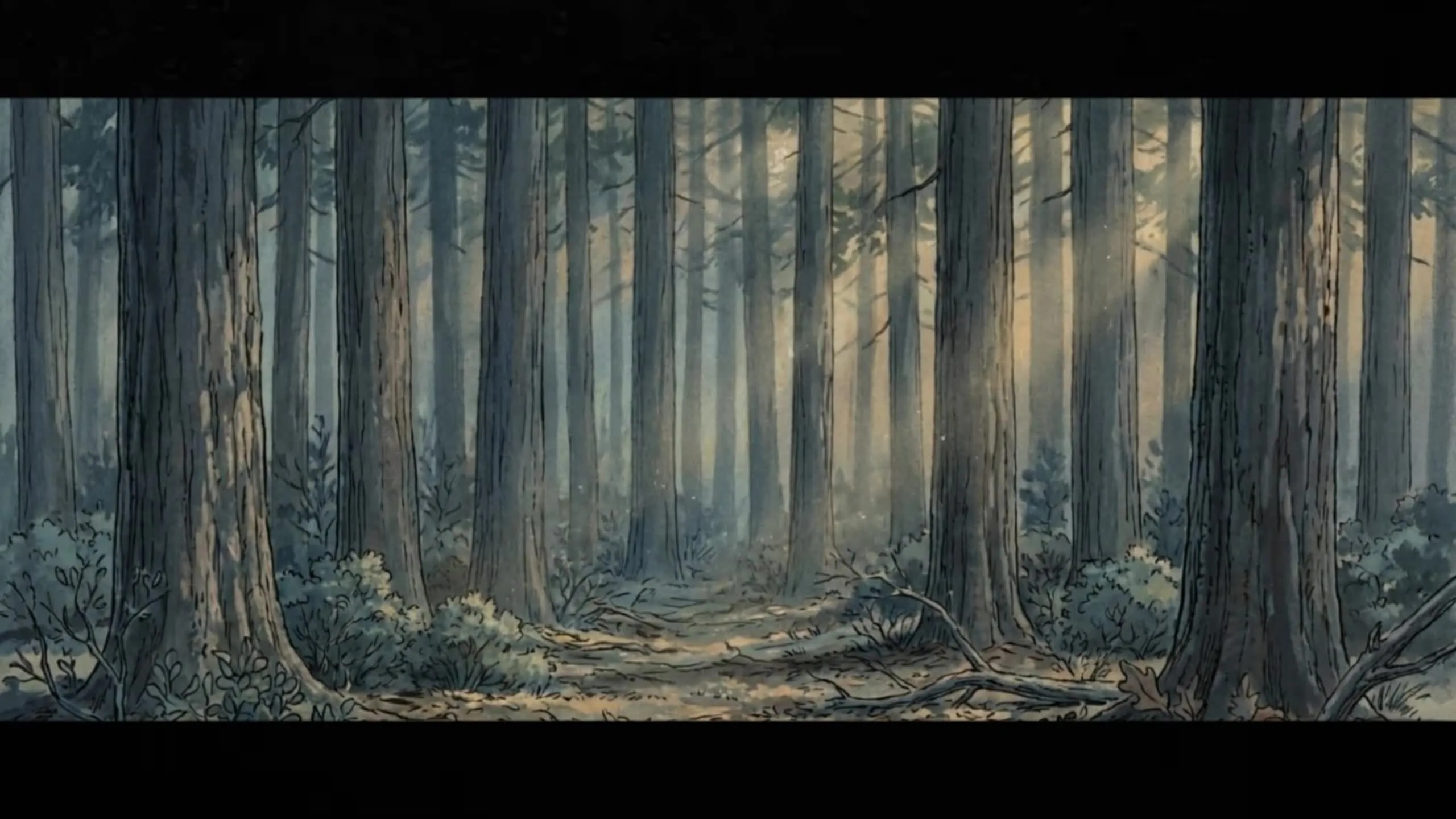
22 April 1984. Camp Eighteen. Feather Falls, Butte County, California. Three years and eleven days after the night at Cabin 28. A local resident searching for antique bottles in the wooded area — a bottle collector — found a partial human skull and a jawbone on a hillside. He reported the find to the Butte County Sheriff's Office the same day. Butte County investigators recovered the remains and began a search of the wider area. The remains were of a young female. The Butte County Sheriff's Office issued a public description and requested information from the public. Approximately eight weeks after the initial find, the Butte County Sheriff's Office received an anonymous telephone call. The caller was male. He asked whether investigators had 'thought of the murder up in Keddie up in Plumas County a couple of years ago where a 12-year-old girl was never found.' The call was recorded. Butte County investigators conducted a further, wider search of the Camp Eighteen area on the basis of the anonymous tip. They recovered additional remains, along with a blue nylon jacket, a pair of Levi's jeans with one back pocket missing, a blanket, and a surgical tape dispenser. The subsequent forensic examination — dental record comparison and skeletal analysis conducted through the summer of 1984 — confirmed the identification. The remains were those of Tina Louise Sharp. The Keddie case, from that moment, was no longer a triple homicide with a missing person. It was a quadruple homicide.
1:06
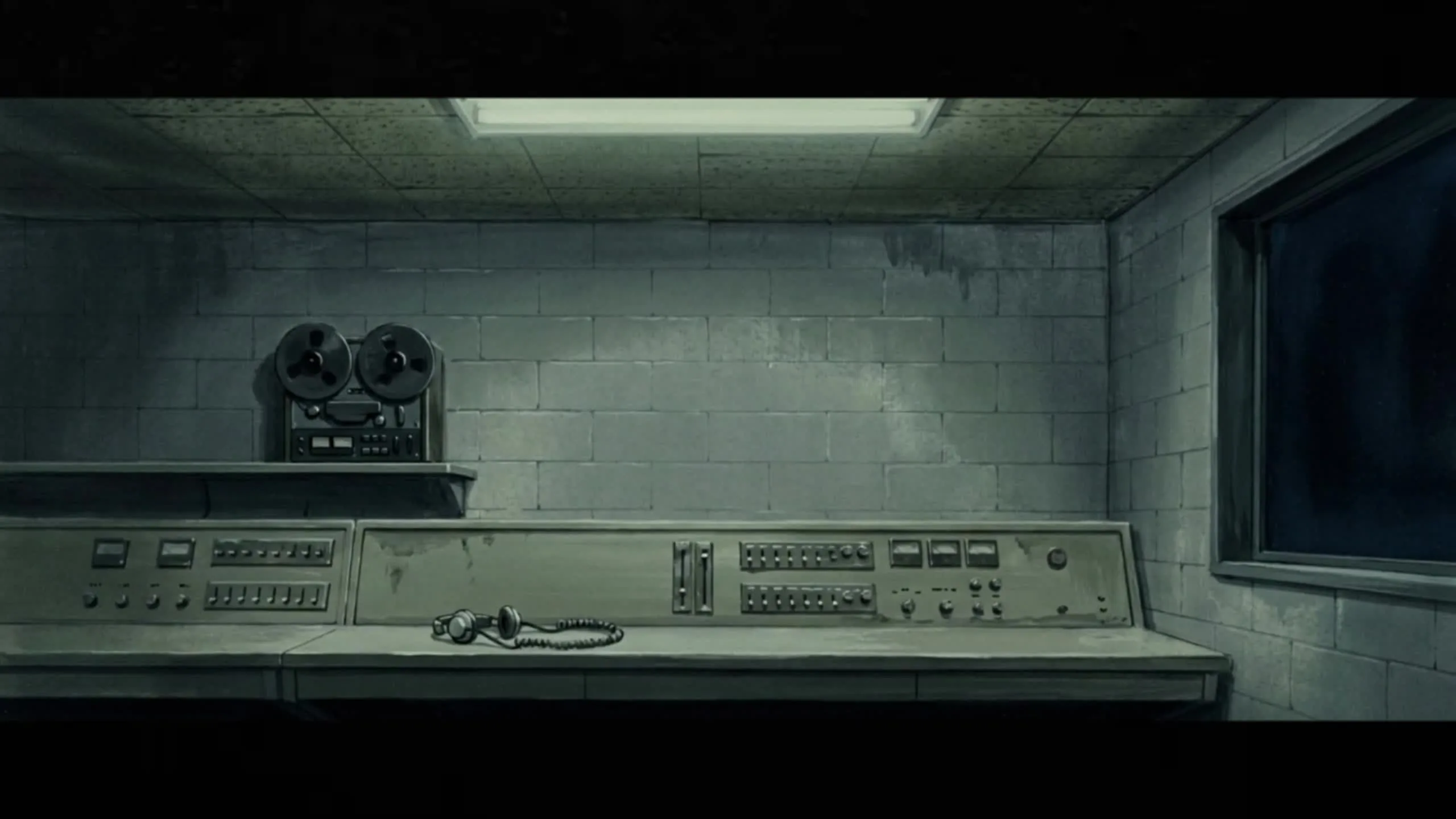
The June 1984 anonymous phone call to the Butte County Sheriff's Office and its specific twenty-nine-year journey. The male caller had specifically referenced the Keddie case and specifically identified the remains as those of a 12-year-old girl who had gone missing three years earlier. The call was recorded per standard Butte County dispatch protocol. The recording was subsequently transferred to Plumas County — the lead jurisdiction for the Keddie investigation — as part of the joint investigation into Tina Sharp's identification. The recording was placed in the Plumas County Sheriff's Office case file. It sat there, sealed and untouched, for approximately twenty-nine years. In 2013, when Plumas County Sheriff Greg Hagwood and Special Investigator Mike Gamberg formally reopened the case, they conducted a comprehensive review of the case file. During the review, they located the sealed 1984 tape. Per subsequent Plumas County public statements, no record existed of the tape having been previously reviewed by any Plumas County investigator. Voice analysis of the 1984 tape was subsequently conducted using twenty-first-century audio-forensic techniques. The identity of the caller has not been publicly established. For twenty-nine years, a specific recording of a specific male voice — a voice that knew where Tina Sharp's remains had been left — sat in a sealed evidence box in a Plumas County Sheriff's Office storage room. By the time the tape was played in 2013, at least one of the two named suspects in the case was already dead.
0:58
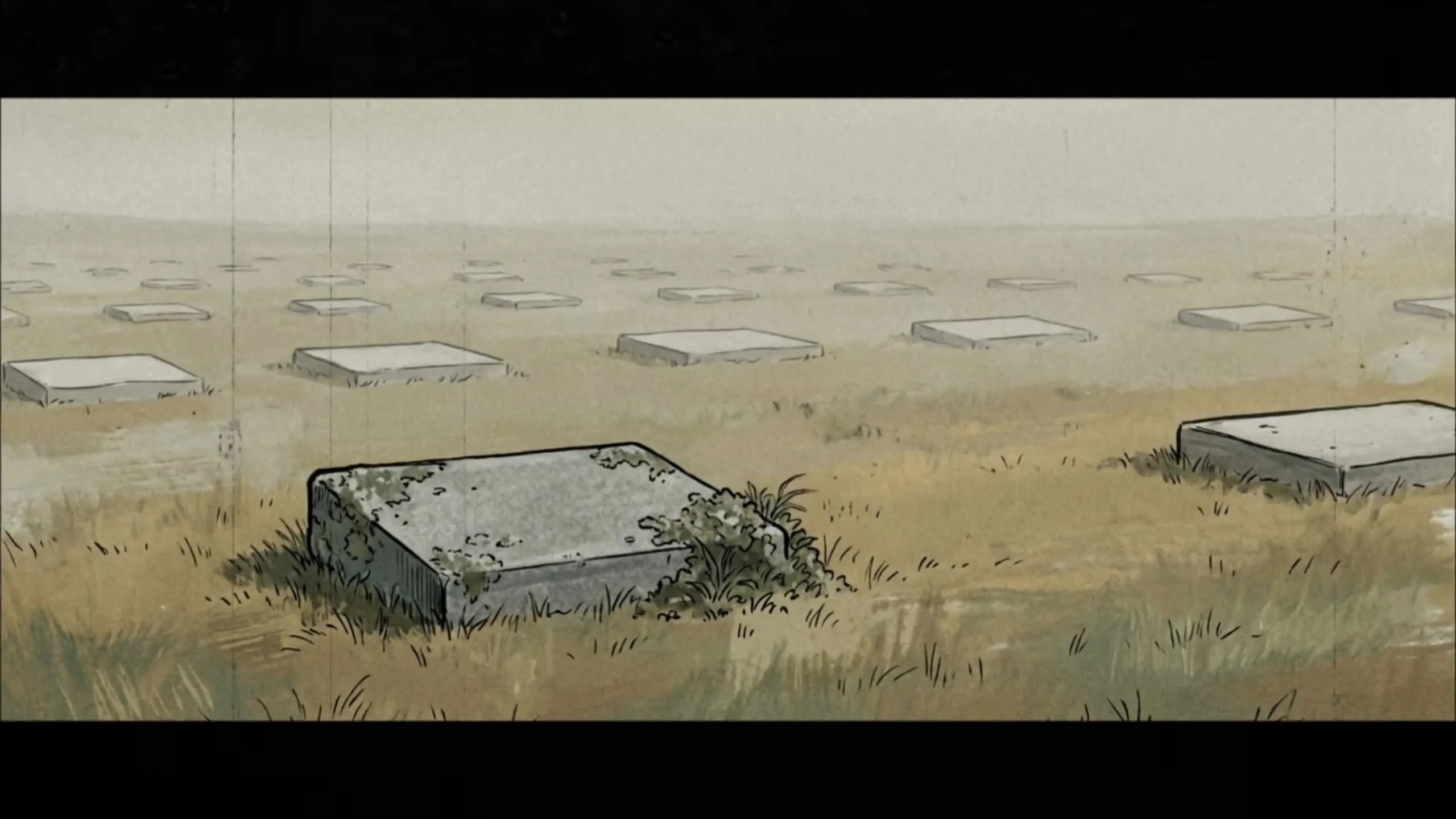
The intervening years and the specific fact that framed everything the 2013 reopened investigation could achieve. John 'Bo' Boubede died in 1988. Seven years after the murders. Approximately sixty years old. In Chicago. Of natural causes. He had, in the seven years since the Keddie murders, moved between Chicago and California, per subsequent investigative accounts. He had never been re-interviewed by Plumas County following his initial 13 April 1981 interview. He had never been placed under arrest in relation to the Keddie case. Martin 'Marty' Smartt died in 2000. Nineteen years after the murders. Approximately fifty-five years old. Of natural causes. He had, in the nineteen years since the Keddie murders, continued to be treated at various California Veterans Affairs facilities for PTSD and related conditions. He had never been re-interviewed by Plumas County following his April 1981 interview. He had never been placed under arrest. Both men died in beds — of their own causes — years before any Plumas County officer publicly identified them as prime suspects. The two men who, per the Plumas County Sheriff's Office's 2016 public statement, had been the prime suspects in the Keddie Cabin murders had by then been dead for sixteen and twenty-eight years respectively. Whatever they had done on the night of 11 April 1981 had gone with them.

1:01
The Plumas County Sheriff's Office. 2013. A new sheriff, Greg Hagwood, elected in 2010, had grown up in Plumas County and had remembered the Keddie case from his childhood as a case that had defined the county's public safety history. Hagwood formally reopened the Keddie file as an active investigation in 2013. He assigned Special Investigator Mike Gamberg — a former California Highway Patrol officer with cold-case experience — as the lead investigator. Gamberg conducted a comprehensive review of the entire case file from 1981 forward. He located the sealed 1984 anonymous-tip tape, which had never been reviewed. He located the Marty Smartt letter with its 'four people's lives' phrasing. He located the VA counsellor account of Marty's alleged May 1981 confession. He located the anonymous online research community — including an investigator known publicly as 'dmac' — which had built extensive private research files on the case across the intervening decades. He initiated formal cooperation with that community. He conducted new interviews with surviving witnesses, including Marilyn Smartt, Justin Smartt (now going by Justin Eason), and Sheila Sharp. The reopened investigation had, by 2016, formally named Marty Smartt and Bo Boubede as the prime suspects in the case. It had validated the counsellor's confession account. It had listened to the 1984 tape. It had done, in three years, more investigative work than the original case had produced in a decade. It had also, unavoidably, done all of it thirty-five years too late.
0:57
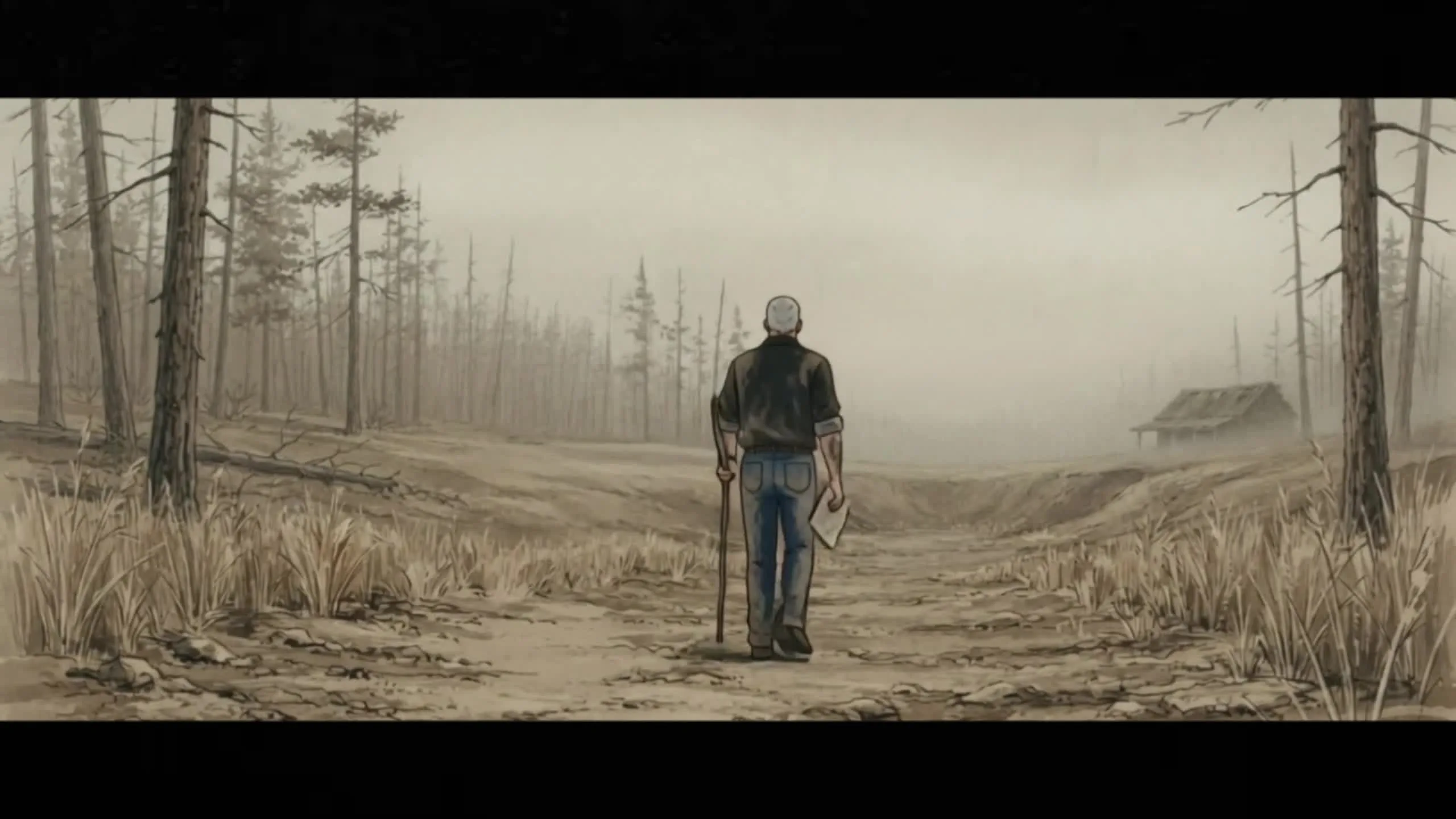
24 March 2016. Keddie, California. A small pond near the Smartt cabin, which had dried substantially due to a prolonged California drought. Special Investigator Mike Gamberg searched the exposed pond bed based on specific cold-case reasoning: in his 1981 police interview, Marty Smartt had stated that a hammer he had owned had recently 'gone missing.' The hammer recovered from the Cabin 28 scene had been of a type consistent with what Marty had described. Gamberg reasoned that if there had been a second hammer used and disposed of separately, the nearby pond was a plausible location. The recovery took Gamberg and his team several hours of searching. He found a hammer. It was, per initial forensic examination, consistent in size, weight, and specification with the type Marty Smartt had described in 1981. Corrosion from thirty-five years underwater had degraded the surface substantially. Recoverable forensic material from the hammer itself was limited. The recovery was, however, one of the most publicised pieces of new evidence in the entire cold-case investigation. Its forensic value in 2016 was limited by decades of submersion. But its symbolic value was, per Sheila Sharp's subsequent public statements, substantial. It was the first specific physical piece of the case that had ever been recovered from anywhere other than the original scene. It was proof, in her words, that somebody, thirty-five years later, was still looking.
0:48
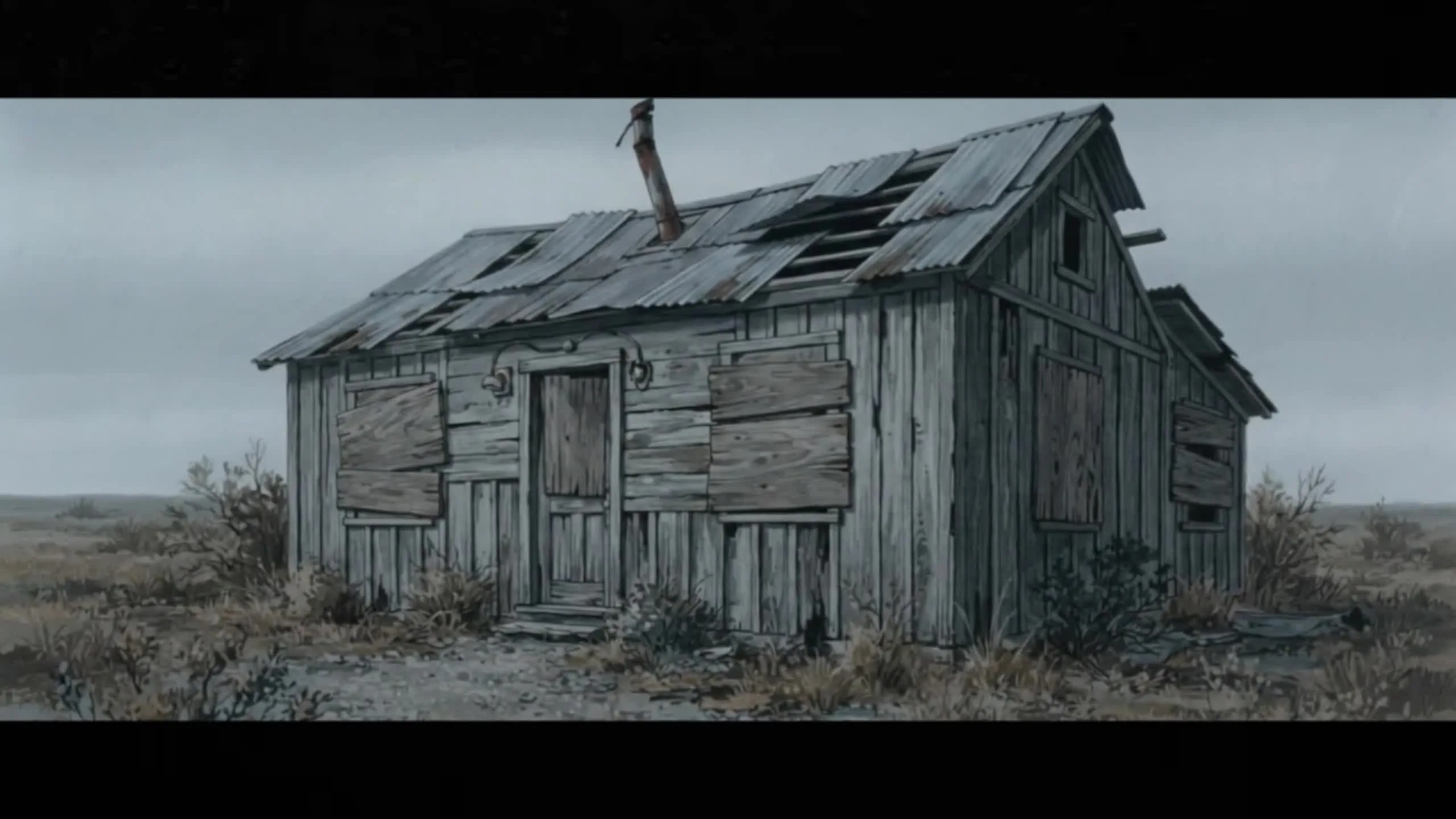
2004. Twenty-three years after the murders. The Keddie Resort, Plumas County, California. In the two decades following the murders, Cabin 28 had been left largely empty. Attempts to rent it had, per local accounts, been unsuccessful. The building had fallen into structural disrepair. Local accounts described it, in the 1980s and 1990s, as haunted. It had become one of the most-photographed cold-case sites in Plumas County. Amateur cold-case investigators, journalists, and true-crime tourists had visited the site continuously. The Keddie Resort's then owners applied for and received a condemnation order in early 2004. The cabin was demolished later that year. Bulldozers levelled the specific structure in which the Sharp family had lived and died. The specific parcel of land was subsequently cleared and left empty. The Keddie Resort itself continued to operate at reduced capacity. The demolition of Cabin 28 was intended, by everyone involved in the decision, to close a specific chapter of local memory. It did not close the case. It did not answer Sheila Sharp's questions. It did not identify who had made the anonymous 1984 call. It did not bring back her mother, or her brother, or her sister.
0:53
Present day. The surviving Sharp family and the surviving witnesses. Sheila Sharp — the fourteen-year-old who discovered the scene — is now in her late fifties. She has spoken publicly about the case on several occasions across the decades, most notably in 2016 to CBS Sacramento and to the Plumas News. She has consistently expressed her belief that the original investigation was mishandled — and, in some accounts, that a specific cover-up was involved. Rick Sharp and Greg Sharp — the two younger boys who slept through the night of the murders — are both now in their mid-to-late fifties. Both have, per their limited public statements, spent their adult lives coming to terms with what happened. Justin Smartt — Marty Smartt's stepson, aged 12 at the time of the murders — was in the same spare bedroom as Rick and Greg. He has, in adulthood, adopted his biological father's surname and gone by Justin Eason. Marilyn Smartt — Marty's wife, who left him within days of the murders and provided the incriminating letter to Plumas County — has spoken privately with investigators across the decades but has largely declined public engagement. The specific human cost of an unsolved case is not the killers who go uncharged. It is the family that carries the case forward, decade after decade, without the specific single fact that would allow them to stop carrying it. The Sharp family have carried the Keddie Cabin murders for more than forty-five years.
0:58
The Plumas County Sheriff's Office case file on the Keddie Cabin murders remains formally open. Marty Smartt is dead. Bo Boubede is dead. Sheriff Doug Thomas is dead. Detective Sergeant Leane is dead. Sue Sharp's own generation is nearly gone. The case that outlived them is still, on the record, unsolved. As of the most recent public statements, Plumas County investigators believe that additional individuals beyond Marty Smartt and Bo Boubede may have been involved in the events of the night, and some of those additional individuals are, per Investigator Mike Gamberg's 2018 and 2019 statements to the Plumas News, still alive. In 2018, per some public reporting, DNA evidence extracted from a piece of tape recovered from the original crime scene was matched to Justin Smartt; the interpretation of that match has been the subject of substantial subsequent analysis, since Justin's DNA in the cabin is expected as a matter of ordinary presence. The 2016 hammer recovery has not, per subsequent Plumas County statements, produced usable forensic material. The 1984 anonymous tape has been subjected to modern voice-recognition analysis but has not, publicly, been matched to a specific individual. Marty Smartt's letter and his reported May 1981 confession remain the case's most substantive evidence — but neither would, on their own, support a modern indictment. No arrests have ever been made in the Keddie Cabin murders. Sue Sharp, John Sharp, Dana Wingate, and Tina Sharp lost a combined 240 years of the lives they should have had. The case that took them from Cabin 28 on the night of April 11, 1981 has never, in more than forty-five years, been closed.