
20 episodes
jollybusyperch
Nilsen is a 20-episode documentary-style series exploring the life, crimes, and eventual capture of Scottish serial killer Dennis Nilsen, who murdered multiple young men in London between 1978 and 1983. The series chronicles his childhood roots in Scotland, his time in the British Army and Metropolitan Police, and his routine life as a London civil servant—a background that allowed his crimes to go undetected for years. It details his brutal methods of killing and body disposal, the overlooked warnings from brave survivors, and the eventual discovery of human remains that clogged a shared residential drain. Beyond his 1983 trial and life imprisonment, the series examines the deep psychological legacy of his case through his extensive prison interviews, writings, and eventual death in 2018.
20 episodes
1:05
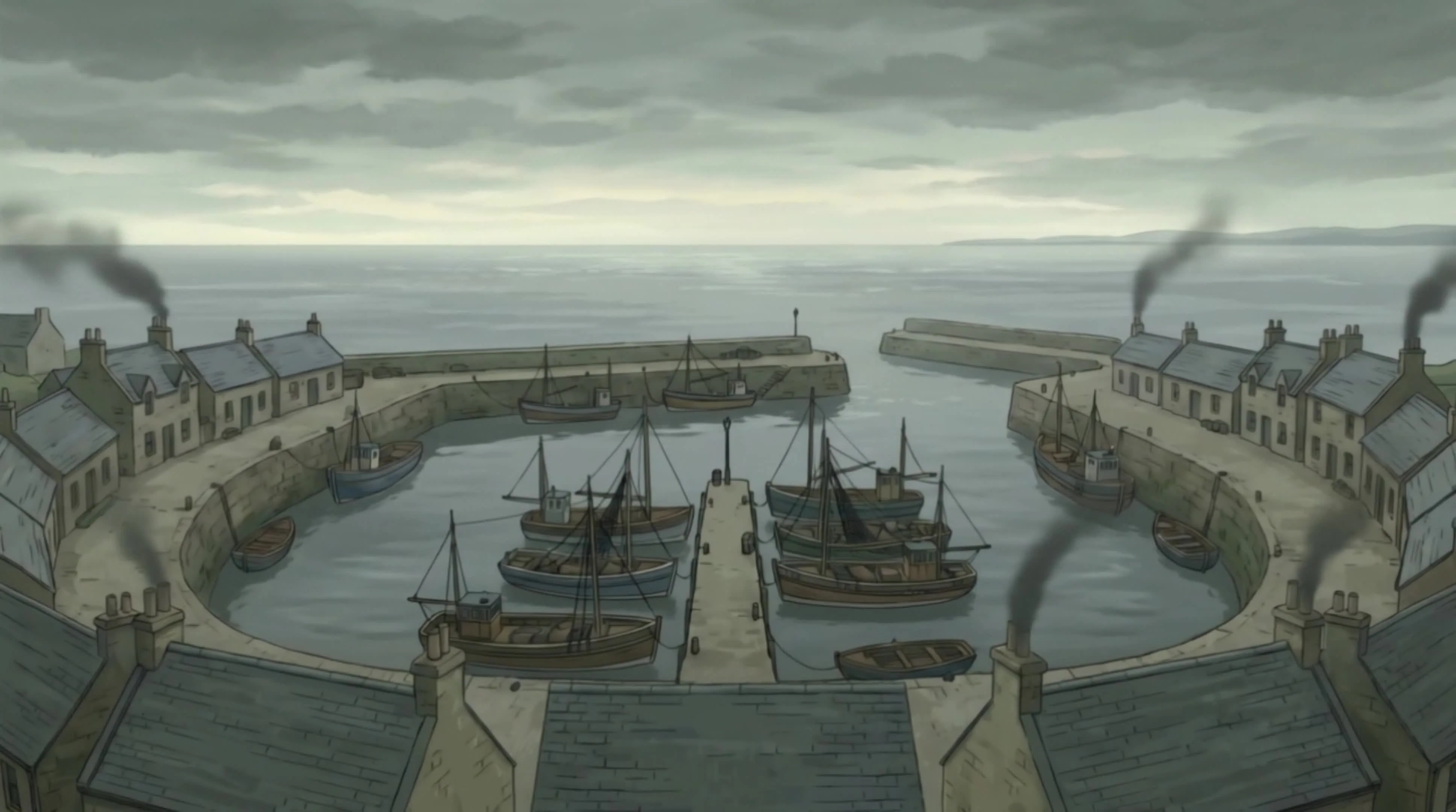
November 23, 1945. Fraserburgh, a small fishing town on the northeast coast of Aberdeenshire, Scotland. Dennis Andrew Nilsen was born to Betty Whyte, a Scottish woman, and Olav Nilsen, a Norwegian soldier who had come to Scotland during the German occupation of Norway. The marriage was troubled and short. Olav effectively disappeared from Dennis's life within the first years, returning to Norway. Dennis was raised primarily by his mother and by his maternal grandparents, Andrew and Lily Whyte, in their small terraced house in Fraserburgh. His grandfather Andrew — a fisherman — was, per every subsequent account, the emotional anchor of Dennis's early childhood. Nilsen would later describe him as the most important figure of his early life. On October 31, 1951, when Dennis was five years old, Andrew Whyte died at sea and was returned to Fraserburgh for burial. What happened next has been described, by Nilsen himself and by his subsequent biographers, as the single most consequential event of his psychological development.

1:14
November 1951. Fraserburgh. Following Scottish family funeral tradition of the period, Andrew Whyte was returned to the family home and laid out in an open coffin in the front room. Five-year-old Dennis was walked in by his mother to see his grandfather one final time. He was told, per his own subsequent accounts, that his grandfather was 'sleeping.' He was told to say goodbye. He was told that his grandfather loved him. Nilsen would later describe this moment — the still body, the artificial peace, the enforced quiet farewell to a beloved man who no longer moved — as the founding image of his entire adult psychology. The specific fusion of intimacy, stillness, love, and death in that single childhood room became, per every serious psychological analysis of his case, the template from which every subsequent element of his adult behaviour emerged. It is one of the case's most-cited biographical facts. It does not, of course, explain what he did. Nothing does.
1:22
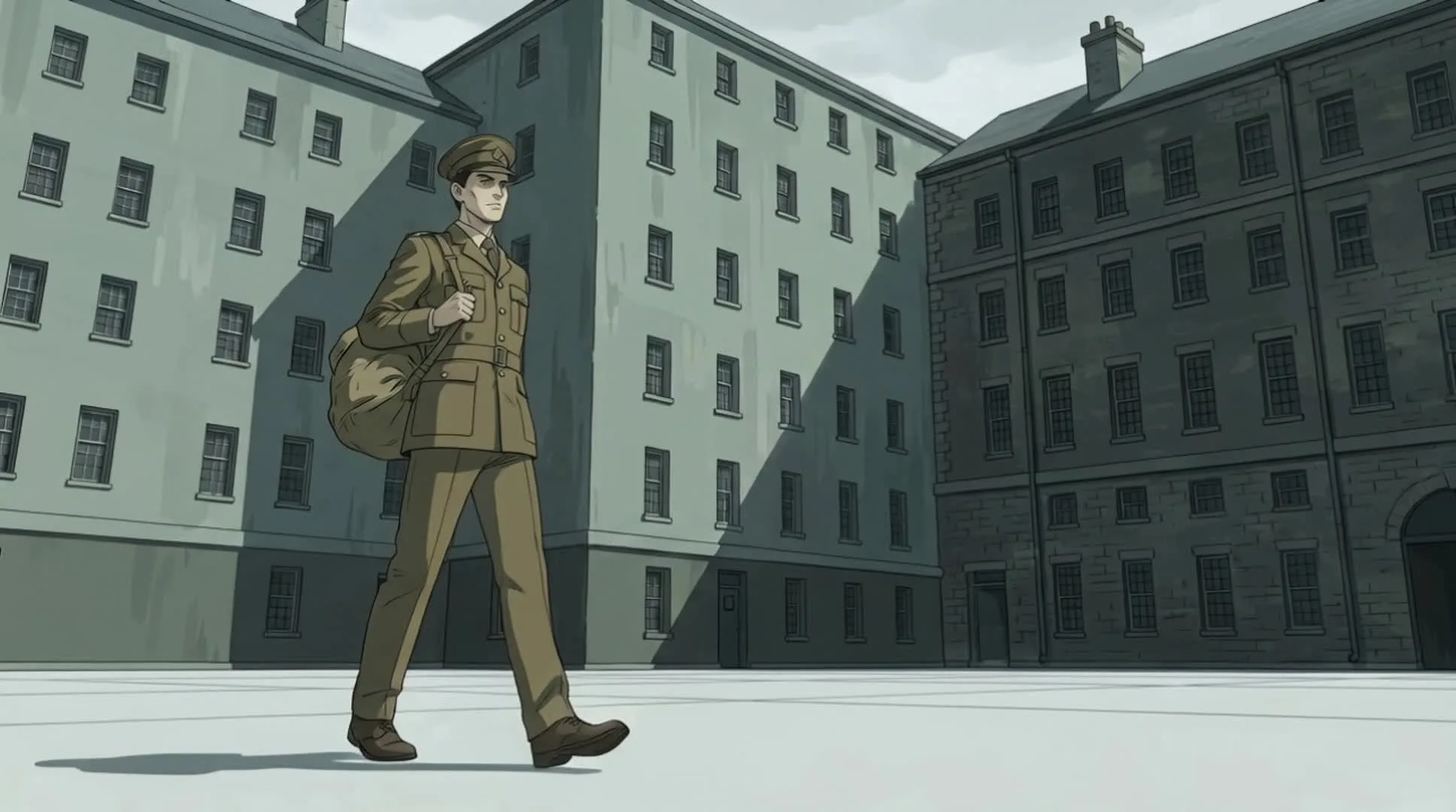
1961 to 1972. At the age of 15, Dennis Nilsen enlisted in the British Army. He was assigned to the Army Catering Corps and trained as a butcher and cook. He served across the following eleven years at postings in the United Kingdom, Germany, Norway, Cyprus, Aden (during the emergency), and the Persian Gulf. The Army provided him with two things that would prove significant. First: professional-grade training in the butchery of animal carcasses — the skills of dismembering, jointing, and disposing of large mammal bodies. Second: a formal institutional life that structured his day-to-day existence, a role that suited his introverted temperament, and a uniform that gave him a framework of identity he never found again in civilian life. He was, by every service record, a competent and unremarkable soldier. He was honourably discharged in 1972 at the age of 27. He returned to Britain to find a country he was no longer sure how to live in.
1:10
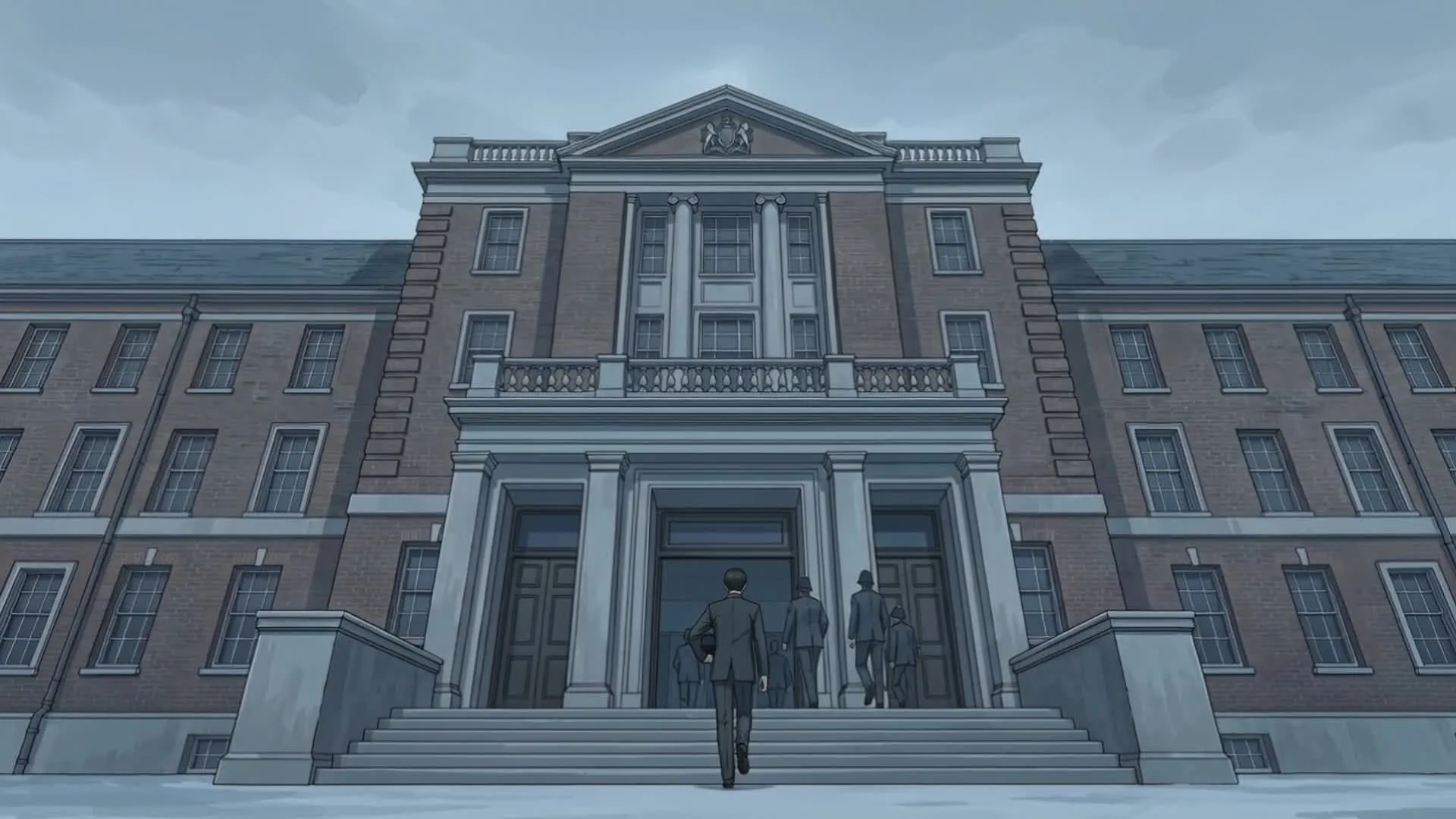
Late 1972 to December 1973. Following his Army discharge, Nilsen joined the Metropolitan Police in London. He served as a probationary constable at the Willesden Green police station in northwest London for approximately one year. His attendance and performance were acceptable. He was not disciplined. He nonetheless resigned from the force in December 1973 after just under a year of service. His stated reason at the time was a general dissatisfaction with the working culture of the Metropolitan Police. His subsequent accounts have described the experience differently — he had, per those later accounts, found police work emotionally isolating and personally unsatisfying. It is one of the case's genuine ironies that the man who would become one of Britain's most prolific serial killers had, for a brief window, been a serving officer of the same police force that would eventually arrest him. He walked out of Willesden Green in late 1973 into an uncertain civilian career. He would find one within months at a government office.
1:16
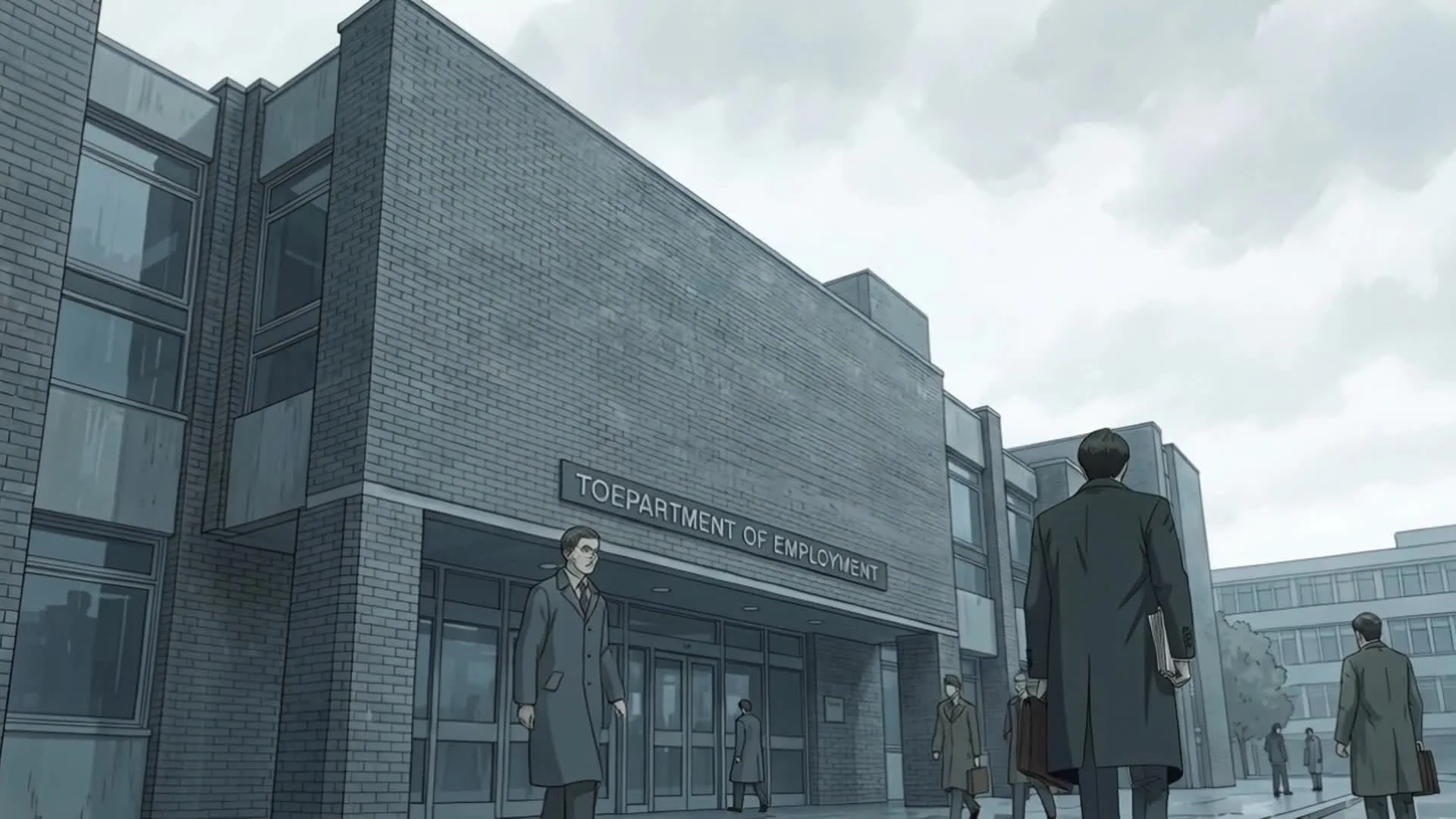
1974 to 1983. Nilsen joined the British Department of Employment as an executive officer. He worked initially at the Denmark Street Job Centre in central London and subsequently at the Kentish Town Job Centre. His role — interviewing and processing unemployment claims — placed him in daily contact with the young, transient, working-class male population of the London labour market of the era. It was, per every subsequent analysis of the case, one of the operational structures that shaped the pattern of his killings. Colleagues at the Job Centre found him intelligent, politically opinionated (he became active in trade-union politics), and personally isolated. He lived alone. He drank heavily in the evenings. He spent most of his non-working hours in the pubs of central and north London. He kept a mongrel dog named Bleep — the only continuous emotional relationship he would maintain throughout the years of his killings. By 1978 he had been working as a civil servant for approximately four years. In December of that year, at his flat in Cricklewood, he killed for the first time.
1:10
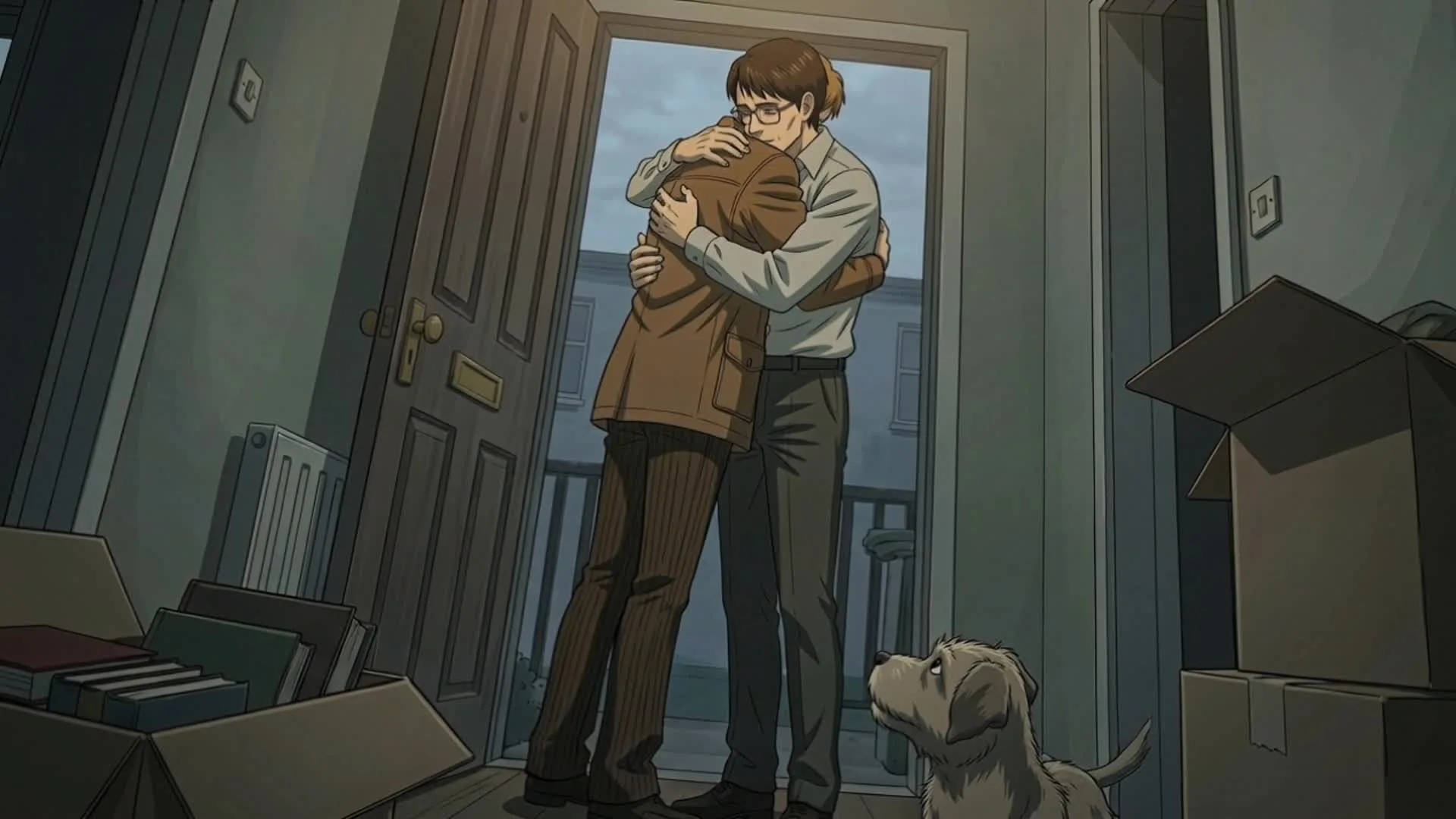
October 1976 to October 1981. Nilsen moved into the ground-floor flat at 195 Melrose Avenue, Cricklewood, in northwest London. The flat had a small back garden — a feature that would prove central to the case. The property was, in the terminology of London letting agents, a low-cost rental in a mixed-tenure Edwardian terrace. Nilsen lived there for approximately five years. During those five years, per his own subsequent confessions, he killed twelve young men and made attempts on the lives of an unknown further number. He killed by strangulation, typically after inviting a young man home from a pub, providing food and drink, and waiting until the victim was asleep or heavily intoxicated. He kept the bodies in the flat — often for weeks — before disposing of them. The disposal method at Melrose Avenue was consistent across nearly all twelve killings. It involved, eventually, the small back garden. It involved bonfires. It also required a butchery skill set the Army had, unknowingly, provided him with.
1:07
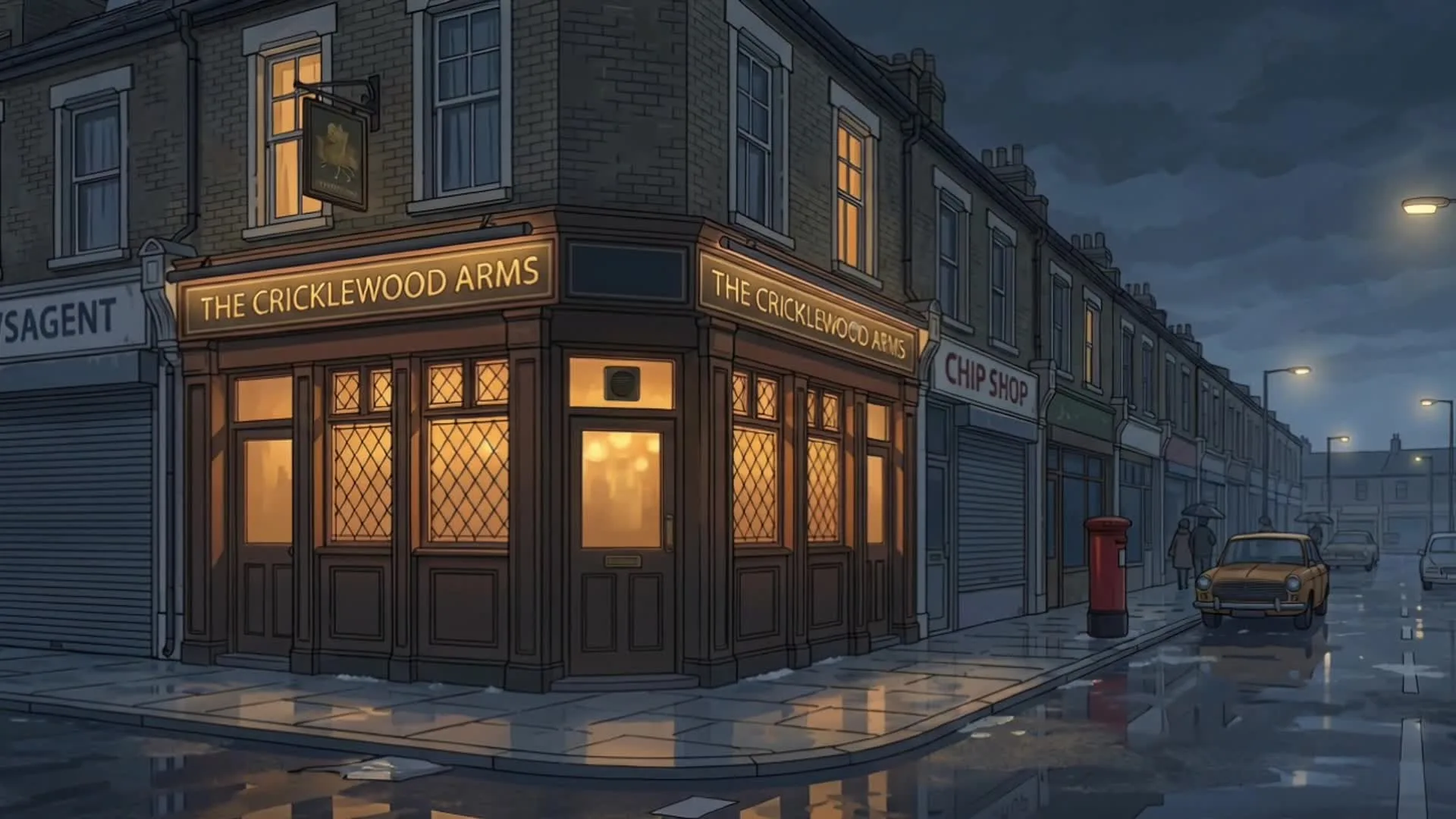
December 30, 1978. Nilsen's first victim. Stephen Holmes was 14 years old. He was from Kilburn, northwest London. He had spent the evening at the Cricklewood Arms pub — where Nilsen was drinking — after being unable to attend a music concert he had planned to see. He was invited back to 195 Melrose Avenue by Nilsen. He accepted. He was killed at the flat that night. His body was hidden under the floorboards of Nilsen's living room. He was — in a fact that would not become publicly known for another 28 years — the youngest of Nilsen's identified victims. His identity was not established until 2006, when a cold-case review team from the Metropolitan Police, led by DCI Roy McIlvenna and consulting detective Jackie Malton, cross-referenced Nilsen's own detailed prison-cell descriptions with contemporaneous missing-person records. Stephen Holmes's family — who had spent 28 years not knowing what had happened to their son — were finally, in 2006, given an answer. It was not the answer they had ever hoped for.
1:11
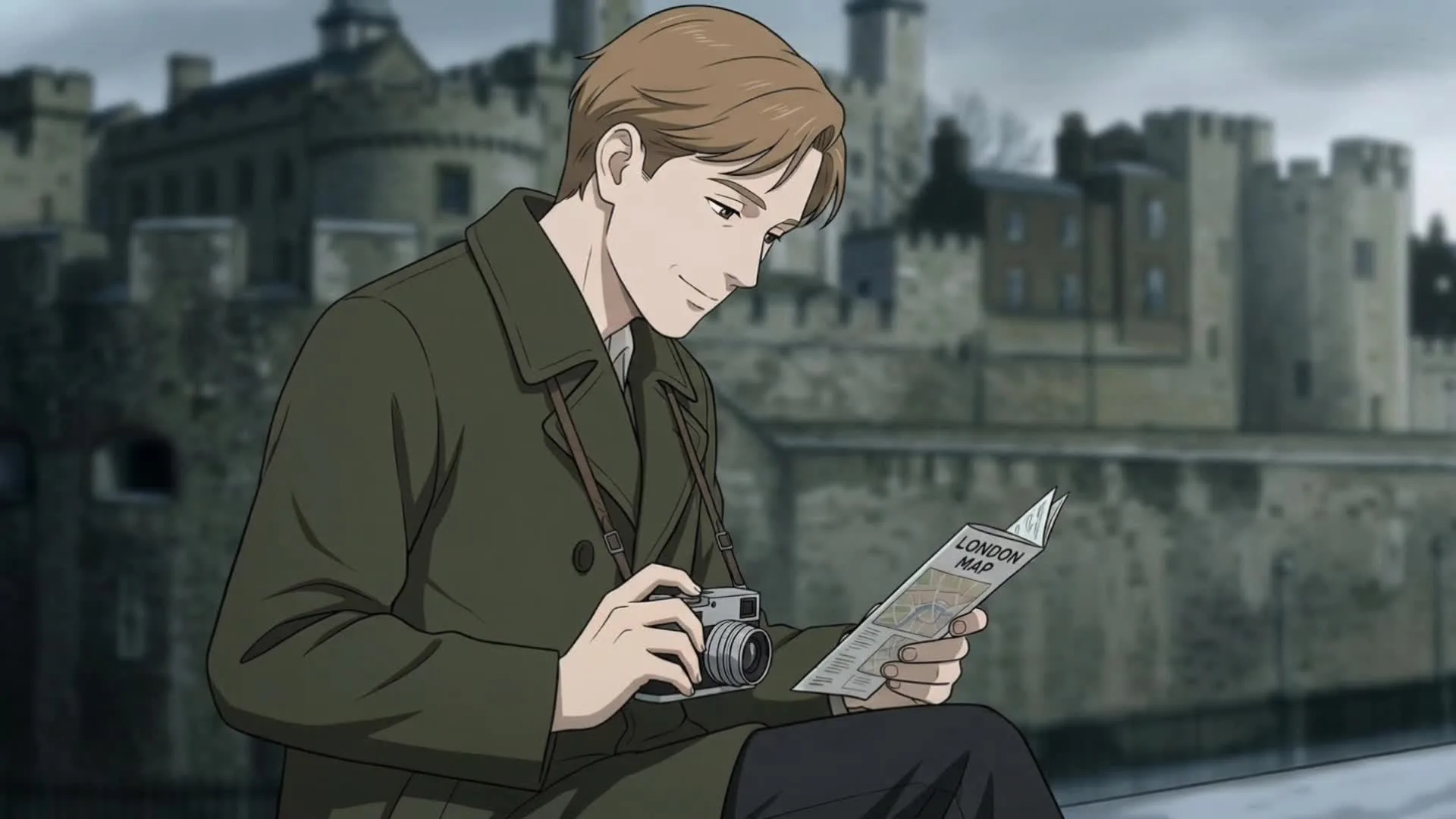
December 3, 1980. Kenneth Ockenden was a 23-year-old Canadian tourist. He was in London on holiday from Vancouver, British Columbia, staying at a hostel in the Bayswater district. He met Nilsen in a central London pub on the afternoon of December 3. He accepted Nilsen's invitation to accompany him to a nearby restaurant, and then to Nilsen's flat at 195 Melrose Avenue for further drinks. He was killed at the flat that evening. His disappearance was, per contemporaneous accounts, one of the most-investigated missing-persons cases in London during December 1980 — an entirely unremarkable young Canadian tourist with a supportive family in Vancouver, no known enemies, and no reason to disappear. His parents flew to London to conduct their own search. They walked past 195 Melrose Avenue on at least one occasion during their trip. His disappearance was ultimately catalogued as unresolved. His remains would not be identified until Nilsen's own 1983 confessions. It is one of the case's clearest illustrations of how completely his method concealed what he was doing — in an occupied ground-floor flat, in central north London, for years.

1:13
1978 to 1981. Melrose Avenue. Nilsen's initial disposal method involved storing the bodies of his victims beneath the floorboards of the flat's living room. The floorboards were lifted, the body was placed underneath, and the boards were replaced. He would, per his own subsequent detailed prison accounts, periodically retrieve the bodies from underneath the floors for prolonged periods of time in which he 'kept them company' — bathing them, dressing them, seating them at his kitchen table. The specific behaviours he described to his biographer Brian Masters and to police interviewers have become part of the case's clinical literature on the pathology of severe attachment disorder combined with sexual sadism. The floorboards were not, however, a long-term solution. Bodies decay. The flat began, across successive killings, to develop persistent problems with insects, odour, and structural rot. He would eventually need a more permanent disposal method. The back garden provided one.

1:18
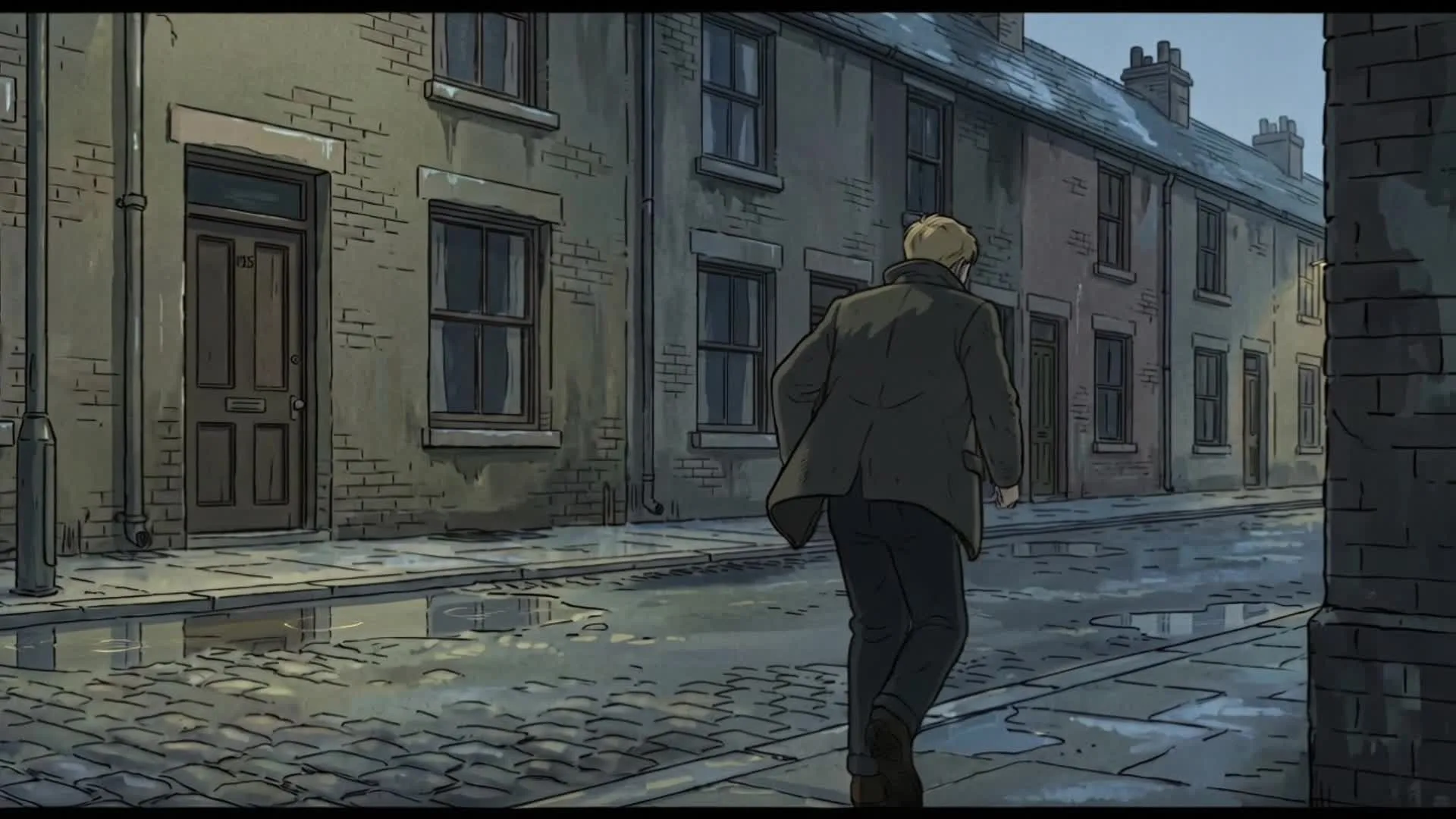
1979 to 1981. Melrose Avenue. Approximately three times across the Melrose Avenue years, Nilsen conducted large bonfires in the flat's small back garden. Each bonfire involved the accumulated remains of multiple victims — dismembered using the butchery skills acquired during his Army Catering Corps years, wrapped in plastic sheeting, and burned along with substantial quantities of tyres and old furniture to mask the smell. The bonfires typically lasted several hours. He would stand in the garden throughout. Neighbours interviewed by police after his 1983 arrest confirmed observing the fires but had assumed, as neighbours in the era typically assumed, that a man having a bonfire in his own garden was engaged in normal domestic clearance. The bonfires successfully destroyed the physical evidence of the twelve Melrose Avenue killings. When the property was eventually forensically excavated in early 1983, only fragments were recovered. It is why the exact number of Melrose Avenue victims remains, to this day, uncertain in specific detail.
1:17
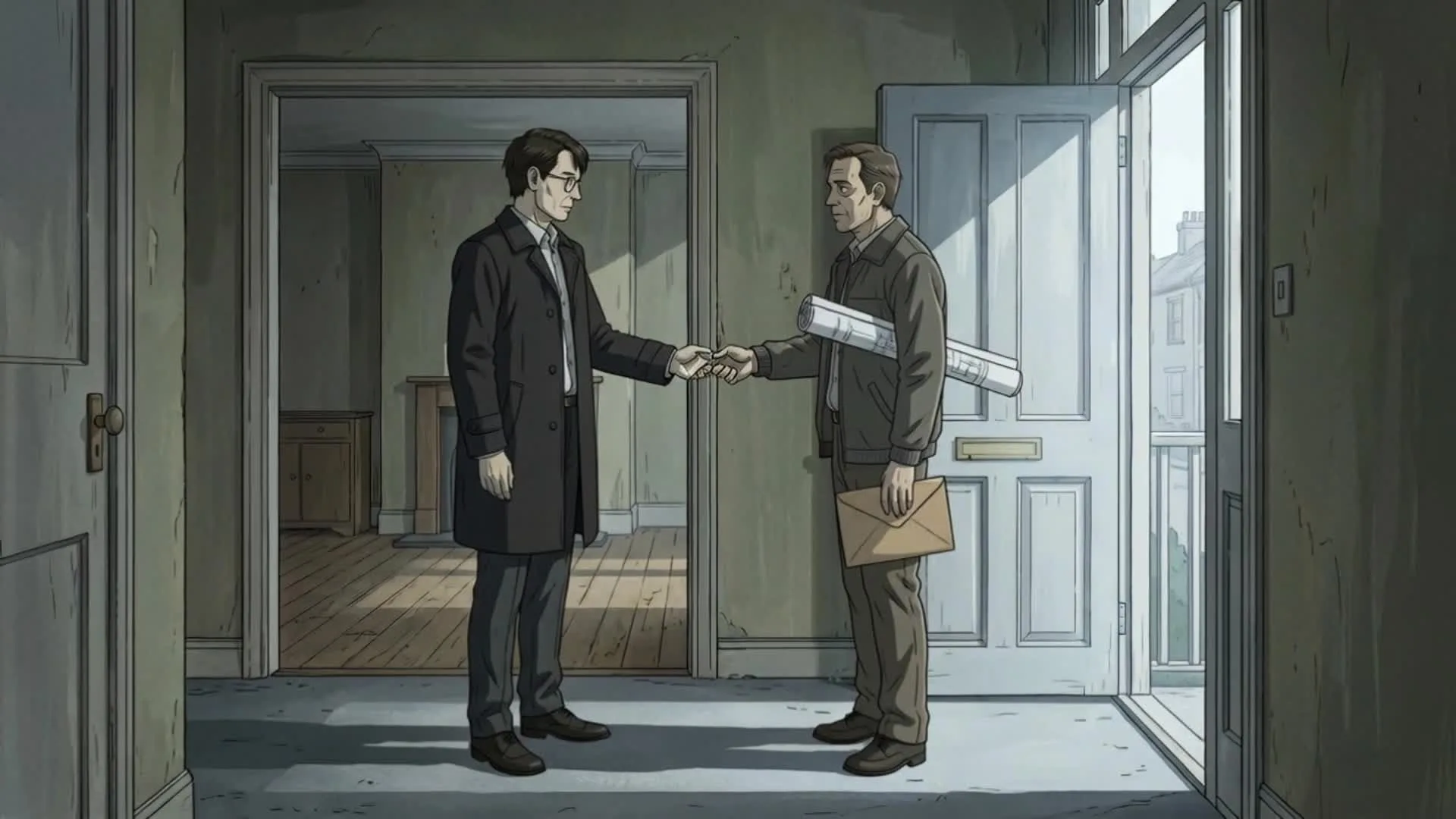
1978 to 1982. Across the years of his killings, an unknown number of Nilsen's intended victims escaped him. Three cases are well documented. Douglas Stewart, a Scottish barman, was attacked at Melrose Avenue in November 1980 and escaped by fighting back until Nilsen relented; he reported the incident to police, who — per contemporaneous records — did not follow up. Paul Nobbs, a university student, spent the night at Melrose Avenue in November 1981 and awoke to find Nilsen attempting to strangle him; he escaped and sought hospital treatment. Carl Stotter, a drag performer known as Blondie, was attacked at Cranley Gardens in November 1982 in what Nilsen apparently believed had been a fatal strangulation and drowning; Stotter recovered consciousness, extracted himself from the flat, and — like the others — reported the incident to police without meaningful follow-up. All three survivors would eventually testify at Nilsen's trial. Their existence, and the fact that their reports had reached the Metropolitan Police years before the case was solved, would become one of the case's most quietly damning institutional failures.
1:14
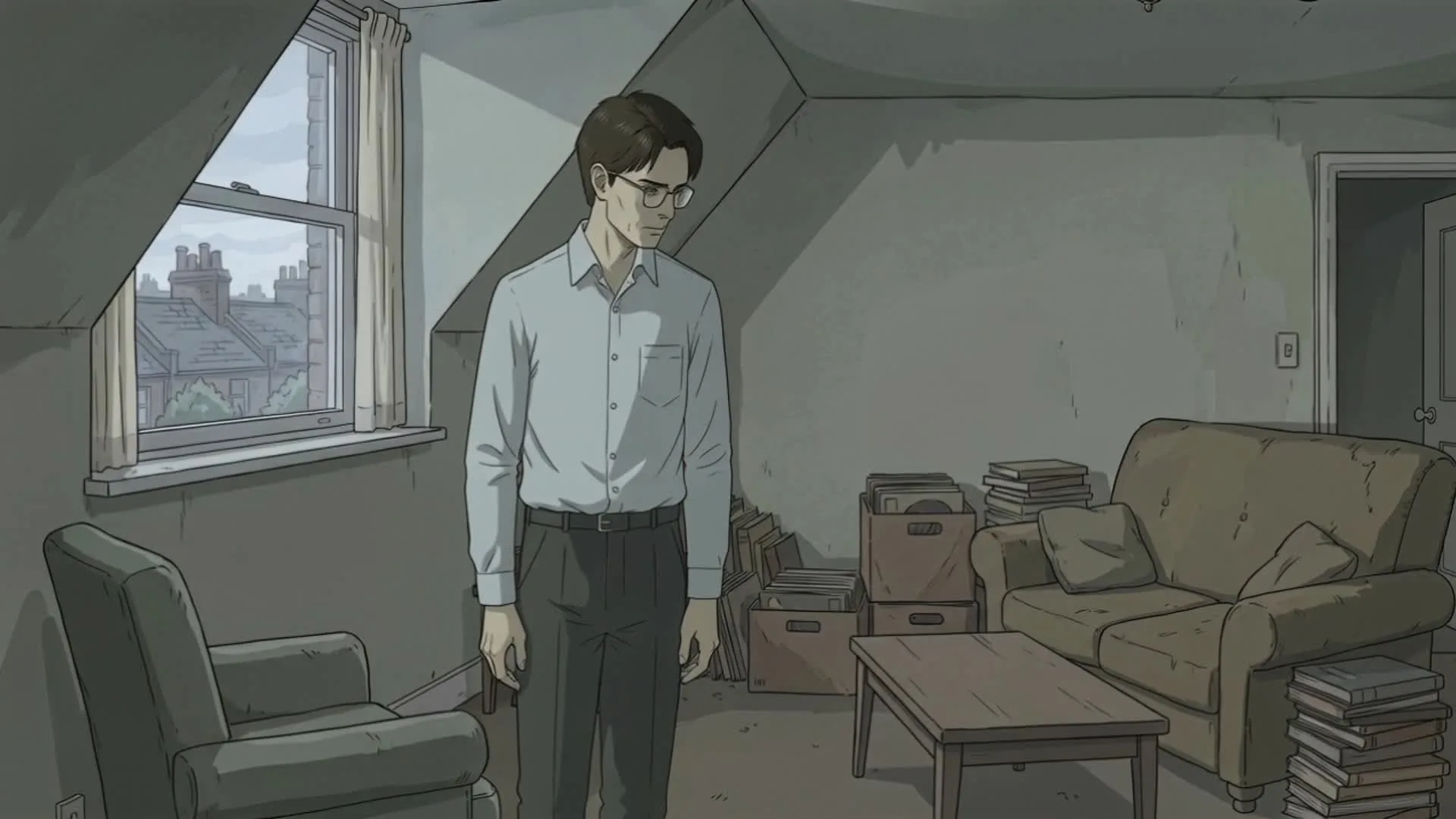
October 1981 to February 1983. Following complaints from neighbours about the smell at 195 Melrose Avenue and the failing condition of the property, Nilsen was asked to relocate. He moved to a small attic flat at 23 Cranley Gardens, Muswell Hill, in the London Borough of Haringey. The flat was small, on the top floor of a converted Victorian house, and — critically — had no garden. It had no floorboards accessible for storage. It did have a small bathroom and a kitchen fitted with a standard domestic cooker. Between his October 1981 move to Cranley Gardens and his February 1983 arrest, Nilsen killed three further men at the new address. His disposal problem was, however, fundamentally altered. Without a garden, he had no way to burn remains. He devised an alternative disposal method involving domestic cooking equipment. It was that method — specifically, its impact on the plumbing of a shared Victorian house — that would ultimately end the case.
1:13
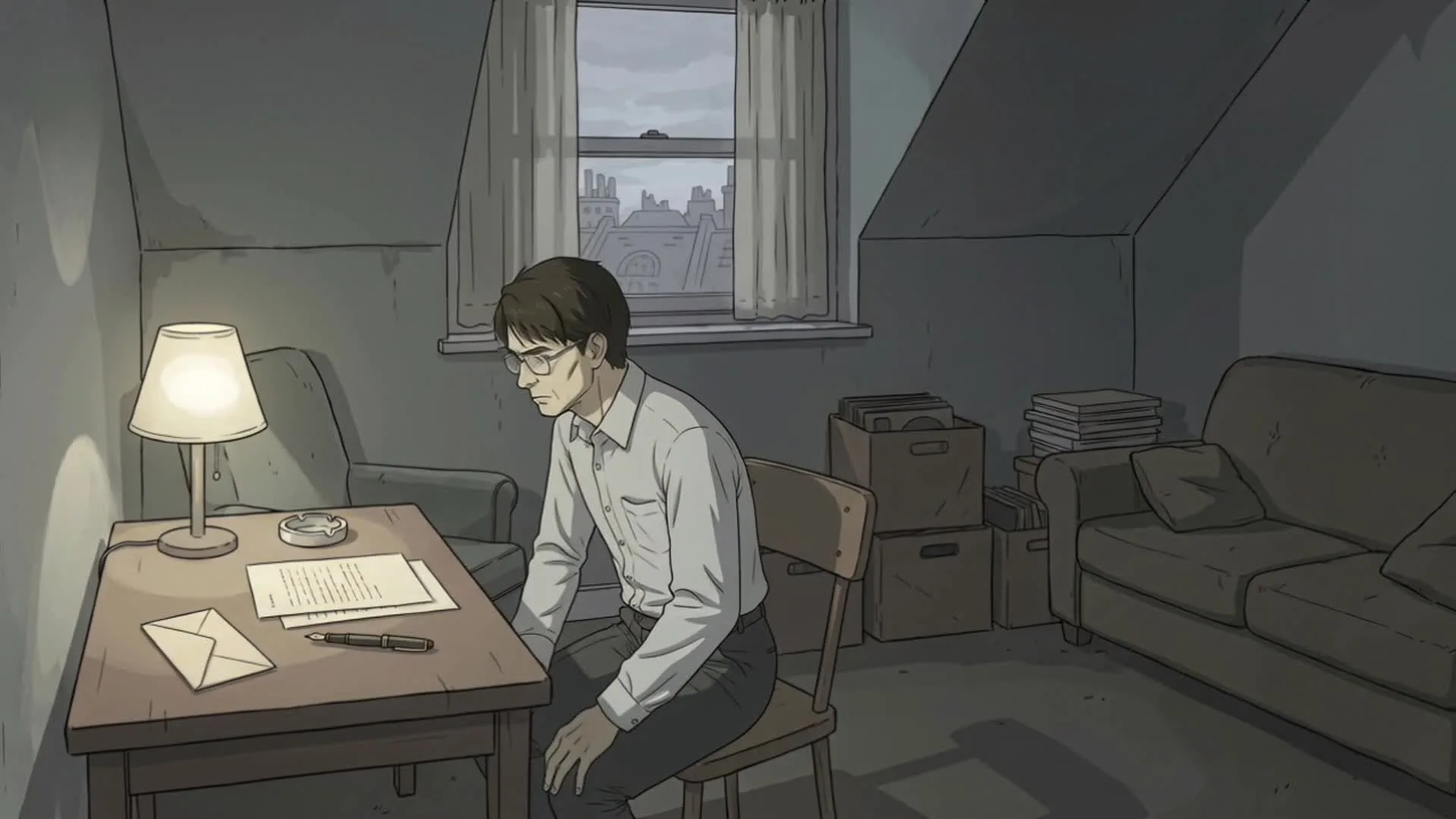
1981 to 1983. Cranley Gardens. Nilsen's disposal method at the Muswell Hill flat involved dismembering the bodies of his victims and progressively reducing them by boiling. He used a large domestic cooking pot on the flat's kitchen cooker to boil sections of the remains — including, per his own subsequent confessions, the heads of at least three victims. The soft tissue thus separated was flushed down the flat's toilet. Bones were disposed of separately, wrapped in plastic and put out with the household rubbish over successive weeks. The method was — from a disposal standpoint — more compact than the Melrose Avenue bonfires. It was also, however, catastrophically incompatible with the shared Victorian sewage system of a converted terraced house. Human tissue, in significant volumes, flushed through domestic pipes that had been designed in the 1880s for two Victorian toilets serving a single family, will eventually fail. That failure occurred in February 1983. It occurred, specifically, in the drain that served the shared soil pipe of 23 Cranley Gardens and the adjacent property.
1:18
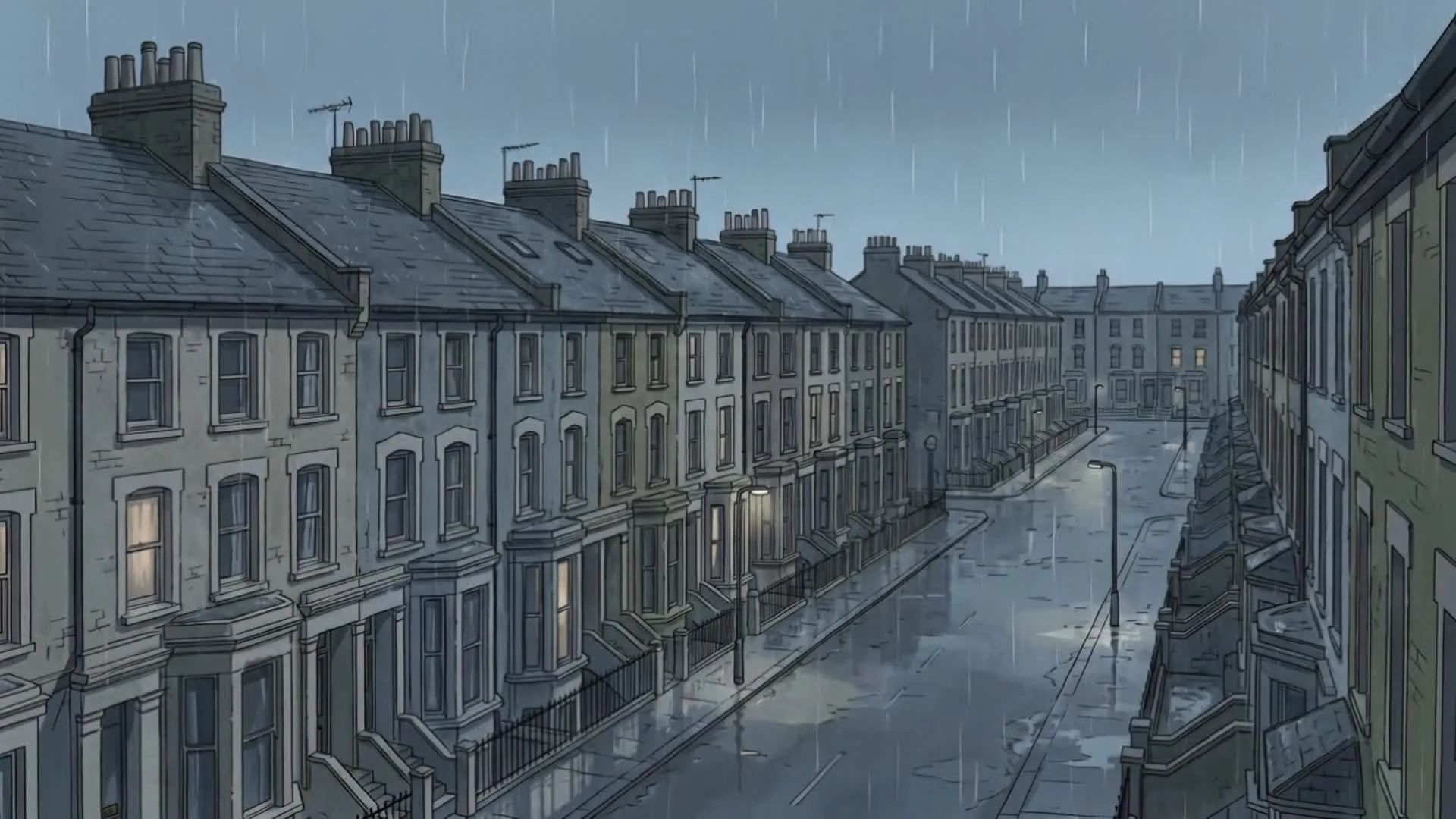
February 1983. Residents of the multi-flat property at 23 Cranley Gardens — including the tenants of the flats below Nilsen's attic residence — began complaining of persistent toilet-drainage problems and an unusual smell rising from the shared soil pipe. The complaints were made to the estate agents managing the property. The agents, receiving increasingly urgent messages across several days, contacted a specialist drainage-clearance firm. The firm dispatched an engineer to inspect the shared drain at the rear of the property. The engineer arrived at 23 Cranley Gardens on the morning of February 8, 1983. The eventual company log for the visit — Dyno-Rod — has become one of the most-cited service call-outs in the history of British criminal investigation. What the engineer would find in the shared soil pipe was described in his subsequent police statement as unlike anything he had encountered in his professional career.
1:16
February 8, 1983. Michael Cattran, a Dyno-Rod drainage engineer, arrived at 23 Cranley Gardens to clear a persistent blockage in the shared soil pipe. He removed the manhole cover at the rear of the property. Descending into the drain, he found what appeared to be a mass of decomposed flesh and small bones blocking the outflow. His initial assumption was that residents had been improperly disposing of animal remains — chicken carcasses, per his subsequent statement. He extracted the material and left it in a bag beside the manhole. He informed the property residents that the blockage had been cleared. He then, per his own account, could not sleep that night. His unease grew stronger through the following morning. When he returned to Cranley Gardens on February 9 to check on the job, the extracted material had disappeared from where he had left it. He immediately reported his suspicions to his supervisor. His supervisor contacted the Metropolitan Police. A homicide unit was dispatched to Cranley Gardens that afternoon.
1:20
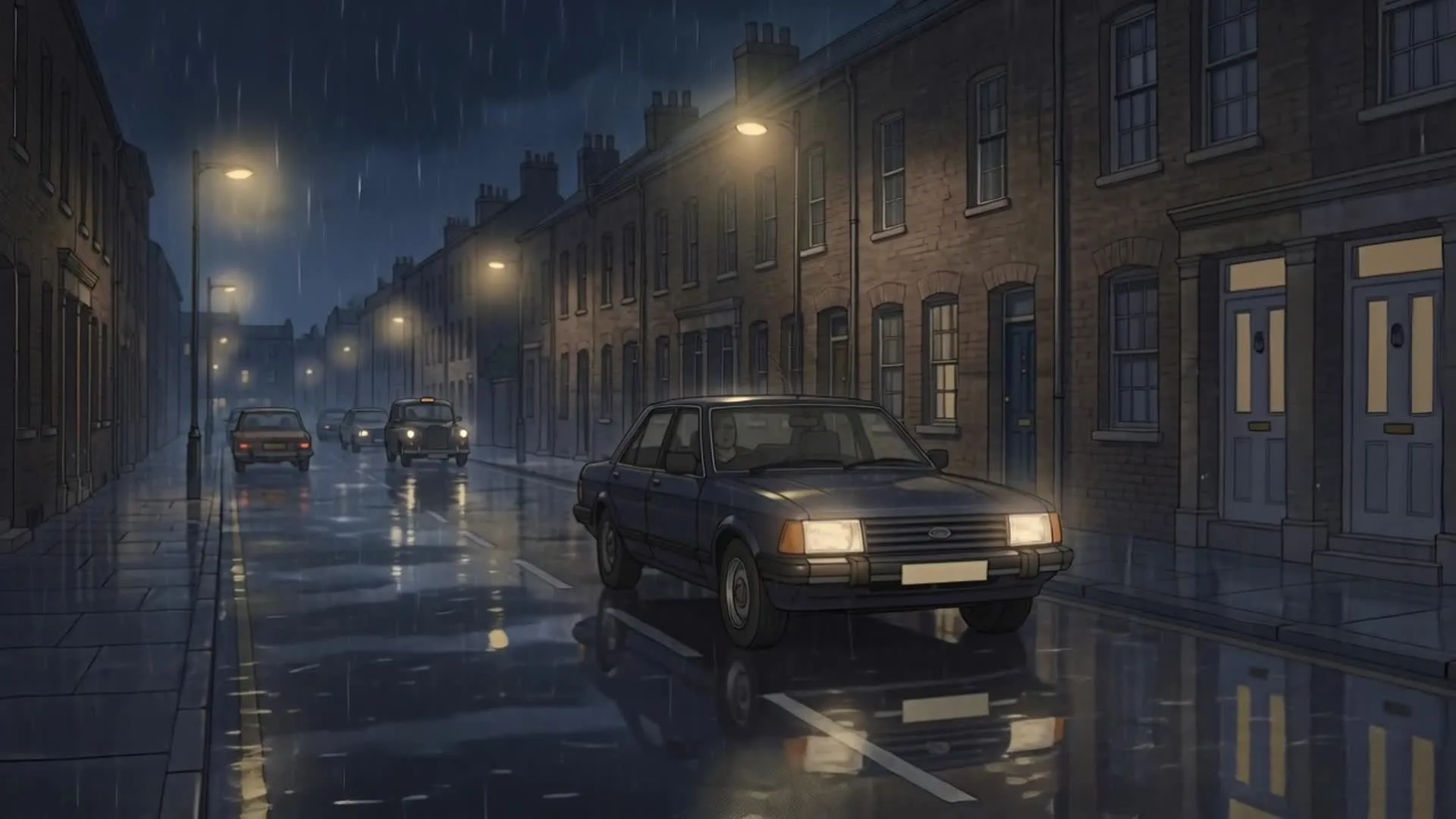
February 9, 1983. Detective Chief Inspector Peter Jay of Hornsey CID led the Metropolitan Police response to Cranley Gardens. He arrived with a small team in the late afternoon and inspected the shared drain personally. Small fragments of what appeared to be human tissue remained caught in the drainage system. Preliminary pathological assessment confirmed them as human. Jay and his team began interviewing the residents of the property to determine which of the flats the material had originated from. By early evening the investigation had focused on the top-floor attic flat — the residence of a civil servant named Dennis Nilsen. Jay waited outside the property for Nilsen to return home from work at the Kentish Town Job Centre. When Nilsen arrived at approximately 5:40 p.m., Jay identified himself and told Nilsen that human remains had been found in the drain outside his property. Nilsen's response — recorded in Jay's contemporaneous notes and quoted extensively in the subsequent literature — was the single sentence that opened the case: 'It's a long story. It goes back a long time.'
1:15
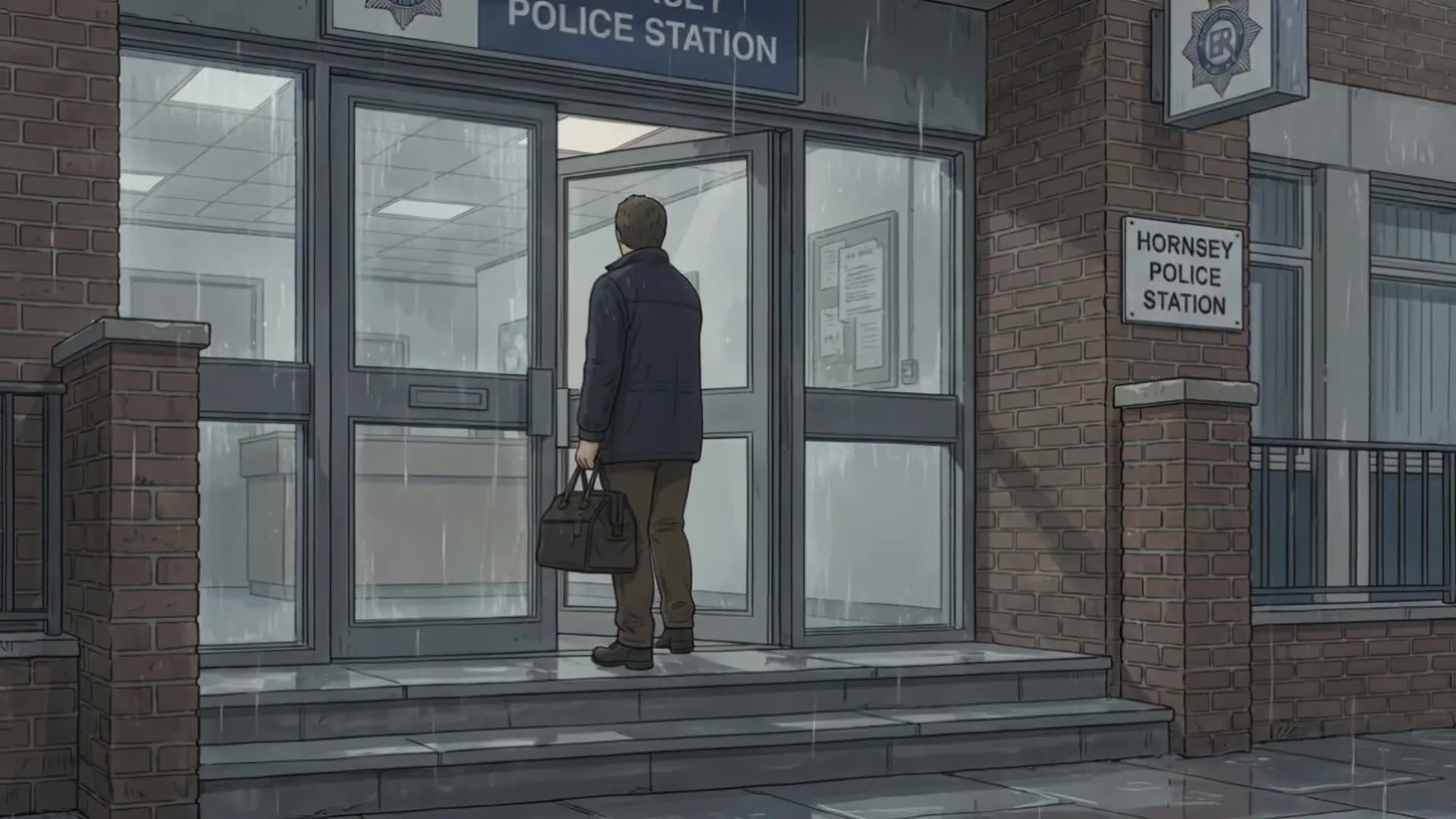
February 9 to February 11, 1983. Nilsen was taken to Hornsey Police Station. Interviewed by DCI Peter Jay across the following days, he made extensive and detailed confessions. He described the killings at Melrose Avenue and at Cranley Gardens across a five-year period, from 1978 to 1983. Asked how many people he had killed in total, he responded — in one of the case's most-quoted exchanges — 'Fifteen or sixteen, I think.' He was unable to identify most of his victims by name. He described their physical characteristics, the circumstances under which he had met them, and, in many cases, the specific locations within his flats where remains might still be recoverable. Search teams began forensic excavation of the back garden at 195 Melrose Avenue and the attic and drainage systems at 23 Cranley Gardens. Small fragments of remains were recovered from both sites. The full identification of the victims — beyond the handful Nilsen could describe with sufficient specificity — would take, in the case of Stephen Holmes, another 23 years.
1:25
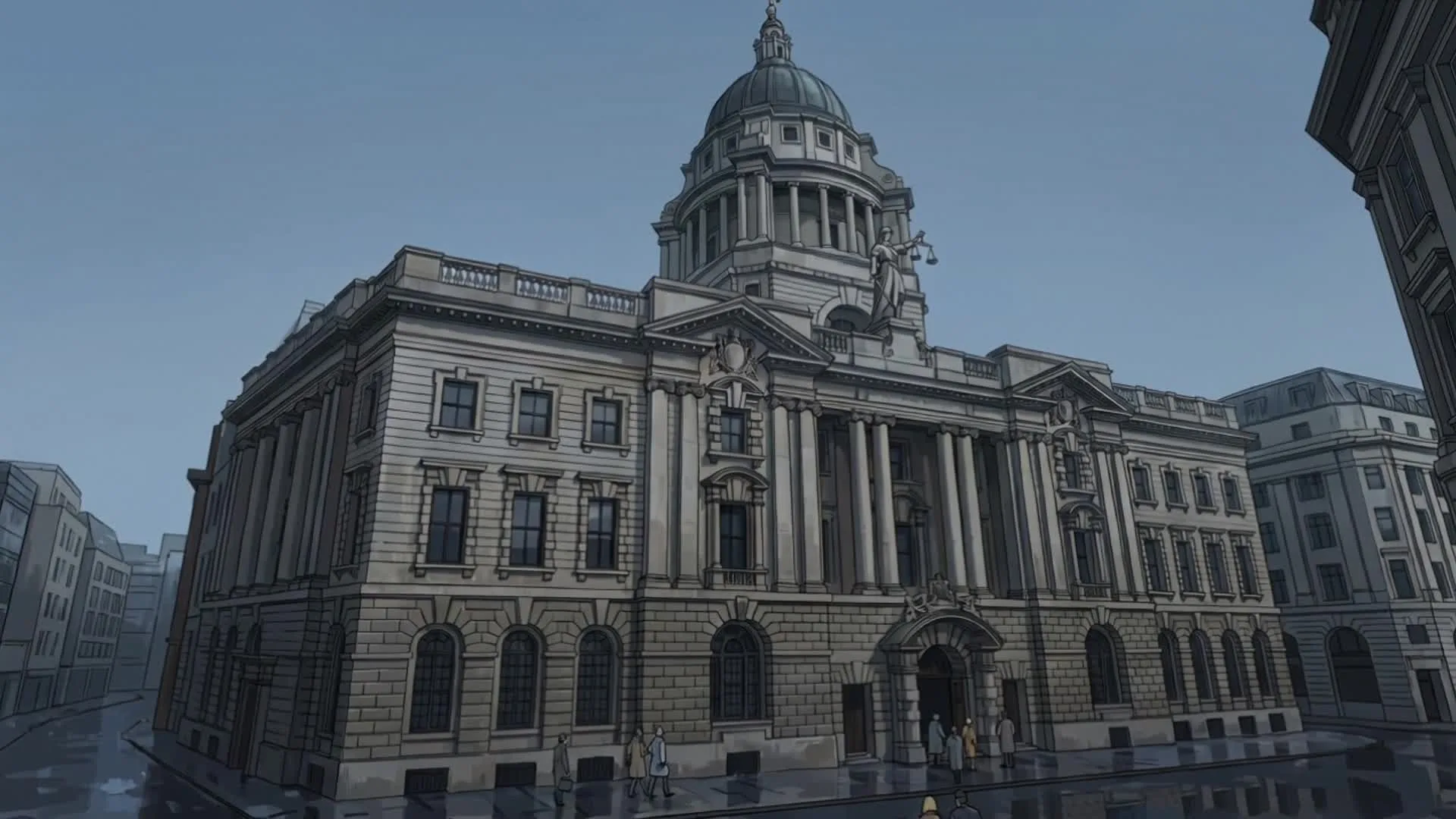
October 24 to November 4, 1983. Nilsen's trial was held at the Central Criminal Court — the Old Bailey — in London. Presiding was Mr Justice Croom-Johnson. Prosecuting was Allan Green QC. Defending was Ivan Lawrence QC. The specific legal contest at trial was not whether Nilsen had killed. His confessions had established that fact past dispute. The contest was whether he had killed with the necessary mental capacity to be convicted of murder — the defence advanced a diminished-responsibility argument based on severe personality disorder. The three surviving victims — Douglas Stewart, Paul Nobbs, and Carl Stotter — testified in the presence of the man who had attacked them. The prosecution called Dr James Mackeith, a forensic psychiatrist. The defence called Dr Patrick Gallwey. On November 4, 1983, the jury returned. Nilsen was convicted of six counts of murder and two of attempted murder. He was sentenced to life imprisonment with a minimum recommendation of 25 years. That minimum was subsequently converted, in 1994, to a whole-life tariff. He would never leave prison.
1:23
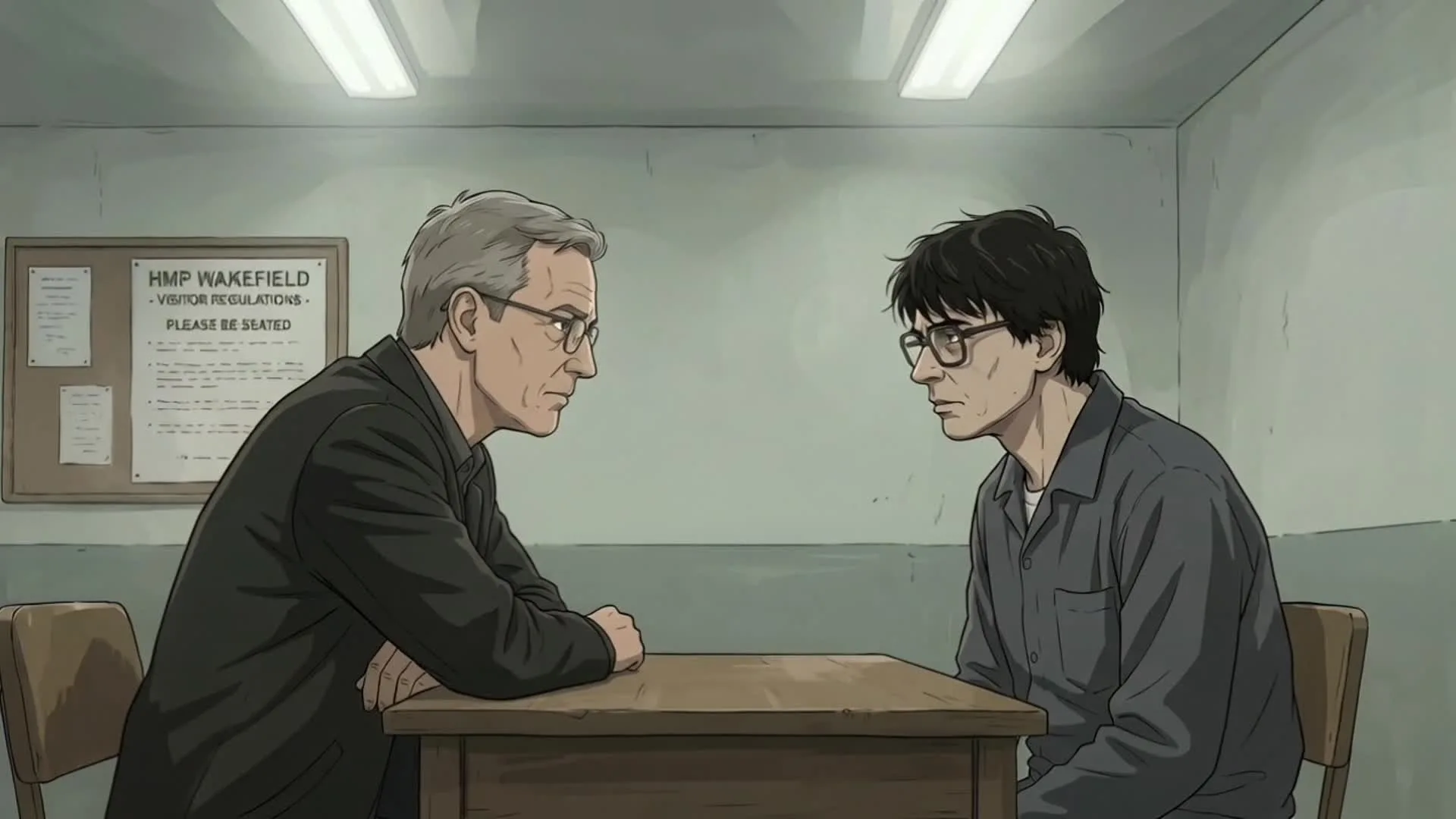
1983 to 2018. In the years following his conviction, Nilsen cooperated extensively with the author Brian Masters, whose 1985 book Killing for Company became the definitive published account of the case and one of the most-cited works in the modern literature on serial homicide. Masters conducted approximately 120 hours of interviews with Nilsen at HMP Wormwood Scrubs and subsequently at HMP Full Sutton. Nilsen produced, during his incarceration, a personal manuscript running to more than 6,000 pages describing his psychological history, his crimes, and his interpretation of them. He also produced extensive artwork and correspondence. The Killing for Company manuscript, in a limited redacted form, was eventually published as History of a Drowning Boy in 2021, three years after his death. The book — largely written by Nilsen himself but produced with editorial oversight — has been treated by criminologists as a significant clinical document and by ethicists as a difficult case study in whether a perpetrator's own account should be published at all.
1:19
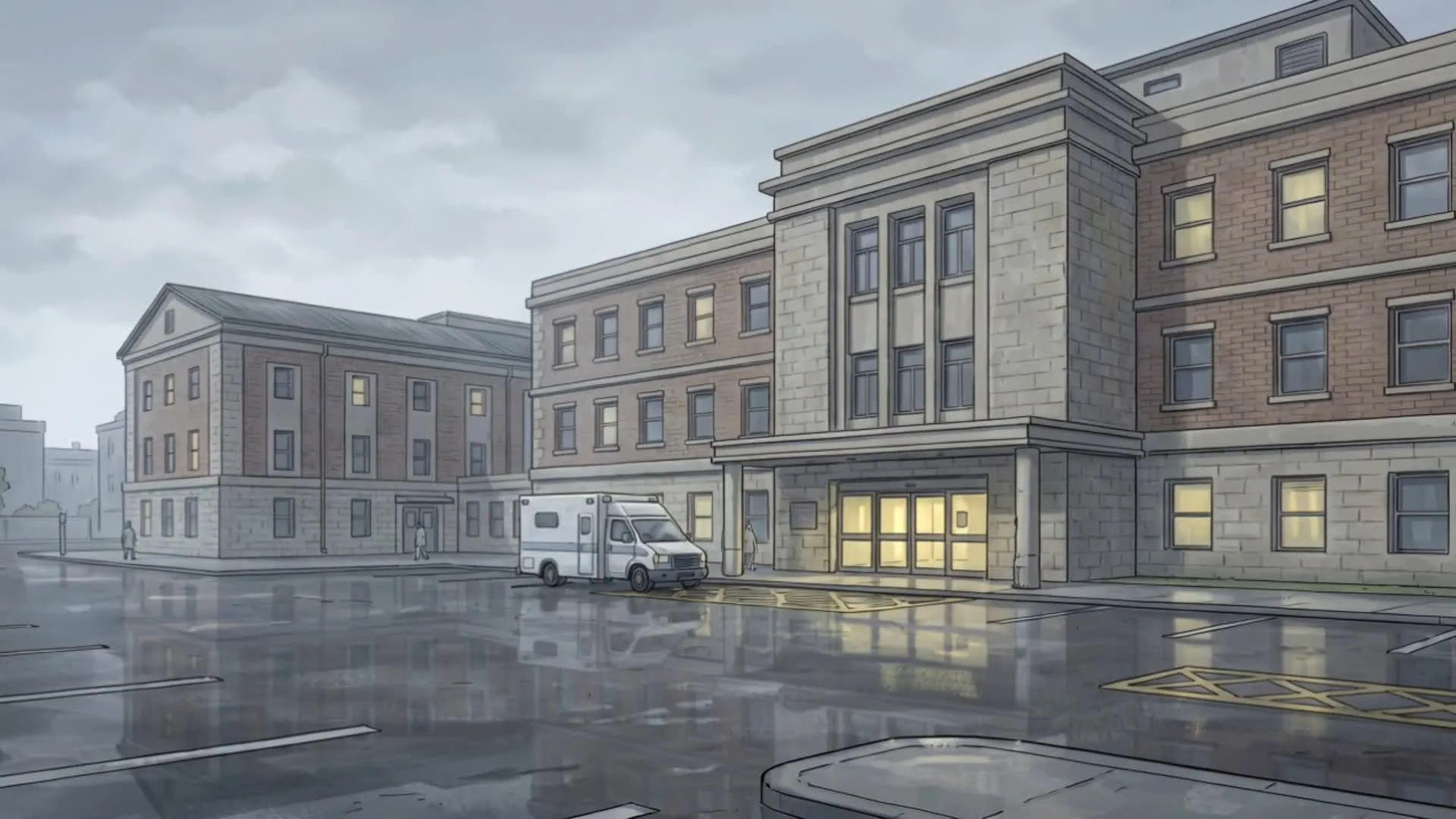
May 12, 2018. HMP Full Sutton, East Yorkshire. Dennis Nilsen died in the prison hospital wing at the age of 72. The cause of death, per the official coroner's finding, was retroperitoneal haemorrhage secondary to an abdominal aortic aneurysm and pulmonary embolism. He had been incarcerated for approximately 35 years — a period that spanned three prime ministers, seven Home Secretaries, and the entire life of the whole-life tariff regime under which he died. Twelve identified victims have been formally attributed to him. An unknown further number have not been identified — including, potentially, victims for whom Nilsen himself could no longer recall enough detail to enable identification. Stephen Holmes was 14. Kenneth Ockenden was 23. The other named victims — Martyn Duffey, Billy Sutherland, Malcolm Barlow, John Howlett, Graham Allen, Stephen Sinclair, and others — ranged across their late teens and twenties. Every one of them was, at the point Nilsen met them, in a period of life where a friendly face and a warm meal at a stranger's flat had seemed like a small piece of luck. In every case it was the last piece of luck of any kind they would ever have.