


20 Episodes
jollybusyperch
Elizabeth Brownrigg was, by every outward measure of 1767 London, a respectable woman. A parish midwife. A mother of sixteen. An overseer of women and children for St Dunstan-in-the-West. She was 47 years old. Behind the door of a small house on Fetter Lane, over eighteen months, she tortured three orphan girls in her care. One of them died. The trial and execution that followed made her the most-hated woman in Georgian England..
20 Episodes
51 sec.
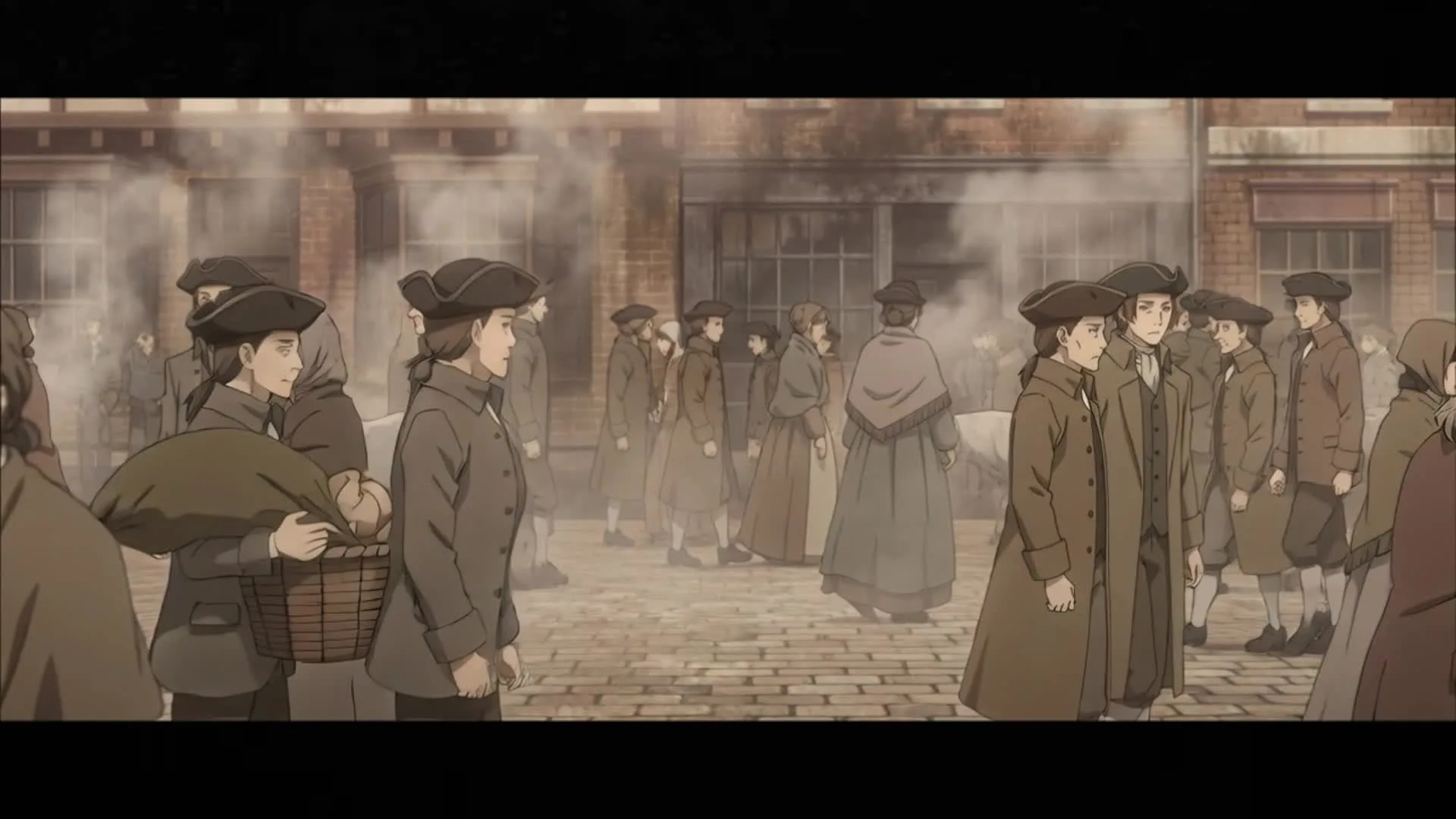
London in 1767 was a city of approximately 750,000 people — the largest city in western Europe and the commercial capital of an expanding maritime empire. It was also a city organised around a stark division of wealth. The parishes of Westminster and the City housed the professional and merchant classes in newly-built Georgian terraces of brick and Portland stone. The parishes east of the Tower and south of the Thames housed the urban poor in tenements, cellars, and courts. In between the two, threading through the streets around Holborn and Fleet Street, lay the parish of St Dunstan-in-the-West — a district of middling tradesmen, apothecaries, small shopkeepers, and the households of professionals who did not quite rank with the great and did not sit with the poor. Fetter Lane ran north from Fleet Street through this parish. It was, in 1767, a respectable address. Behind one of its doors, throughout that year, three girls were being killed in a kitchen. The city did not, until August, notice.
58 sec.
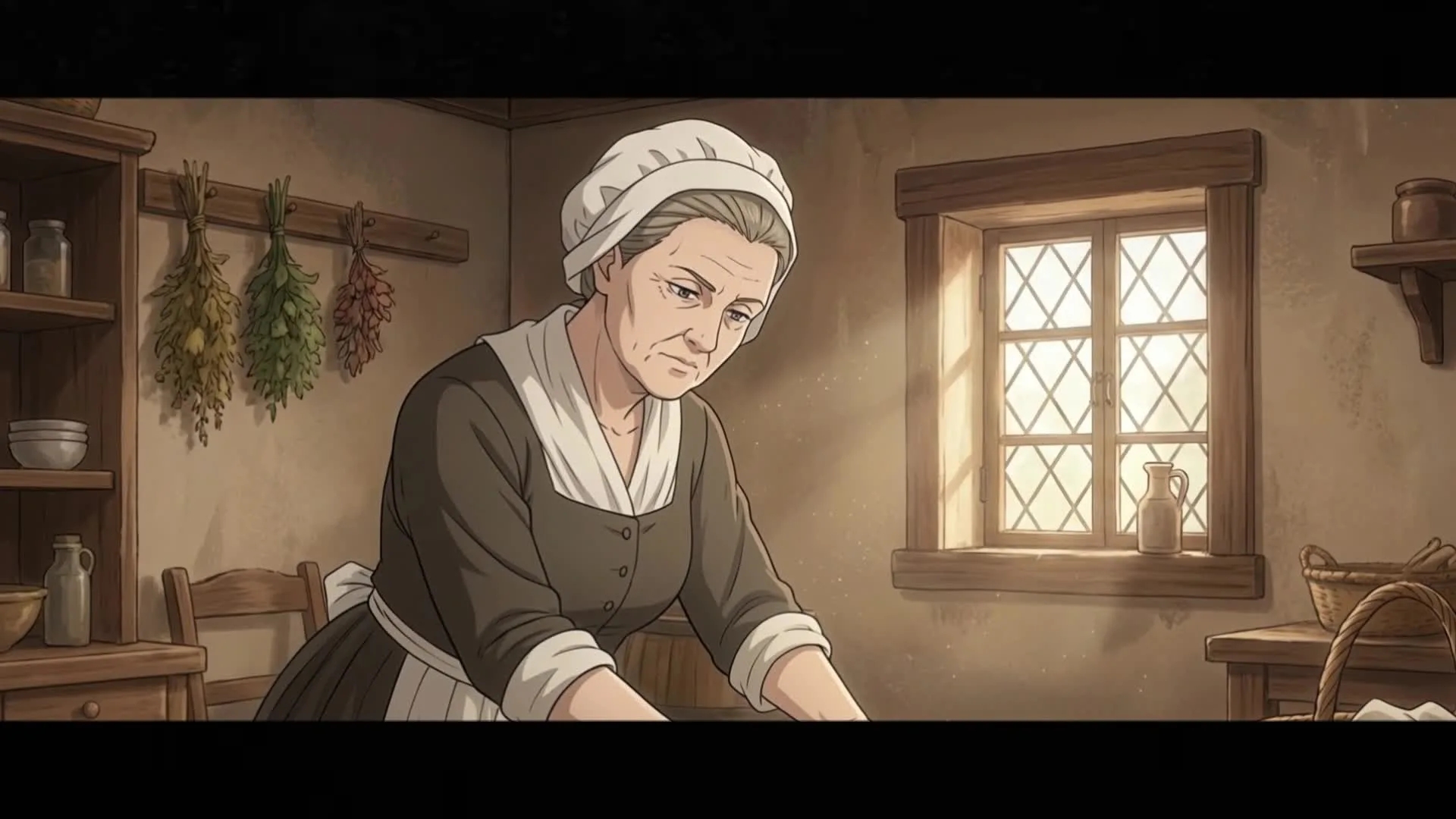
Elizabeth Brownrigg. Born in Greenwich in approximately 1720, per subsequent parish records. Trained as a midwife — a trade that, in mid-eighteenth-century London, could provide a working woman with a modest but respectable independent income. Married to James Brownrigg, a house-painter and plumber. Mother, by the mid-1760s, of sixteen children, of whom only three had survived infancy. Employed formally by the parish of St Dunstan-in-the-West as an overseer of women and infants in the parish workhouse — a position she had held since approximately 1765. Her professional reputation, in the years before 1767, was substantial. She was called to attend the lyings-in of parish women. She was trusted with the health of the poor. She was, in the specific and narrow social terms of Georgian London, a person of standing within her parish. She was also, per every subsequent account of her household, systematically violent toward the girls apprenticed into her care.
55 sec.
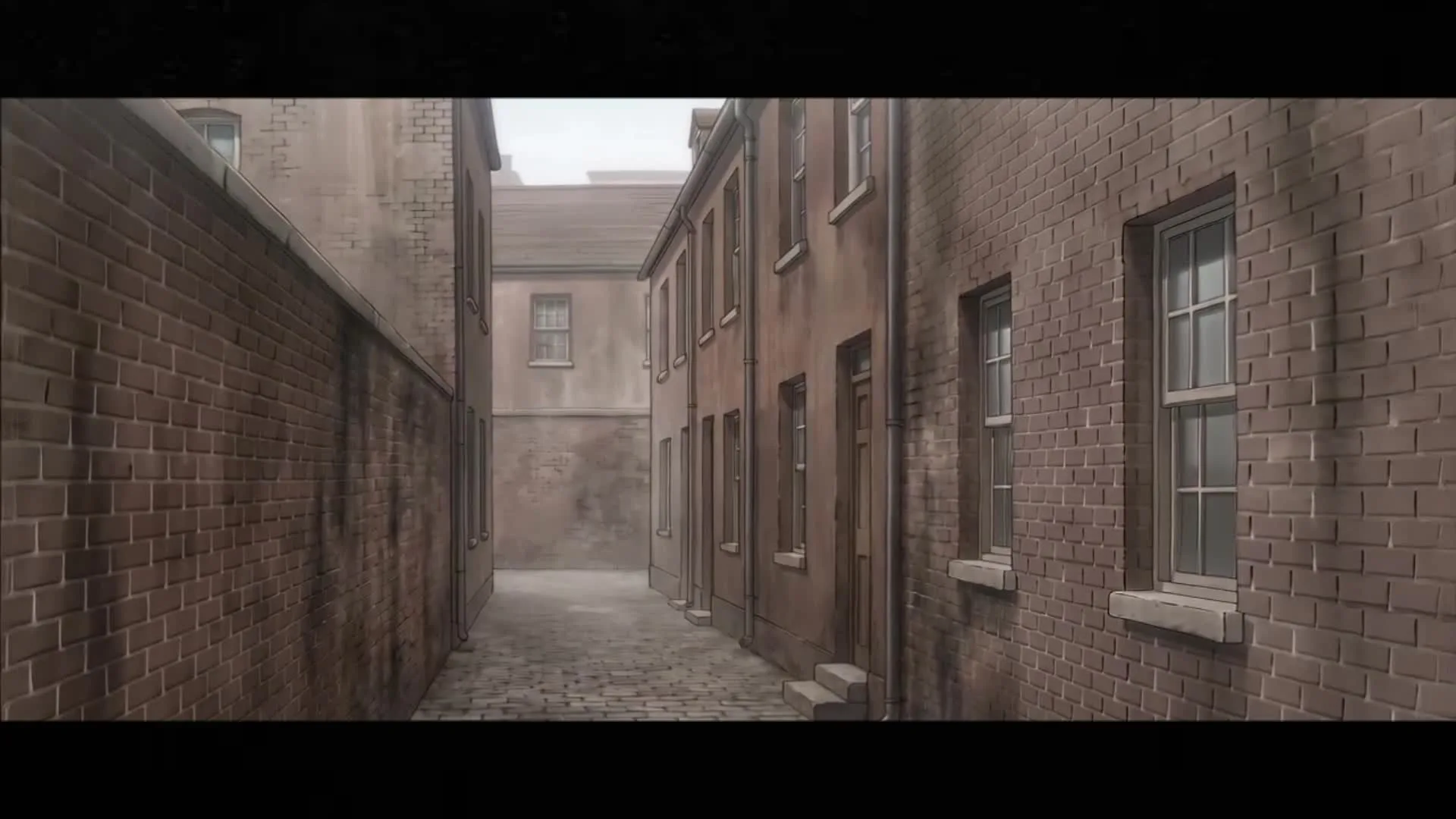
The Brownrigg family residence at Fetter Lane, London. A four-storey brick townhouse of the standard mid-Georgian pattern — a shop or workshop at street level for James Brownrigg's plumbing trade, a first-floor parlour for family and reception, second and third-floor bedrooms, and a basement kitchen. The kitchen, per subsequent trial testimony, was the room in which almost every incident of violence against the apprentice girls occurred. It contained, among the standard fittings, a beam across the ceiling on which a large iron hook had been fixed — ordinarily used for the hanging of hams, joints of meat, or drying laundry. The specific choice of the basement kitchen for the beatings was not incidental. It was the room in the house that could not be seen from the street. It was the room whose sounds carried least to the upper floors. And it was the room from which — in the specific mid-eighteenth-century arrangement of servants and apprentices — the girls could not, without permission, leave.
58 sec.
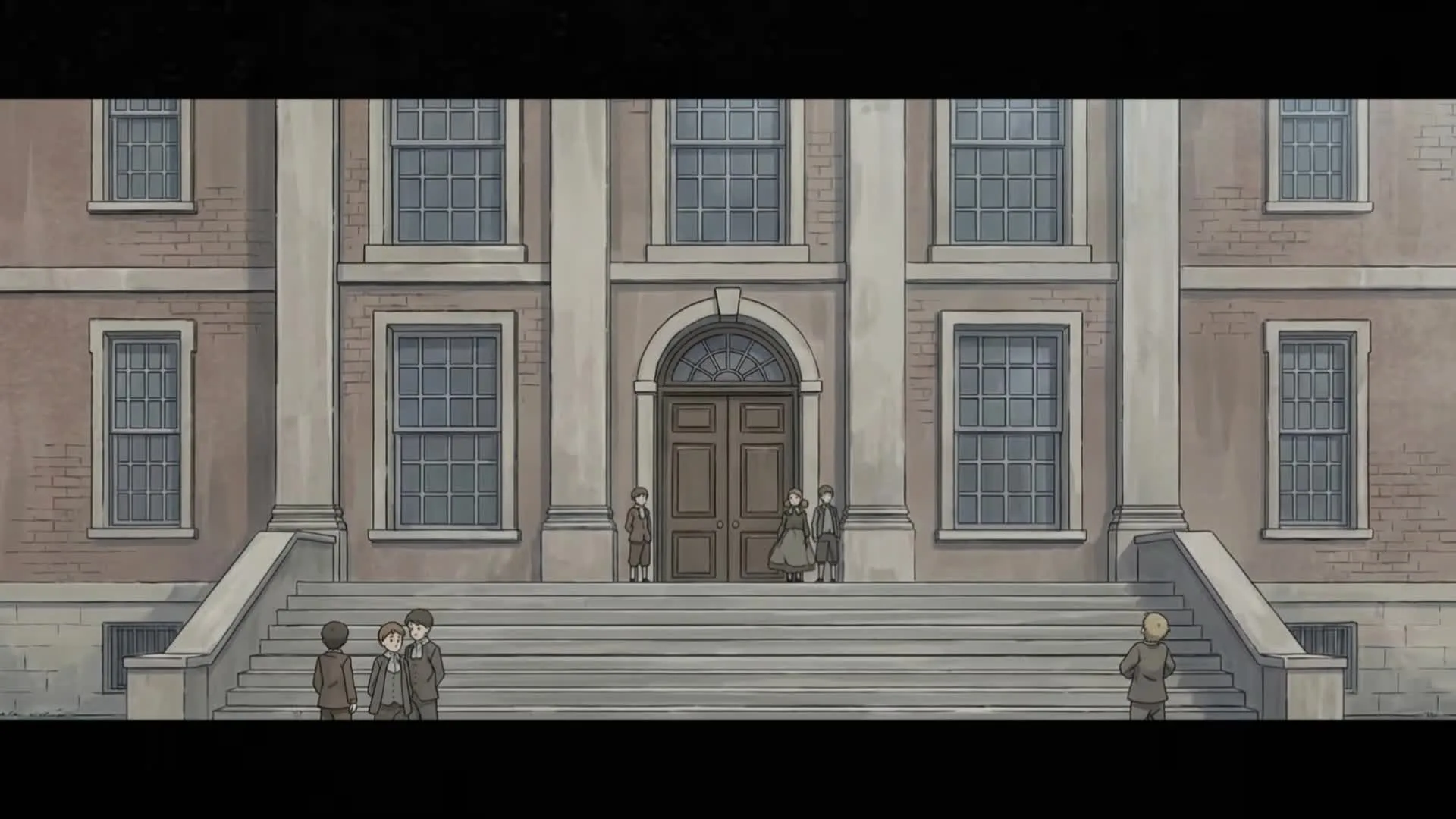
The Foundling Hospital had been founded in London in 1739 by the philanthropist Thomas Coram, chartered by Royal Warrant in 1741, and had opened its doors in Bloomsbury in the same year. Its purpose was to receive abandoned and destitute infants — many of them the illegitimate children of London's domestic servants and working women — and to raise them to an age at which they could be apprenticed into trades. By the 1760s, the Foundling Hospital was one of the great British charitable institutions of its age. Its governors included dukes, physicians, and Members of Parliament. William Hogarth was a founding governor. Handel had conducted benefit performances of Messiah in its chapel. Its administrative reputation was, in 1767, unimpeachable. And in 1767, its administrators would place the twelve-year-old Mary Clifford into the household of Elizabeth Brownrigg. The Foundling Hospital's own inquiry into the placement — conducted after the case broke — is one of the case's most-scrutinised failures of Georgian charitable oversight.
55 sec.
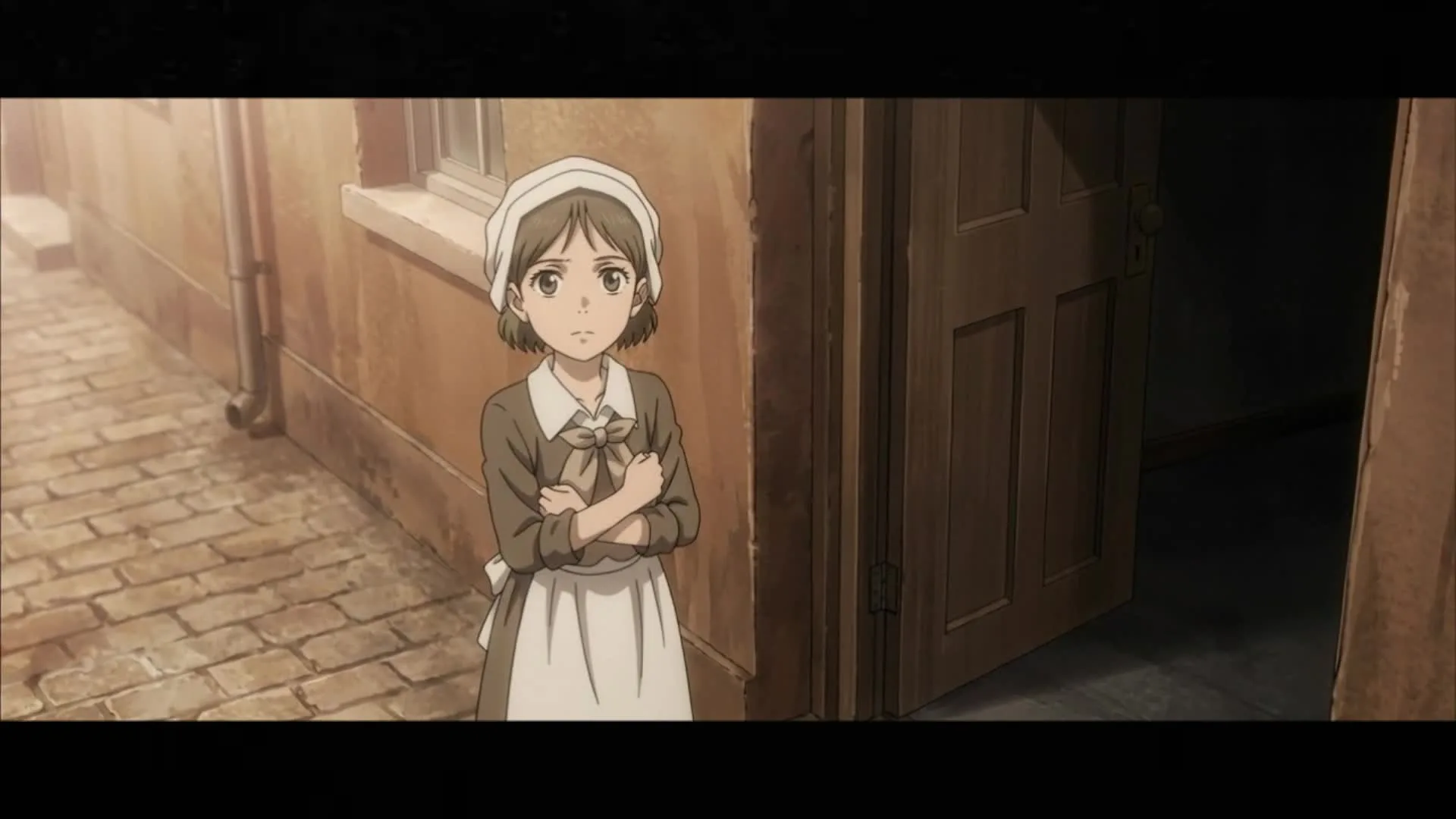
Mary Jones. Age 11 or 12 at the time of her apprenticeship. A parish orphan placed into Elizabeth Brownrigg's household through the parish of St Dunstan-in-the-West in approximately 1765. She was the first of the three girls in the case. Her indenture bound her to Elizabeth Brownrigg for a term of years in exchange for training in the trades of household service and midwifery — the standard arrangement under the Poor Laws for the placement of pauper girls. Within weeks of her arrival at Fetter Lane, per Mary Jones's own subsequent testimony to the Foundling Hospital, she was being systematically beaten by Elizabeth Brownrigg. She escaped from the Brownrigg household on at least one occasion, was returned by the parish, escaped again, and was eventually removed from the household when her injuries became so severe that they could no longer be concealed from parish authorities. She was, per every subsequent account, the specific witness whose survival would eventually — indirectly — end the case. She was also the specific girl the parish did not follow up on.

1 min. 5 sec.
Mary Mitchell. Approximately 11 or 12 at the time of her apprenticeship. Placed into Elizabeth Brownrigg's household through a parish arrangement in approximately 1766, after Mary Jones had been removed. She was the second of the three girls in the case. Her treatment in the Brownrigg household followed the same pattern as Mary Jones's — systematic beatings in the basement kitchen, restriction of food, and confinement. She survived her time in the household, but only because the case broke before her injuries became fatal. She was recovered from the Fetter Lane house on 3 August 1767 by parish officers, admitted to St Bartholomew's Hospital, and gave detailed testimony at the subsequent trial. She was one of the two named surviving witnesses whose testimony resulted in Elizabeth Brownrigg's conviction. She was, at the point of her rescue, twelve years old and had been in the household for approximately fourteen months. Her subsequent adult life is largely undocumented in the surviving records.

54 sec.
Mary Clifford. Approximately 12 or 13 years old. A parish orphan placed into Elizabeth Brownrigg's household in early 1767 through the Foundling Hospital in Bloomsbury. The third of the three girls in the case. Her placement was, per the Foundling Hospital's own subsequent inquiry, the specific and formal responsibility of that institution — she had been raised within its walls and was under its administrative protection at the point of her apprenticeship. She was, per every account of the household in 1767, the girl who received the most sustained violence. Elizabeth Brownrigg's animus toward her appears, from the trial record, to have been distinct in its intensity from her treatment of the other two girls. Mary Clifford was recovered from the Fetter Lane household on 3 August 1767 in a state of grave injury, was admitted to St Bartholomew's Hospital, and died there — of her injuries and of the resulting infection — on 9 August 1767. She was, in the formal legal sense, the specific victim on the basis of whose death Elizabeth Brownrigg was tried and hanged.
58 sec.
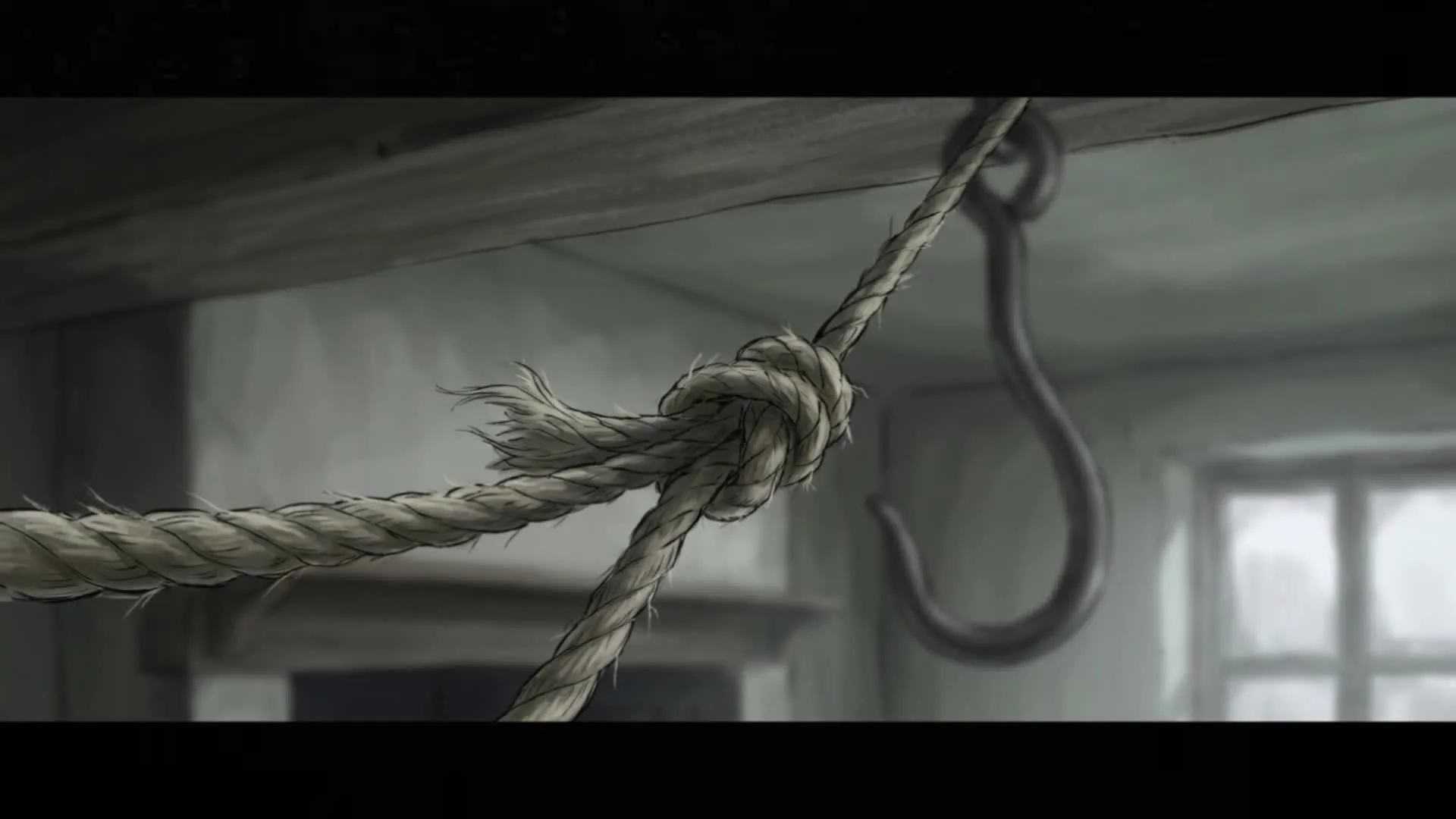
The mechanism of the violence in the Brownrigg household. Per the sworn testimony of Mary Mitchell, and per the corroborating statements of Mary Clifford before her death, the routine at Fetter Lane throughout 1766 and 1767 involved the following. The girls, on Elizabeth Brownrigg's instruction, would be brought down to the basement kitchen. Their hands would be tied. A rope would be attached to their bound wrists and passed over the iron hook fixed in the ceiling beam. They would be hoisted so that their feet either barely touched the floor or dangled clear of it. In that position — suspended, unable to defend themselves — they would be systematically beaten by Elizabeth Brownrigg using a horsewhip, a broom-handle, or a hearth-broom. The beatings continued, per Mary Mitchell's testimony, for periods of thirty minutes to two hours. They occurred, per the same testimony, on days almost without interruption in the final months of the household. The specific practice was not an outburst. It was a routine. Georgian London, when it later heard the specifics, understood it as such.
50 sec.
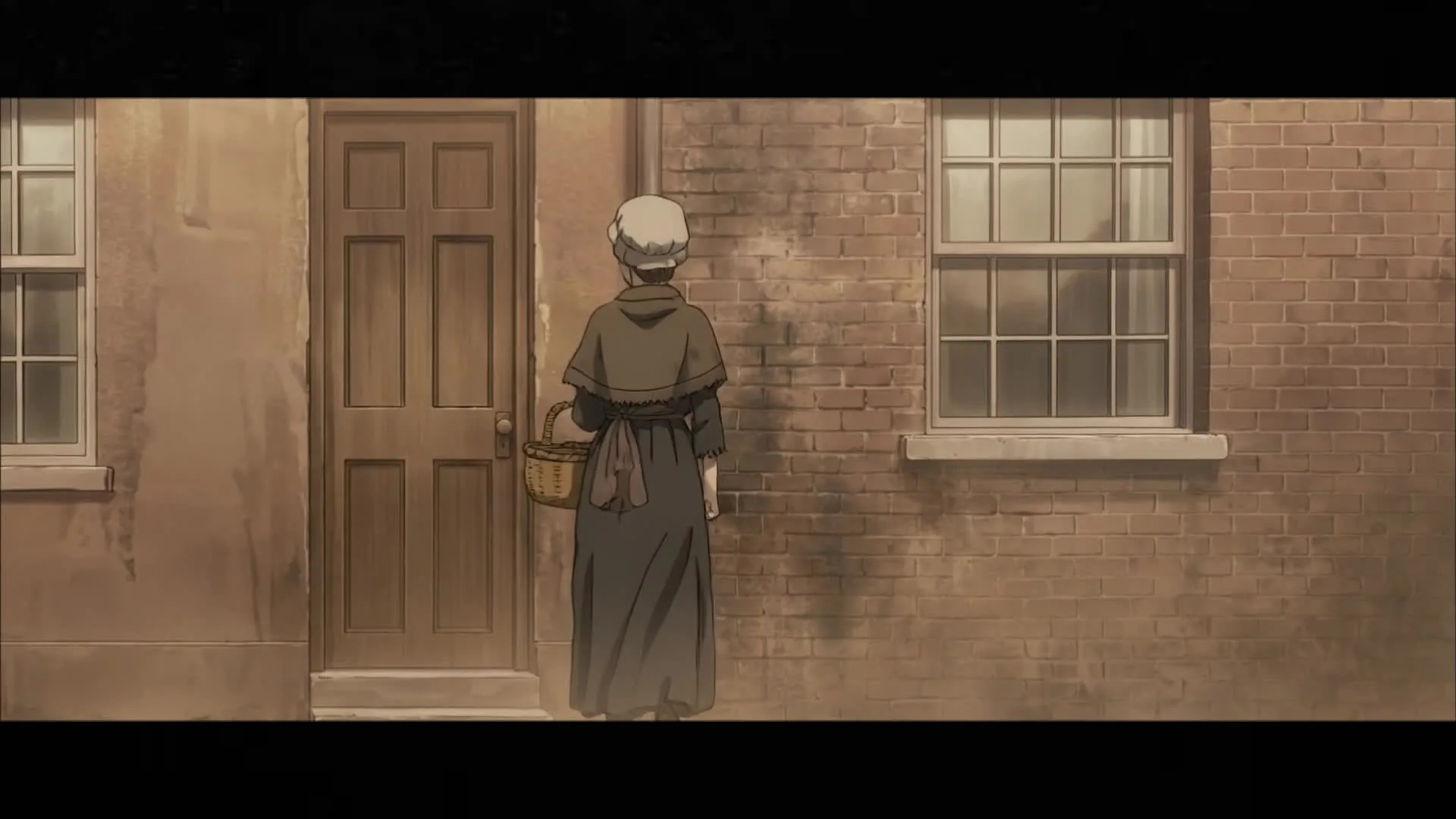
The role of the other Brownrigg family members. James Brownrigg — Elizabeth's husband — was per every account aware of the treatment of the apprentice girls in his own household. He did not, per the surviving testimony, personally administer the beatings, but he was present in the house during them, he was present when the girls were locked into cellars and cupboards, and he was present when Mary Clifford's injuries reached the point at which any reasonable observer would have called a physician. He did not call one. John Brownrigg — the couple's adult son, then in his late teens or early twenties, resident in the household and working alongside his father in the family plumbing trade — was similarly present, similarly aware, and similarly silent. Both men would eventually be tried alongside Elizabeth. Both would be acquitted of the murder charge and convicted only of misdemeanour offences carrying six-month sentences. Georgian criminal law made this distinction. Twenty-first-century readers of the case have consistently observed that the distinction, on the surviving evidence, is difficult to defend.

46 sec.
Monday, 3 August 1767. Fetter Lane, London. The specific day the case broke. A neighbour of the Brownrigg household — a woman resident on the same lane, whose name is variously given in the surviving accounts — had been aware for some months of noises coming from the Brownrigg basement. On 3 August, she saw Mary Clifford briefly at a window of the house. The girl's condition was such that the neighbour immediately alerted the local parish officers of St Dunstan-in-the-West. The officers went to the Brownrigg house and demanded entry. James Brownrigg initially refused. The officers threatened to force the door. Elizabeth Brownrigg then attempted to conceal Mary Clifford in a cupboard on the upper floor. The officers found her. They also found Mary Mitchell. Both girls were removed from the house immediately and taken to St Bartholomew's Hospital in West Smithfield. Elizabeth Brownrigg fled the Fetter Lane house that same afternoon. Within hours, the case was, in the specific sense that Georgian London understood the term, public.
58 sec.
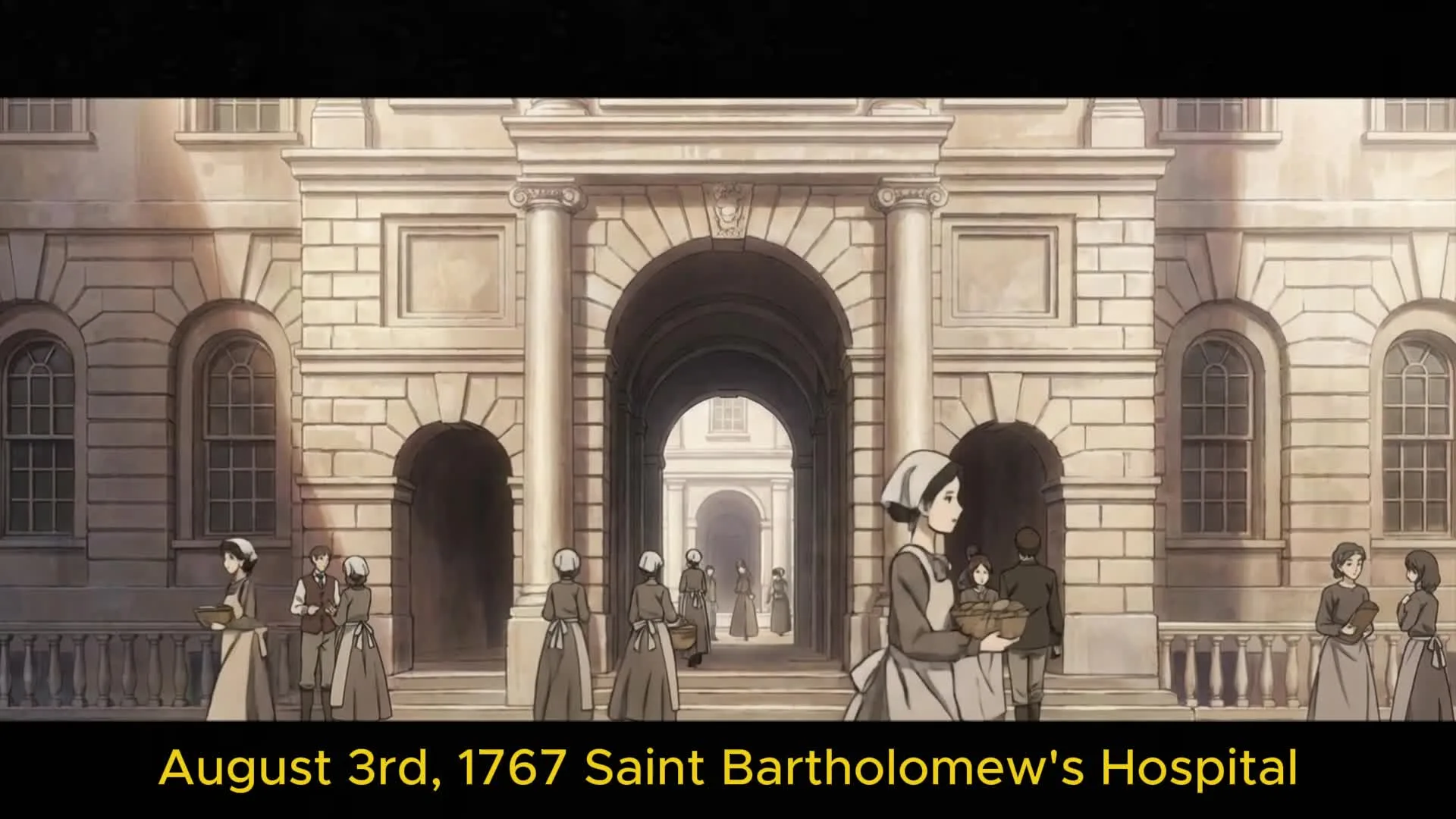
St Bartholomew's Hospital, West Smithfield, London. Founded 1123. The oldest hospital in England. In 1767 it was one of the two great London teaching hospitals. Mary Clifford and Mary Mitchell were admitted to the hospital on the evening of 3 August 1767. The examining physicians — per subsequent trial testimony — recorded extensive injuries on both girls consistent with prolonged and repeated beatings. Ulcerated wounds. Untreated open sores. Signs of chronic malnutrition. Mary Clifford's injuries were the more severe of the two. Sepsis — which in Georgian medicine was not treatable — had already set in. She remained at St Bartholomew's for six days. She gave, in that period, some testimony to the attending physicians and to parish officers regarding her treatment in the Brownrigg household. Her testimony was recorded. Mary Clifford died at St Bartholomew's Hospital on the morning of 9 August 1767. She was approximately thirteen years old. Her death converted the case, at the level of English criminal law, from an assault matter into a capital one.

53 sec.
The immediate aftermath of the rescue on 3 August 1767. Elizabeth Brownrigg had left the Fetter Lane house shortly after the parish officers arrived with Mary Clifford and Mary Mitchell. She travelled the same afternoon, with her husband James and her son John, out of central London. Their initial destination was the village of Wandsworth, then a small settlement approximately five miles south-west of the City, on the south bank of the Thames. The three took a room at a chandler's shop in Wandsworth under an assumed name. They remained there for approximately six days. Elizabeth Brownrigg's flight was, in the specific circumstances of Georgian criminal procedure, largely futile — no organised national police existed, but the London parish officers had immediately publicised the case, printed handbills were distributed, and rewards were offered. A chandler in Wandsworth recognised the Brownriggs from the handbills within a week. He alerted the London parish officers. All three were arrested at Wandsworth on 15 August 1767 and returned to London under guard. Elizabeth Brownrigg was committed to Newgate Prison. The trial was scheduled for the following month.
50 sec.
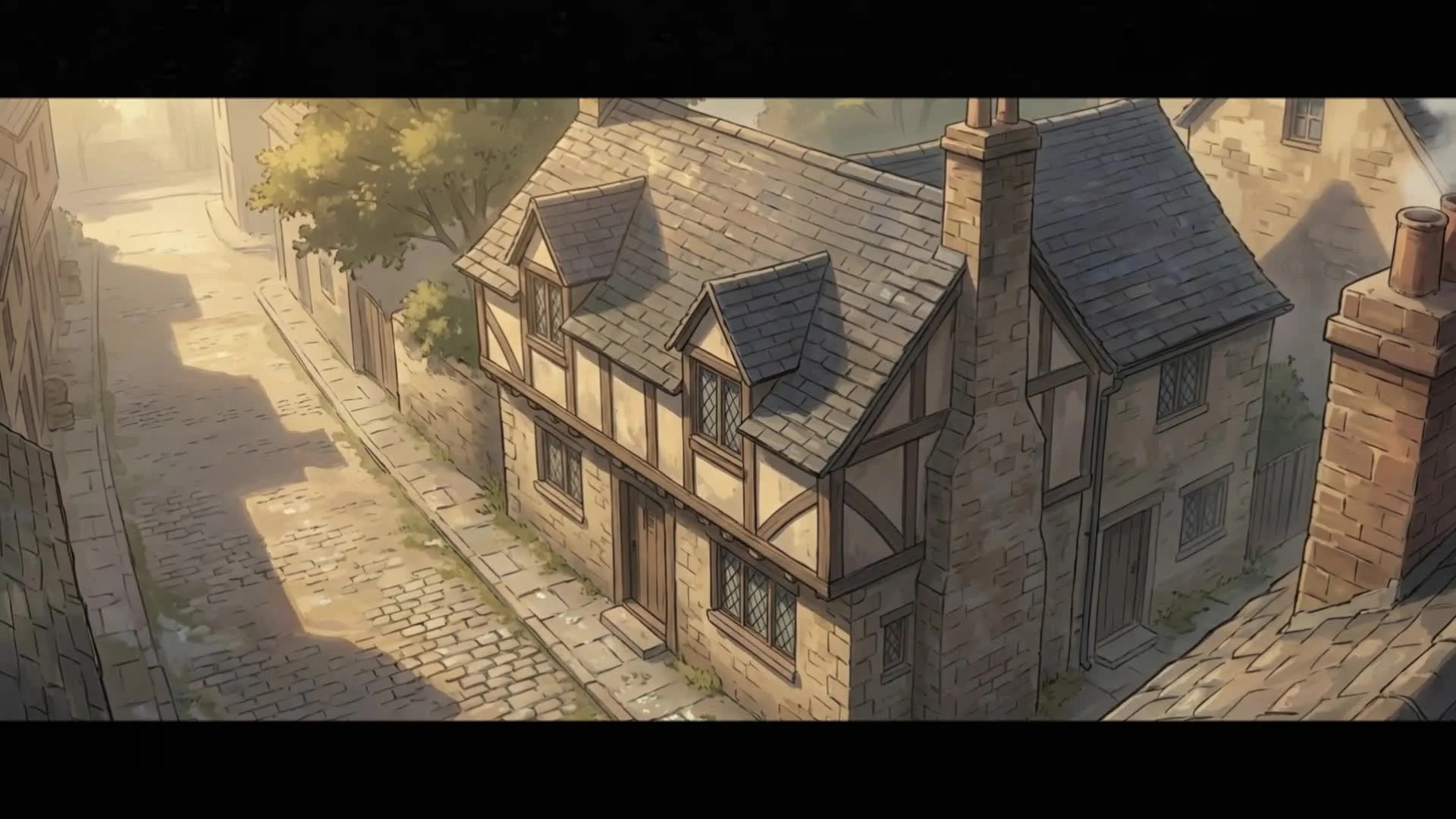
Wandsworth in 1767. A small Surrey village at the confluence of the River Wandle and the Thames, approximately five miles south-west of the City of London. Population in the mid-eighteenth century: approximately 2,000 people, employed primarily in the calico-printing works and dye-mills along the Wandle, in the market gardens supplying central London, and in small trades. The village had a long, straight high street running east-west, a parish church of All Saints, several coaching inns servicing the road from London to Portsmouth, and a handful of chandlers and small shopkeepers. It was the kind of place where an outsider taking a room under a false name would be immediately noticed. The Brownriggs' choice of Wandsworth as a place to hide was, per every subsequent analysis of the case, one of the poorest fugitive decisions in the surviving Georgian criminal record. They had travelled the standard distance from London that a fleeing suspect could travel by cart in an afternoon. They had entered a village small enough that every innkeeper and shopkeeper would remark on them. They were located within six days.
55 sec.
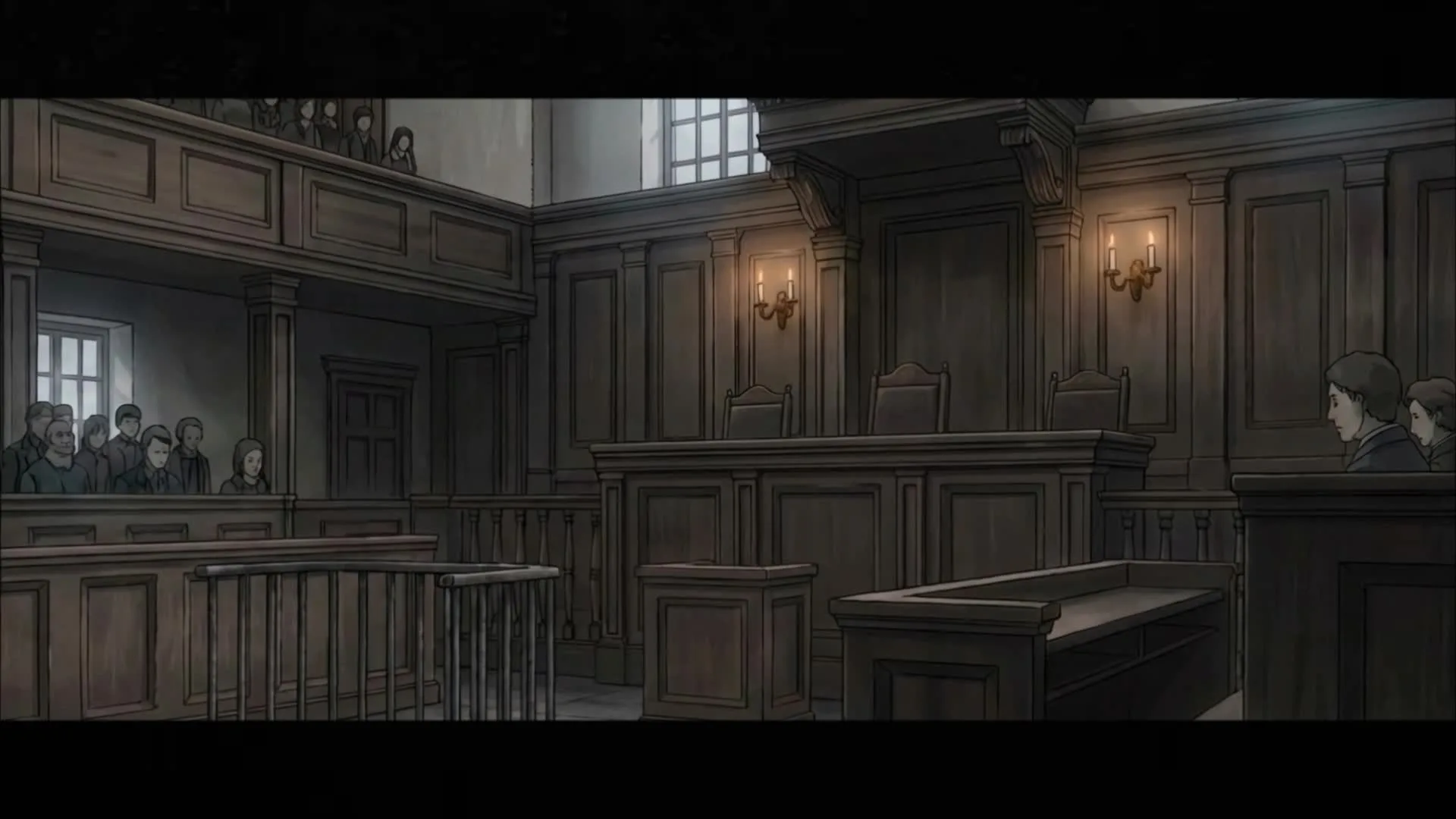
The trial of Elizabeth, James, and John Brownrigg. 12 September 1767. Old Bailey Courthouse, London. Presiding: Sir William Moreton, Recorder of London. Prosecution witnesses included Mary Mitchell — testifying at approximately twelve years of age — parish officers of St Dunstan-in-the-West, physicians from St Bartholomew's Hospital, and neighbours from Fetter Lane. Mary Clifford's own hospital-bed testimony was entered into evidence. The proceedings lasted a single day, per the standard Georgian criminal-court practice of the period. Elizabeth Brownrigg's defence — that Mary Clifford had died of natural causes, that the injuries had been self-inflicted, that the household chastisement of apprentices was within her legal rights as mistress — was rejected by the jury within an hour. Elizabeth Brownrigg was convicted of the wilful murder of Mary Clifford and sentenced to be hanged at Tyburn and her body afterwards dissected. James Brownrigg and John Brownrigg were acquitted of the murder charge and convicted only of misdemeanour offences. Both received six-month prison sentences at Newgate. It is the specific disproportion of the three verdicts that has, for two hundred and fifty years, been the case's most-debated legal feature.
51 sec.
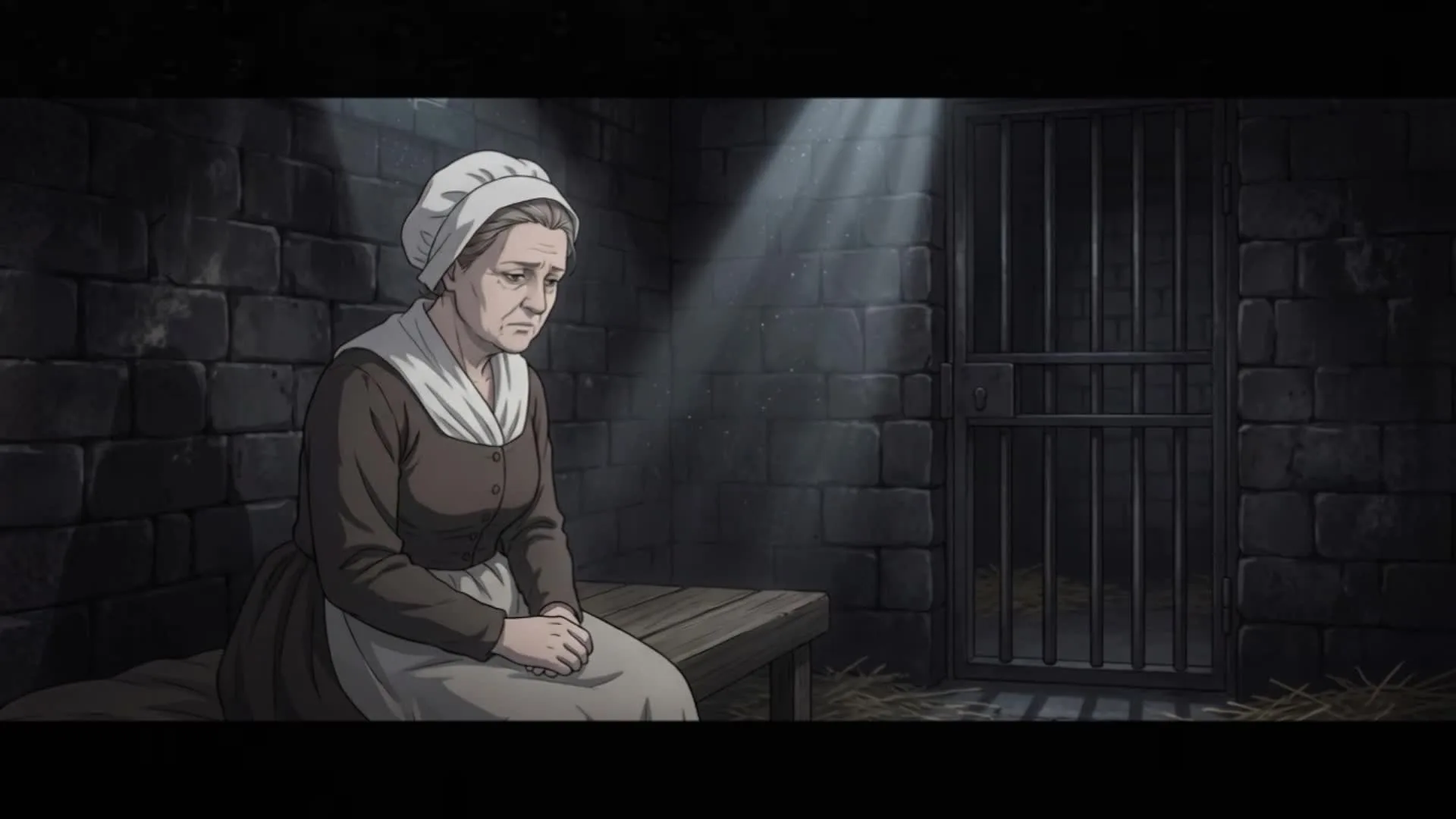
Newgate Prison, City of London. 12 September to 14 September 1767. Elizabeth Brownrigg was held in the condemned cells at Newgate for the two days between her conviction and her execution. The Georgian practice was for the condemned to be visited during those days by the Ordinary of Newgate — the prison chaplain — for spiritual counsel and, where possible, formal confession. The Ordinary of Newgate in 1767 was the Reverend John Wood. Wood attended Elizabeth Brownrigg on each of the two days. Per the subsequently published Ordinary's Account — the standard pamphlet publication summarising each condemned prisoner's case and final statements, sold to the London public on the day of execution — Elizabeth Brownrigg acknowledged her responsibility for Mary Clifford's death. She did not, per the Ordinary's Account, describe the beatings in detail. She did not name her husband or son as bearing any share of the responsibility. She spent much of the two days in prayer. She was visited, per the same account, by her surviving children. She was 47 years old, per the surviving parish records — old, for a Georgian woman, though the same records suggest she was in adequate physical condition to walk to the gallows unassisted.
52 sec.
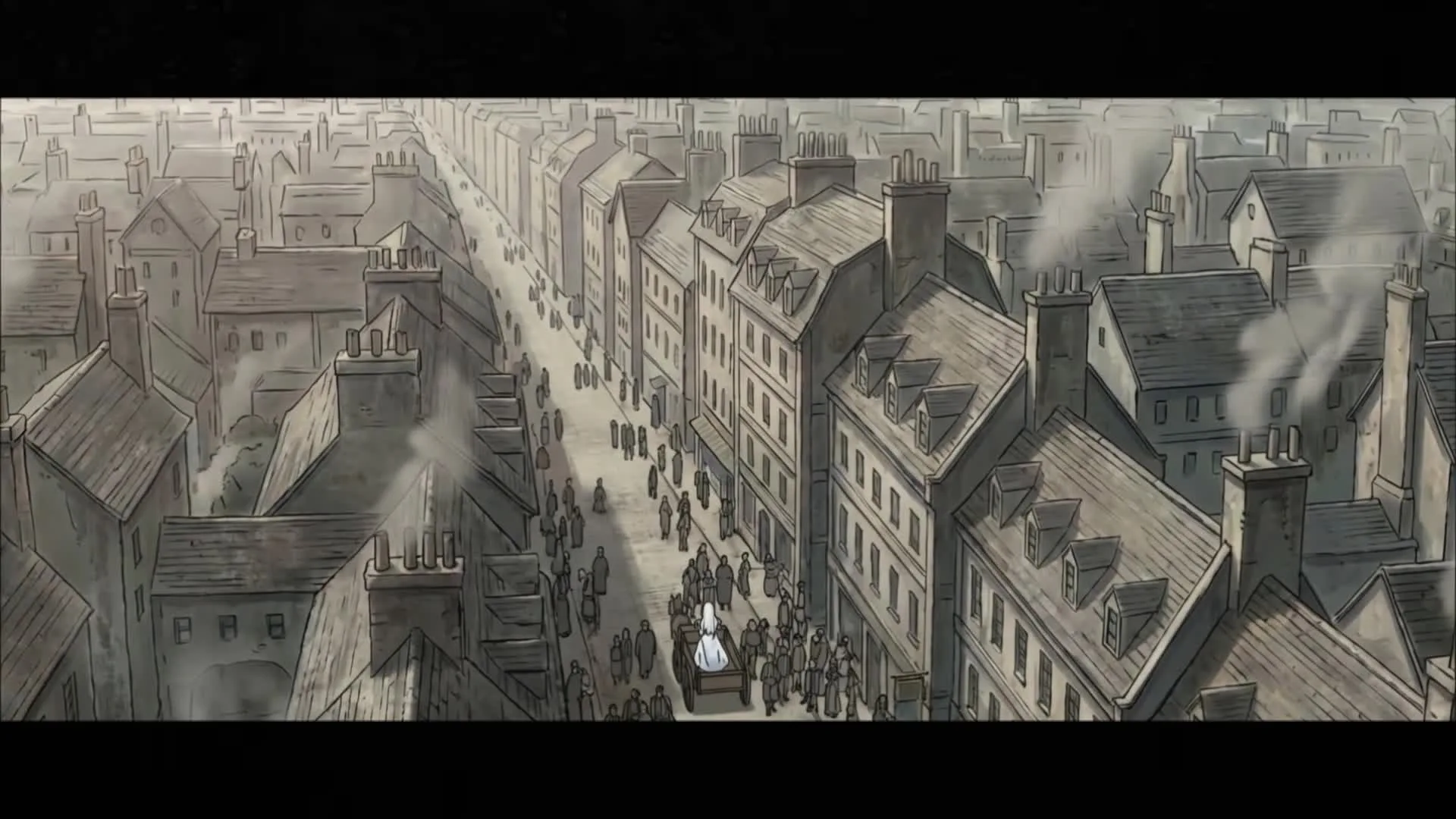
Monday, 14 September 1767. Morning. The traditional Tyburn procession. The condemned were transported the approximately three-mile route from Newgate Prison, at the north-west corner of the City of London, to the Tyburn gallows at the western edge of Hyde Park — a route that passed along Holborn, through St Giles, and along Oxford Street. The journey was made in an open cart, in accordance with the standard Georgian practice. The route was lined, per contemporary newspaper accounts, by a crowd of unprecedented size. Contemporary estimates in the Public Advertiser and the Gentleman's Magazine put the London crowd at 30,000 people, though such estimates should be treated with caution. The behaviour of the crowd toward Elizabeth Brownrigg was, per every contemporary account, exceptionally hostile. She was pelted with refuse. She was shouted at. Some accounts describe stones being thrown at the cart. The Georgian London crowd at a public execution was, by convention, sometimes sympathetic to the condemned — particularly to condemned women. In Elizabeth Brownrigg's case, the crowd was not. The specific violence of the crowd's reaction was, contemporary commentators observed, itself a form of judgement.

47 sec.
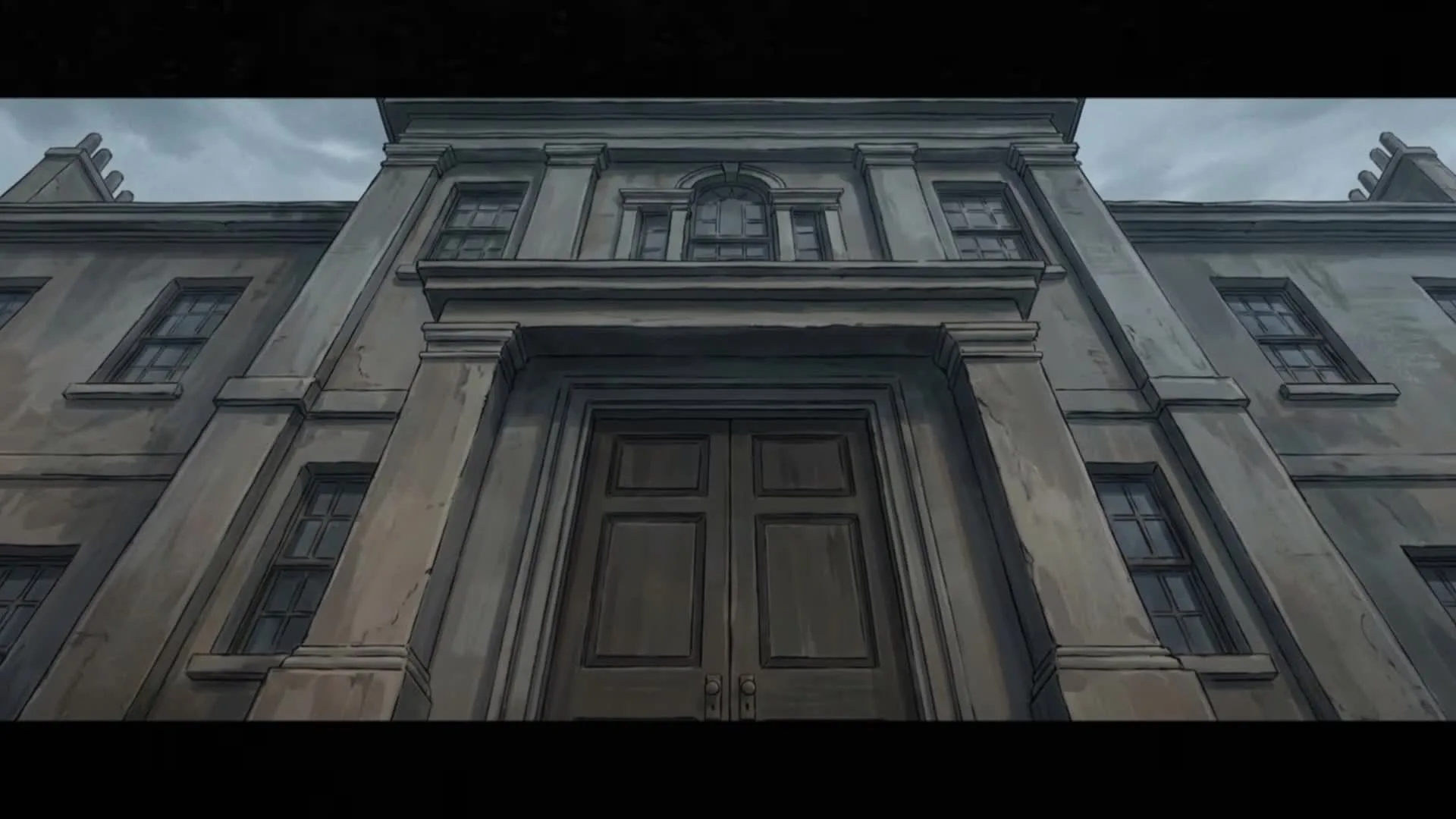
Tyburn. The specific site: at the modern-day intersection of Edgware Road and Bayswater Road, immediately outside the north-eastern corner of Hyde Park, London. From 1571 to 1783, the site of London's public execution gallows — a three-legged wooden structure known colloquially as the Tyburn Tree, capable of hanging up to 24 people simultaneously. Elizabeth Brownrigg was hanged at Tyburn on the morning of 14 September 1767. The execution was carried out by the standard Georgian method — the condemned was made to stand on the back of the transport cart, a noose was placed around the neck and secured to the gallows crossbeam, and the cart was then driven forward, leaving the body suspended. Death was by strangulation rather than by the fracture of the cervical vertebrae — the modern long-drop method of judicial hanging was not developed until the nineteenth century. Elizabeth Brownrigg's death was, per contemporary newspaper accounts, not immediate. She was declared dead by the attending surgeon after approximately fifteen minutes. Her body was then cut down, placed in a coffin, and transported directly to Surgeons' Hall in the City of London for the second half of her sentence.
55 sec.
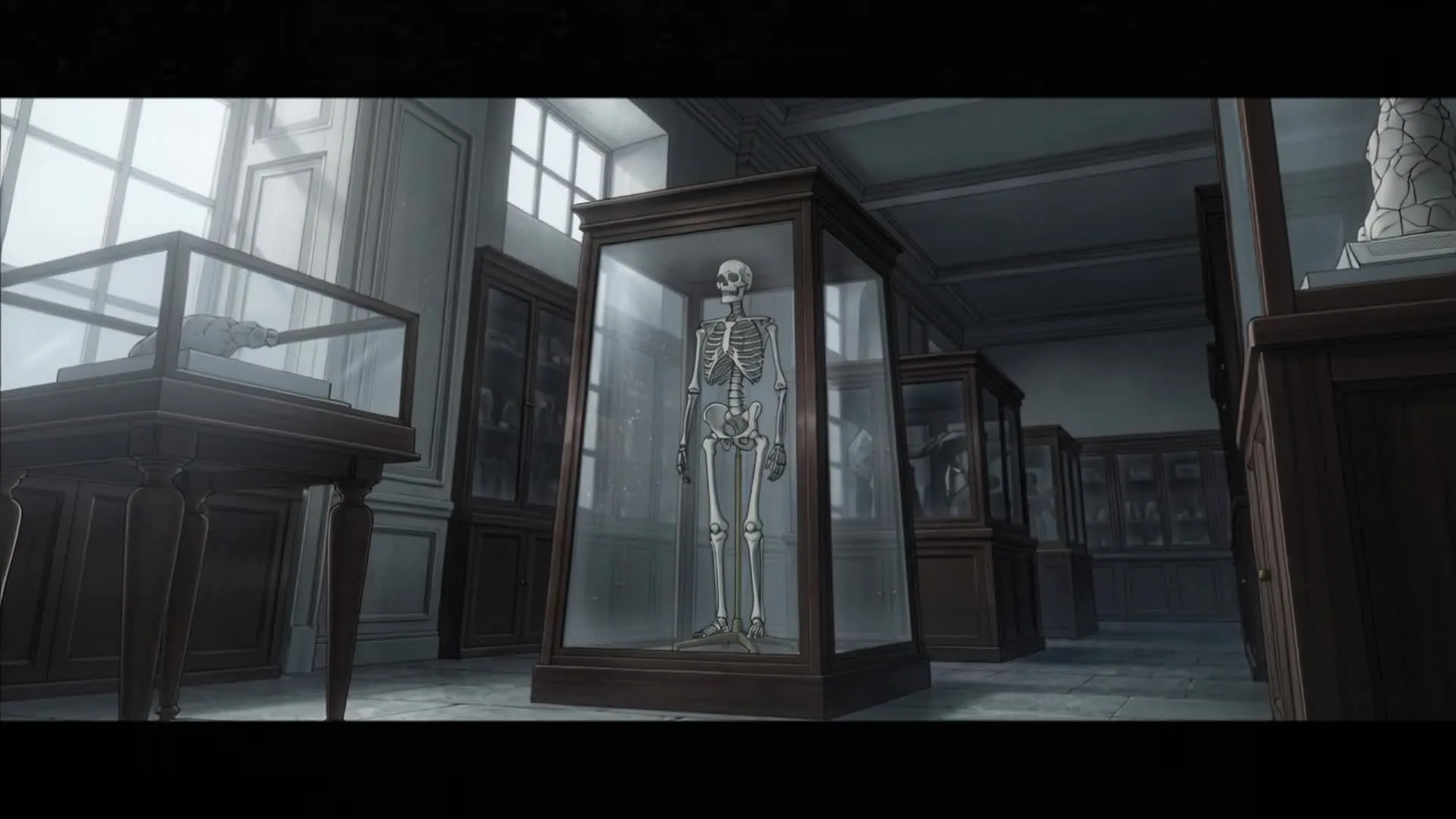
Surgeons' Hall, Old Bailey, London. Afternoon of 14 September 1767. Under the Murder Act of 1752, the courts of England had been empowered to add to the sentence of hanging, in the case of persons convicted of murder, the additional stipulation that the body should either be publicly dissected or hung in chains — a mechanism intended to increase the deterrent effect of capital punishment by denying the condemned a normal burial. Elizabeth Brownrigg's sentence had specified dissection. Her body was received at Surgeons' Hall on the afternoon of the execution and was there subjected to a public anatomical dissection conducted by the demonstrators of the Company of Surgeons. The dissection was, per the standard Georgian practice, open to public attendance. Her skeleton, after the dissection was complete, was articulated — the bones cleaned, wired together, and mounted on a wooden stand — and was retained by Surgeons' Hall as a permanent anatomical specimen. The specific skeleton of Elizabeth Brownrigg was, throughout the late eighteenth and early nineteenth centuries, on public display at Surgeons' Hall in London. Members of the London public who wished to see the murderess of Mary Clifford were able to do so, in physical form, for at least fifty years after the execution.

54 sec.
The immediate legal and social aftermath of the case. James Brownrigg and John Brownrigg served their six-month prison sentences at Newgate and were released in the spring of 1768. Neither, per the surviving records, was ever charged with any further offence. James Brownrigg is documented as having returned to the plumbing trade in London under a different address. His subsequent life is largely undocumented. John Brownrigg emigrated, per one surviving family account, to the American colonies in the years immediately before the American Revolution. Mary Mitchell — the surviving witness whose testimony had convicted Elizabeth — was placed by the parish into a subsequent apprenticeship. Her adult life is undocumented in the surviving records. The Foundling Hospital conducted an internal inquiry into its placement of Mary Clifford. Per its published subsequent regulations, the hospital tightened its apprenticeship-oversight procedures — increasing the frequency of home visits, requiring quarterly reports from parish officers, and empowering its own inspectors to remove children from placements where cause was found. Whether these procedural reforms were consistently applied across subsequent decades is contested by modern historians of eighteenth-century philanthropy.
52 sec.
The subsequent history of the Brownrigg case. Elizabeth Brownrigg's skeleton remained on public display at Surgeons' Hall in the City of London through the late eighteenth century. When Surgeons' Hall relocated to Lincoln's Inn Fields in 1797 and became the nucleus of the Royal College of Surgeons of England, the Brownrigg skeleton was among the anatomical specimens transferred. It remained in the Royal College's collections through the nineteenth century. The specimen was reportedly lost, or removed from public display, during the twentieth century — its current location, if it survives at all, has not been publicly documented since the mid-twentieth century. The case itself entered the standard Georgian criminal-history canon almost immediately. The Newgate Calendar — the great compendium of eighteenth and nineteenth-century English criminal cases — carried a detailed entry on Elizabeth Brownrigg through every edition from the 1770s onward. The case has been continuously cited in subsequent centuries as one of the standard reference cases for the historical study of Georgian domestic violence, of apprenticeship abuse, and of the specific failures of eighteenth-century charitable oversight to protect children placed into private households. The three girls — Mary Jones, Mary Mitchell, and Mary Clifford — are the specific reason it is still remembered.