

20 episodes
jollybusyperch
Lizzie Borden was acquitted of the murders of her father and stepmother on June 20, 1893. The Commonwealth of Massachusetts never charged anyone else. The case has been continuously argued by historians, journalists, and amateur sleuths for 133 years. The contemporary consensus is that she did it. The legal record says she did not. Both are true.
Lizzie Borden was acquitted of the murders of her father and stepmother on June 20, 1893. The Commonwealth of Massachusetts never charged anyone else. The case has been continuously argued by historians, journalists, and amateur sleuths for 133 years. The contemporary consensus is that she did it. The legal record says she did not. Both are true.
20 episodes

1:03
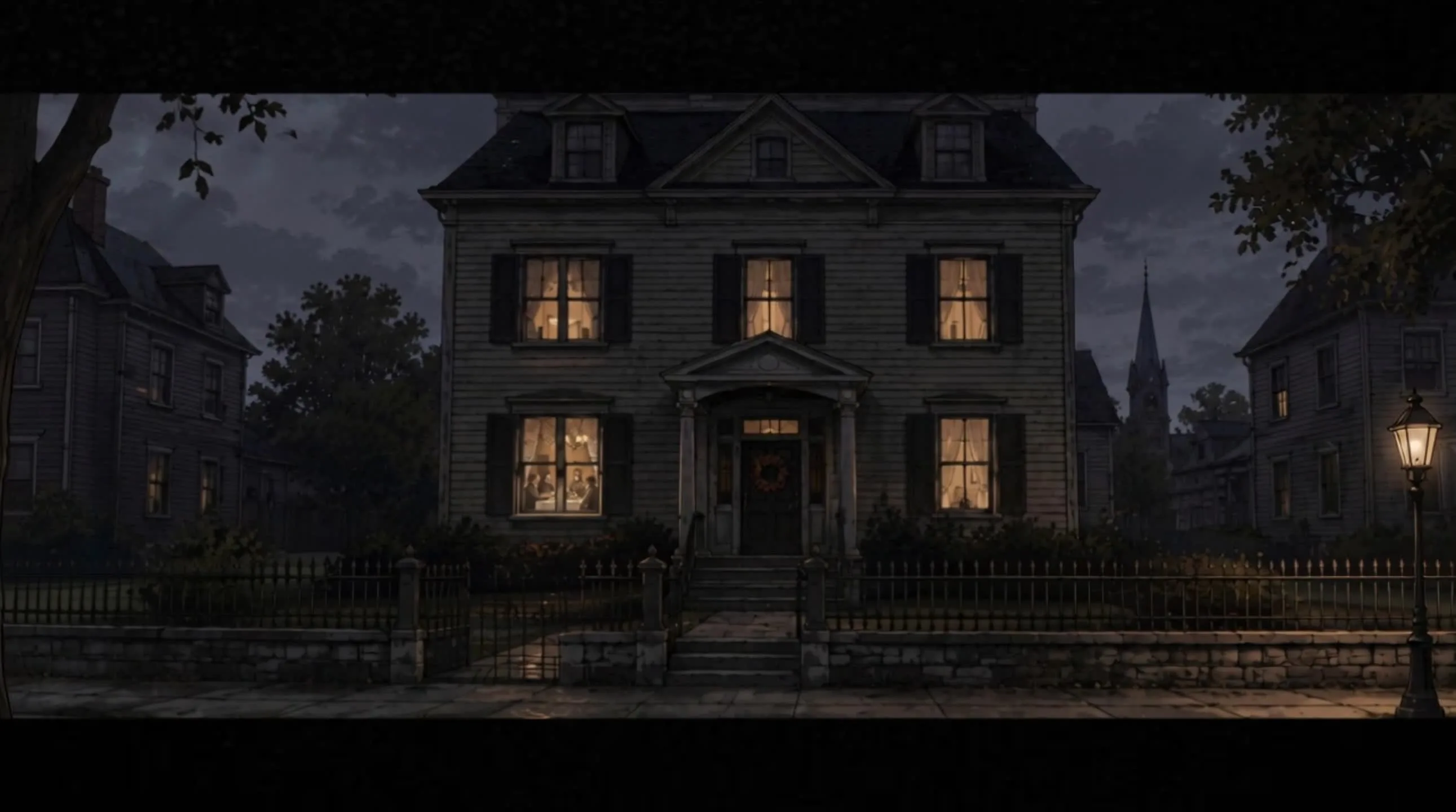
Thursday, August 4, 1892. Fall River, Massachusetts. The temperature was climbing past 90 degrees by mid-morning — the peak of a New England heatwave that had held the city for nearly a week. At 92 Second Street, the Borden household consisted of five people: Andrew Jackson Borden, 70, a wealthy self-made businessman; his second wife Abby, 64; his two adult daughters from his first marriage, Emma (41) and Lizzie (32); the Irish live-in maid Bridget Sullivan, called 'Maggie' by the family; and John Morse, Andrew's brother-in-law from his first marriage, who was staying as an overnight guest. The house was tall, narrow, dark, and — despite Andrew's considerable wealth — deliberately unmodernised. There was no running water in the bedrooms. There was no indoor bathroom of the kind Fall River's other well-to-do families had. The heat, that morning, was extraordinary.
1:00
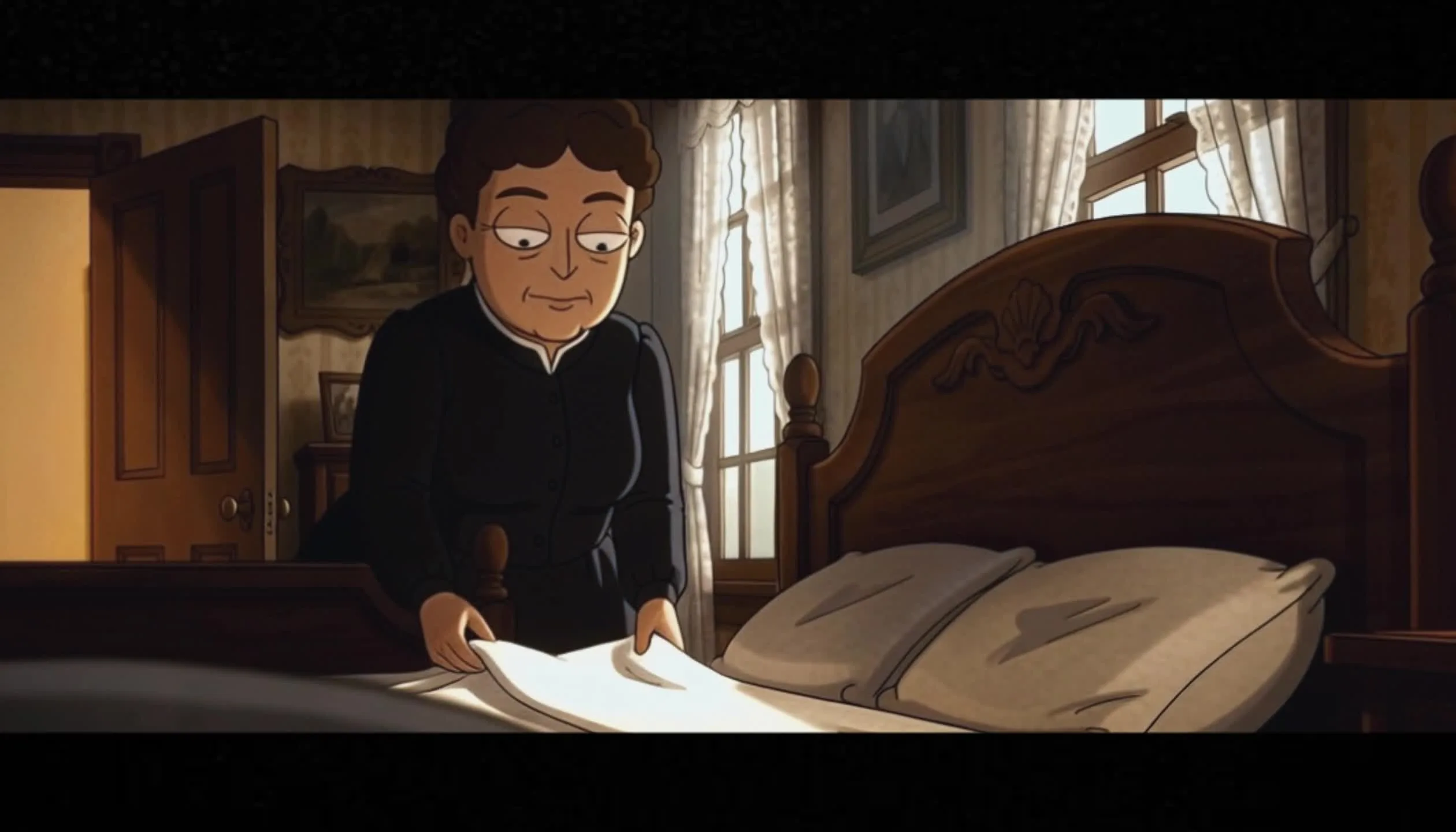
Sometime between approximately 9:00 and 9:30 a.m., Abby Borden went upstairs to the second-floor guest bedroom to change the pillowcases. She was 64 years old. She was Andrew's second wife. She was not popular with her stepdaughters — a matter of some documented family tension. In the guest bedroom, someone struck her from behind with a hatchet. The first blow, per the coroner's later reconstruction, was to the side of the head and knocked her forward onto the floor between the bed and the dresser. She was then struck an additional 18 times as she lay face-down. Her body was not discovered for over an hour. During that hour, three other people were in or around the house. One of them — depending on which version of the case is believed — was already a killer.
1:05
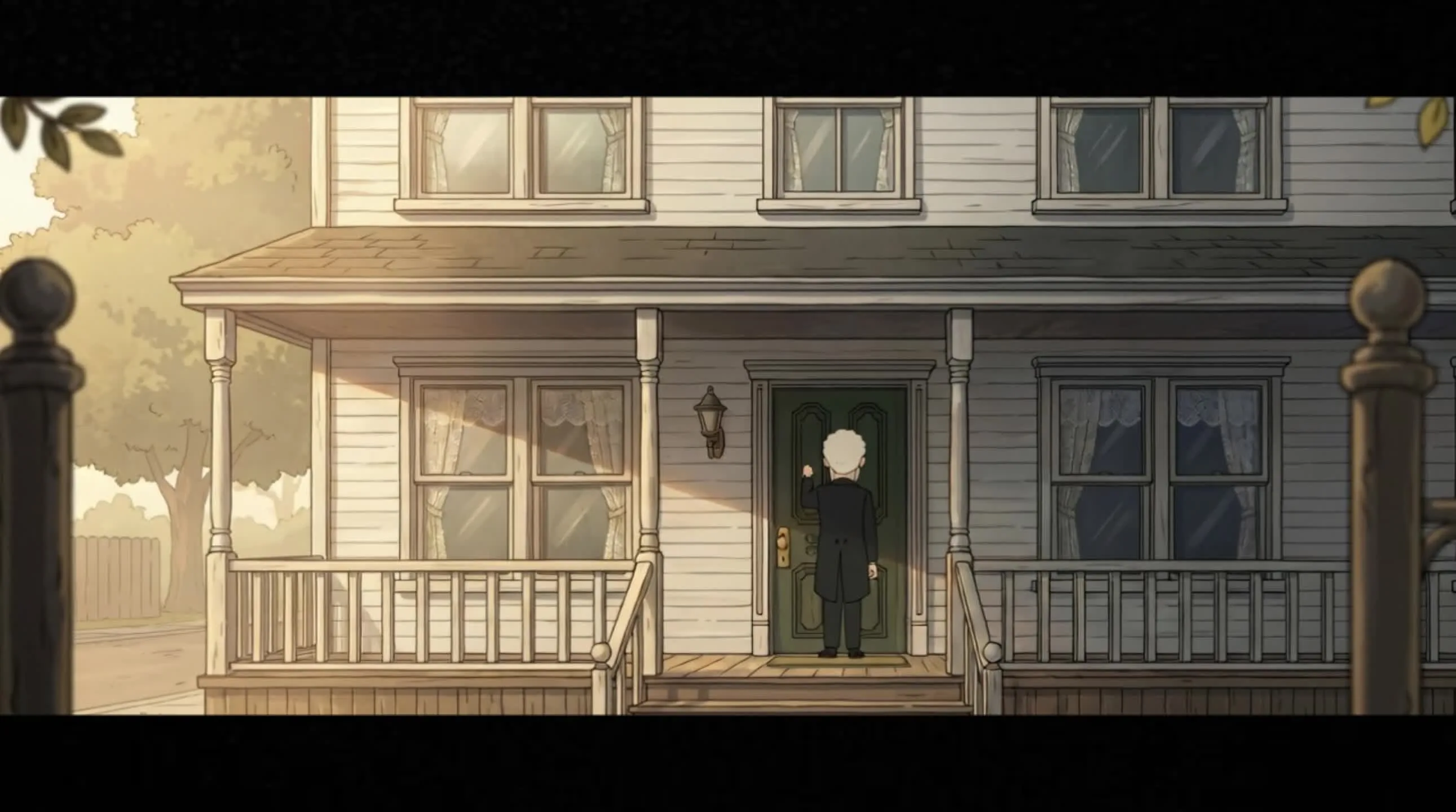
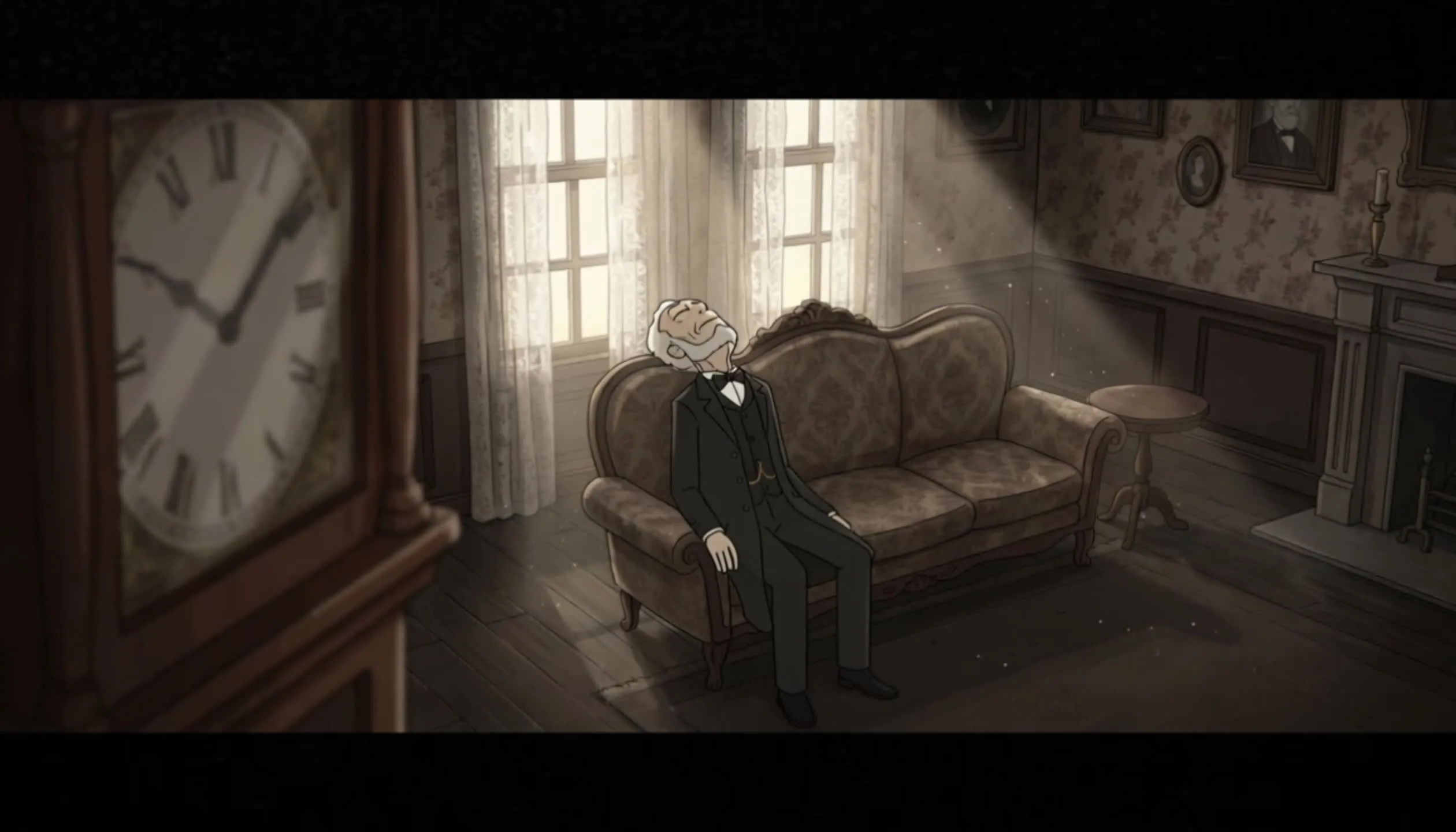
Andrew Borden left the house at approximately 9:00 a.m. for his morning round of business errands in downtown Fall River. He visited his bank, several tenants, and a hardware store. He returned home at approximately 10:45 a.m. The front door was triple-locked from the inside — an unusual security precaution that had been added following a burglary at the house the previous year. Bridget Sullivan opened it for him, having some difficulty with the locks. She would later testify that as she struggled with the door she heard Lizzie laughing on the stairs above her. Andrew removed his coat, sat down on the parlour sofa, and closed his eyes to rest before his midday meal. His wife Abby, unbeknownst to him, had been dead in the guest room upstairs for approximately an hour and a half.
0:54
Sometime between approximately 10:55 and 11:10 a.m., someone entered the ground-floor sitting room where Andrew Borden lay resting on the sofa. His head was turned slightly to the right, resting on a cushion. His shoes were still on. Someone struck him with a hatchet — the coroner would later count 11 or 12 blows to the head, all delivered while he was in a position consistent with sleep. His face was virtually obliterated. There was no defensive posture. There was no interruption to the assault. Whoever killed Andrew Borden was, by the physical evidence, someone he was not startled by — someone he had not felt the need to open his eyes for. It was the second murder in the same house on the same morning. The interval between the two killings was approximately 90 minutes.
0:53
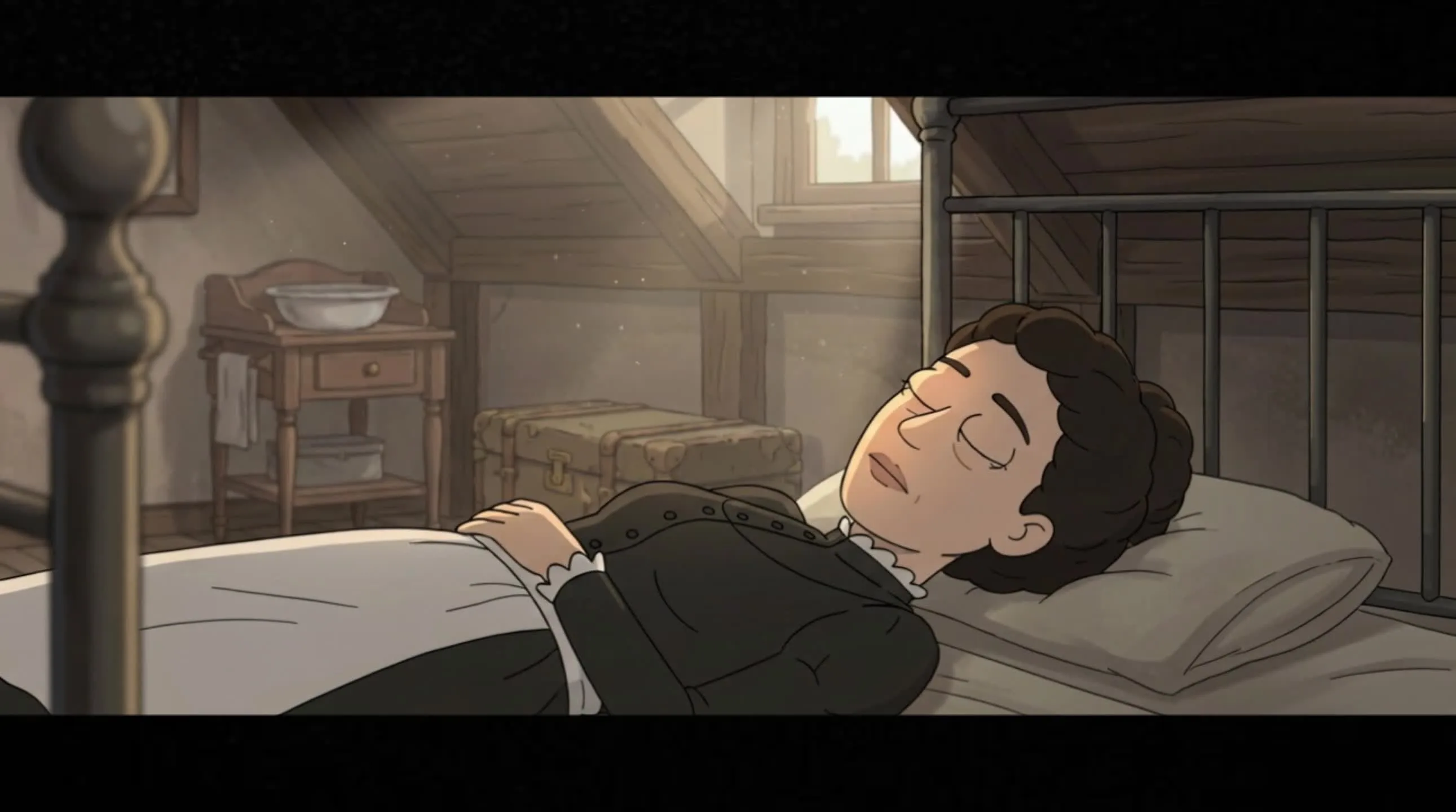
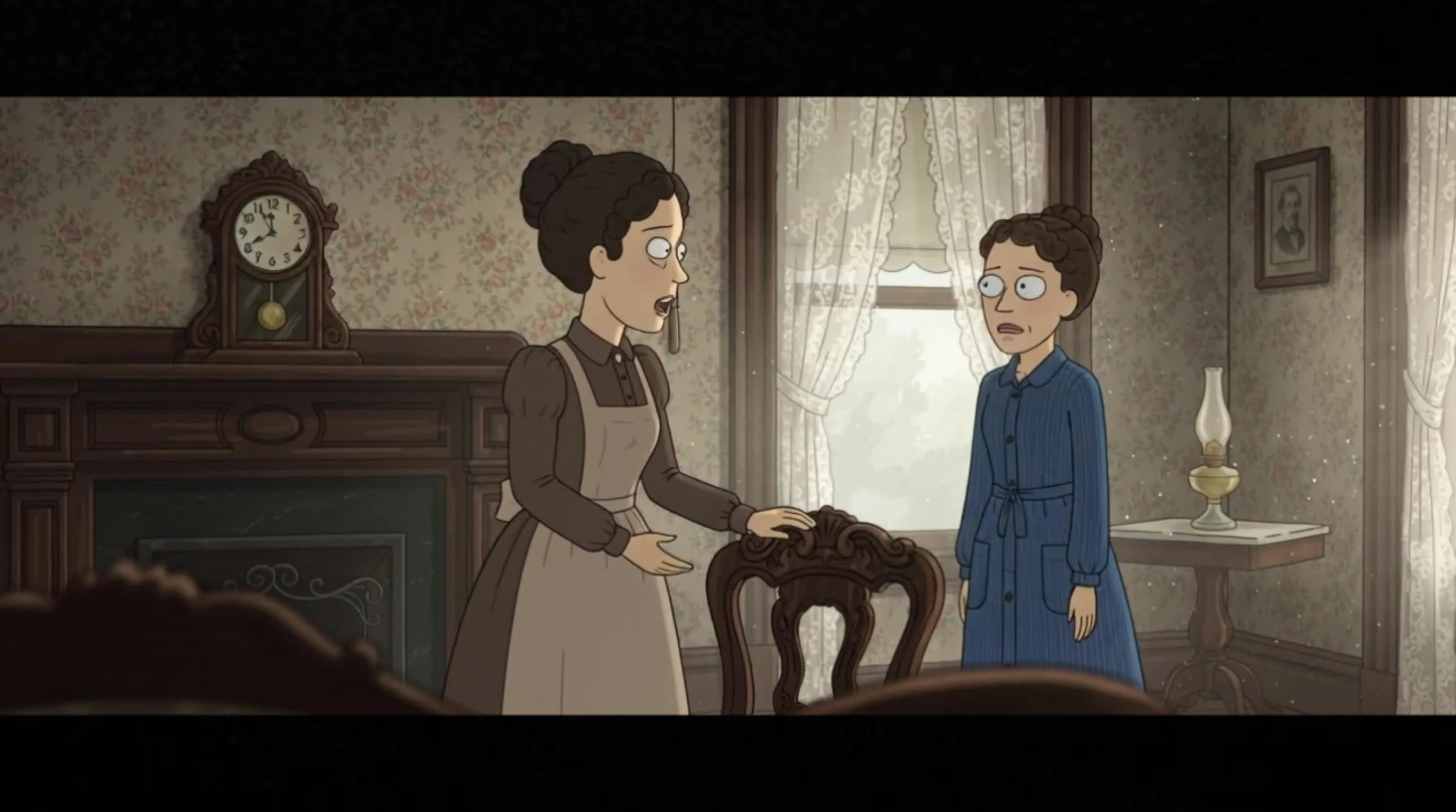
At approximately 11:10 a.m., Bridget Sullivan was in her third-floor attic bedroom, resting after her morning work washing the outside of the ground-floor windows. Lizzie called up to her from the foot of the stairs: 'Maggie, come quick! Father's dead! Somebody's come in and killed him!' Bridget ran down. She found Lizzie standing in the sitting room doorway. Andrew's body was on the sofa. Lizzie's demeanour, per Bridget's subsequent testimony and per the accounts of the neighbours and doctors who arrived within minutes, was strikingly composed. She was not weeping. She was not screaming. She was providing coherent instructions — send for Dr Bowen, send for Mrs Churchill, tell them Father has been killed. It would be one of the case's most-analysed and most-contested facts. Whether her composure was shock, guilt, or simply the temperament of an unmarried thirty-two-year-old New England woman who did not weep in front of servants.
0:56
Neighbour Adelaide Churchill arrived within minutes. Family physician Dr Seabury Bowen arrived shortly after. Officers of the Fall River police were on scene by 11:30 a.m. Lizzie, questioned in the kitchen, told them she had been in the barn behind the house — looking for lead to make sinkers for a fishing trip — at the moment her father was killed. She said she had not seen or heard the killer. Someone asked, almost incidentally, where Abby was. Lizzie said she thought Abby had gone out that morning to see a sick friend. Bridget and Adelaide Churchill went upstairs together to check the guest bedroom. They found Abby's body between the bed and the dresser, face-down in a pool of dried blood. The blood had already begun to darken. The coroner would later estimate she had been dead approximately 90 to 120 minutes — a full hour and a half before Andrew.

0:54
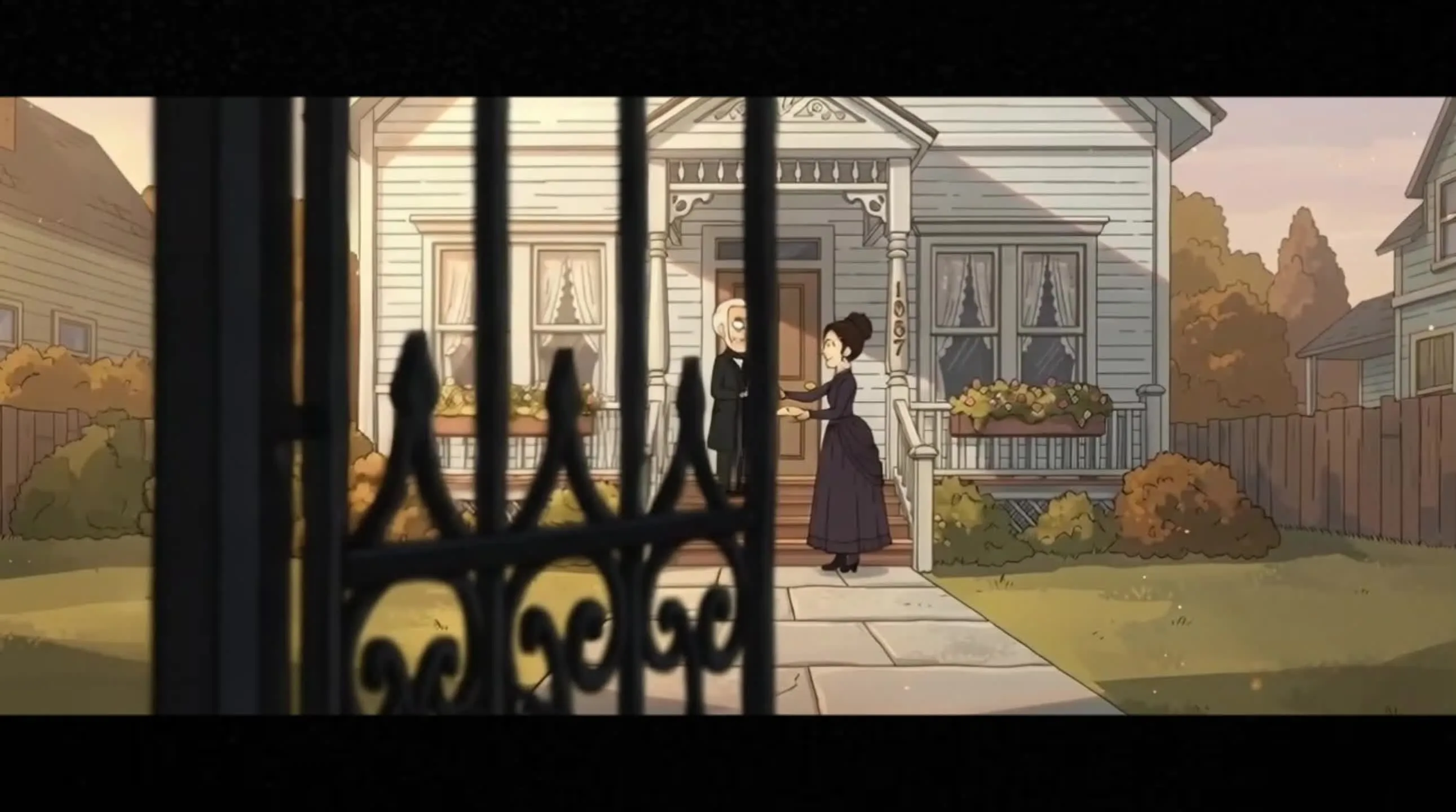
The Borden house was, on the morning of August 4, 1892, essentially a locked box. The front door was triple-locked. The side door was locked. The cellar door was bolted from inside. The upstairs bedrooms — including the door between Andrew's and Lizzie's rooms — were locked, in some cases by keys kept on individuals' persons. Fall River police, examining the house within the hour, found no signs of forced entry. No windows had been broken. No locks had been picked. The house had been physically secure throughout the morning. The only people known to have been inside during the window of the killings were Andrew, Abby, Bridget Sullivan, and Lizzie — with John Morse having left for a morning errand at approximately 8:45 a.m. and not returning until nearly noon. The absence of an intruder was, and remained, the single most difficult fact for any theory of the case that did not involve someone already in the house.
0:55
In the days following the murders, investigators began assembling the family's financial history. Andrew Borden had, five years earlier, quietly transferred a substantial property — a house on Ferry Street — into his second wife Abby's name. He had done this without informing his adult daughters Emma and Lizzie. When they had learned of it, the household's atmosphere had cooled markedly. From that point onward, Lizzie had stopped referring to Abby as 'Mother' and had begun calling her 'Mrs Borden'. There were disputes about money, about inheritance, about future property distribution. Andrew had, more recently, been discussing the transfer of additional properties. These disputes were known to neighbours, to the family physician, and to the extended family. They were also known — and, when Fall River detectives began interviewing witnesses that first week, would form the earliest sketch of a possible motive.
1:02
The three days before the murders, the entire Borden household had been unwell. Andrew, Abby, Bridget, and Lizzie had all suffered severe nausea and vomiting. Abby had been sick enough on Tuesday, August 2, to visit the family physician Dr Bowen and to tell him she believed the family was being poisoned. Dr Bowen had, at the time, attributed the symptoms to spoiled leftover mutton served at multiple meals during the heatwave. He had prescribed morphine and sent her home. Investigators, in the days after the murders, would take the sick-week seriously as a possible attempted-poisoning event. Autopsy fluid samples from Andrew and Abby's stomachs would be sent to Harvard Medical School for analysis. The results — returned some weeks later — showed no traces of the common poisons the analysts had tested for. But the sick-week question, and Abby's own recorded belief that someone was trying to poison her, would remain part of the case's landscape.

1:01
On Wednesday, August 3 — the day before the murders — a young woman entered D. R. Smith's drugstore on South Main Street in downtown Fall River. She approached clerk Eli Bence and asked to purchase prussic acid (hydrogen cyanide), which she said she needed for cleaning a sealskin cape. Bence, per store policy for controlled substances, refused. He told her the store did not sell prussic acid for domestic purposes. She left without making a purchase. Following the murders, Bence identified the young woman he had refused as Lizzie Borden. He would testify to this identification at the inquest and would be prepared to testify at trial. But at trial — for reasons that would become one of the case's most consequential legal decisions — his testimony would ultimately be excluded from the jury's consideration entirely.
1:01
Approximately three days after the murders, on Sunday, August 7, 1892, Emma and Lizzie were in the kitchen of the Borden house together. Neighbour Alice Russell — who had been staying with them since the day of the murders — walked in unexpectedly. She observed Lizzie tearing up a light-blue cotton house dress and feeding it, piece by piece, into the kitchen stove. Lizzie said the dress had been stained with brown paint some months earlier and was no longer wearable. Alice Russell reportedly said, quietly: 'I wouldn't do that, Lizzie. If I were you, I wouldn't.' Lizzie continued burning the dress. Alice Russell, wracked by what she had seen, said nothing to police for approximately four months. When she finally did speak — at the inquest in November 1892 — the burned dress became one of the strongest single circumstantial elements the prosecution would build the case around.
1:01
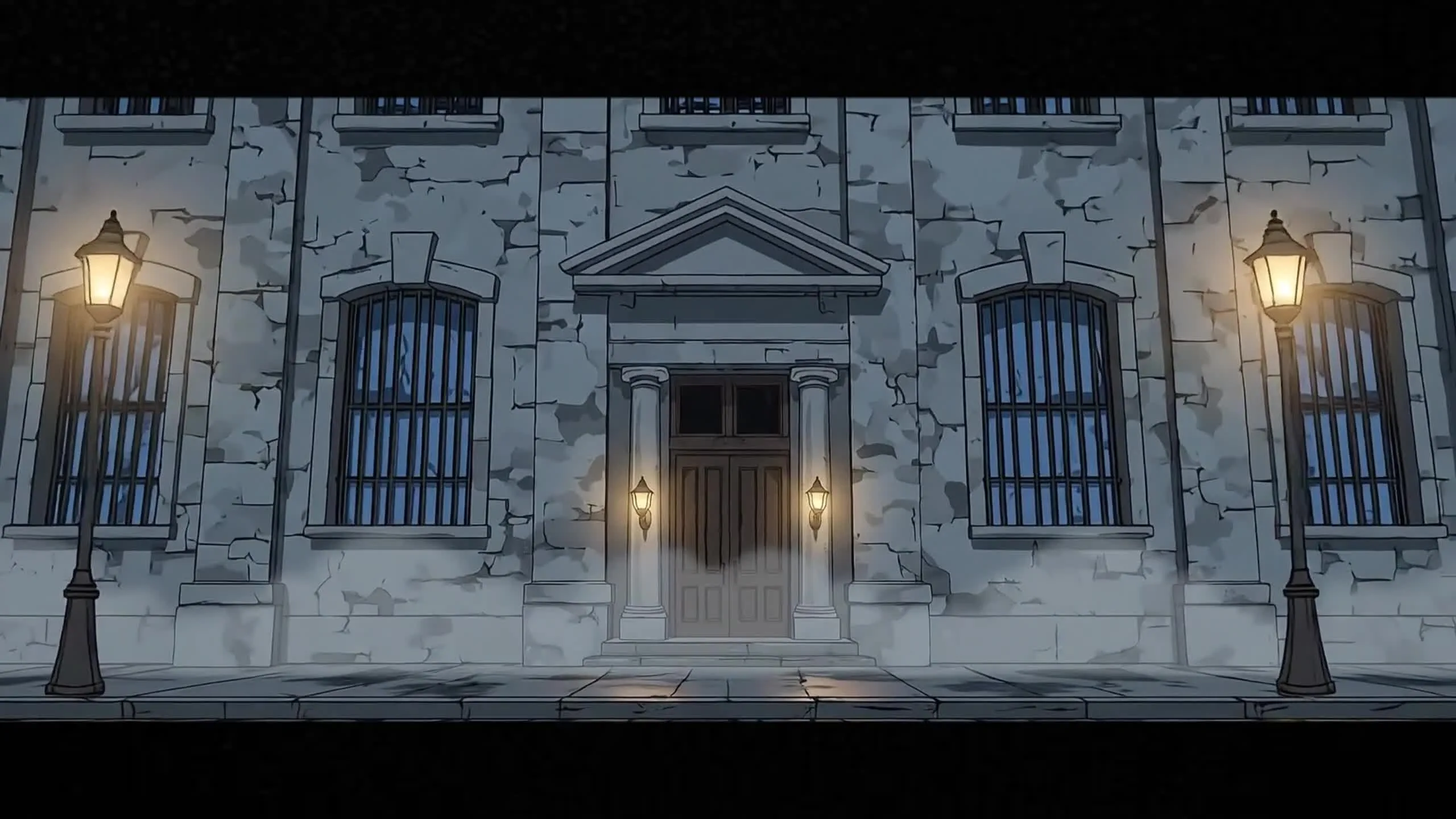
The formal inquest into the murders was held in Fall River between August 9 and 11, 1892. Lizzie Borden was called to testify without a lawyer present — a legal circumstance that would later be found to have violated her constitutional protections against self-incrimination. She had also been prescribed morphine by Dr Bowen for her nerves, and was likely testifying under the influence of the drug. Her testimony was contradictory, evasive, and internally inconsistent — she gave three different accounts of where she had been at the time of her father's murder. The presiding judge, Josiah Blaisdell, at the conclusion of the inquest, ordered her formal arrest on charges of murder. The inquest testimony would, at trial the following year, be ruled inadmissible and excluded from the jury's consideration — a ruling that would prove decisive.
1:04
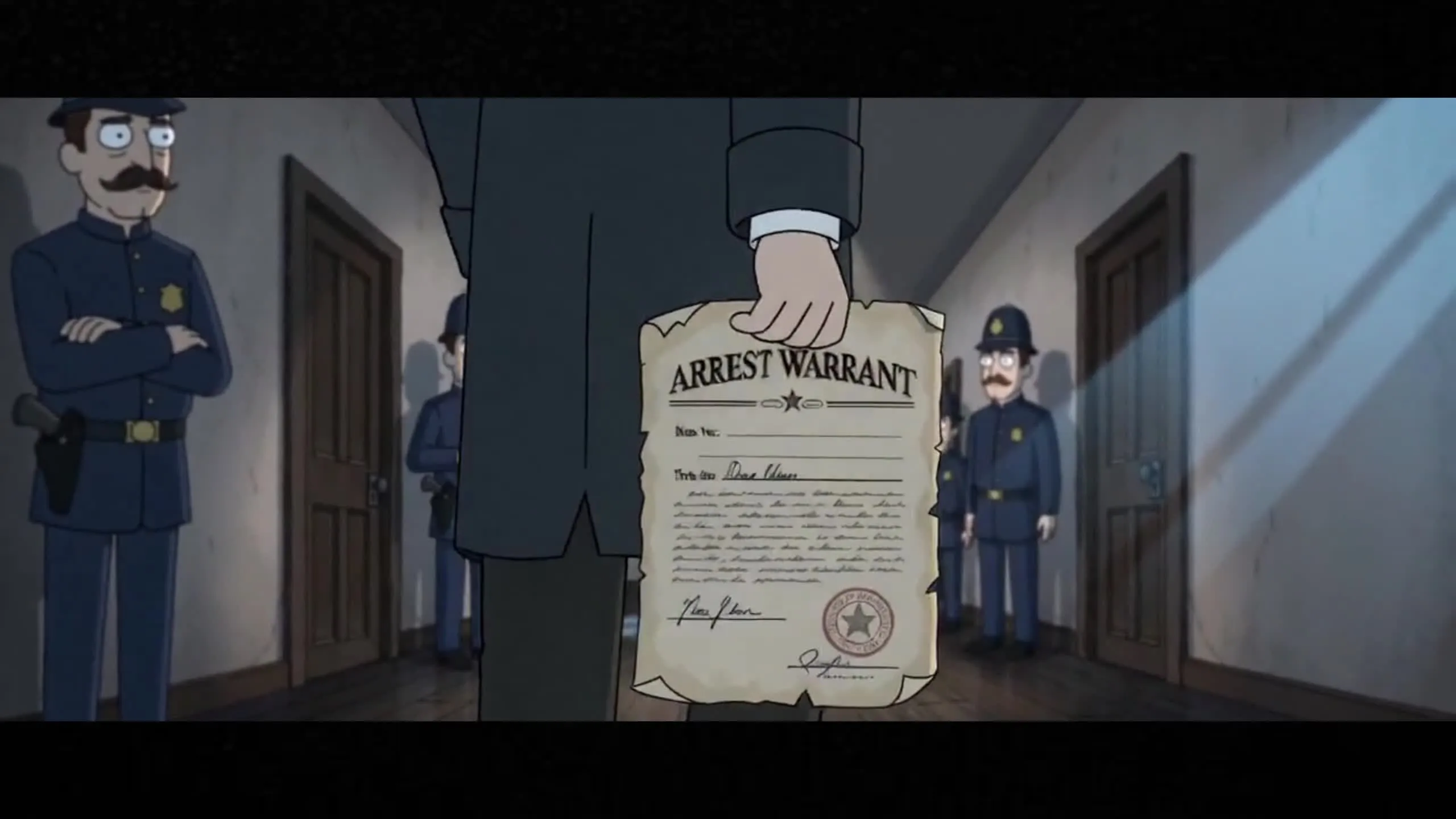
Lizzie Borden was formally arrested on August 11, 1892, and charged with three counts of murder — Abby, Andrew, and both together. She was held at the Taunton jail approximately 12 miles north of Fall River, where she would remain in pre-trial detention for the following ten months. The arrest of a well-to-do young white woman from a socially prominent New England family, on charges of hacking her own father and stepmother to death with a hatchet, was without precedent in American criminal history. The case became a national sensation almost overnight. Reporters descended on Fall River from across the country. Emma Borden hired George D. Robinson — a former Governor of Massachusetts — as lead defense counsel. The prosecution was led by District Attorney Hosea Knowlton and Attorney General Albert Pillsbury. The trial was set for the summer of 1893.
1:06
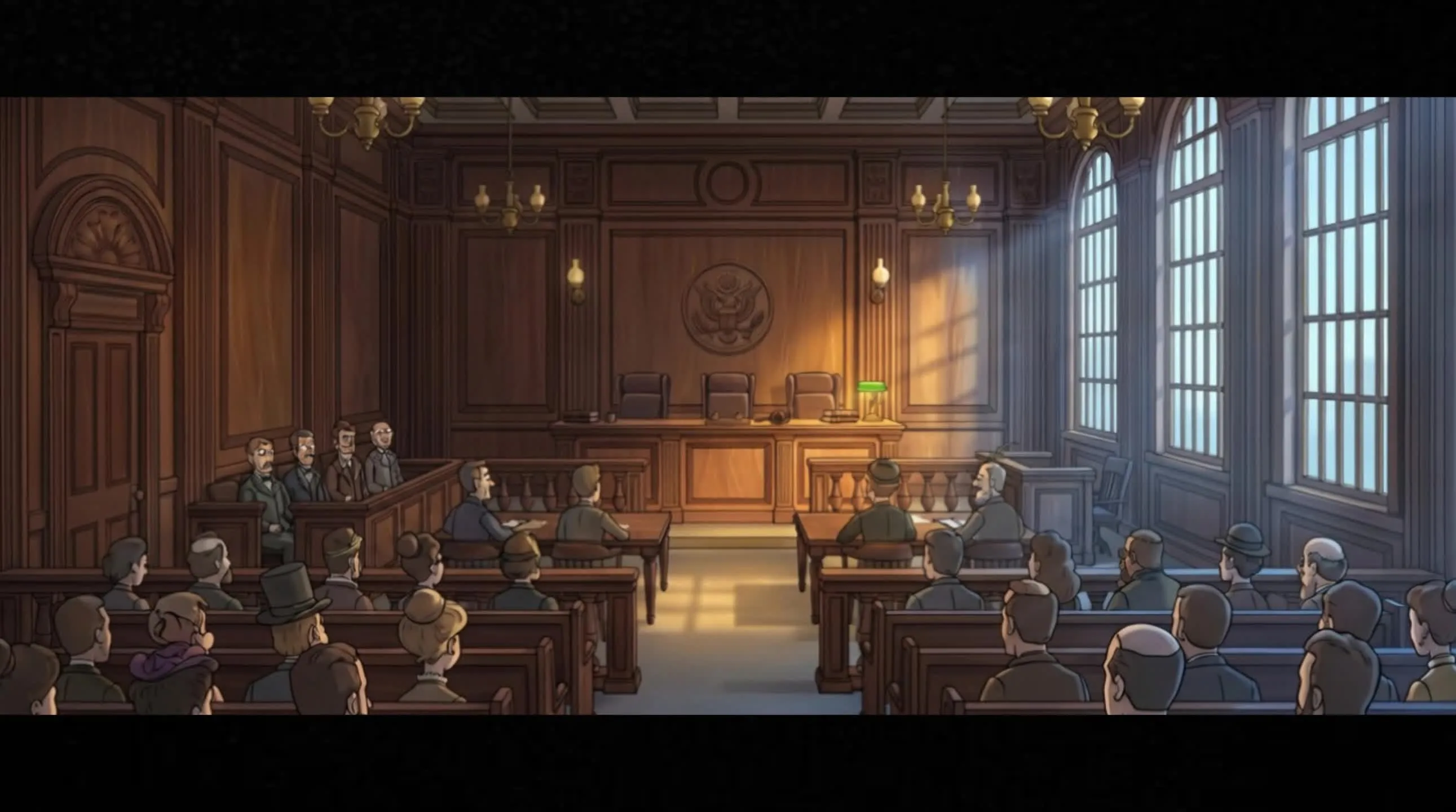
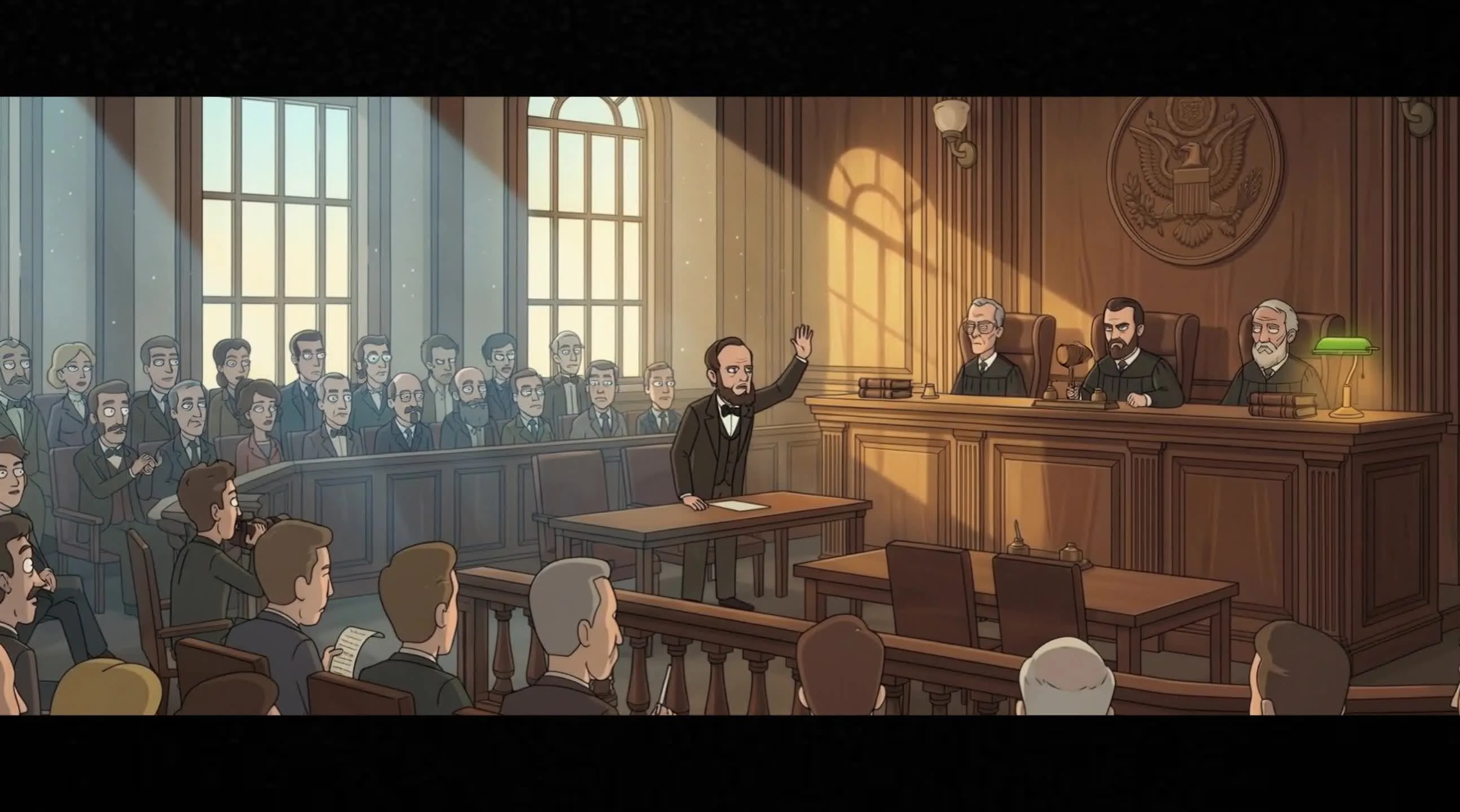
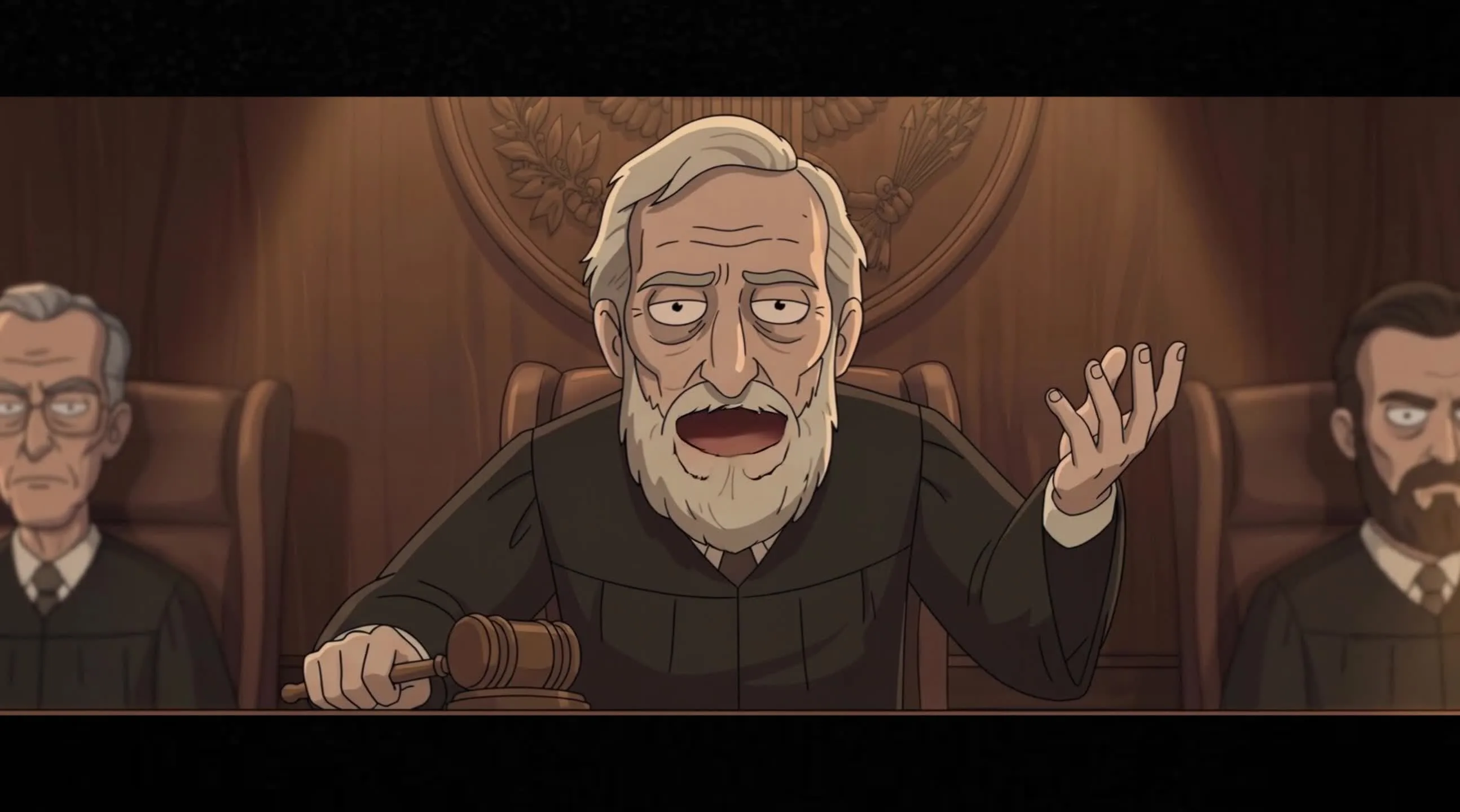
The trial of Lizzie Borden opened on June 5, 1893, at the New Bedford Superior Court. It ran for approximately two weeks. The prosecution's case rested on three pillars: motive (the property disputes and family tensions), opportunity (the locked-house evidence of no possible intruder), and circumstantial physical evidence (the attempted purchase of prussic acid, the burned dress, the inquest inconsistencies). The defense's strategy — under George Robinson — was to attack each pillar individually while presenting Lizzie as the physical embodiment of Victorian female respectability: a Sunday-school teacher, a Christian Endeavour Society member, a woman of demonstrated moral character who could not possibly have done what the prosecution described. Three judges presided — Justice Justin Dewey, Chief Justice Albert Mason, and Justice Caleb Blodgett. The all-male jury was empanelled from surrounding Bristol County. The trial was covered by every major American newspaper.
1:03
The trial's outcome was largely determined by two pre-trial rulings, each excluding evidence the prosecution had considered central. First, Lizzie's inquest testimony — with all its contradictions and evasions — was ruled inadmissible on the grounds that she had testified without counsel and under morphine. Second, Eli Bence's testimony about the attempted purchase of prussic acid was ruled inadmissible on the grounds that the prosecution could not prove the prussic acid attempt was connected to the hatchet murders that followed. Both rulings were, in retrospect, legally defensible on their own terms. But their combined effect was to strip the prosecution of what it considered its two strongest circumstantial elements. The case that finally went to the jury was not the case the prosecution had planned to try. Whether it would have made a difference to the outcome is one of the enduring questions of American criminal law.
1:09
The closing arguments were delivered on June 19 and 20, 1893. Defense counsel George Robinson's summation ran for approximately four hours. His central argument was, essentially, one of social improbability: that no jury of reasonable Massachusetts men could believe that a young woman of Lizzie Borden's respectable Christian background, appearance, and station could have committed a crime of the physical brutality the prosecution described. He described the killings as the work of 'a fiend' — someone from outside civilised society. He asked the jurors to consider not the circumstantial evidence but their own knowledge of what respectable women were, and were not, capable of. Justice Dewey's charge to the jury was — even by contemporary observers — considered notably favourable to the defense. It has been described by some legal historians as one of the most one-sided jury instructions in the history of American capital cases.
1:37
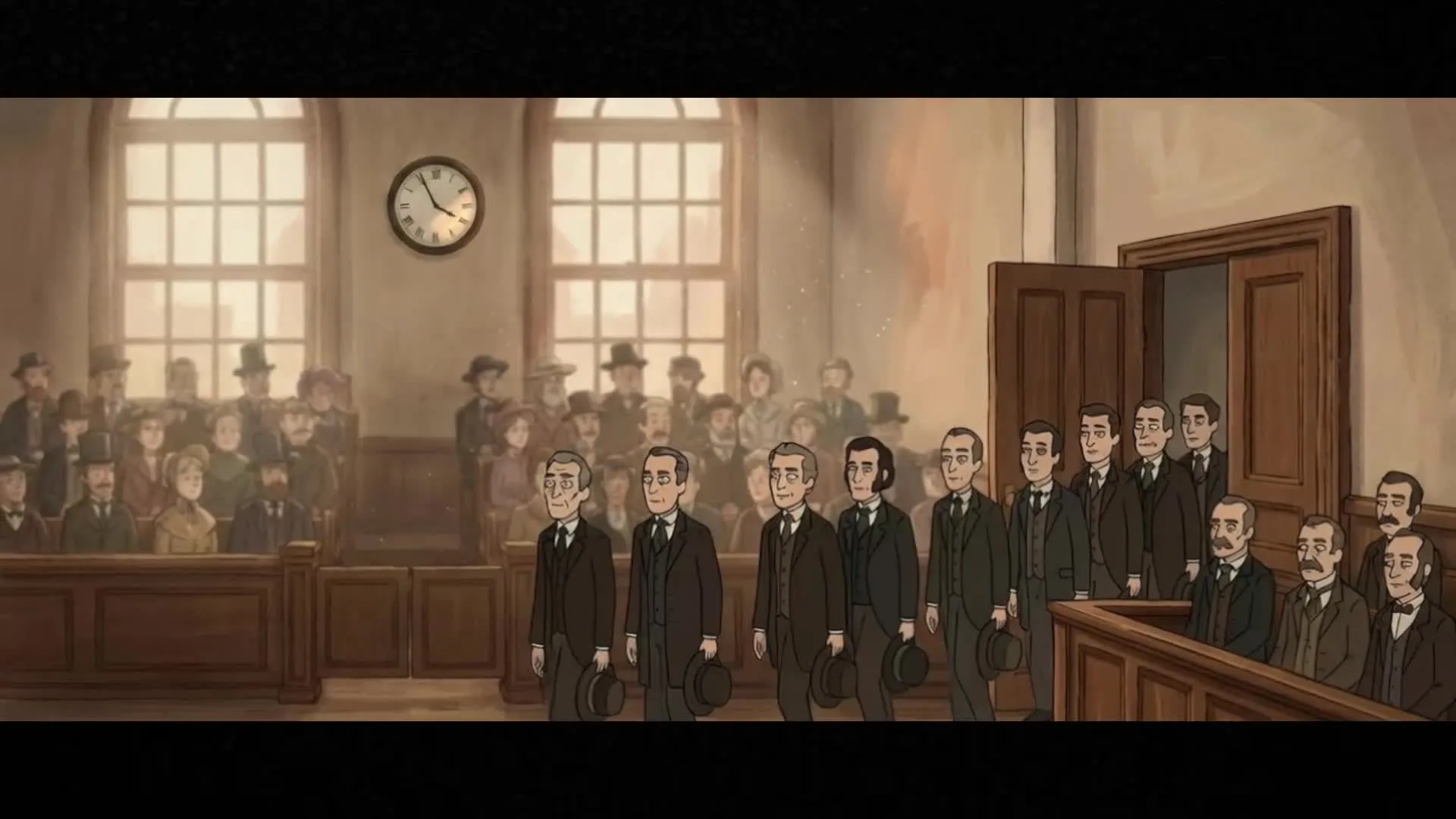
The jury of twelve retired to deliberate on the afternoon of June 20, 1893. It returned ninety minutes later. The foreman announced the verdict on the second count first — the murder of Andrew Borden. Not guilty. On the murder of Abby Borden. Not guilty. On the joint indictment. Not guilty. Lizzie Borden, who had been on trial for ten months and had faced the possibility of hanging, was legally exonerated. She stood, thanked her counsel, and left the courtroom a free woman. Contemporary newspaper reports described the courtroom as filled with applause. She returned to Fall River the following day. The murders of Andrew and Abby Borden have — under Massachusetts law — remained officially unsolved from that ninety-minute deliberation onward. The case has never been reopened. No other person has ever been charged.
2:01
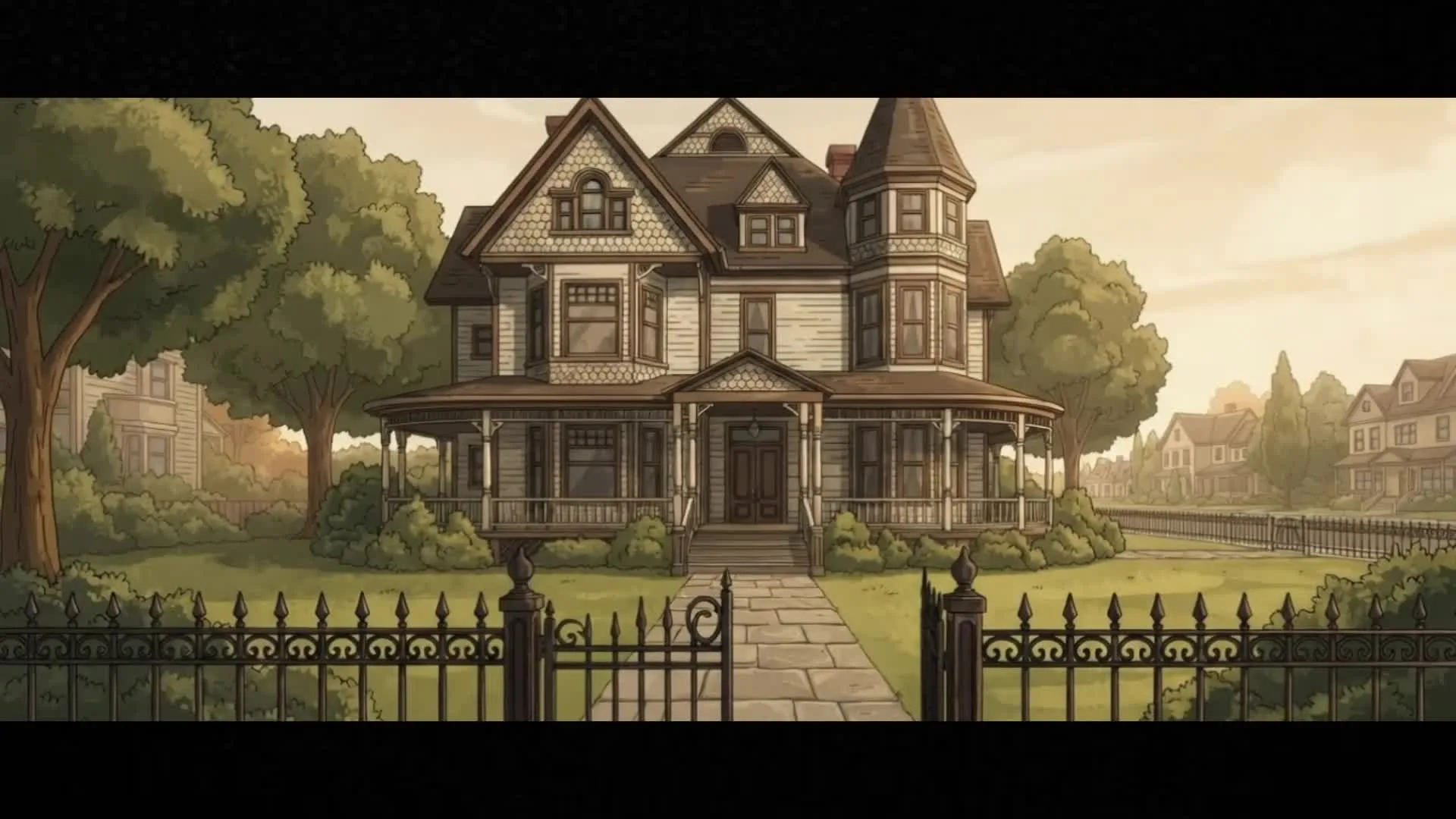
Following the acquittal, Lizzie Borden did not — as most contemporary observers had assumed she would — leave Fall River. She and Emma used their inheritance from Andrew's estate (approximately $10 million in modern terms) to purchase a large Victorian mansion on French Street, in the fashionable Hill neighbourhood of Fall River. Lizzie named the house 'Maplecroft' and had the name carved into the front stone steps. She also, at some point in the years after the trial, began styling herself 'Lizbeth Borden' rather than Lizzie. She lived at Maplecroft — publicly, visibly, and in the same town where she had been tried — for the remainder of her life. The people of Fall River, by most accounts, gradually accepted her presence while never speaking to her socially. She was not received at the town's respectable dinner tables. She lived in what one biographer called 'internal exile.'
1:58
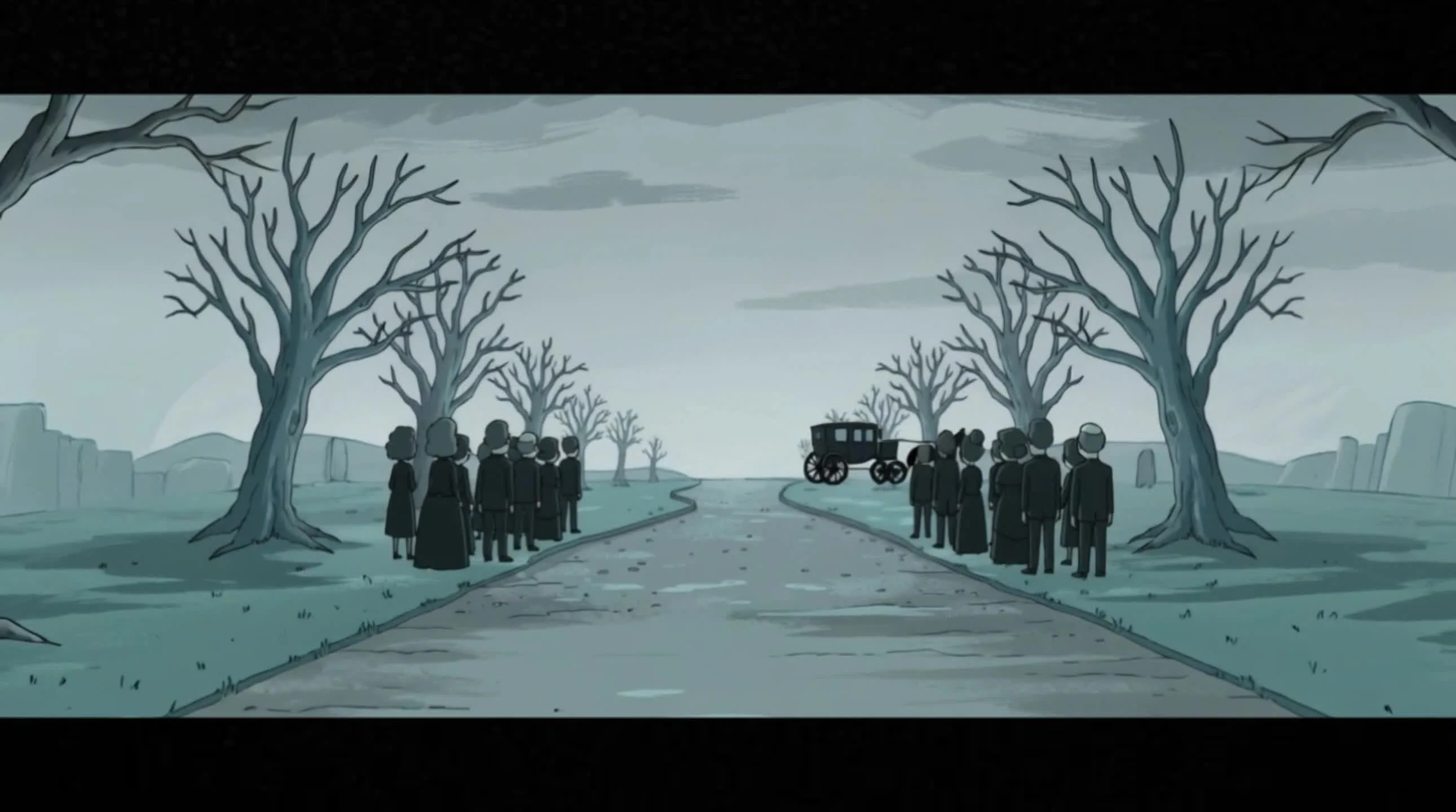
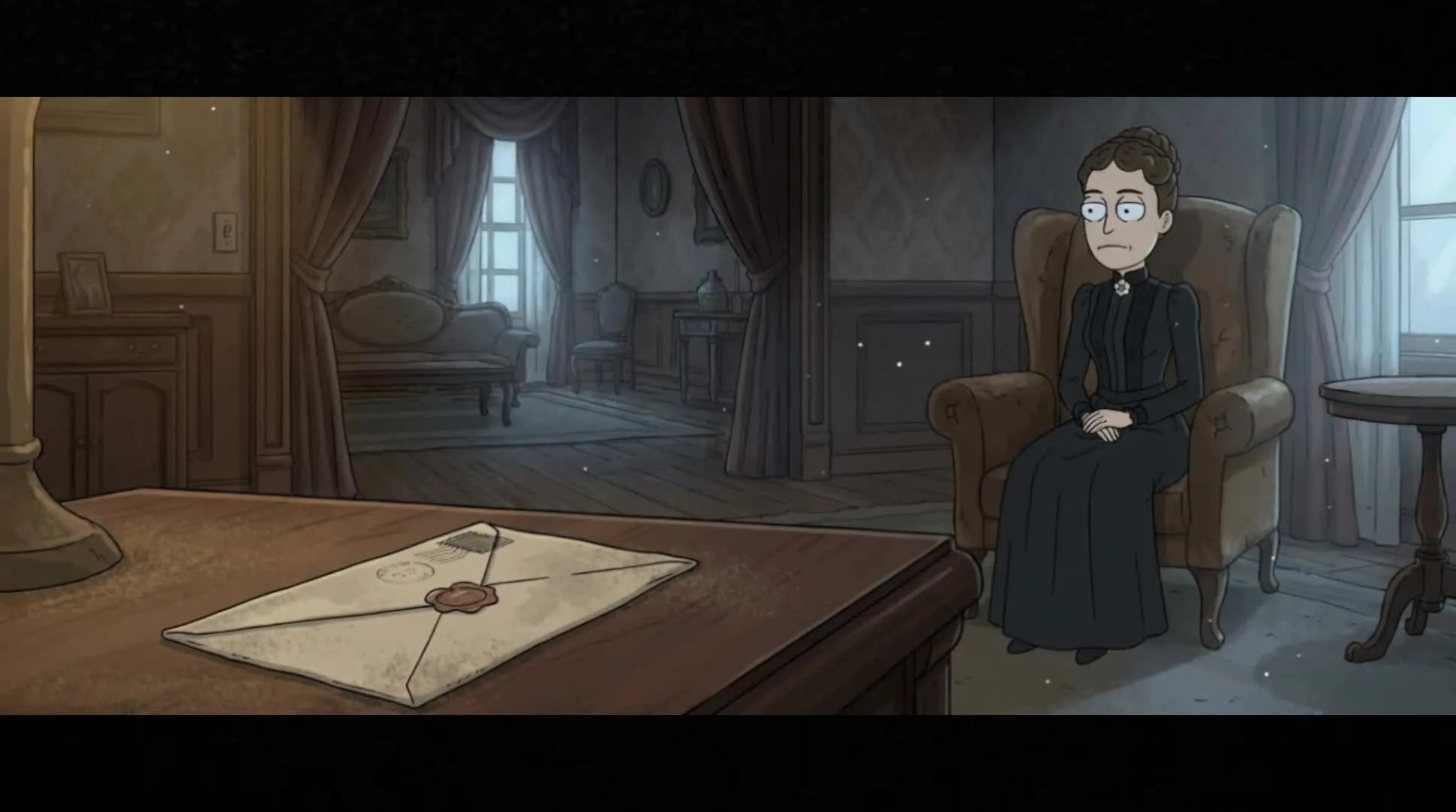
In 1905, following a quarrel connected to Lizzie's rumoured friendship with an actress named Nance O'Neil, Emma Borden moved out of Maplecroft permanently. The two sisters — who had spent their entire adult lives together and had faced the trial as a single family unit — never publicly reconciled. Emma moved to New Hampshire and died in 1927, days after Lizzie's own death. Lizzie continued to live at Maplecroft alone, apart from her household staff. She kept dogs. She donated to animal charities. She left substantial provisions for animal welfare in her will. She died on June 1, 1927, of complications following gallbladder surgery. She was 66 years old. Her funeral was small and private. She was buried in Oak Grove Cemetery, Fall River, in the Borden family plot — a short distance from the graves of Andrew and Abby, whom the jury had, thirty-four years earlier, decided she had not killed.
2:27
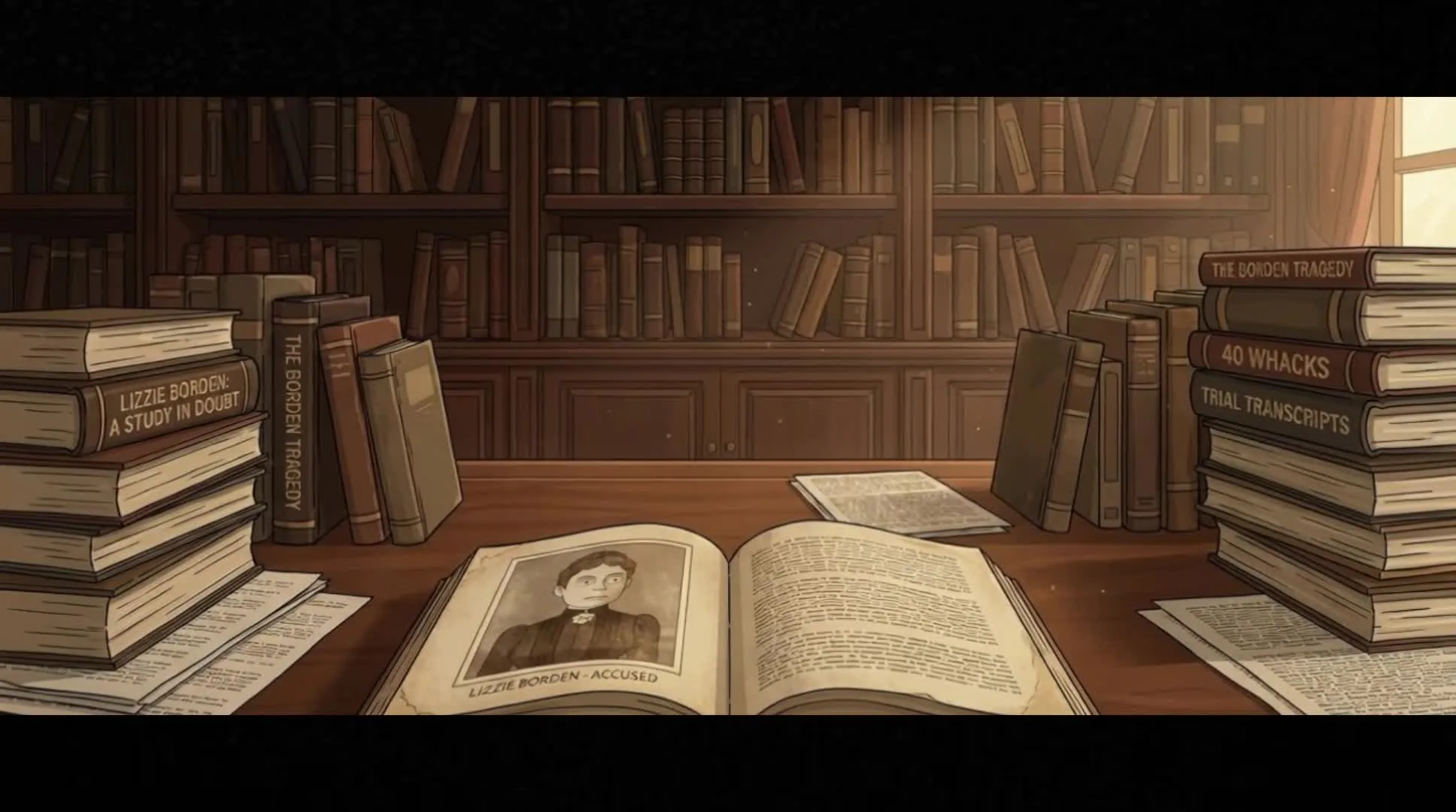
The murders of Andrew and Abby Borden on August 4, 1892 remain, under Massachusetts law, officially unsolved. No other suspect has ever been formally charged. The most-cited alternative theories over the following 130 years have variously implicated Bridget Sullivan (the maid), John Morse (the visiting brother-in-law), an unidentified illegitimate son of Andrew Borden proposed by biographer Arnold Brown, and — most persistently — Emma Borden herself, who had an alibi in nearby Fairhaven but whose alibi has been reexamined by researchers over the decades. None has ever converged into a serious counter-case. The overwhelming weight of contemporary historical opinion has, since roughly the 1960s, been that Lizzie Borden did commit the murders — that the jury acquitted her on the strength of Victorian assumptions about female respectability rather than on the strength of the evidence. But 'the strength of contemporary historical opinion' is not the same thing as a legal answer. The legal answer, delivered in ninety minutes on June 20, 1893, was not guilty. It has never been overturned. It never will be.