

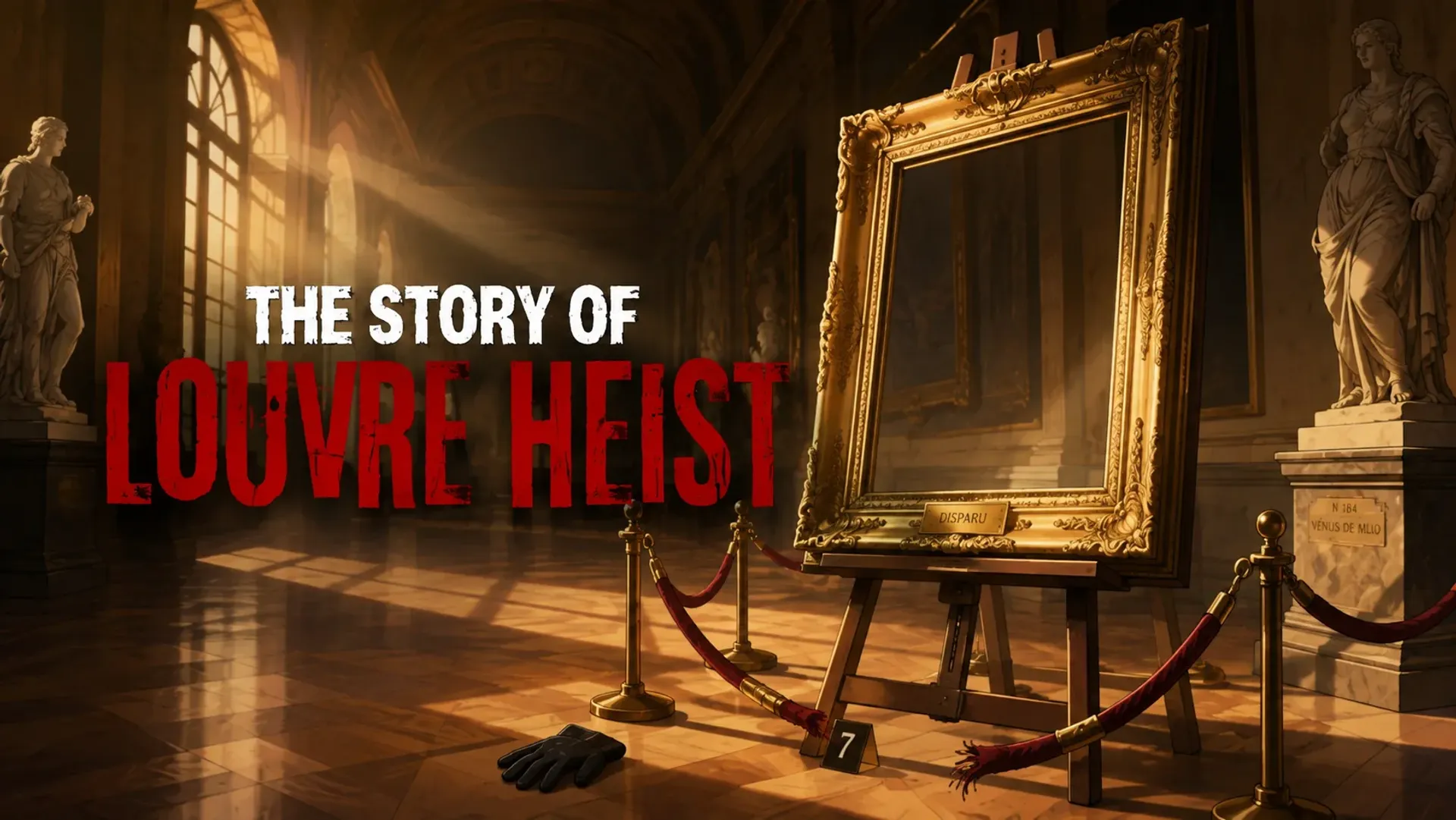
20 episodes
jollybusyperch
On the morning of Sunday, October 19, 2025, four men in construction worker vests parked a furniture lift outside the Louvre's Seine-facing façade. Two rode a cherry-picker basket up to a second-floor balcony. They smashed a window into the Apollo Gallery — the room that holds what is left of the French Crown Jewels — cut open two display cases with angle grinders, and took eight pieces of Napoleonic royal jewellery. They were inside the museum for approximately seven minutes. They escaped on scooters. As of this writing, the jewels have not been recovered. Seven people have been arrested. The four thieves themselves are believed to be identified. The most famous museum in the world was, in seven minutes, robbed of eighty-eight million euros in the middle of a Sunday morning while paying visitors watched.
20 episodes
1:05
Sunday, 19 October 2025. Paris. The Musée du Louvre — the world's most-visited museum, in the specific building that had served as the primary royal palace of France from the twelfth century until Louis XIV's move to Versailles in 1682. At approximately 9:30 in the morning — half an hour after the museum's public opening for the day — four men, dressed as construction workers and moving with practiced efficiency, entered the Apollo Gallery through a second-floor window on the museum's southern façade overlooking the Seine. Over the following approximately seven minutes, they cut into two specific display cases with angle grinders, removed eight specific pieces of the French Crown Jewels, and departed the museum by the same route by which they had arrived. Visitors were present in the Apollo Gallery throughout. Museum security personnel evacuated them in the specific opening seconds of the operation. The thieves left the building through the window and descended to street level via the same mechanised platform lift they had used to enter. They fled on scooters. It was the largest art theft on French soil since the 2010 theft of five paintings from the Musée d'Art Moderne, and among the largest museum thefts of the twenty-first century.
1:09
The Galerie d'Apollon. The specific ceremonial gallery of the Louvre Museum in which the French Crown Jewels have been displayed since the museum's establishment as a public institution during the French Revolution. Commissioned by King Louis XIV in 1661, following a fire that had damaged the specific Petite Galerie on the site. Architectural design by Louis Le Vau. Decorative program by Charles Le Brun. Ceiling paintings representing the twelve hours of the day, the four seasons, and the god Apollo in his sun chariot — a specific iconographic tribute to the Sun King. The gallery served, per its original commission, as a working model for the subsequent Hall of Mirrors at Versailles. Its Baroque decorative scheme — gilded stucco, painted allegory, tapestry, and inlaid marble — is one of the most-studied and most-photographed interior spaces in the history of French architecture. And, on the morning of 19 October 2025, it was the specific target of a team of four men who had, per every subsequent reconstruction of the case, planned the operation around the gallery's specific window placement, the specific weakness of its display cases, and the specific limits of its alarm systems.
1:01
The joyaux de la Couronne de France. The specific collection of ceremonial jewellery of the French monarchy and Second Empire, assembled across successive reigns from the medieval period to the fall of Napoleon III in 1870. Substantial portions of the historical collection were sold at public auction by the Third Republic in 1887 in a specific act of state-ordered dispersal — an event that scattered many of the greatest French royal jewels to private collectors, foreign monarchs, and museum collections worldwide. The pieces retained by the French state — and specifically displayed at the Louvre Apollo Gallery in October 2025 — represented what had survived that dispersal and what had been reacquired by subsequent French governments in the twentieth century. Among the specific pieces present in the Apollo Gallery on the morning of 19 October 2025 were items associated with Queens Marie-Amélie and Hortense, with Empress Marie-Louise (Napoleon Bonaparte's second wife), and with Empress Eugénie (the wife of Napoleon III). Their combined publicly stated valuation on the morning of 19 October 2025: 88 million euros — approximately 102 million United States dollars — though the specific historical and cultural value is, per every serious observer of the case, not meaningfully expressible in monetary terms.
0:57
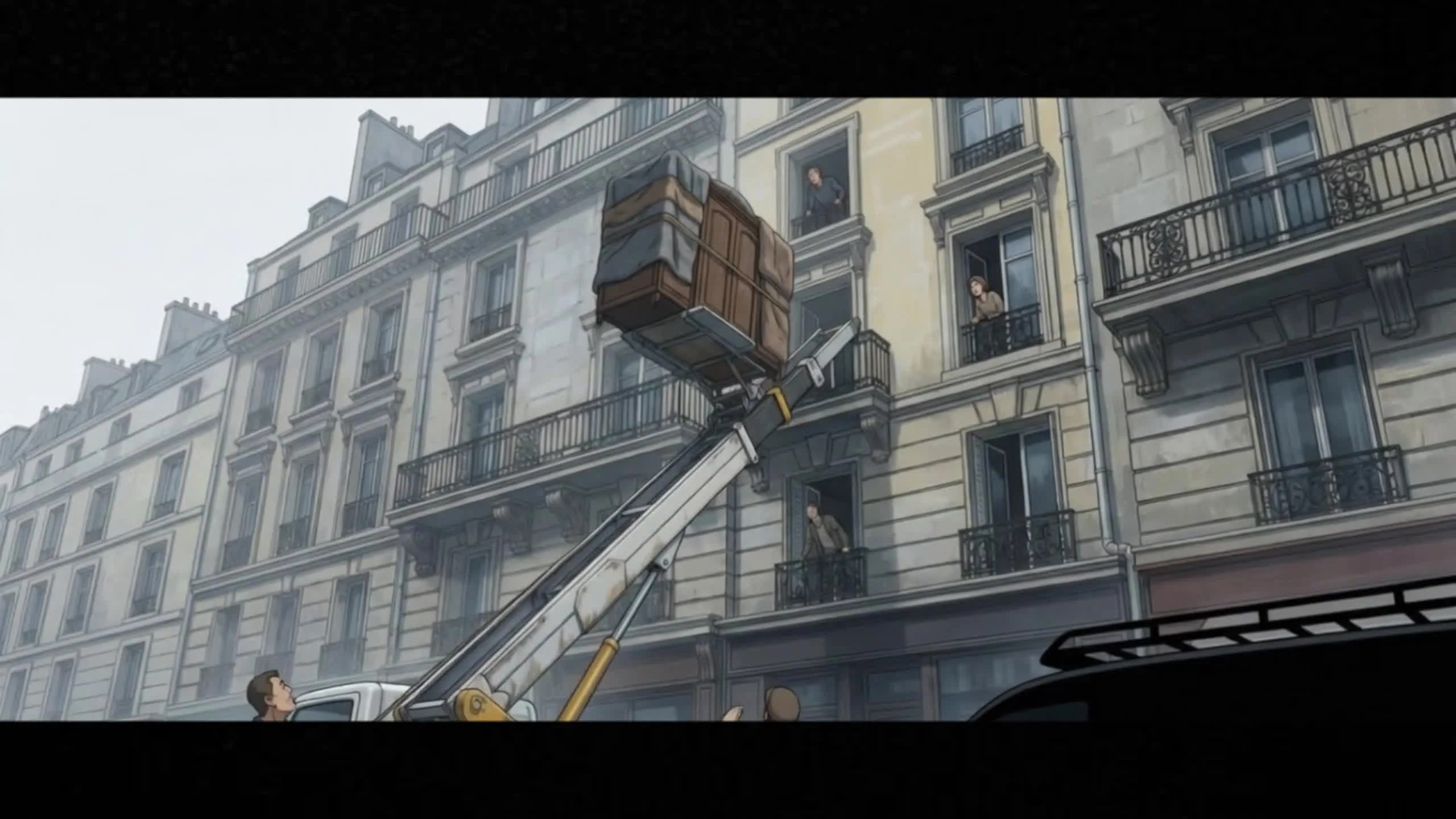
The specific piece of construction equipment used by the thieves to enter the Louvre. A mechanised platform lift — a monte-meuble in the specific French terminology, and 'cherry picker' or 'basket lift' in common English usage. A truck-mounted elevator ordinarily used by French moving companies to transport furniture through the upper-floor windows of Parisian apartment buildings, in the specific context of buildings whose stairwells are too narrow to accommodate large items. The specific unit used in the heist had been rented, per subsequent French police investigation, from a specific French moving-equipment rental firm. The rental had, per subsequent statements from the firm's spokesperson, been arranged through what appeared to have been ordinary commercial channels. The truck was driven to a specific position on the Quai François Mitterrand — the specific street immediately south of the Louvre's Denon Wing along the Seine — in the early morning hours of 19 October 2025. It was positioned directly beneath the Apollo Gallery windows. The specific fact that a large truck-mounted mechanised lift could be positioned outside the Louvre in broad daylight without triggering any specific security response has, in the intervening months, been the subject of exhaustive institutional review.
0:49
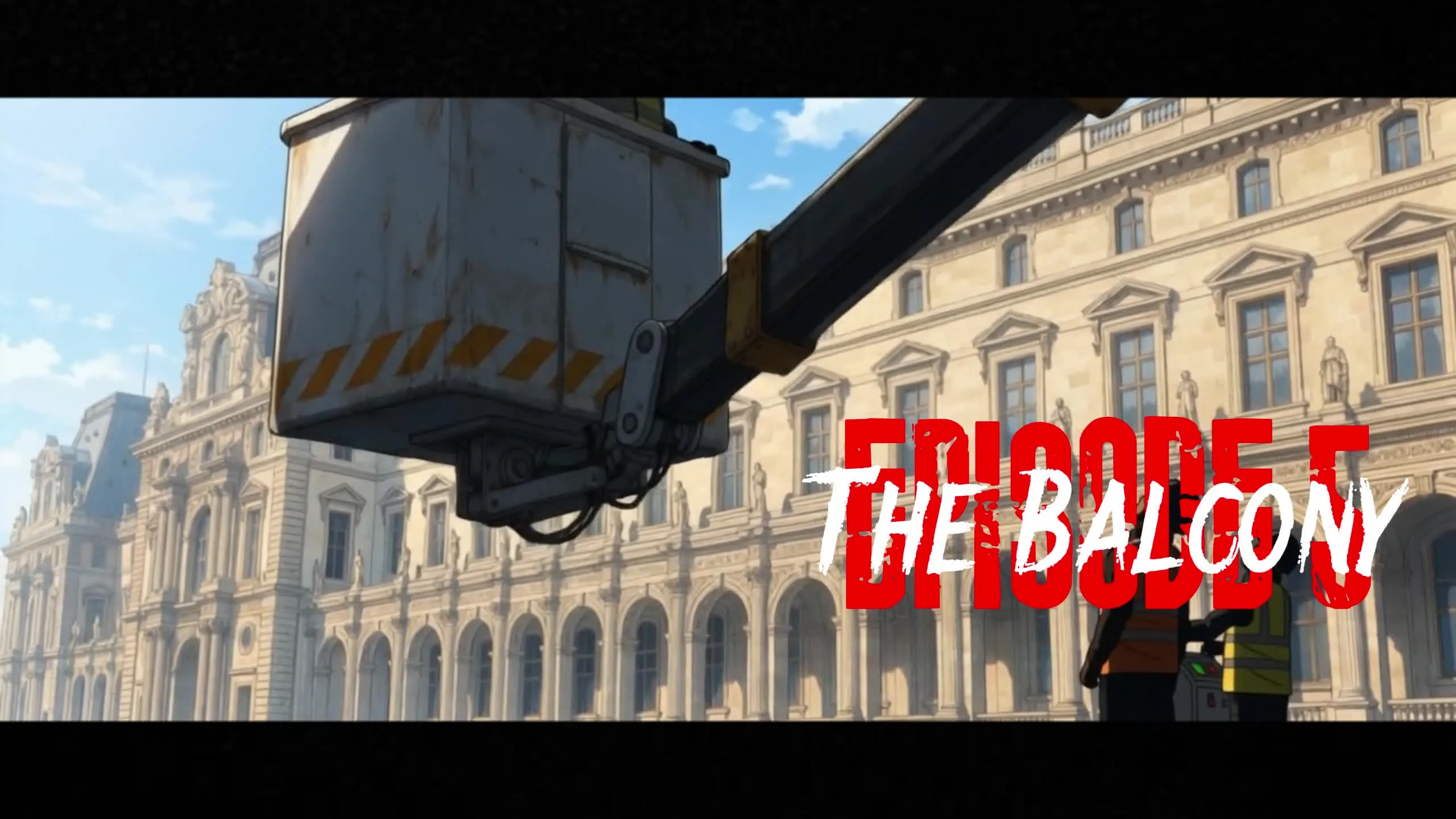
The specific second-floor balcony of the Louvre's Denon Wing overlooking the Seine, and the specific window opening onto the Apollo Gallery that formed the entry point of the heist. The Denon Wing — the specific southern arm of the Louvre complex, running west from the Cour Napoléon toward the Pont du Carrousel — houses among its collections the Mona Lisa, the Winged Victory of Samothrace, and the Venus de Milo. The Apollo Gallery is located on the second-floor level (first floor in French terminology) of this wing. The specific window used for entry was a tall French casement window with wrought-iron balcony railings. The thieves ascended the cherry picker to the balcony level, forced open the window, and entered the gallery interior. The specific fact of a Baroque ceremonial gallery having, at street level immediately below it, a public embankment along which construction and moving trucks routinely park in the ordinary conduct of Parisian commercial life — and the specific fact that the gallery's windows opened onto that embankment through balconies from which a mechanised lift could reach in under five minutes — has been the central architectural finding of the subsequent security review.
0:54
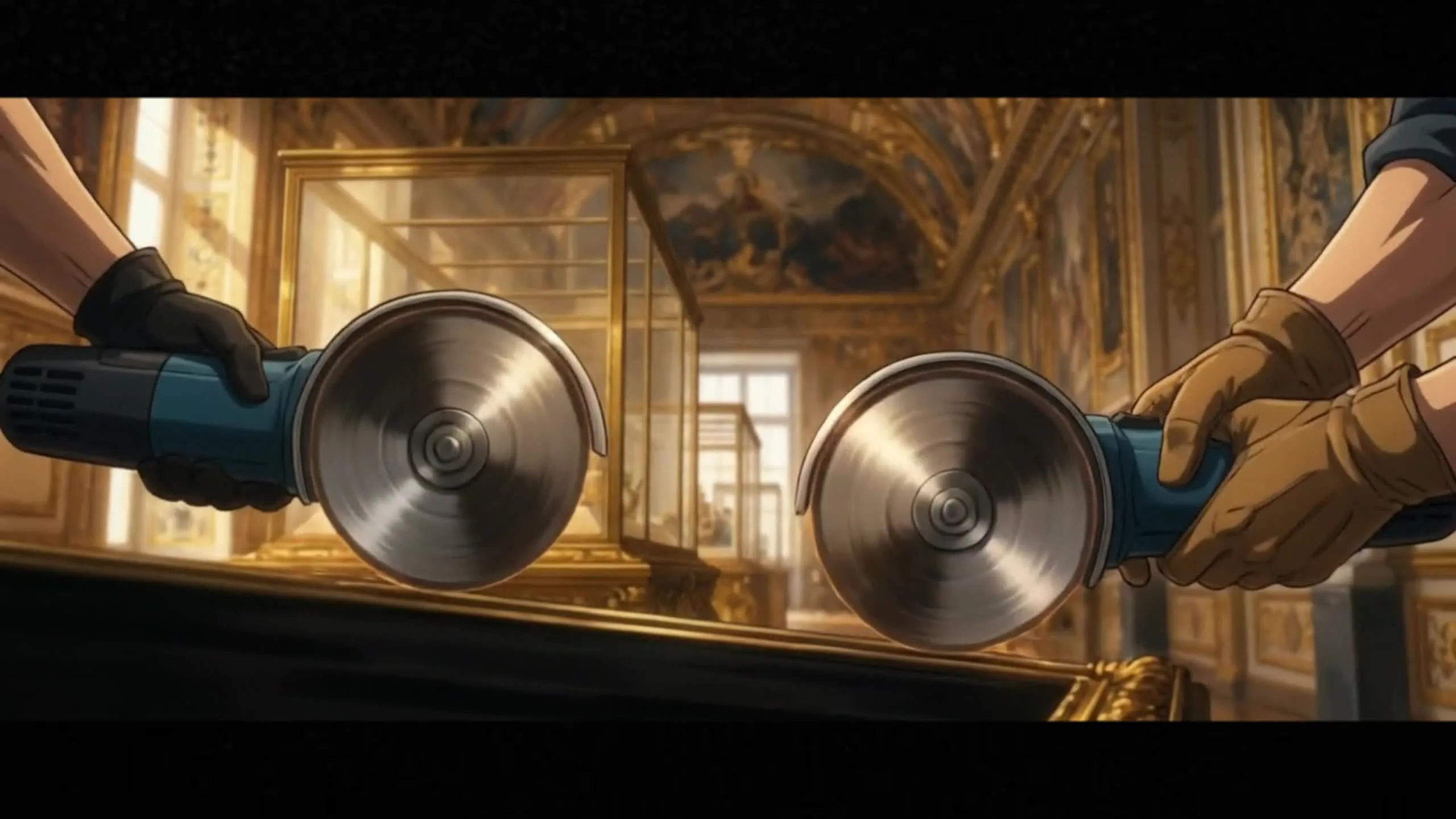
The specific operational duration of the theft inside the Apollo Gallery. Approximately seven minutes from window entry to window exit. Some accounts, including those of the French Ministry of Culture's subsequent internal reconstruction, extend the operation to approximately eight minutes when measured from the first thief's foot on the interior floor to the last thief's departure through the window. Either way, the specific number is central to the case's public reception. Seven minutes — or eight — is not the duration of an improvised opportunistic theft. It is the duration of a planned professional operation. The specific operational tempo indicates that the thieves had rehearsed their movements, knew precisely which display cases contained which items, had brought specific tools calibrated to the specific glass and metal of the cases in question, and had prepared their exit before their entry. The specific fact that no member of the museum's security or curatorial staff was physically confronted during those seven minutes — that the operation was completed without the exchange of a single word between thieves and staff — has been the case's specific procedural signature.
0:50
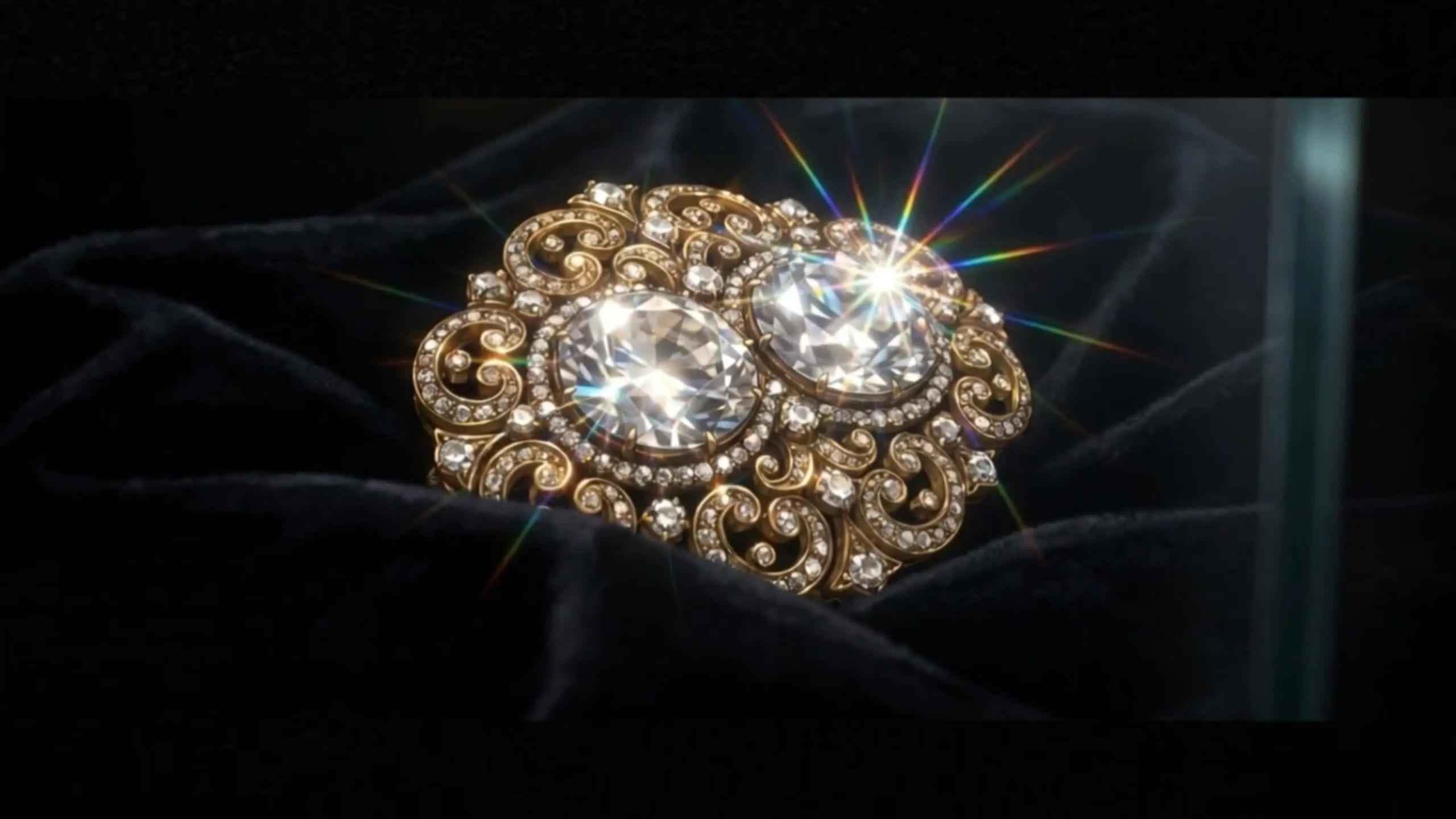
The specific inventory of items taken from the two forced display cases in the Apollo Gallery on the morning of 19 October 2025. The list, per the subsequent Musée du Louvre inventory: a sapphire diadem, sapphire necklace, and sapphire earring set associated with Queens Marie-Amélie and Hortense; an emerald necklace and matching earrings that had been given by Napoleon Bonaparte to his second wife Empress Marie-Louise; a reliquary brooch; a pearl-and-diamond tiara that had belonged to Empress Eugénie; and one additional item variously catalogued across subsequent reports. Eight pieces in total. The specific selection was noted, in the days that followed, by subsequent art-crime analysts as significant. The thieves had not taken the whole contents of the Apollo Gallery — which would have included substantially larger and more difficult items to transport. They had not taken items of the very highest publicly recognised recognisability, such as the Regent Diamond. They had taken a specific subset of pieces that were substantial in weight of precious metal and stones, that were transportable in the specific size of a small satchel, and that would be — per the ordinary logic of illicit gemstone markets — dismantlable into constituent stones for onward disposal.

1:05
Empress Eugénie's imperial crown of gold, diamonds, and emeralds. The specific piece the thieves attempted to take from the Apollo Gallery on the morning of 19 October 2025 and did not, in the specific operational sense, keep. Contemporary reconstruction of the escape indicates that one of the thieves was in possession of the crown as the group exited the second-floor window. In the process of descending the cherry picker or in the immediate seconds after reaching street level, the crown was dropped — whether accidentally, whether from panic under time pressure, or whether from an initial concealment strategy that subsequently failed. It was recovered by Paris police from the immediate street outside the museum within minutes of the discovery of the theft. It was, per subsequent Louvre curatorial statements, substantially damaged by the fall — the specific structural gold work had been broken, a specific number of the diamond and emerald settings had been dislodged, and portions of the diadem's specific 1,300-plus diamond arrangement had come loose. Restoration was subsequently undertaken by the Louvre's specialist conservation staff. It remains, as of mid-2026, the single specific piece recovered from the 19 October theft.
0:55
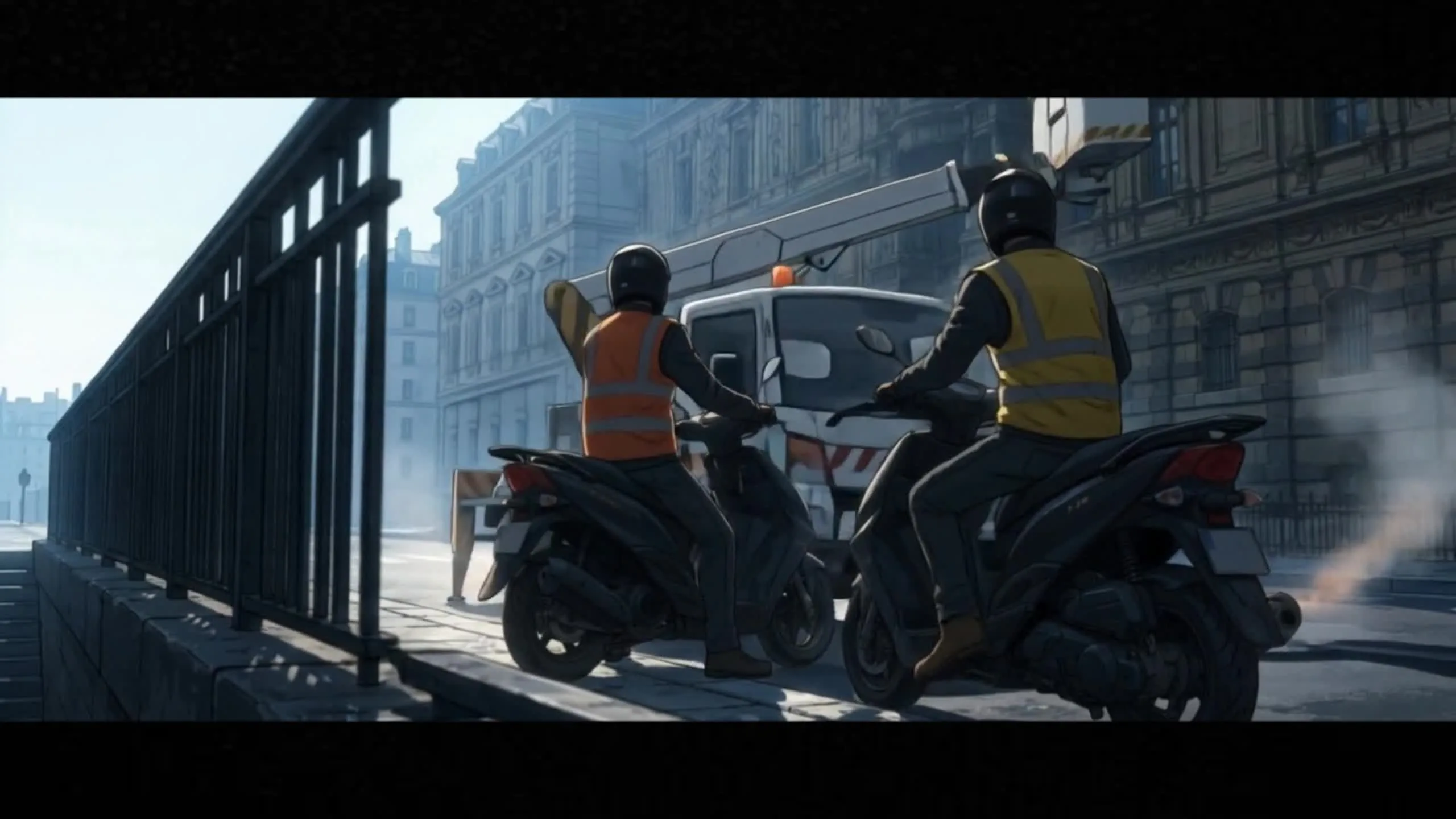
The specific escape route and mechanism used by the four thieves following their exit from the Apollo Gallery window. Descent by the cherry picker to street level on the Quai François Mitterrand. Rendezvous, on the pavement below, with two additional accomplices who had been waiting on the street throughout the operation on scooters. The two additional accomplices — a two-person motorcycle team — accepted the thieves and the eight recovered pieces of the Crown Jewels as passengers. The group departed the immediate Louvre area heading eastward along the Seine embankment. They dispersed, per subsequent police reconstruction, at multiple points across the surrounding arrondissements of central Paris within the first ten minutes of the departure. The specific total operational time from the first ladder movement on the Quai François Mitterrand to the last motorcycle departure from the immediate scene: less than fifteen minutes. The Paris Préfecture de Police received the first specific 'possible armed robbery in progress at the Louvre' communication from museum staff at approximately the same moment the last motorcycle was already exiting the immediate area. The perimeter police response, per the subsequent official account, arrived at a scene from which the specific principal actors had already departed.
1:01
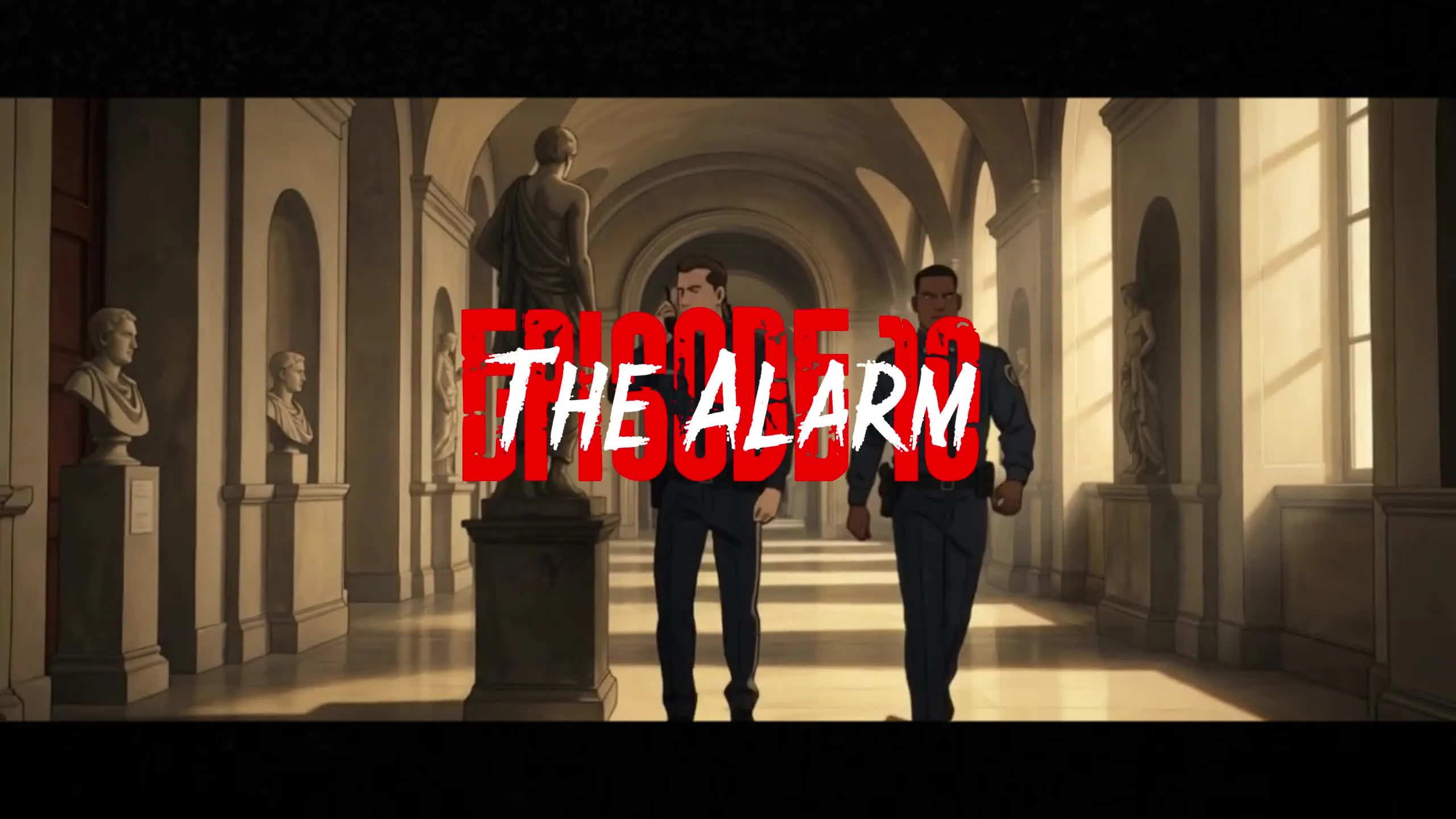
The specific alarm systems, security cameras, guard staffing, and institutional protocols that the 19 October operation revealed to be inadequate to the specific scale of the collection at risk. The Apollo Gallery had, prior to the heist, been secured by specific electronic sensor systems on individual display cases, general room-level motion detection, and a specific volume of CCTV coverage that had, per the subsequent Ministry of Culture review, gaps in coverage on the specific window entry point used by the thieves. The Louvre's on-duty security personnel on the morning of 19 October comprised approximately the standard staffing complement for a Sunday-morning opening. The specific alarms that were triggered by the display case forced entries did activate — but the specific interval between the alarm activation and the arrival of on-site security response was, per subsequent statements, longer than the operational duration of the heist itself. This is the central operational finding of the case. The alarms functioned. The response time did not match the specific speed of the operation. The thieves had, in the specific institutional sense, planned around the specific published-and-known response protocol of the world's most-visited museum.
1:22
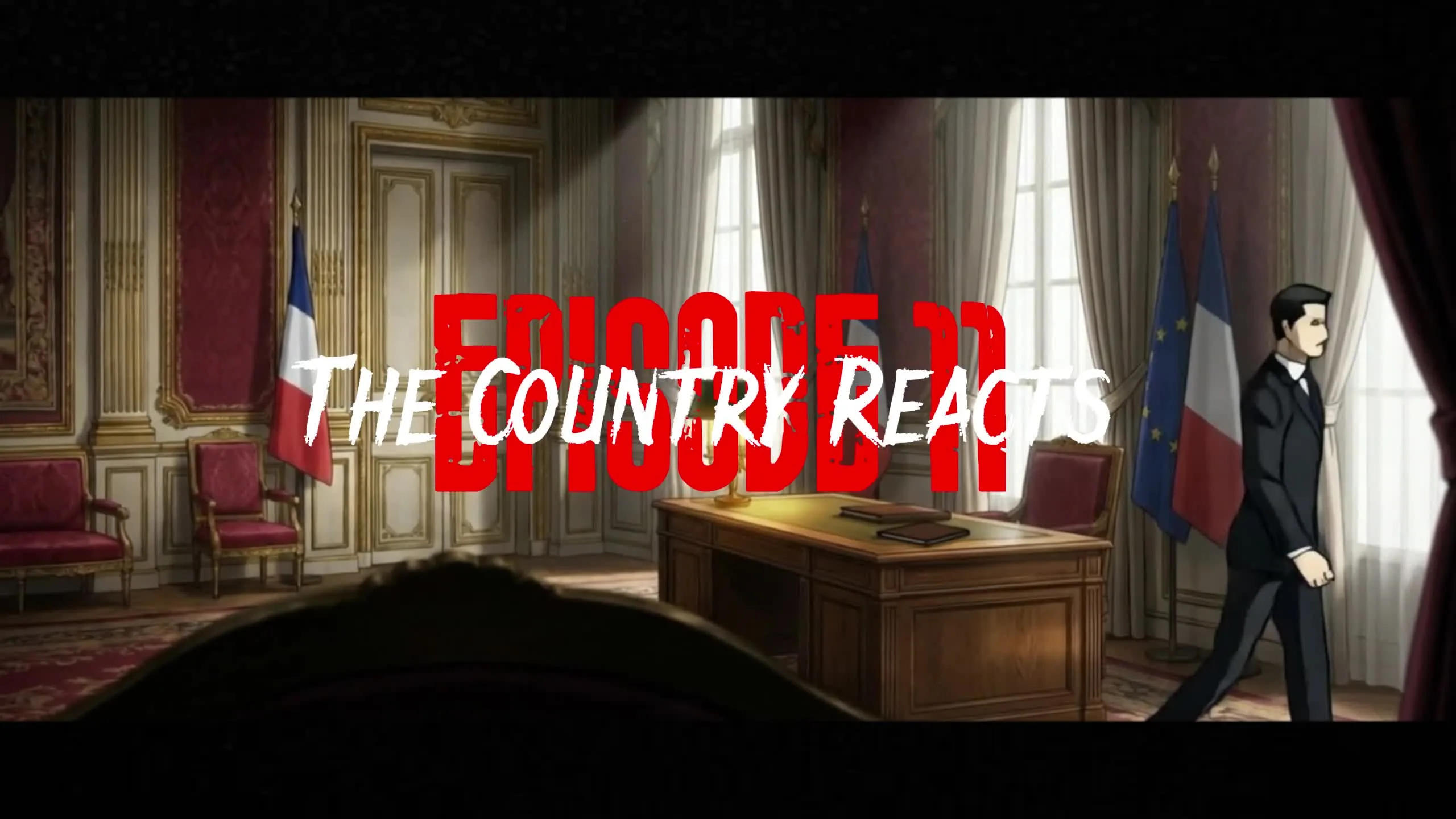
The specific French national response in the days following the 19 October 2025 heist. President Emmanuel Macron issued a statement on the specific afternoon of the theft. Culture Minister Rachida Dati appeared at the Louvre the same day and pledged a full institutional review. The Interior Ministry designated the specific investigation as a matter of urgent national priority. The Louvre closed to the public for the specific period from 19 October to 22 October 2025 as forensic and institutional review teams worked the scene. The specific national conversation that followed was substantially different in tone from that following other high-profile French cultural thefts of the twenty-first century. The theft of the Crown Jewels — pieces associated with the specific French royal and imperial past — struck a specific national cultural nerve of a kind that a comparable theft of, for example, a specific set of contemporary paintings would not have. The specific institutional criticism of the Louvre's management was, from the earliest days, substantial. Louvre director Laurence des Cars faced substantial public pressure in the specific weeks that followed. She subsequently resigned. Her successor Christophe Leribault assumed leadership of the museum in February 2026.
1:08
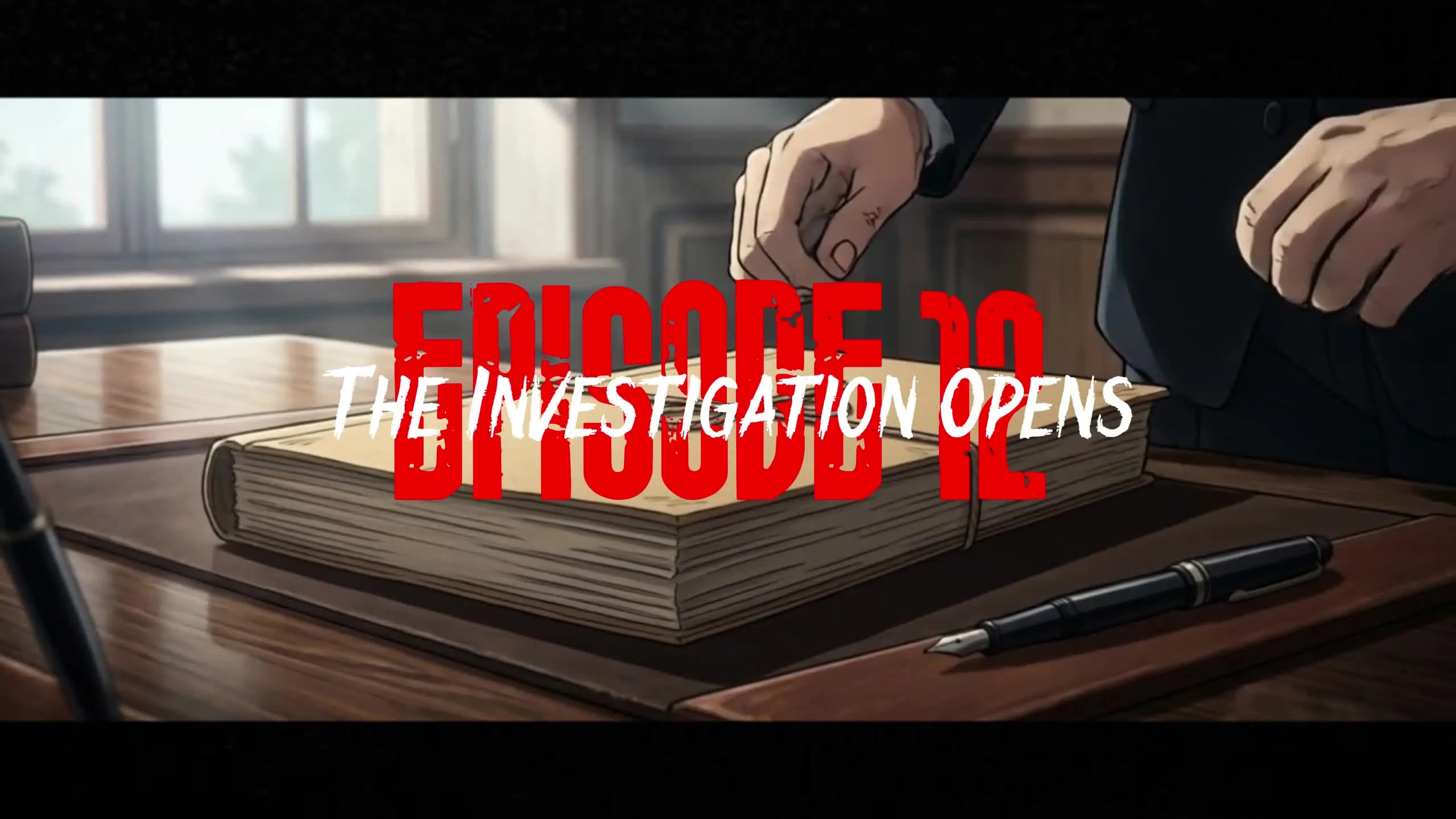
The specific French police investigation into the 19 October 2025 heist. Lead prosecutorial authority: Paris Public Prosecutor Laure Beccuau. Lead investigative agency: the Brigade de Répression du Banditisme (BRB) — the Paris regional police division specialising in organised armed robbery. Supporting agencies: the French national police's Office Central de Lutte contre le Trafic des Biens Culturels (Central Office for the Fight Against Trafficking in Cultural Goods), the specific national unit specialising in art theft; and the Direction Générale de la Sécurité Intérieure (DGSI), the French domestic intelligence service, in the specific context of the case's potential international dimensions. The investigation's specific initial workstreams: comprehensive review of the museum's own CCTV footage; canvassing of the specific commercial establishments in central Paris that could plausibly have supplied the specific rental cherry picker and the specific power tools used; forensic examination of the physical evidence left by the thieves at the scene, including specific items of clothing, one specific glove, and specific traces of DNA on the forced display cases and the recovered crown.
1:07
Saturday, 25 October 2025. Paris Charles de Gaulle Airport. Approximately one week after the heist. Two specific individuals were arrested by French border police at the airport in the specific circumstances of attempting to leave France on international commercial flights. The two arrests were, per the subsequent statement of Prosecutor Laure Beccuau, the specific first arrests in the investigation. The two arrested individuals were subsequently identified in the specific charges filed against them as being among the four-person team that had physically entered the Apollo Gallery on the morning of 19 October. The specific method by which French investigators had identified them as candidate suspects, and had specifically anticipated their attempted departure through Charles de Gaulle, has not been disclosed in the ordinary operational-security fashion of continuing French police investigations. What is documented is that the two men were placed under arrest, that they were transferred to central Paris for interrogation and formal charging, and that they were, at the point of arrest, not carrying the eight stolen pieces of the Crown Jewels.
1:10
The specific forensic-evidence base of the investigation. The physical scene left in the Apollo Gallery on the morning of 19 October 2025 contained multiple sources of biological material. Specific items of clothing had been discarded by the thieves during their exit — one specific glove, one specific hat, one specific item of outer clothing recovered on the immediate street. The forced glass display cases had been contacted by the thieves' hands, some of which had, per subsequent examination, temporarily broken protective gloves. The recovered crown of Empress Eugénie carried specific fingerprint and DNA traces from at least one thief who had directly handled it in the process of removal. The specific forensic examination of these traces was carried out by the specific laboratories of the French police forensic services in the days and weeks following the heist. Specific DNA profiles were established. Those profiles were cross-referenced against the specific French national criminal database. Multiple hits were established. One specific hit — a 39-year-old man from the Paris suburb of Aubervilliers with a documented prior history of theft convictions — became one of the specific individuals arrested in the subsequent operations of late October and early November 2025.
0:59
Thursday, 30 October 2025. Approximately eleven days after the heist. French police carried out five simultaneous arrest operations across central Paris and the surrounding Île-de-France region, including in the specific department of Seine-Saint-Denis. The specific coordinated operation had been developed across the preceding week following the initial DNA matches and the two 25 October airport arrests. The five arrested individuals included one specific member of the four-person team that had physically entered the Apollo Gallery, per the subsequent official statement of Prosecutor Laure Beccuau. The remaining four arrested were, per the subsequent charges, individuals suspected of specific supporting roles — logistical support, provision of the cherry picker rental documentation, or provision of the specific escape motorcycles. A further four arrests were made on 25 November 2025 in a subsequent operation, bringing the total number of arrests in the investigation to eleven. Six of the eleven were subsequently released from police custody without preliminary charges being formally filed. Four individuals — three men and one woman — were formally charged and remain in custody as of mid-2026 as the specific defendants in the case.
1:01
Among the specific individuals arrested and charged, two — a man and a woman — were subsequently reported by the French press to have been in a specific personal relationship at the time of the heist. The specific pair had, per press reporting, been resident together in the greater Paris region. The specific role attributed to each of them within the operation has been described in general terms only in the ongoing case's public disclosures — a matter for the subsequent trial rather than for public prosecutor's-office statement. What has been documented publicly: that the woman is one of four individuals against whom preliminary charges have been filed by the investigating magistrate in the case; that she has been detained on those charges; and that she is, at the time of writing, awaiting trial along with three co-defendants. The specific configuration of a romantic couple as co-defendants in a major art-crime case is, per subsequent French criminal-history commentary, unusual but not unprecedented. It has, in the specific media coverage of the case in France, been a substantial focus.
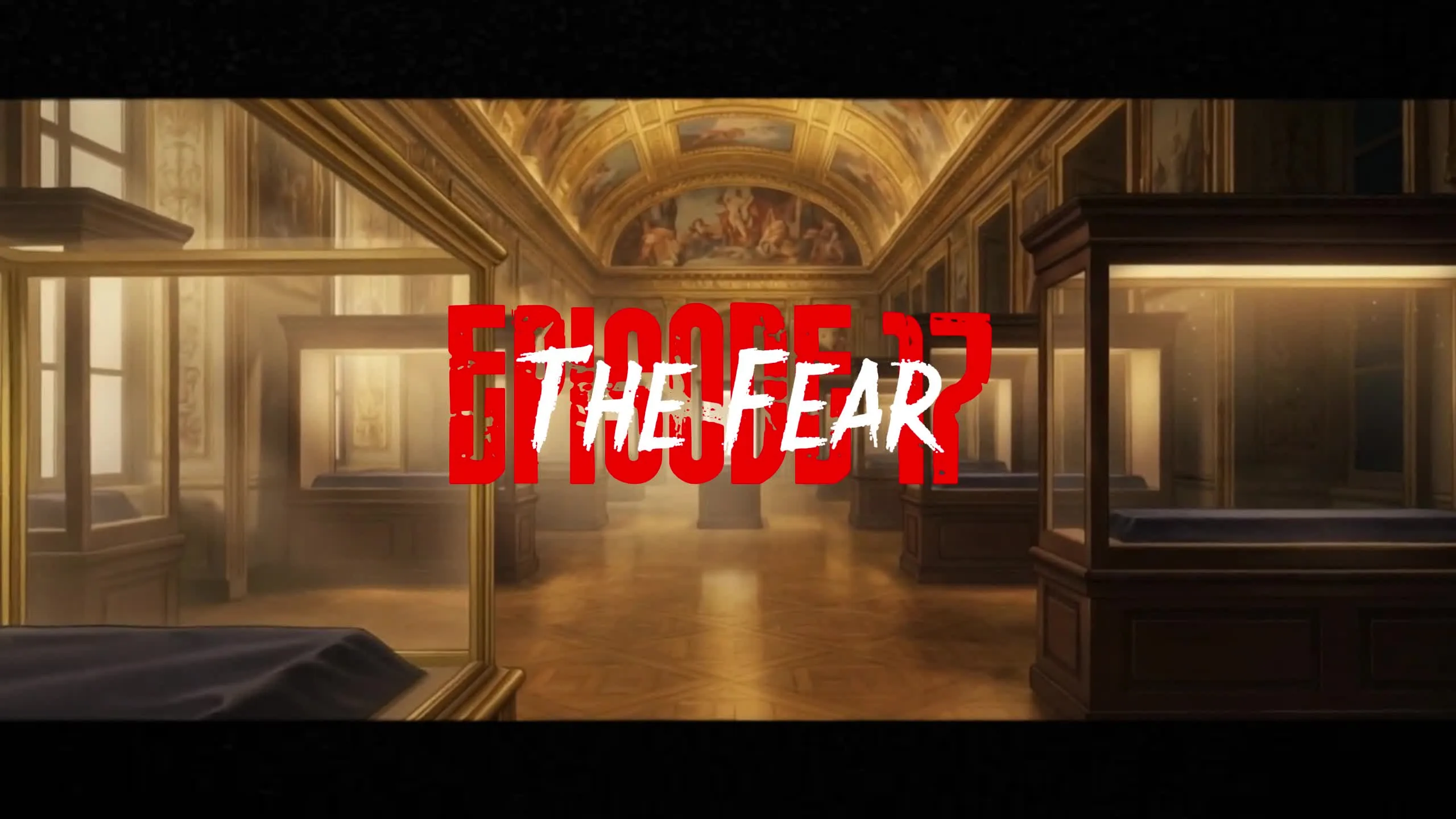
0:59
The specific concern, expressed by curators, art historians, and cultural-heritage specialists in the weeks following the heist, that the seven remaining stolen pieces of the Crown Jewels would be dismantled by their new holders and their constituent precious stones sold onto the international gemstone market as anonymous individual stones. The specific mechanism: the eight pieces had contained, in aggregate, several thousand individual mounted stones — diamonds, emeralds, sapphires, pearls. The specific historical value of the pieces depended on their integrity as compound objects with documented royal provenance. Their monetary value on the illicit gemstone market — where provenance is actively concealed rather than documented — depended on the individual stones being freed from their historic settings and offered as loose stones through international jewellery-market channels. The specific process of dismantling would take, per specialist estimates, approximately hours to days depending on the specific pieces and the specific skill of the operator. Once dismantled, the specific individual stones would be, in the specific practical sense, unrecoverable. The specific ongoing French investigation is, in substantial part, a race against this specific process.
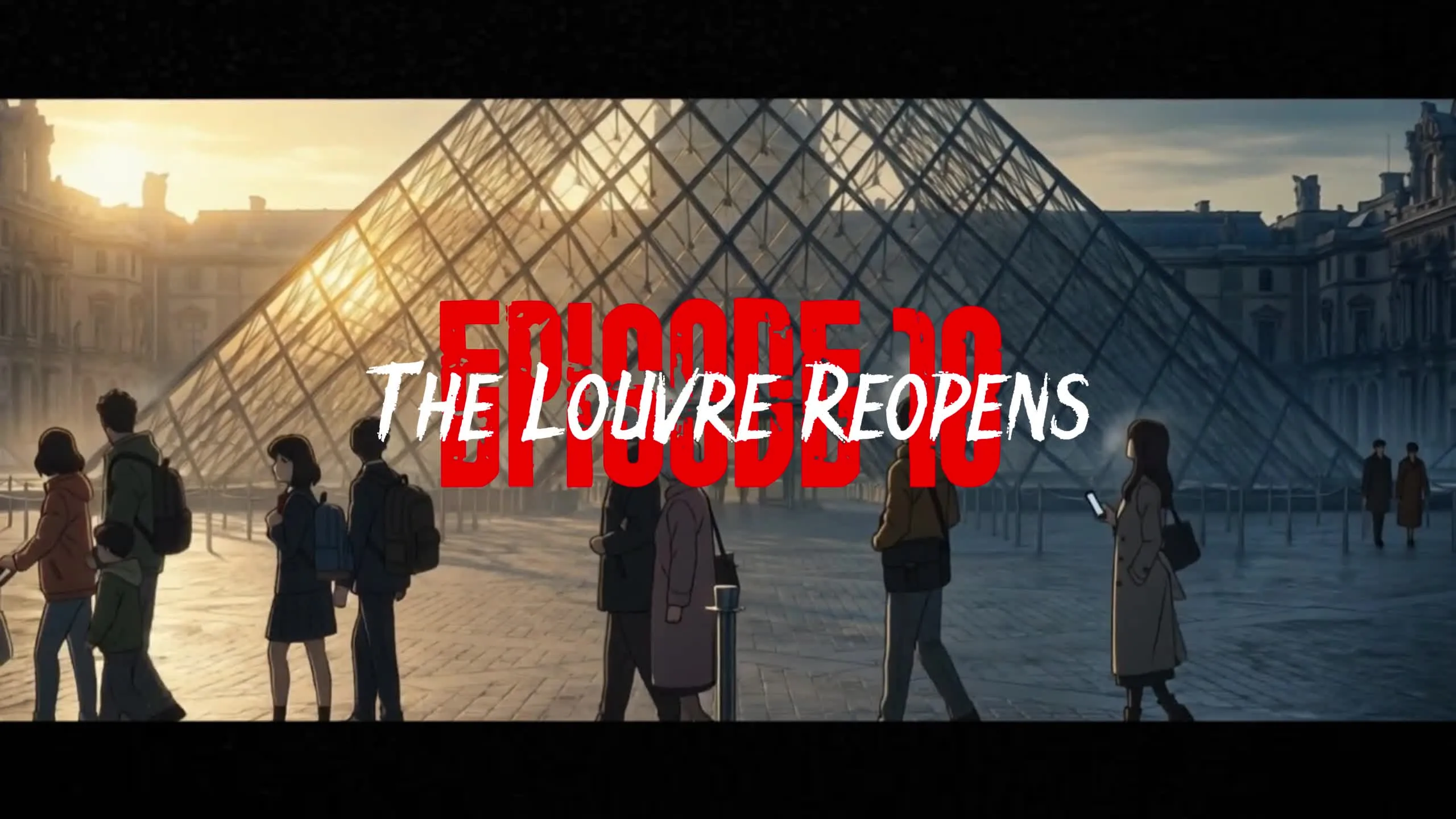
1:11
Wednesday, 22 October 2025. Three days after the heist. The Louvre reopened to the public. The specific Apollo Gallery, however, remained closed. It would remain closed for the specific ensuing period of nine months while institutional review, security reconstruction, and physical conservation of the recovered crown were completed. On Wednesday, 22 July 2026, the Apollo Gallery reopened to the Louvre-visiting public. It reopened, per the specific decision of the Louvre's new leadership under President Christophe Leribault, entirely empty. All furniture had been removed. All remaining display cases had been removed. The specific interior of the gallery was presented to visitors as a specific ceremonial architectural space — the Baroque interior of Louis Le Vau and Charles Le Brun, restored to what the museum's press release termed 'its rightful place.' The Louvre's remaining French Crown Jewels — including the restored crown of Empress Eugénie — will, per the specific institutional plan, be relocated to a specific new purpose-built windowless gallery elsewhere in the museum complex, on a timeline that has not been publicly announced.
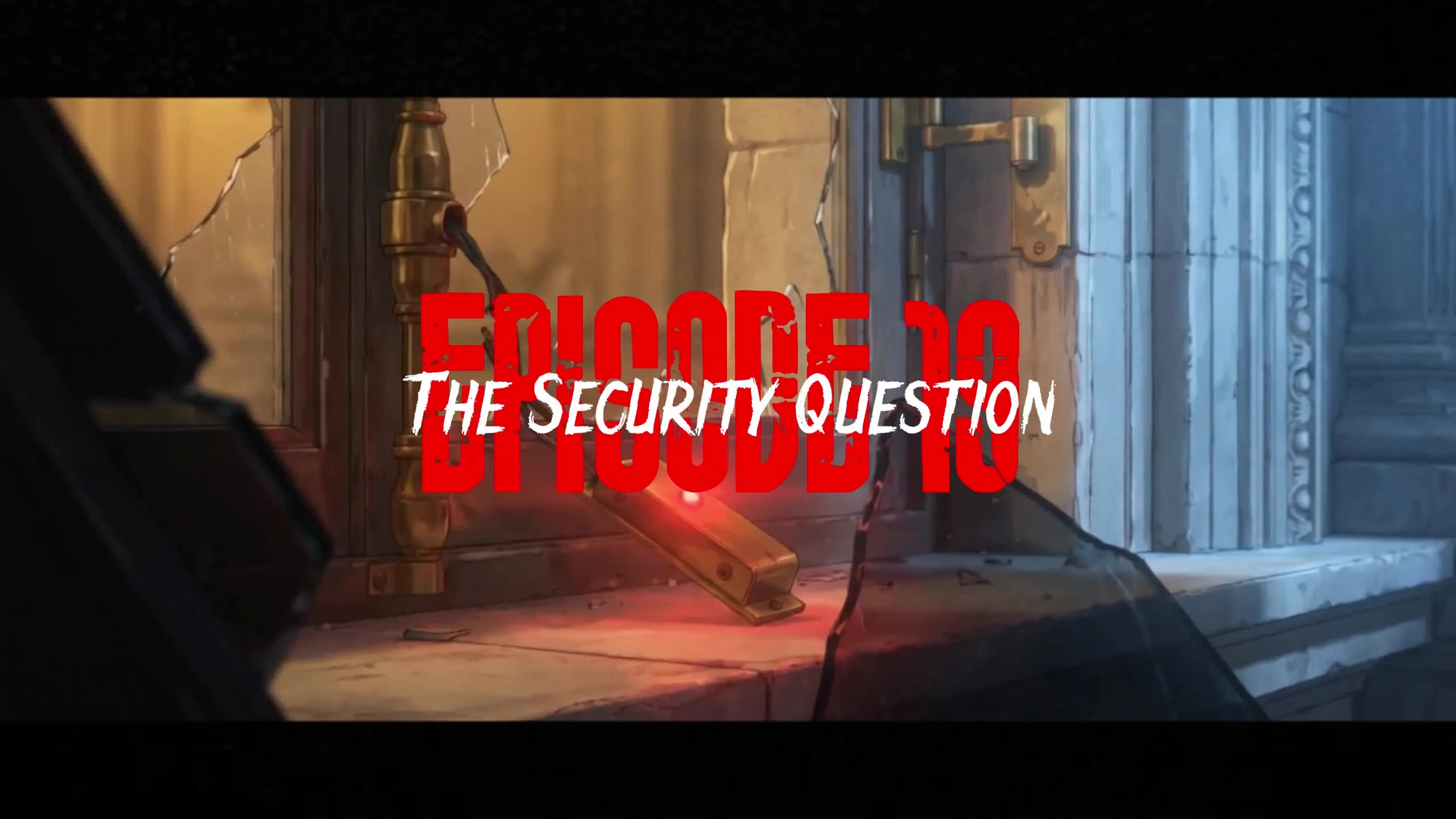
0:53
The specific institutional consequences of the 19 October 2025 heist for the Louvre and for French museum security more broadly. The specific measures implemented by the Louvre in the months following the theft, per Louvre and Ministry of Culture statements: the installation of approximately 100 additional CCTV cameras across the museum's public and non-public spaces; the installation of street-level barrier systems on the specific embankments immediately adjacent to the museum's exterior walls; the creation of a new specific senior security-coordinator role at the museum's leadership level; and the specific programme of relocating the highest-value collection items to purpose-built windowless secure display spaces. The specific broader French national consequence: the initiation of a comprehensive review, ordered by the Ministry of Culture, of security arrangements at every major French national museum. The specific structural finding of that review — that the Louvre's specific vulnerability had been substantially replicated at multiple other French institutions holding items of comparable historical or monetary value — has driven a substantial reallocation of national museum-security budgets from mid-2026 onward.
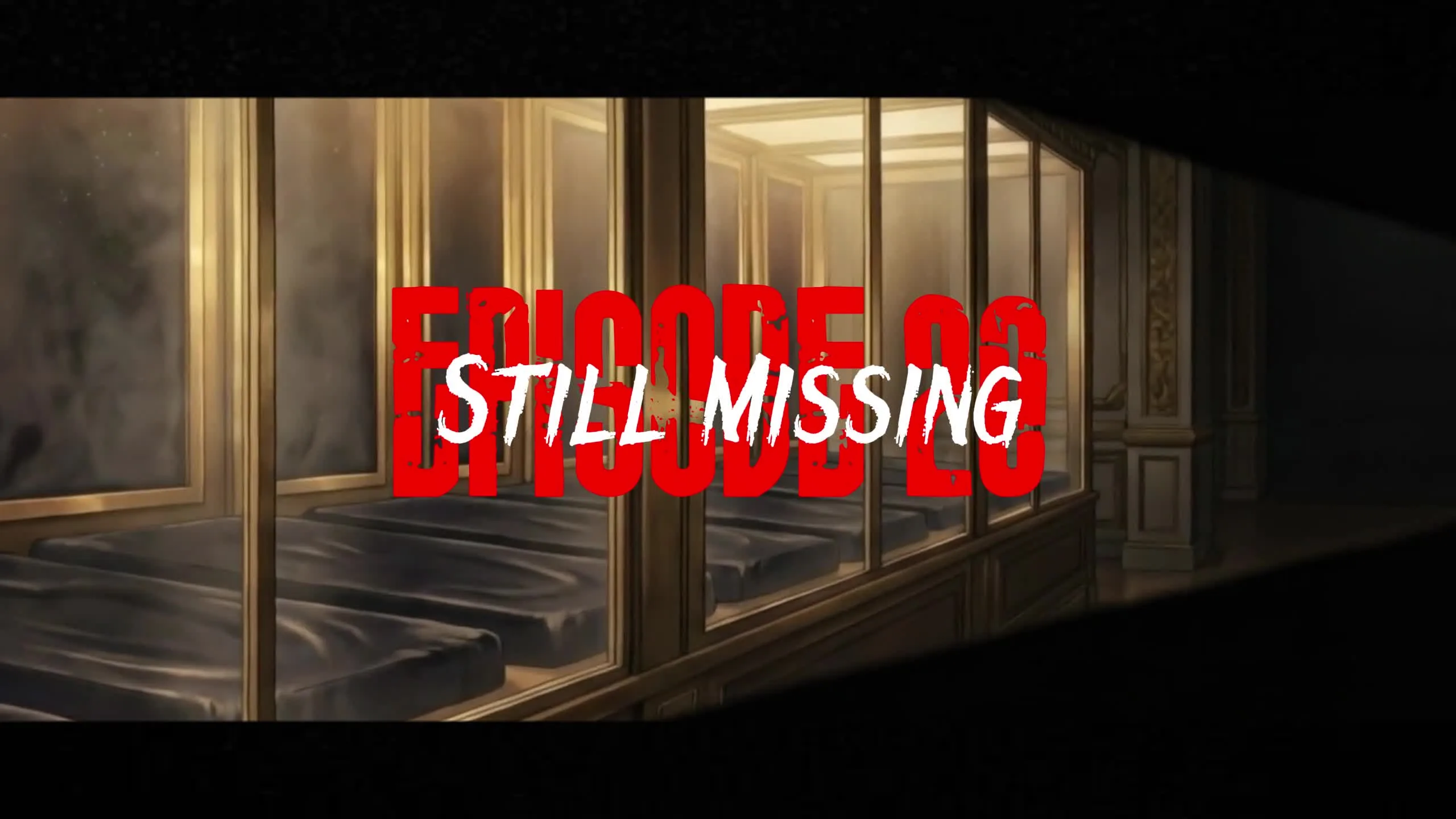
1:02
As of mid-2026. Nine months after the heist. The specific status of the eight stolen pieces of the French Crown Jewels: one recovered (the crown of Empress Eugénie, in the specific damaged condition subsequently restored), and seven still unaccounted for. The specific unaccounted pieces include the sapphire set of Queens Marie-Amélie and Hortense, the emerald set given by Napoleon to Empress Marie-Louise, the pearl-and-diamond tiara of Empress Eugénie, and the reliquary brooch — items of documented royal provenance dating in some cases to the early nineteenth century and, in the case of specific individual stones, to considerably earlier periods of European royal collection history. The specific French police investigation continues. Eleven individuals have been arrested in the case. Six have been released from custody without charge. Four have been formally charged and remain in detention pending trial. One further arrest is documented but the specific status of the individual is not publicly clear. The specific trial of the four charged defendants is anticipated at a date not yet publicly announced. The specific identity of the individual or individuals who may have commissioned the heist — the specific 'buyer' or 'collector' referenced in early-investigation statements by Prosecutor Beccuau — has not been publicly established. The specific seven pieces remain, in the specific sense that matters most to the historical heritage they represent, missing.