

20 Episodes
jollybusyperch
On March 8, 2014, Malaysia Airlines Flight MH370 departed Kuala Lumpur International Airport bound for Beijing Capital International Airport. It never arrived. Thirty-eight minutes after takeoff, the aircraft turned off its transponder and disappeared from civilian radar. Nothing about it — the flight path, the crew, the passengers, the wreckage — has been definitively explained in the twelve years since. It is the largest unresolved aviation mystery in modern history
20 Episodes
1 min. 21 sec.
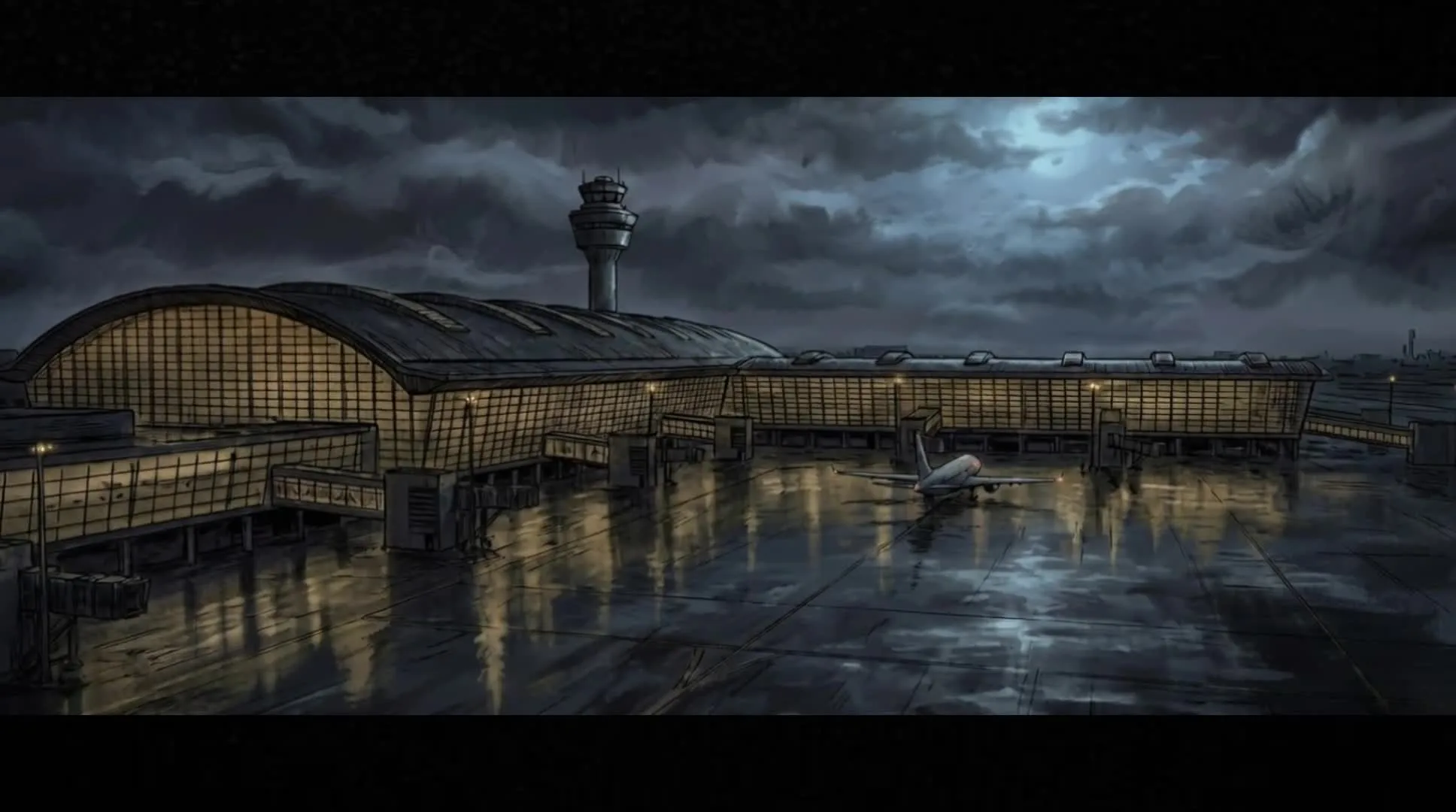
March 7, 2014. Kuala Lumpur International Airport. Just after 11:00 p.m. local time. Malaysia Airlines Flight 370 was scheduled to depart at 12:35 a.m. for Beijing. 227 passengers and 12 crew boarded a Boeing 777-200ER. Among them: two Chinese calligraphers returning from an exhibition, a family returning from holiday, twenty employees of the American semiconductor firm Freescale, a Ukrainian art dealer, a Dutch traveller on his way home, and 152 Chinese citizens for whom Kuala Lumpur had been a stopover. The gate was Gate C1. The aircraft was 9M-MRO. It had passed its most recent maintenance check without incident. Boarding proceeded normally. Passengers stowed hand luggage. Cabin crew ran the standard safety demonstrations. The doors were closed at 12:25 a.m. Every one of the 239 people on board expected to be in Beijing by breakfast.
1 min. 40 sec.
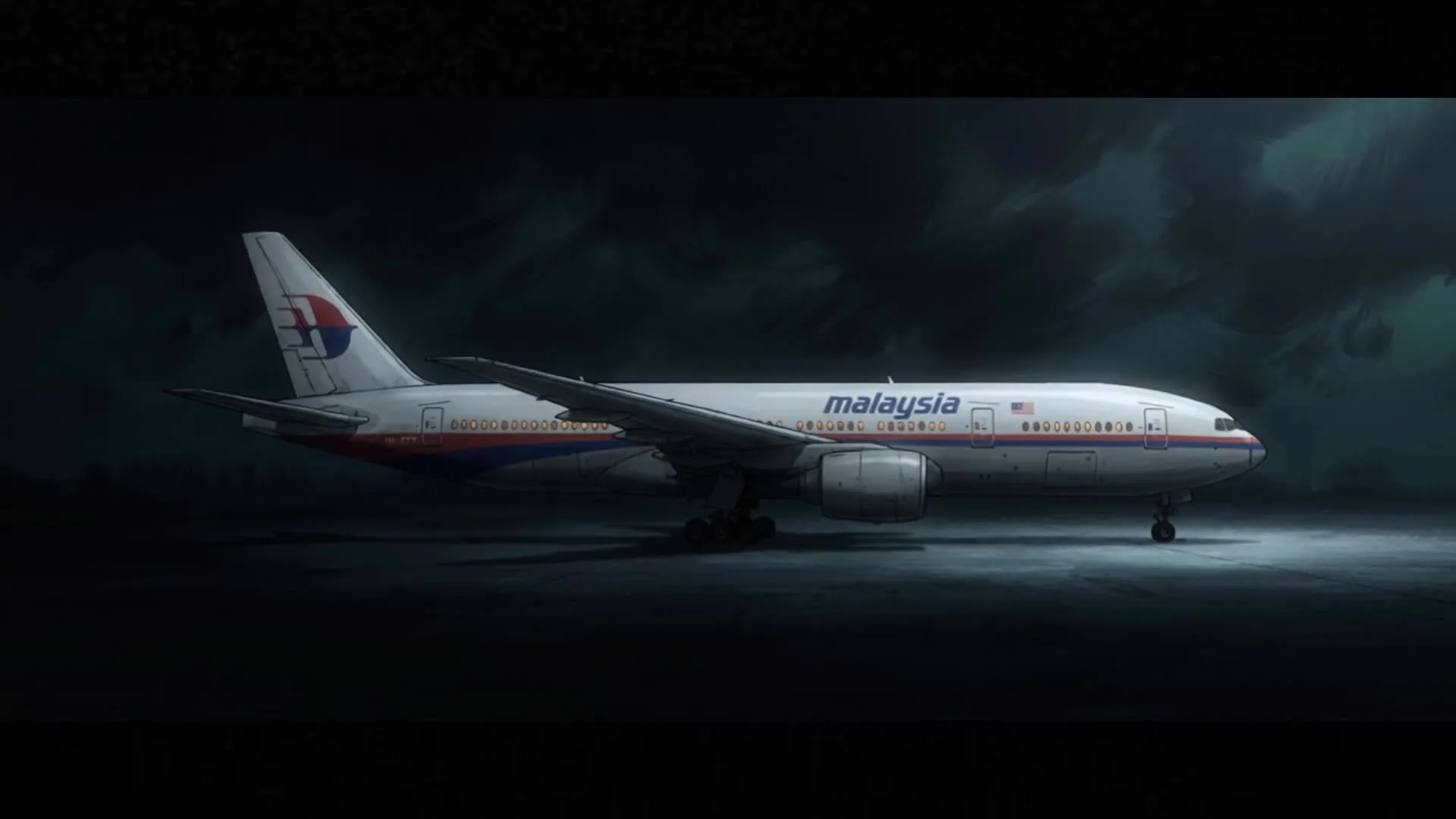
9M-MRO. A Boeing 777-200ER, registered to Malaysia Airlines since 2002. At the time of MH370, the aircraft had accumulated approximately 53,000 flight hours across 7,525 cycles. The 777-200ER was, by 2014, one of the most operationally reliable aircraft in commercial aviation history — with a fatal-hull-loss record substantially better than any other wide-body of its generation. The aircraft's maintenance history contained no unresolved airworthiness concerns. Its most recent A-Check had been completed in February 2014. Its Rolls-Royce Trent 892 engines were within their normal service parameters. It carried, on the night of March 7 to 8, 2014, approximately 49,100 kilograms of Jet A-1 fuel — sufficient for the scheduled 5-hour, 34-minute flight to Beijing plus a standard reserve. It was, in every measurable respect, exactly the wrong aircraft to disappear.

1 min. 28 sec.
Captain Zaharie Ahmad Shah. Age 53. Malaysia Airlines Chief Pilot on the 777 fleet. He had joined the airline in 1981 as a cadet and had accumulated approximately 18,365 flight hours across his career — one of the most senior captains in the Malaysia Airlines roster. He was, per every colleague interviewed by subsequent investigators, considered exceptionally competent, technically fastidious, and personally kind. He was married with three adult children. He was an aviation enthusiast even off-duty — he had built a home flight simulator using a real Boeing 777 flight management system. His flying colleagues described his simulator as one of the most sophisticated home rigs in Malaysia. Its existence would, in the months and years following the disappearance, become one of the case's most-analysed pieces of circumstantial evidence.

1 min. 18 sec.
First Officer Fariq Abdul Hamid. Age 27. Malaysia Airlines pilot. Approximately 2,763 flight hours accumulated at the time of MH370. Fariq had completed his conversion training to the 777 in the preceding weeks. MH370 was, technically, one of his final line-training flights before formal type-rating certification. He was engaged to be married. He was, per every subsequent account, an exceptionally personable young pilot with no financial difficulties, no relationship difficulties, and no operational or disciplinary concerns on his Malaysia Airlines record. He had, on a previous occasion in 2011, been photographed on the flight deck with two young female South African tourists — a minor and publicly acknowledged violation of Malaysia Airlines cockpit protocol. The photograph would resurface after March 8, 2014, and would be examined and dismissed by international investigators as unrelated to any subsequent disappearance.
1 min. 32 sec.
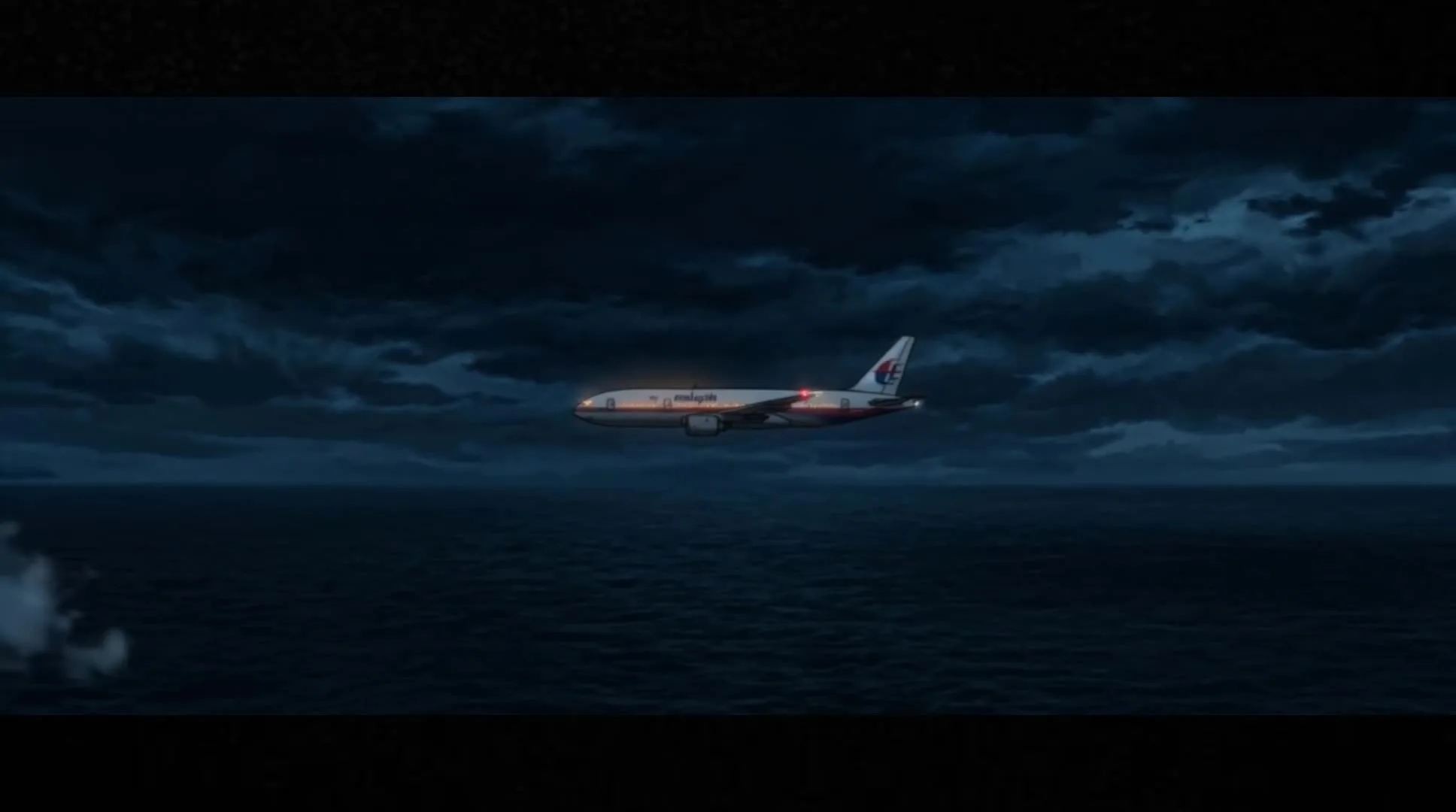
March 8, 2014. 12:41 a.m. local time. Malaysian Airlines Flight 370 departed Runway 32R at Kuala Lumpur International Airport. Cleared to climb to Flight Level 350 (35,000 feet) on airway B466 toward waypoint IGARI, in Malaysian airspace. Weather conditions were clear. Winds were light. Air traffic control transmissions between MH370 and Kuala Lumpur Center across the following approximately 40 minutes were entirely routine. The aircraft climbed to its assigned cruise altitude on schedule. The flight passed successive Malaysian air traffic control waypoints without incident. It was, at 1:19 a.m., approaching the boundary between Malaysian and Vietnamese airspace at waypoint IGARI. Ho Chi Minh Air Traffic Control was scheduled to take over the flight momentarily. Everything about the previous 38 minutes had been, per every subsequent transcript reviewed, entirely and unremarkably normal.
1 min. 17 sec.
1:19:24 a.m. March 8, 2014. Kuala Lumpur Center radioed MH370 for the handoff to Ho Chi Minh Air Traffic Control. Standard procedure. The response came back seconds later: 'Good night, Malaysian three seven zero.' The voice was, per subsequent expert voice analysis, that of Captain Zaharie. It was calm, professional, unremarkable. It was the final voice transmission ever received from Malaysia Airlines Flight 370. It has been analysed, phrased, re-analysed, and translated by air-safety investigators from at least twelve countries in the years since. There is no discernible stress, no coded phrasing, no suggestion of duress. It is one of the case's most-cited artefacts precisely because it is so completely, unremarkably normal. Whatever happened next was, from the ATC recording, invisible.
1 min. 29 sec.
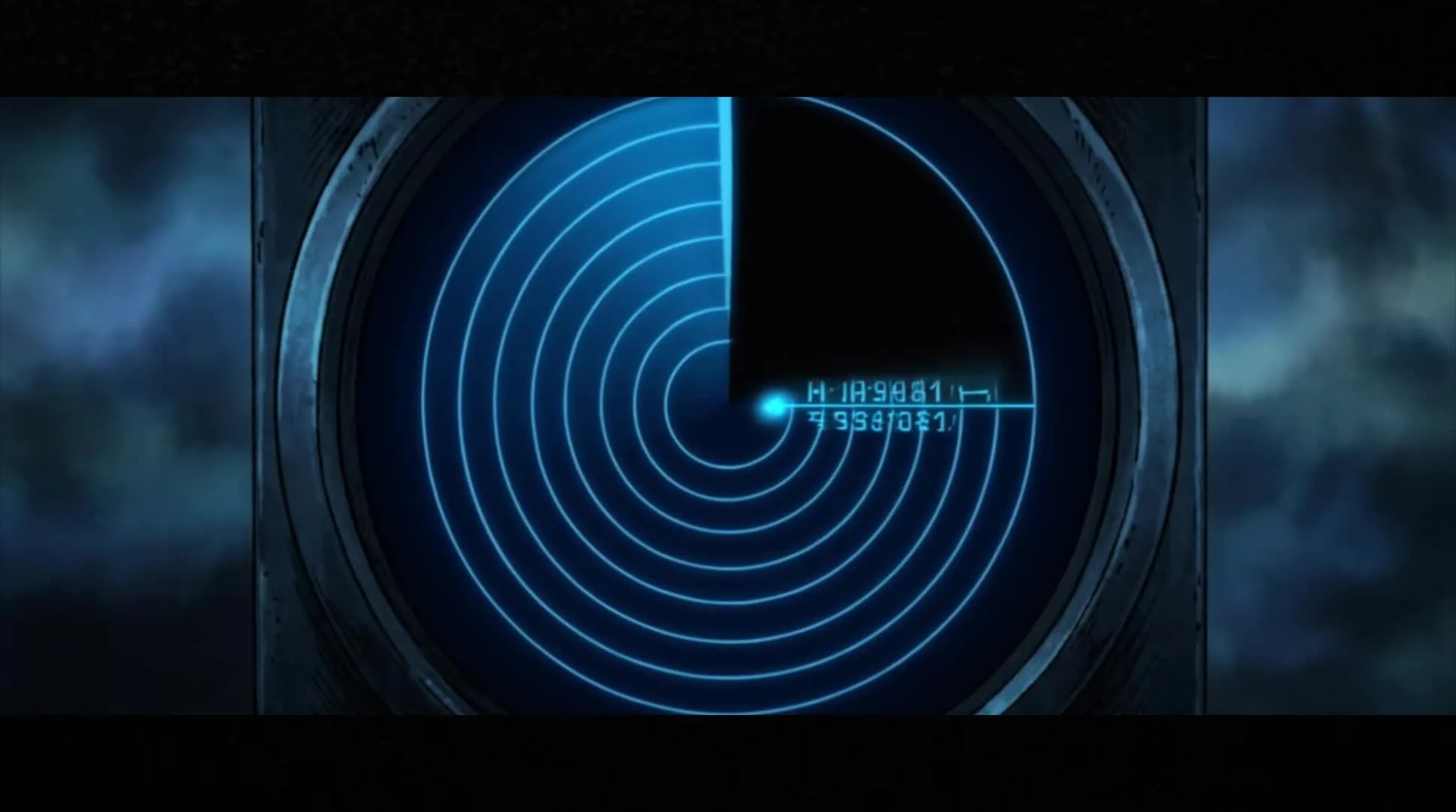
1:21 a.m. March 8, 2014. Approximately 90 seconds after the final voice transmission. The aircraft's Mode-S transponder — which continuously broadcasts the aircraft's identity, altitude, and position to air traffic control radar — stopped transmitting. MH370 disappeared from civilian ATC radar screens. Almost simultaneously, the aircraft's ACARS (Aircraft Communications Addressing and Reporting System) — which had been transmitting scheduled operational data to Malaysia Airlines maintenance systems on the ground — also stopped transmitting. Both systems could have failed on their own due to catastrophic power loss. But both systems failing at approximately the same instant, in an aircraft that had shown no other signs of any failure, would become one of the case's most-cited technical anomalies. Aviation systems do not fail simultaneously and silently. Not, at least, in the ordinary course of aviation.
1 min. 23 sec.
Between 1:21 and 1:22 a.m., something happened aboard MH370 that no civilian air traffic control system was watching. The aircraft, still travelling northeast on its scheduled route toward Beijing, executed a sharp left turn — approximately 180 degrees — and began flying westbound. It flew back across the Malaysian peninsula. Malaysian military primary radar (which tracks aircraft position without requiring transponder cooperation) subsequently confirmed the aircraft's return track, though this data was not reviewed by Malaysian authorities until several days after the disappearance. The aircraft was, in effect, invisible to civilian aviation infrastructure for the entire duration of its westward crossing. Whatever happened on the flight deck between the final radio call and the 180-degree turn happened in a data gap. That gap is the entire case.
1 min. 26 sec.
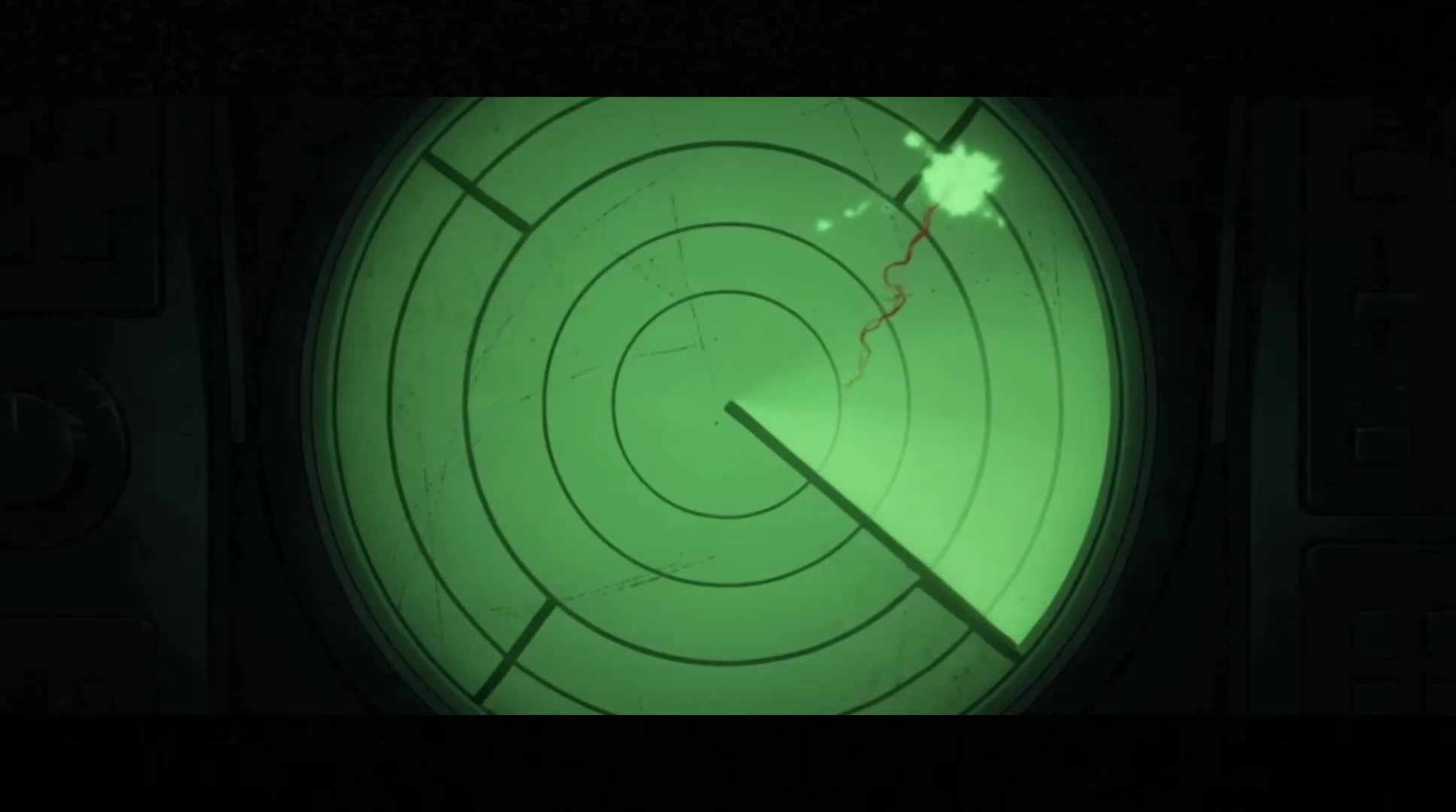
Between approximately 2:15 a.m. and 2:22 a.m., MH370 was tracked by Malaysian military radar crossing the Malay Peninsula from east to west, then continuing northwest over the Strait of Malacca, passing near Penang, and continuing into the Andaman Sea. The aircraft's altitude during this period has been the subject of extensive dispute — Malaysian military radar data suggested extreme altitude changes (possibly climbing to 45,000 feet and descending to 23,000 feet), but the accuracy of primary radar altitude measurements at that range has been questioned. What is not disputed is that the aircraft was, for approximately one hour, flying under active manual control, on a course that took it away from any published Malaysia Airlines flight plan. Someone in the cockpit was flying. It has never been established, publicly, who.

1 min. 46 sec.
MH370's engines carried a satellite communication terminal that automatically 'pinged' the Inmarsat 3-F1 satellite over the Indian Ocean approximately once per hour, as a technical handshake to maintain the communication link. The system continued to ping the satellite for approximately seven hours after the aircraft's disappearance from civilian radar — a fact not widely appreciated until UK-based Inmarsat engineers, over the following two weeks, analysed the raw signal data. The pings did not contain position information. But the timing and Doppler-shift characteristics of the pings — the way the signal's frequency was slightly altered by the aircraft's motion — allowed Inmarsat engineers to reconstruct an approximate arc along which the aircraft must have been located at each ping. The final ping — approximately 8:19 a.m. Malaysian time — placed the aircraft along a wide arc across the southern Indian Ocean. This became the primary basis for every subsequent search.

1 min. 19 sec.
March 8, 2014. Beijing Capital International Airport. Terminal 3. Scheduled arrival gate for MH370: 6:30 a.m. local time. The aircraft did not arrive. Families of the 152 Chinese passengers had, in most cases, come to the airport to meet their relatives. The arrivals board initially showed the flight as delayed. Then as being investigated. Then, several hours later, as 'not landing.' Malaysia Airlines representatives arrived at the airport to speak to the assembled families around 8:30 a.m. The initial statements were, per subsequent public accounts, contradictory and confused. Some families were told the aircraft was still airborne. Others were told it had been diverted. Others were told there was no information available. The families were bussed to a Beijing hotel. They would remain in that hotel — in some cases — for weeks. Nobody in the room at that hotel yet knew that the aircraft they were waiting for was already, by every subsequent reconstruction, at the bottom of the Indian Ocean.

1 min. 47 sec.
March 24, 2014. Sixteen days after the disappearance. Kuala Lumpur. Malaysian Prime Minister Najib Razak addressed an international press conference. He announced that, based on the Inmarsat satellite ping analysis conducted in the intervening two weeks, the Malaysian government had concluded that MH370 had 'ended' in the southern Indian Ocean — 'a remote location, far from any possible landing sites.' The announcement was, in the terms the Malaysian government used, a formal acknowledgement that no survivors could reasonably be expected. Some of the passengers' families received the news via SMS from Malaysia Airlines. The message read: 'We have to assume beyond any reasonable doubt that MH370 has been lost, and that none of those on board survived.' The framing — an SMS notification of the death of 239 people, sent to their families before the announcement had been formally broadcast — became one of the case's most-criticised early institutional decisions.

1 min. 36 sec.
The Inmarsat analysis had established two possible search arcs. The northern arc — which would have taken the aircraft over land, across Central Asia, and potentially into Kazakhstan or northwestern China. The southern arc — which would have taken the aircraft south, into some of the deepest, most remote, and least-charted ocean waters on Earth. Analysis of the Doppler-shift data, refined across the first weeks of March, narrowed the analysis to the southern arc alone. This decision has been questioned by some subsequent independent analysts. The Malaysian government, the UK Air Accidents Investigation Branch, and the Australian Transport Safety Bureau — which took over the operational search — all concluded, formally, that the southern arc was the correct locus. The aircraft, per this analysis, had flown for approximately six hours south of the Malaysian coast, along a path that terminated somewhere in a vast area of the southeastern Indian Ocean, west of Perth, Australia.

1 min. 36 sec.
March 2014 to January 2017. The largest deep-sea search in aviation history was conducted across a designated priority search area of approximately 120,000 square kilometres of the southeastern Indian Ocean. The Australian Transport Safety Bureau led the operation. Assets from Australia, Malaysia, China, the United States, the United Kingdom, and other nations participated. The search deployed autonomous underwater vehicles, towed sonar arrays, and specialised research vessels — including the Fugro Discovery, the Fugro Equator, and the GO Phoenix. The ocean floor in the search area reaches depths of up to 6,000 metres. The seabed is characterised by underwater mountain ranges, deep trenches, and thick sediment. The search mapped over 120,000 square kilometres in unprecedented detail. It produced one of the most comprehensive bathymetric surveys of any deep ocean region in scientific history. It did not find the aircraft.

1 min. 22 sec.
July 29, 2015. Saint-André, Réunion Island. Approximately 4,000 kilometres west of the priority search area, in the western Indian Ocean. A beach cleaner named Johnny Bègue found a large piece of aircraft debris washed up on the shore. It was approximately two metres long, encrusted with barnacles, and carried the identifier 657 BB. It was subsequently confirmed by French aviation authorities as a Boeing 777 flaperon — specifically, one of MH370's flaperons. It was the first piece of the aircraft recovered anywhere in the world in the sixteen months since its disappearance. The specific identifier on the recovered part matched Malaysia Airlines maintenance records. The debris was, per drift analysis, consistent with a March 2014 crash site in the southern Indian Ocean followed by 16 months of drift on the South Equatorial Current westward across the Indian Ocean toward Africa. It was the first physical confirmation, sixteen months later, that MH370 was actually gone.

1 min. 32 sec.
Between July 2015 and 2018, approximately 33 pieces of confirmed or possible MH370 debris were recovered along the eastern coast of Africa and on Indian Ocean islands — from Mozambique, South Africa, Madagascar, Mauritius, Réunion, Rodrigues, and Tanzania. Confirmed pieces included wing sections, cabin interior panels, and — most poignantly — pieces of internal cabin trim that had been part of the aircraft's living passenger space. Drift-modelling analysis by Australian oceanographers established that the recovered debris was consistent with the southern arc search area — that is, with an ocean crash site in the southeastern Indian Ocean approximately 2,000 kilometres west of Perth. The debris confirmed the aircraft's fate. It did not, however, resolve the aircraft's exact location. The recovered pieces represented a small fraction of the aircraft's total mass. The remainder — including the flight-data and cockpit-voice recorders — remains on the ocean floor.

1 min. 37 sec.
The Malaysian ICAO Safety Investigation Report, published in 2018, and the various independent analyses that have followed it, have converged — with substantial disagreement about details — on a general characterisation of the most probable scenario. The transponder and ACARS shutoffs, the 180-degree turn, the seven-hour flight to fuel exhaustion in the southern Indian Ocean, and the specific navigation waypoints the aircraft appears to have followed — all of these have been analysed as consistent with a scenario in which the aircraft was under active manual control by someone who knew the aircraft's systems and Malaysian airspace geography. The most-cited candidate is Captain Zaharie Ahmad Shah. Analysis of the flight-simulator data recovered from his home computer, published in 2016, showed simulated flight paths from Kuala Lumpur south toward the Indian Ocean, terminating at fuel exhaustion — paths that resembled the reconstructed MH370 route. The evidence is circumstantial. It is also, per every serious modern analysis, the most probable single explanation available.

1 min. 38 sec.
January 17, 2017. The Australian Transport Safety Bureau formally suspended the operational search. In a joint statement with the Malaysian and Chinese governments, the ATSB noted that despite the most extensive underwater search in history, 'the aircraft has not been located.' The suspension was not the same as ending the case. Governments retained the option to reopen active search if new credible evidence emerged. The families of the 239 lost passengers and crew reacted with grief and public criticism. Several family-led organisations, including Voice370, called for the search to continue. A subsequent renewed search effort by the private company Ocean Infinity in early 2018 — under a 'no find, no fee' commercial arrangement with the Malaysian government — extended the mapped ocean-floor area but also did not locate the aircraft. As of January 2017, MH370 was formally, if not permanently, a suspended case.

1 min. 40 sec.
2018 to the present. Ocean Infinity, a Texas-based marine robotics company, has conducted two separate active searches for MH370 — the first in early 2018, under commercial contract to the Malaysian government, and a second announced in 2024 and continuing into 2025 and 2026. The 2018 search extended the total mapped area to approximately 200,000 square kilometres of the southern Indian Ocean and used autonomous underwater vehicles capable of surveying ocean floor at depths beyond 6,000 metres. It did not find the aircraft. The 2024-2025 search, still ongoing at the time of writing, has focused on a revised priority area developed from further oceanographic analysis, including newly-modelled drift studies of the recovered African debris. The Malaysian government has publicly committed to pay Ocean Infinity a substantial fee only in the event of a confirmed find. As of the current writing, the aircraft has still not been located.

1 min. 47 sec.
As of March 8, 2026 — the twelfth anniversary of the disappearance — the case remains formally unresolved. The aircraft has not been located. The flight-data and cockpit-voice recorders have not been recovered. No survivors have ever been found. The 239 people who boarded 9M-MRO at Kuala Lumpur on the night of March 7 to 8, 2014 remain lost. Their families — from Malaysia, China, Indonesia, Australia, France, the United States, New Zealand, Ukraine, Russia, the Netherlands, Iran, Canada, and a handful of other countries — continue to mark the anniversary each year. Some have travelled to Réunion, to the beach where the flaperon was found, and left flowers. Others have never spoken publicly about the case. The Ocean Infinity search continues. Analysts continue to refine the drift models. Aviation historians continue to write about what a modern commercial passenger aircraft, tracked by satellite and monitored by multiple national radar systems, could still — in the twenty-first century — simply disappear. The answer, in some form, is still somewhere in the Indian Ocean. It has just, so far, not agreed to be found.