
20 episodes
jollybusyperch
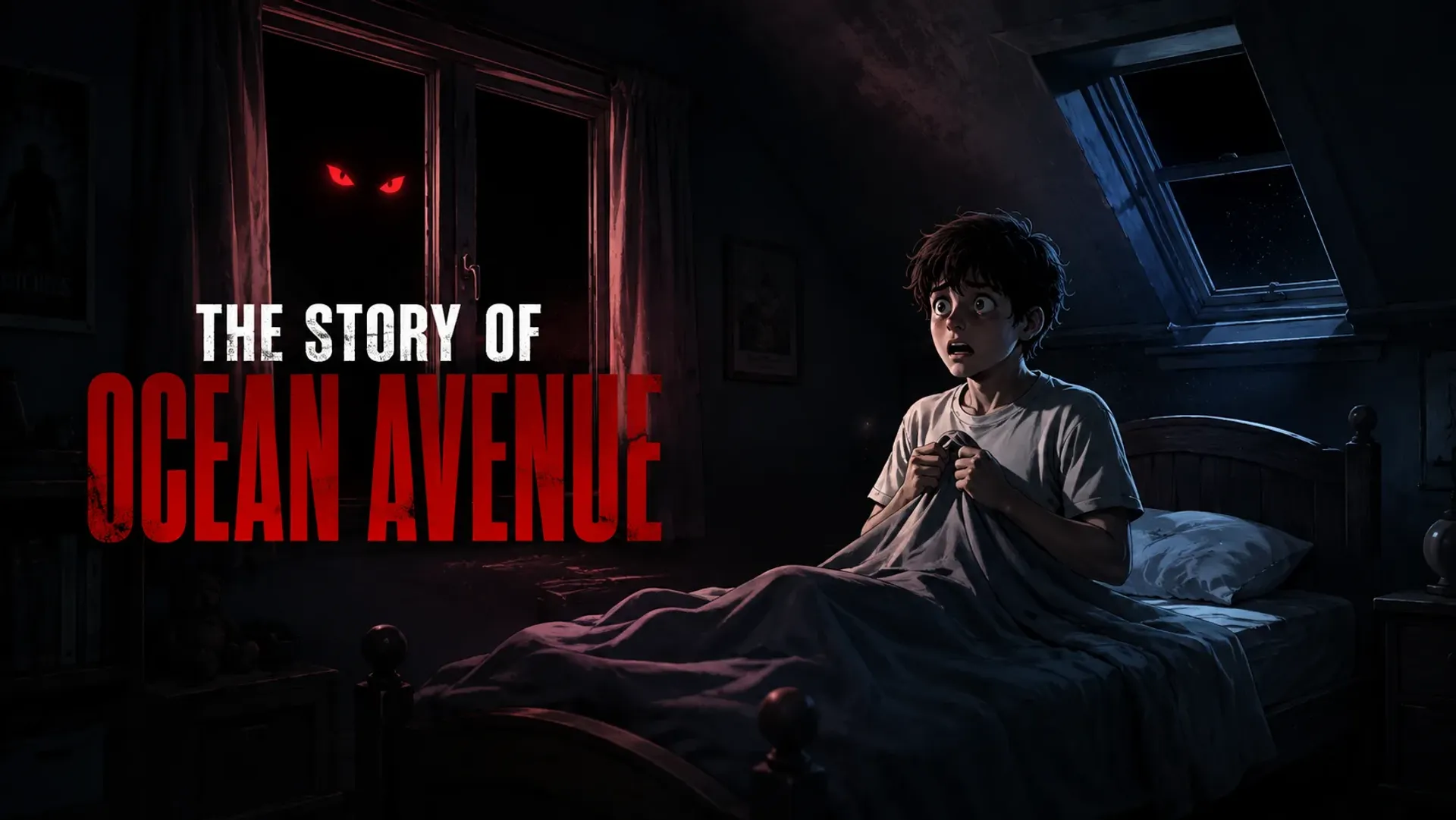
At approximately 3:15 a.m. on the morning of Wednesday, 13 November 1974, six members of the DeFeo family were shot in their beds in the Dutch Colonial house they lived in at 112 Ocean Avenue, Amityville, Long Island. The eldest son, Ronald DeFeo Jr., aged 23, was subsequently convicted of all six killings. In the fifty years since the murders, the DeFeo family has been substantially erased from the public memory of the case — displaced by a fabricated haunting narrative sold to publishers in the years immediately following. This series is about the six people who lived at 112 Ocean Avenue, the son who killed them, the Suffolk County investigation that produced a conviction within eight days, and the specific way in which the fabricated story that followed was manufactured, marketed, and later admitted by its own creators. This is the case as it happened. Not the case as it was sold.
20 episodes
1:17
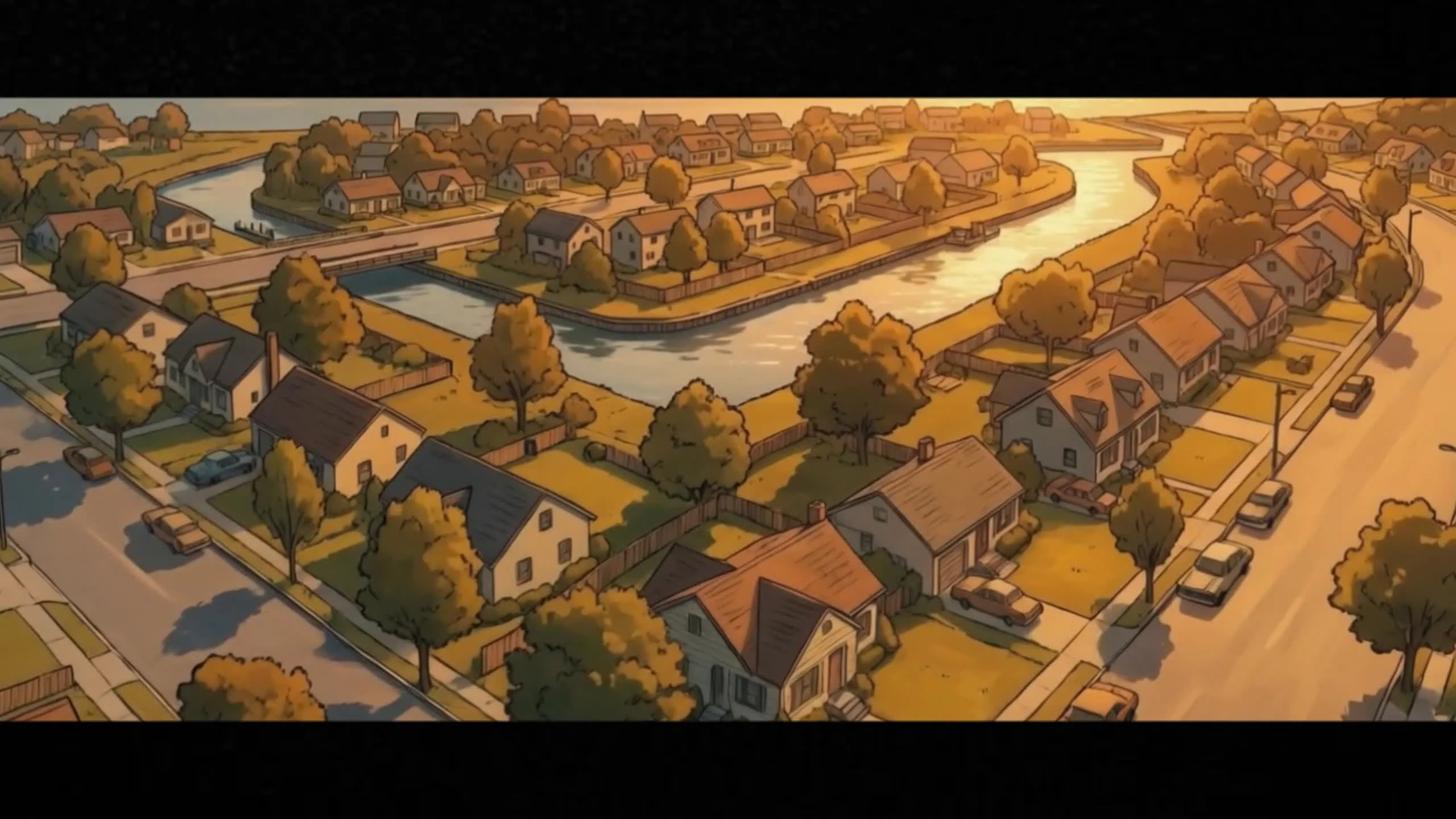
They named the house High Hopes. They hung the name on a wooden sign at the front door. From 1965 to 1974, that was where they lived. On the night of 13 November 1974, six of them died there. And in the fifty years since, the specific fact that they lived there — that they were a family, that they had names, that they were people — has been almost entirely displaced from public memory by the fabricated ghost story that would follow.
1:19
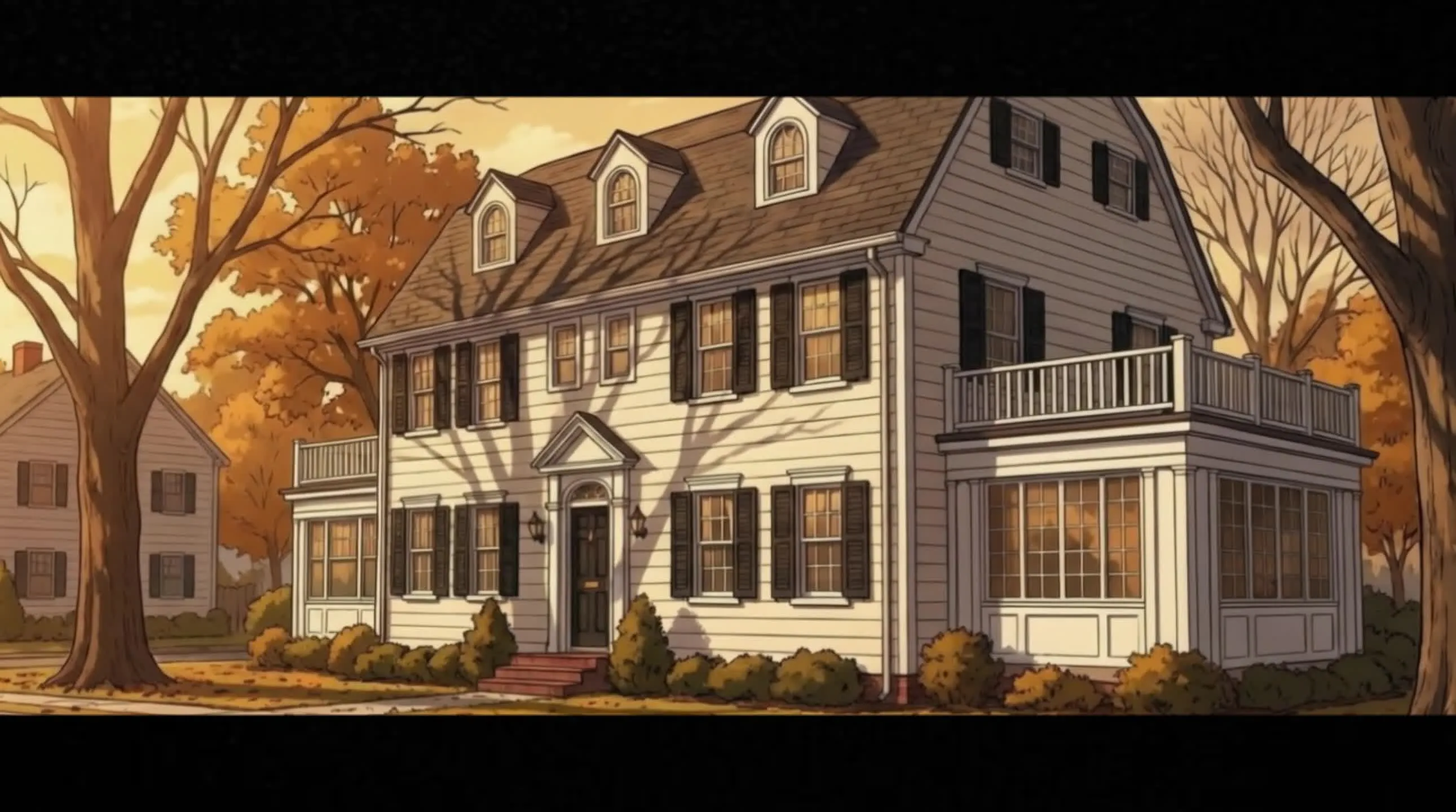
For nine years and five months, the house on Ocean Avenue was the DeFeo family home. Six people lived in it — a father, a mother, and four of their five children, with the eldest son also resident during his adult years. It was the specific setting in which four children grew up. It was the specific setting in which Dawn DeFeo graduated from Amityville Memorial High School. It was, until 3 a.m. on the morning of 13 November 1974, one of the ordinary family homes of one of the ordinary Long Island villages of postwar America.
1:21
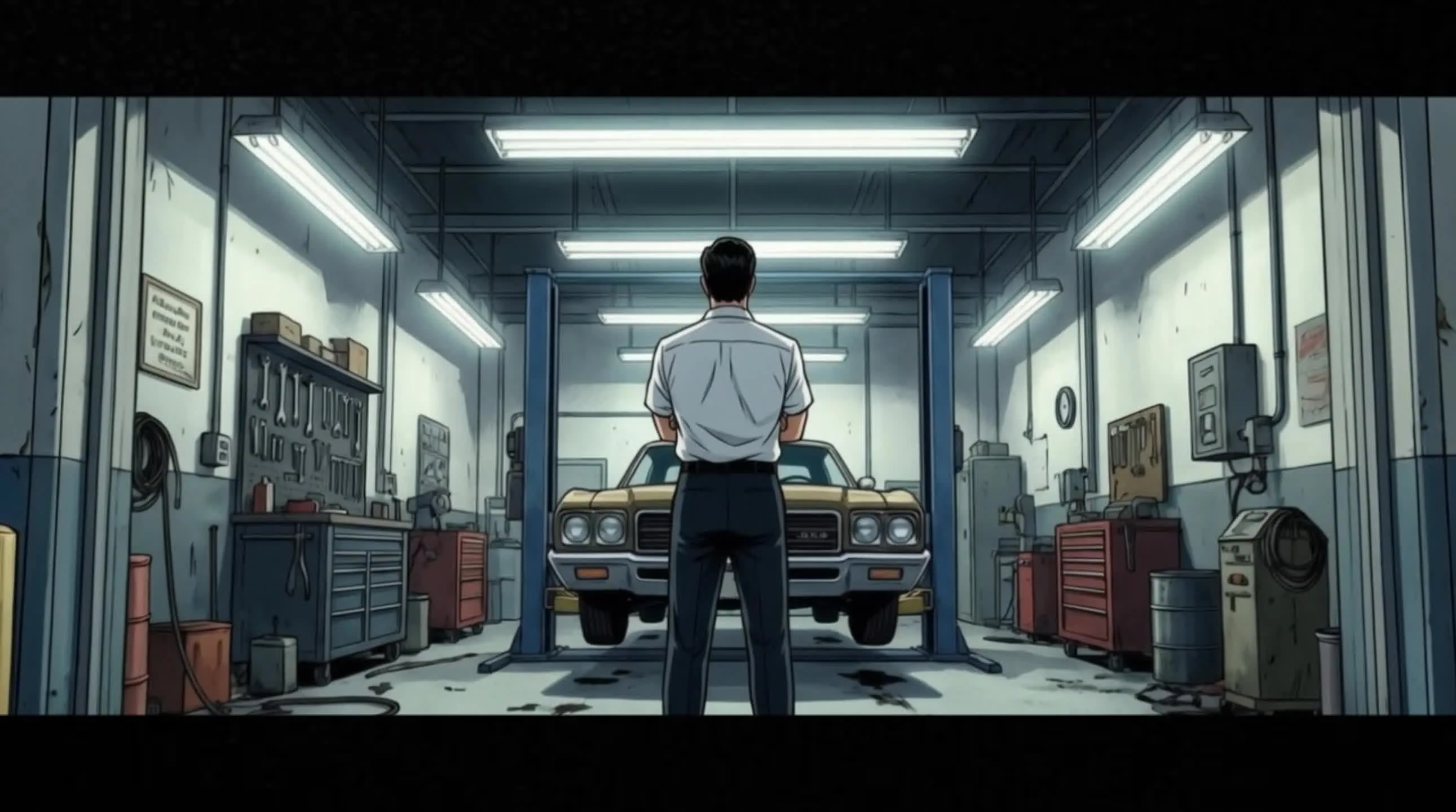
They were, in every respect, a specific family — a middle-class Long Island household of the postwar type. Ronald Sr. commuted daily to Brooklyn. Louise ran the household. The four youngest children attended local schools. The eldest son, Ronald Jr., worked for his father at the family dealership. That was, on paper, the shape of their lives. The specific facts of what was happening inside that shape — the specific conflict between Ronald Sr. and Ronald Jr., the specific tensions that would erupt on the night of 13 November — had been building, per every subsequent account, for years.
1:06
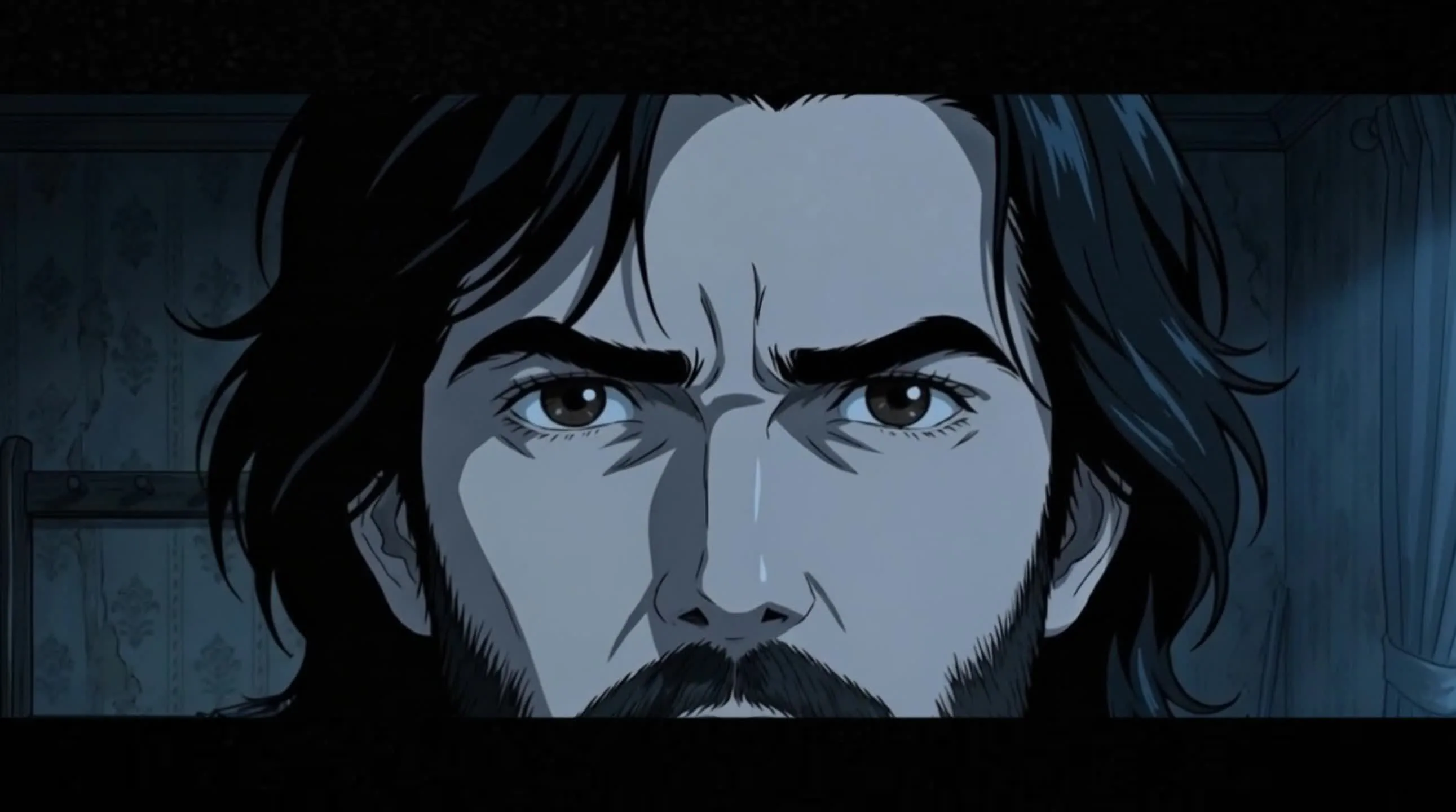
He was, at 23 years of age, a young adult who had never left his parents' house. He was employed at his father's workplace. He worked under his father's direct supervision. He was resented, per his own subsequent statements, by that father. He resented that father in return. On the evening of 12 November 1974, per the reconstructed timeline of the case, he was in his second-floor bedroom in the house at 112 Ocean Avenue. He was armed. And what he was thinking, per the testimony he would give at trial one year later, has been the subject of forensic and legal debate ever since.
1:07
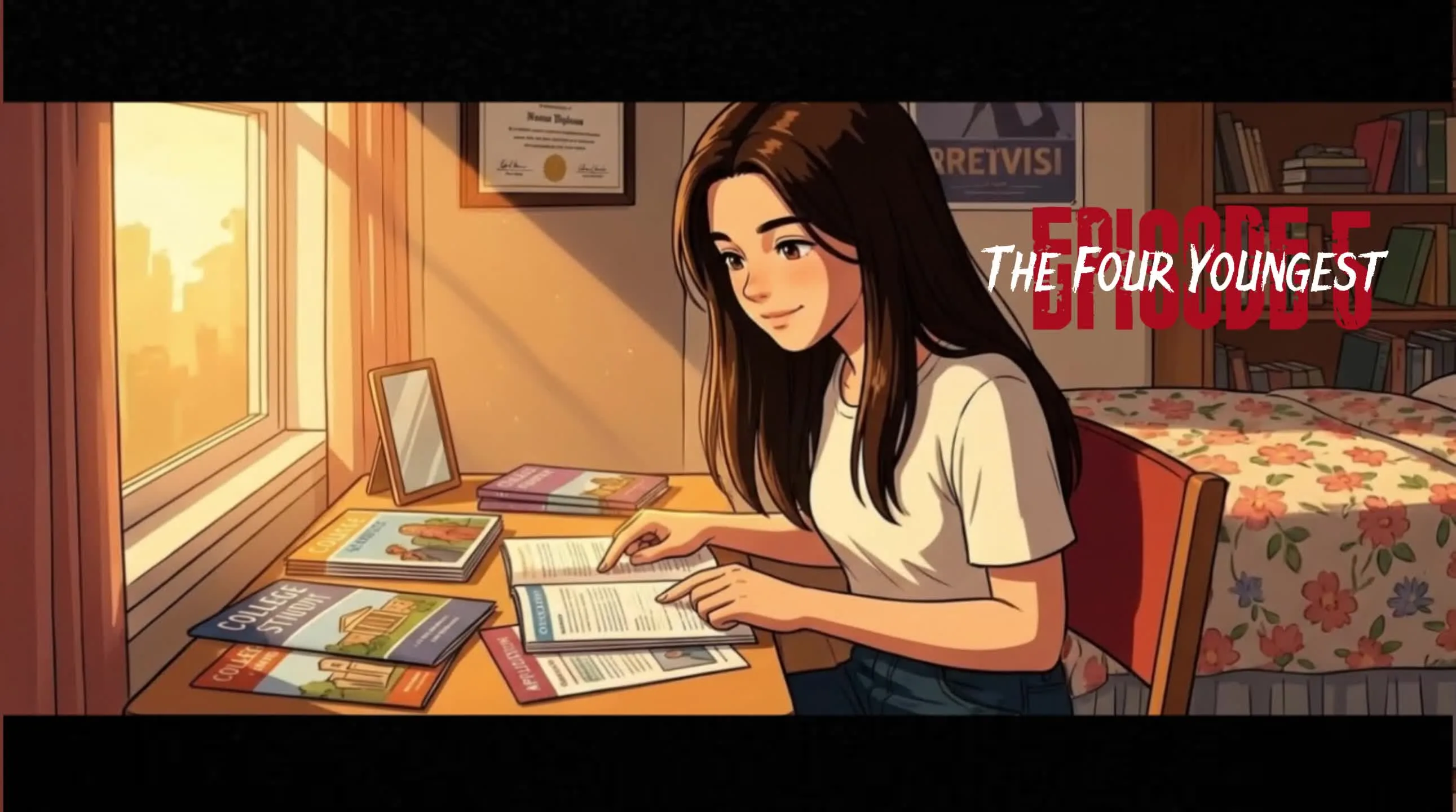
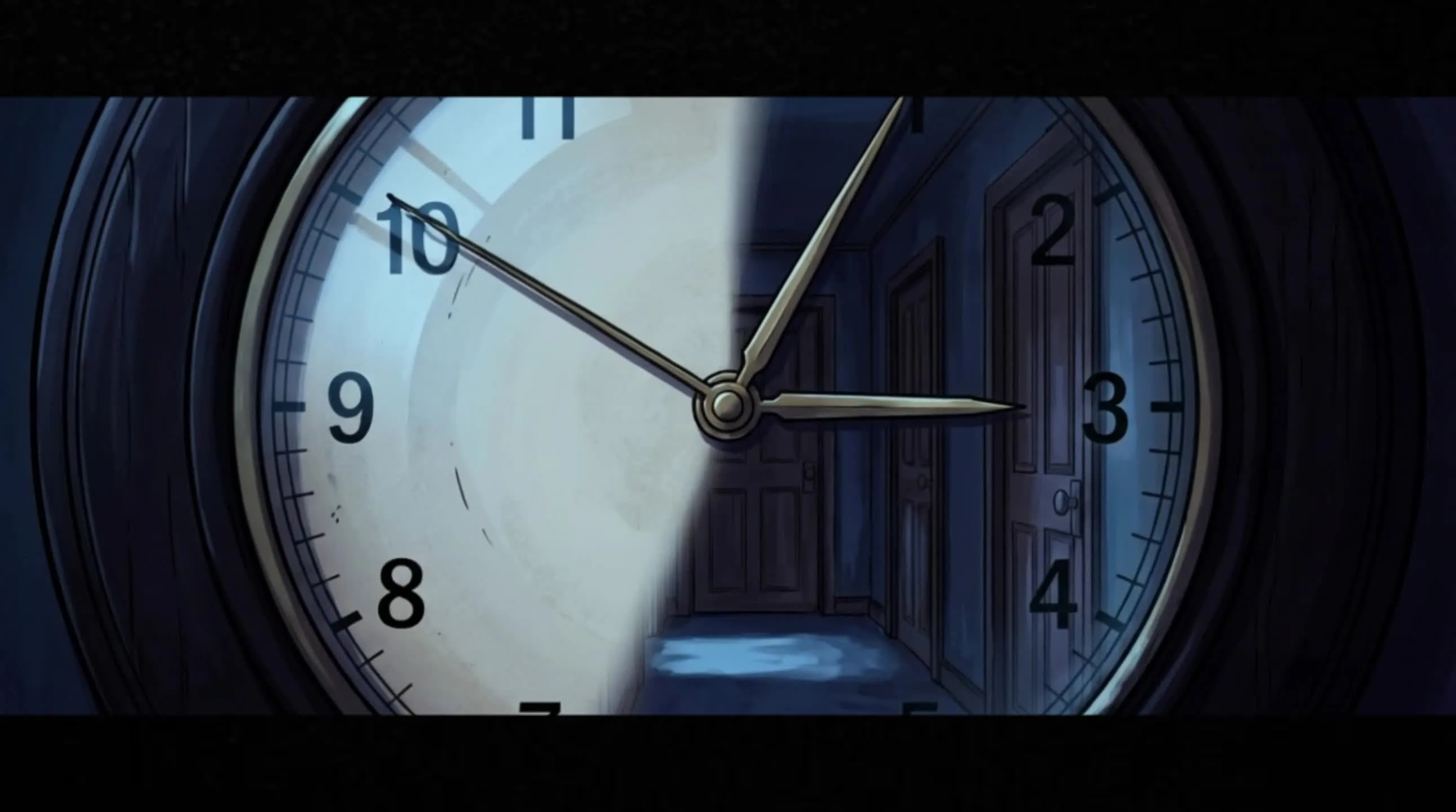
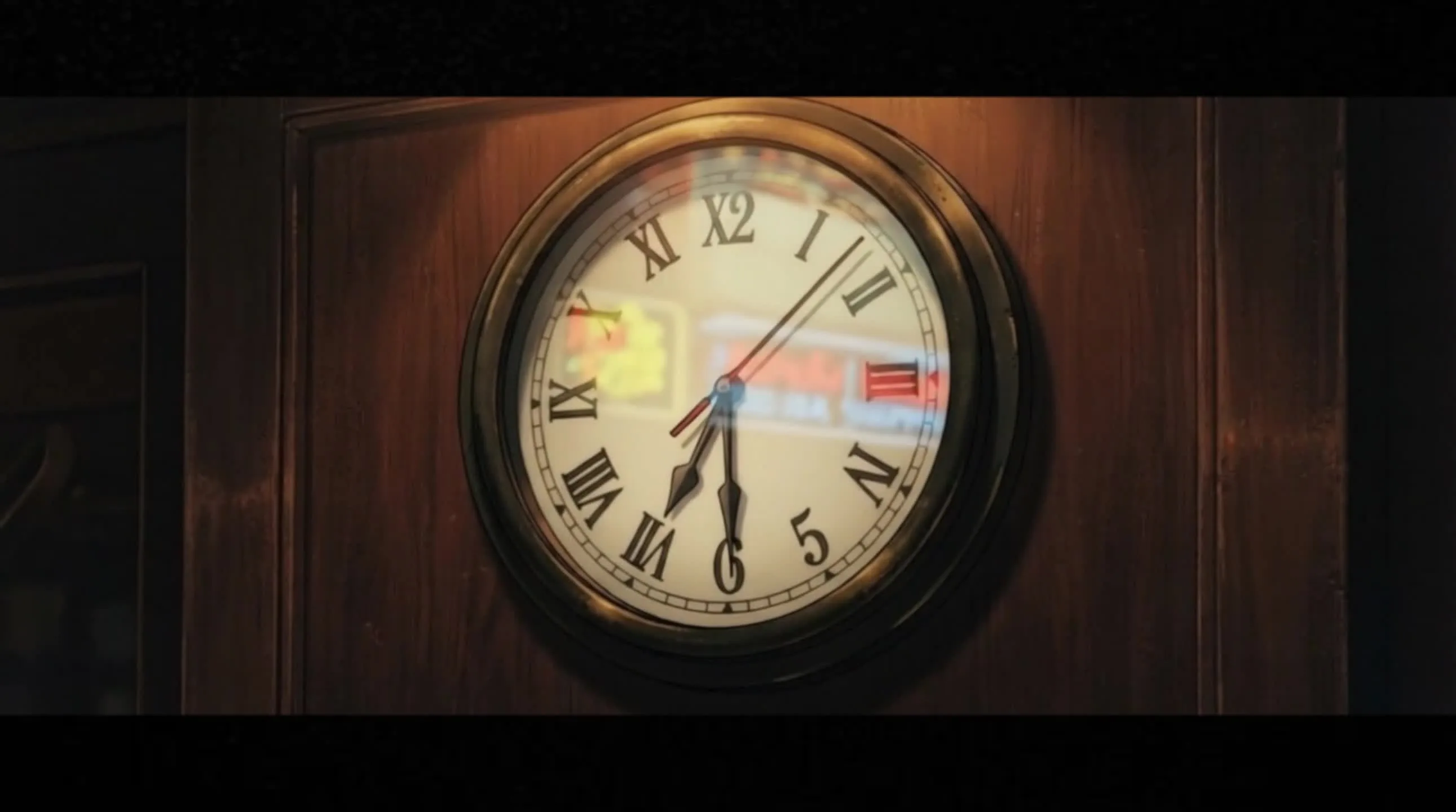
On the evening of 12 November 1974, Ronald Sr., Louise, Dawn, Allison, Marc, and John DeFeo went to bed in the Ocean Avenue house. Ronald DeFeo Jr. went to his own second-floor bedroom. It was, in every documented respect, an entirely ordinary Tuesday evening in Amityville. Between approximately 3 and 3:30 a.m. on the morning of Wednesday, 13 November 1974, that ordinariness ended. In a specific sequence of rooms, with a specific rifle, over a period of approximately fifteen minutes, six members of the DeFeo family were shot while they slept.
1:43
A .35 caliber Marlin rifle discharged inside a wood-framed suburban house produces a report loud enough to wake sleeping occupants of every room. Six people were shot in five separate bedrooms across two floors of one specific house, over a period of approximately fifteen minutes. None of them, per the autopsy findings, appeared to have woken up. The specific reason no one woke up was one of the questions the Suffolk County investigation never definitively answered. It has, in the fifty years since, been the case's most-analysed forensic puzzle.
1:11
The specific fact that Ronald DeFeo Jr. spent approximately fifteen hours between the shootings and the phone call — that he moved through Amityville during that day, spoke to people, visited public places, and did not himself telephone the police — was noted by Suffolk County detectives from the earliest hours of the investigation. The specific interval of fifteen hours was, in the specific circumstances of the case, one of the pieces of behavioural evidence that would, within twenty-four hours, force the investigation onto a specific and unanticipated path.
1:11
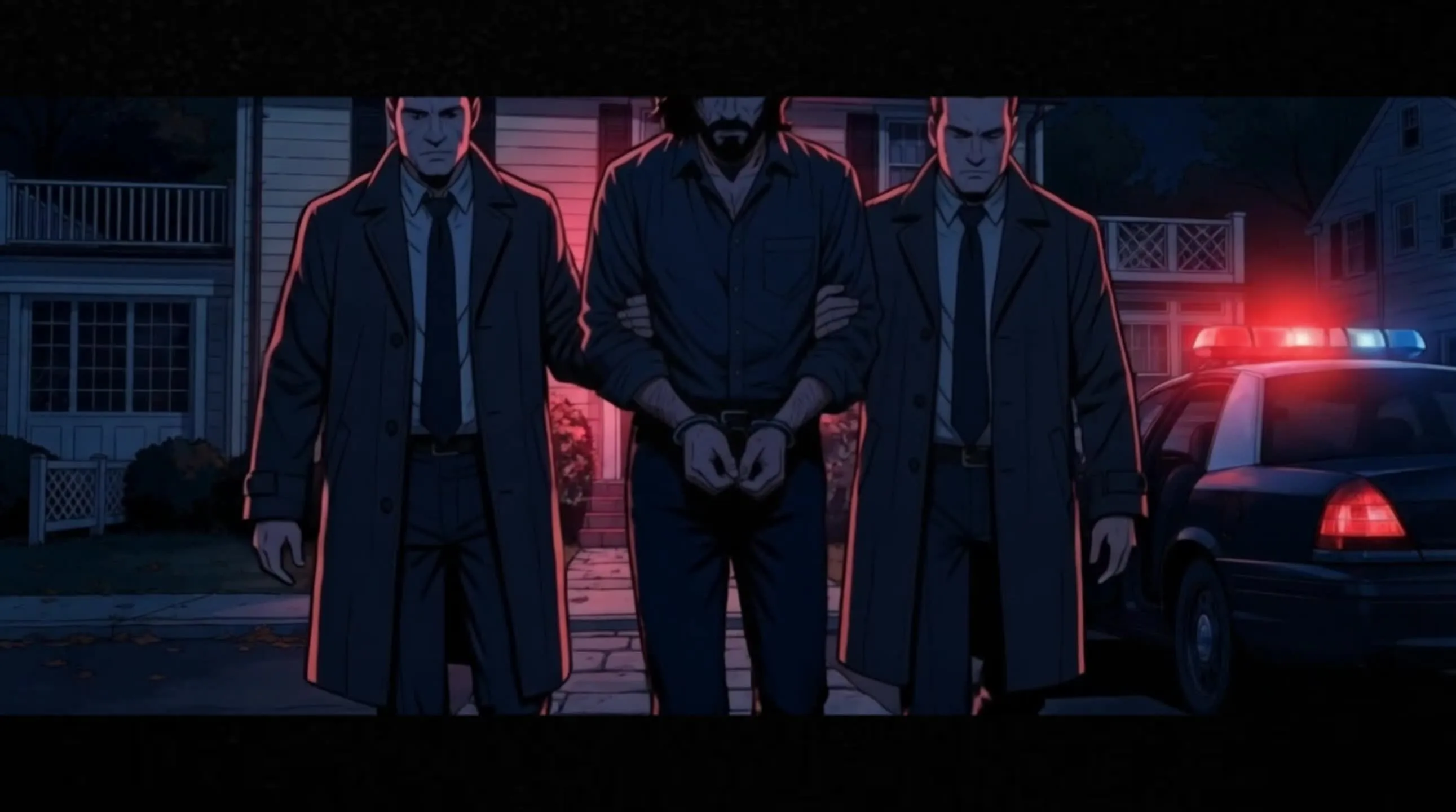
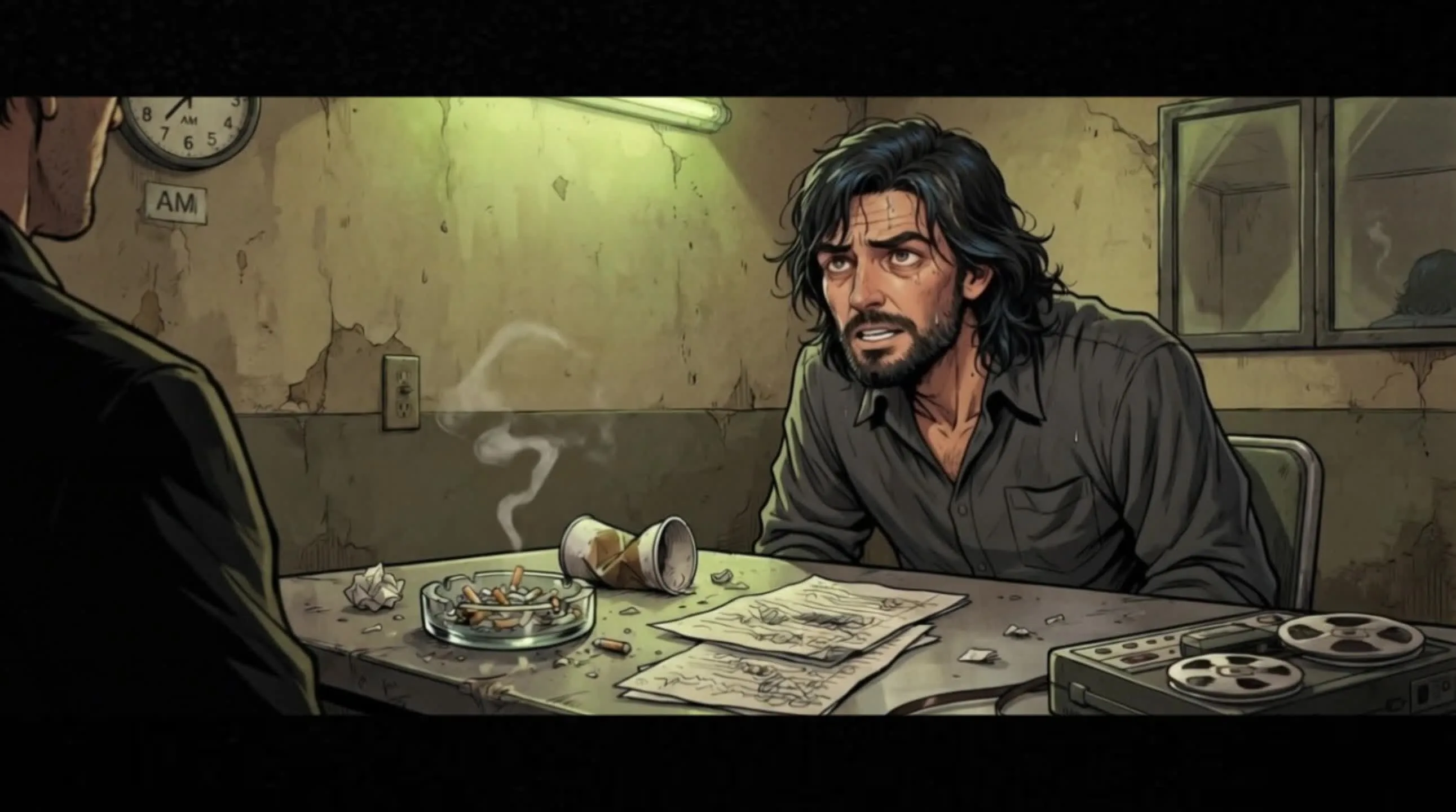
Suffolk County's initial suspicion of Ronald DeFeo Jr. was based on three specific facts. First: the specific fifteen-hour delay between the shootings and his call for help. Second: the specific fact that six people had been shot inside one house without any of them apparently waking up — a fact that implicated a shooter familiar with the house and possibly familiar to the victims. Third: the specific and immediate collapse, under verification, of DeFeo Jr.'s claim about Louis Falini. The detectives continued the interview into the early morning hours of 14 November.
1:02
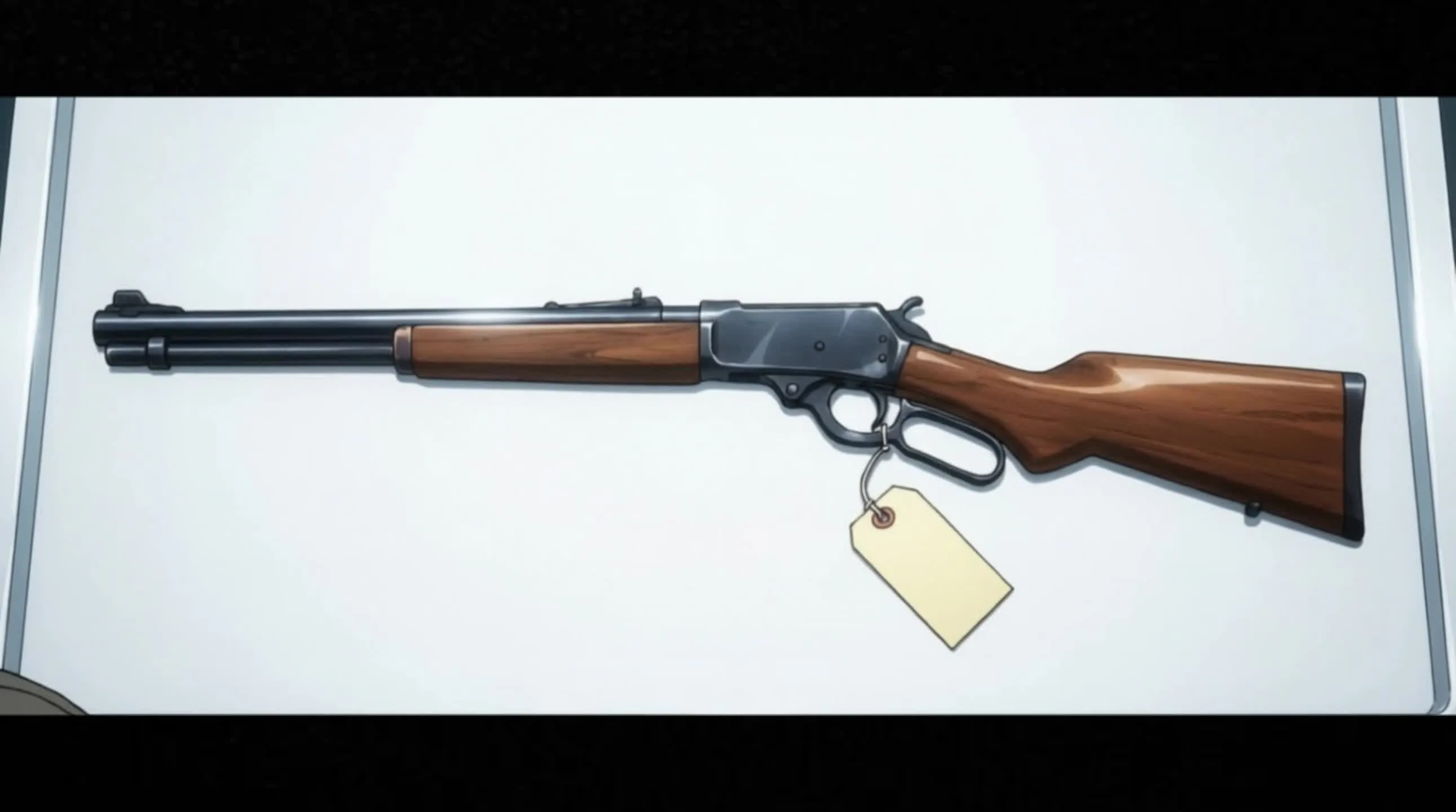
The specific interval between the killings and the confession was approximately 27 hours. Within that interval, Suffolk County had responded to the scene, catalogued the bodies, transported the surviving family member to the precinct, verified the collapse of his initial alibi, elicited a full formal confession, recovered the murder weapon from the location he specified, and confirmed the ballistic match. It was, by every subsequent professional standard, a rapid and forensically complete homicide investigation. And it would nonetheless be nearly a year before the case reached trial.
1:23
The forensic puzzle of the six sleeping victims has been one of the central unresolved features of the case for fifty years. The most rigorous subsequent analysis — including that of prosecutor Gerard Sullivan in his 1981 co-authored book 'High Hopes: The Amityville Murders' — has concluded that the answer probably involves a combination of factors that will never now be fully established. What is established is what was recovered from the storm drain, what the ballistics confirmed, and what Ronald DeFeo Jr. signed on the morning of 14 November 1974.
1:05
The specific claim about voices — voices telling him to commit the killings — did not appear in DeFeo Jr.'s original confession of 14 November 1974. It appeared in his own trial testimony one year later. It was, per subsequent legal analysis, a specific construction of the insanity defence that his attorney William Weber had been preparing throughout the intervening eleven months. It would be rejected by the jury in November 1975. Approximately two years after that rejection, however, the specific idea of voices in the house at 112 Ocean Avenue would appear again — under a different name, in a different context, and in the service of a specific commercial project.
1:30
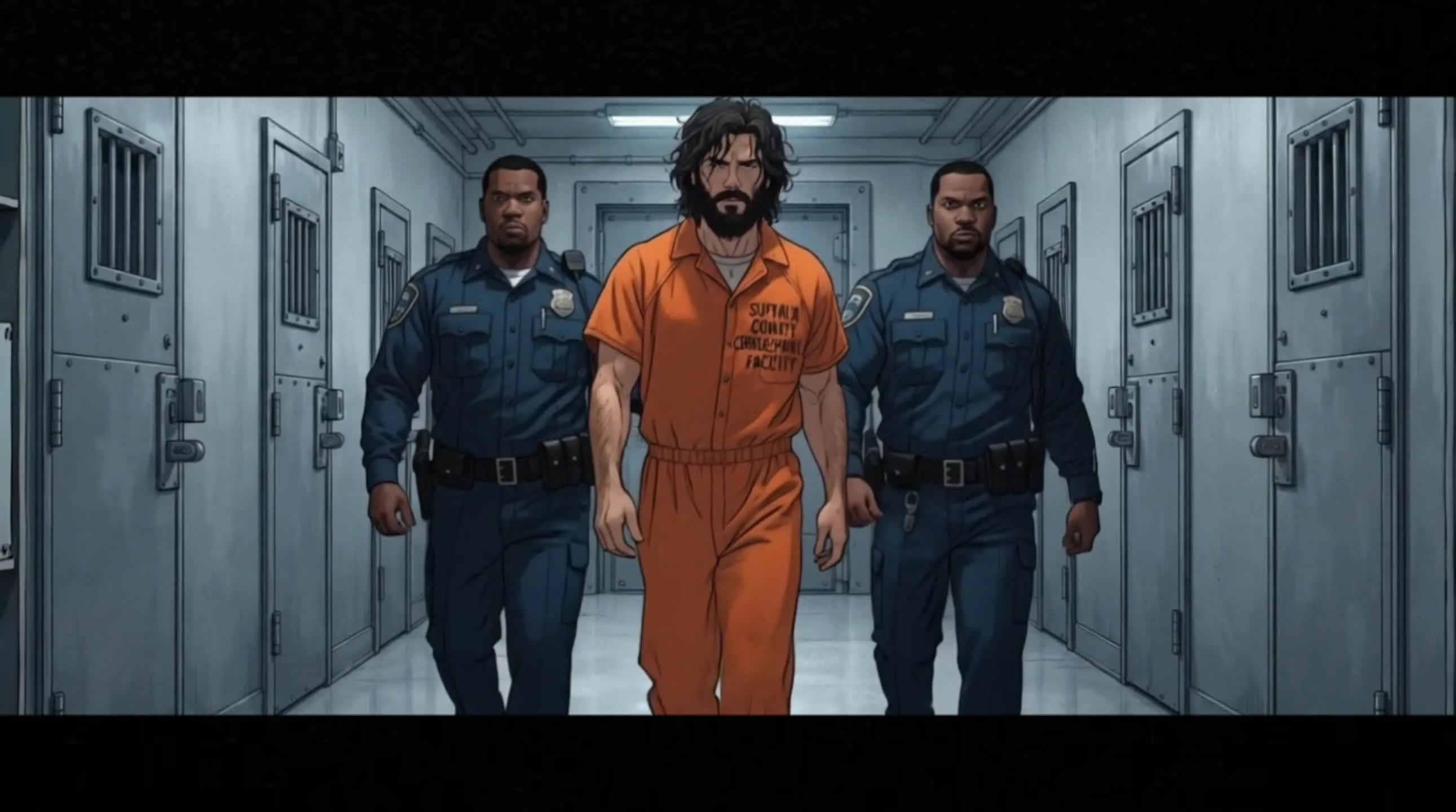
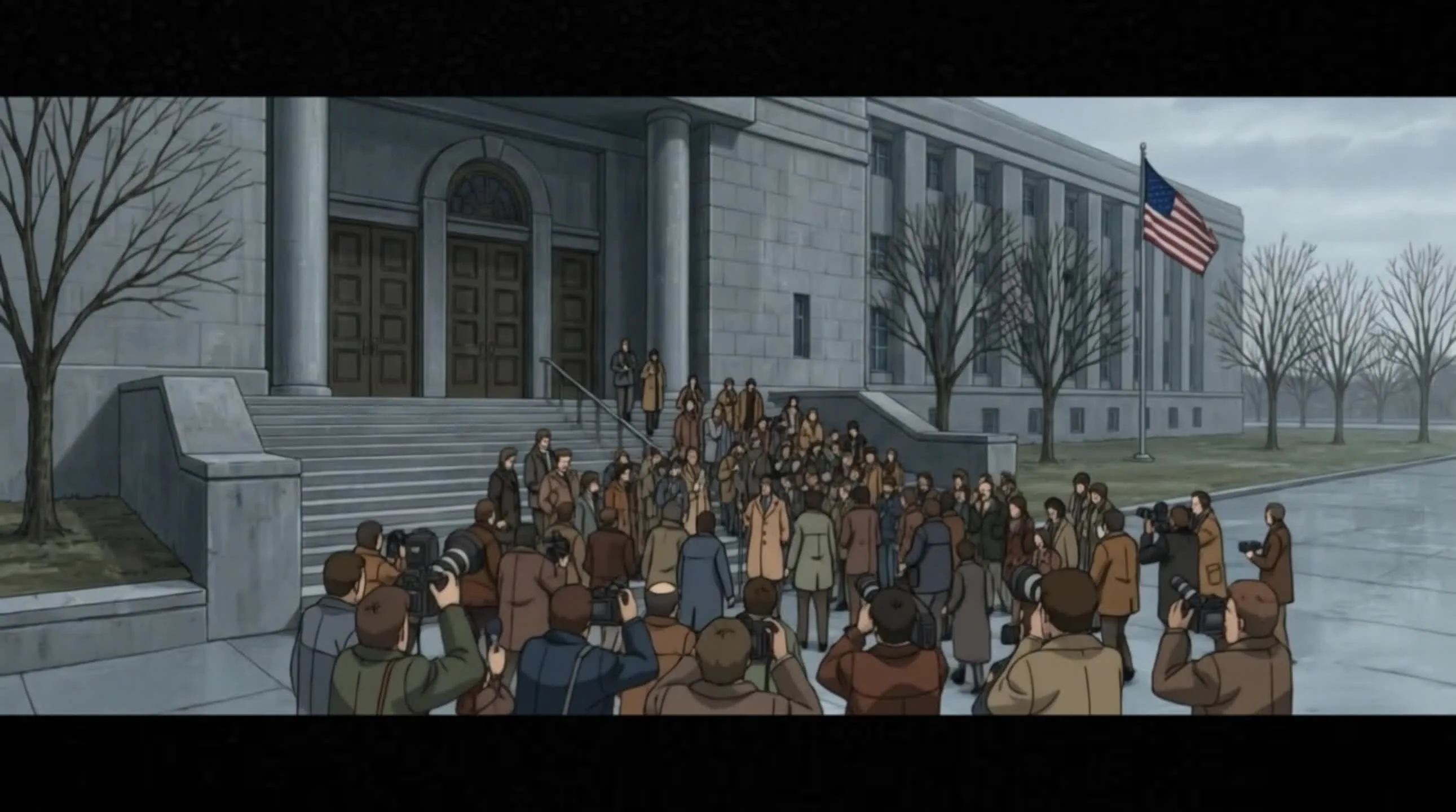
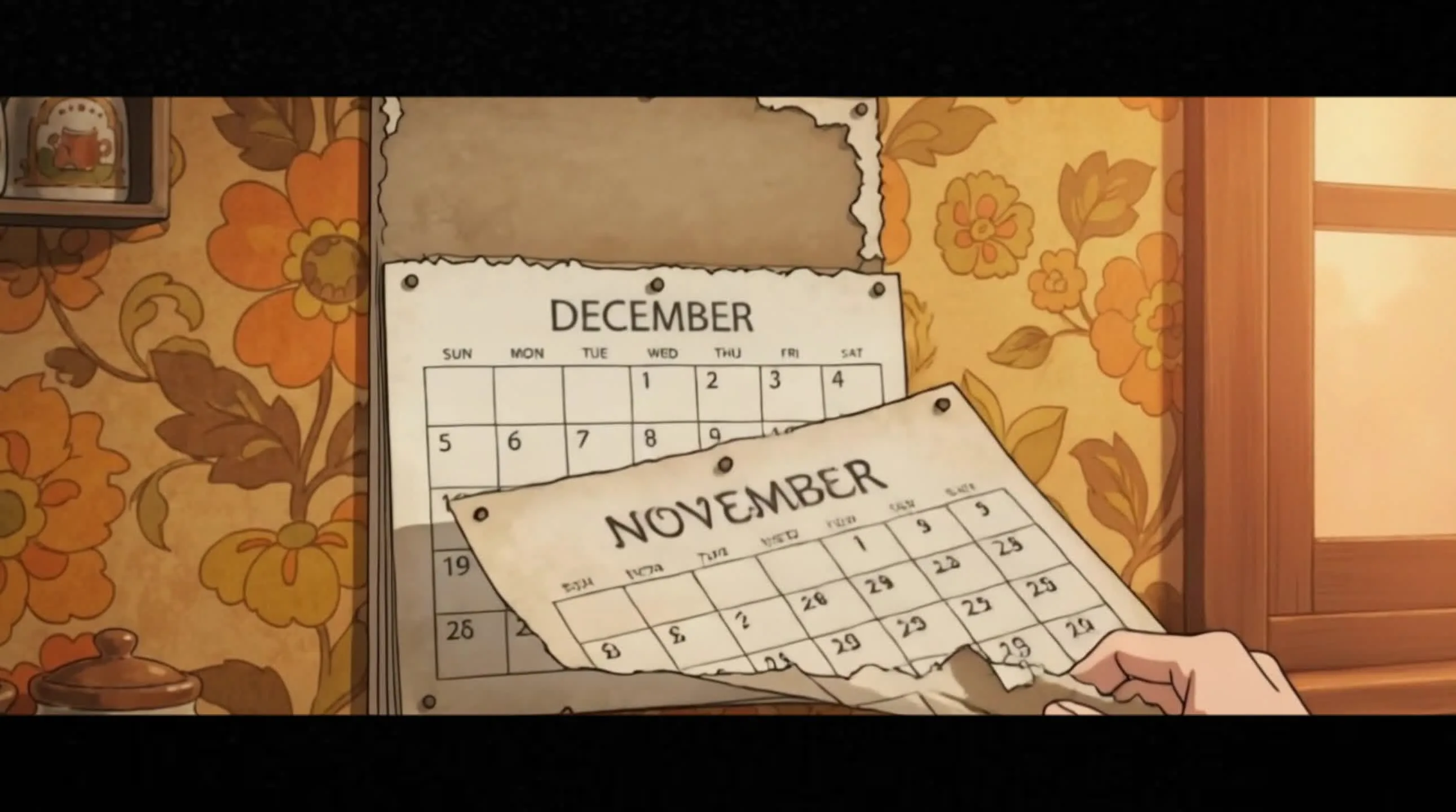
Justice Stark ordered a pre-sentence investigation. Sentencing was scheduled for 4 December 1975. On that date, in the same Riverhead courtroom, Ronald DeFeo Jr. was sentenced to six consecutive terms of 25 years to life — an effective sentence of 150 years to life imprisonment, with no possibility of parole eligibility for a minimum of 25 years. He was 24 years old. He would spend the remaining 45 years of his life in New York State custody. He would never be released. And on 18 December 1975 — two weeks after sentencing — a young couple named George and Kathleen Lutz purchased the house at 112 Ocean Avenue for $80,000.
1:16
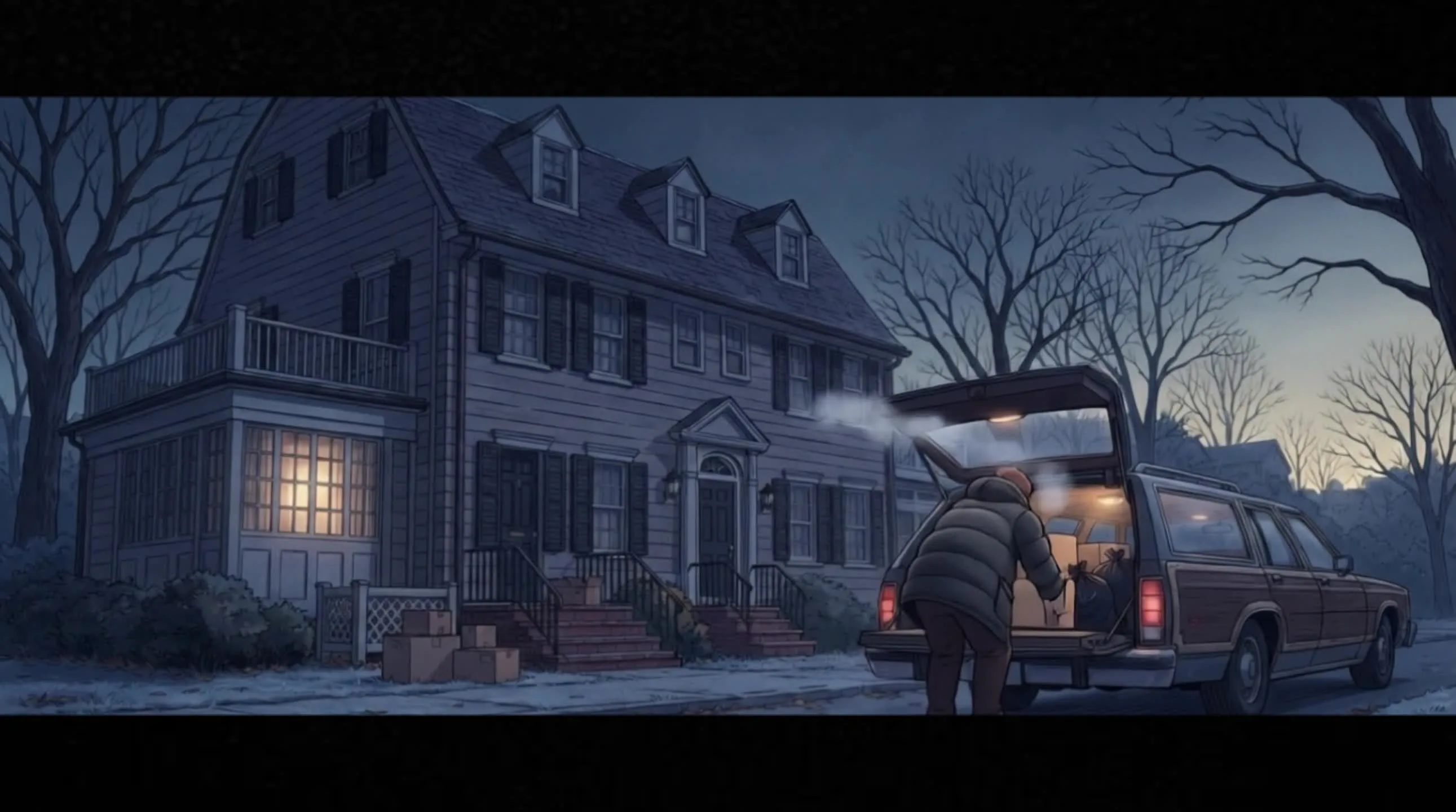
The Lutzes' subsequent public account of those 28 days would become the source material for one of the most commercially successful publishing and film franchises of the twentieth century. The specific account they gave — of paranormal phenomena, of demonic manifestations, of a voice speaking to their eldest son, of hoofprints in the snow outside the house — would be presented to the American public as documented fact. It would generate, across the following five decades, hundreds of millions of dollars in book sales, film revenues, and merchandise licensing. It would also, in the specific documented statements of one of the men who helped create it, turn out to have been substantially fabricated.
1:20
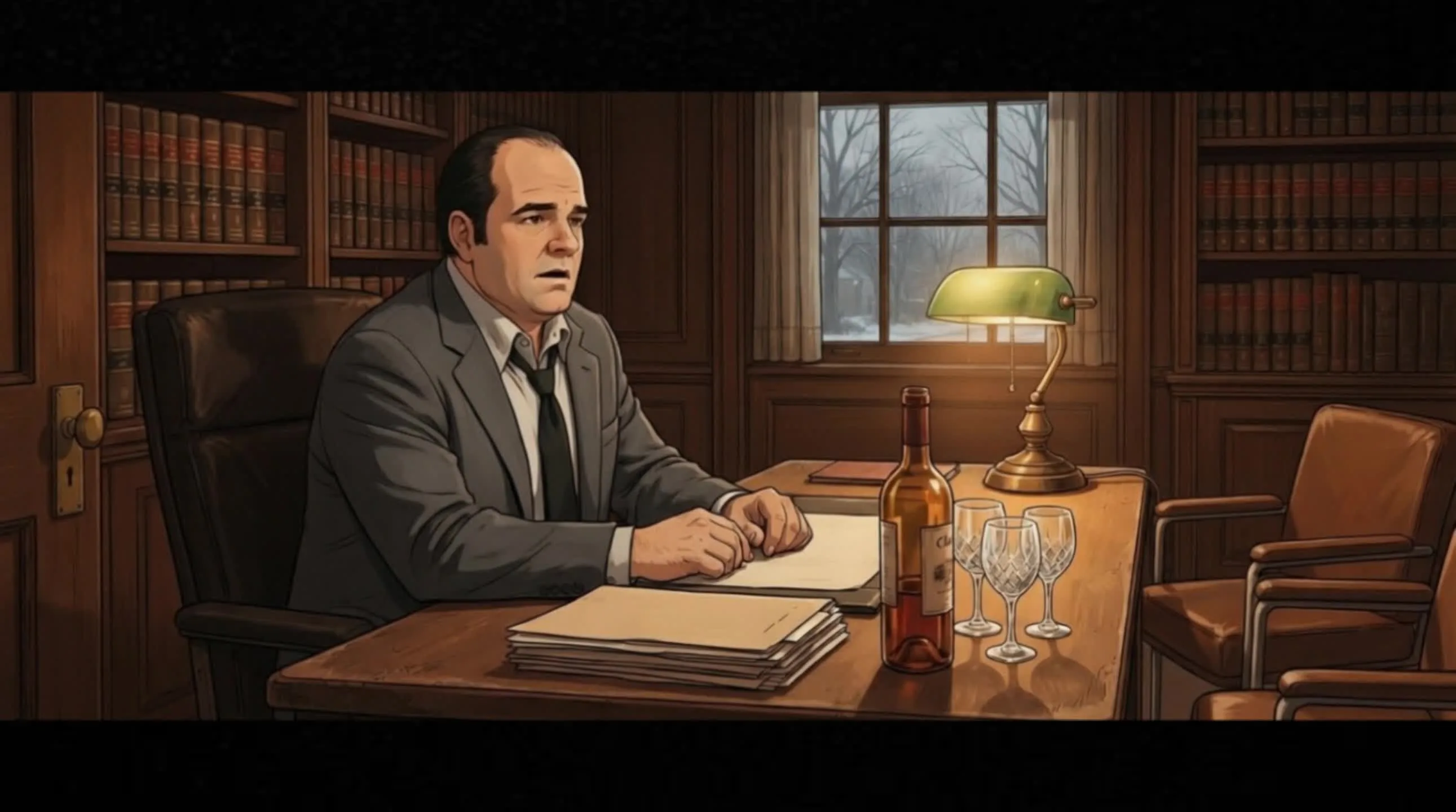
Within weeks of vacating the house, the Lutzes had approached a specific man in Suffolk County to discuss what had happened to them there. That specific man was William E. Weber — the same William E. Weber who had, one year earlier, defended Ronald DeFeo Jr. at trial. The subsequent meeting between the Lutzes and Weber, and the specific outcome of that meeting, would become the foundational event in the case's fabricated aftermath. It is the specific meeting Weber himself, in a 1979 interview and a 1979 lawsuit, would publicly describe.
1:09
Weber's 1979 statement — 'we created this whole thing over many bottles of wine' — is, in the specific historical record of the case, the most direct available public admission from a documented participant that the paranormal narrative of Amityville was fabricated. Weber was in a legally privileged and factually informed position to know. He had personally represented Ronald DeFeo Jr. at trial. He had spent a year with the actual case file. He had met the Lutzes within weeks of their vacating the house. And in 1979, on the record, he called it what he called it.
1:28
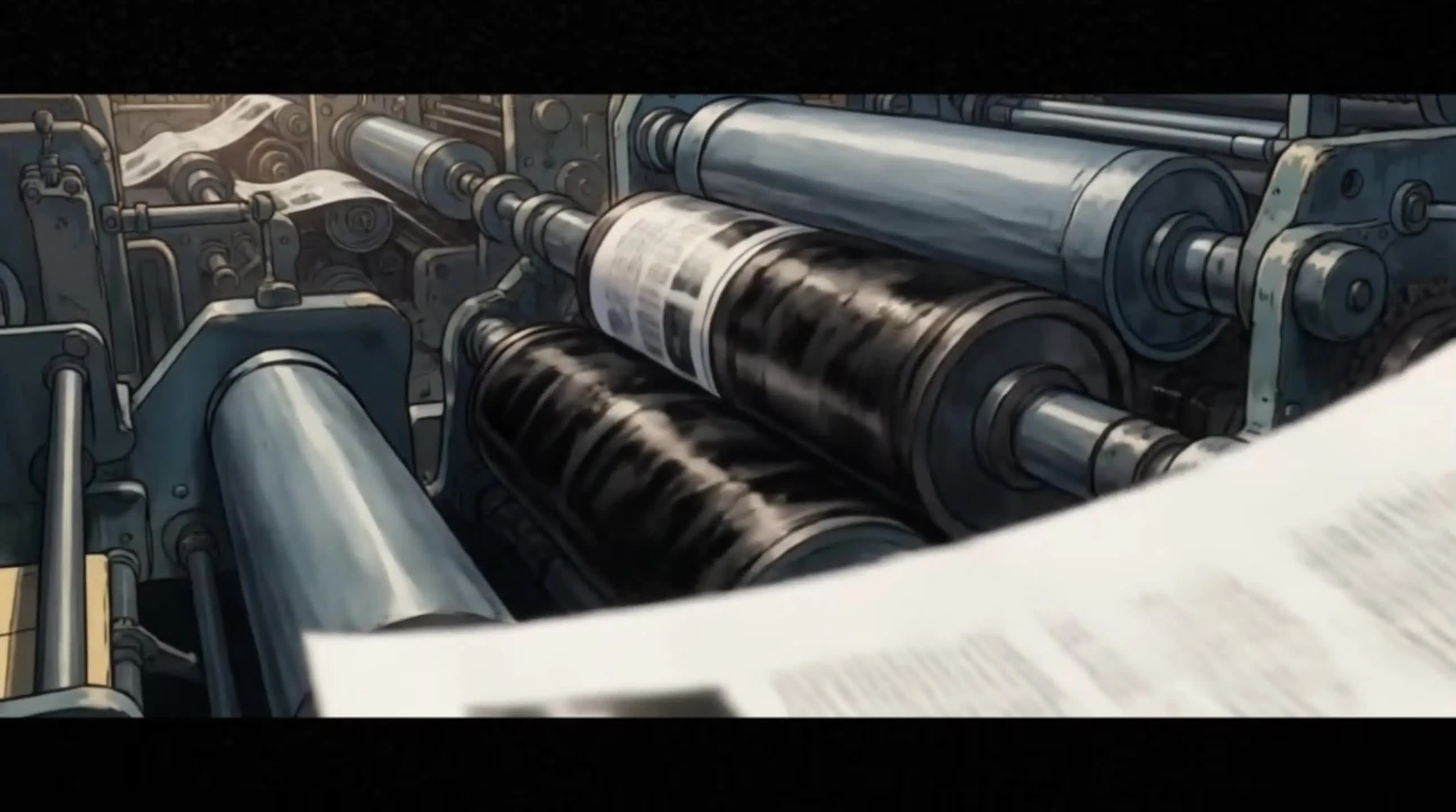
Within two years of the book's publication, William E. Weber gave the interview to the Associated Press in which he stated that the paranormal narrative had been collaboratively created. Independent investigators had documented specific factual inconsistencies with property records, weather records, and Amityville Police records. And nevertheless, the specific commercial franchise built on Anson's 1977 book continued expanding. By 1979, a Hollywood feature-film adaptation was in production. Across the following four and a half decades, dozens of Amityville-branded films, books, and television productions have been released.
1:23
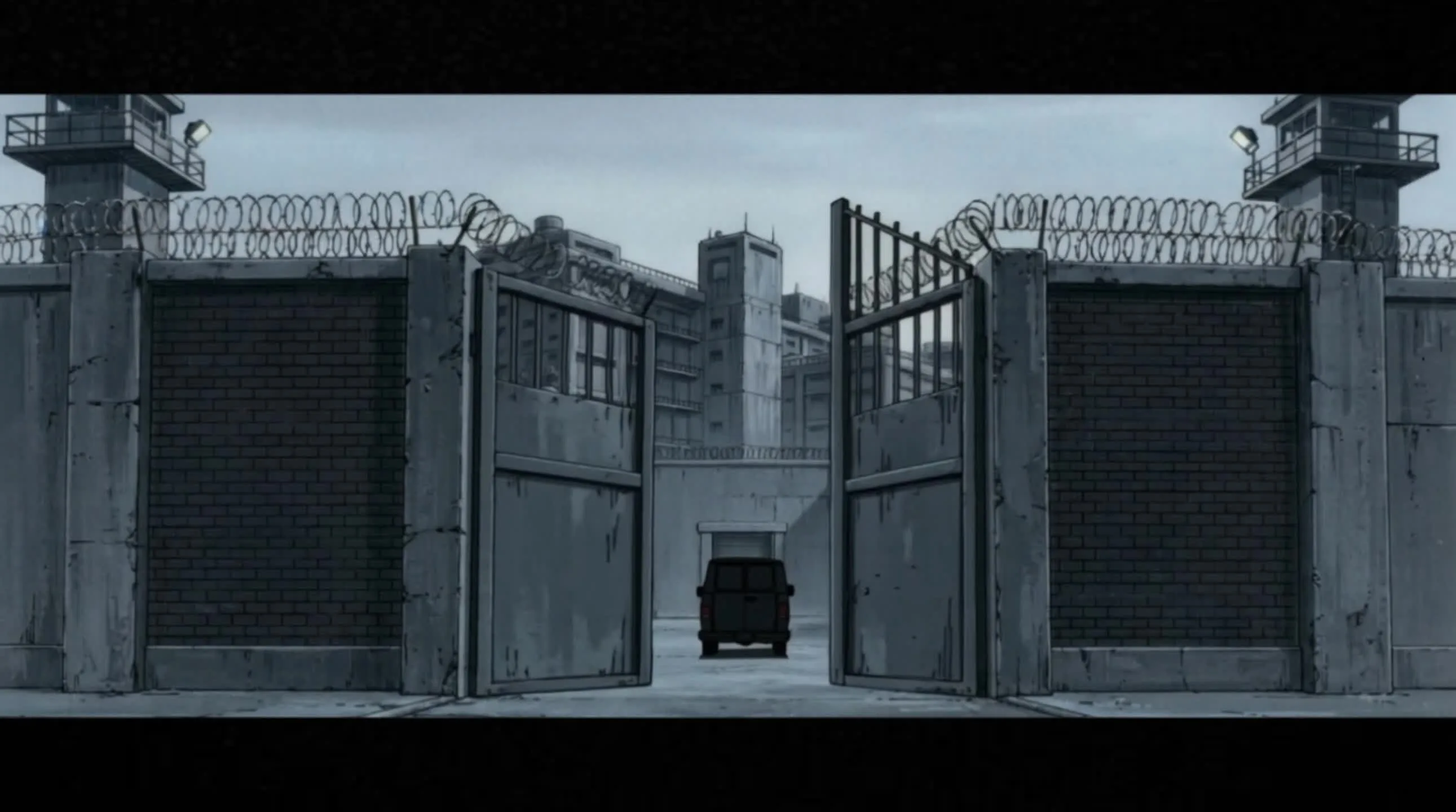
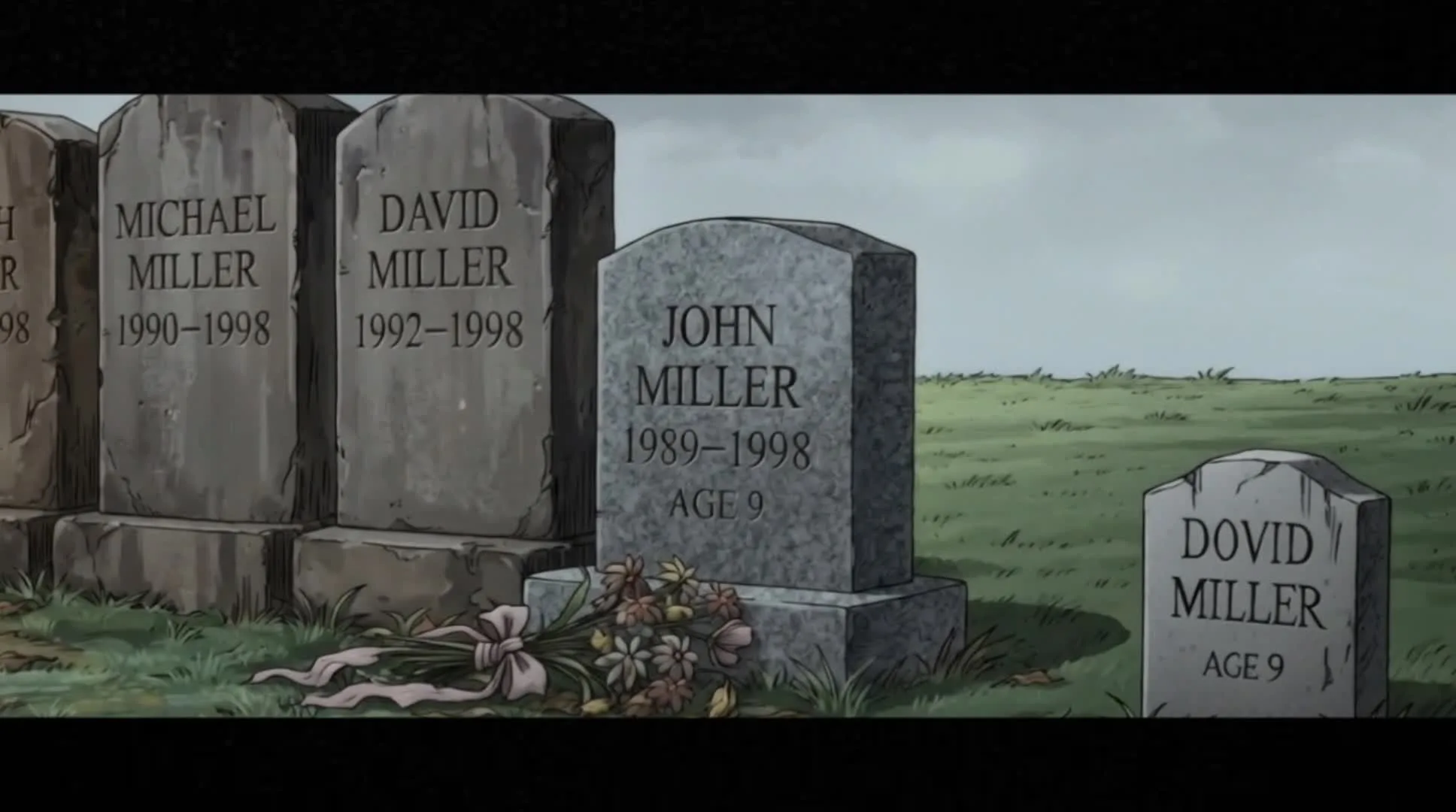
He had been in custody since he was 23. He was 69 when he died. He had never been released. He had never given a subsequent account of the killings that was forensically supported by the physical evidence collected in November 1974. The specific reason he killed his father, his mother, and his four siblings on the night of 13 November 1974 was, per every serious subsequent analysis of the case, some combination of chronic family conflict, financial dispute, long-standing substance dependency, and personal pathology. The specific voices in the walls of 112 Ocean Avenue were not the reason. They had been, per William Weber's own 1979 public statement, constructed.
1:08
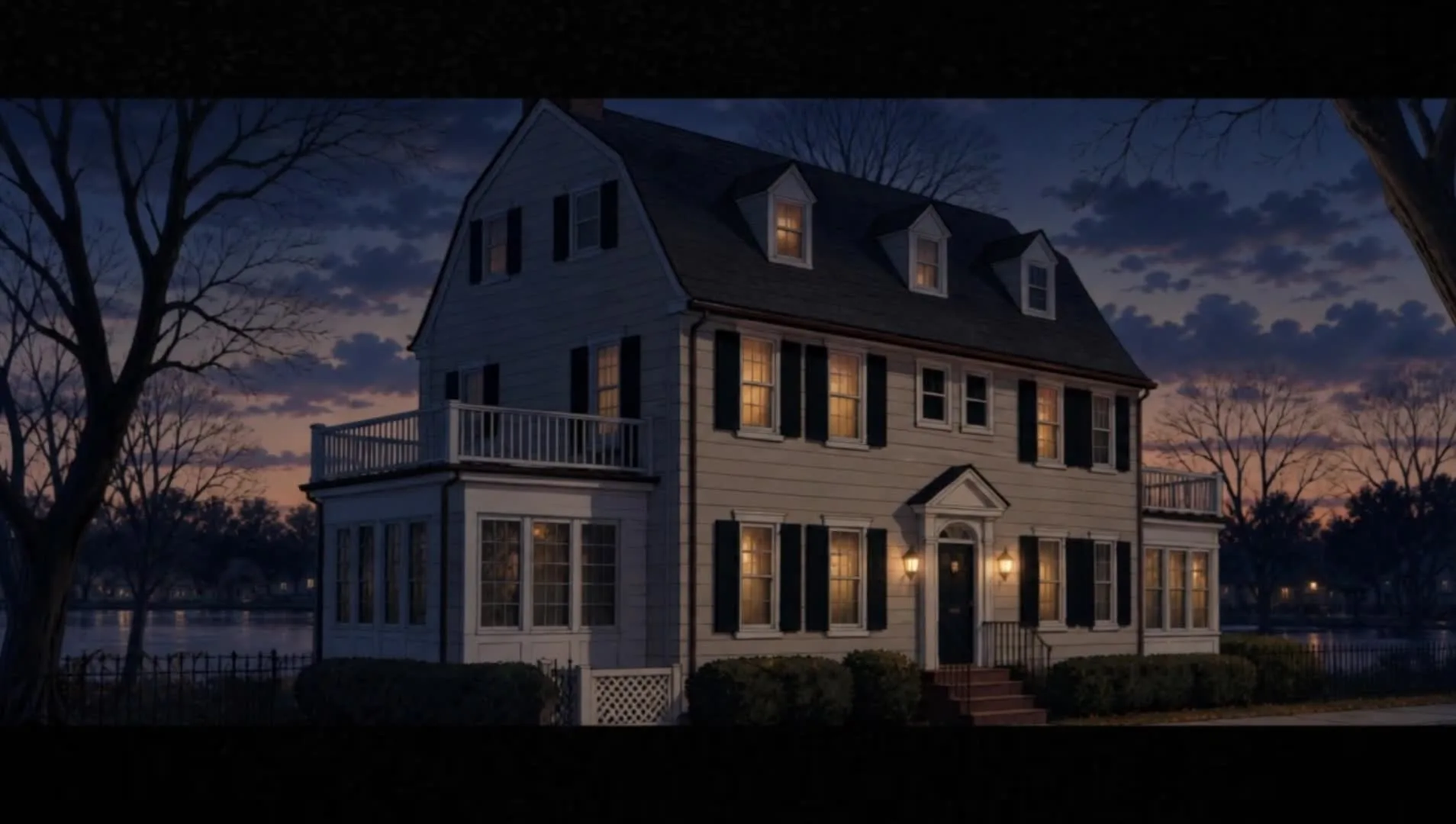
The specific commercial franchise built on the case has, per its own producers' subsequent public statements, been consistently marketed on the specific address rather than on the specific victims. The specific address at 112 Ocean Avenue was, in 1977, changed by its subsequent owners to 108 Ocean Avenue — a partial attempt to reduce the traffic of Amityville tourists who continued to visit the property throughout the late 1970s and 1980s. The exterior quarter-round windows in the third-storey attic gable were removed. The house was sold multiple times across the intervening decades. Each successive owner has, per contemporary press accounts, declined to publicly discuss the property. The house is, in 2026, still standing. It is still a private residence. It has not been the site of any documented paranormal activity by any of its post-1976 occupants.
1:08
Every one of those films was produced knowing what William Weber had said in 1979. Every one of those films was produced knowing what Stephen Kaplan and Rick Moran had documented. Every one of those films was produced knowing what Gerard Sullivan had published in 1981. And every one of those films was produced knowing that the specific factual events that had generated the entire commercial franchise were the murders of six specific human beings — a mother, a father, and four children — in a house in Amityville on a Wednesday morning in November 1974.
1:15
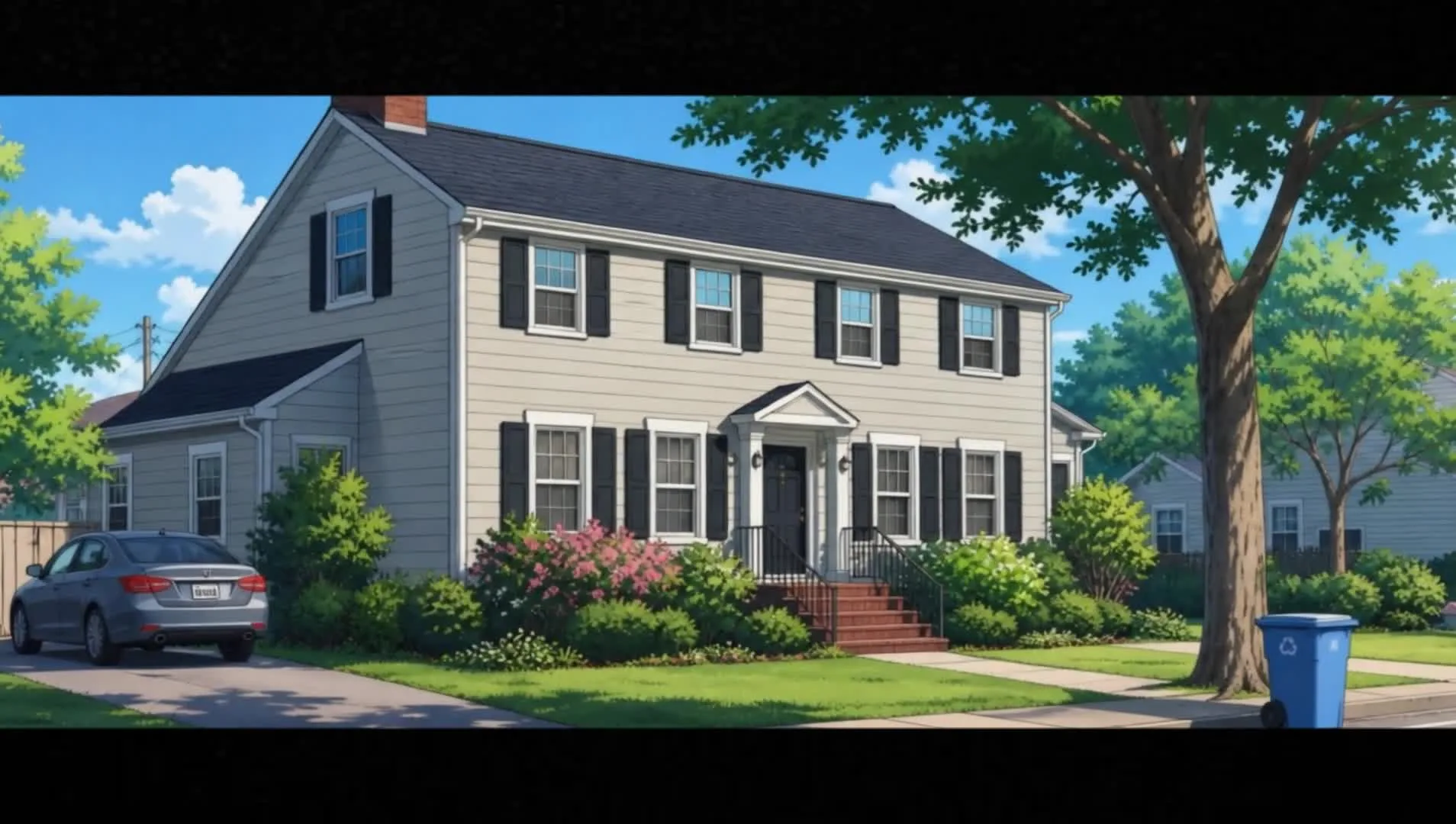
The house at 112 Ocean Avenue is still standing. Its address has been changed. Its distinctive attic windows have been altered. Its subsequent owners have, per every available public record, lived in it without incident. It is not haunted. It has never been haunted. It is a specific 1927 Dutch Colonial residence in a specific Long Island village, in which, on a specific November night in 1974, six specific members of a specific family were killed by a specific member of that same family. Their names were Ronald, Louise, Dawn, Allison, Marc, and John. They are the case. Everything else that has been sold on that address in the last fifty years is not.