

20 episodes
jollybusyperch
On the night of Thursday, 28 November 1991 — Thanksgiving Day — William Edward Nelson was killed in his apartment in Costa Mesa, Orange County, California. He was 56 years old. He had been married to his 23-year-old wife Omaima Aree Nelson for 29 days. The investigation was initiated on 1 December 1991 by a phone call to the Anaheim Police Department from a man who had known Omaima before her marriage. It ended, in its investigative phase, less than 48 hours later with her arrest and the recovery of William Nelson's remains from three separate locations in and around the apartment. The case that followed produced a second-degree murder conviction, a 27-year-to-life sentence, and a set of forensic and psychiatric findings that Orange County investigators have subsequently described as among the most disturbing they ever handled. This series is about how they made the case — from the phone call to the sentence.
20 episodes
1:42
Cairo, Arab Republic of Egypt. 1968. Omaima Aree Nelson was born to a working-class Cairene family, per subsequent trial testimony from her defense counsel and psychiatric evaluators. She was, per the same testimony, one of sixteen children. The family lived in a poor neighbourhood of Cairo. At approximately age six, per the same testimony, Omaima was subjected to a female genital cutting procedure — at that time and in that specific community, a customary practice. The specific medical and psychological consequences of the procedure would become, decades later, a central element of the defense case at her American criminal trial. Her parents separated during her childhood. She subsequently lived with her mother and two of her sisters in reduced financial circumstances. Her formal education was interrupted by the family's economic situation. In her late teens, per her own subsequent statements to psychiatric evaluators, Omaima developed an ambition to leave Egypt and to immigrate to the United States. In 1986, at approximately 17 or 18 years of age, she arrived in the United States. By 1991, she was 23, living in Orange County, working as a model and waitress, and engaged to be married.

1:36
Southern California. October 1991. Omaima Nelson met William Edward Nelson through mutual acquaintances in the Orange County area, per subsequent trial testimony. William Nelson. Age 56. A former United States Marine and former commercial pilot. He had been previously married and divorced. He had adult children. He lived at that time in Costa Mesa, Orange County, California. He was, per subsequent trial testimony from family members and acquaintances, a man of settled means but not wealth. Omaima and William met in the first half of October 1991. They were, per the marriage records subsequently subpoenaed by the Orange County District Attorney's Office, legally married on 30 October 1991. The interval between their meeting and their marriage was, per every subsequent reconstruction of the timeline, less than three weeks. They spent the initial weeks of their marriage travelling to visit William's family in the American South before returning to Costa Mesa in mid-November 1991. Home video recorded during the Southern trip depicts, per the specific footage subsequently entered into evidence, an ordinary family visit — William introducing his new wife to relatives. The trip was the last three weeks of William Nelson's life. He would be killed within ten days of returning to California.
2:06
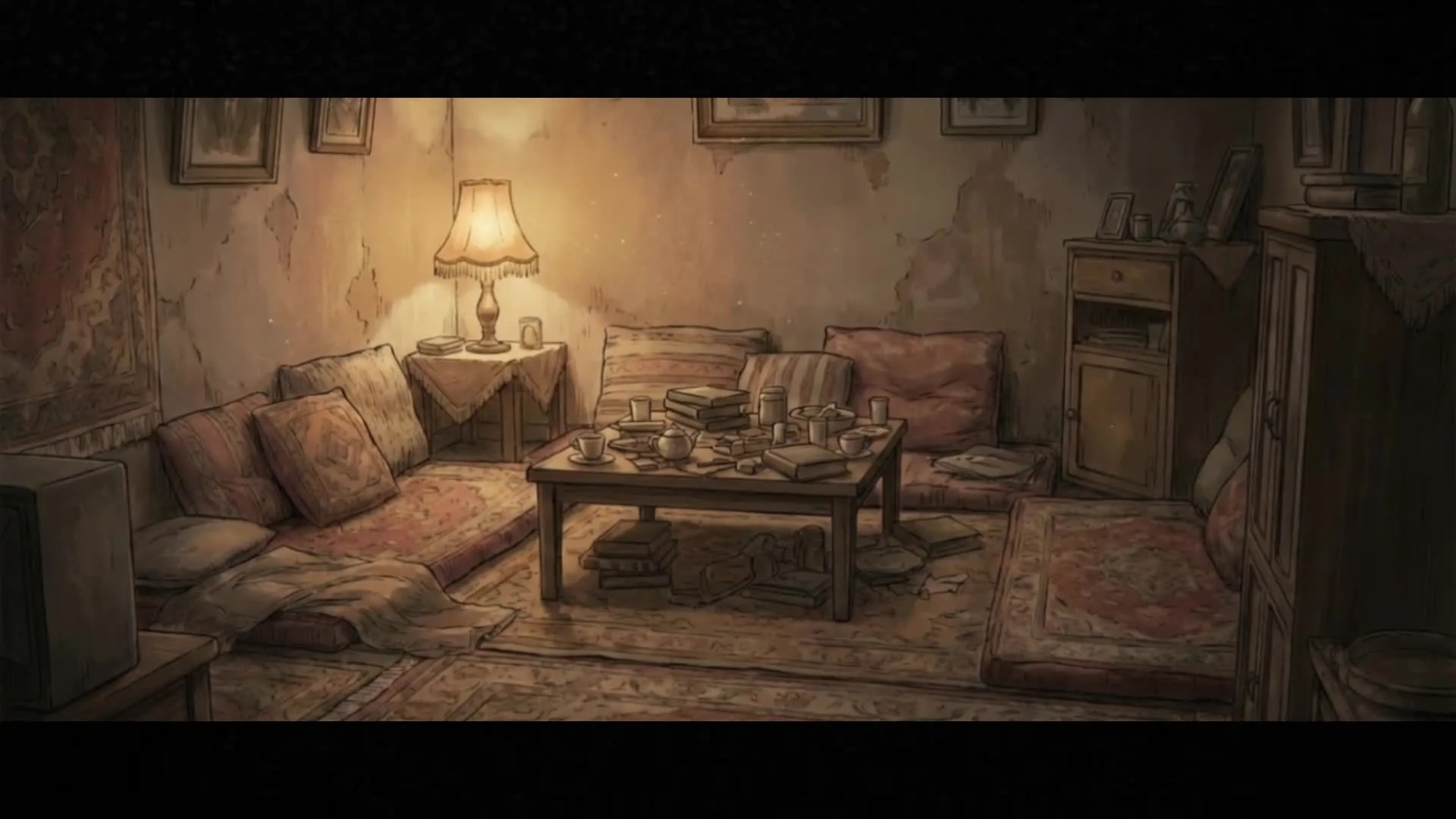
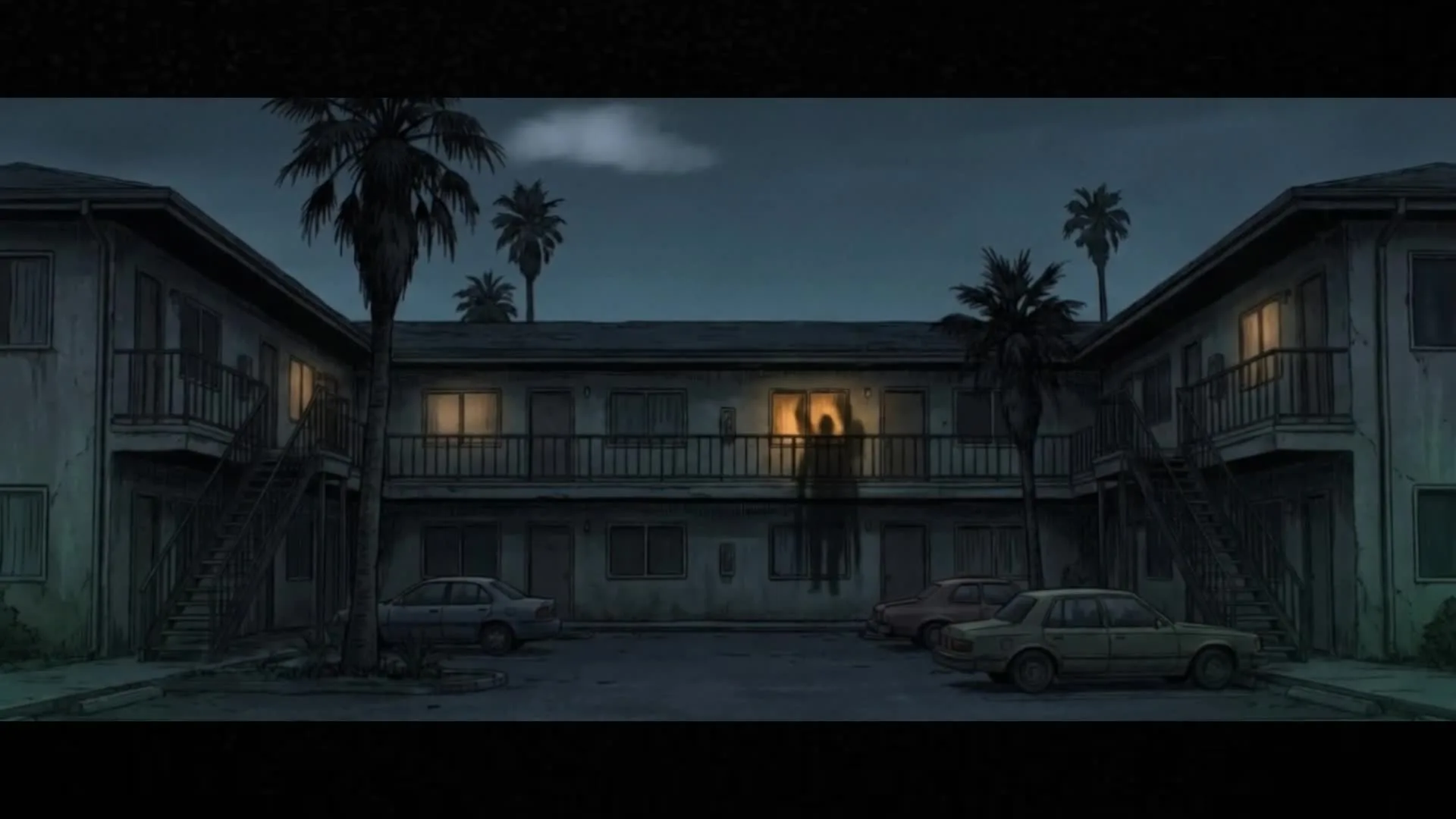
Thursday, 28 November 1991. Thanksgiving Day, a federal holiday in the United States. Costa Mesa, Orange County, California. William and Omaima Nelson were, per every subsequent reconstruction, at their apartment on the evening of 28 November. No other individual is documented as being present during the specific time window in which William Nelson died. Two competing accounts of what happened in the apartment that night have, since 1991, been the case's central factual dispute. The first — Omaima's own account, as given to Costa Mesa Police detectives, to her defense psychiatrist, and at trial — held that William had subjected her to sexual and physical violence, that when he attempted to strangle her she picked up a lamp and struck him with it, took a pair of scissors, and stabbed him, and that she killed him in self-defense. The second account — the prosecution's, as presented by Senior Deputy District Attorney Randy Pawloski at trial — held that William Nelson was in some fashion restrained at the time of the attack and that the physical evidence indicated a planned and prepared attack rather than a defensive one. The jury at the end of the trial credited the prosecution's account. William Nelson died in the apartment on the night of 28 November 1991. The Costa Mesa Police Department would not learn about it for another three days.
2:33
The specific 72-hour period between William Nelson's death on the evening of 28 November 1991 and the initiation of the police investigation on the evening of 1 December 1991. During this period, per the subsequent Costa Mesa Police Department investigation and the coroner's forensic reconstruction, Omaima Nelson was alone in the apartment with the body. The specific activity during those three days was reconstructed by investigators primarily from three sources: physical evidence recovered from the apartment on 2 December (bloodstains, tissue fragments, kitchen items, cleaning materials); the specific state and location of William Nelson's remains at recovery; and Omaima Nelson's own subsequent statements. The forensic reconstruction indicated that during the three-day interval, William Nelson's body had been subjected to systematic dismemberment. The remains had been separated into multiple portions — head, hands, torso, limbs. Some had been cooked. Some had been placed in the freezer of the apartment. Some had been placed in trash bags. Some had been placed in the interior of William Nelson's own vehicle. Some had been disposed of through the apartment's garbage disposal. The specific detail that the head and hands had been separately cooked was, per Senior Deputy DA Pawloski's subsequent statements, one of the most consequential findings — dismembered remains without heads or hands are, in the specific forensic sense, substantially harder to identify. During those three days, the specific activity had a clear operational purpose: the concealment of an identity.
1:31
Sunday, 1 December 1991. Late afternoon. Anaheim, Orange County, California. Omaima Nelson drove from Costa Mesa to Anaheim — a distance of approximately 12 miles — in William Nelson's motor vehicle. She went to the residence of Richard Gray, a former partner from her pre-marriage period in Southern California. Per Gray's subsequent statement to Anaheim Police, Omaima arrived unannounced. She was, per his description, visibly distressed but not incoherent. She told Gray, in substance, that she had killed her husband. She asked Gray to help her dispose of the body. Gray refused. He ordered her to leave his residence. Omaima left at approximately dusk and drove back to Costa Mesa in William Nelson's vehicle. Richard Gray, per his subsequent statement, waited a period of time to make certain she had gone, and then telephoned the Anaheim Police Department. He reported that a woman he knew had come to his home stating she had killed her husband. The Anaheim Police Department made a specific procedural decision within the following hour: they forwarded the report to the Costa Mesa Police Department. That specific phone call from an Anaheim residence at dusk on the first Sunday in December 1991 was, per every subsequent Costa Mesa PD account, the specific action that opened the case.
1:44
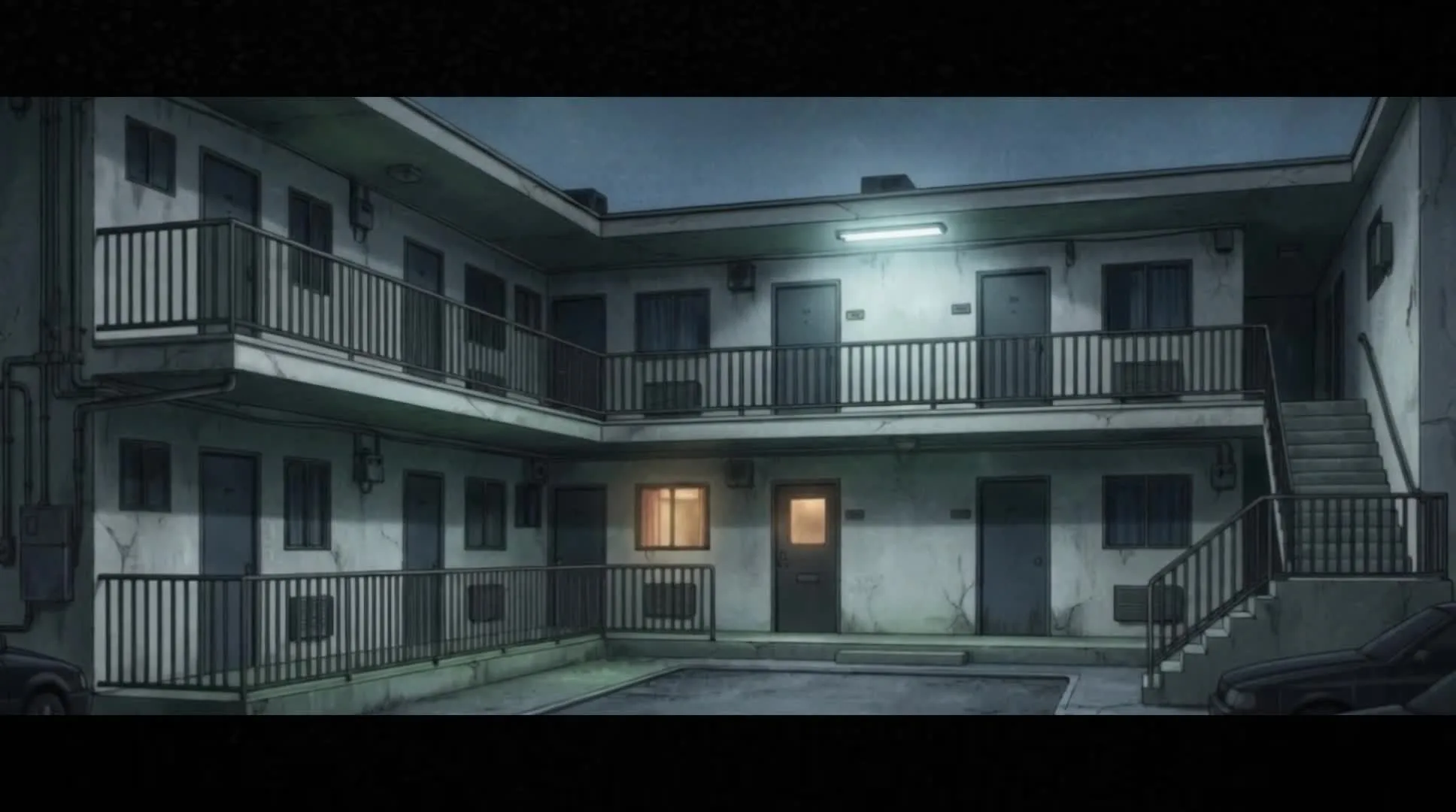
Sunday evening, 1 December 1991. Costa Mesa Police Department. The Costa Mesa PD received the referral from Anaheim PD regarding a possible homicide at a specific Costa Mesa address. Patrol units were dispatched to conduct a welfare check on the address. The specific standard for a welfare check under California law does not require probable cause — it requires only a credible report of possible harm to a resident. The Costa Mesa Police units arrived at the apartment building and made contact with Omaima Nelson at the apartment door. Her demeanour, per the responding officers' subsequent reports, was inconsistent with the specific circumstances of a claimed innocent domestic dispute. The officers requested entry to conduct the welfare check on William Nelson. Omaima Nelson, per subsequent testimony, initially resisted entry but ultimately permitted the officers to enter the apartment. The specific consent for entry has been examined in every subsequent legal review of the case — it was, per the trial court's ruling on the defense's suppression motion, valid. The patrol officers, upon entering the apartment, observed physical evidence immediately consistent with a violent crime: blood staining on furnishings, cleaning materials in evidence, and specific containers that the officers, per their subsequent testimony, could not identify by sight. They radioed for the Costa Mesa Homicide Unit within minutes of entry.
2:20
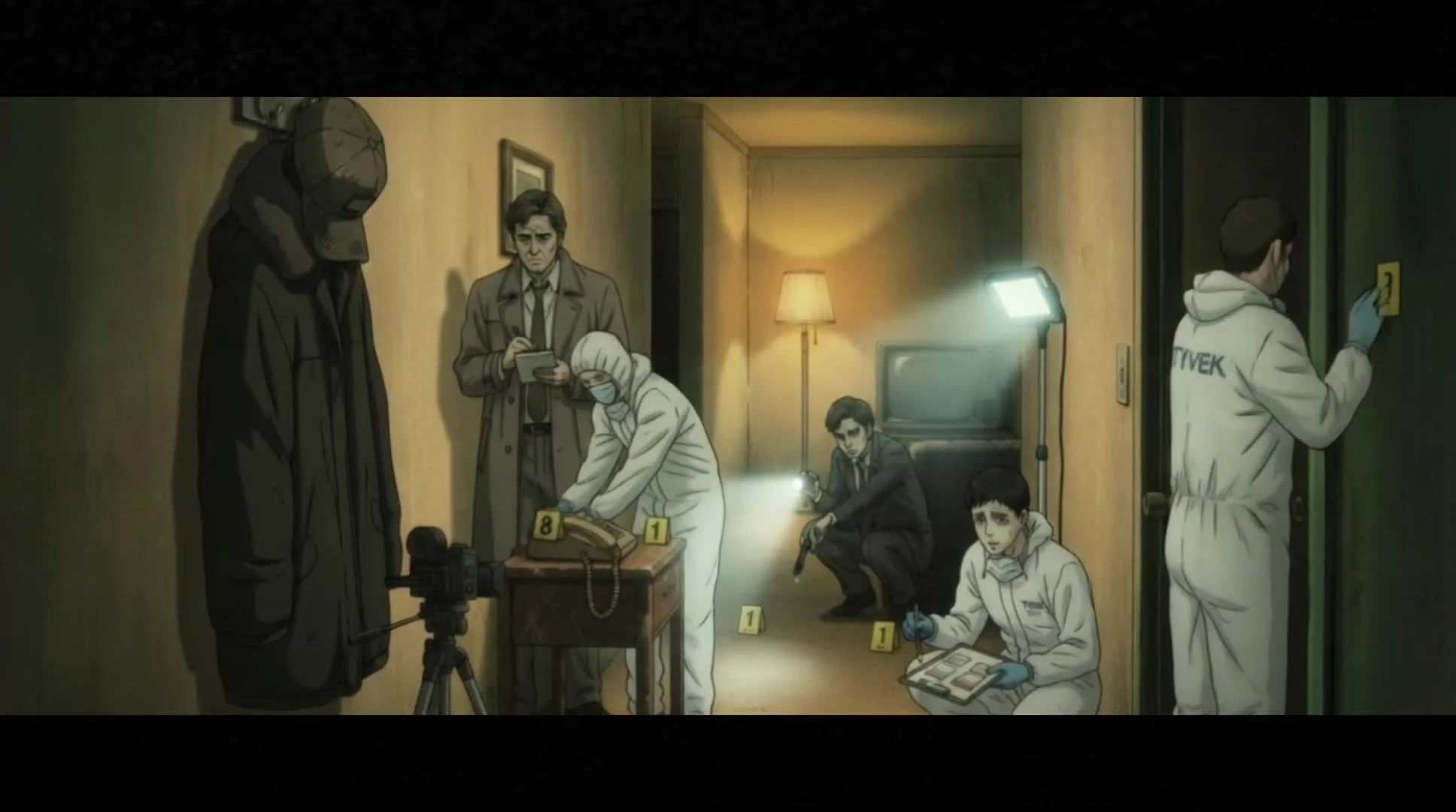
Sunday night and Monday morning, 1-2 December 1991. Costa Mesa apartment. Detailed search under the supervision of Costa Mesa Police Homicide. The specific search of the apartment was conducted by Costa Mesa Homicide detectives, Costa Mesa Police forensic technicians, and Orange County Sheriff-Coroner personnel over a period of approximately 18 hours. The search was conducted pursuant to consent — and, once probable cause had been established from the initial observations, pursuant to a search warrant issued by the Orange County Superior Court in the early morning hours of 2 December. The findings were catalogued into three categories. First: ordinary physical evidence of a violent altercation — bloodstains on furniture and carpeting; a domestic clothes iron, subsequently identified as one of the two implements used to strike William Nelson; a pair of scissors, identified as the second implement. Second: evidence of extensive post-mortem activity — cleaning materials and containers used in the specific hours and days following the death. Third: human remains, in multiple locations within the apartment — in the freezer, in trash bags stored in the apartment's kitchen and bathroom, in cooking vessels on the kitchen stove. Outside the apartment, in William Nelson's motor vehicle, additional trash bags were recovered. The identification of William Nelson was ultimately made through fingerprints from a partial hand recovery, cross-referenced against his Marine Corps and pilot's license records.

1:41
Monday, 2 December 1991. Costa Mesa Police Department. Omaima Nelson was arrested at the apartment on the morning of 2 December 1991 and transported to Costa Mesa Police headquarters at 99 Fair Drive. She was read her Miranda rights per standard Costa Mesa PD procedure and interviewed at length by Costa Mesa Homicide detectives. The interview transcripts were, per subsequent trial proceedings, extensive. Omaima Nelson made, in the course of the interview, a series of admissions regarding the killing. She admitted that she had killed William Nelson on the evening of 28 November 1991. She stated the killing had been in self-defense — that William had been sexually and physically violent toward her over the preceding weeks, and specifically had attempted to strangle her on the Thanksgiving evening. She admitted that following the killing, she had personally dismembered his body. She admitted that she had personally attempted to conceal the remains in the ways subsequently established by the physical evidence. She admitted that she had contacted Richard Gray on 1 December seeking his assistance in disposing of the body. She was formally charged with first-degree murder in the Orange County Superior Court within 72 hours of arrest. The specific defense strategy — that she had acted in self-defense against a violent and abusive husband — would be the central battleground of the trial to come.
1:32
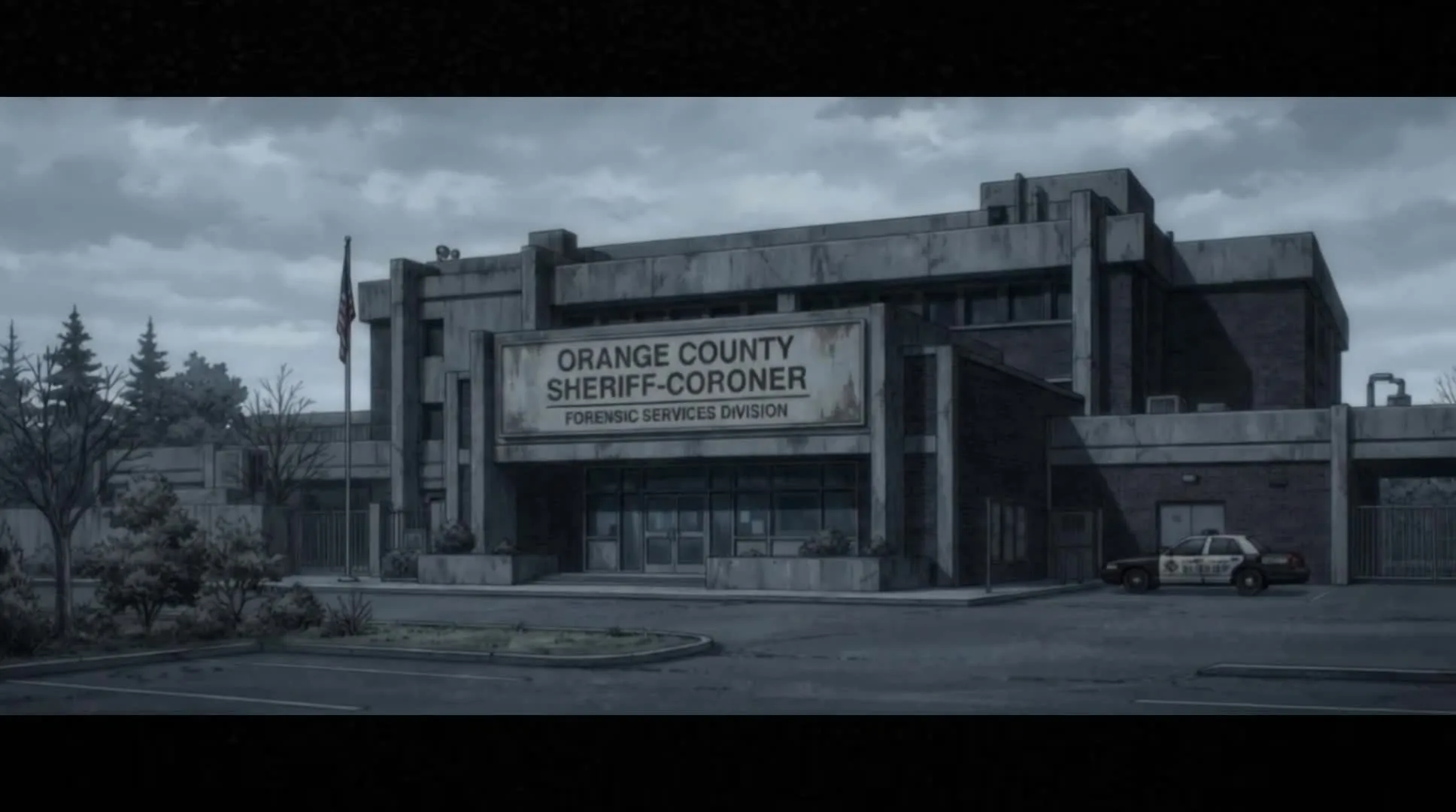
December 1991. Orange County Sheriff-Coroner's Office. Santa Ana. The forensic examination of William Nelson's remains was conducted by the Orange County Sheriff-Coroner over the two weeks following the initial recovery. The specific challenge of the examination: no complete body existed at any point in the recovery process. The remains had been recovered from the apartment, from the vehicle, and from the trash removal chain. Certain portions had been subjected to cooking — the head, the hands, and portions of the torso, per the recovered evidence. Certain portions had been frozen. Certain portions were recovered in the days immediately following the arrest through supplementary searches of surrounding refuse collection. The forensic team's specific tasks were three: to reconstruct sufficient of the body to determine the mechanism of death; to establish positive identification of the deceased; and to reconstruct the specific sequence of events between the moment of death and the moment of arrest. Each of these three tasks was, per subsequent Orange County District Attorney's Office statements, completed to a degree sufficient to support prosecution. The mechanism of death, per the coroner's finding, was consistent with blunt-force trauma to the head combined with sharp-force injuries — the iron and the scissors recovered from the scene. That the mechanism of death was itself relatively straightforward was not the case's principal problem. The case's principal problem was intent.
2:01
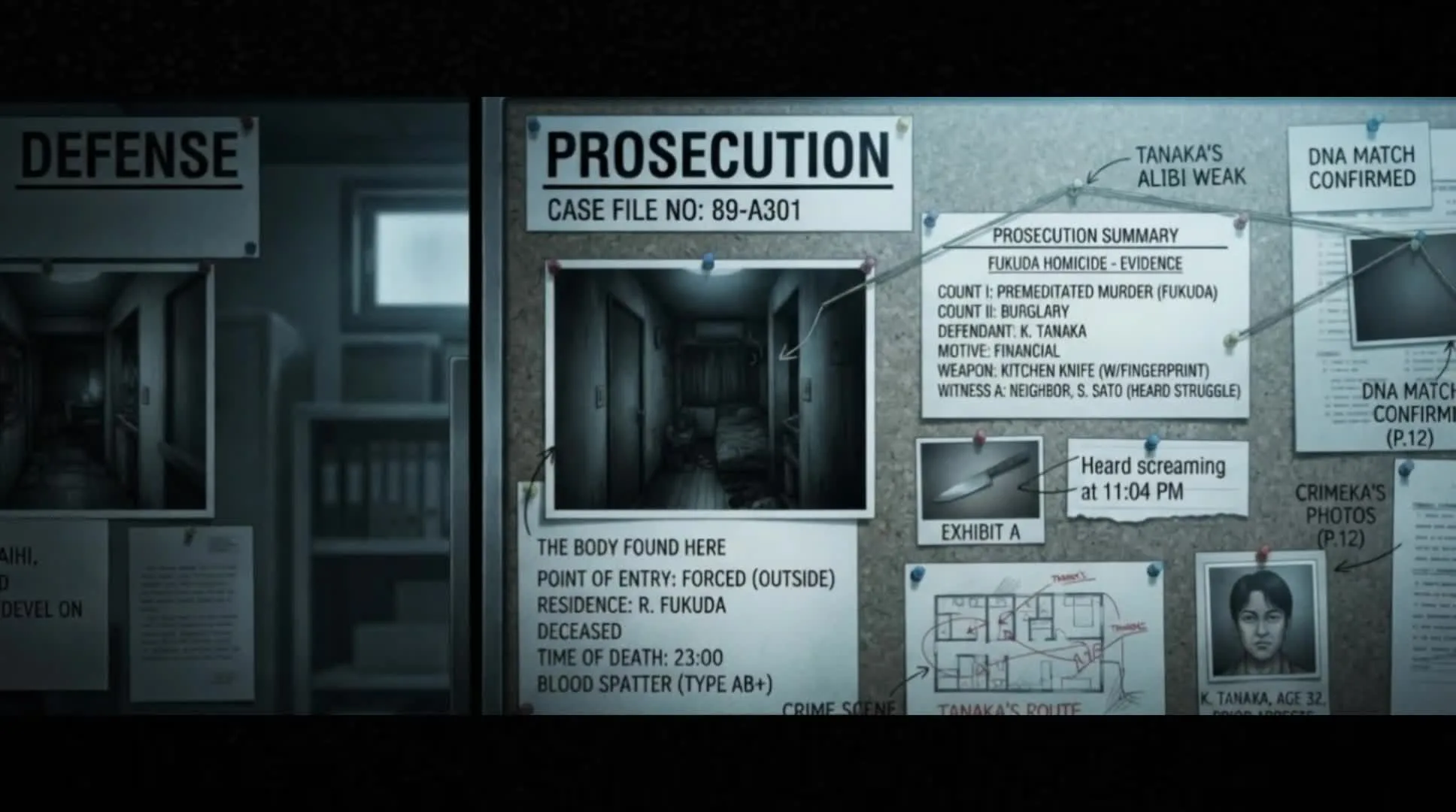
December 1991 through the opening of trial in late 1992. The two competing theories of the case. The defense theory, per subsequent trial arguments: Omaima Nelson had been subjected, over the course of her 29-day marriage, to systematic sexual and physical violence at the hands of William Nelson. The killing on 28 November had been an act of self-defense during a specific attempted strangulation. The subsequent dismemberment had been the panic response of a young woman in a foreign country, terrified of the police, unable to think clearly, and acting under conditions of extreme psychological trauma. The specific cultural context — Omaima's Egyptian upbringing, her childhood female genital cutting, and the specific psychological consequences of that history — provided context for why she had not sought conventional help. The prosecution theory, per Senior Deputy DA Randy Pawloski: Omaima had married William Nelson deliberately, having established a pattern in prior American relationships of forming connections with older men for financial reasons. The killing had been planned and executed. The specific physical evidence — particularly evidence suggesting William Nelson had been in some form of restraint at the moment of the attack — indicated it was not a defensive act. The dismemberment and disposal represented not panic but methodical concealment. The specific fact that Omaima had, per the physical evidence, cooked and, per her own subsequent statements, consumed portions of the body indicated something beyond mere concealment. The trial's central question would be which theory the evidence more clearly supported. The answer would come from the defense's own psychiatrist.

2:06
1992. Orange County Jail. Santa Ana, California. Pre-trial psychiatric evaluation. Dr Kaushal Sharma, a forensic psychiatrist retained by the defense, conducted a series of clinical interviews with Omaima Nelson in the months following her arrest. The specific purpose of the evaluations was to assess Omaima Nelson's mental state at the time of the offense and to support the defense's diminished-capacity and post-traumatic-stress arguments. In the course of the interviews, per Dr Sharma's subsequent testimony at trial, Omaima Nelson described the events of the night of 28 November 1991 in progressively greater detail. Her account to Dr Sharma included specific admissions. She stated that following the killing, she had dressed in a specific outfit of red — including a red cap, red high-heeled shoes, and red lipstick — before beginning the dismemberment. She stated that she had cooked and consumed certain specific portions of William Nelson's body during the interval between the killing and her arrest. She specifically referenced, per Dr Sharma's testimony, having consumed portions of the ribs. Dr Sharma's psychiatric conclusions at trial: Omaima Nelson had been suffering, at the time of the offense, from severe post-traumatic effects of her childhood experiences in Egypt and from what he characterised as a violent recent marriage. Under standard California law, however, his clinical findings did not amount to legal insanity. His testimony was, per the specific tactical circumstances of trial, ultimately more useful to the prosecution than to the defense. The specific admissions Omaima had made in the clinical interviews were now, under California evidentiary rules, on the record and available to the jury.
2:03
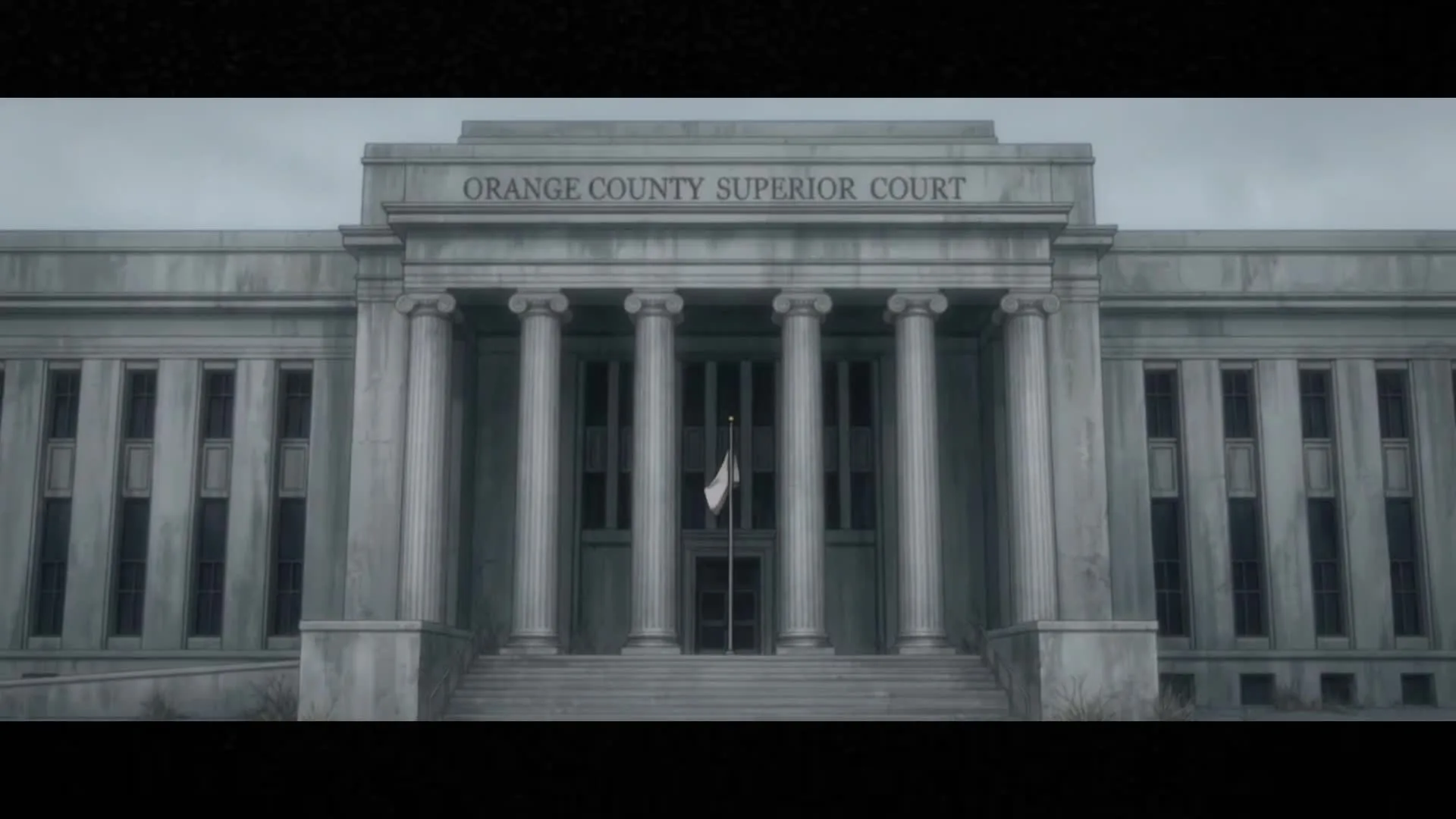
The trial of Omaima Aree Nelson. Orange County Superior Court, Santa Ana. Late 1992. The prosecution's witness list included the responding Costa Mesa Police officers, the Costa Mesa Homicide detectives, the Orange County Sheriff-Coroner personnel, Dr Kaushal Sharma, and Richard Gray. Richard Gray's testimony was, per the specific structure of the prosecution case, foundational. It established the specific initiating trigger of the police investigation. It also established, on the record, Omaima Nelson's own statements to Gray on the afternoon of 1 December 1991 — statements made three days after the killing and 24 hours before her arrest. Per Gray's testimony, Omaima had come to his residence in Anaheim in the late afternoon. She had told him, in substance and per his direct recollection, that she had killed her husband. She had asked for his help in disposing of the body. She had not, per Gray's testimony, characterised the killing as self-defense at that moment. The specific fact that self-defense was not part of her initial account to a person she had come to for help was — per Senior Deputy DA Pawloski's closing argument — one of the specific facts inconsistent with the defense theory. A woman fleeing an abusive husband, per this argument, would have described the abuse first. Omaima had, per Gray's testimony, described the killing and the disposal problem first. The jury heard that testimony. They also heard the responding officers' testimony about the scene. They also heard Dr Sharma. And they retired to deliberate.
1:57
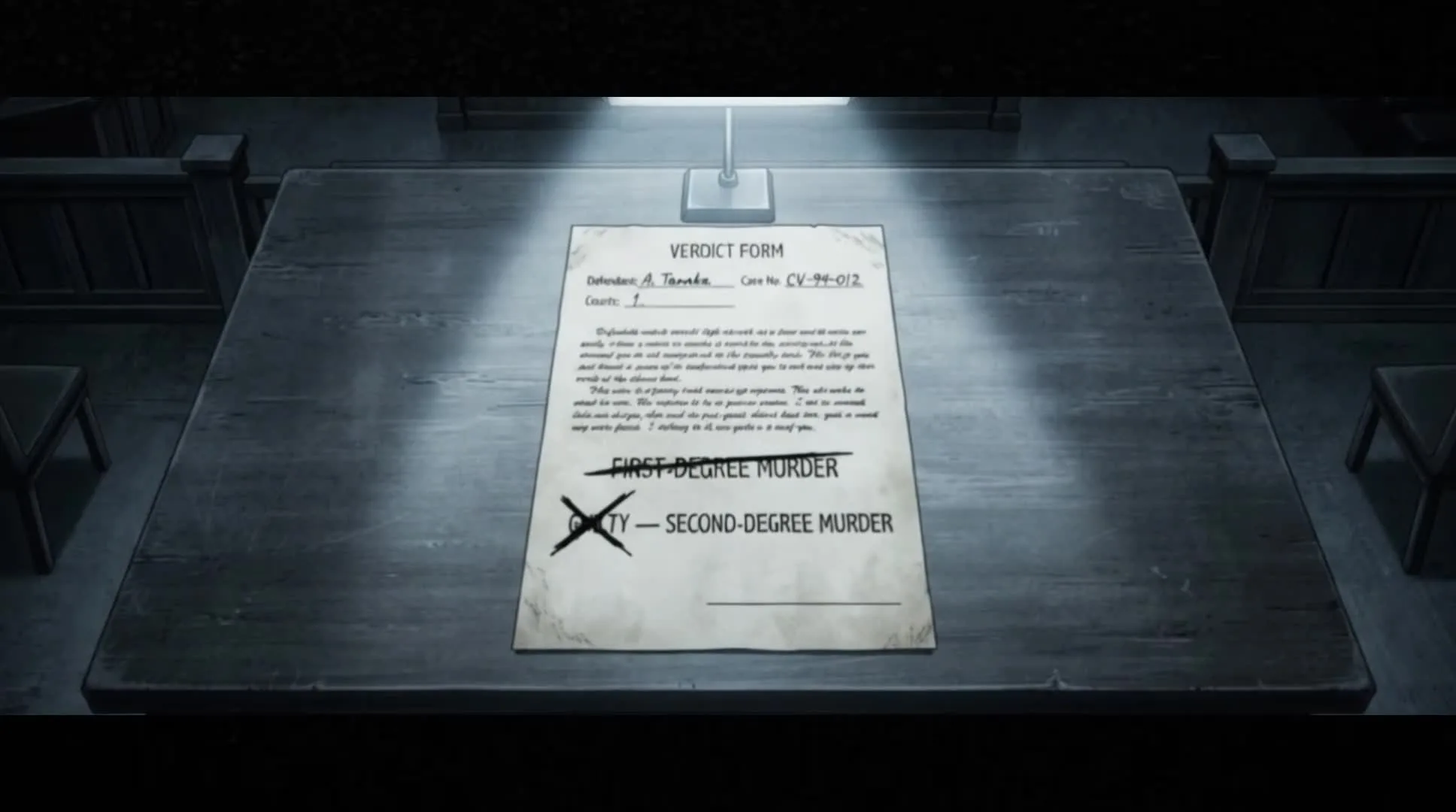
The jury verdict in The People of the State of California v. Omaima Aree Nelson. 1992. The jury deliberated over a period of days. The specific charges available to the jury under California law were first-degree murder, second-degree murder, voluntary manslaughter, or not guilty. First-degree murder requires proof of premeditation and deliberation. Second-degree murder requires proof of malice aforethought without the specific finding of premeditation. Voluntary manslaughter would have been the appropriate verdict if the jury had found that the killing had occurred in the heat of passion or under an honest but unreasonable belief in the need for self-defense. The jury returned its verdict: guilty of second-degree murder. The specific finding — malice aforethought but not premeditation — is one of the most-analysed aspects of the case's outcome. It indicates that the jury did not accept the prosecution's specific claim that the killing had been planned in advance of the Thanksgiving evening. It also indicates that the jury did not accept the defense's specific claim that the killing had been a defensive act during a moment of imminent threat. The jury found, in effect, an intentional killing that was neither planned nor defensive. Several jurors, in subsequent press interviews, stated that the physical evidence of the aftermath — the dismemberment and the disposal activity — had substantially undermined the credibility of the self-defense claim. The specific decisions Omaima Nelson had made in the 72 hours after William Nelson's death did not match the actions of someone who believed she had killed in self-defense.
1:05
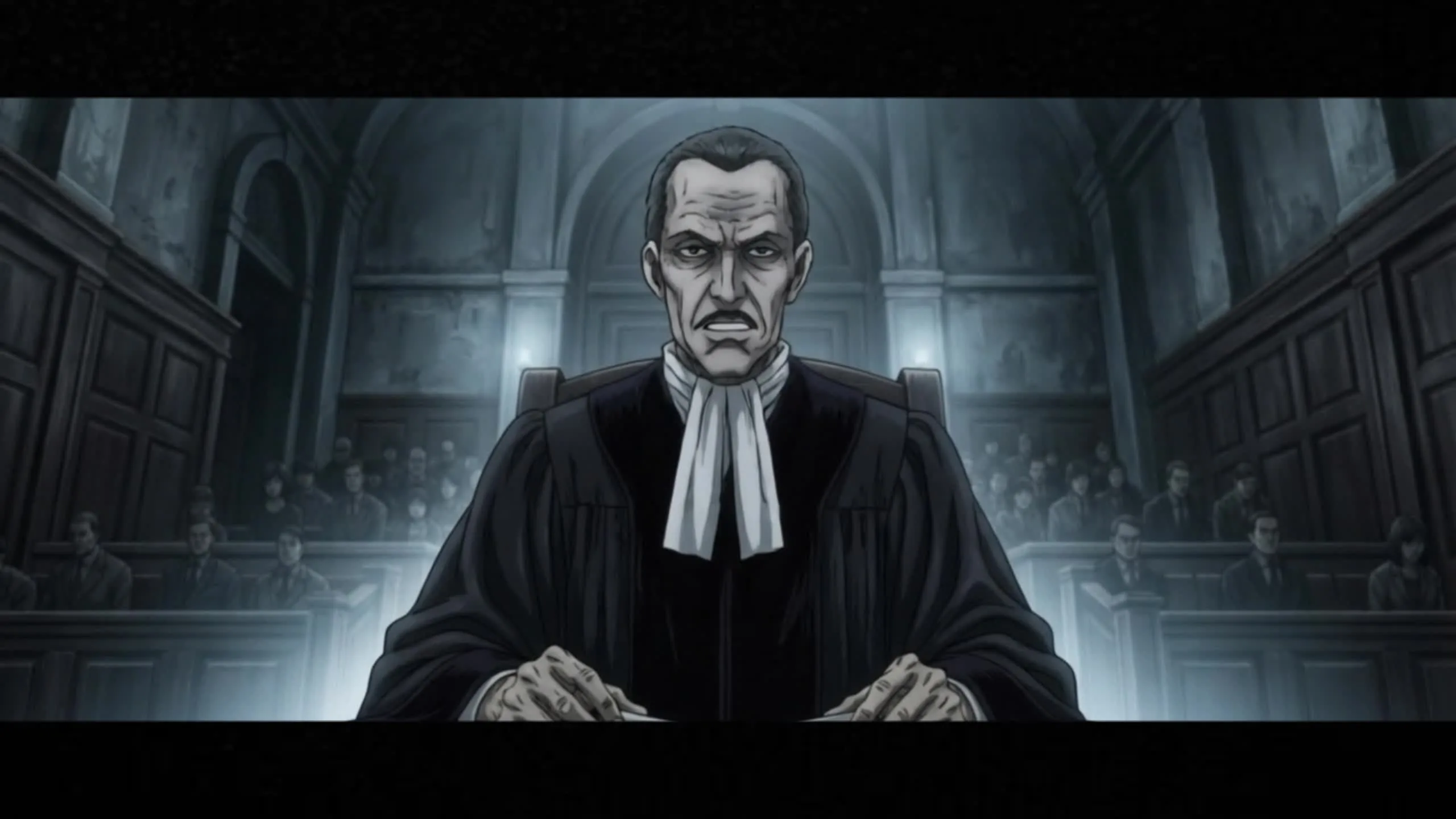
Sentencing. Orange County Superior Court, Santa Ana. Early 1993. The sentencing hearing followed the guilty verdict on the second-degree murder count. Under California law in 1992-93, the standard sentence for second-degree murder was 15 years to life. The specific sentence imposed on Omaima Nelson: 27 years to life. The additional years above the 15-year statutory minimum reflected enhancements available to the sentencing court based on the specific aggravating circumstances of the post-mortem conduct. The presiding judge, at sentencing, addressed Omaima Nelson from the bench. He characterised the case, per contemporaneous court transcripts, as among the most callous and calculated homicides he had encountered on his own bench. He specifically referenced the post-mortem conduct as an aggravating factor in his sentencing analysis. Omaima Nelson was, per the sentencing order, transferred immediately from Orange County Jail into California Department of Corrections and Rehabilitation custody. Her formal reception into CDCR custody, per prison records, was on 18 March 1993. She was assigned CDCR inmate number W47435. She was transported to the Central California Women's Facility at Chowchilla, Madera County. She was 25 years old at reception. She would become eligible for parole consideration at approximately age 47.
0:58
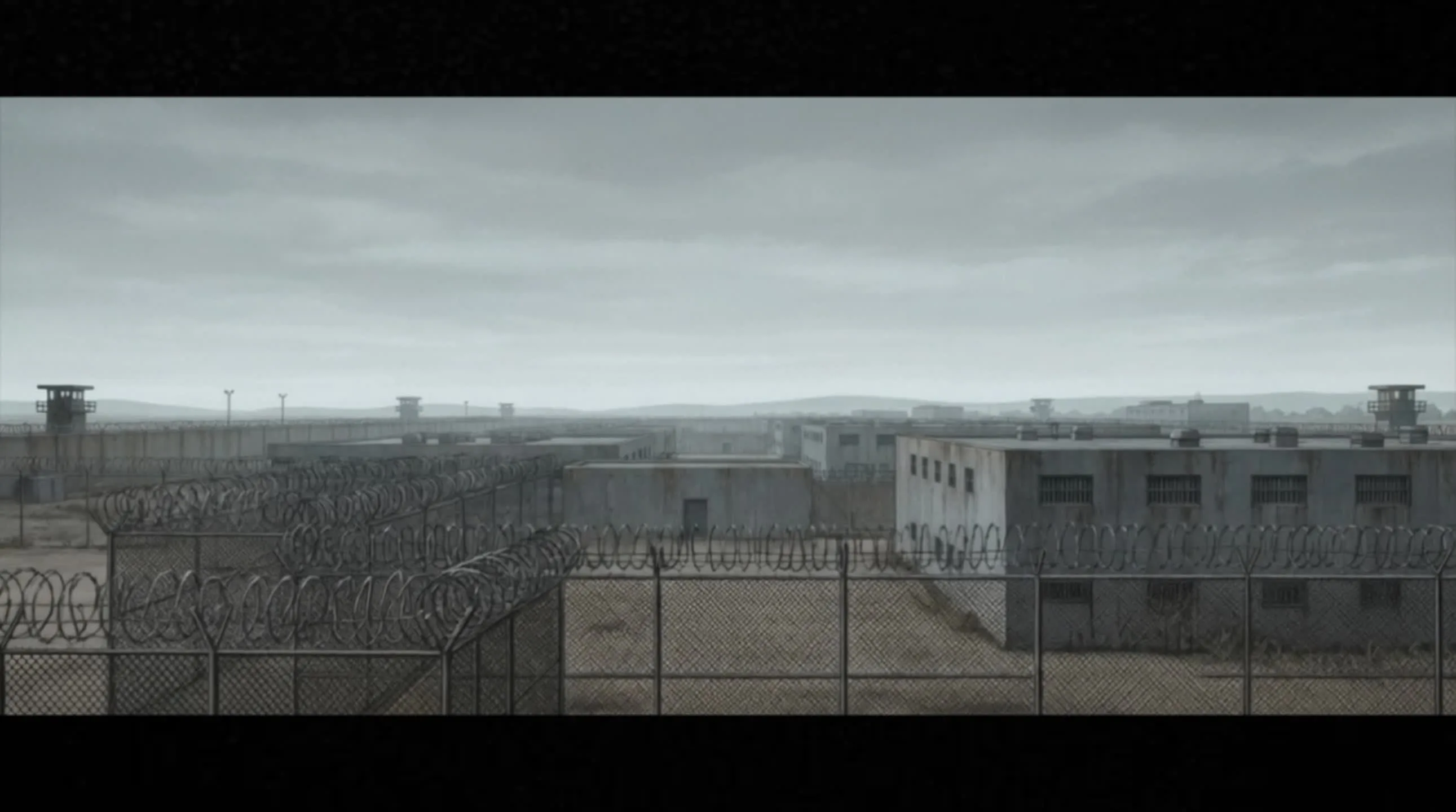
1993 to present. Central California Women's Facility. Chowchilla, Madera County, California. Omaima Nelson was received into custody at Chowchilla on 18 March 1993. She has remained in California state custody at Chowchilla or affiliated women's facilities from that date forward. Per the standard CDCR release policies applicable to a second-degree murder conviction with a 27-year-to-life sentence, Omaima Nelson became eligible for parole consideration at the completion of a portion of her minimum term with credits. Her first parole board hearing was held in approximately 2006. Parole was denied. Subsequent parole hearings have been held at intervals set by the Board of Parole Hearings. Documented parole denials have occurred, per public records, in 2011, in later years, and continuing thereafter. At each hearing, Senior Deputy District Attorney Randy Pawloski has, in his personal capacity as the original trial prosecutor, appeared to represent the position of the Orange County District Attorney's Office in opposition to release. The specific arguments made in opposition at each hearing have been consistent — the nature of the crime, the specific post-mortem conduct, and the assessment that Omaima Nelson does not meet the statutory criteria for parole under California law. The Board's findings at each hearing have consistently identified specific psychological and behavioural factors as bases for continued unsuitability. She is, as of 2026, in her late fifties. She has served more than three decades of her sentence.
1:11
1993 to present. Omaima Nelson's subsequent public statements from custody. Across her time in California state custody, Omaima Nelson has given a series of interviews to journalists, documentary producers, and criminologists. Her interviews have been used in the following notable subsequent productions: 'Deadly Women: Love You To Pieces' — Investigation Discovery series. 'Snapped: Omaima Nelson' — Oxygen network series. 'Happily Never After: Devoured By Love' — Investigation Discovery series. 'Model Killer: Finger Licking Good' — Reelz series. Multiple print journalism interviews, including with the Los Angeles Times and CBS Los Angeles. The specific content of these interviews has varied across the decades. At various points, Omaima has substantially maintained the self-defense account that formed the basis of her original defense. At other points, she has publicly denied the specific cannibalism admissions she had made to Dr Sharma in 1992. At other points, she has attributed her actions to mental health factors including trauma, dissociation, and Post-Traumatic Stress Disorder. The specific inconsistencies across her subsequent public statements have been consistently cited by the Board of Parole Hearings and by the Orange County District Attorney's Office as evidence of insufficient acceptance of responsibility. The specific factual reconstruction that Costa Mesa Police Homicide built in December 1991 has, in every subsequent parole review, held firm. Her account has not.

1:10
1992 to present. Senior Deputy District Attorney Randy Pawloski. Orange County District Attorney's Office. Pawloski served as the lead trial prosecutor on The People v. Nelson in 1992. In the decades following the conviction, Pawloski has continued to serve as the Orange County District Attorney's Office's representative at every scheduled parole hearing for Omaima Nelson. The specific administrative arrangement — a single prosecutor personally following a case across a life-imprisonment span — is unusual in California prosecutorial practice. Pawloski's stated rationale, per subsequent press interviews, has been consistent. He has consistently characterised the case, per his public statements, as one of the most disturbing homicide cases in Orange County history. He has consistently maintained that release of Omaima Nelson would pose an unacceptable public-safety risk. He has, at each successive parole hearing, presented the Orange County District Attorney's Office's opposition to release. The Board of Parole Hearings has, at each hearing to date, denied parole. Pawloski's own subsequent career has continued within the Orange County District Attorney's Office across successive district attorney administrations. The specific continuity of a single prosecutor representing the case across more than three decades of parole review is, per subsequent journalistic accounts of the case, one of its most distinctive administrative features. So long as Randy Pawloski continues to represent the Orange County District Attorney's Office at the Board of Parole Hearings, Omaima Nelson will, in effect, be prosecuted again at every appearance.
1:35
The specific physical evidence base of the case, as it has been preserved by the Orange County District Attorney's Office and referenced at every subsequent proceeding. The iron: a domestic clothes iron recovered from the Costa Mesa apartment. The specific implement used, per Omaima Nelson's own admissions and per the forensic wound analysis, in the initial blunt-force phase of the attack. The scissors: a pair of household scissors recovered from the same apartment. The specific implement used in the sharp-force phase of the attack. The trash bags: multiple plastic refuse bags recovered from the apartment and from William Nelson's motor vehicle. Their contents were used both for identification of William Nelson and for reconstruction of the specific post-mortem sequence. The freezer: the apartment's kitchen freezer contained recovered remains. Its specific temperature setting was consistent with prolonged storage rather than short-term concealment. The vehicle: William Nelson's own motor vehicle was parked at the apartment building on the morning of 2 December 1991 and contained additional trash bags with recovered remains. The kitchen: the Orange County Sheriff-Coroner's report identified the apartment's kitchen — specifically the stove, the oven, and multiple cooking vessels — as the specific location at which post-mortem cooking activity had taken place. The home video: the videotape of the couple's mid-November Southern trip. Ordinary in every respect. Introduced by the prosecution specifically to establish, at trial, that the couple's public presentation in the two weeks before the killing had shown no sign of the violent abuse the defense would subsequently claim. Each of these physical elements remains in the Orange County District Attorney's Office archive. The physical case has, in the specific evidentiary sense, only strengthened over time.
1:32
William Edward Nelson. Born 1935. Died 28 November 1991. Costa Mesa, California. Prior military service: United States Marine Corps. Prior civilian career: commercial pilot. Prior marriages: documented. Prior children: adult, resident in the United States at the time of the killing. Family in the American South: visited by William and Omaima on their honeymoon trip in the first three weeks of November 1991. The specific character of William Nelson's private life prior to his marriage to Omaima has been contested. The defense at trial argued that William had a history of violence toward women. The prosecution at trial argued that no independent documentary evidence corroborated that specific characterisation. The specific truth about William Nelson as a person is, in the public record, incomplete. What is documented: on the night of 28 November 1991, he was killed in his own apartment by his wife of 29 days. His remains were subjected to systematic post-mortem dismemberment and to a degree of post-mortem interference that, per contemporaneous statements from Costa Mesa Police detectives and Orange County Sheriff-Coroner personnel, was among the most disturbing physical scenes they had ever processed. His remains were released to his family for burial only after the completion of the forensic examination. His family attended the trial. They have not, in the years since, engaged extensively in public discussion of the case. He is the specific person the entire investigative and prosecutorial apparatus of Orange County, from December 1991 through the present, has been working on behalf of.

2:21
Present day. The State of California v. Omaima Aree Nelson. Omaima Nelson remains in California state custody at Chowchilla. She is, as of 2026, approximately 57 or 58 years old. She has served approximately 34 years of her 27-years-to-life sentence. She has been denied parole at every hearing to date. Senior Deputy District Attorney Randy Pawloski remains, as of the most recent publicly documented hearing, actively representing the Orange County District Attorney's Office in opposition to her release. The specific factual record of the case — the initial 1 December phone call from Anaheim, the welfare check, the search, the arrest, the forensic reconstruction, the interviews with Dr Sharma, the trial, the conviction, and the specific admissions Omaima Nelson has made and unmade across three decades — has been re-examined at every hearing. The specific factual record has, at every re-examination, held. William Nelson has been dead since Thanksgiving night, 1991. His remains, as reassembled by the Orange County Sheriff-Coroner, were returned to his family in December 1991 for burial. The specific true-crime interest in the case has, over the intervening 34 years, focused overwhelmingly on the sensational post-mortem details. The specific investigative record — the specific work done by Anaheim PD, Costa Mesa PD, the Orange County Sheriff-Coroner, and the Orange County District Attorney's Office in the specific 72 hours between the phone call and the arrest — has been comparatively less examined. That specific 72 hours is the actual case. Everything else is what happened after they made it.