
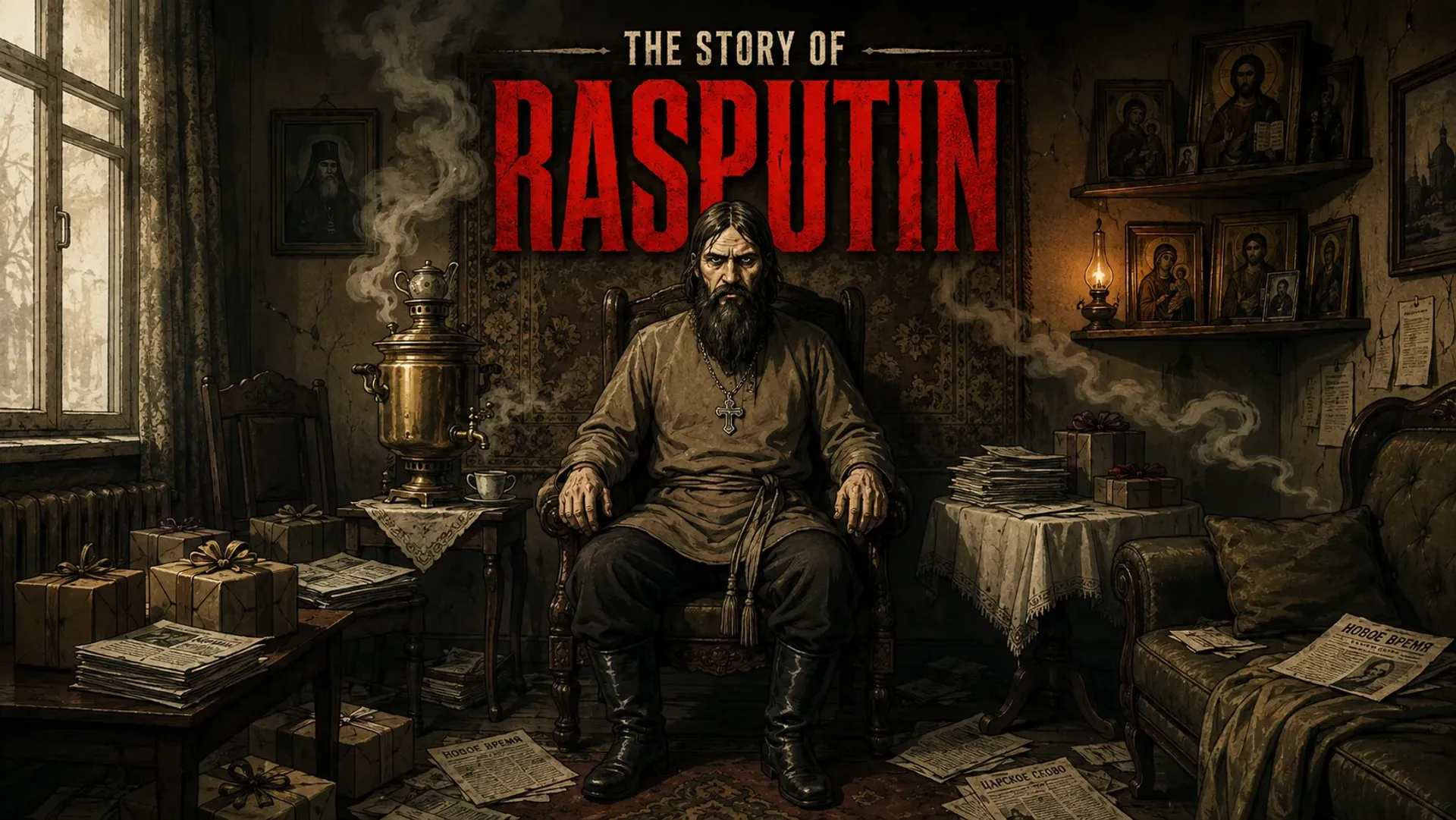
20 episodes
jollybusyperch
Note on dates: In December 1916, the Russian Empire still used the Julian calendar, 13 days behind the Gregorian calendar used in the West. All calendar dates in this series are given in both the Julian (Old Style) form used at the time and the Gregorian (New Style) form used today. The murder itself took place across the night of 16–17 December 1916 Old Style, which corresponds to 29–30 December 1916 New Style. It is one of the most-analysed political homicides of the twentieth century — and one of the very few in which the sworn confession of the principal killer contradicts almost every finding of the official autopsy.
20 episodes

1:01
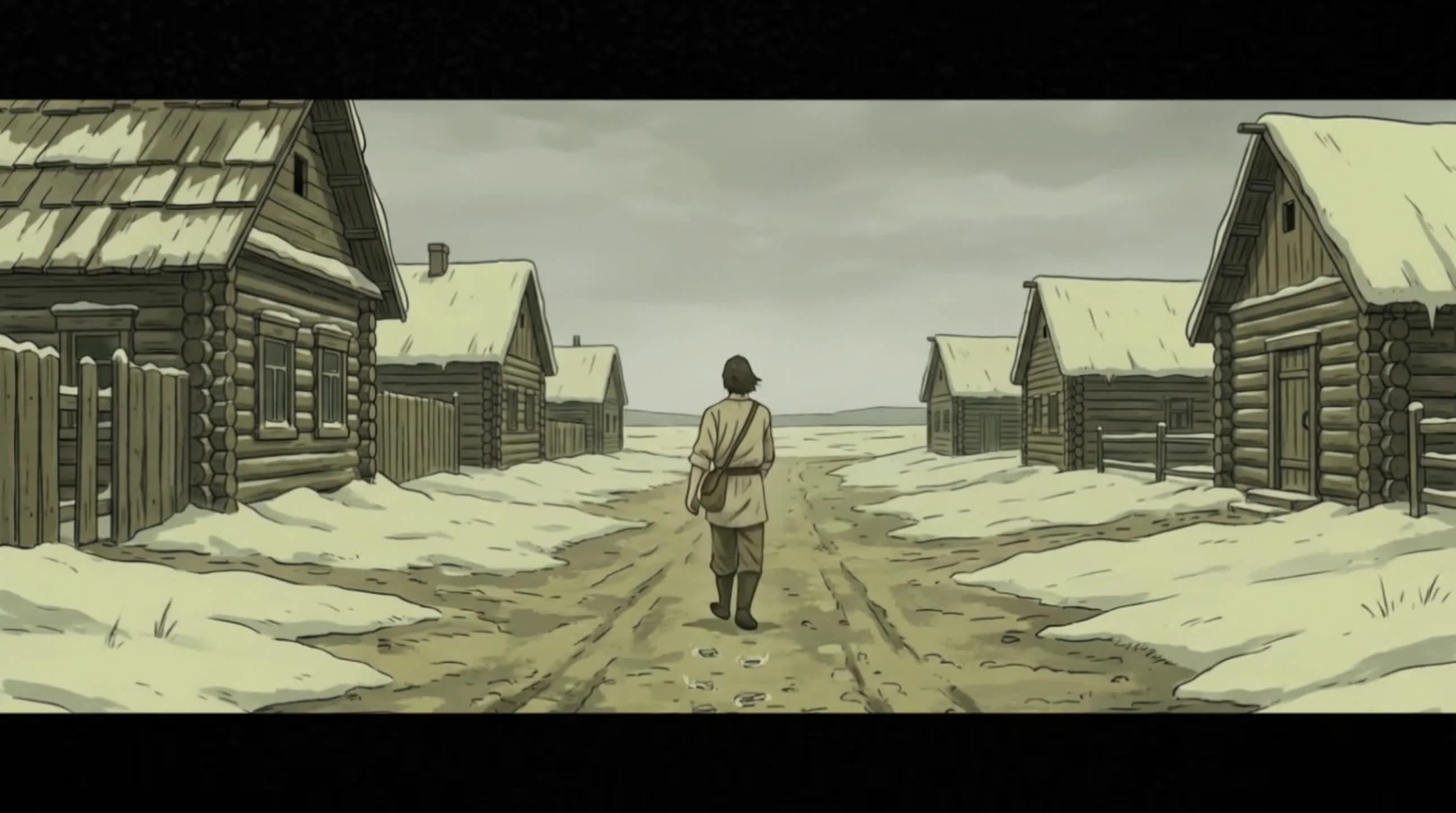
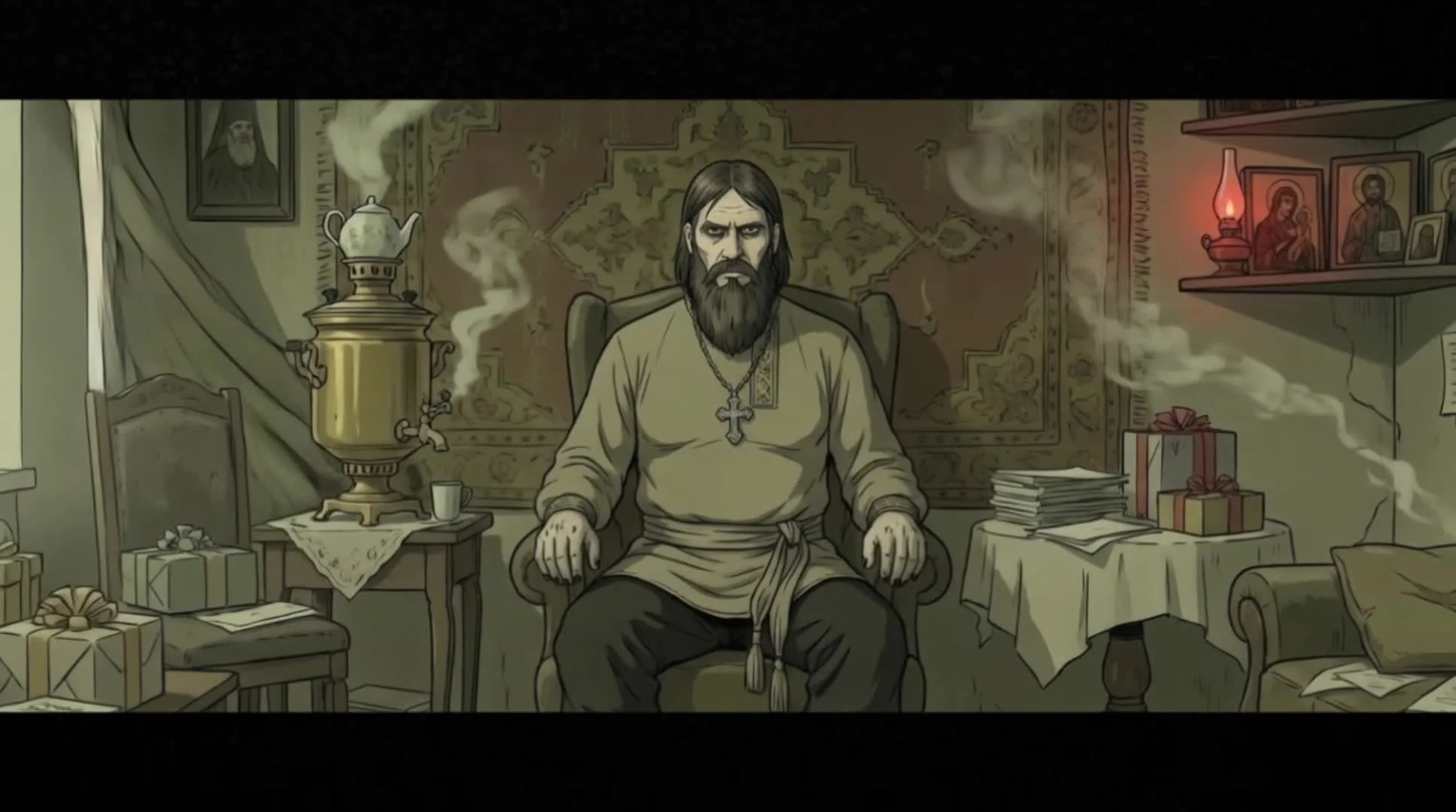
Pokrovskoye, Tobolsk Governorate, Siberia. A small farming and fishing village of fewer than 500 people on the Tura River, approximately 200 miles east of Yekaterinburg. On 9 January 1869 in the Julian calendar — 21 January in the Gregorian calendar used in the West — a son was born to the peasant Yefim Yakovlevich Rasputin and his wife Anna Vasilyevna. They named him Grigori. Yefim was a horse-cart driver and farmer; Anna managed the household. The family had lost several older children in infancy, a common circumstance in rural Siberia in the mid-nineteenth century. Grigori grew up in the specific circumstances of a Russian peasant childhood — subsistence farming, seasonal fishing on the Tura, no formal education beyond parish-level religious instruction. He was, per every contemporaneous account, an ordinary Siberian peasant boy of his generation and class, no one of any note in any way, until approximately the age of eighteen when — per his own subsequent accounts — he had what he described as a religious vision. What specifically changed him has never been definitively established. But it began the trajectory that history now calls Rasputin.
1:07
The late 1880s and 1890s. Rasputin's early adulthood. The specific spiritual awakening that turned him from ordinary peasant to self-identified starets has been documented only through his own subsequent accounts and those of his family. In the Russian Orthodox tradition, a starets was a holy elder — a lay religious wanderer who had renounced ordinary village life for a life of pilgrimage, ascetic practice, and spiritual counsel. Rasputin took to the roads on extended pilgrimages beginning in his late teens, visiting monasteries at Verkhoturye in the Urals and other sites across European Russia and Ukraine. He returned to Pokrovskoye intermittently. In 1887 he married Praskovya Fyodorovna Dubrovina, a fellow peasant; they had four children of whom three — Dmitri, Maria, and Varvara — survived childhood. He continued his pilgrimages throughout his marriage. By approximately 1900, per the accounts of visitors to Pokrovskoye, he was locally known as a religious figure — controversial within his own village, credited with prophecy and healing by some, considered a fraud by others. In 1903, he travelled to St Petersburg. He arrived in the imperial capital with nothing. He would leave it thirteen years later as the most-hated man in Russia.
1:10
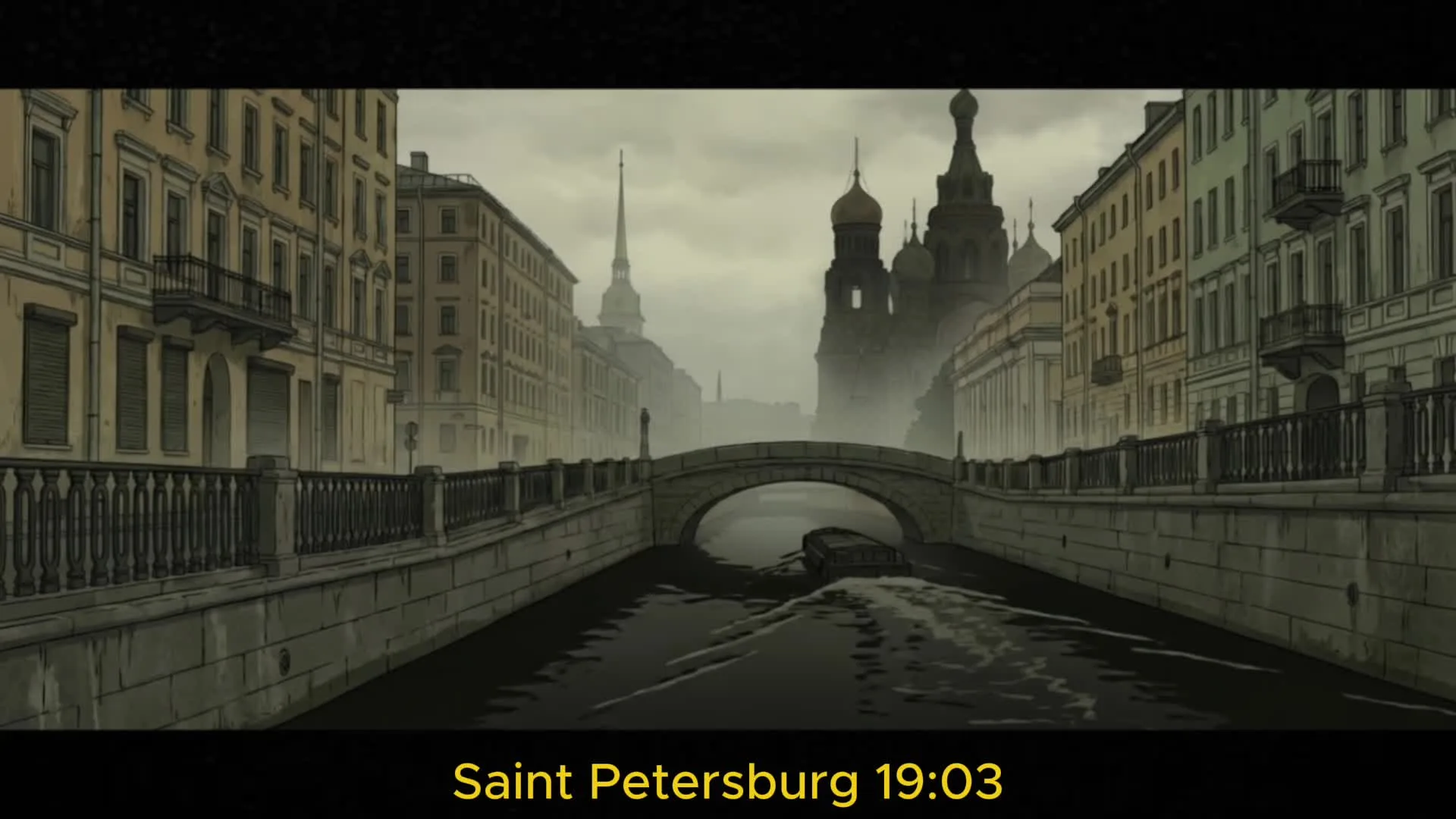
St Petersburg, imperial capital of the Russian Empire. 1903. Rasputin arrived in the capital via extended pilgrimage, carrying only a small bundle of personal belongings and letters of introduction from clergy he had impressed on his travels. He was, in the specific circumstances of imperial St Petersburg society, a physical anomaly — an unwashed peasant in peasant dress, with long dark hair, an unkempt beard, and intense pale-blue eyes. He was introduced, through Orthodox clergy sympathetic to him, to specific aristocratic households known for their interest in mystical religion. One of those was the household of the Grand Duchesses Militza and Anastasia Nikolaevna — two Montenegrin-born princesses married into the Russian imperial family and, importantly, close personal friends of Tsarina Alexandra Feodorovna. In October 1905, the Grand Duchesses arranged Rasputin's first meeting with the Tsarina. The specific date is variously given as 1 or 15 October 1905 (Old Style). Nicholas II's own diary entry for the day records only that they had met 'a man of God — Grigori — from Tobolsk Governorate.' That entry is the beginning of the historical Rasputin. Everything else follows from it.
1:19
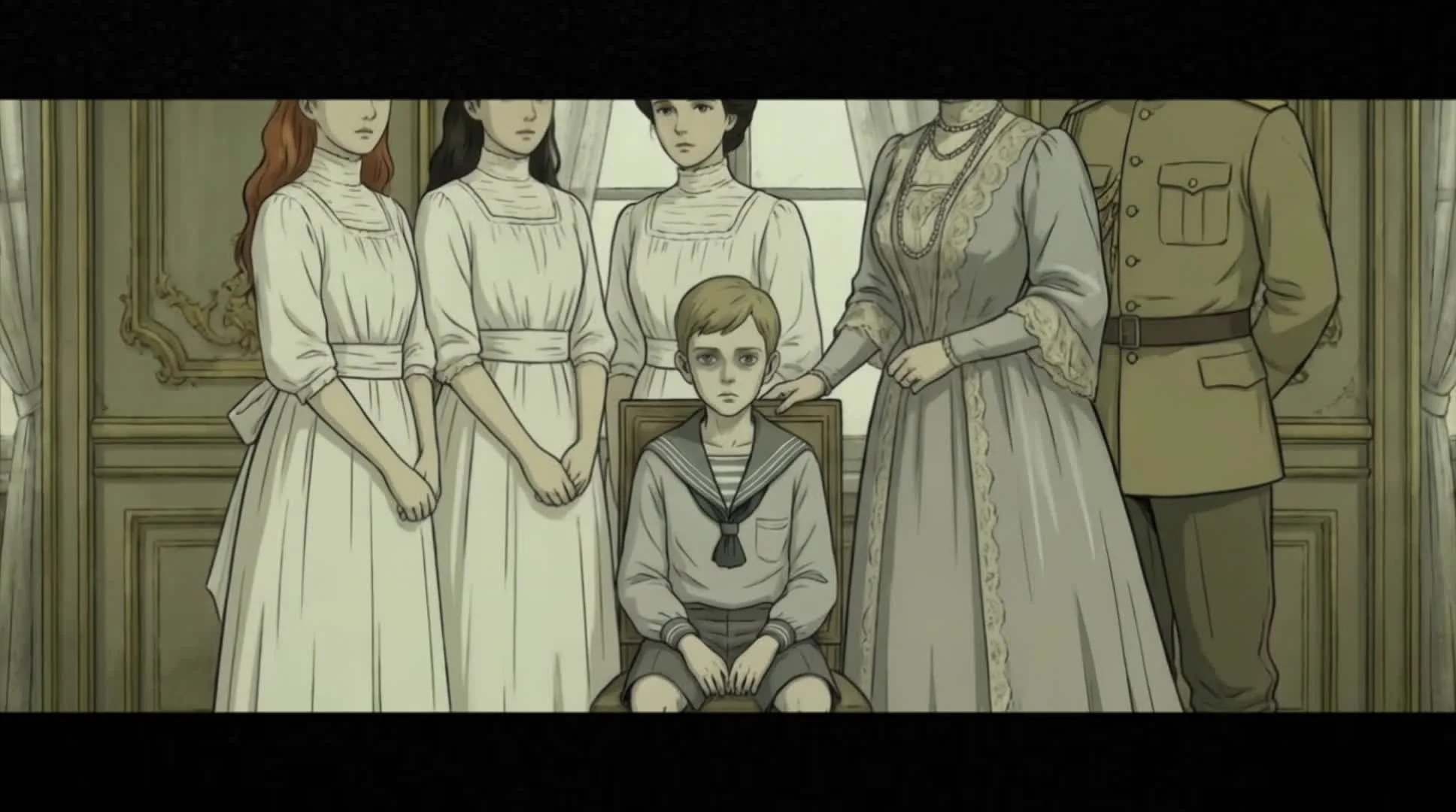
The imperial family of Nicholas II and Alexandra Feodorovna. Five children — four Grand Duchesses Olga, Tatiana, Maria, and Anastasia, born between 1895 and 1901, and the Tsarevich Alexei Nikolaevich, born 30 July 1904 Old Style, the long-awaited heir to the Russian throne. Alexei suffered from haemophilia B, a hereditary blood-clotting disorder inherited through the female line of his grandmother Queen Victoria. The disorder was, in the medical circumstances of 1905, effectively untreatable. Alexei's episodes of internal bleeding, often triggered by minor knocks, produced life-threatening crises. Alexandra Feodorovna's psychological state throughout her son's childhood was, per every subsequent memoir of the imperial household, dominated by fear for his life. She was a woman of intense religious conviction and, by 1906, of specific mystical inclination. In the years from 1906 to 1912, Rasputin was present at multiple of Alexei's medical crises. In several documented episodes, Alexei's bleeding ceased during or shortly after Rasputin's presence — via prayer, laying on of hands, or in some cases telegrams sent from Rasputin's home village. The specific medical mechanism has been variously explained by later physicians. The Tsarina's own explanation was simpler: Rasputin was a holy man sent by God to save her son. From that conviction — and from Alexandra's absolute personal power over her husband — Rasputin's political position at court was, by 1912, unshakeable.
1:13
Petrograd, 1912 through 1916. The years of Rasputin's political ascendancy. From approximately 1911 onward, his presence at court was continuous. He was received privately by Alexandra Feodorovna, counselled her on religion, health, and increasingly imperial policy. Nicholas II — a man of limited political confidence who deferred substantially to his wife — accepted Rasputin's influence, though with periodic misgivings. In August 1914, Russia entered the First World War against Imperial Germany and Austria-Hungary. In September 1915, Nicholas II personally took command of the Russian army and departed for the military headquarters at Mogilev. In the Tsar's absence, Alexandra Feodorovna became the effective head of the civilian government in Petrograd, and her principal private adviser during this period was Rasputin. Between September 1915 and December 1916, per historians of the period, four prime ministers, five interior ministers, three foreign ministers, three war ministers, and three transport ministers were appointed, dismissed, or reshuffled in Petrograd — many at Rasputin's direct suggestion or on his private endorsement. The Russian aristocracy — which had tolerated Rasputin as a curiosity in 1910 — regarded him by 1916 as a national catastrophe. The Duma denounced him publicly. The press printed savage cartoons. By autumn 1916, in the salons and clubs of Petrograd, one specific question had begun to be asked openly: who is going to kill him?

0:50
Sunday, 29 June 1914 (Old Style). 12 July 1914 (New Style). Pokrovskoye, Siberia — the village to which Rasputin had returned for a summer visit. A woman approached him outside his own house. Her name was Khioniya Kuzminichna Guseva. Age 33. A former prostitute from Tsaritsyn who had been religiously radicalised. Guseva was a follower of Iliodor — a former Russian Orthodox monk and once-associate of Rasputin who had become one of his most vocal enemies. Iliodor had, in the preceding months, publicly denounced Rasputin as a fraud, a heretic, and a corrupter of the imperial family. Guseva had travelled from central Russia to Pokrovskoye specifically to kill him. She approached Rasputin, drew a knife from beneath her clothing, and stabbed him once in the abdomen. Rasputin, per subsequent accounts including his own, managed to raise his arms and prevent a second strike. He was taken by cart to the nearest hospital, at Tyumen. He survived; the wound had penetrated the intestinal cavity but had missed the major arteries. Guseva was arrested at the scene, subsequently found by the Tobolsk courts to be criminally insane, and committed to a psychiatric hospital. She was released in March 1917 after the February Revolution. The specific coincidence of the date — the same day, per some accounts, that Archduke Franz Ferdinand was shot in Sarajevo — has never been fully explained.
0:45
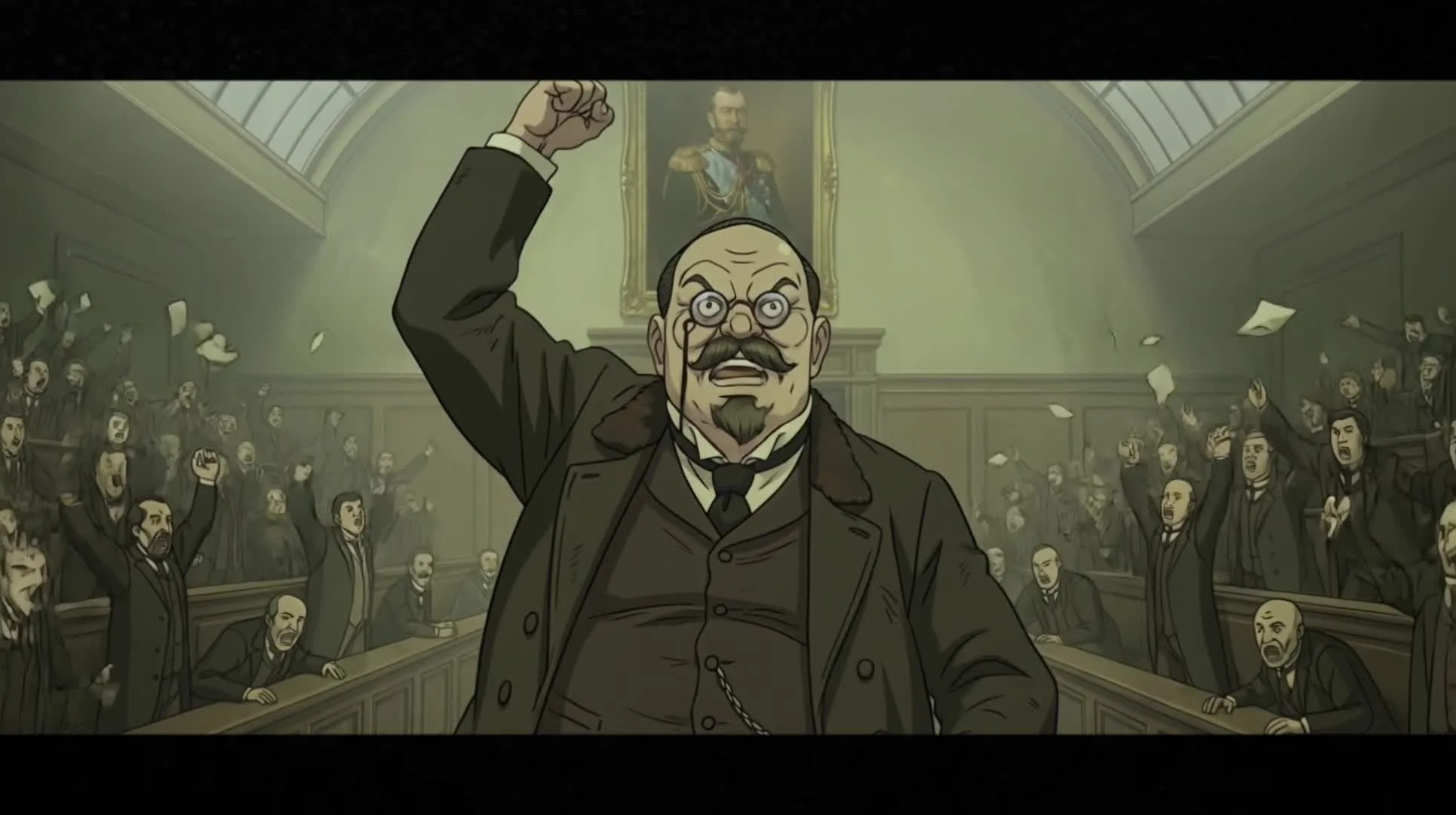
Autumn 1916. Petrograd. The specific formation of the conspiracy that would end Rasputin's life. The Russian imperial family in this period comprised, in Petrograd, an extended network of Grand Dukes and Grand Duchesses — cousins of the Tsar — most of whom regarded Rasputin's influence with alarm. The Russian State Duma contained deputies of both the political right and left who saw in Rasputin the specific mechanism by which the monarchy was destroying itself. In November 1916, the deputy Vladimir Purishkevich delivered a two-hour speech from the floor of the Duma denouncing Rasputin by name. The speech was the specific catalyst that turned diffuse hostility into operational planning. Prince Felix Yusupov — a young aristocrat then aged 29, married to the Tsar's niece Irina, and heir to one of Russia's largest private fortunes — approached Purishkevich shortly after the Duma speech. Yusupov proposed a specific conspiracy to murder Rasputin. Purishkevich agreed. The circle expanded to include Grand Duke Dmitri Pavlovich — Nicholas II's own first cousin, aged 25 — and Dr Stanislaus de Lazovert, a Polish military physician assigned to Purishkevich's hospital train. A fifth conspirator, Lieutenant Sergei Sukhotin of the Preobrazhensky Guards, joined for logistical support. A sixth man may have been present. He was British.
1:06
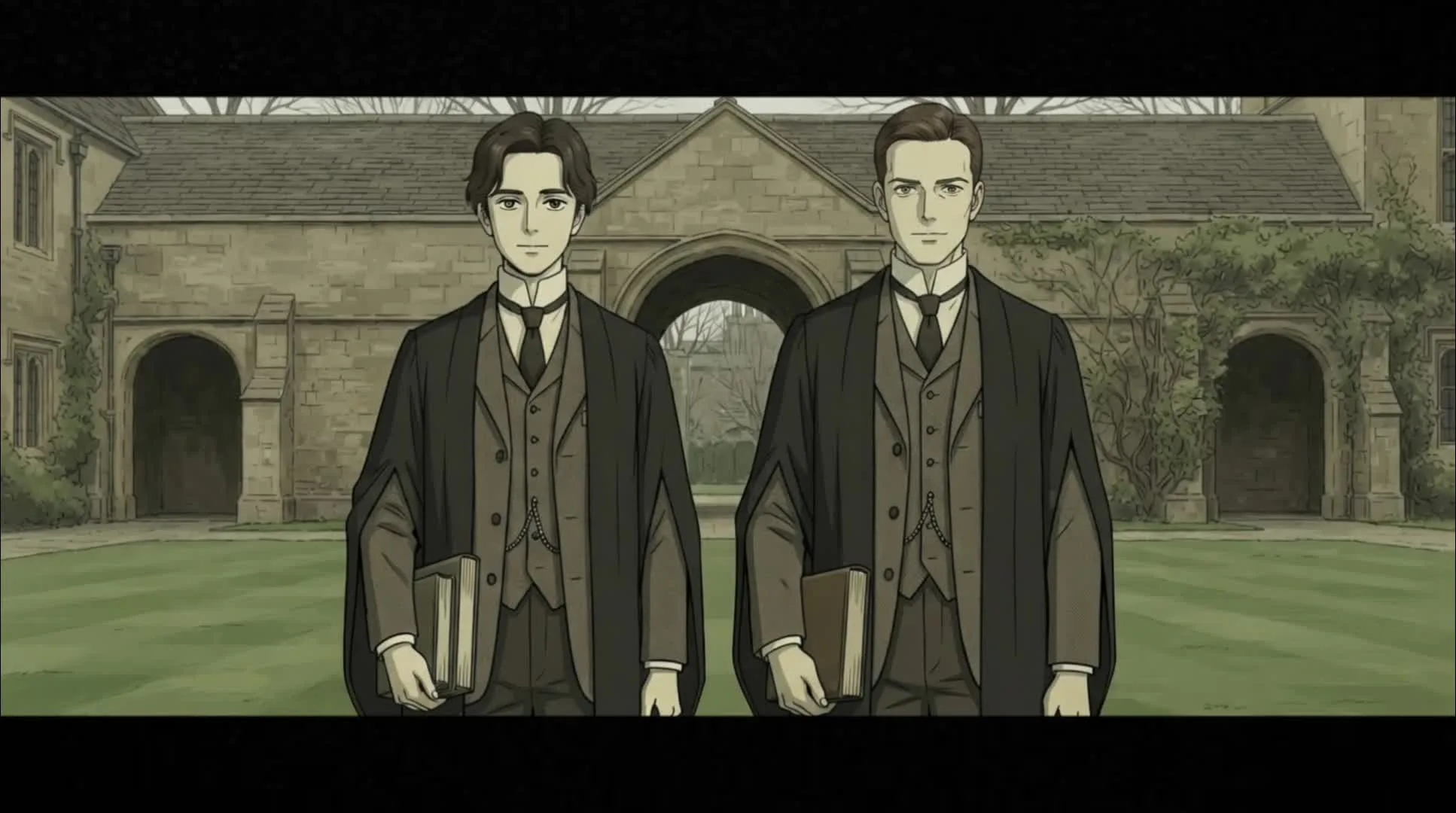
Oswald Theodore Rayner. Born 29 November 1888 in Smethwick, England. British subject. Educated at Oriel College, Oxford, from approximately 1907. At Oxford, Rayner formed a close friendship with a Russian aristocratic student named Felix Yusupov. The two men maintained their friendship after their respective returns to Britain and Russia. By 1915, Rayner had been recruited into the British Secret Intelligence Service — the predecessor agency to the modern MI6, under its founding chief Mansfield Cumming. In late 1915 or early 1916, Rayner was posted to the small British SIS station in Petrograd, operating from the British Embassy under Ambassador Sir George Buchanan. The Petrograd SIS station comprised Rayner, Stephen Alley, John Scale, Cudbert Thornhill, and a small support staff. The station's specific brief in 1916: to maintain Russia's continued participation in the First World War against Imperial Germany. In the autumn of 1916, London had received specific intelligence that Rasputin's influence on Alexandra Feodorovna was pushing the Russian government toward a separate peace with Germany — a separate peace that would have released approximately 350,000 German troops from the Eastern Front. Rayner's personal sidearm, per subsequent SIS records, was a British Army-issued .455 Webley Mark VI revolver. On the day of Rasputin's killing, per Rayner's own subsequent unpublished statements to family members, he was in Petrograd. That specific fact — Rayner's presence, and the specific calibre of his revolver — is the case's core forensic anomaly.
1:10
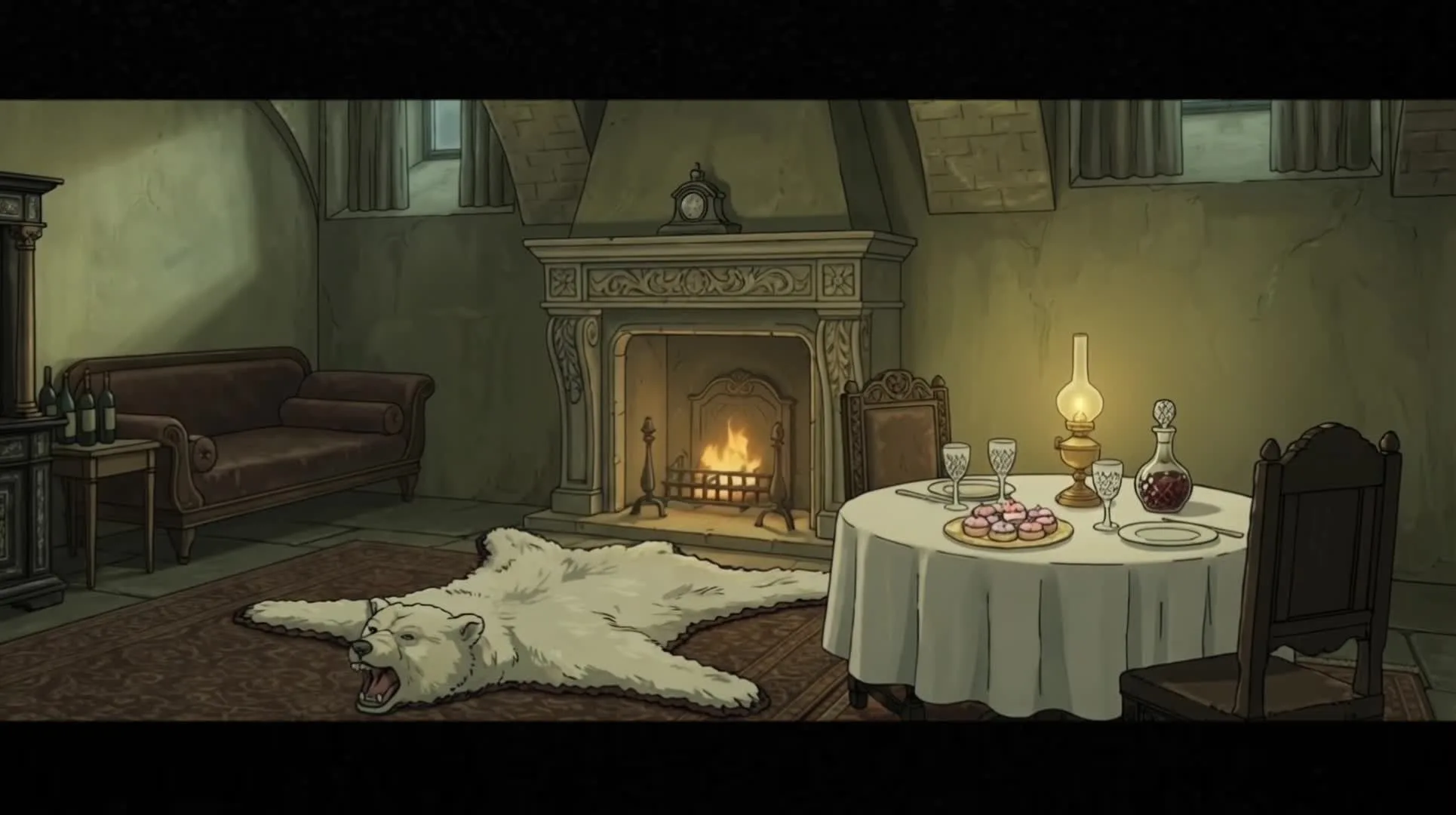
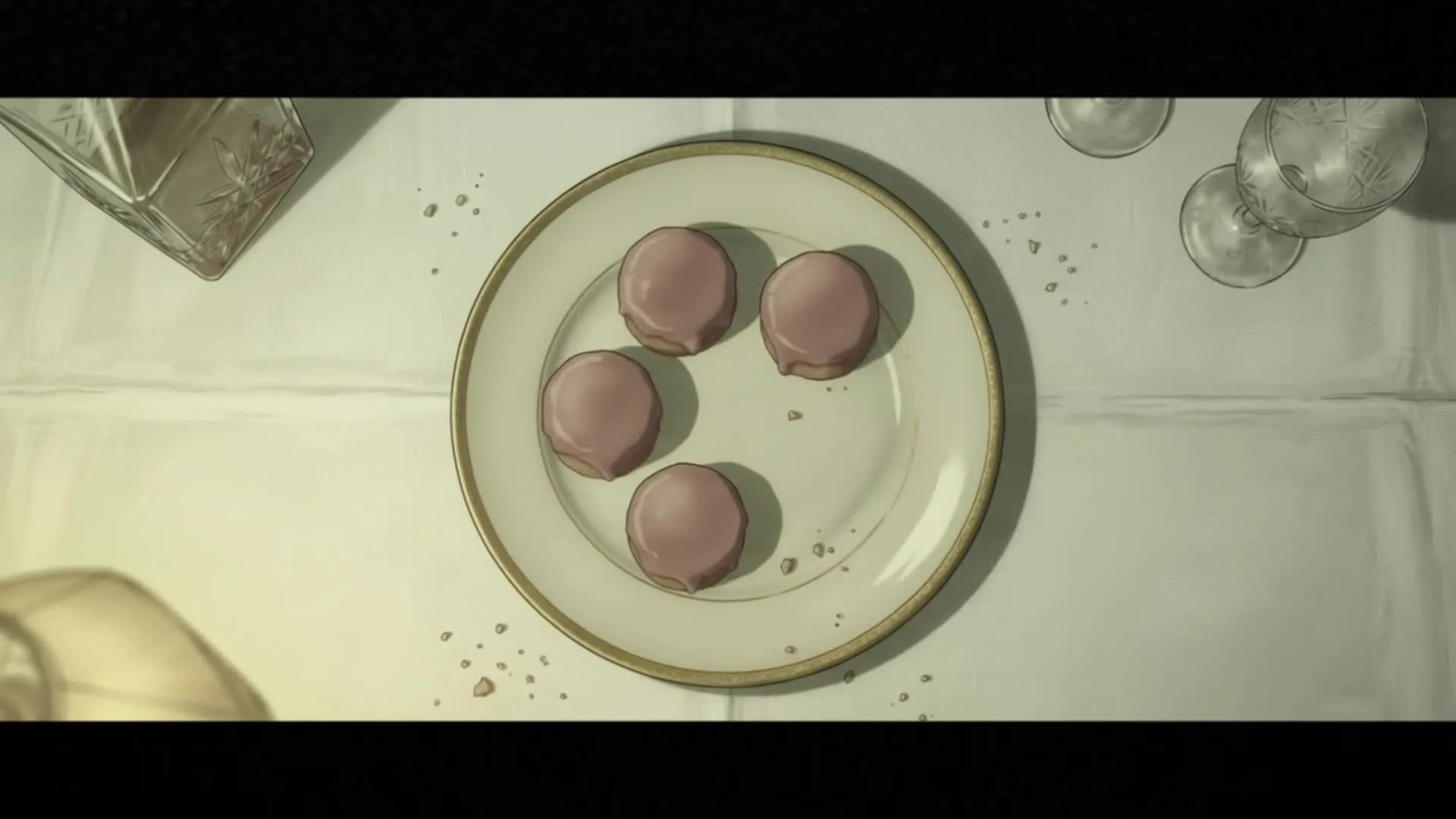
Petrograd. First half of December 1916 (Old Style). The conspirators' operational plan, per Purishkevich's subsequent diary and Yusupov's subsequent memoirs. Yusupov, who had cultivated a personal friendship with Rasputin over the preceding months, would invite him to the Moika Palace on the pretext of meeting Yusupov's wife Princess Irina — the Tsar's niece — who Rasputin was told wished to receive him privately for spiritual counsel. Irina was not, in fact, in Petrograd on the night of the killing; she was at the Yusupov family estate in Crimea, and Rasputin was not informed of this. The rendezvous was set for the late evening of 16 December 1916 Old Style, 29 December New Style. Yusupov personally refurbished a small basement dining room at the Moika Palace to receive Rasputin — fireplace, table, chairs, decanters of Madeira wine, and a plate of small pink chocolate cakes. Dr Stanislaus de Lazovert was assigned to prepare the poison — potassium cyanide, in quantities intended to be immediately fatal — for insertion into the cakes and the wine. Yusupov carried a small Browning pocket pistol supplied by Grand Duke Dmitri. Purishkevich carried a Savage automatic pistol. The remaining conspirators would wait upstairs, in an adjacent parlour, playing a phonograph record — 'Yankee Doodle' — to cover any sounds from the basement. That was the plan. The specific events of the night would break it apart within the first hour.
0:57
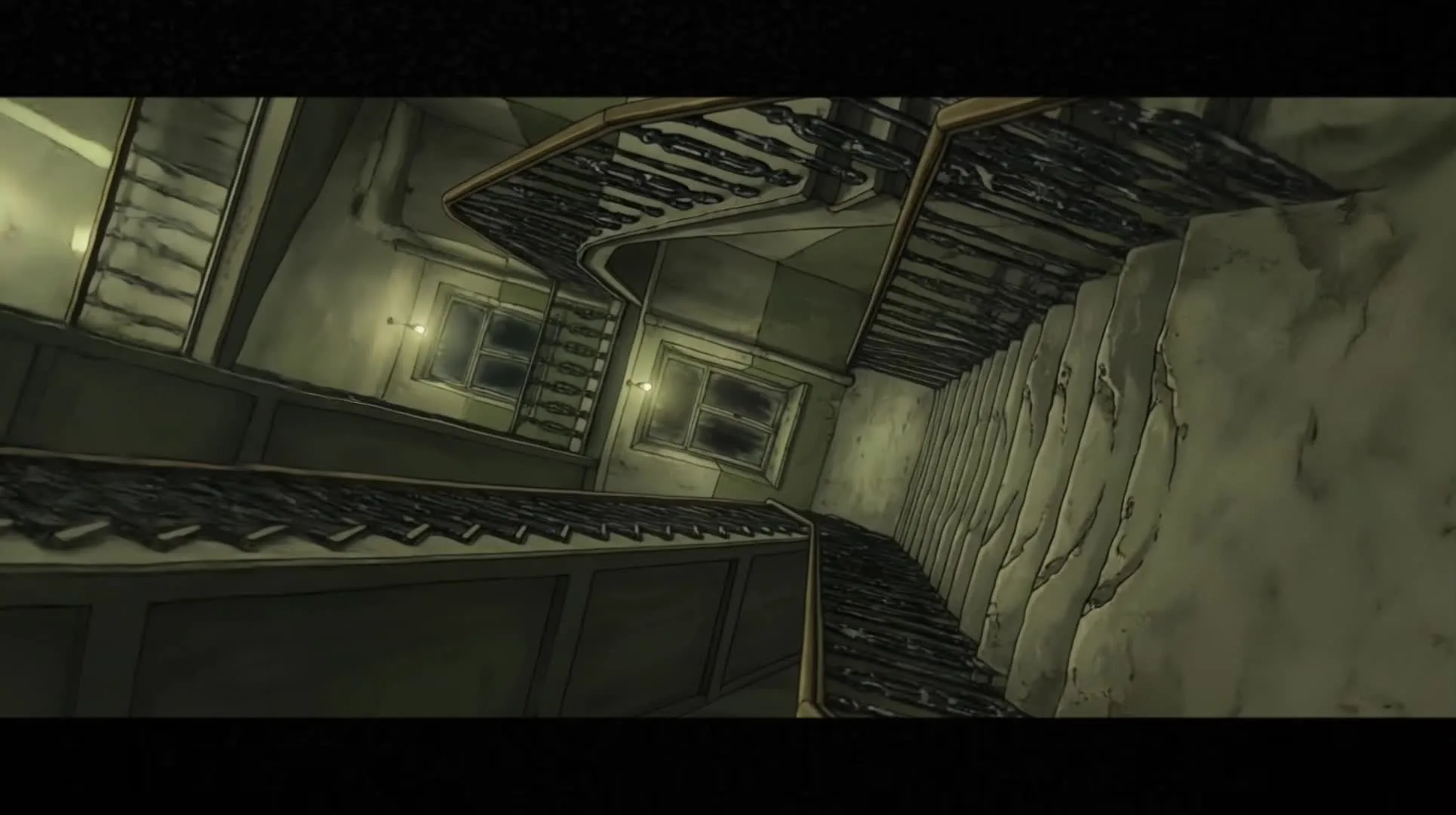
Approximately 11:30 p.m., 16 December 1916 Old Style. 29 December 1916 New Style. Petrograd. Prince Felix Yusupov arrived by motor car at Rasputin's fifth-floor apartment at 64 Gorokhovaya Street. The Okhrana — the Imperial secret police — had, per standard procedure, agents observing the building. Yusupov's arrival was noted. Rasputin had been informed of the invitation in advance and was expecting Yusupov. Per subsequent testimony from Rasputin's daughter Maria, who was resident in the apartment, Rasputin had bathed carefully, put on a new white embroidered shirt given to him by Alexandra Feodorovna, and applied a specific cologne. He left the apartment with Yusupov at approximately 12:15 a.m. on 17 December 1916 Old Style. The car drove southwest through Petrograd to the Moika Palace, arriving at approximately 12:30 a.m. Yusupov led Rasputin through a side entrance and down into the basement dining room he had prepared. The remaining conspirators waited in an upstairs parlour. A phonograph in the parlour began playing 'Yankee Doodle' on repeat, per the pre-arranged plan. Yusupov, alone with Rasputin in the basement, invited him to sit at the table. He offered him cakes. He offered him Madeira. Rasputin, per Yusupov's account, ate three of the cakes. He drank two glasses of the wine. And nothing happened.
0:54
Approximately 12:30 a.m. to 2:00 a.m., 17 December 1916 Old Style. The Moika Palace basement. Yusupov's subsequent account of these ninety minutes: Rasputin consumed three cyanide-laced cakes and two glasses of cyanide-laced Madeira over the course of the initial conversation. The specific quantity of potassium cyanide, per Yusupov's later accounts to Purishkevich, would have been sufficient to kill several fully-grown men. Yusupov reported to Purishkevich upstairs, midway through the encounter, that Rasputin appeared unaffected. Yusupov's account across his multiple subsequent memoirs — published in French in 1927 and in English in 1953 — has varied on the specific reasons the poison did not work. Divine protection. Mithridatic tolerance. A supernaturally strong constitution. The specific alternative explanation, first advanced by later historians and supported by one direct account from a conspirator's family member: Dr Stanislaus de Lazovert, tasked with preparing the poison, may have suffered a crisis of conscience in the hours before the operation. Per this account, Lazovert substituted crushed aspirin for the potassium cyanide. The cakes and the Madeira, per this account, contained no active poison at any point. The 1917 autopsy would find no trace of any poison — cyanide or otherwise — in the stomach or organs of the victim. Whichever account is true, one fact from the autopsy is not disputed. There was no poison in Rasputin's body.
0:55
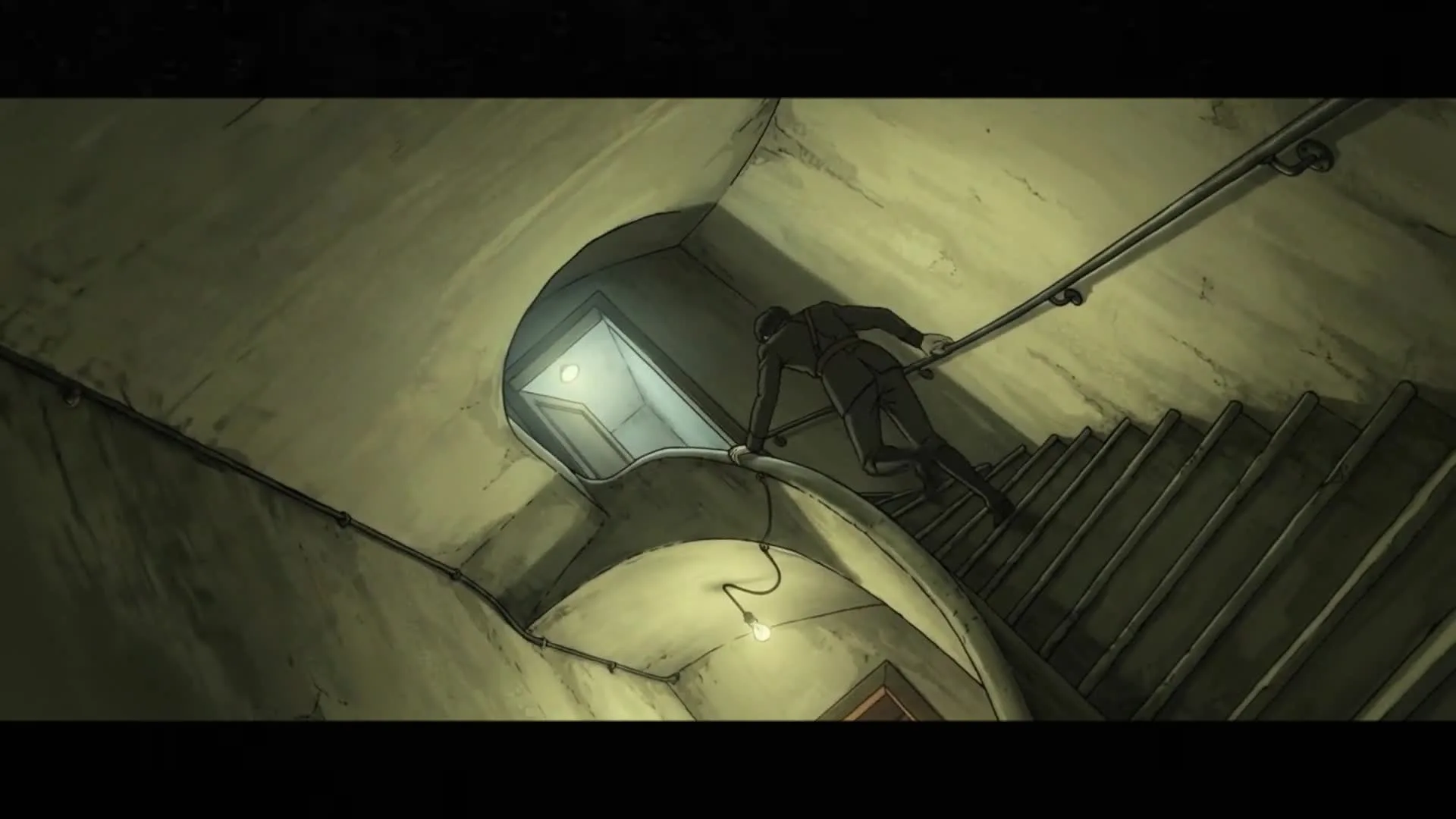
Approximately 2:00 to 2:30 a.m., 17 December 1916 Old Style. Moika Palace basement. Yusupov, unable to poison his guest, went upstairs to consult with the other conspirators. The Browning pocket pistol supplied by Grand Duke Dmitri was placed in Yusupov's hand. Yusupov returned to the basement. Per Yusupov's subsequent account, Rasputin was by this point examining a small crystal cabinet in the room. Yusupov approached him from behind, drew the Browning, and fired one shot. The specific wound produced by this shot, per the 1917 autopsy: a bullet entry in the left side of the chest passing downward, penetrating the stomach and the liver. Rasputin fell. He was lying on the floor of the basement. Yusupov summoned the other conspirators from upstairs. Dr Lazovert examined the body and pronounced Rasputin dead. The conspirators went upstairs to begin the second phase of the operation — Lieutenant Sukhotin was to don Rasputin's fur coat and, escorted by Grand Duke Dmitri, drive back through Petrograd to Gorokhovaya Street to create a false trail for the Okhrana. Yusupov, alone in the palace, remained in the basement with the body. After approximately fifteen minutes, per his own account, Yusupov leaned over the body to check it. And Rasputin opened his eyes.
1:00
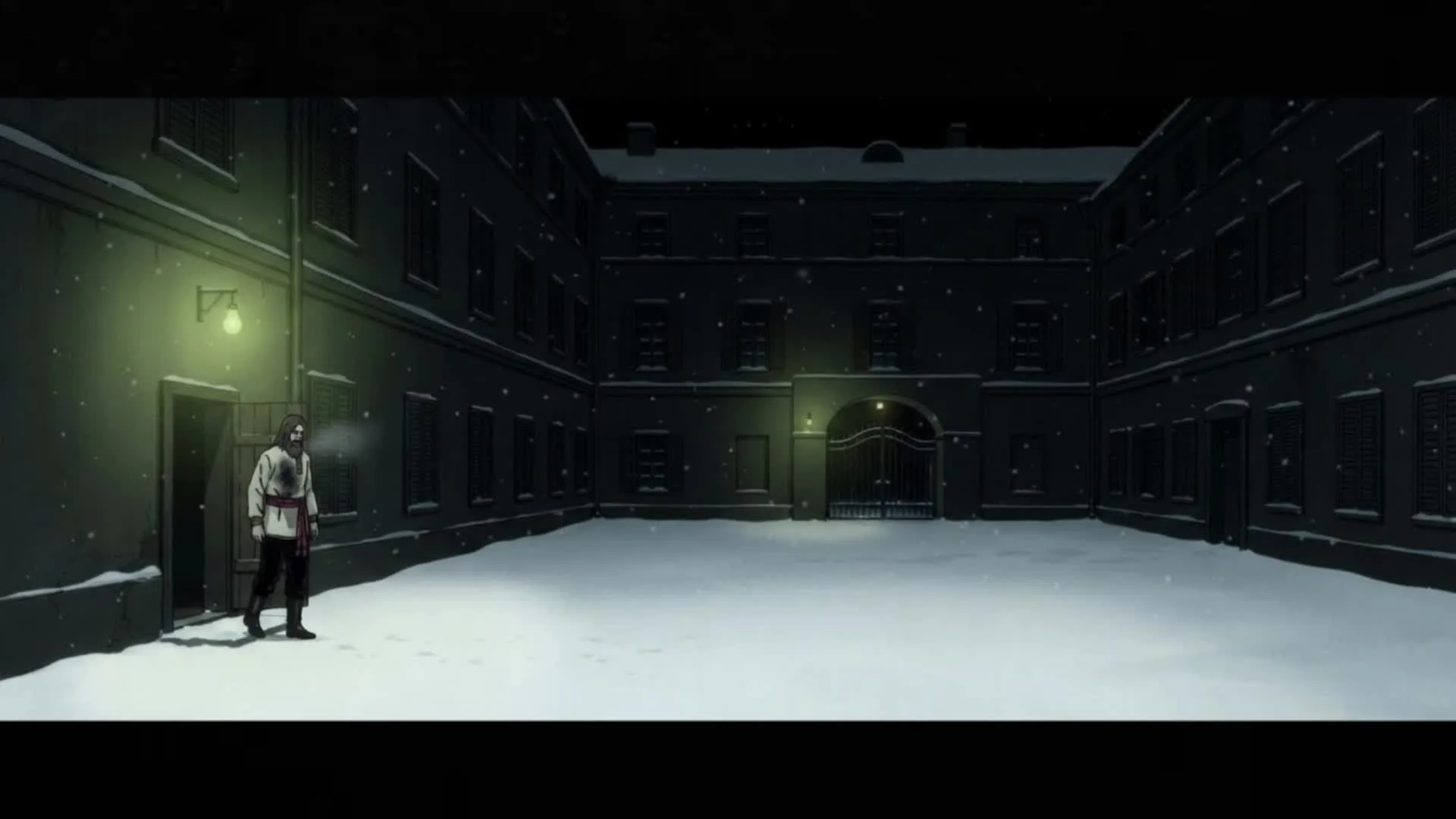
Approximately 3:00 a.m., 17 December 1916 Old Style. Moika Palace basement and courtyard. Yusupov's account of the next several minutes: Rasputin, having been shot in the chest, opened his eyes and rose to his feet. He grabbed at Yusupov by the shoulders and epaulettes. Yusupov, terrified, broke free. Rasputin staggered up the basement stairs, through the main hall of the palace, and out into the interior courtyard. Purishkevich, alerted by Yusupov's shouts, ran through the palace with his Savage automatic in his hand. He caught sight of Rasputin in the courtyard, moving toward the far gate. Purishkevich fired four shots from the Savage at the fleeing Rasputin. The first two shots, per Purishkevich's own account, missed. The third shot struck Rasputin in the back, penetrating a kidney. The fourth shot, per Purishkevich, struck him in the back of the head. Rasputin collapsed in the snow of the courtyard. This is the specific version the conspirators publicly and privately told. It is the version reproduced in Yusupov's 1927 memoir. It is the version dramatised in every subsequent film. It is the version that has been globally understood, for a century, as what happened. The 1917 autopsy would find that none of it, in the specific forensic sense that mattered, was quite true.
0:48
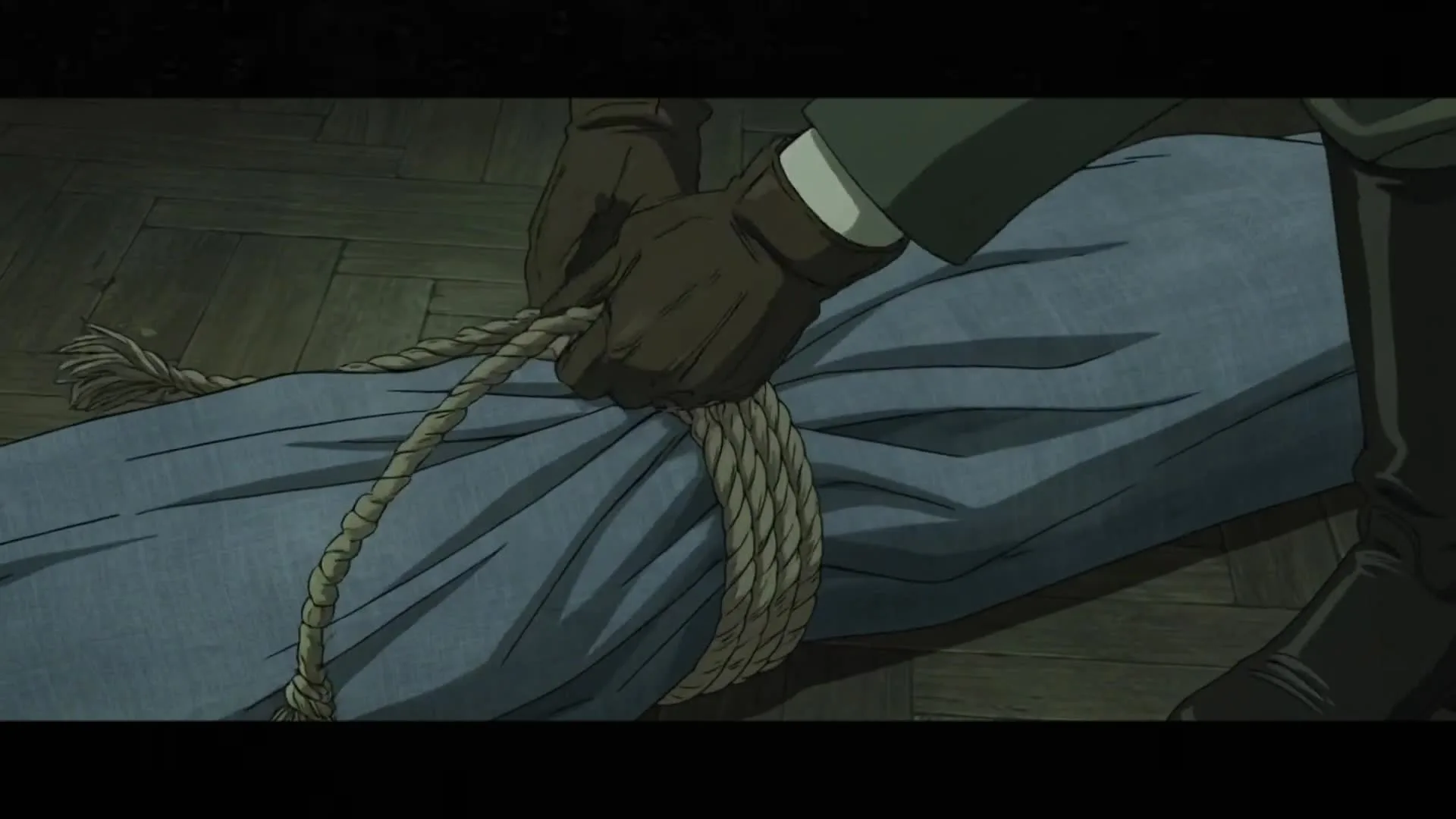
Approximately 4:00 a.m. to 6:00 a.m., 17 December 1916 Old Style. Petrograd. The conspirators, having killed Rasputin in the Moika Palace courtyard, wrapped the body in a blue linen curtain taken from the palace. The body was tied at the wrists and ankles with ropes. It was loaded into a motor car — either the Grand Duke's or Purishkevich's, accounts vary. The car was driven north-east through the sleeping city of Petrograd to the outskirts, crossing the Neva River. The driver — variously identified in accounts as Grand Duke Dmitri or Lieutenant Sukhotin — brought the car to the Petrovsky Bridge, a small road bridge crossing the Malaya Nevka River at Krestovsky Island in the northern outskirts of the city. The Malaya Nevka was, in mid-December 1916, frozen. A small opening in the ice had been noted in the specific vicinity of the bridge. The conspirators lifted the body from the car and dropped it over the eastern railing of the bridge, through the opening, into the river beneath the ice. One of Rasputin's boots, per subsequent police investigation, was left on the bridge itself — either dropped during the disposal or knocked loose in the fall. The conspirators returned to their respective residences in the early morning hours. By dawn on 17 December, Rasputin had been publicly missing for approximately 12 hours. By nightfall, the Okhrana was searching Petrograd. On 19 December, two days later, they found what was on the bridge.
0:57
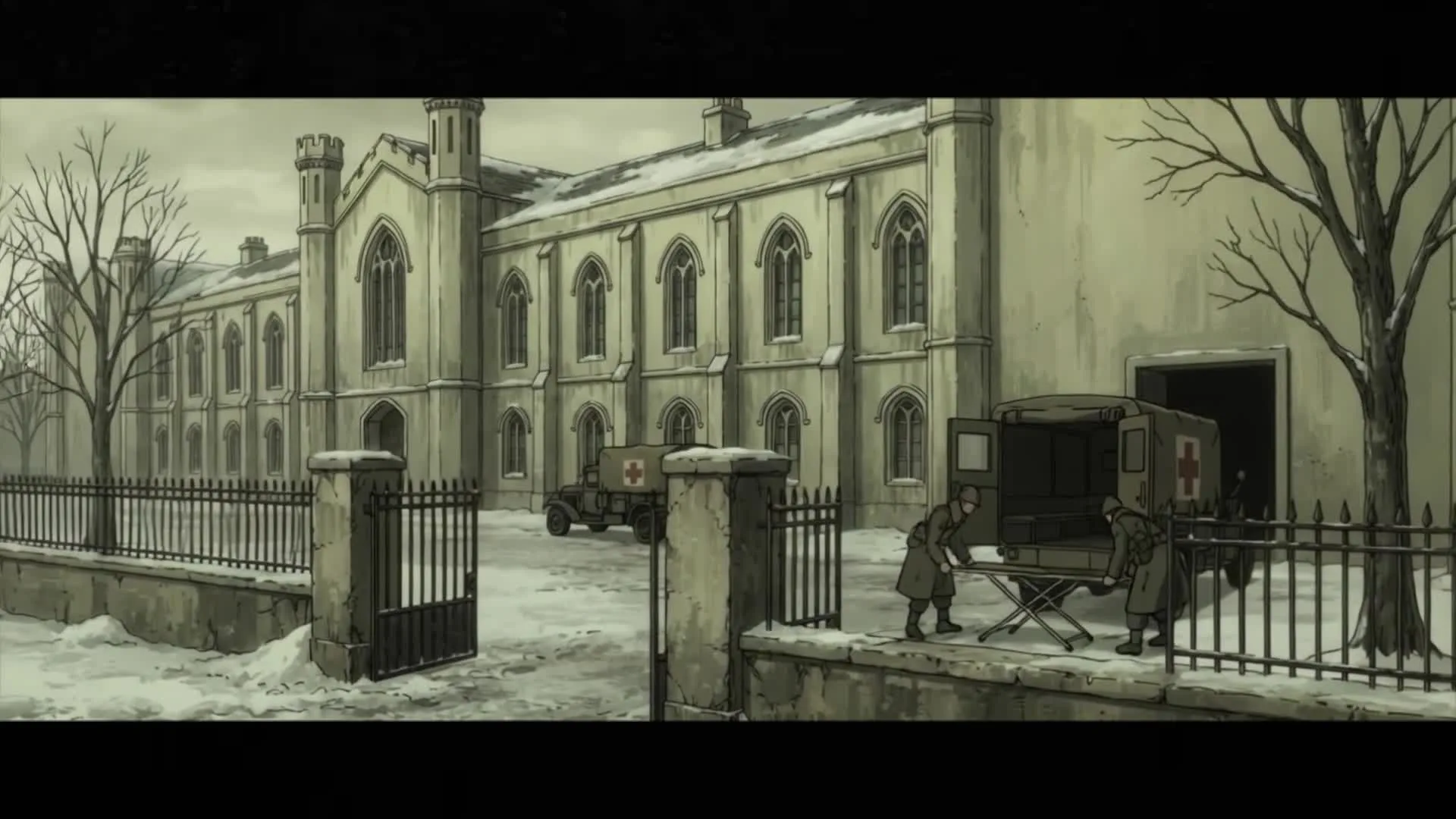
Wednesday, 20 December 1916 Old Style. 2 January 1917 New Style. Chesme Almshouse, Petrograd. Rasputin's body — recovered from the ice of the Malaya Nevka on 19 December 1916 Old Style after the boot on the Petrovsky Bridge attracted police attention — was transported to the Chesme Almshouse for post-mortem examination. The autopsy was conducted by Professor Dmitry Petrovich Kosorotov, head of the Department of Forensic Medicine at the Petrograd Military Medical Academy. His findings, in summary: First, there was no trace of cyanide, or any other poison, in the stomach, liver, kidneys, or any other analysed organ — the cakes-and-wine story was not corroborated. Second, there were three — not four — gunshot wounds on the body. Third, one wound was in the left side of the chest, passing downward through the stomach and liver, consistent with the shot Yusupov claimed to have fired in the basement. Fourth, a second wound was in the right side of the back, penetrating a kidney, consistent with a shot fired at close-to-medium range from behind. Fifth, a third wound was in the forehead, above the left eye — fired at extremely close range with the characteristic powder-burn stippling of a contact or near-contact shot. Sixth, Kosorotov noted that the three wounds appeared to have been produced by bullets of three different calibres. That last finding is where the case, in the specific forensic sense, has stayed unsolved for a hundred and ten years.
1:10
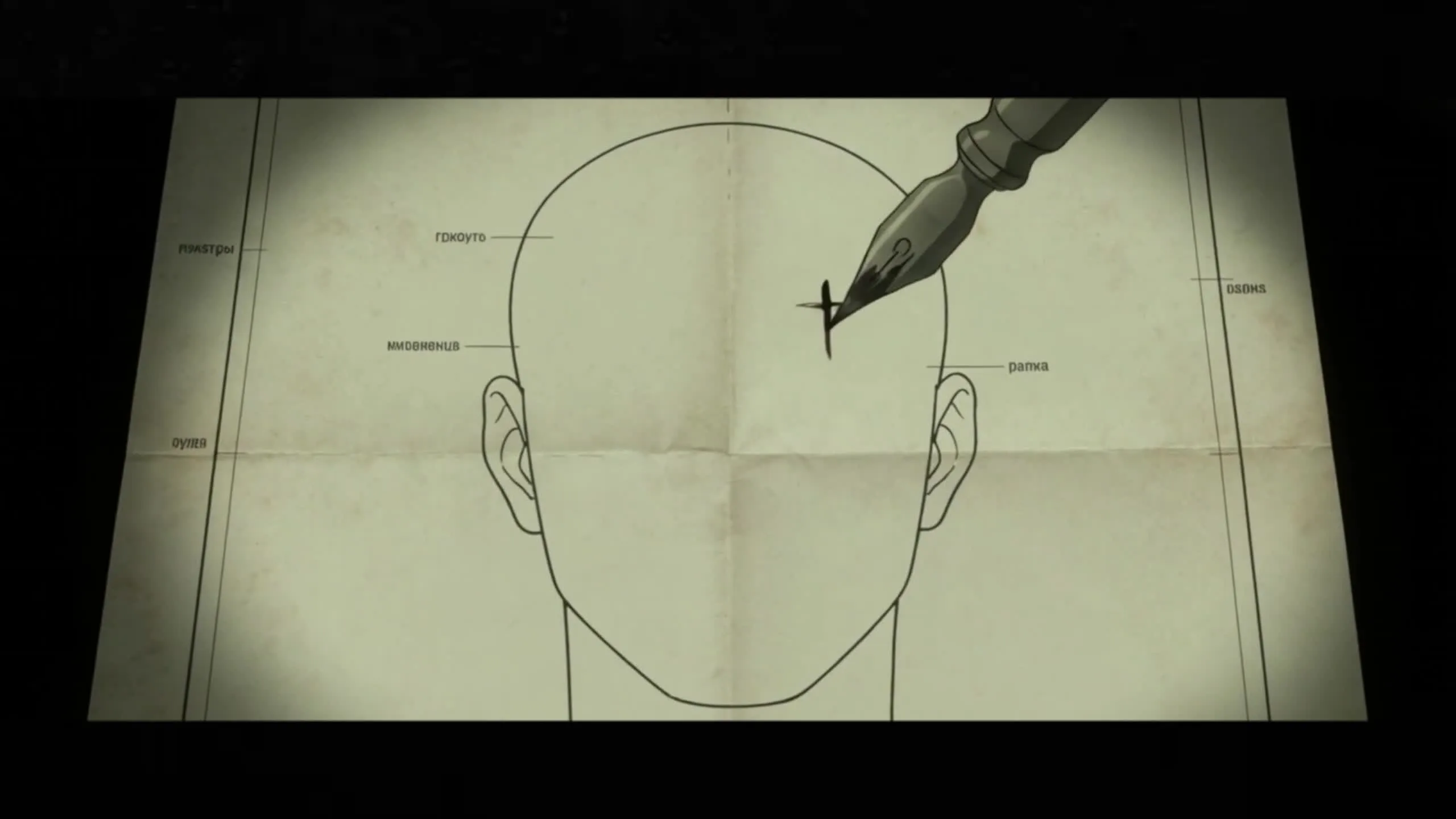
The specific forensic analysis of the three gunshot wounds, per Professor Kosorotov's 1916 report and subsequent modern reconstruction. Wound one, to the chest — consistent with a small-calibre automatic pistol, compatible with the Browning pocket pistol Yusupov had carried in the basement. Wound two, to the back and kidney — consistent with an automatic pistol, compatible with Purishkevich's Savage automatic in the courtyard. Wound three, to the forehead — not consistent with either of those two weapons. The forehead wound bore the specific stippling and powder-burn pattern of a point-blank contact shot fired from a revolver — a firearm using loose lead, non-jacketed bullets rather than the jacketed rounds fed by automatic pistols. The specific calibre indicated by the wound characteristics has, in the century since, been analysed by multiple ballistics teams — Russian, British, and independent. The most-cited modern conclusion, developed by British investigator Andrew Cook in his 2005 book 'To Kill Rasputin' and supported by ballistics analyses commissioned by BBC documentary teams, identifies the weapon as a British-made .455 Webley revolver. This conclusion has been contested — Russian historian Elizaveta Nelipa and others have argued the surviving forensic photography does not conclusively establish a specific .455 Webley source. What is not contested — by any modern analyst — is the central point. The forehead wound was fired from a weapon that no confessed conspirator was carrying. Someone else was in the Moika Palace courtyard at approximately 3:00 a.m. on the morning of 17 December 1916 with a revolver.
1:09
The evidence for Oswald Rayner's specific involvement in the killing of Rasputin. First, Rayner was a serving officer of the British Secret Intelligence Service in Petrograd from late 1915 through early 1918. Second, Rayner had been a close personal friend of Prince Felix Yusupov since their time together at Oxford University from approximately 1909 onward — the friendship was documented in Yusupov's own subsequent correspondence. Third, Rayner's personal service sidearm was a British Army-issue .455 Webley Mark VI revolver. Fourth, Rayner is documented, per surviving British Embassy visitor records and subsequent SIS internal documentation, as having visited the Yusupov palace at least twice in the two weeks preceding the murder. Fifth, per the 1994 memoir of Rayner's grandson Julian Rayner and per SIS internal documents subsequently released to researchers, Oswald Rayner privately acknowledged to family members in later life that he had been in the Moika Palace on the night of the killing. Sixth, a previously classified SIS memorandum dated 7 January 1917 New Style — approximately one week after the killing — from Petrograd station chief Stephen Alley to Captain John Scale referenced the operation with the specific phrase 'Rayner is attending to loose ends.' The interpretation of that phrase has been contested. The British government has, in every specific public statement across the past hundred and ten years, declined to formally confirm or deny SIS operational involvement in the killing. Whether Rayner fired the shot has never been proven. It has also, per every credible investigator of the case, never been ruled out.
1:05
The specific structural problems of Prince Felix Yusupov's published account of the killing, as measured against the 1917 Kosorotov autopsy. Yusupov's memoirs — first published in French in 1927 as 'La fin de Raspoutine' and expanded in English in the 1950s — described the following sequence: Rasputin ate cyanide-laced cakes and drank cyanide-laced Madeira, was unaffected, was shot once in the heart, appeared dead, rose, seized Yusupov by the shoulders and attempted to strangle him, staggered up the stairs into the courtyard, was pursued by Purishkevich who fired four shots (two of which struck), fell, was beaten further with a rubber truncheon, and was dumped through the ice, where he drowned. Kosorotov's autopsy contradicted every specific forensic element of that account. No cyanide in the stomach. Yusupov's shot was not to the heart — it was to the chest, angled downward, hitting stomach and liver, with no fatal wound to the heart at all. Purishkevich's four shots became, in the forensic record, at most two. The head wound the conspirators attributed to Purishkevich was, on close forensic examination, a point-blank contact shot from a revolver — not the distance shot from a fleeing pursuit that Purishkevich described. The claim of drowning is not supported by the autopsy — Kosorotov specifically noted that no significant water had entered the lungs; Rasputin was dead when he entered the river. The specific reason Yusupov's account has nonetheless been the dominant popular narrative for a hundred years is straightforward: it was published. Kosorotov's report was suppressed under both the Provisional Government of 1917 and the Soviet regime that followed.
0:51
Late December 1916 to early 1917. Petrograd and the Russian Empire. The specific legal consequences of the killing of Rasputin for the confessed conspirators. Prince Felix Yusupov: exiled to the Yusupov family estate at Rakitnoye in central Russia. No criminal charges. Grand Duke Dmitri Pavlovich: exiled to the Persian front with a Russian expeditionary force. No criminal charges. Vladimir Purishkevich: no formal sanction, continued as a member of the Duma. Dr Stanislaus de Lazovert: no formal sanction. Lieutenant Sergei Sukhotin: no formal sanction. Oswald Rayner: continued as an SIS officer in Petrograd through 1917, returned to Britain in 1918, continued in intelligence service through the interwar period, and died at Botley, Hampshire, on 6 March 1961, aged 72. He never publicly discussed the case. The specific reason the Russian imperial government did not prosecute is straightforward: Grand Duke Dmitri's involvement made a formal murder prosecution constitutionally impossible without directly implicating the Romanov house. The specific reason the British government did not investigate is similarly straightforward: the outcome the SIS had reportedly sought — Russia's continued participation in the war against Germany — had, in the immediate short term, been secured. That short-term outcome did not last. On 23 February 1917 Old Style — 8 March New Style — approximately eight weeks after the killing, the February Revolution began in Petrograd. On 2 March 1917 Old Style, Tsar Nicholas II abdicated. The Romanov dynasty ended. In July 1918 at Yekaterinburg, Nicholas II, Alexandra, and all five of their children — including the Tsarevich Alexei, whom Rasputin had spent a decade of his life keeping alive — were executed by Bolshevik militia.
1:01
Present day. The murder of Grigori Yefimovich Rasputin in the historical record. The specific facts on which every serious modern analyst agrees: Rasputin was killed in the Moika Palace and its courtyard on the night of 16-17 December 1916 Old Style, and dumped in the Malaya Nevka River in the early morning of 17 December. He was shot three times, by weapons of three different calibres, in a specific sequence beginning with an automatic-pistol shot in the basement and ending with a revolver shot to the forehead. He was not poisoned. He was not drowned. He was, at the moment of the final head wound, either already dead or effectively so. The identity of the person who fired the final shot is not, on the specific surviving evidence, forensically established. The specific dispute between the Yusupov narrative — accepted by popular history for a century — and the Kosorotov autopsy has been formally examined by the Bureau of Forensic Medical Examination of the Russian Federation, by the University of Cambridge, and by multiple independent British and Russian investigations. The most sustained modern investigation — journalist Andrew Cook's 'To Kill Rasputin' (2005) — argued that Oswald Rayner, acting on the authority of the British Secret Intelligence Service, fired the fatal head shot. Cook's argument has been substantially supported by later declassifications of SIS documentation and by the Rayner family's own subsequent private acknowledgments. It has also been substantially contested. The consensus of the entire modern historiographical field: the killing was carried out by a conspiracy involving at least six men, of whom five were Russian and one was British. The specific role of the Englishman — whether his was the hand on the revolver at the moment of the forehead wound — is one of the last surviving open questions of the murder cases of the twentieth century. Six conspirators. Three bullets. One forehead. One hundred and ten years. The file is still open.