

20 episodes
jollybusyperch
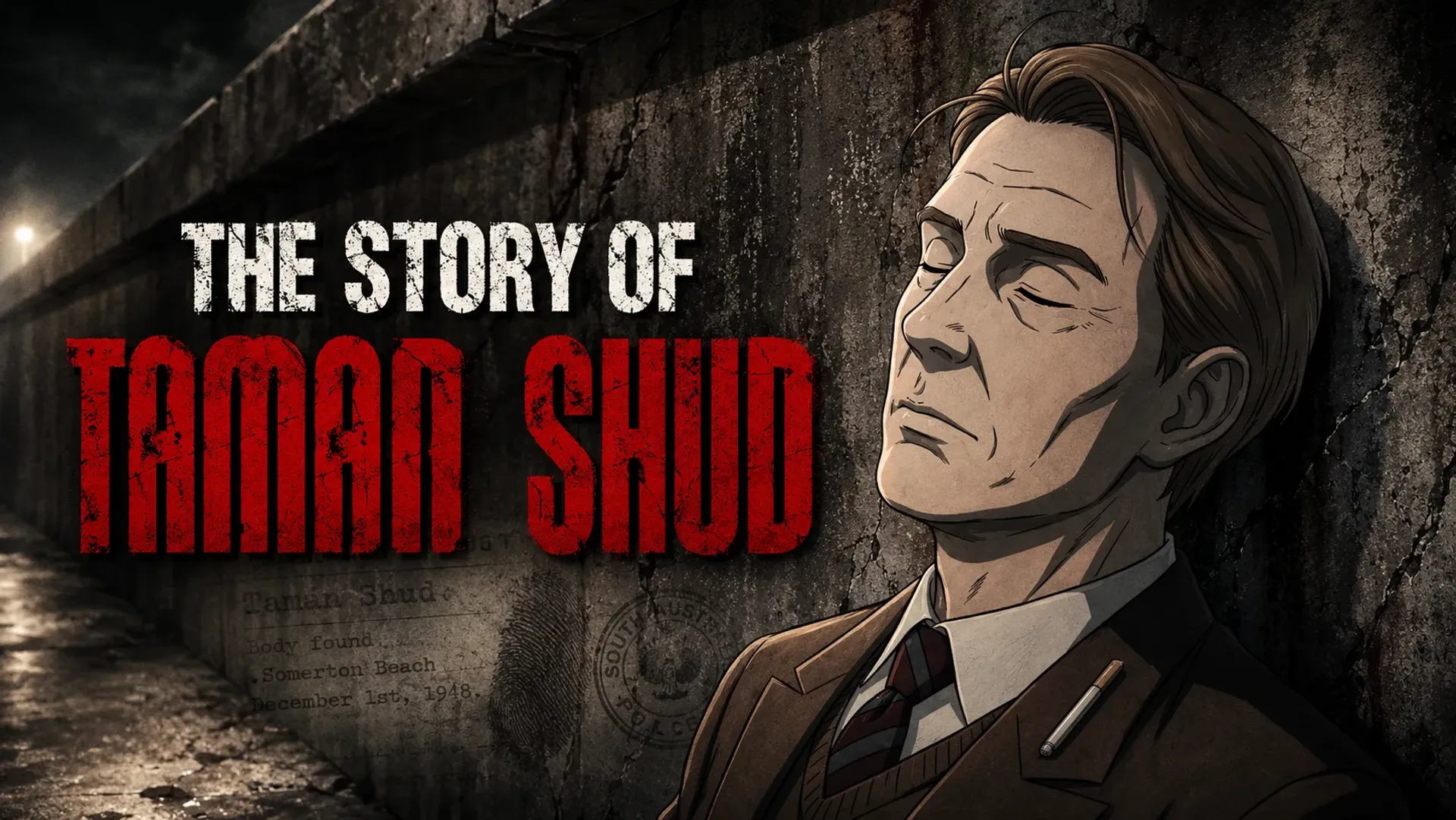
On the morning of December 1, 1948, a well-dressed man was found dead on Somerton Beach outside Adelaide. He had no identification. The tags had been cut from his clothing. In a hidden pocket of his trousers, six months later, a pathologist would find a rolled-up scrap of paper carrying two Persian words: 'Tamám Shud' — 'it is ended.' For seventy-four years the world knew him only as the Somerton Man. Every decade produced a new theory. A Cold War spy. A jilted lover. A poisoning by an unknown chemistry. In July 2022, an Australian physicist and an American genealogist announced they had found his name. The name that had been missing for the entire lifetime of nuclear-age Australia was Carl Webb.
20 episodes
0:52
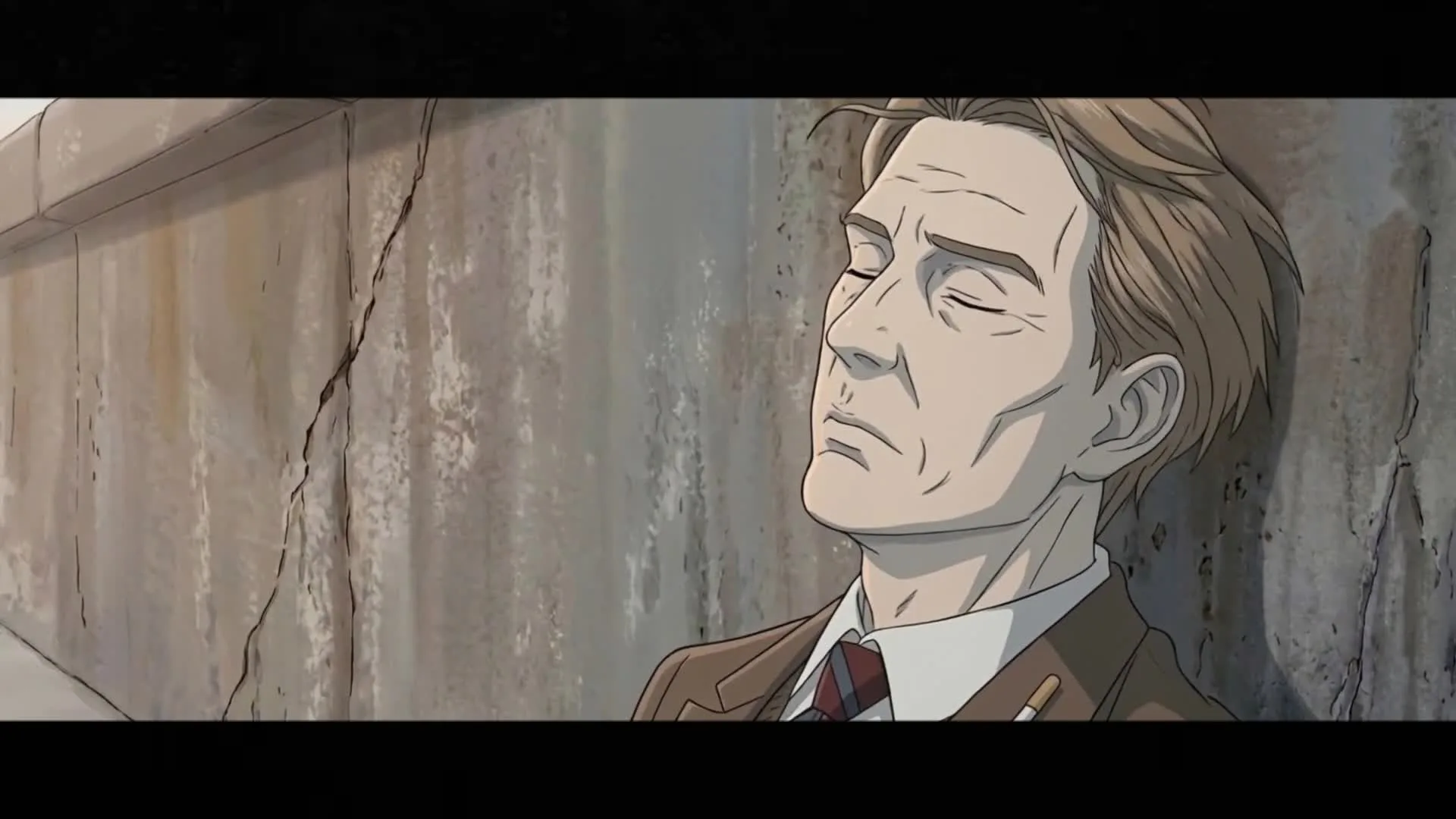
Wednesday, 1 December 1948. Somerton Park, a coastal suburb of Adelaide, South Australia. At approximately 6:30 in the morning, a young jeweller named John Bain Lyons was walking his dog along Somerton Beach when he noticed a man lying on the sand at the seawall approximately 20 yards south of the Glenelg Baths. The man was well-dressed — suit, tie, polished shoes — with his head resting against the seawall and his legs extended straight in front of him. His right elbow was propped against the wall and his right hand was half-raised toward his face, as if he had been in the middle of lighting a cigarette when he lost consciousness. Lyons approached. He established that the man was dead. He returned to the nearest telephone and reported the discovery to the South Australia Police. Detectives from Adelaide CID arrived on scene within the hour. The body was transported to the Royal Adelaide Hospital mortuary. At that specific moment — approximately 8:00 a.m. on 1 December 1948 — one of the longest unsolved-identification cases in the history of Australian criminal investigation began.
0:56
The unidentified man on Somerton Beach. Approximately 40 to 45 years of age. Height approximately 5 feet 11 inches. Physically fit. Grey-blue eyes. Dark blonde hair, receding at the temples. Broad shoulders. Muscular calves — the specific muscular development that Adelaide police pathologists subsequently observed as consistent with a career dancer, athlete, or long-distance walker. His teeth were in poor condition, including several distinctive gaps in the upper jaw. He wore a brown knitted pullover, a white shirt, a red-and-blue striped tie, brown trousers, brown socks, and brown polished shoes. All labels had been carefully cut out of every item of clothing on his body. The man carried no wallet, no personal identification, no passport, no photographs, no letters. On his person: an unused railway ticket to Henley Beach, a used bus ticket, a packet of Juicy Fruit chewing gum, an aluminium comb, a partial packet of Bryant & May matches, a partial packet of Army Club cigarettes containing seven Kensitas cigarettes of a different brand, and approximately eight shillings and sixpence in cash. He had, in the specific investigative sense that mattered to Detective Sergeant Lionel Leane of Adelaide CID, been prepared to disappear.
0:58
The Royal Adelaide Hospital mortuary. Post-mortem examination conducted on 2 December 1948 by pathologist Dr John Barkley Bennett, and subsequently reviewed and expanded upon by Sir Cedric Stanton Hicks, Professor of Physiology at the University of Adelaide. The findings were extensive, contradictory, and — in the specific matter that would define the case — inconclusive. The immediate cause of death: cardiac arrest. The likely mechanism: severe internal congestion of organs, including the spleen and liver, consistent with poisoning by a specific class of substance. The specific substance: not identifiable from standard toxicological testing available in 1948 Adelaide. Sir Cedric Stanton Hicks's specific opinion, delivered privately to the Coroner: the pattern of organ damage was consistent with a specific class of glycoside poison, most likely digitalis or a chemically related substance. The specific substance would, in Stanton Hicks's assessment, not have been detectable by ordinary post-mortem chemical analysis. He put his opinion in a private letter to the Coroner rather than in the public autopsy record. The Coroner's inquest, opened in June 1949 and adjourned indefinitely, returned no formal finding on the cause of death. The Somerton Man had died. The specific mechanism of his death would remain, in the formal legal record, undetermined.
1:03
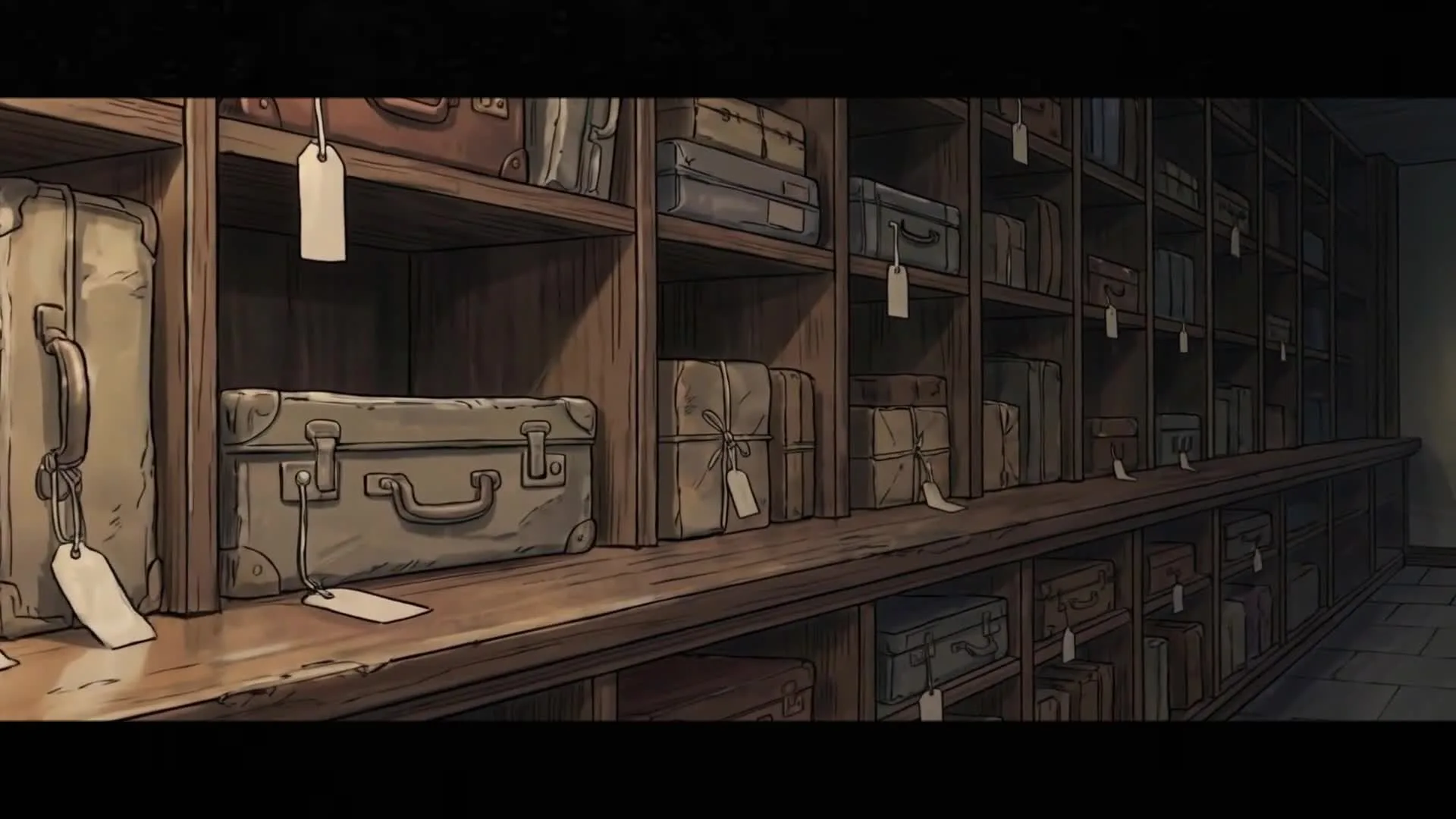
14 January 1949. Adelaide Railway Station. Six weeks after the body had been discovered. Following extensive publicity of the case in the Adelaide and Melbourne press, South Australia Police reviewed unclaimed luggage held at the Adelaide station cloakroom. They identified one specific brown leather suitcase, deposited at the cloakroom's parcel office on the afternoon of 30 November 1948 — the specific day before the body's discovery. The suitcase contained clothing and personal effects consistent with those of a middle-aged working man. It had been checked in without any name attached. Its contents included, among other items: a coat with an alteration ticket bearing a specific dry-cleaner's tag reading 'T. Keane'; a pair of trousers with dry-cleaning marks reading '1171/7' and '4393/7'; a stencilling brush of a type used by ships' officers to paint names on cargo; a table knife with its handle removed and reshaped into a specific pointed implement; and specific waxed thread of a type consistent with sail-repair. As with the man's clothing on the beach, most labels had been carefully removed from the suitcase's contents. The name 'T. Keane' was pursued. No such person could be located, in Australia or in any other country checked, matching the man's specific description.
1:03
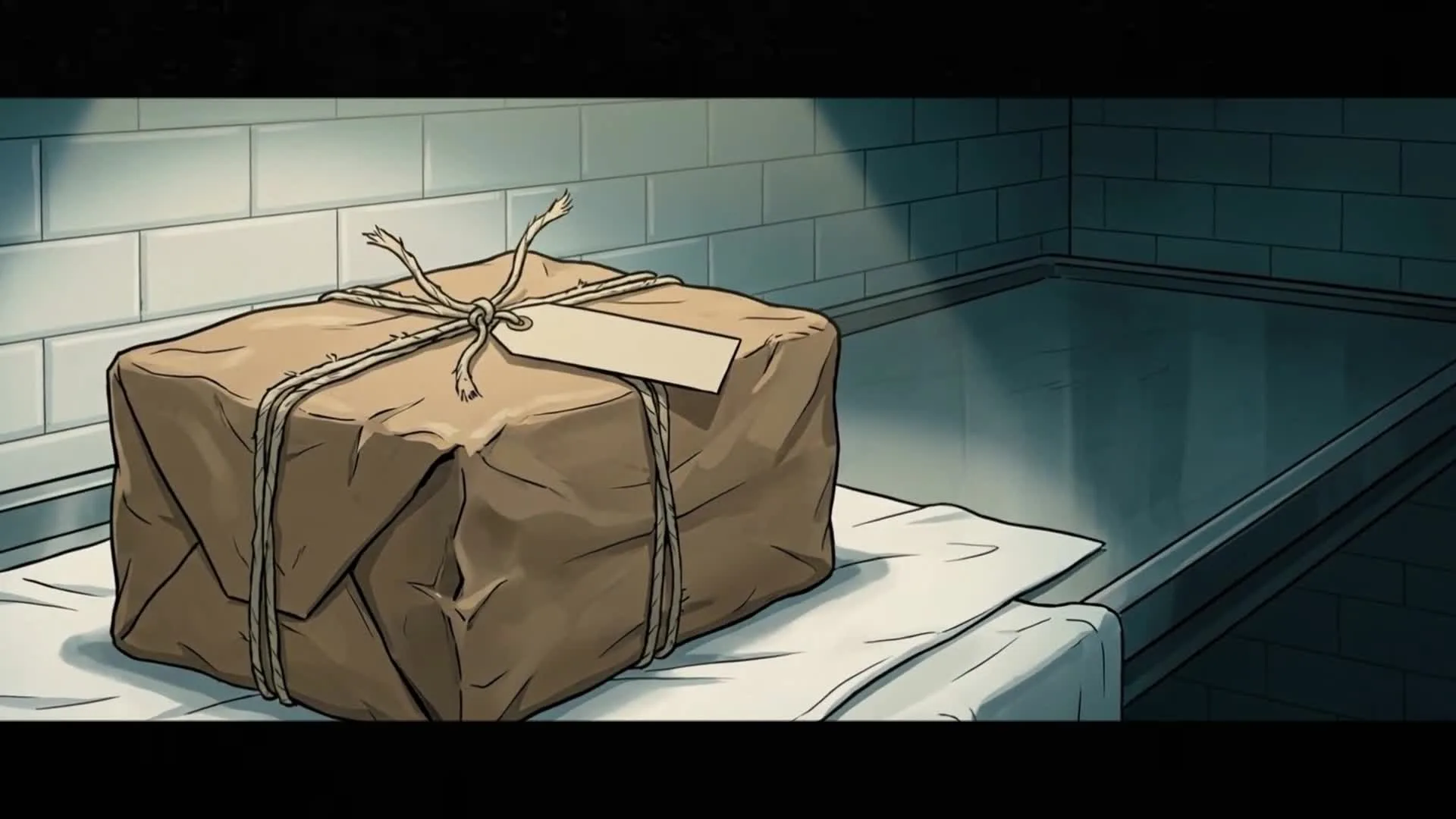
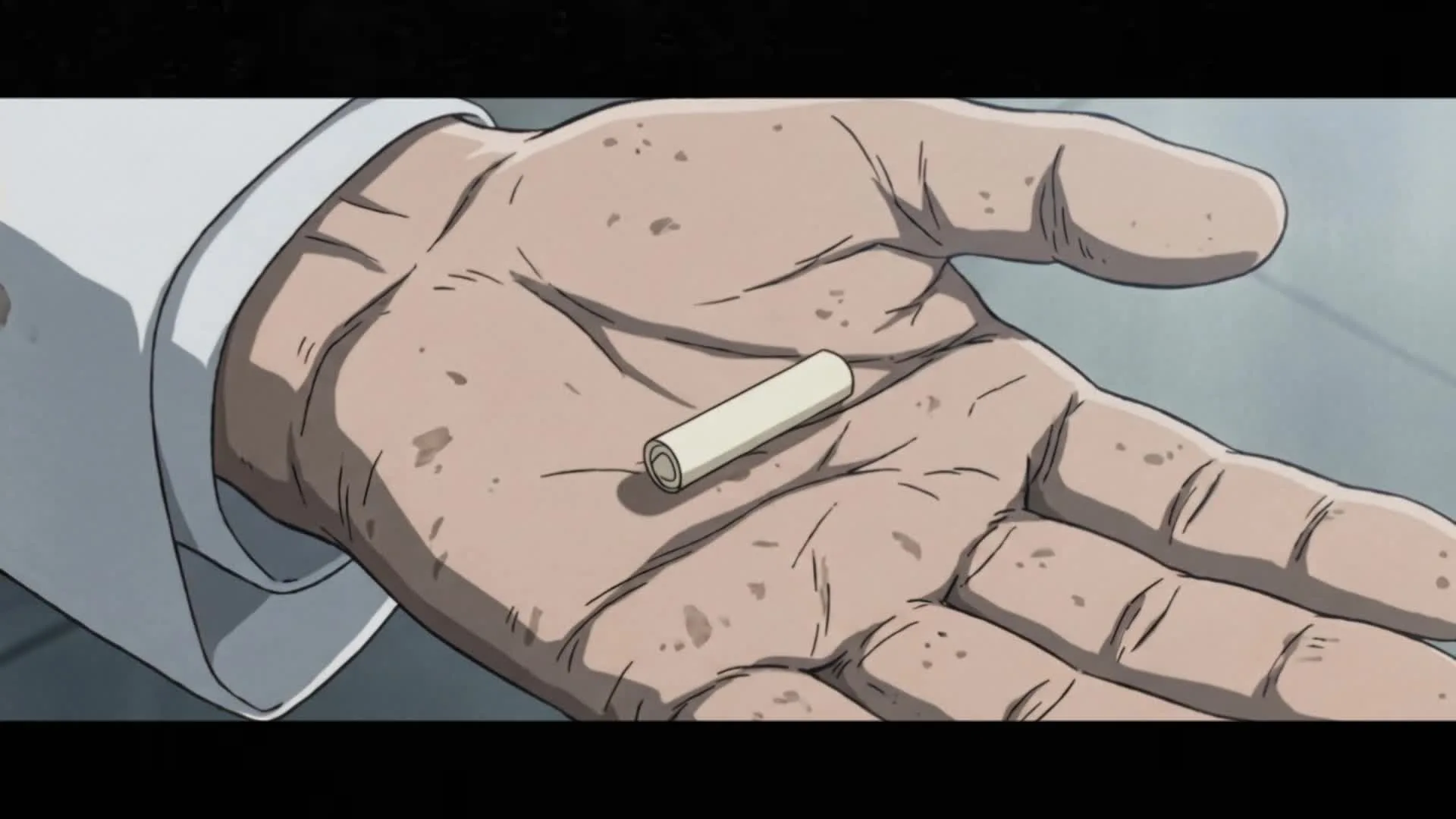
The specific breakthrough that changed the case. In April 1949, four months after the initial discovery, Adelaide police pathologist Dr John Cleland — the specific senior official then reviewing the Somerton Man's clothing for further evidence — was examining the man's trousers. He noticed that a small fob pocket, sewn into the waistband of the trousers, had been modified. It had been re-sewn shut with careful hand-stitching. Cleland unpicked the stitching. Inside the concealed pocket, tightly rolled into a small tube, was a specific fragment of printed paper. The fragment was approximately 3 centimetres long by 1 centimetre wide. Printed on it, in an unusual typeface, were two specific Persian words. Tamam. Shud. The specific translation of the two Persian words from the original Farsi: 'ended' or 'finished.' The specific context in which the two words are conventionally used in Persian literature: as a concluding formula at the end of a work of poetry. The specific published work of Persian poetry most familiar to English-speaking readers in the mid-twentieth century in which those two specific words appear: the concluding page of the Rubáiyát of Omar Khayyám, in the specific 1859 translation of the poem by the Victorian English poet Edward FitzGerald.
1:07
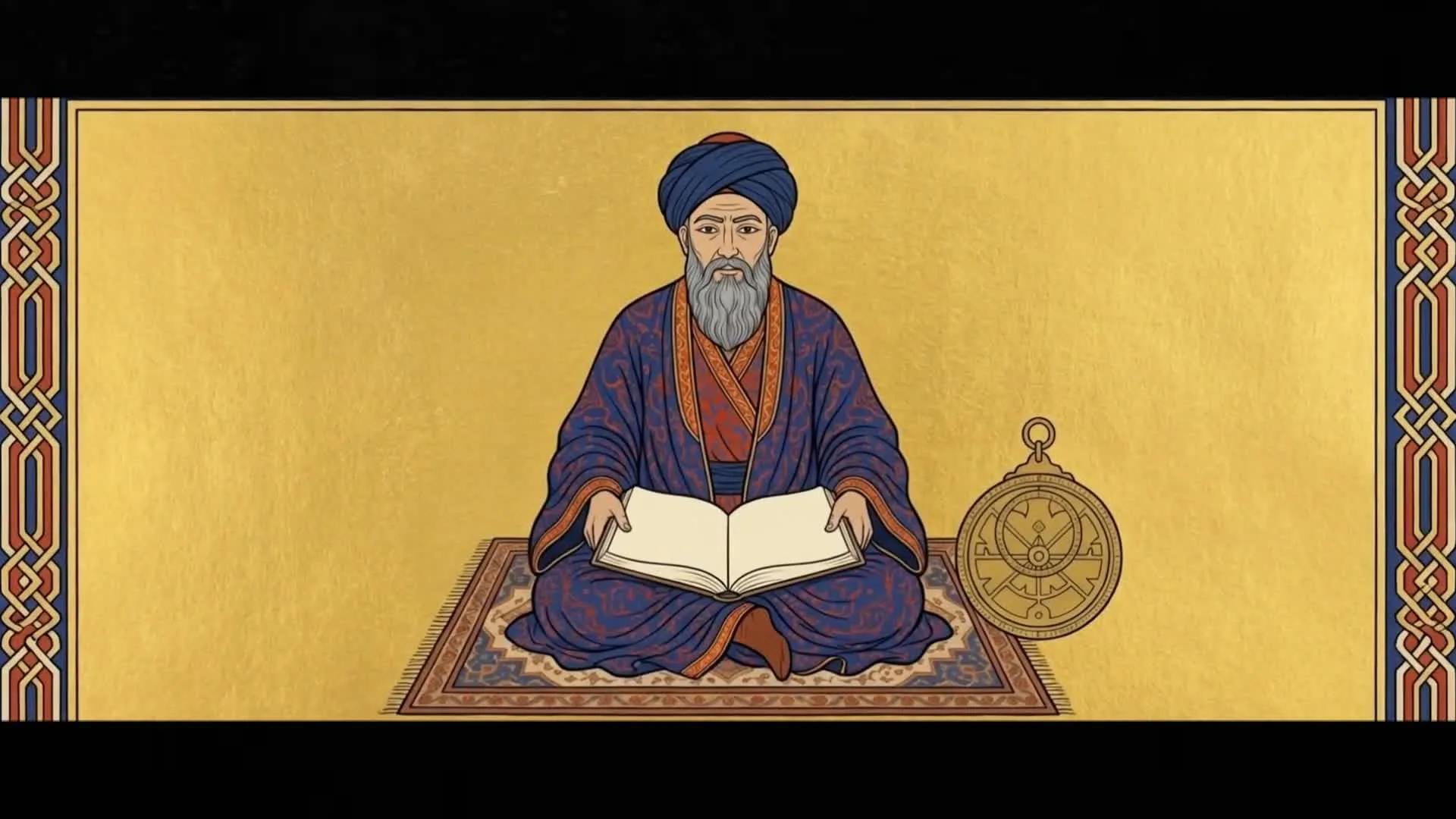
The Rubáiyát of Omar Khayyám. A collection of Persian quatrains attributed to the eleventh-century poet, mathematician, and astronomer Omar Khayyám of Nishapur, translated into English by Edward FitzGerald and first published in London in 1859. By the mid-twentieth century, the Rubáiyát was one of the most-published works of translated Persian poetry in the English-speaking world. Adelaide police issued a specific public appeal for anyone in possession of a specific edition of the Rubáiyát matching the typeface of the recovered scrap. In July 1949 — approximately seven months after the discovery of the body — a man came forward. His identity has never been publicly established with certainty; he was subsequently identified in the case's public records only as 'Ronald Francis' or a related pseudonym. He stated that on approximately 30 November 1948 — the specific day before the body was discovered — he had found, in the specific unlocked back seat of his motor car parked outside his home in Glenelg (a coastal suburb approximately 3 miles from Somerton Beach), a specific hardcover copy of the Rubáiyát. It had not been there when he had last used the car. He had assumed a family member had left it. He had put it in the glove box. He had forgotten about it until reading the appeal in the newspaper.
2:43
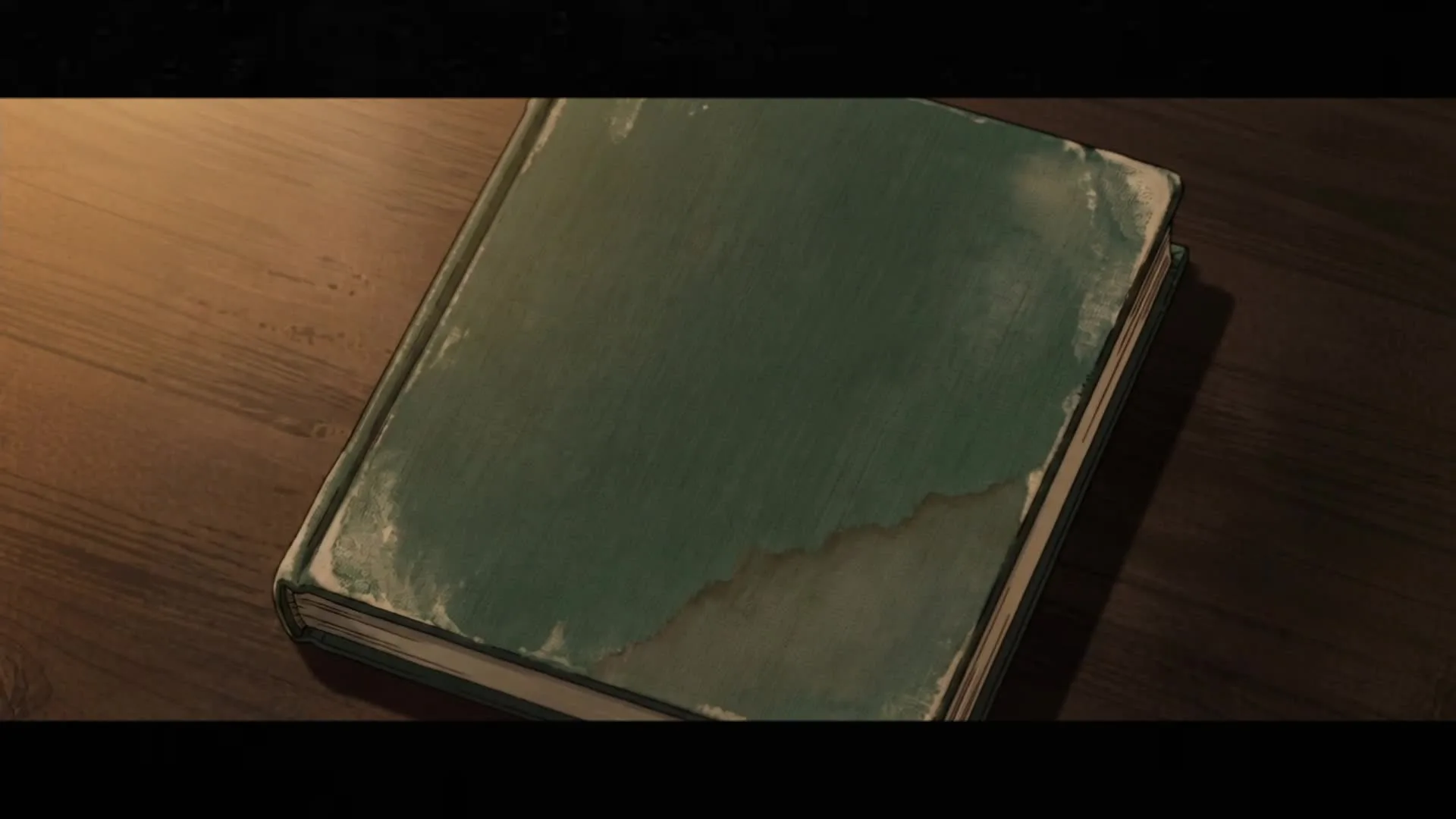
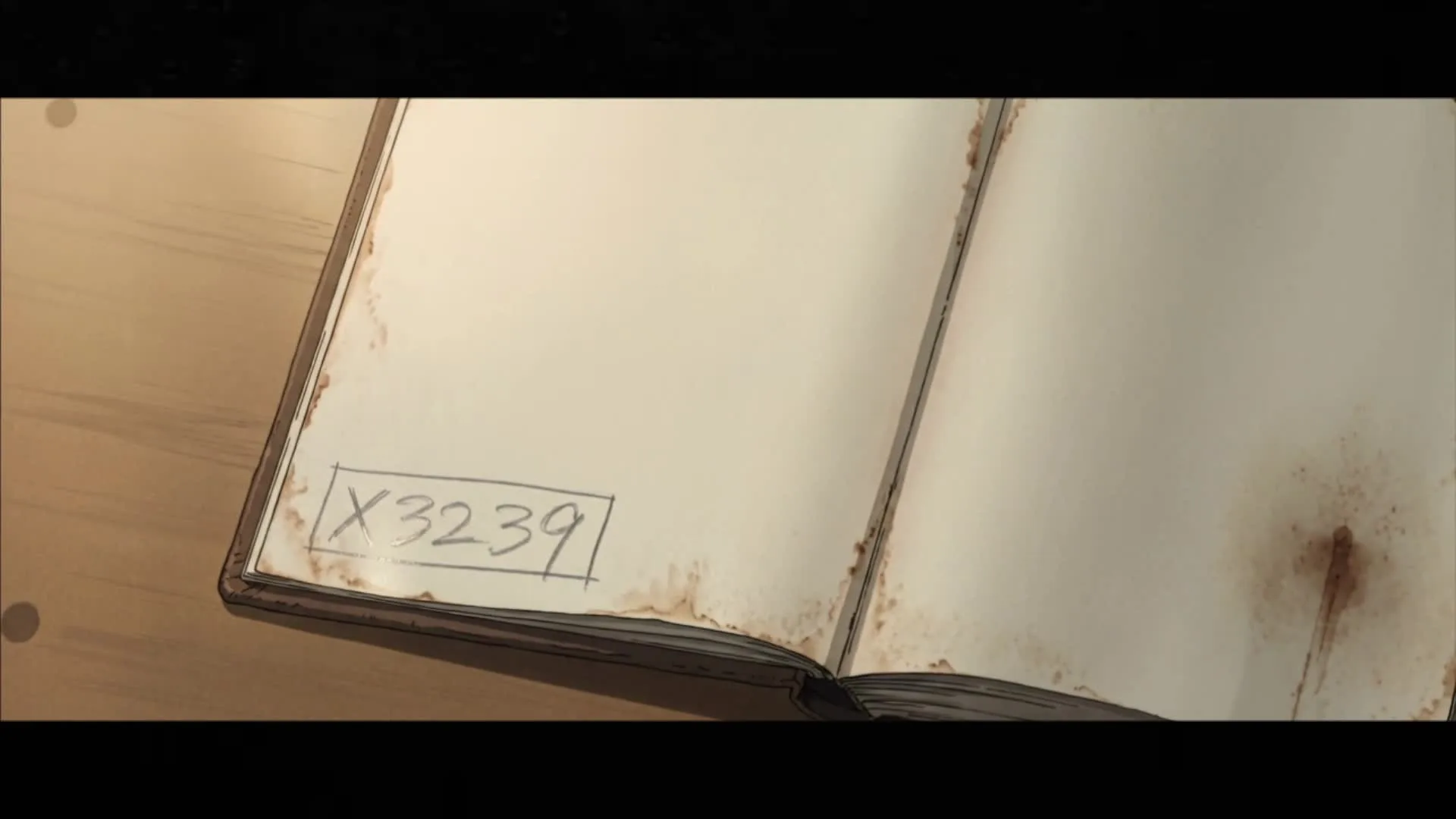
The specific book recovered from the Glenelg car and delivered to Adelaide CID in July 1949 was, per subsequent Adelaide police forensic examination, the specific book from which the 'Tamam Shud' scrap had been cut. The paper stock matched. The typeface matched. The specific tear line matched exactly, on physical microscopic comparison, to the specific place in the back page of the book from which the printed fragment had been removed. The book itself, however, contained something Adelaide CID had not anticipated. On the specific inside back cover of the volume, in faint pencil impressions that had been made through a specific piece of paper laid on top of the page and subsequently removed, were five specific lines of handwritten capital letters. The specific letter sequence, as reconstructed by Adelaide CID and by subsequent code-breaking analysts: MRGOABABD, MTBIMPANETP, MLIABOAIAQC, ITTMTSAMSTGAB. The specific meaning of the letter sequence has not, in seventy-five years of subsequent analysis by professional and amateur cryptographers including the specific attention of the Australian Signals Directorate, been definitively established. Every serious cryptographic examination of the code has concluded that its specific character does not match any of the standard cipher structures of the mid-twentieth century.
0:46
The specific additional inscription on the same inside back cover of the Rubáiyát. Below the enciphered letter sequence, in the specific same pencil impressions made by the specific same overlaid paper, was a specific Adelaide telephone number. Adelaide CID traced the number to a specific unlisted address in the Adelaide coastal suburb of Glenelg — approximately 400 yards from the specific location where the copy of the Rubáiyát had been found in the unlocked motor car back seat. The specific address was the residence of a specific young woman. She was 27 years old. She was working, at the time of the Somerton Man's death, as a nurse. She had been resident at the Glenelg address for approximately six months. Her name was Jessica Ellen Thomson, née Harkness. She was subsequently known to the world of the Somerton Man case, across seventy-plus years of continuing investigation, by the specific pseudonym under which Adelaide CID initially concealed her identity in the public record. She was 'Jestyn.' The specific conversation between Detective Sergeant Lionel Leane of Adelaide CID and Jessica Thomson at her Glenelg residence in the specific week following the discovery of the phone number in the Rubáiyát has been, per every subsequent historian of the case, the pivot point of the entire investigation.
0:44
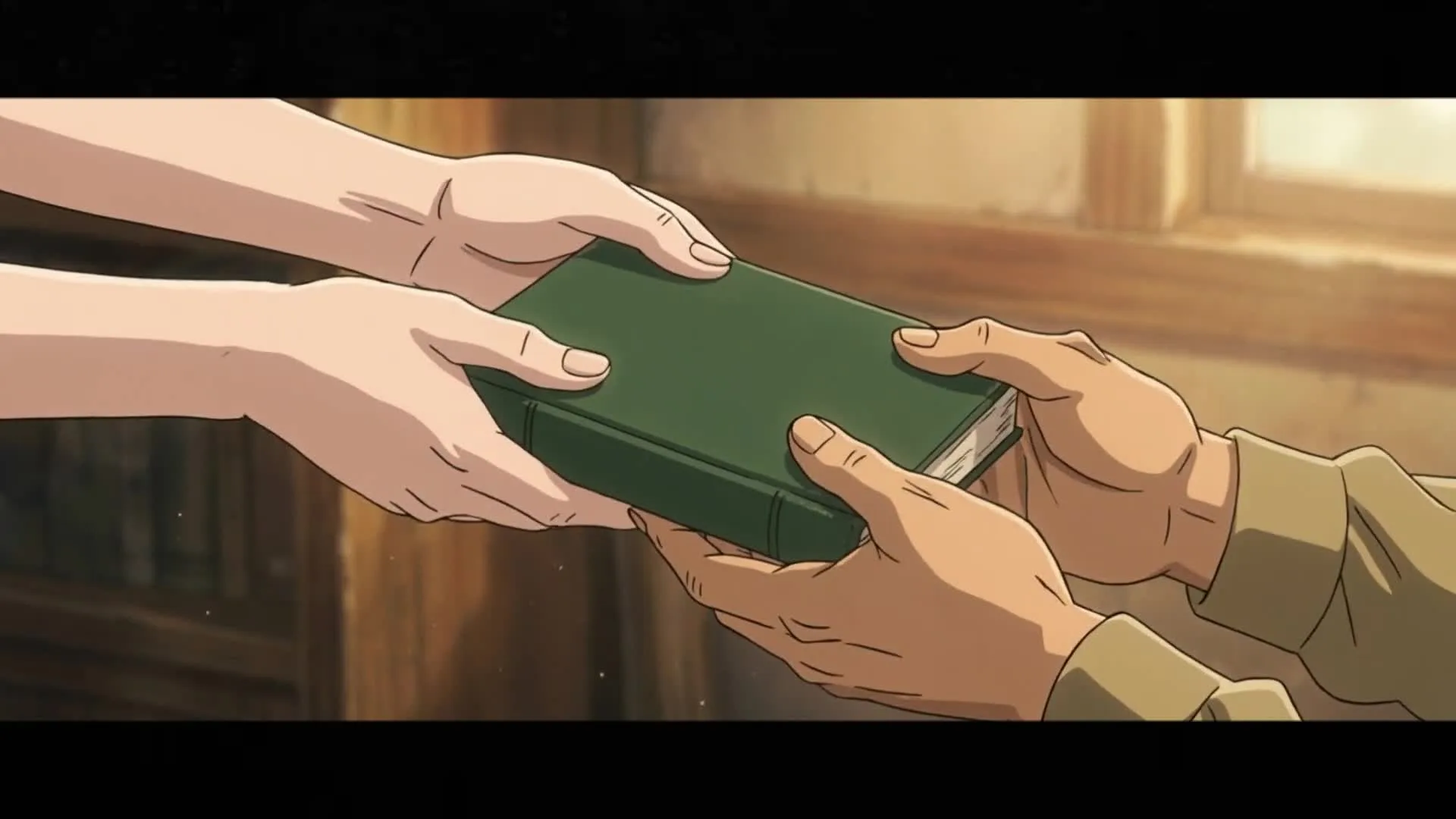
Jessica Thomson's initial account to Detective Sergeant Leane in July 1949. She stated that during her earlier employment as a nurse at the Royal North Shore Hospital in Sydney in 1945 — three years before the Somerton Man's death, and in a specific different Australian state — she had known a specific young Australian Army lieutenant named Alfred Boxall. She had, in 1945, given Boxall a specific copy of the Rubáiyát as a gift. She had inscribed the copy specifically for him. She had subsequently lost contact with Boxall. She stated that the copy of the Rubáiyát might, therefore, be Boxall's — and, by implication, that the dead man on Somerton Beach might in fact be him. Adelaide CID immediately pursued the Alfred Boxall connection. Within days, they had located Boxall. He was alive, married, and resident in Sydney. He was employed at the Randwick Bus Depot. Boxall was formally interviewed by New South Wales Police at Sydney CID request. He confirmed that he had received a copy of the Rubáiyát from Jessica Harkness in 1945. He produced the specific copy — inscribed, in Jessica's handwriting, on the front page. It was intact. His specific back-page fragment was not missing. Alfred Boxall's Rubáiyát was, in the specific evidentiary sense, not the Somerton Man's.
0:53
The specific concealed reality of Jessica Thomson's life in July 1949 that Detective Sergeant Leane's initial interview did not fully establish. Jessica Thomson was, at the specific moment of the July 1949 interview, resident in Glenelg with her husband Prosper Thomson. Prosper had, per subsequent examination, been previously married and had been in the process of divorcing his first wife in the period from 1946 to 1948. Jessica had been living with Prosper in that specific period. In July 1947 — approximately seventeen months before the Somerton Man's death — Jessica had given birth to a son. She had named him Robin Thomson. Robin Thomson was, per Jessica's own private accounts, subsequently the child of Prosper Thomson. The specific biological paternity of the child, however, would become — decades later — one of the most-analysed forensic questions of the entire Somerton Man case. Robin Thomson himself grew up in Adelaide, subsequently pursued a professional career as a ballet dancer, and became one of the most celebrated Australian classical dancers of his generation. He had specific physical features — high cheekbones, unusual muscular calf development, and a specific anomaly of the ear cartilage known as anti-tragus hyperplasia — that had also been documented in the specific post-mortem examination of the Somerton Man in 1948.
0:55
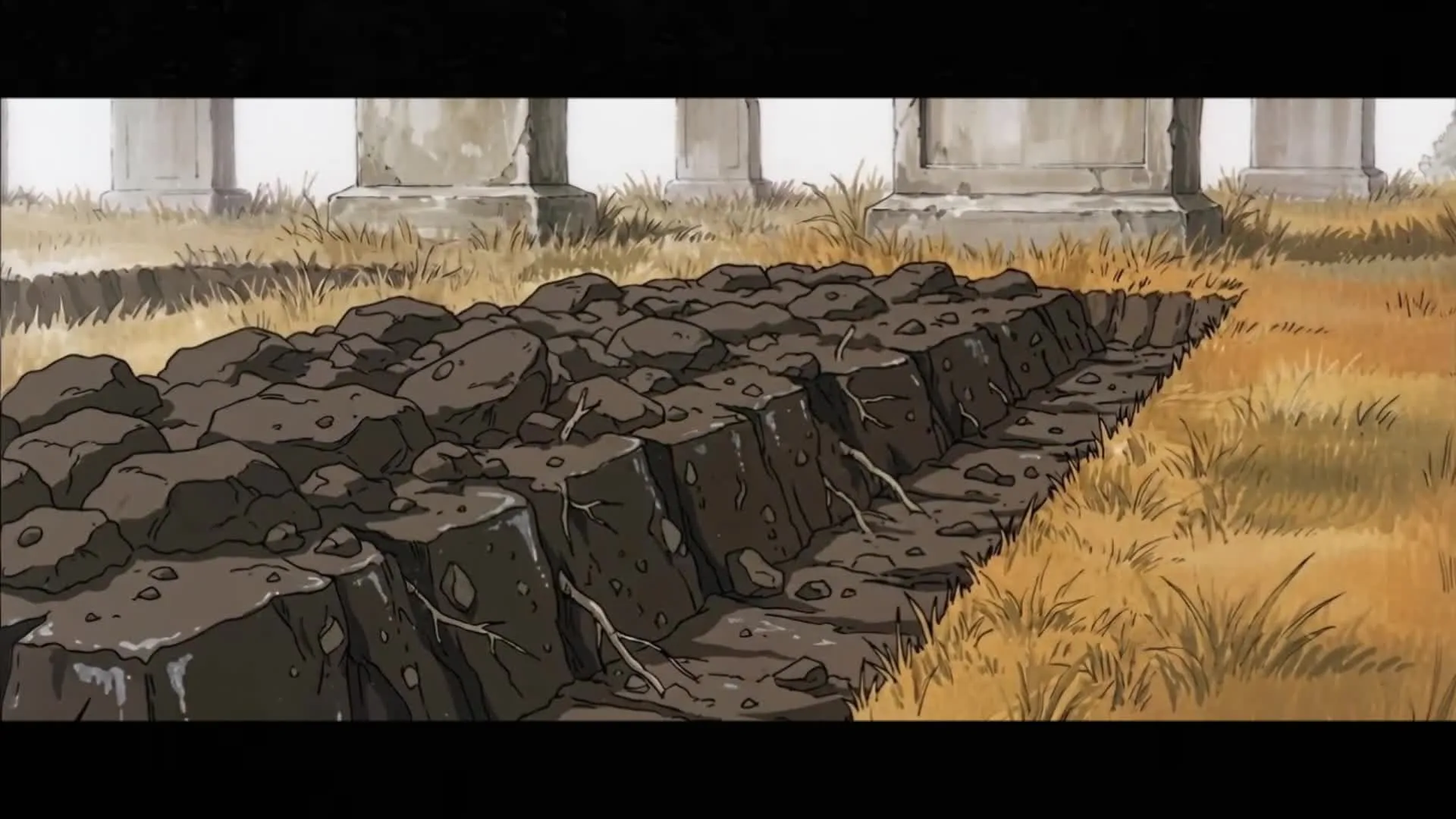
The specific administrative disposition of the unidentified body. The Coroner's inquest, opened in June 1949 and adjourned in the absence of an identification or cause of death, was formally closed without further finding. The body of the Somerton Man had been preserved by the Royal Adelaide Hospital mortuary from December 1948 through the middle of 1949 through the specific technique of formaldehyde-based embalming. On 14 June 1949, at the direction of the South Australian government's Public Trustee and following the completion of a formal death mask by sculptor Paul Lawson, the body was released for burial. It was interred in a specific plot at the West Terrace Cemetery in Adelaide, purchased by the Public Trustee of South Australia. The specific gravestone, when installed some months later, was inscribed with a specific epitaph: HERE LIES / THE UNKNOWN MAN / WHO WAS FOUND AT / SOMERTON BEACH / 1st DEC. 1948. The grave was maintained by the Salvation Army, on the specific standing arrangement that Somerton Beach was within their district of pastoral responsibility. The grave was visited, per multiple subsequent contemporary accounts across the 1950s and 1960s, on a specific and irregular schedule by an unidentified woman who left specific specific flowers. Her identity was never publicly established. It has, in the specific popular imagination of the case, been assumed to have been Jessica Thomson.
0:50
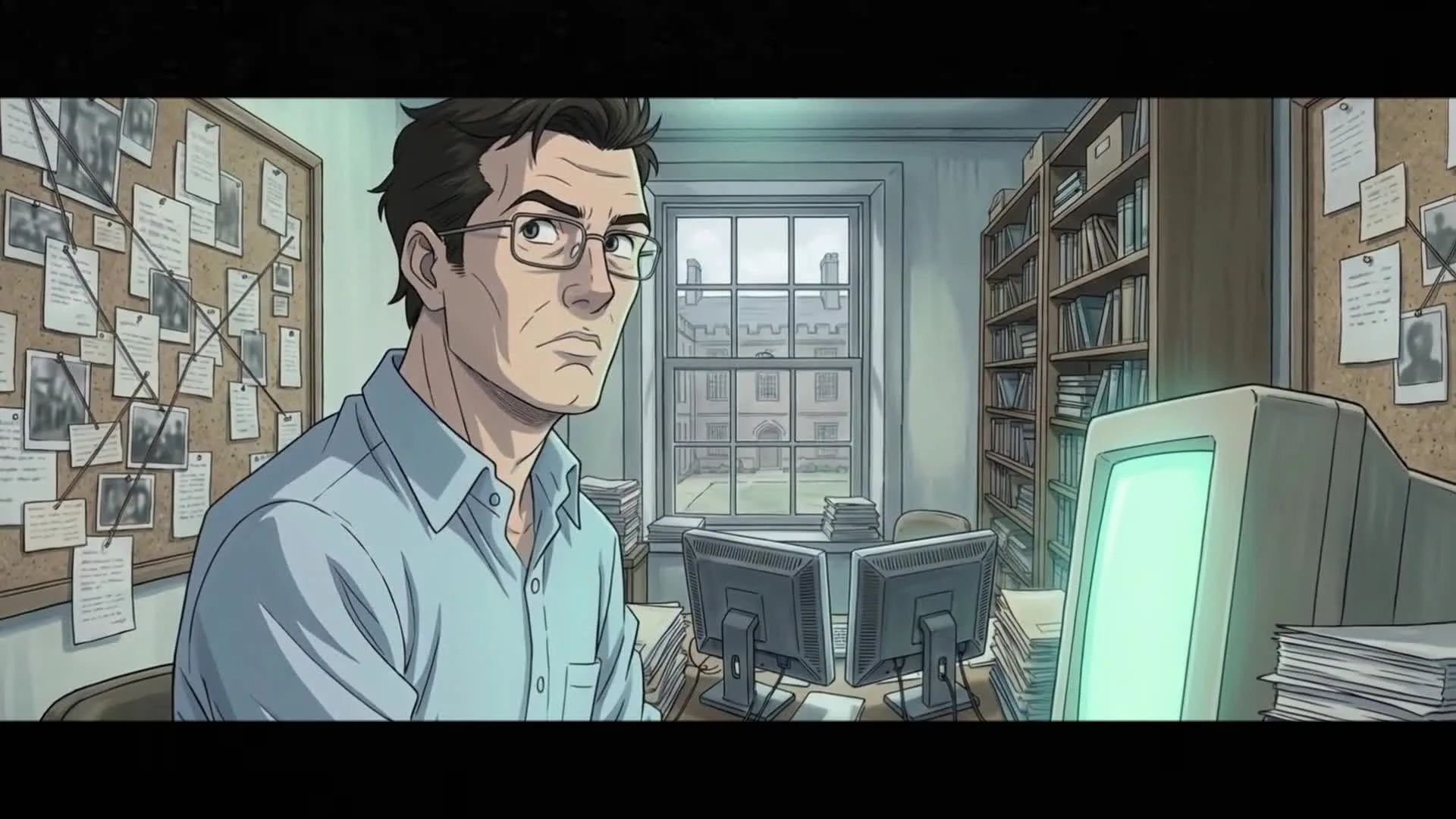
The specific individual who, from approximately the early 2000s onward, would spend twenty years attempting to resolve the case. Professor Derek Abbott of the University of Adelaide School of Electrical and Electronic Engineering. An academic engineer and signal-processing specialist, Abbott had encountered the Somerton Man case as a specific side interest in the mid-1990s and had, from approximately the year 2000 onward, made its resolution his specific long-term research project. Abbott's specific working hypothesis: the Somerton Man was Robin Thomson's biological father. Jessica Thomson had, per this hypothesis, been in a specific personal relationship with the Somerton Man in the years before the killing. Their specific child was Robin Thomson. Jessica had, per this hypothesis, subsequently given a copy of the Rubáiyát to the Somerton Man — inscribed with her phone number — as she had earlier given one to Alf Boxall. Abbott traced Robin Thomson's own subsequent family. He established that Robin had a daughter, Rachel Egan, born in the 1970s. Abbott himself subsequently met, courted, and married Rachel Egan — meaning that if Abbott's hypothesis was correct, his own children were the great-grandchildren of the Somerton Man.
0:45
The specific complication of Derek Abbott's marriage to Rachel Egan. Egan, who had been adopted at birth and had grown up in Australia without contact with Robin Thomson's side of her biological family, had been located by Abbott through his research. She had initially made contact with Abbott to learn about her biological father. The two had, per subsequent public accounts including their own, subsequently developed a personal relationship, married, and had three children together. The specific fact that Abbott — whose academic project was the identification of a possible biological great-grandfather to his own subsequent children — was pursuing that identification through the specific mechanism of a personal marriage into the family in question has, per subsequent journalistic commentary on the case, been the subject of substantial ethical debate. What is documented: that the marriage produced three children, that Abbott and Egan themselves have publicly stated their relationship stands on its own foundation, and that the specific scientific pursuit of the Somerton Man's identification through DNA analysis of the Thomson family line proceeded through the 2010s and early 2020s alongside the ordinary life of the Abbott-Egan household.
0:48
19 May 2021. West Terrace Cemetery, Adelaide. Seventy-three years after the specific burial of 14 June 1949. Following an application by Derek Abbott and by the South Australian government, and following formal authorisation by the South Australian Attorney-General Vickie Chapman, the specific grave of the Somerton Man was exhumed. The specific procedural rationale: the possibility of extracting sufficient viable DNA from the specific 1948 embalmed remains to permit a specific identification through genealogical DNA matching against contemporary databases. The specific exhumation was conducted under strict forensic protocols by Forensic Science South Australia. The remains were transported to specific forensic facilities in Adelaide. Bone samples were extracted from the specific portions of the skeleton offering the highest probability of viable DNA extraction. The samples were sent for DNA analysis to a specific commercial genealogy laboratory in the United States — Astrea Forensics — under the direction of a specific American forensic genealogist named Colleen Fitzpatrick. The specific analysis took approximately fourteen months to complete. It was, per Colleen Fitzpatrick's specific subsequent public statement, the specific most challenging degraded-DNA identification project her firm had ever undertaken.
0:53
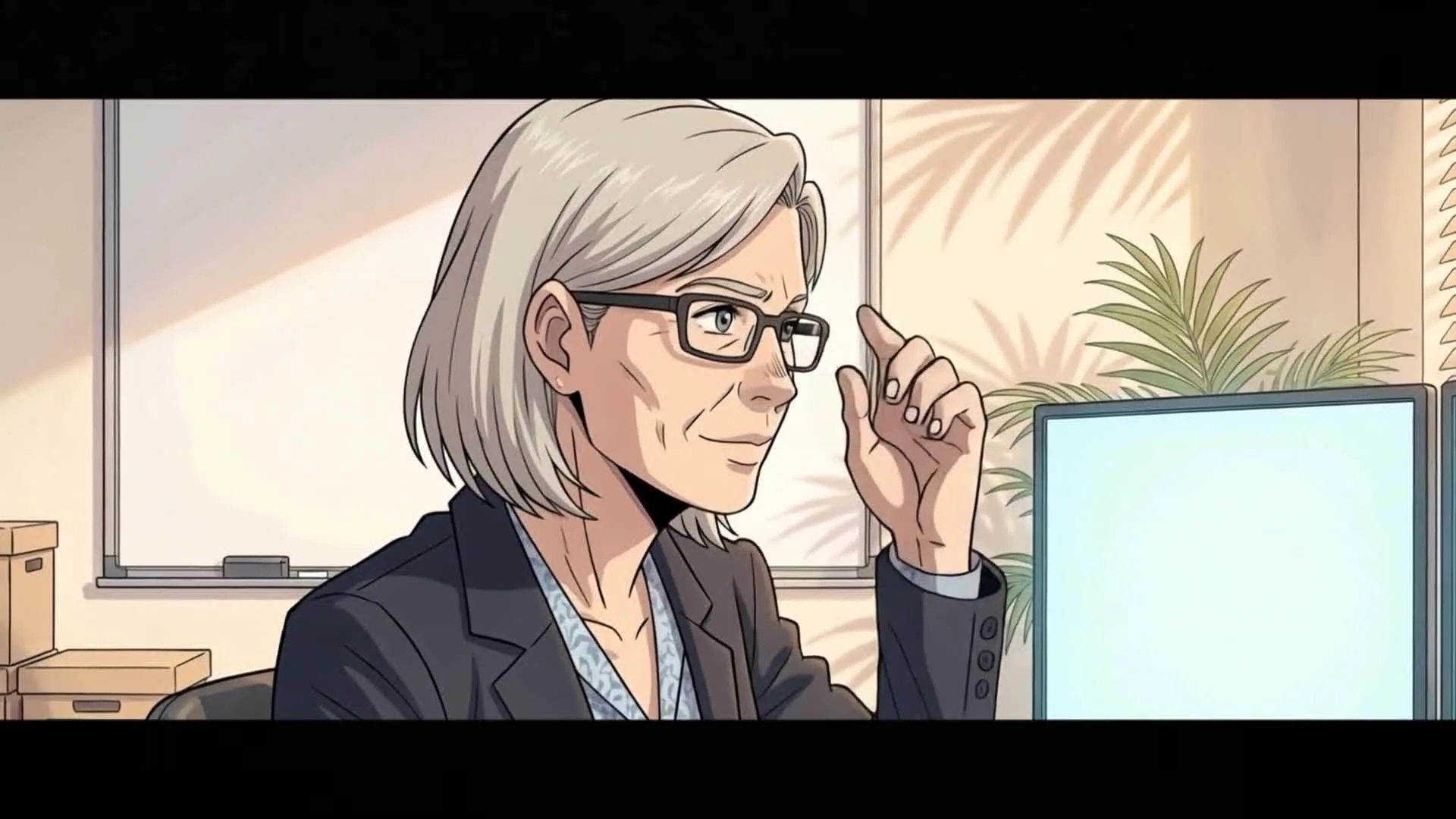
The specific American forensic genealogist who, over the specific period from mid-2021 to mid-2022, conducted the DNA identification of the Somerton Man. Fitzpatrick, a former NASA scientist and the founder of the specific consulting firm IdentiFinders International, had established, across the preceding two decades, one of the leading practices in the world in the specific use of degraded and ancient DNA for forensic genealogical identification. The specific technique used in the Somerton Man case: comparison of specific mitochondrial and Y-chromosomal DNA markers extracted from the exhumed remains against the specific commercial genealogy databases GEDmatch and FamilyTreeDNA, followed by specific ancestry-tree reconstruction to identify the specific likely genealogical line to which the deceased belonged. Fitzpatrick's specific working method involved identifying, from the DNA markers, a specific set of second and third cousins of the deceased who had, at some point in the preceding decades, uploaded their own genetic material to the specific consumer genealogy databases. From those specific cousin matches, the specific family tree could be reconstructed backward to identify the specific individual most likely to be the deceased. In July 2022, she announced her specific finding. The Somerton Man's name was Carl Webb.
0:54
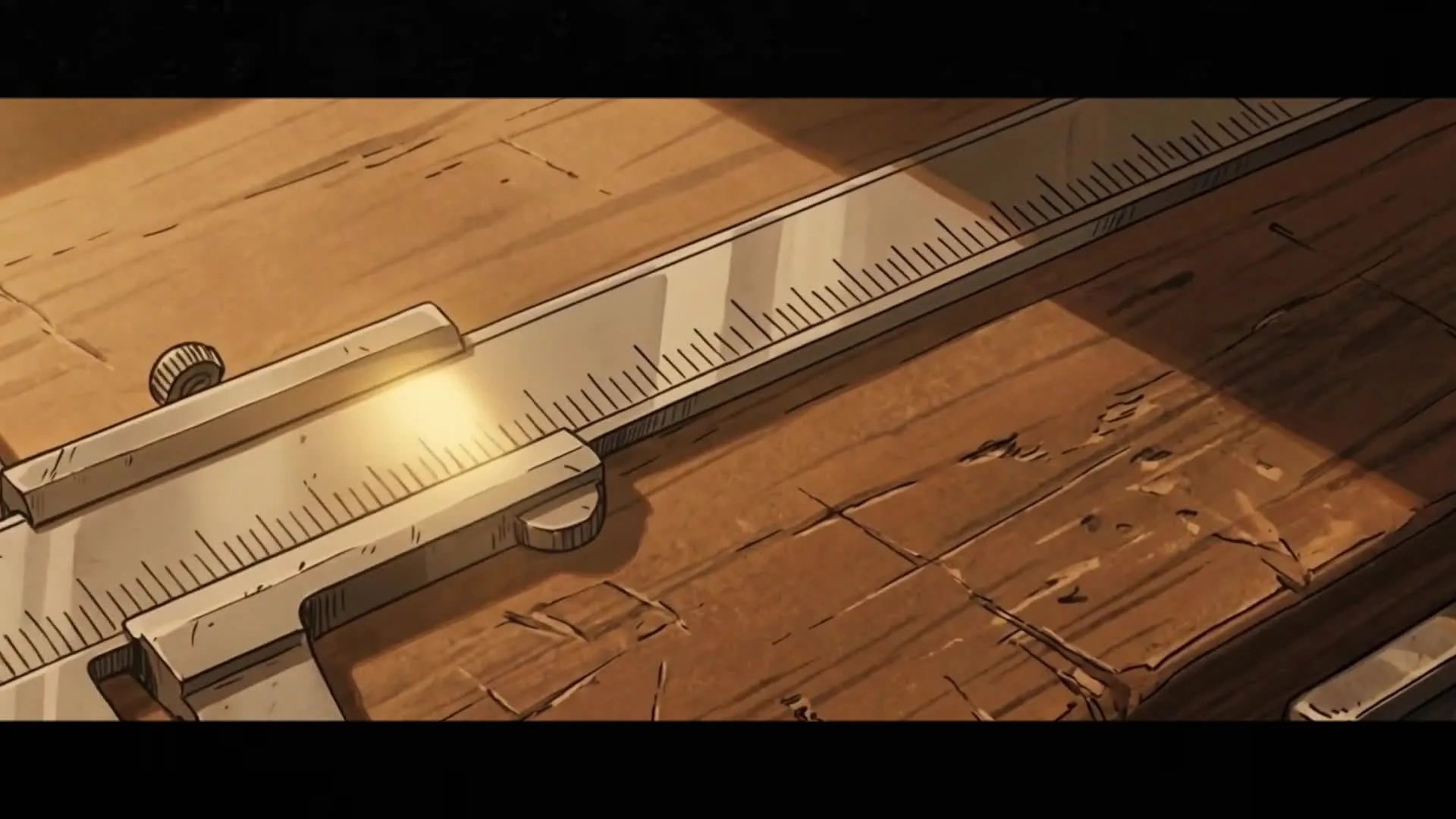
Carl 'Charles' Webb. Born on 16 November 1905 in Footscray, a working-class inner-western suburb of Melbourne, Victoria, Australia. The specific son of specific Melbourne working-class parents. Trained as an electrical engineer and instrument maker. Married in 1941 to Dorothy Robertson — subsequently known as Dorothy Webb — a woman who left him in 1946 following the specific breakdown of the marriage. Dorothy subsequently relocated to Adelaide in 1947. Carl Webb had, at the time of his estranged wife's departure to South Australia, been resident in Melbourne. He had, per subsequent examination of the Melbourne records established by Colleen Fitzpatrick, been a poet and an amateur boxer in addition to his engineering trade. He had been a heavy smoker. He was 43 years old on 30 November 1948. He had specific physical features consistent with the Somerton Man autopsy — height, build, hair, eyes, and, specifically, the ear cartilage anomaly and the muscular calves. He had, per specific correspondence recovered in the subsequent investigation, been searching for his estranged wife in Adelaide in the specific months before the specific death. The specific reason he had gone to Somerton Beach on 30 November 1948, and the specific reason he had died there, remain — as of the specific date of writing — not definitively established.
1:35
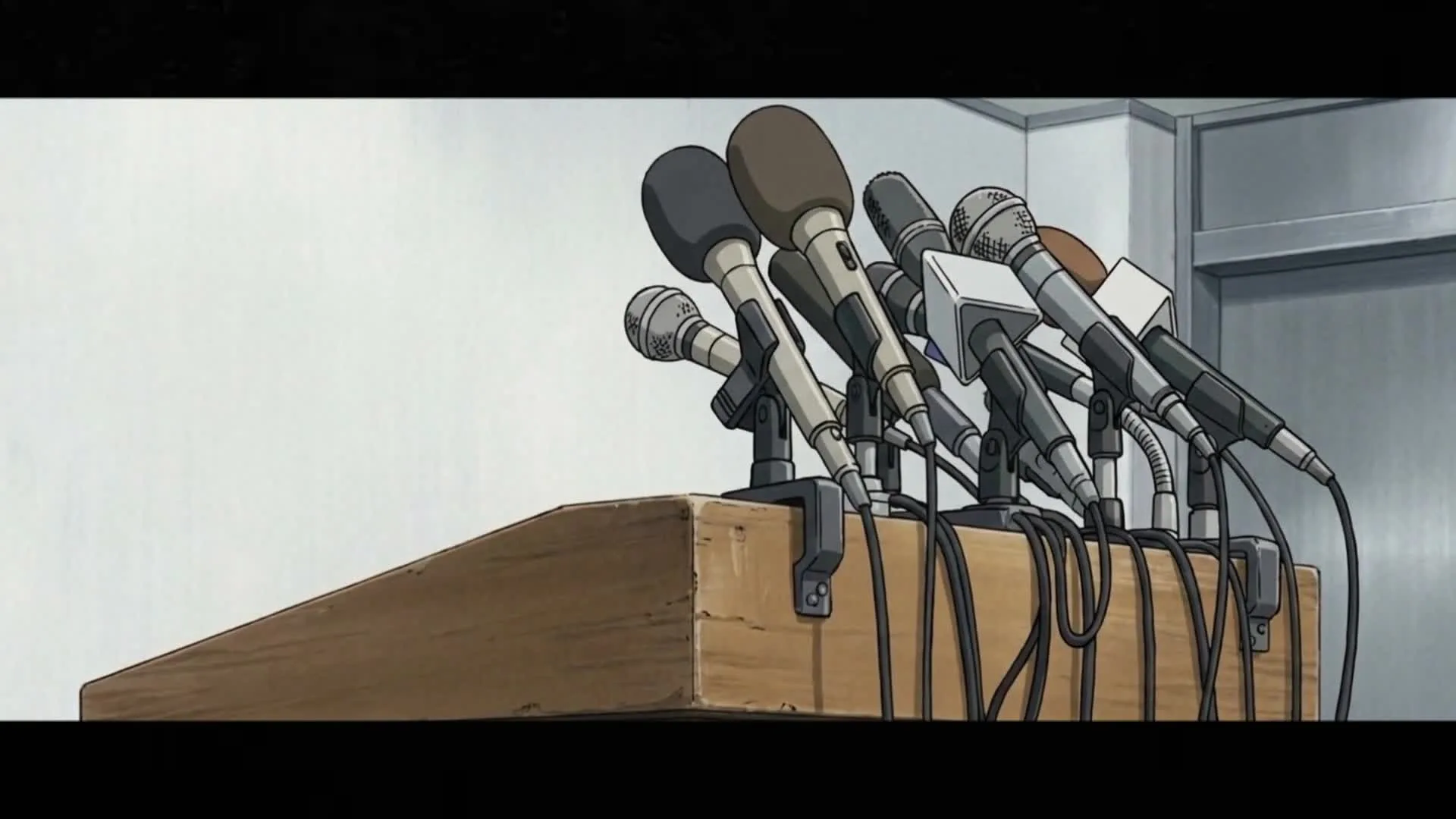
Tuesday, 26 July 2022. Adelaide. Approximately seventy-four years after the discovery of the body. Professor Derek Abbott and Colleen Fitzpatrick jointly announced, through the University of Adelaide's public information channels, their specific finding. The Somerton Man had been Carl Webb of Melbourne. The announcement was substantially the specific end of the case as an open identification investigation. It was not, per every specific formal statement subsequently issued by South Australia Police, the specific formal end of the case in the sense of an official police identification. South Australia Police maintained that the specific formal identification would require independent verification through their own laboratory processes and independent chain-of-custody procedures. That specific formal identification was subsequently confirmed in a further public statement by South Australia Police in 2024. Carl Webb of Footscray, Melbourne, was — after seventy-six years of specific and unremitting public speculation — the specific unidentified man from Somerton Beach. His name had, at every point in every previous formal document of the case, existed. His marriage certificate. His employment records. His birth certificate. His mother's grave. It had simply, in the specific circumstances of his death, become unattached from his body.
0:46
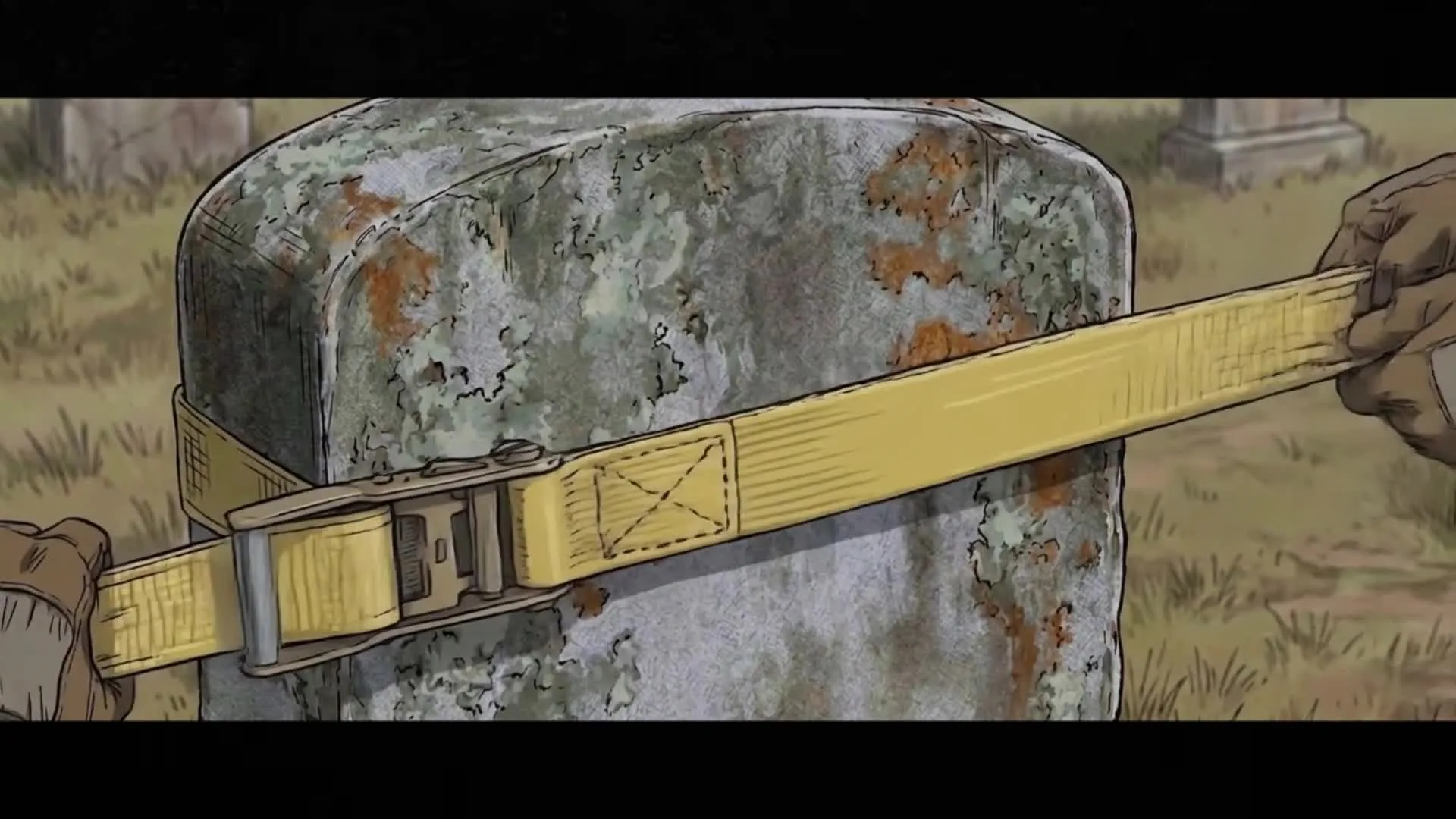
The specific administrative disposition of the identified remains. Following the July 2022 identification, the specific question of the appropriate final disposition of Carl Webb's remains became a matter for consultation between the South Australian government, the Public Trustee of South Australia, and Carl Webb's specific documented living relatives — including specific second and third cousins located during the identification process. The specific consultative process determined that Carl Webb would be re-interred in Adelaide, at the specific grave in West Terrace Cemetery where he had been buried in 1949. The specific gravestone was subsequently updated to reflect the specific identification. The specific inscription now reads: CARL WEBB / 1905–1948 / THE SOMERTON MAN. The specific commemorative activity around the grave, previously limited to the specific ongoing pastoral care of the Salvation Army and the specific occasional visits by researchers and journalists, subsequently became a more formal matter — with specific memorial visits by members of the University of Adelaide research team and by specific Webb family descendants across 2023 and 2024.
0:39
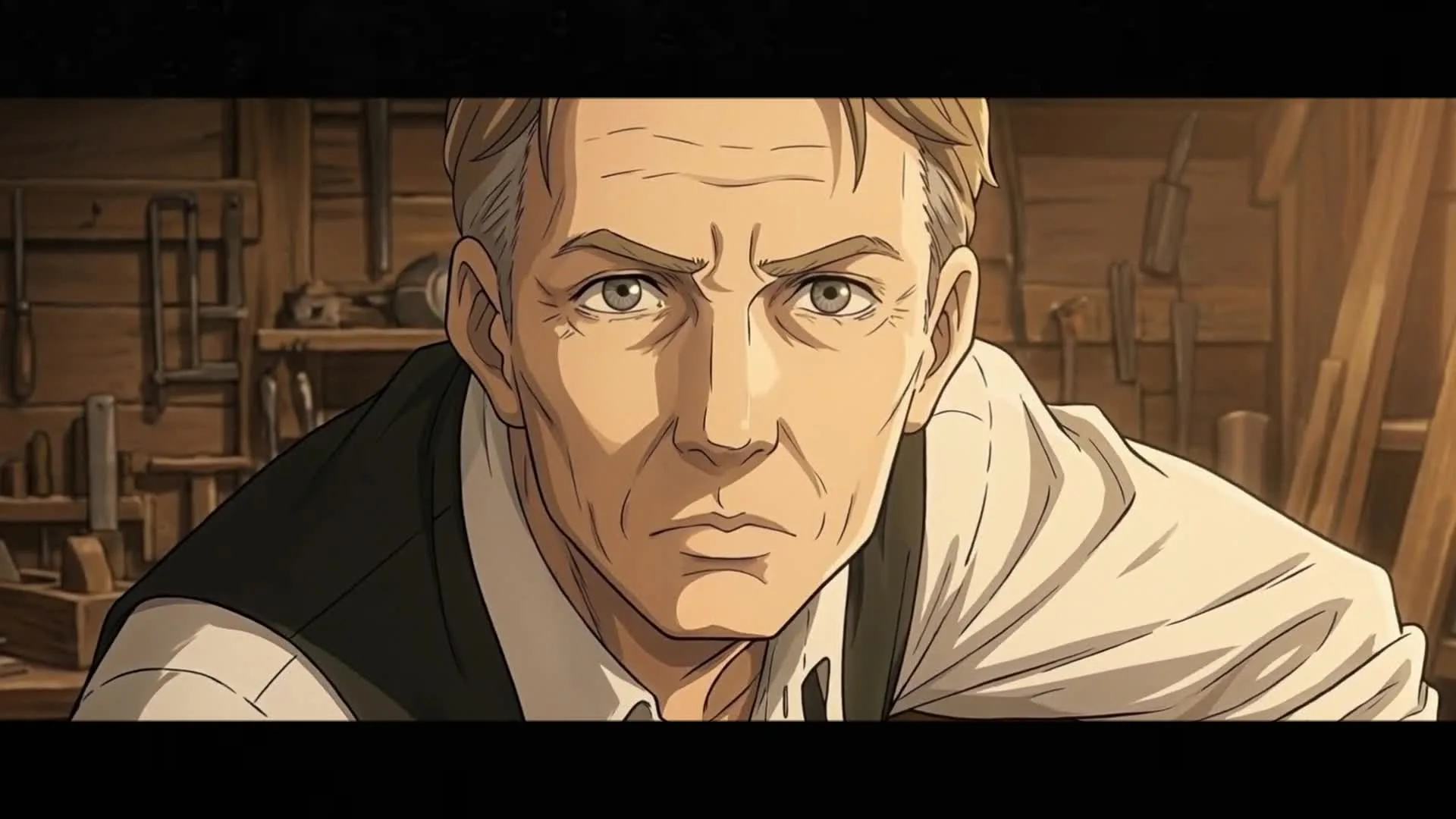
The specific unresolved questions of the Somerton Man case, as they remain after the July 2022 identification. First: what was Carl Webb doing on Somerton Beach on the night of 30 November 1948? Second: why had he specifically travelled to Adelaide from Melbourne? Third: had he in fact been in contact with Jessica Thomson at Glenelg — 400 yards from where his Rubáiyát would be found in a stranger's motor car — in the days preceding his death? Fourth: what is the specific relationship, if any, between Carl Webb and Robin Thomson? Fifth: what is the specific meaning of the enciphered letter sequence in the back of the Rubáiyát? Sixth: what is the specific cause of Carl Webb's death, in the specific pathological sense that the 1948 autopsy could not conclusively determine? Seventh: was his death a suicide, or a homicide, or a natural death, or something else? Eighth: was the specific concealment of his identity — the removed clothing labels, the cash without wallet, the checked suitcase without name — an act by Carl Webb himself in specific despair, or an act by another party in specific deliberate concealment? None of these specific questions has, as of the current date, been publicly and definitively answered.
0:45
Present day. The Somerton Man case in the specific historical record. The specific identification of the man on Somerton Beach was achieved on the specific date of 26 July 2022, seventy-three years, seven months, and twenty-five days after the specific discovery of his body on the morning of 1 December 1948. The specific identification was achieved by the specific combination of a South Australian academic engineer of no specific formal police standing, an American forensic genealogist working from private commercial databases, and a South Australian criminal-justice system that had — at the specific institutional level — never actively pursued the case's resolution across the intervening decades. The specific mechanism of Carl Webb's death, the specific reason for his presence in Adelaide, and the specific meaning of the specific handwritten code in the Rubáiyát remain, per every current authoritative account of the case, unresolved. The specific two Persian words in the specific hidden pocket of the specific dead man's trousers on the specific morning of 1 December 1948, in the specific translation from the Persian of Omar Khayyám, still read as they read then. Tamam shud. Ended. Finished. The specific case was, in the specific formal sense of a name attached to a body, ended in July 2022. In every other specific sense that matters, it has not yet ended.