
21 episodes
jollybusyperch
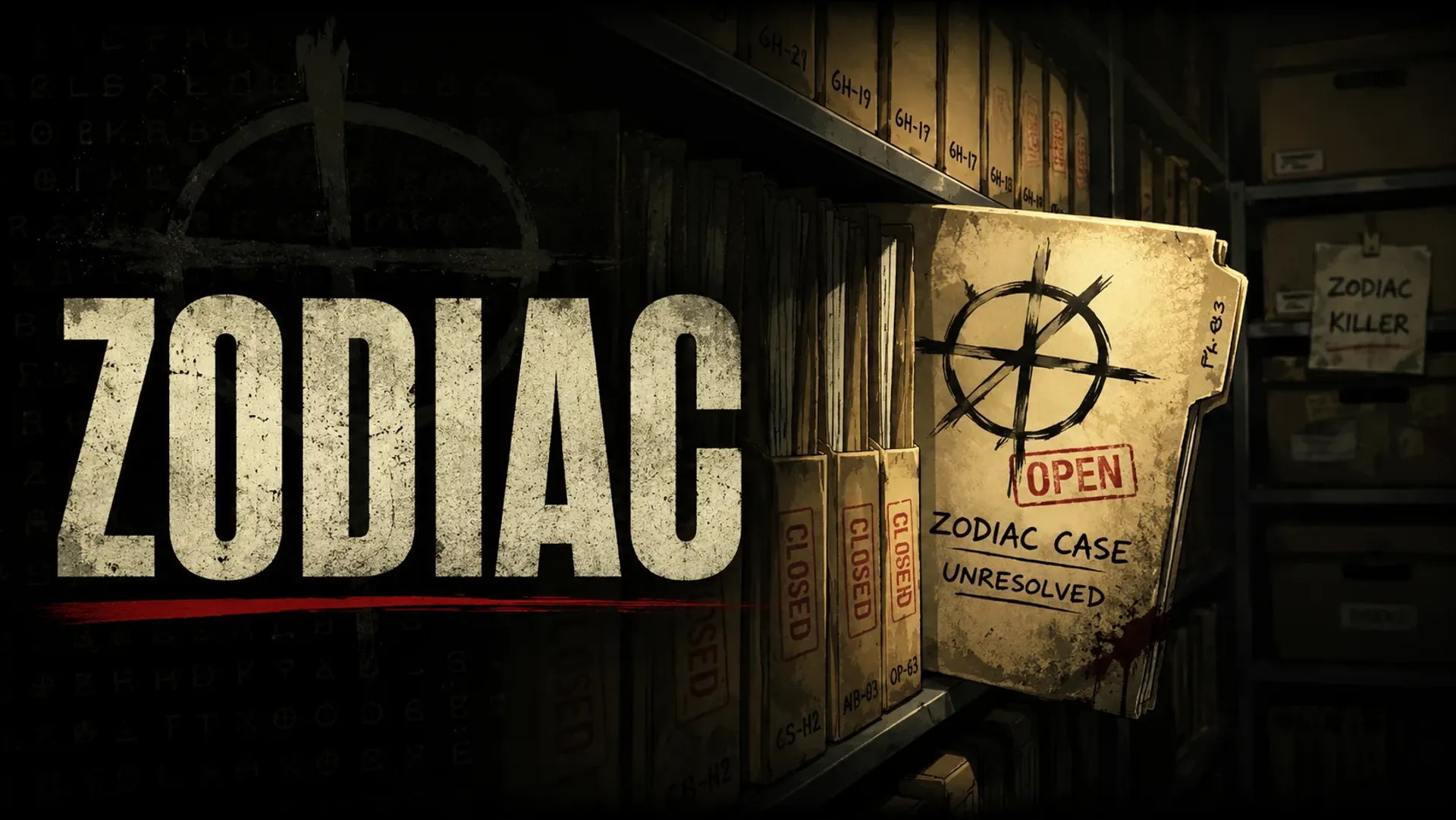
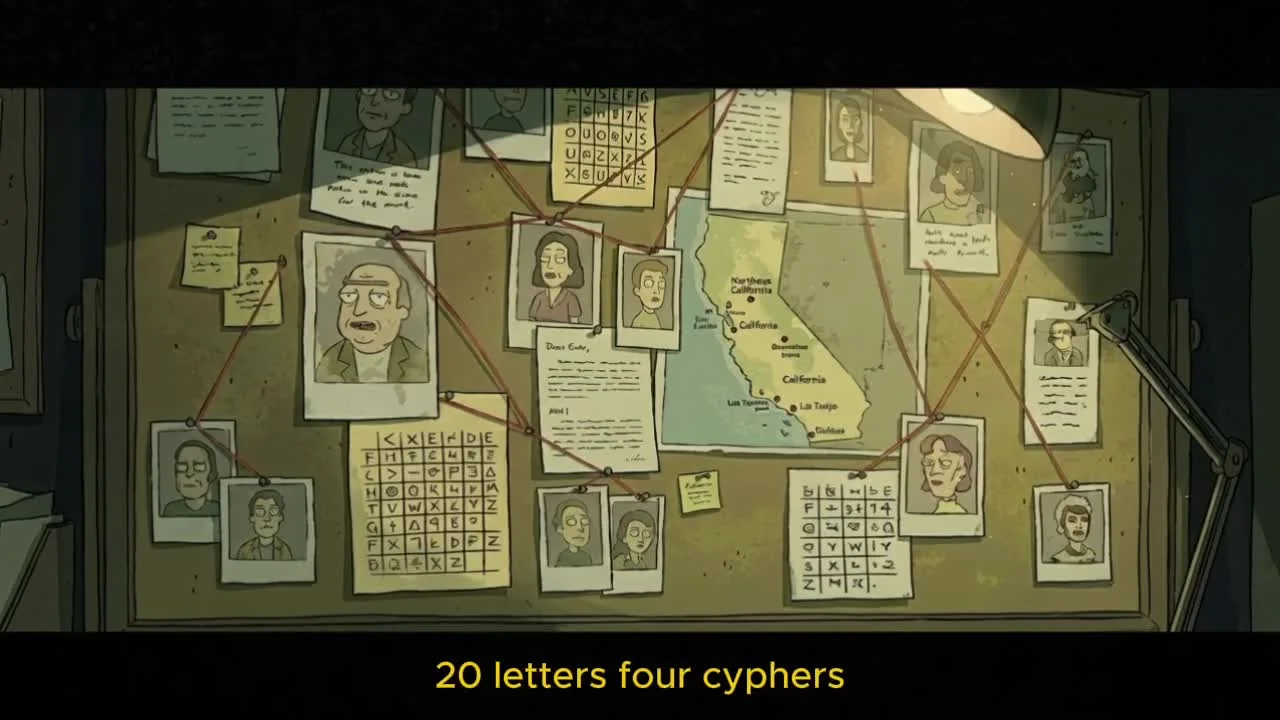
Five dead. Two survivors. Twenty letters. Four ciphers. One crossed-circle symbol. Almost sixty years later — nobody has ever said his name. Zodiac: The Killer Who Named Himself traces the most theatrically engineered murder campaign in American criminal history, told from both sides of the case — the attacks that shocked Northern California and the investigators, journalists, and obsessives who spent their careers trying to find a man who simply refused to be found. Told entirely through narration across twenty episodes, this micro-drama series follows the Zodiac from the gravel turnout on Lake Herman Road in December 1968 through his escalating media strategy, his four ciphers, his letters that paralysed school districts, and the investigators who came within fifteen feet of him and drove past. Unlike every other killer in this series, the Zodiac was never caught. He named himself, defined himself, and then disappeared — leaving behind a partial DNA profile, an unmatched palmprint, a 51-year cipher, and the only open serial murder case of the modern American era. He is the only one who got away with it.
21 episodes
1:14
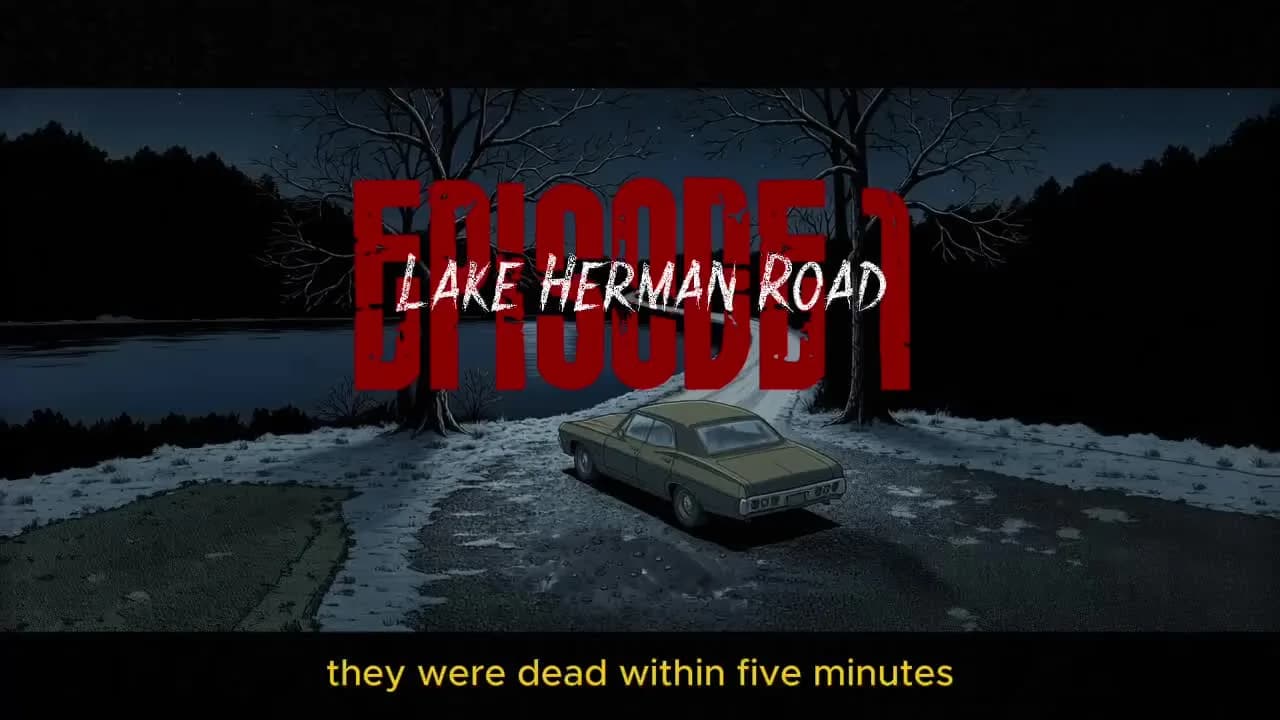
December 20, 1968. David Faraday, 17, and Betty Lou Jensen, 16, park at a gravel turnout on Lake Herman Road for their first official date. A second car pulls up, sits, leaves, and returns. A man steps out with a .22 rifle. David is shot once behind the ear trying to exit the car. Betty runs twenty-eight feet before being shot five times in the back. A woman driving home from work finds the bodies in her headlights and calls the Solano County Sheriff. Detective Les Lundblad arrives at midnight. Five shell casings. No prints. No witnesses. No motive. He doesn't know yet that he is working the first scene of California's longest unsolved murder case.
1:10
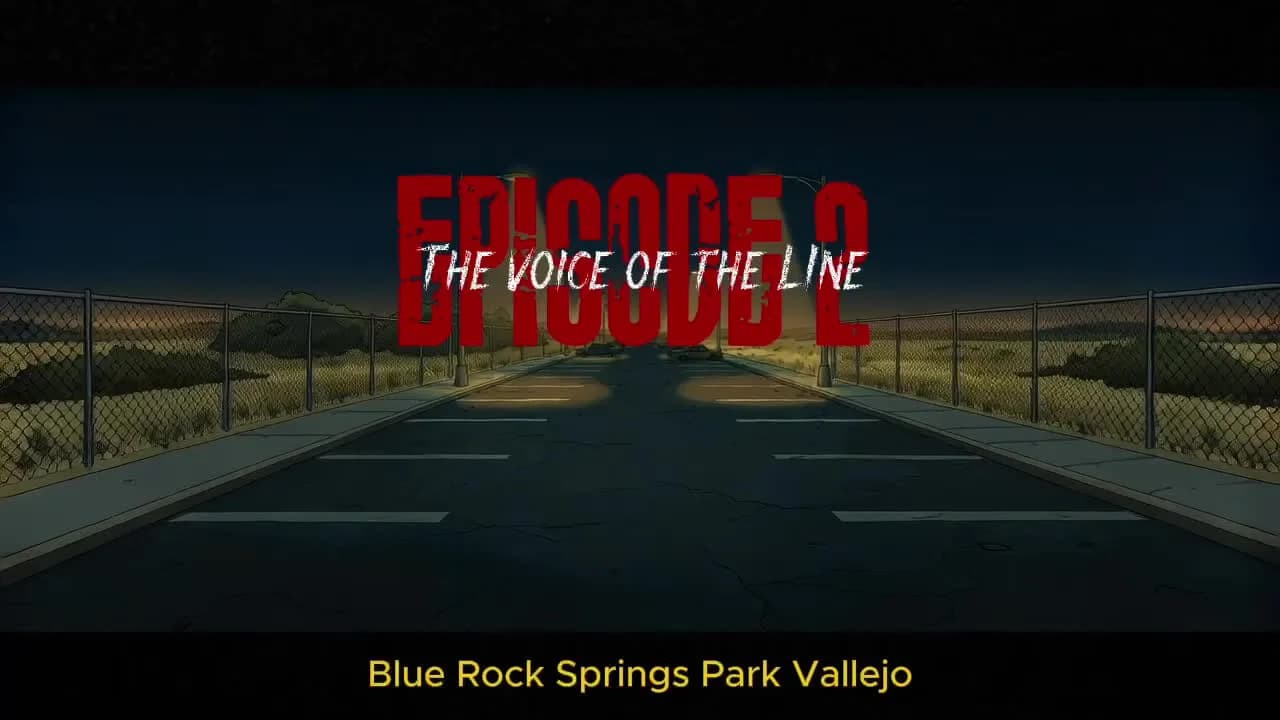
July 4, 1969. Blue Rock Springs Park, Vallejo — four miles from Lake Herman Road. Mike Mageau, 19, and Darlene Ferrin, 22, are parked just before midnight when a car pulls up, leaves, and returns. A man gets out with a 9mm and a flashlight, shines it into Mike's face, and fires five times. Darlene is hit nine times and dies at Kaiser Hospital. Mike is hit four times, plays dead, and survives. Forty-five minutes later, dispatcher Nancy Slover answers a call from a phone booth four blocks from Vallejo PD. A calm male voice gives her the location of the bodies, names the brand of ammunition, and adds — 'I also killed those kids last year.' He says goodbye before hanging up. The case now has a voice.
1:15
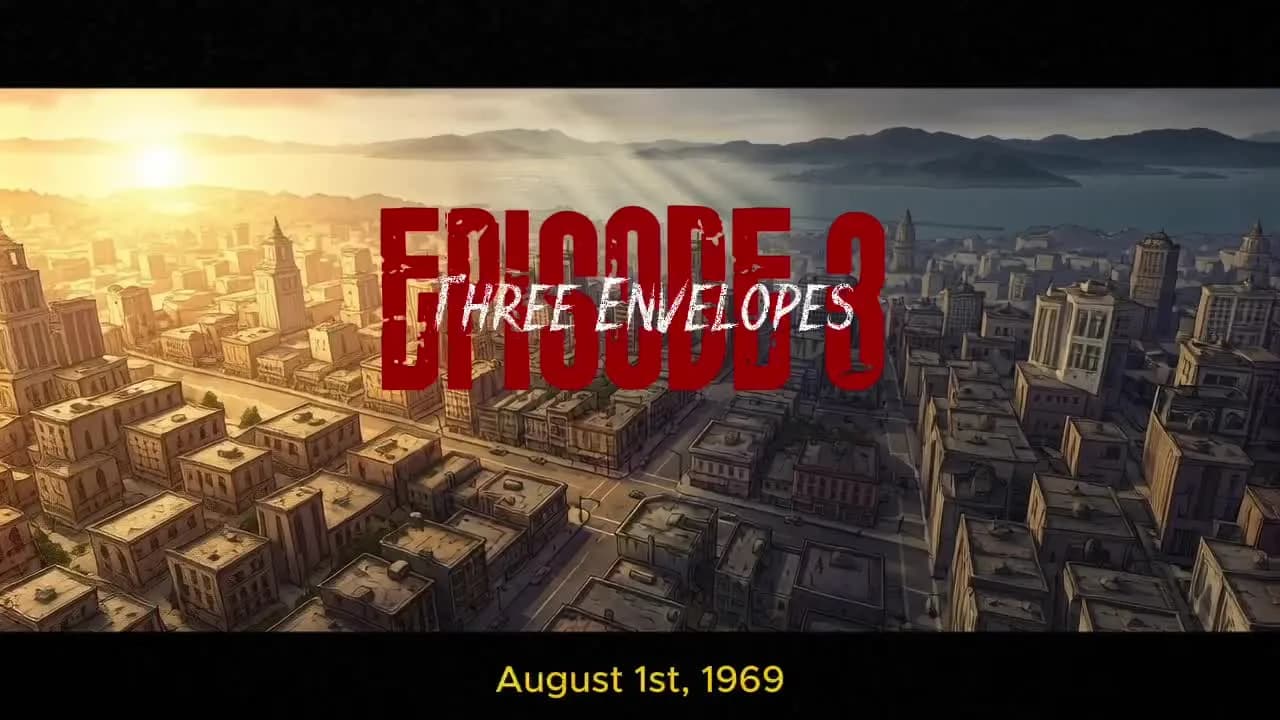
August 1, 1969. The San Francisco Chronicle, the Examiner, and the Vallejo Times-Herald each receive one third of a 408-symbol cipher — same handwriting, same postmark, same morning. The letter takes credit for Lake Herman Road and Blue Rock Springs with details only the killer could know, then threatens a kill rampage if the cipher is not printed on the front page by Friday. Police chiefs and editors hold emergency meetings. The Chronicle runs its third on page four; the others run on the front page. Within twelve hours the FBI Cryptographic Unit, the Naval Communications Center, and every amateur cryptographer in the country have copies. Everyone picks up a pencil.
1:07
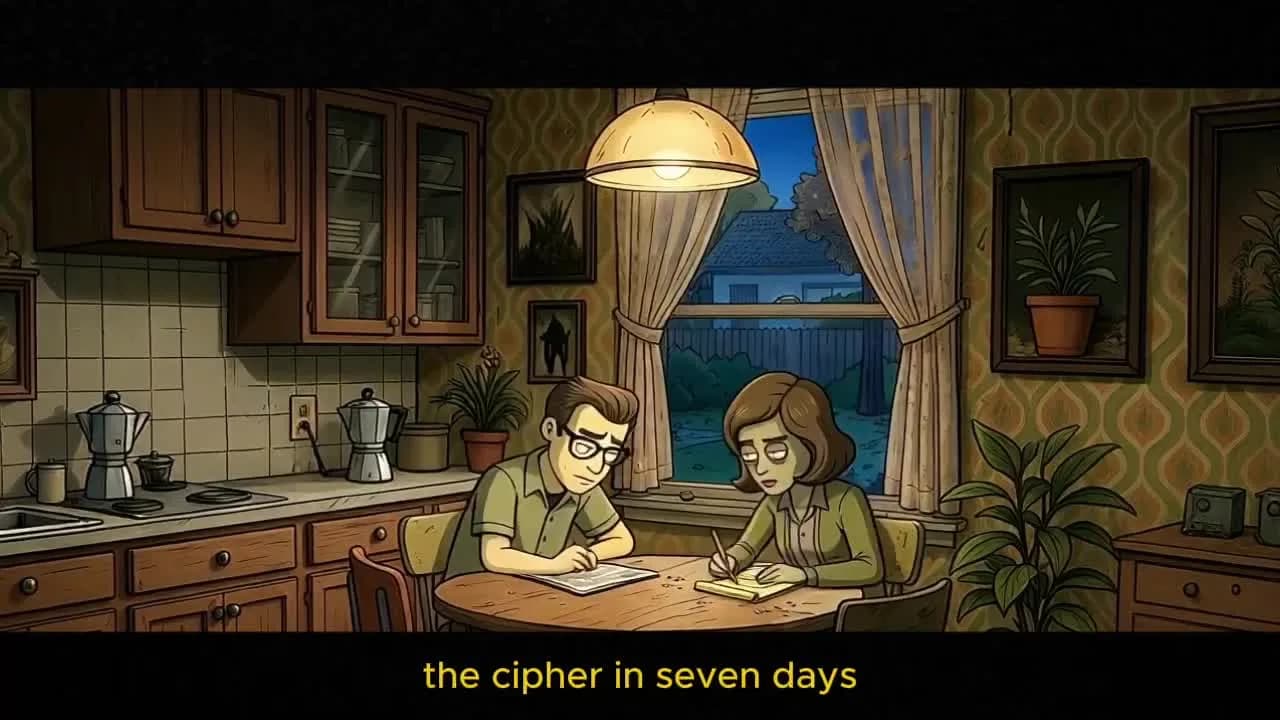
Salinas, California. Donald Harden, a high-school history teacher, and his wife Bettye sit at their kitchen table on August 2 with the three newspaper clippings reassembled into a single cipher. Bettye's theory: narcissists start their declarations with the word 'I.' She writes three guesses — I. Killing. People. — and Donald searches the symbol pattern for those words. By night four they have an entry point. By night seven they have the full message. On August 8 they walk the solution into the Chronicle. The decoded message begins: 'I like killing people because it is so much fun.' He had promised his name was hidden inside the cipher. It wasn't. Three days before they cracked it, another envelope had already arrived — signed 'This is the Zodiac speaking.'
1:10
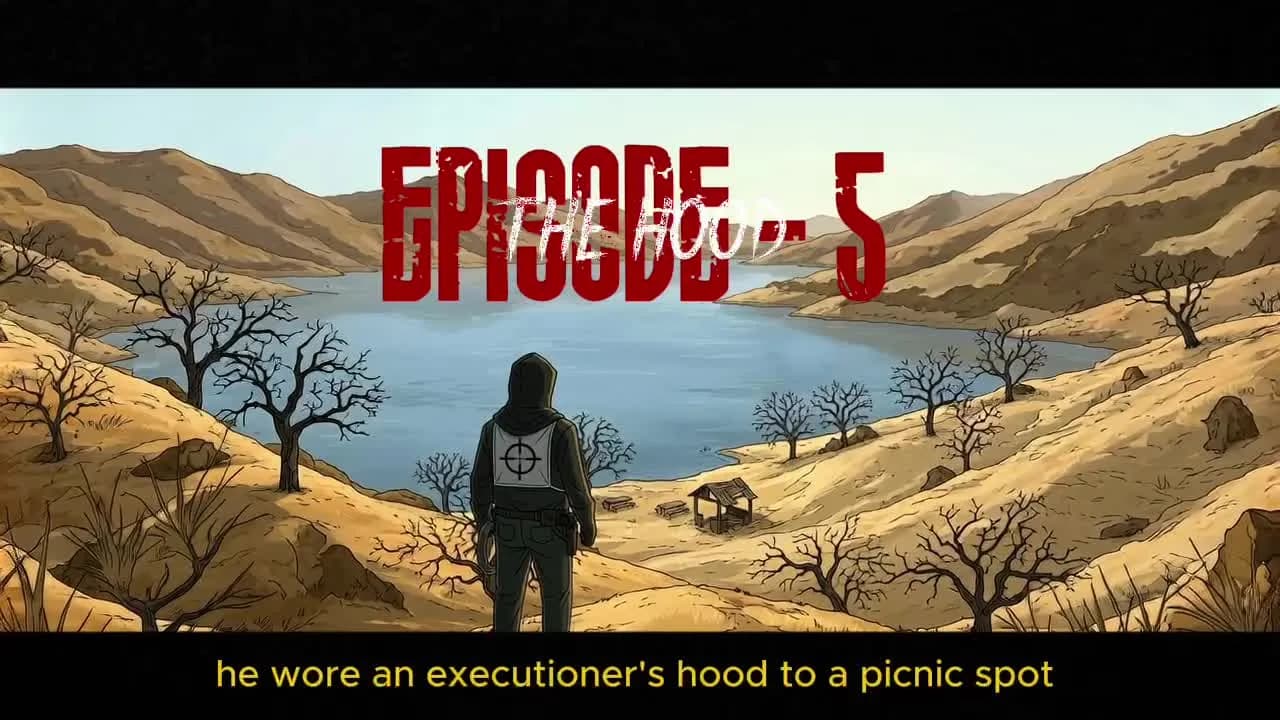
September 27, 1969. Lake Berryessa, Napa County. A warm Saturday afternoon. Bryan Hartnell, 20, and Cecelia Shepard, 22, are lying on a blanket on a sand spit when Cecelia notices a figure standing behind a tree, watching. He emerges wearing a black executioner's hood with clip-on sunglasses over the eyeholes and a white bib across his chest, onto which he has sewn a circle with a crosshair through it. He claims to be an escaped convict, produces pre-cut lengths of plastic clothesline, and makes Cecelia tie Bryan — then reties Bryan himself because her knots are too loose. Without warning he draws a 12-inch knife and stabs them both. Cecelia ten times. Bryan six times. He walks back up the hill, writes the dates of every attack on Bryan's car door, and drives to the nearest phone booth.
1:01
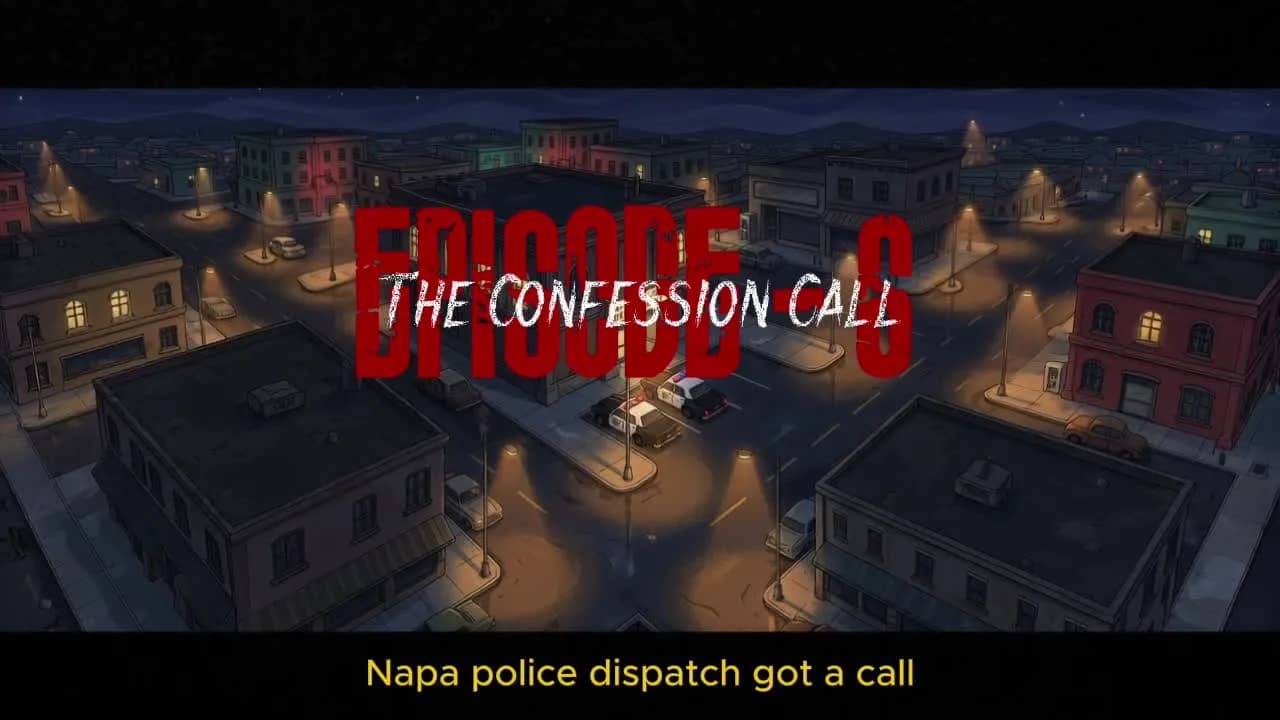
September 27, 1969. 7:40 p.m. Less than an hour after the Lake Berryessa stabbings, Officer David Slaight answers the phone at Napa PD. A slow, monotone male voice reports a double murder, gives the exact location of the bodies, and says — 'I'm the one that did it.' The call traces in minutes to a phone booth at Tuolumne and Main, four blocks from the police station. Officer Hal Snook reaches it in three minutes. The receiver is still warm. He lifts a clear palmprint from the receiver and the booth door. Napa Detective Ken Narlow sends it to the California State Identification Bureau, then to the FBI. It matches no one on file. Narlow keeps it for future comparison for the rest of his life.
1:07
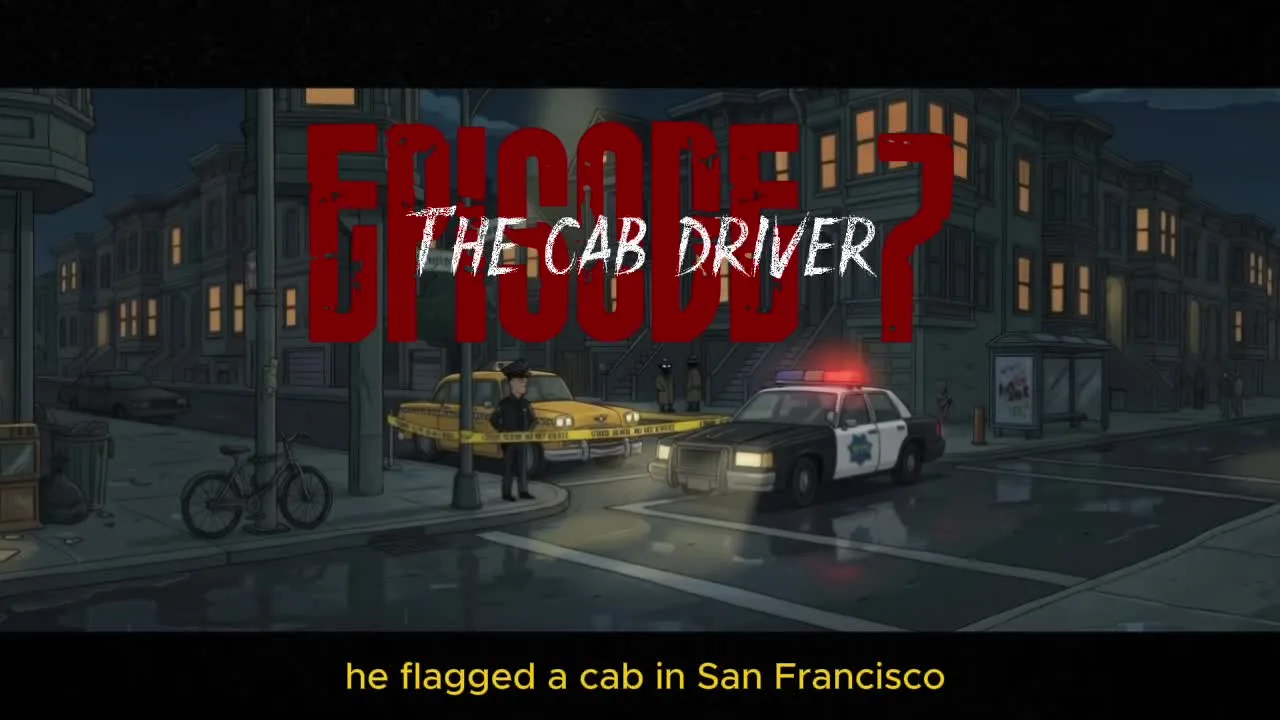
October 11, 1969. Paul Stine, 29, a PhD candidate driving cabs to pay tuition, picks up a heavyset white male passenger at Mason and Geary in San Francisco at 9:45 p.m. The fare is supposed to end at Washington and Maple in Presidio Heights. The cab stops one block early — Washington and Cherry. Three teenagers watching from a second-storey window across the street see the front-seat passenger turn, produce a 9mm pistol, and fire once. The killer rifles the wallet, tears a piece from Stine's bloody shirt, uses another piece to wipe down the door handles, and walks north up Cherry Street. Two patrol cars are within four blocks. The 911 description goes out at 9:58 p.m.
1:10
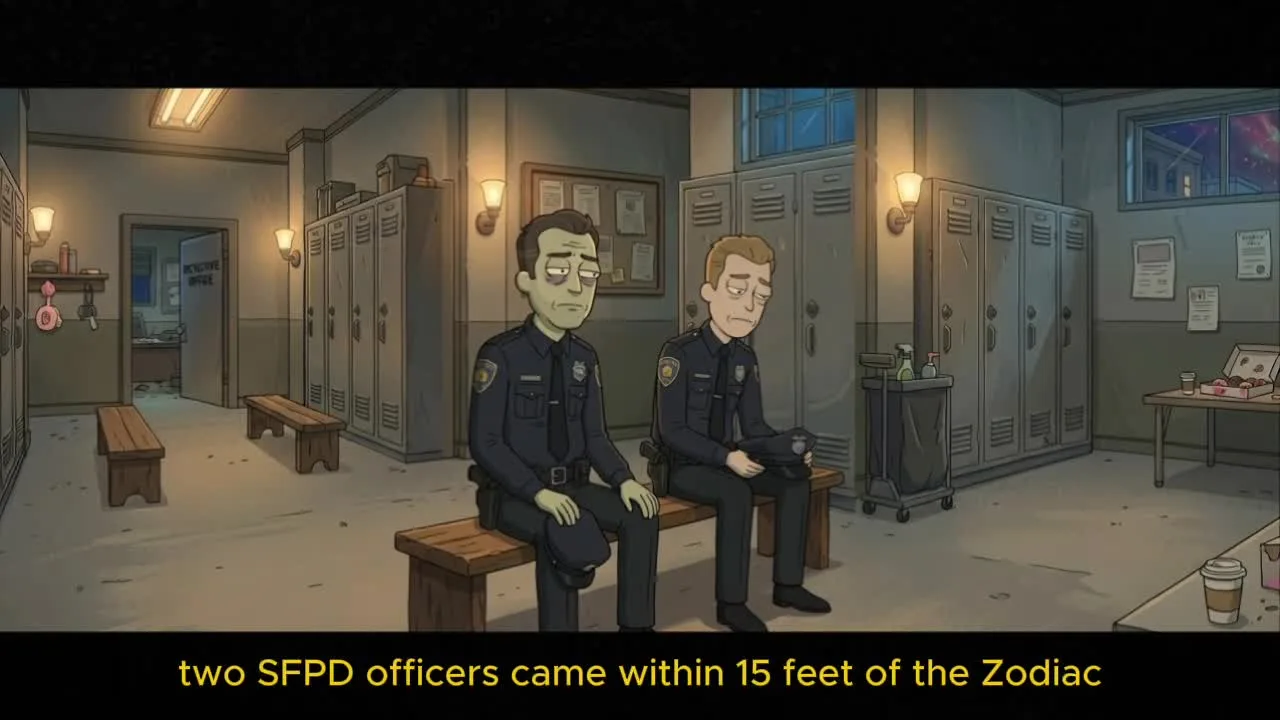
Officers Eric Zelms and Donald Fouke are on routine patrol when the murder broadcast comes in at 9:58 p.m. Dispatch says: Black male suspect, north of Washington and Cherry. They turn onto Jackson Street. Half a block ahead — a heavyset white man walking calmly in a parka, crew cut, glasses. He nods politely as their cruiser passes. Fouke notices him but dispatch said Black. They keep driving. Within five minutes SFPD command realises the description was transmitted incorrectly and corrects the broadcast. By the time patrol cars turn around, the man on Jackson Street is gone. Fouke carries the memory of that nod for forty years. The composite he draws two days later is the only Zodiac sketch ever made by an officer who saw the face directly.
1:11
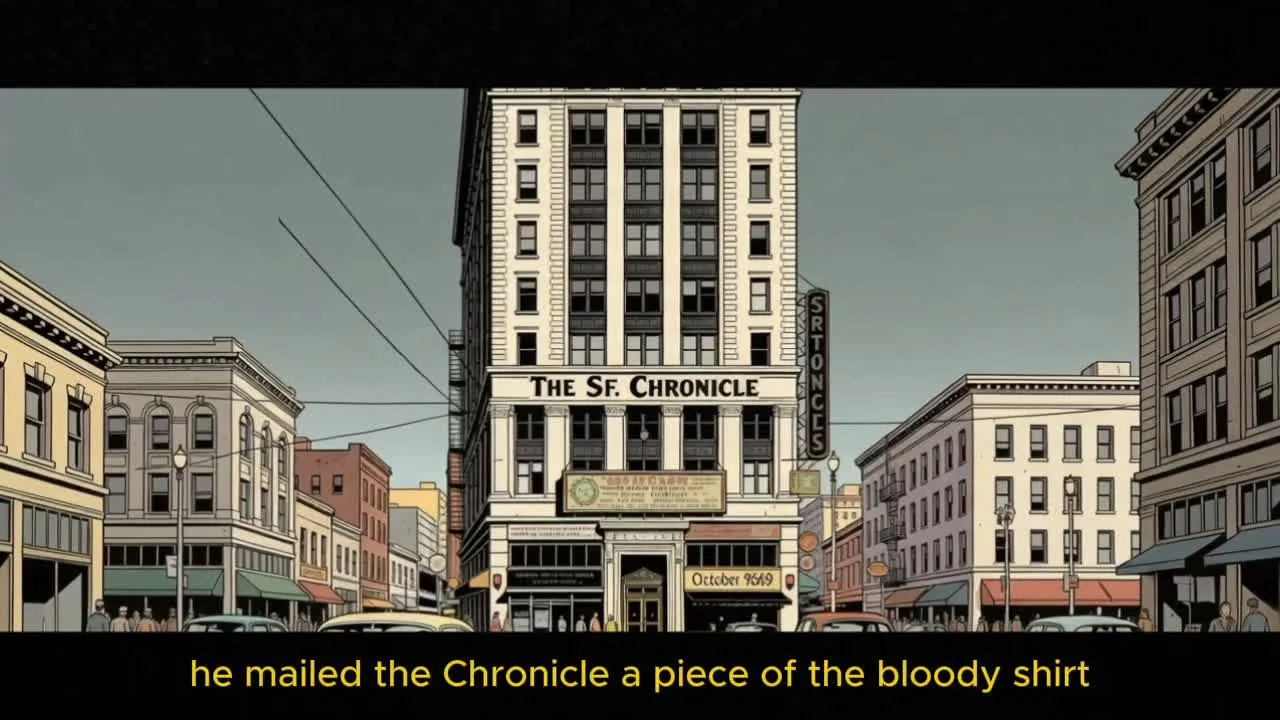
October 14, 1969. A plain envelope arrives at the San Francisco Chronicle city desk. Inside — a typed letter and a six-inch piece of bloodstained cotton confirmed to match Paul Stine's shirt. The letter claims the Stine murder and ends with a sentence that shuts down the Bay Area: 'School children make nice targets. I think I shall wipe out a school bus some morning. Just shoot out the front tire and pick off the kiddies as they come bouncing out.' Every Bay Area school district holds emergency meetings within twelve hours. Police and highway patrol begin escorting buses. Helicopters fly above routes. Parents start driving their children themselves. Bus ridership drops sixty percent in two weeks. He never attacks a bus. The threat was always worth more than the act.
1:02
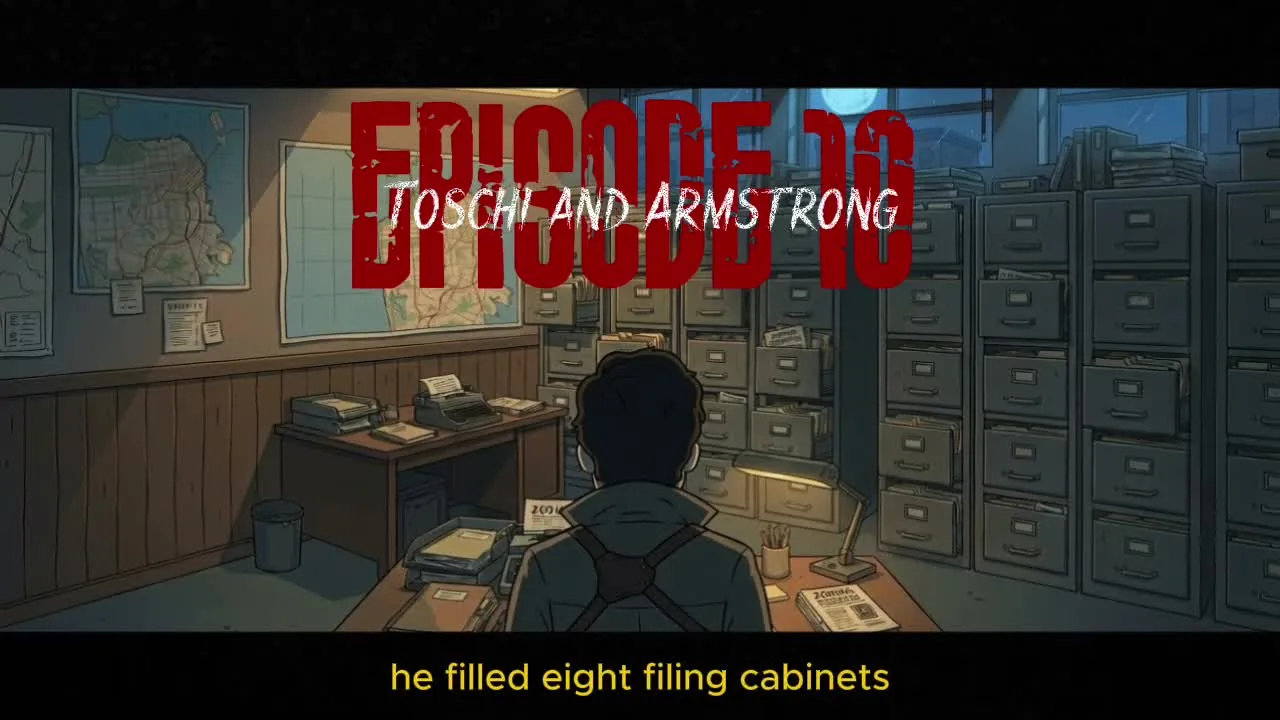
SFPD Homicide Bureau. Room 450, Hall of Justice. Inspector David Toschi — trench coat, bow tie, tin of breath mints in the top drawer — and his partner Bill Armstrong are assigned the Zodiac case the morning after Paul Stine. They pin every confirmed and suspected scene to a Bay Area wall map and begin the interviews: suspects, sex offenders, mental patients, sailors with Mare Island leave, men with crew cuts and military histories. Over the next decade, 2,500 suspects cross their desks. Most are eliminated on prints or alibi. Twelve pass every test, then fail handwriting. One of those twelve will haunt Toschi for the rest of his career. His name is Arthur Leigh Allen.
1:15
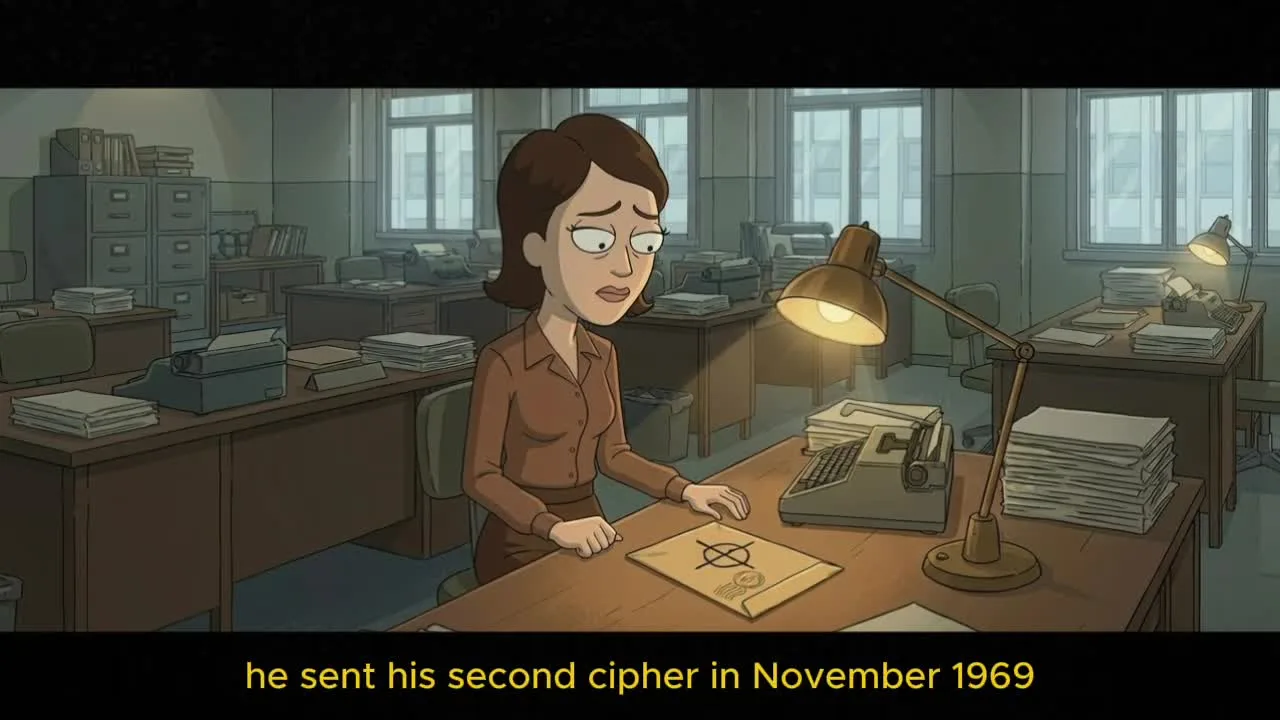
November 8, 1969. The Z-340 arrives at the San Francisco Chronicle — 340 symbols in seventeen rows of twenty, a different system from the first cipher, a different alphabet. The FBI works it for years. The NSA works it for years. Donald Harden, who cracked the first cipher in a week, tries for two decades and dies in 2002 still trying. Cryptographers rank it one of the great unsolved ciphers of the twentieth century. Then in December 2020 — fifty-one years and one month after it was mailed — David Oranchak in Virginia, Sam Blake in Australia, and Jarl Van Eycke in Belgium combine their attacks using modern parallel computing and crack it. The message taunts the police. It mocks fifty-one years of investigation. It contains no name. He had been lying about the ciphers from the beginning.
1:05
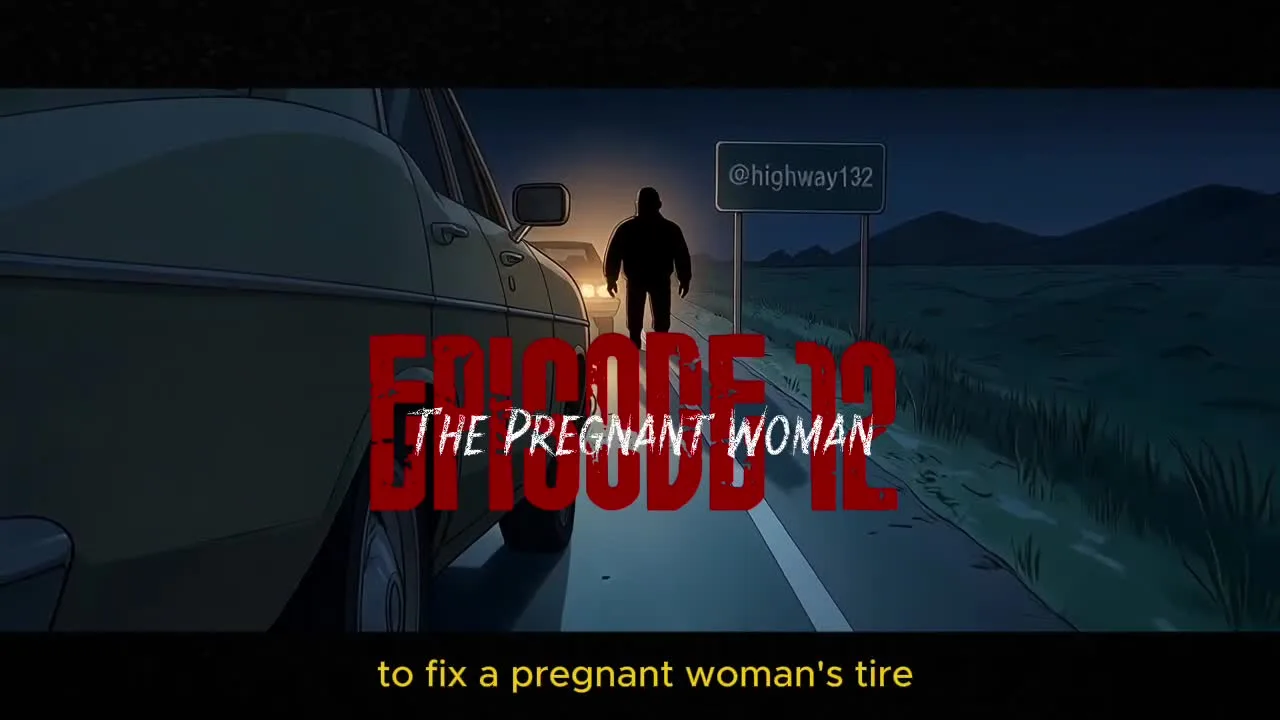
March 22, 1970. Kathleen Johns, 22 and seven months pregnant, is driving home on Interstate 132 west of Modesto with her ten-month-old daughter Jennifer when her rear tire begins to wobble. A heavyset man pulls up behind her, offers to tighten her lug nuts, and works for two minutes. She thanks him and drives away. The rear wheel comes off entirely — he has loosened the bolts, not tightened them. She accepts his offer of a ride. He drives past every gas station for ninety minutes. He says, quietly, 'You know I'm going to kill you.' She waits until he slows at a stop sign in Tracy, then jumps from the car with her daughter in her arms and runs into a field. Six days later a Zodiac letter arrives at the Chronicle taking credit.
1:10
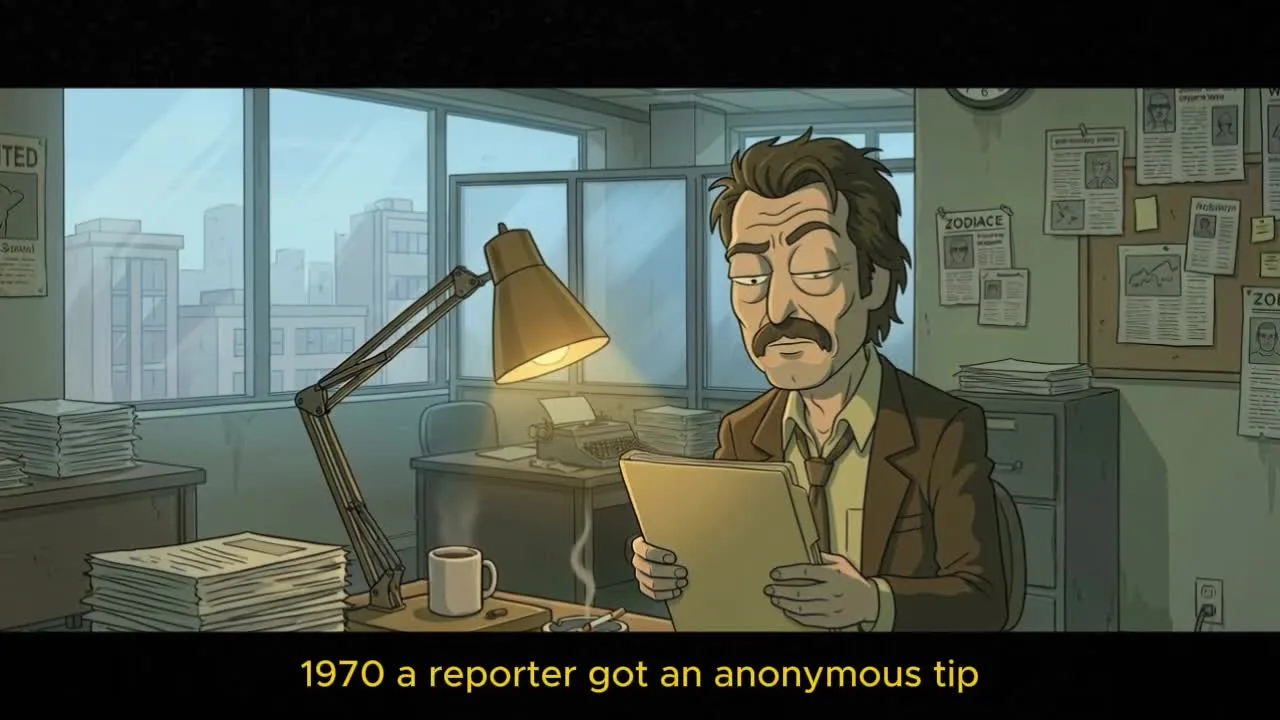
October 30, 1966. Cheri Jo Bates, 18, drives herself to the Riverside City College library to study. Someone disables her Volkswagen Beetle while she is inside. When she comes out, a man offers to help. She is found the next morning in an alley behind the library — stabbed, throat slashed almost to decapitation. The case goes cold within months. Then typed letters claiming credit, signed with a strange symbol, begin arriving at Riverside PD. Years later, Chronicle reporter Paul Avery receives a tip suggesting the cases are connected and takes the Riverside letters to handwriting expert Sherwood Morrill — chief questioned-documents examiner for the California Department of Justice. His conclusion: same author, beyond reasonable doubt. If Morrill is right, the Zodiac had been killing two years before anyone knew his name.
1:14
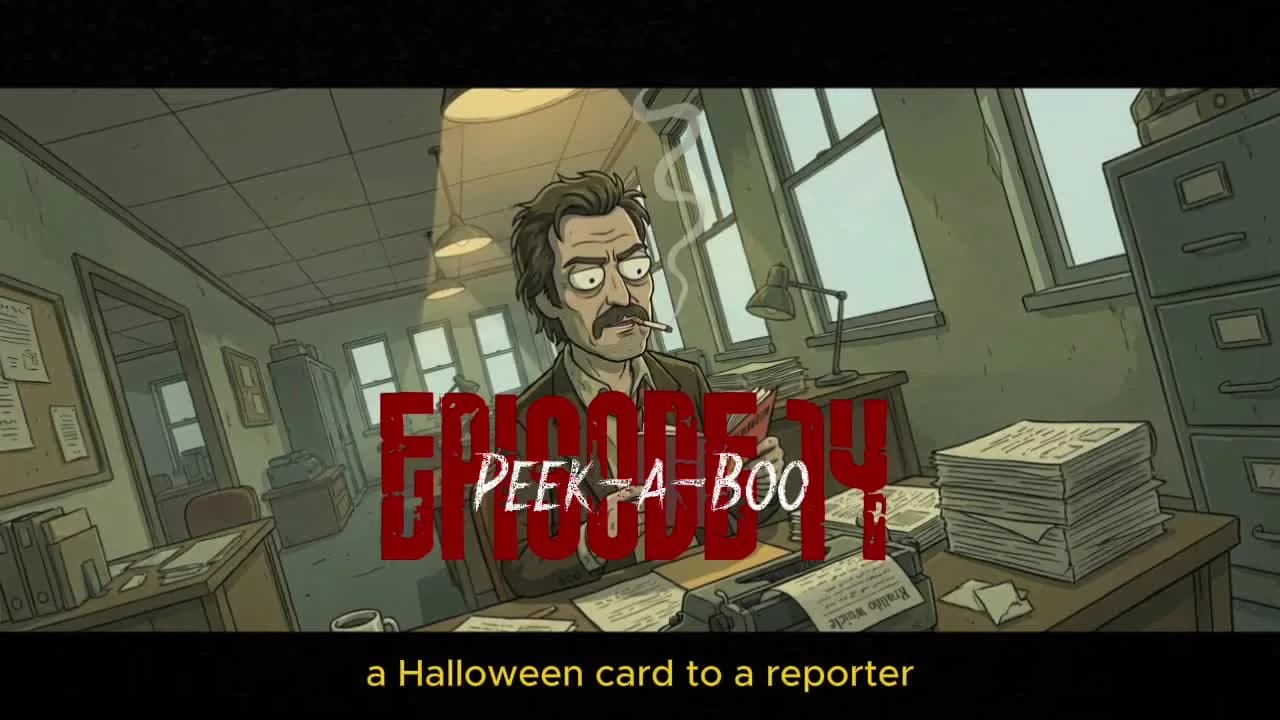
October 1970. Chronicle crime reporter Paul Avery — hard-drinking, chain-smoking, the journalist Robert Downey Jr. would later play — finds a Halloween card in his desk mail. The handwriting is immediately recognisable. Inside: 'peek-a-boo, you are doomed.' Signed with the crossed-circle symbol and the number '4-teen.' It is the first time the Zodiac has named a specific individual to kill. Avery starts carrying a Smith & Wesson .38 to work. His Chronicle colleagues print buttons reading 'I Am Not Paul Avery' and wear them on their lapels for two years. Avery refuses police protection, writes a front-page story the next day, and keeps covering the case for four more years. He survives. One floor above him, a 26-year-old cartoonist has already started building his own file.
1:02
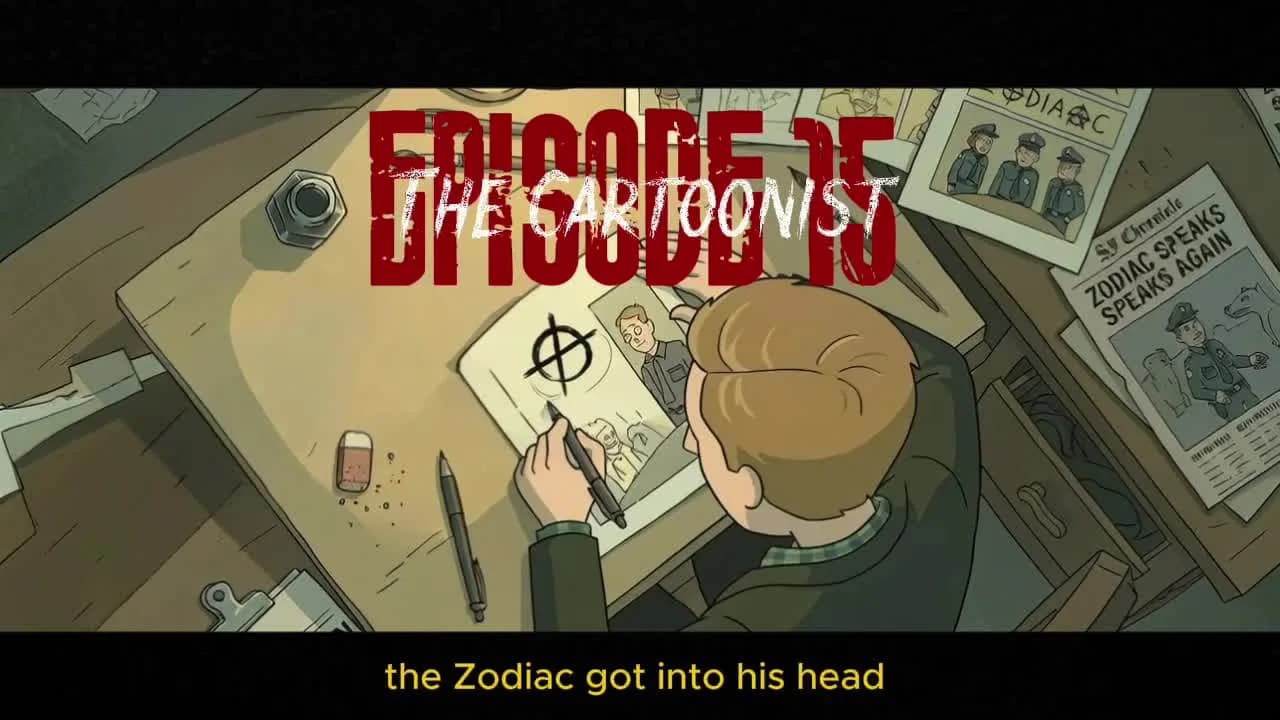
Robert Graysmith, 26, is a political cartoonist at the San Francisco Chronicle with a wife, three kids, and a manila folder under his drawing table where he keeps clipping Zodiac stories. By 1972 the folder is a box. By 1974 the box is three filing cabinets in his garage. He cold-calls every investigator on the case. He interviews survivors, visits every crime scene, and drives to Salinas to talk to the Hardens. His wife tells him to stop. His editor tells him to stick to cartoons. He doesn't. In 1983 he leaves the Chronicle to write a book. The book is called Zodiac. It names the man Graysmith is certain is the killer: Arthur Leigh Allen.
1:11
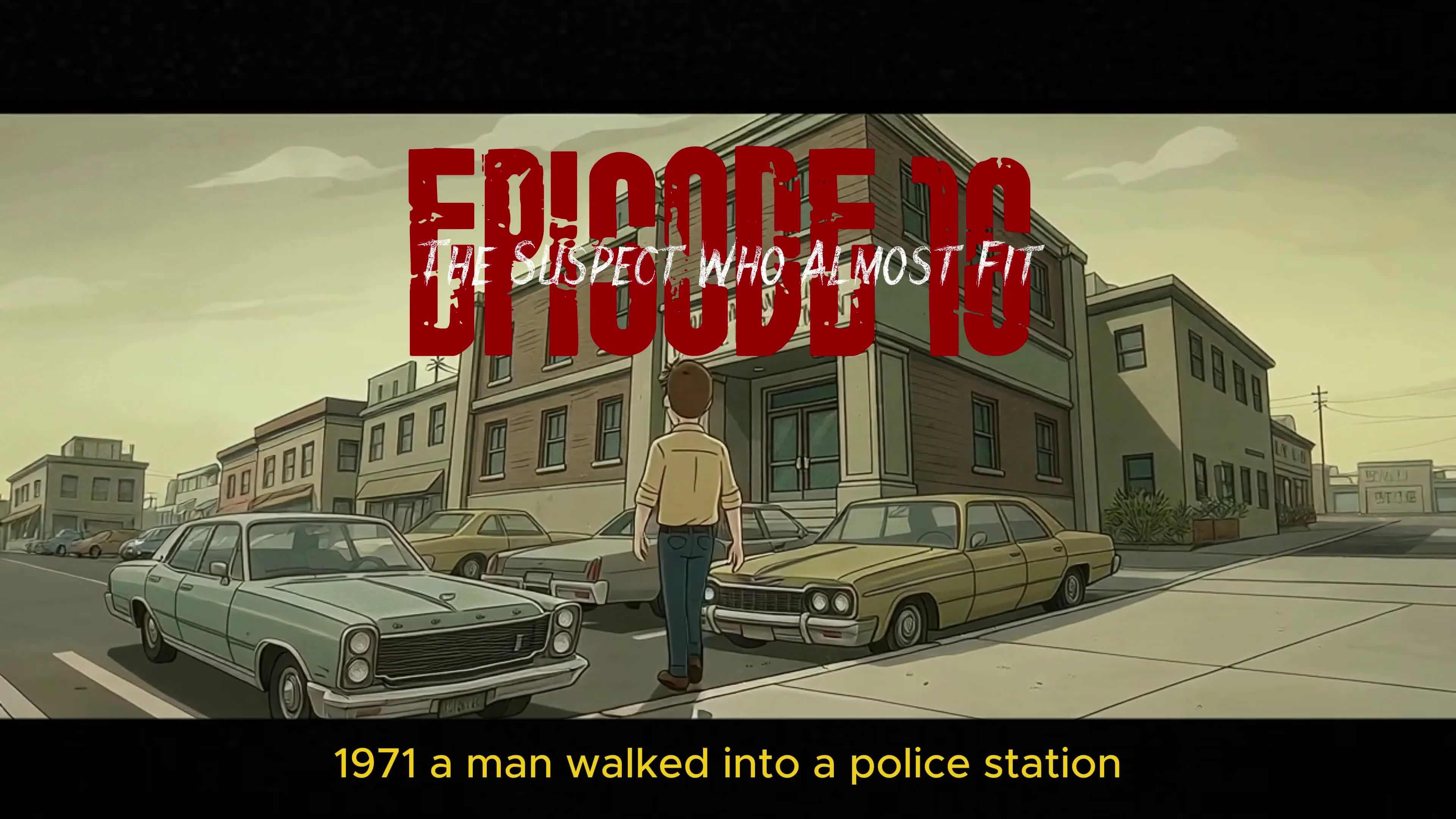
October 1971. Vallejo electrician Don Cheney walks into the Manhattan Beach Police Department and reports his drinking buddy, Arthur Leigh Allen. On New Year's Day 1968, Allen had described — over beers — wanting to call himself Zodiac, kill couples in lover's lanes, loosen lug nuts to lure victims, and mail ciphers to newspapers. Then all of it happened. Toschi, Armstrong, and Mulanax interview Allen the following month. He matches every survivor description. His Wing Walker boot size matches the Lake Berryessa print exactly. He had been at Lake Berryessa the day of the stabbings. He had been fired from a teaching position for molesting students. Then they send his handwriting to Sherwood Morrill. Morrill says the Zodiac letters are not in Allen's hand. Either Allen isn't the killer — or the killer didn't write the letters himself.
1:03
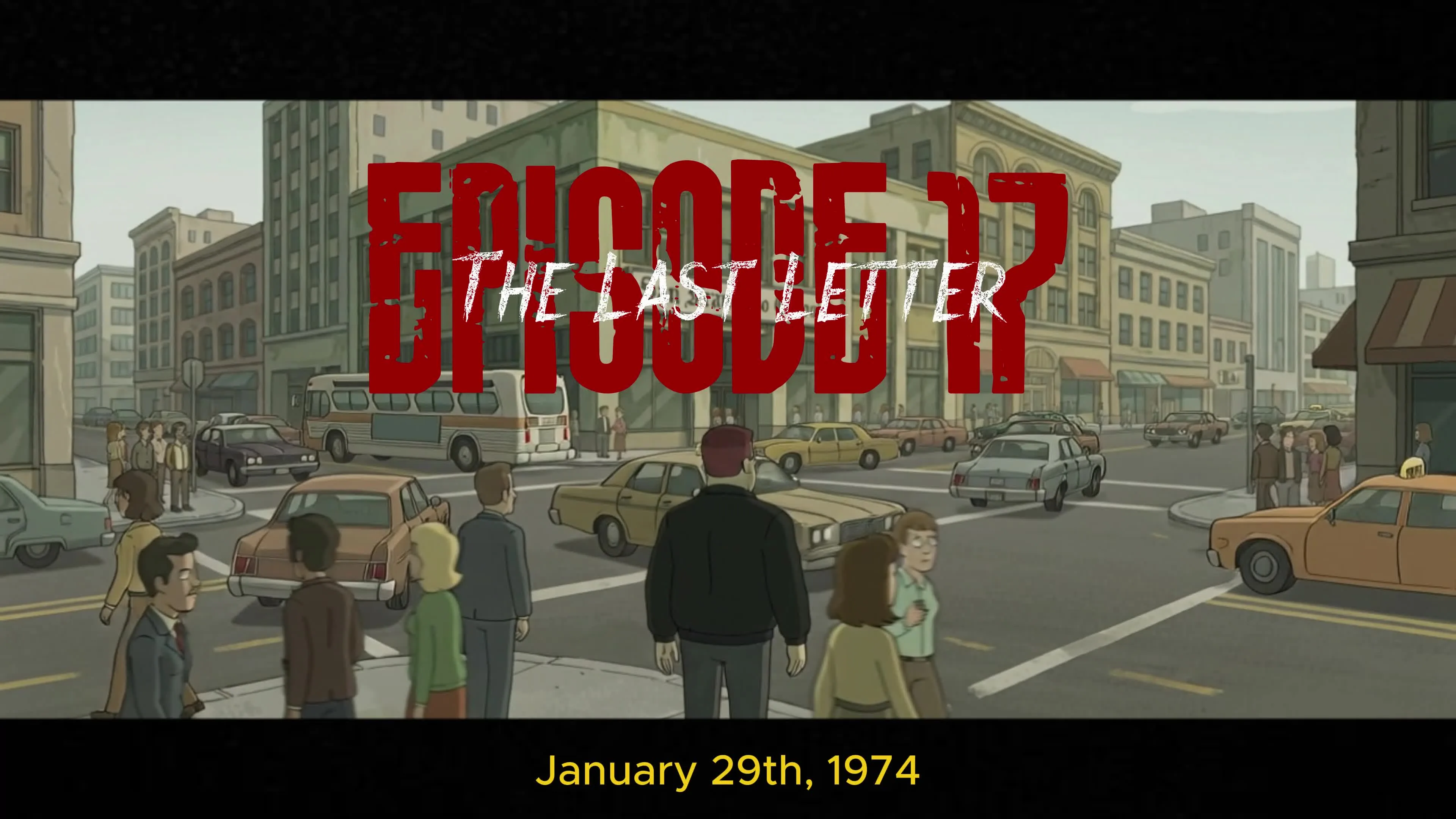
January 29, 1974. A final envelope arrives at the Chronicle in handwriting the entire newsroom now recognises on sight. Inside: a typed review of The Exorcist, misspellings throughout. He calls it the best 'saterical comidy' he has ever seen, claims credit vaguely for additional unspecified murders, and closes with a tally box — him versus the San Francisco Police Department. He gives himself 37. He gives SFPD zero. It is the last letter ever authenticated as his. Toschi spends the next four years waiting for another one. In 1978 a Zodiac letter arrives that proves to be a hoax — and suspicion for that hoax falls on Toschi himself.
1:14
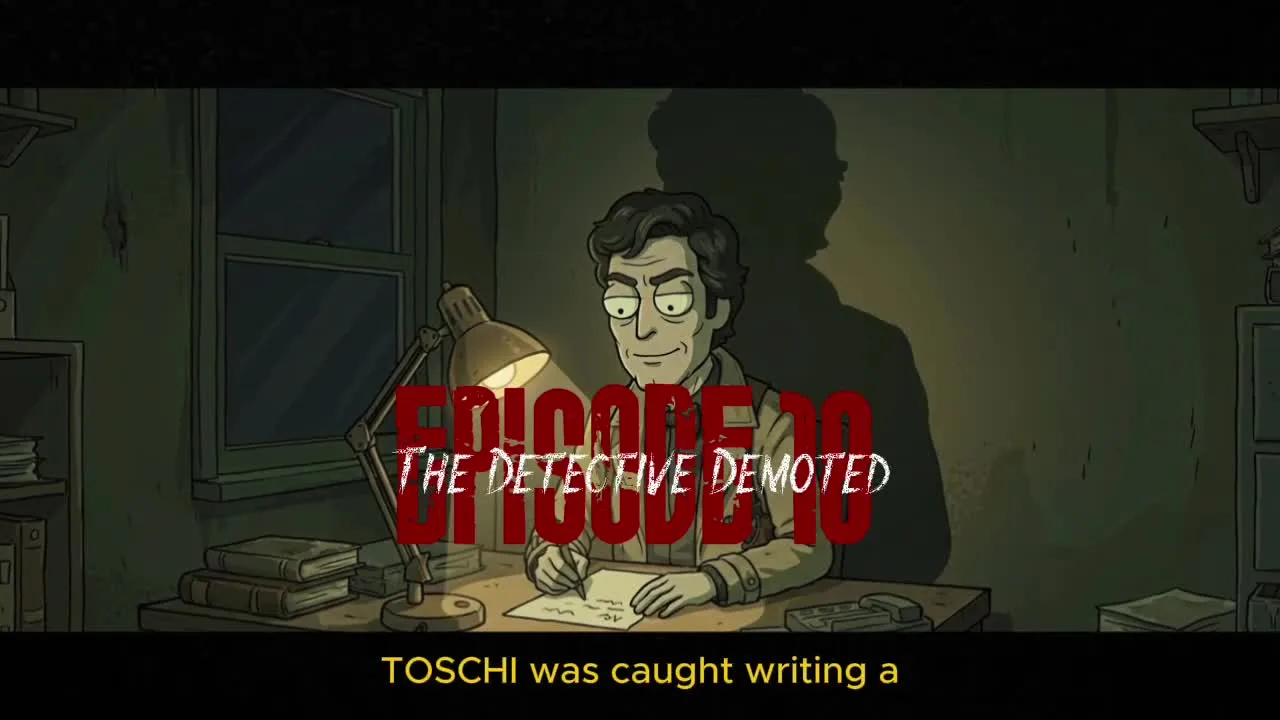
1978. SFPD Internal Affairs. Toschi has been writing anonymous fan mail to Chronicle columnist Armistead Maupin under a fake name — praising his own investigative work on the Zodiac case. He has been doing it for two years. Maupin recognises the handwriting and takes it to SFPD brass. Toschi admits to the letters. Then a Zodiac letter arrives in April 1978 that bears some of his writing patterns. Three handwriting experts examine it and declare it a hoax. Toschi denies forging it. An internal investigation clears him. But he is removed from the Zodiac case and reassigned to pawn-shop detail. He retires in 1987 and dies in January 2018. His last recorded interview, 2014: 'I think about him every day. I just want to know his name.'
1:06
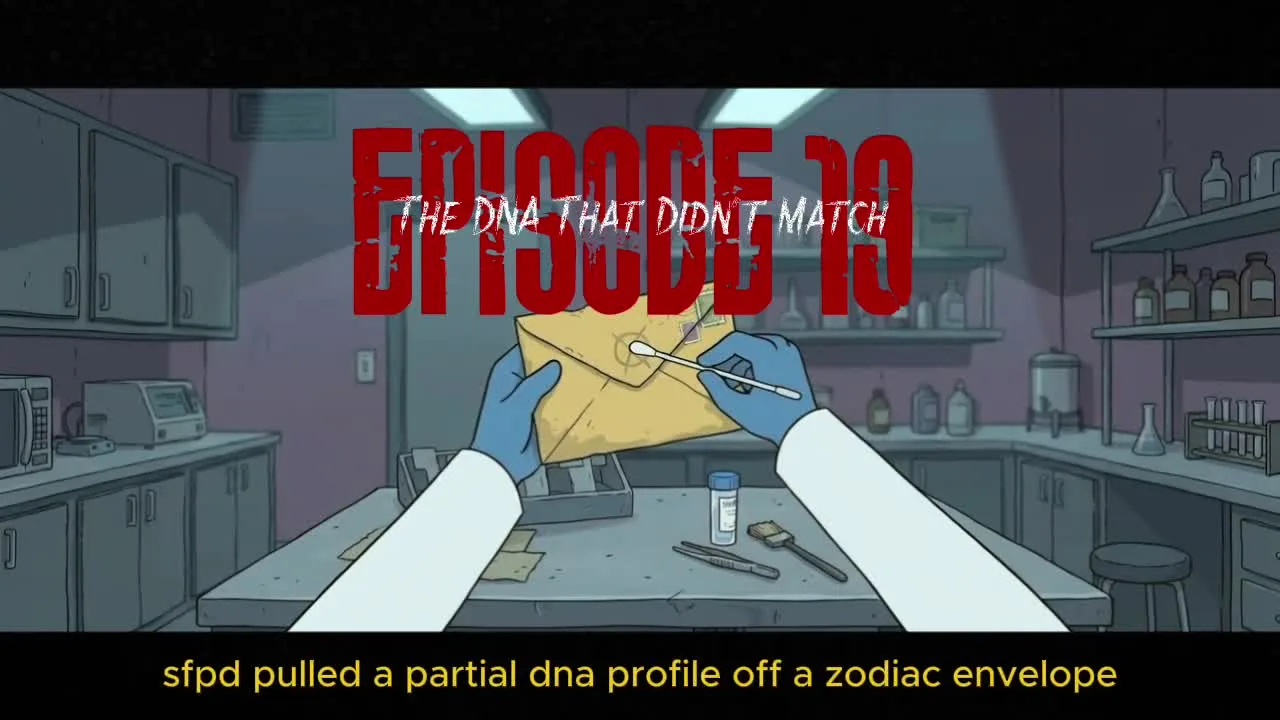
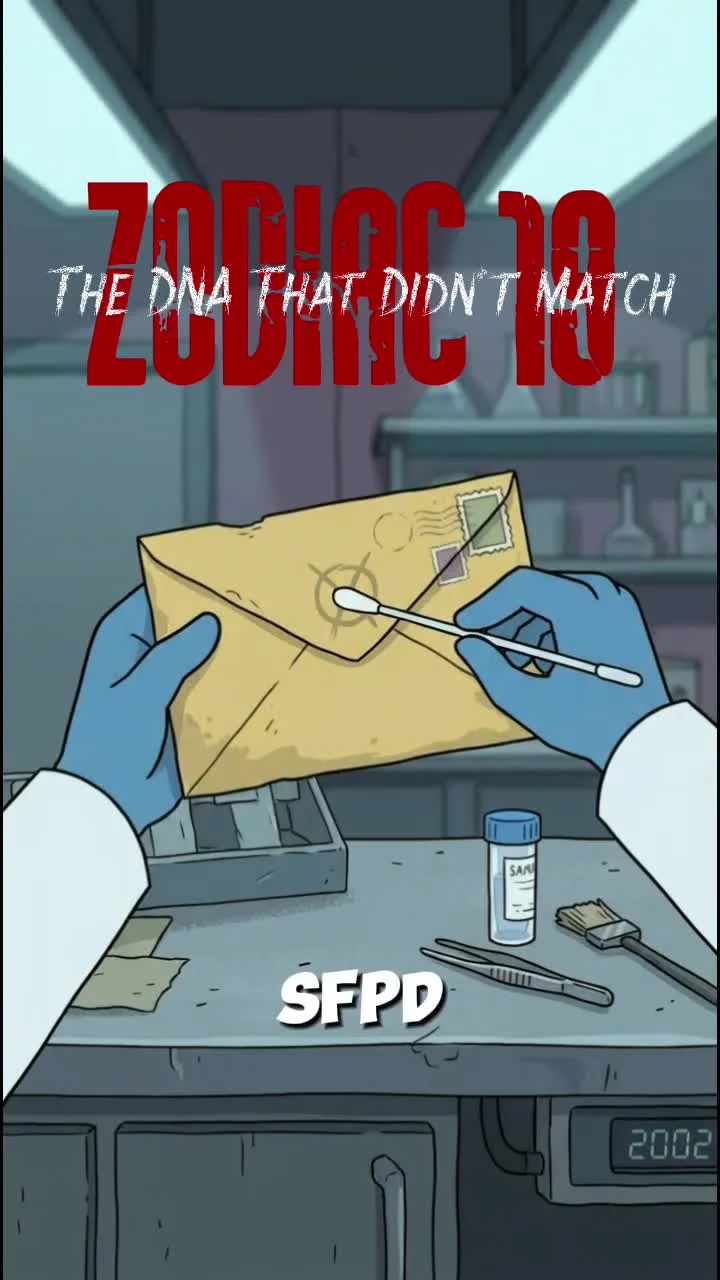
2002. SFPD forensics recovers a partial DNA profile from the saliva on the back of two Zodiac envelopes and compares it to Arthur Leigh Allen's preserved tissue samples. The DNA does not match. Either Allen wasn't the killer — or someone else licked his envelopes. Investigators can't determine which. Other suspects cycle through: Lawrence Kane, Ross Sullivan, Theodore Kaczynski, Earl Van Best Jr., Gary Francis Poste. More than 2,500 names across fifty years. None match the partial DNA. In December 2020 the Z-340 is finally cracked by three amateurs working from three countries. Investigators around the world hold their breath. The decoded message contains no name. He never intended to give them one — not in 1969, not in 2020, not ever.
1:12
He is the only major American serial killer of the modern era whose case is still officially open. The investigators who built the case have nearly all died — Toschi in 2018, Armstrong in 2007, Narlow in 2010, Mulanax in 2014, Morrill in 1998, Avery in 2000, Harden in 2002. The survivors are fading too. Mike Mageau died in 2018. Kathleen Johns in 2023. Bryan Hartnell is still alive at 76. Robert Graysmith is in his 80s. Still looking. The killer, if alive, would be between 85 and 100 years old. He may have died decades ago. He may be in a nursing home somewhere in Northern California. He gave five people confirmed deaths. He gave us four crime scenes, twenty letters, two surviving witnesses, a palmprint, and a partial DNA profile. He took everything else with him. He is the only killer in this entire series who got away with it.
1:14
1978. SFPD Internal Affairs. Toschi has been writing anonymous fan mail to Chronicle columnist Armistead Maupin under a fake name — praising his own investigative work on the Zodiac case. He has been doing it for two years. Maupin recognises the handwriting and takes it to SFPD brass. Toschi admits to the letters. Then a Zodiac letter arrives in April 1978 that bears some of his writing patterns. Three handwriting experts examine it and declare it a hoax. Toschi denies forging it. An internal investigation clears him. But he is removed from the Zodiac case and reassigned to pawn-shop detail. He retires in 1987 and dies in January 2018. His last recorded interview, 2014: 'I think about him every day. I just want to know his name.'