Jack The Ripper
True Crime
35 Episodes
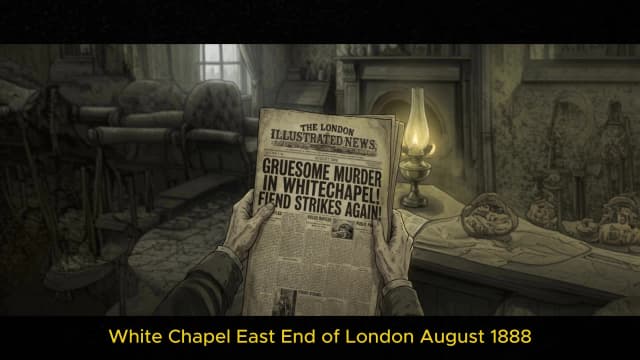
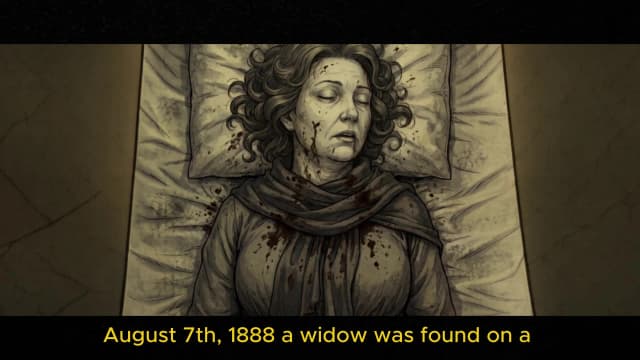
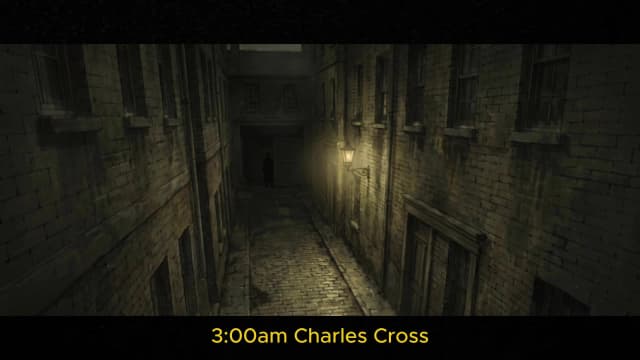
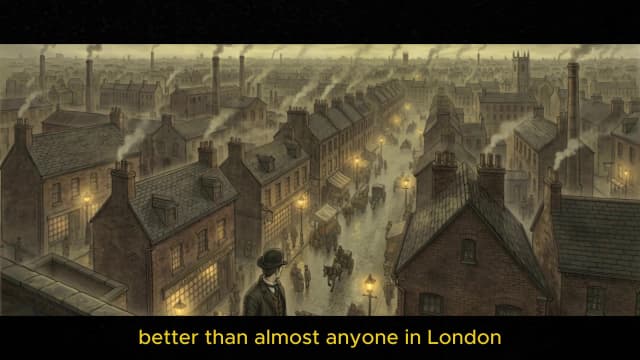
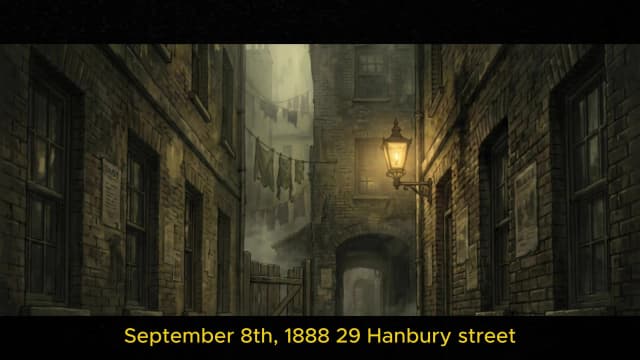
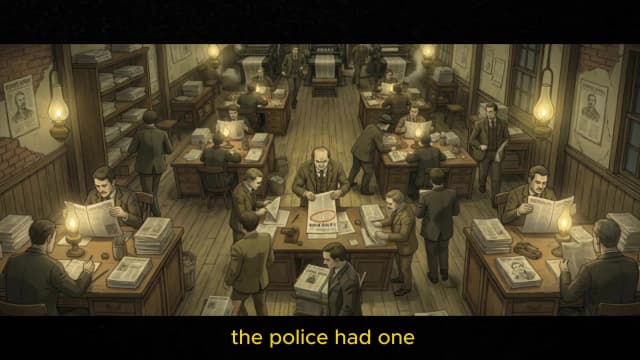
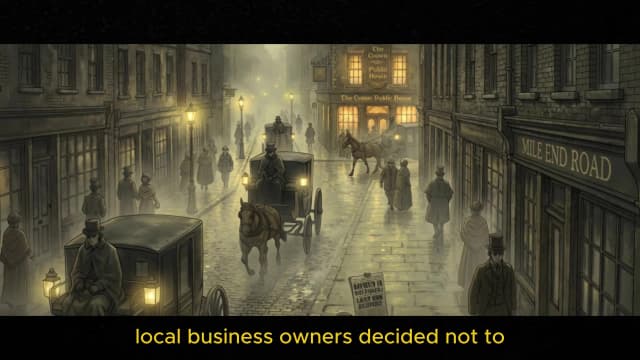
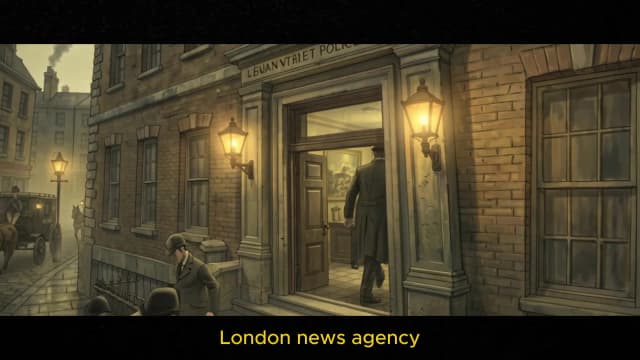
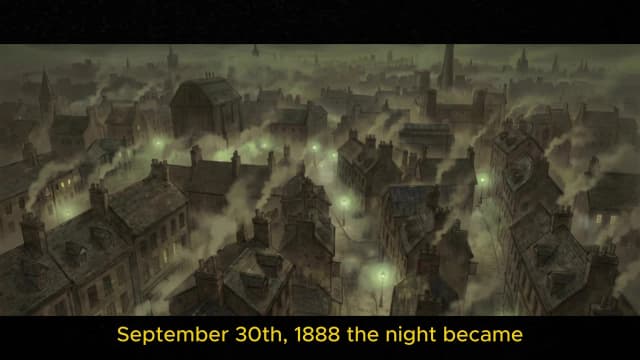
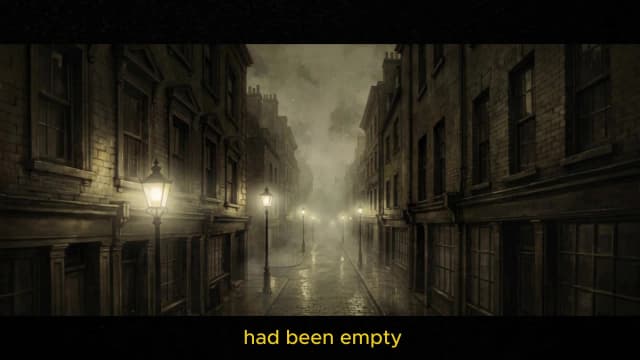
Five women. Eleven weeks. Half a square mile. No arrest. No trial. No name. Jack the Ripper: The First Serial Killer of the Modern Era traces the case that invented serial murder as a modern concept — a nameless killer who operated inside a seventy-seven-day window in the autumn of 1888, butchering five prostitutes in the gaslit back yards and cobblestone courts of Whitechapel, removing their organs in the dark with a precision that divided Scotland Yard's own surgeons, and vanishing into the most densely surveilled half-mile in British policing history without leaving a fingerprint, a footprint, or a drop of his own blood. Told entirely through narration across twenty episodes, this micro-drama series follows the case from both sides of the gas lamp — through the streets where 76,000 people slept in beds rented by the hour, through the methodical brutality that escalated from thirty-nine stab wounds on a tenement landing to a two-hour disembowelment behind a locked door, and through the investigation led by Inspector Frederick Abberline, a man who knew every rookery and doss-house keeper by name and still could not catch what was walking past him in the fog. Unlike every other killer in this series, Jack the Ripper was never identified, never charged, and never stopped by police work. He wrote two letters that gave the case its name and the press its greatest circulation spike since the Crimean War. He mailed half a human kidney to the president of a citizen patrol. He left a single chalk sentence on a tenement wall — and the Commissioner of Police personally ordered it erased before dawn. He was caught by no one. The case files were sealed for ninety-nine years. Over a hundred suspects have been named across a century of investigation. He has been a barrister, a barber, a royal duke, a Polish hairdresser, an American quack, and Lewis Carroll. He has never been a man with proof beside his name.
Jack The Ripper
True Crime
35 Episodes
Five women. Eleven weeks. Half a square mile. No arrest. No trial. No name. Jack the Ripper: The First Serial Killer of the Modern Era traces the case that invented serial murder as a modern concept — a nameless killer who operated inside a seventy-seven-day window in the autumn of 1888, butchering five prostitutes in the gaslit back yards and cobblestone courts of Whitechapel, removing their organs in the dark with a precision that divided Scotland Yard's own surgeons, and vanishing into the most densely surveilled half-mile in British policing history without leaving a fingerprint, a footprint, or a drop of his own blood. Told entirely through narration across twenty episodes, this micro-drama series follows the case from both sides of the gas lamp — through the streets where 76,000 people slept in beds rented by the hour, through the methodical brutality that escalated from thirty-nine stab wounds on a tenement landing to a two-hour disembowelment behind a locked door, and through the investigation led by Inspector Frederick Abberline, a man who knew every rookery and doss-house keeper by name and still could not catch what was walking past him in the fog. Unlike every other killer in this series, Jack the Ripper was never identified, never charged, and never stopped by police work. He wrote two letters that gave the case its name and the press its greatest circulation spike since the Crimean War. He mailed half a human kidney to the president of a citizen patrol. He left a single chalk sentence on a tenement wall — and the Commissioner of Police personally ordered it erased before dawn. He was caught by no one. The case files were sealed for ninety-nine years. Over a hundred suspects have been named across a century of investigation. He has been a barrister, a barber, a royal duke, a Polish hairdresser, an American quack, and Lewis Carroll. He has never been a man with proof beside his name.