The Night Stalker
True Crime
40 Episodes
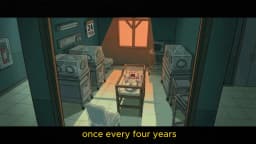
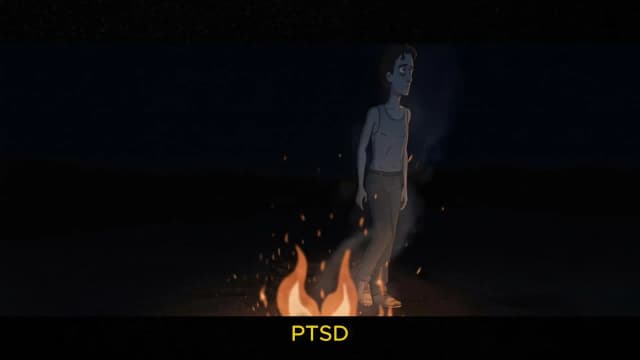
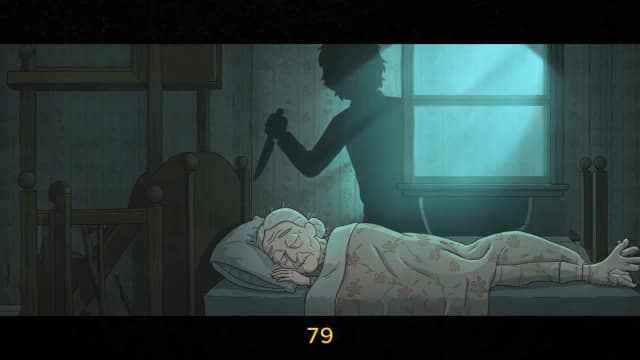
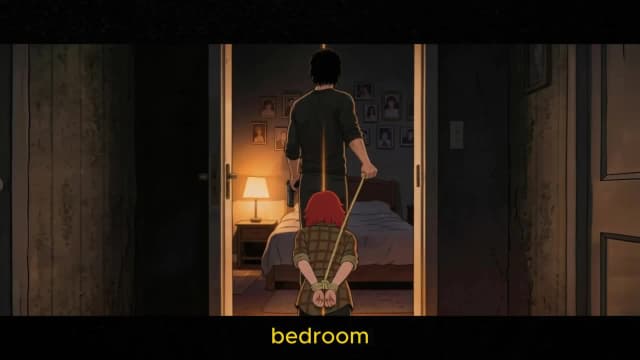
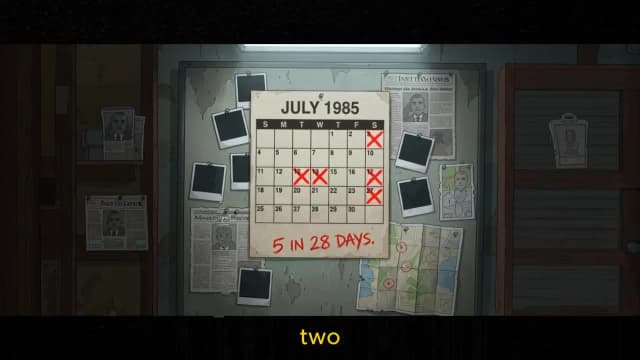
Seventeen dead. Dozens of survivors. A city in panic. And a 13-year-old boy with a notebook who changed everything. Richard Ramirez: The Night Stalker traces the most terrifying eight months in Los Angeles history — a disorganised, cocaine-fuelled rampage through the suburbs and bedrooms of Southern California that left no pattern, no victim type, and no warning except the pentagram drawn on the wall afterward. Told entirely through narration across twenty episodes, this micro-drama series follows Ramirez from his leap-day birth in a violent El Paso household, through a childhood shaped by head injuries, a cemetery, a Green Beret cousin's Polaroids, and a brother-in-law who taught him to move silently across rooftops — to the Cecil Hotel, the Night Stalker spree, the Avia sneaker print, the computerised fingerprint database that had been live for ten days, and the angry East Los Angeles mob that beat him unconscious with a fence post before police could arrive. Unlike the organised, methodical killers in this series, Ramirez had no plan, no type, and no off switch. He drove until he found an open window. He killed men, women, and children. He believed — not as performance, but as conviction — that he was an instrument of the devil. He was caught not by a task force or a forensic breakthrough, but by the neighbourhood he tried to carjack. He died in a hospital bed waiting for California to execute him. He never apologised for any of it.
The Night Stalker
True Crime
40 Episodes
Seventeen dead. Dozens of survivors. A city in panic. And a 13-year-old boy with a notebook who changed everything. Richard Ramirez: The Night Stalker traces the most terrifying eight months in Los Angeles history — a disorganised, cocaine-fuelled rampage through the suburbs and bedrooms of Southern California that left no pattern, no victim type, and no warning except the pentagram drawn on the wall afterward. Told entirely through narration across twenty episodes, this micro-drama series follows Ramirez from his leap-day birth in a violent El Paso household, through a childhood shaped by head injuries, a cemetery, a Green Beret cousin's Polaroids, and a brother-in-law who taught him to move silently across rooftops — to the Cecil Hotel, the Night Stalker spree, the Avia sneaker print, the computerised fingerprint database that had been live for ten days, and the angry East Los Angeles mob that beat him unconscious with a fence post before police could arrive. Unlike the organised, methodical killers in this series, Ramirez had no plan, no type, and no off switch. He drove until he found an open window. He killed men, women, and children. He believed — not as performance, but as conviction — that he was an instrument of the devil. He was caught not by a task force or a forensic breakthrough, but by the neighbourhood he tried to carjack. He died in a hospital bed waiting for California to execute him. He never apologised for any of it.